
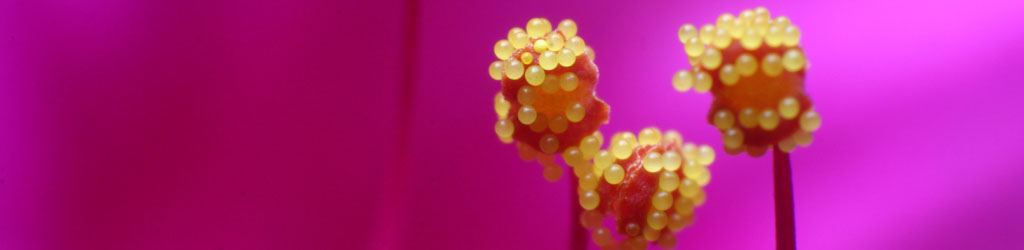
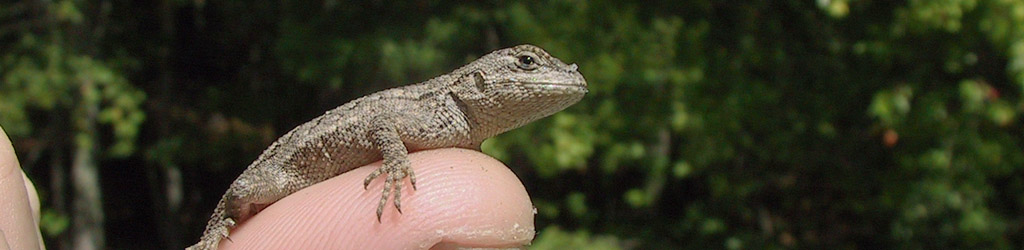
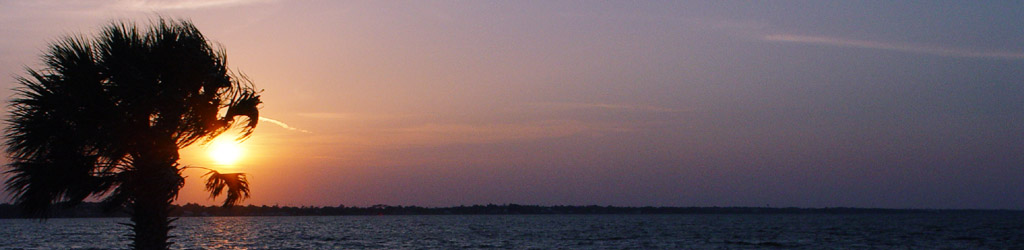
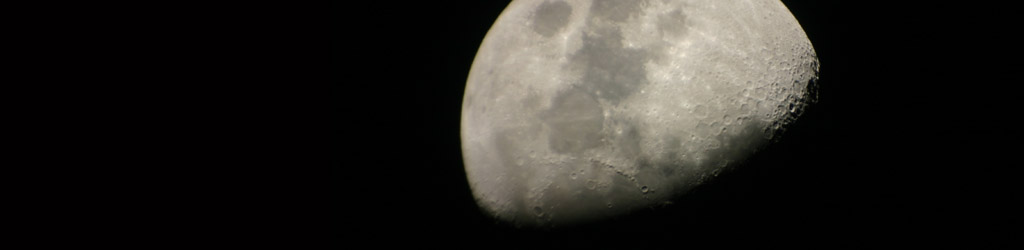
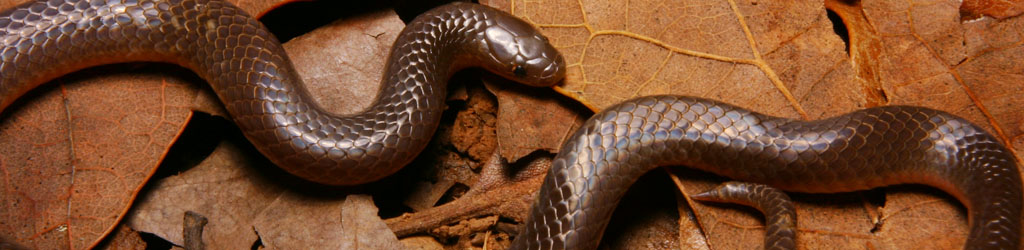
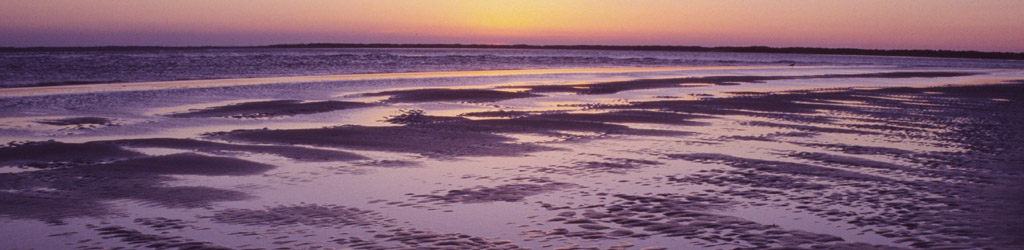
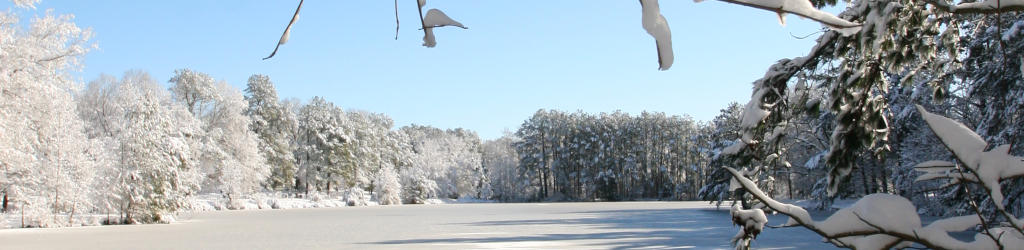
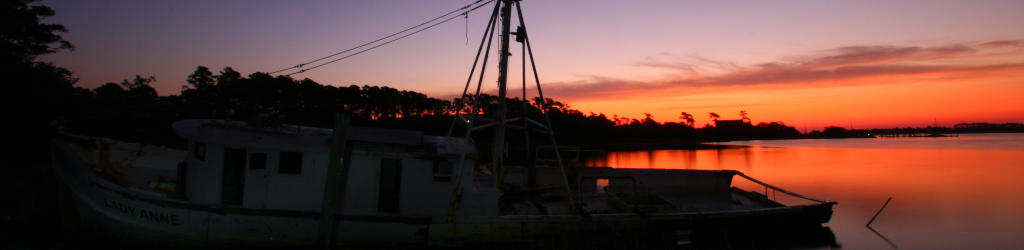
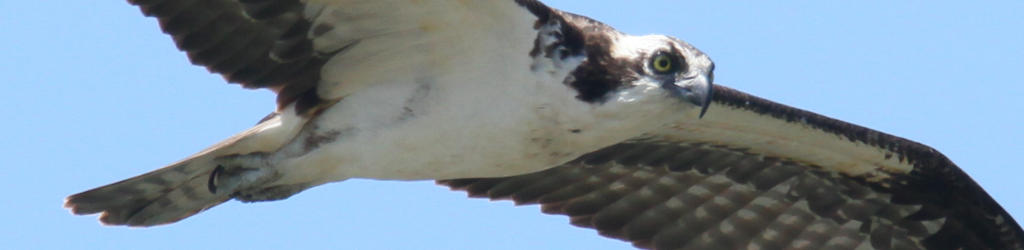
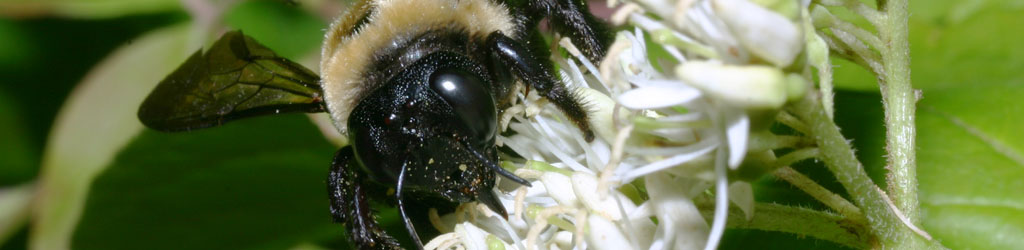
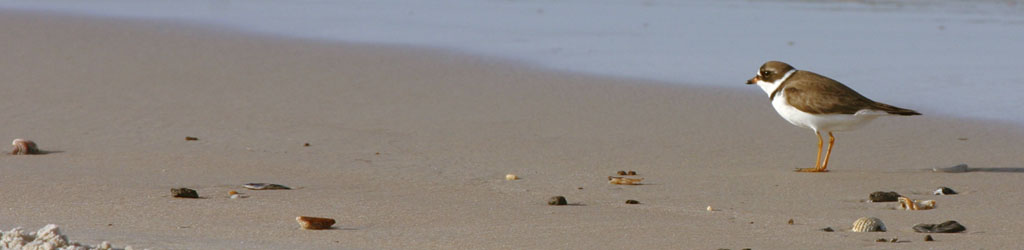
So we come to a new weekly topic for 2026, as indicated by the title, and it’s where you’re obligated by even reading this to leave me a tip through that link in the sidebar. No, I keed, it’s actually where I leave you a tip, but it’s regarding things you can do with your photography. Cheap, I know.
A little backstory. Many, many moons ago when the continents were different than they are now, I received a book, largely out of the blue, called The Joy of Photography. I was going to say that I was probably about 10 or 12 years old, but it was first printed in 1979, so closer to 15 or 16 I think; I had expressed an interest in photography but, as yet, hadn’t any real means of pursuing it, and instead of a camera, my mother had purchased this book at a closeout sale someplace. This might be seen as a poor substitute for an actual camera, but it was perhaps more inspired than she even realized.
Published by Eastman Kodak, the book was (and is) overflowing with information, and a well-rounded collection at that: everything from examples of images from famous photographers, to illustrations of styles and techniques, to what actual effects things like filters and film types produced (this is well before digital, of course,) to putting together your own darkroom and getting good results from it.

I don’t think I ever would have considered making my own darkroom had it not been for this book, but within a few years I had obtained an inexpensive (ancient) enlarger with a selection of film processing accoutrements and had turned a spare closet into a darkroom, beginning processing my own B&W negatives and prints. The results were absolutely terrible – even with several other books serving as guides, there’s no substitute for actually working with someone experienced – but it was a start, and I’ve done darkrooms in four different locations that I’ve lived, and may do a fifth before the year is out.

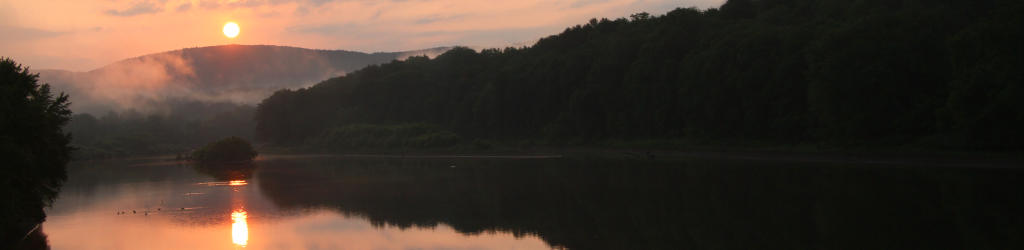
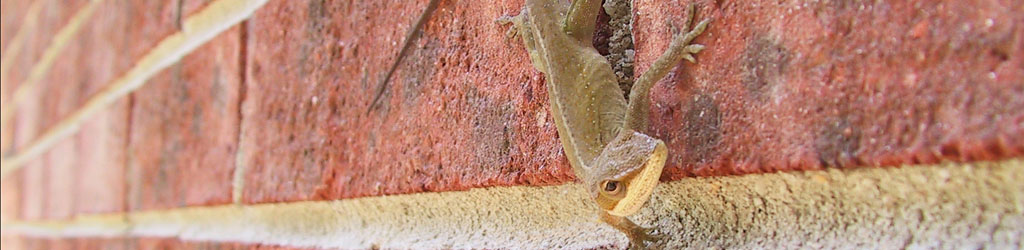
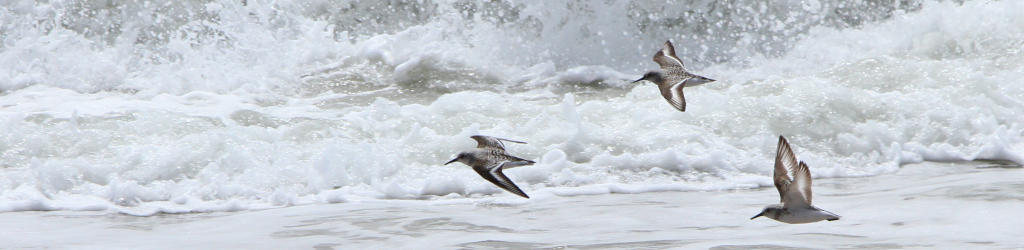
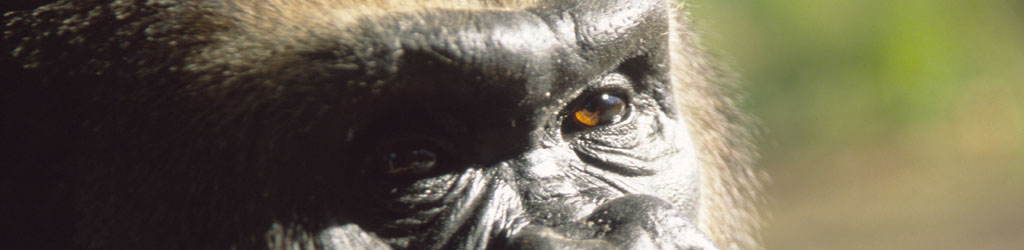
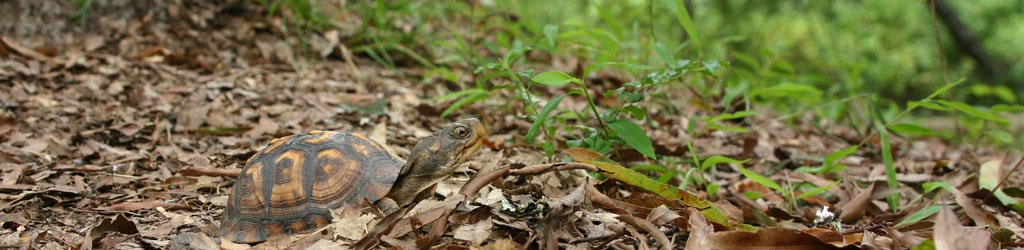
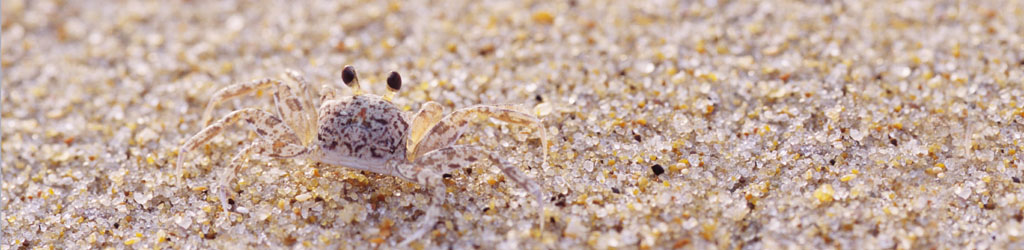
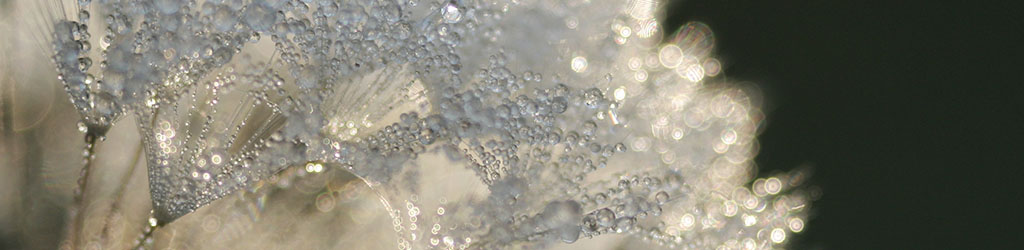
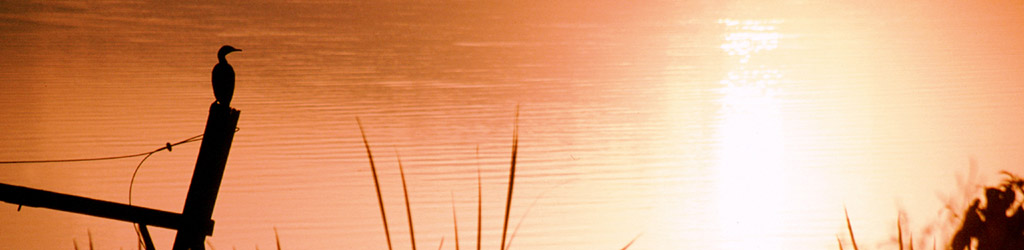
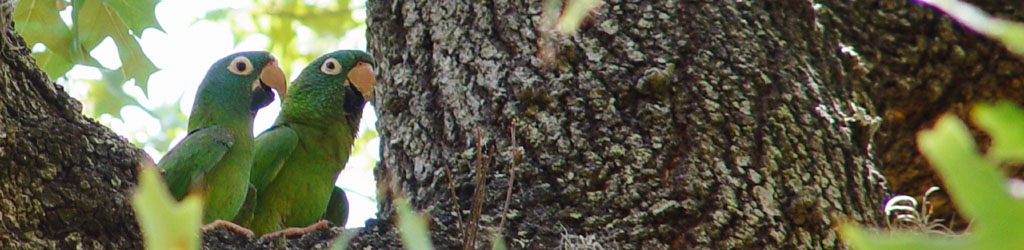
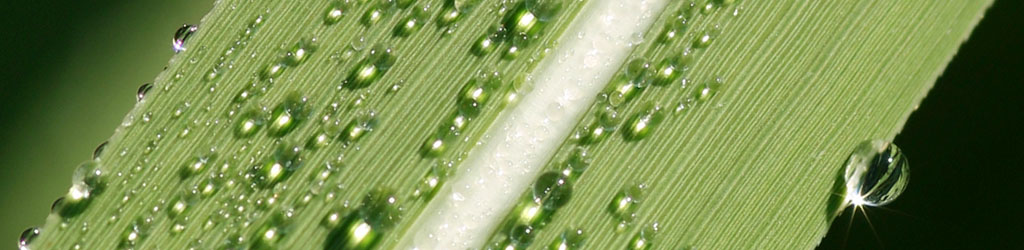
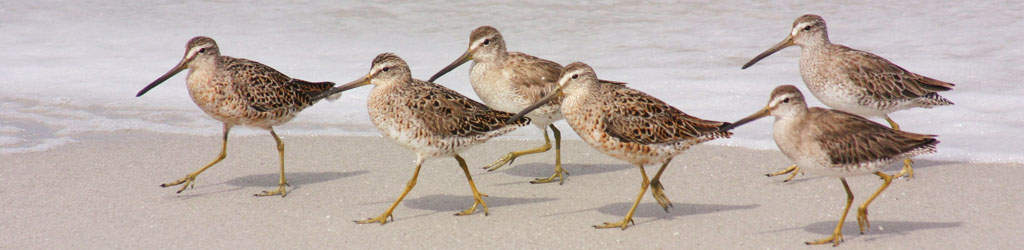
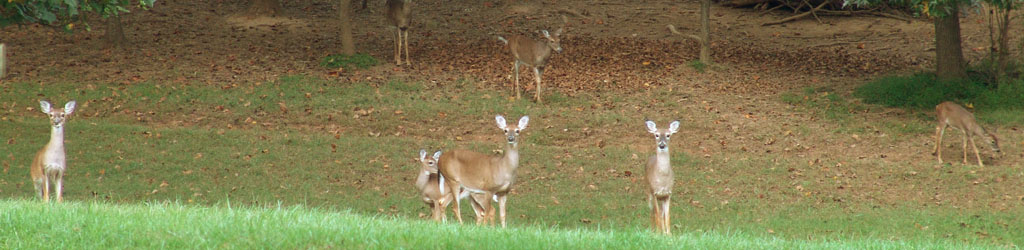
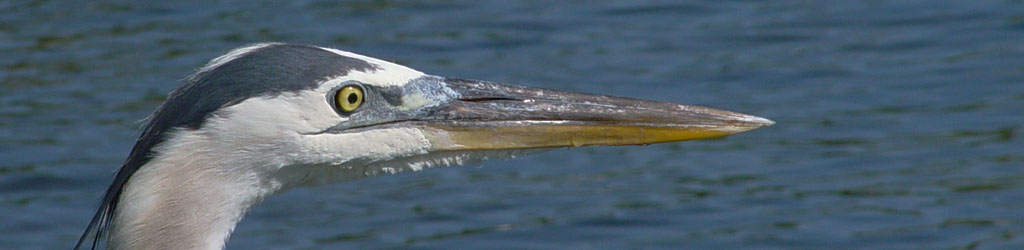
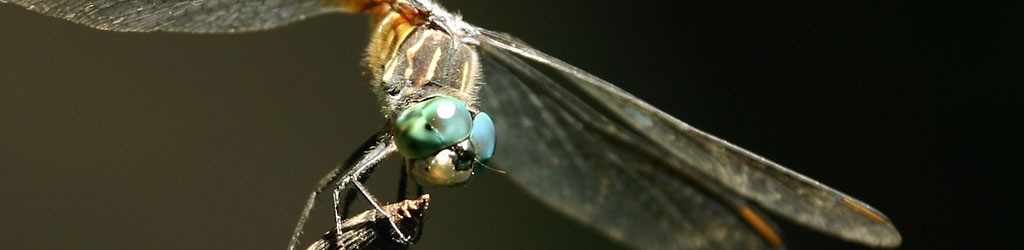
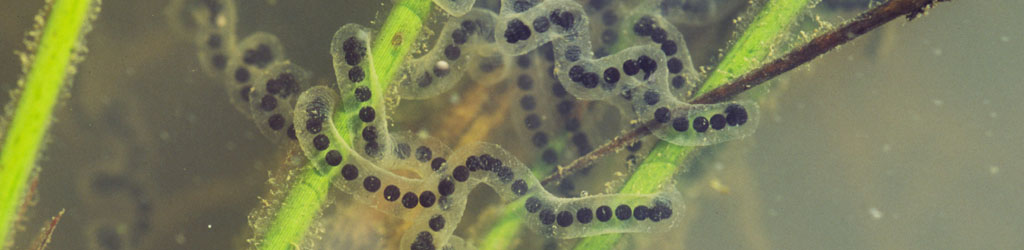
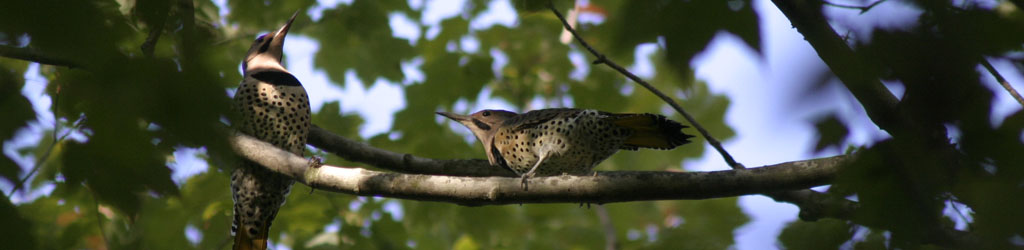
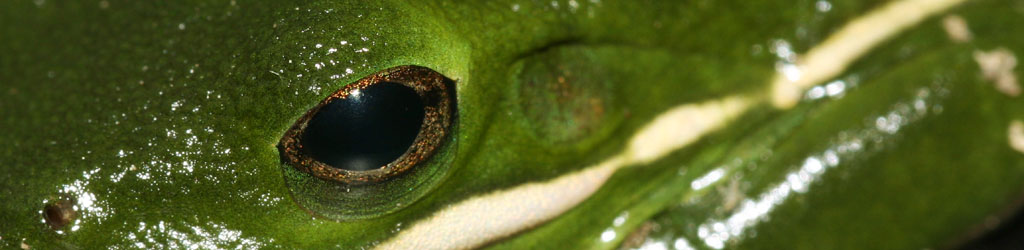
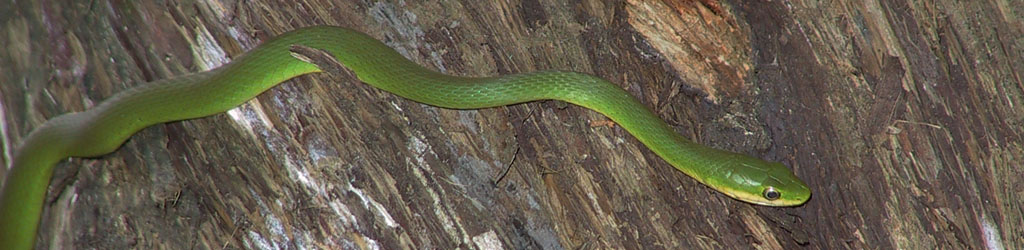
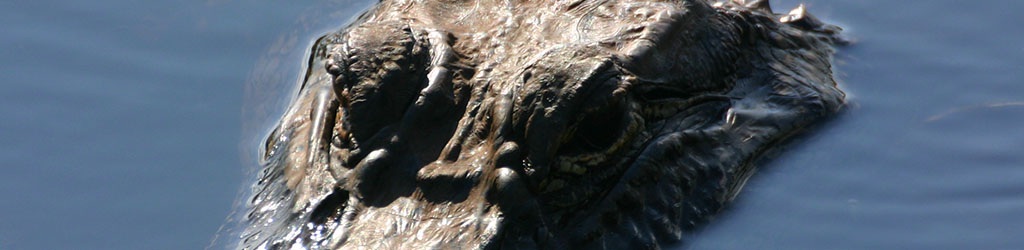
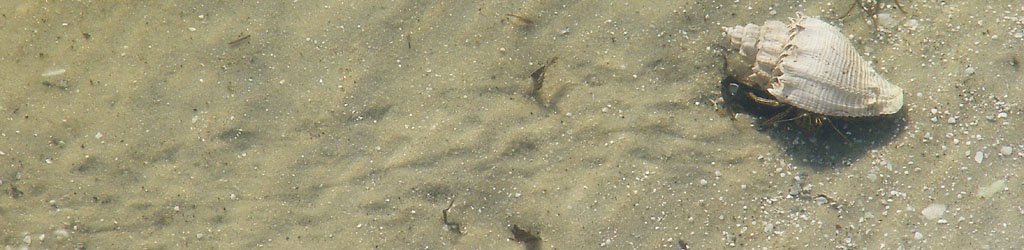
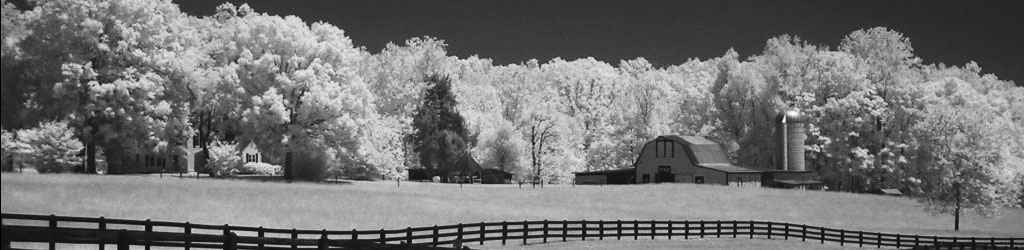
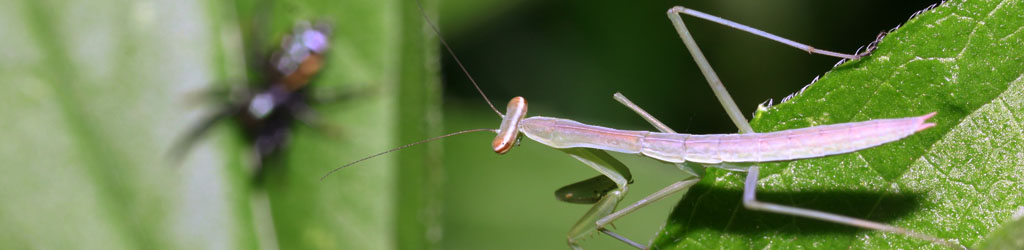
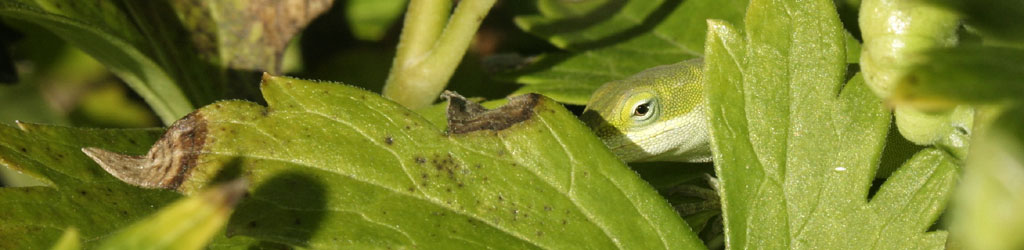
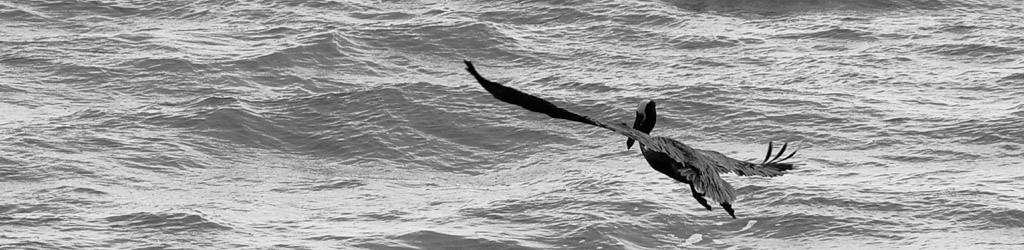
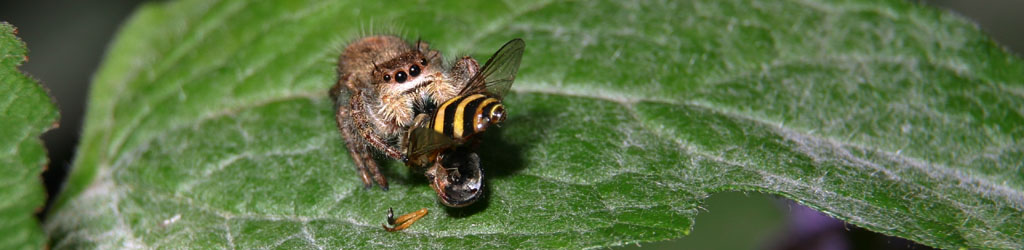
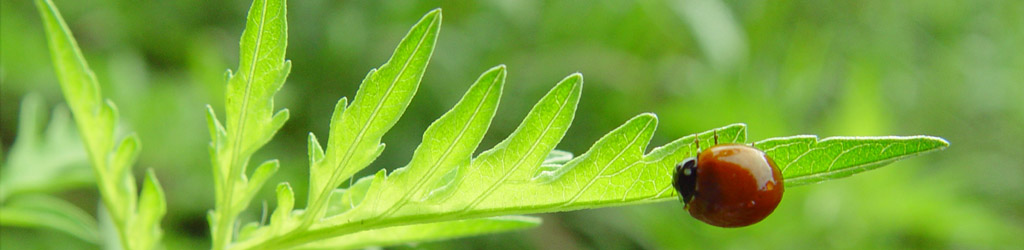
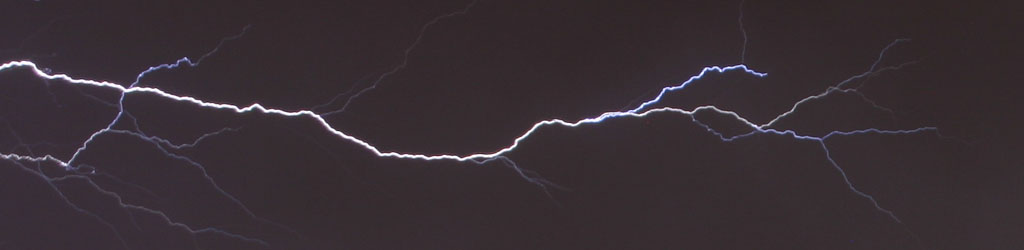
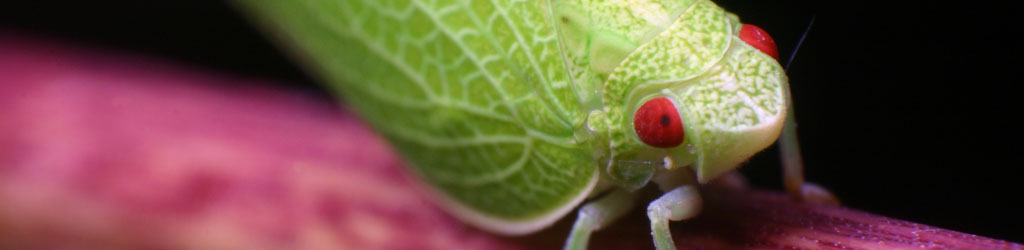
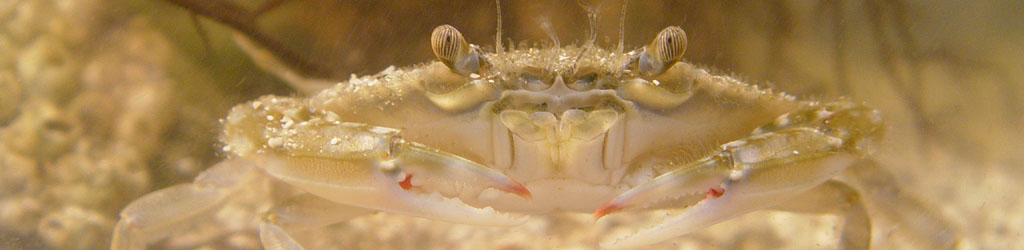
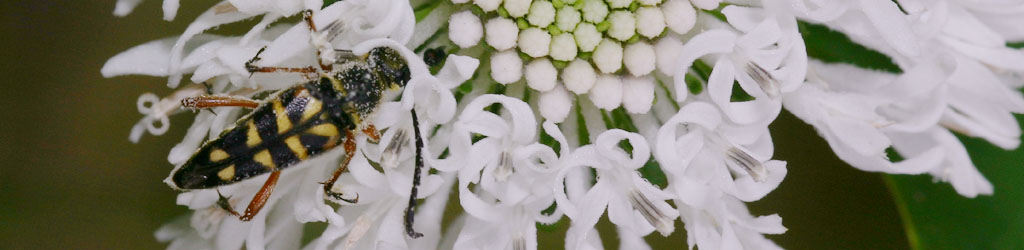
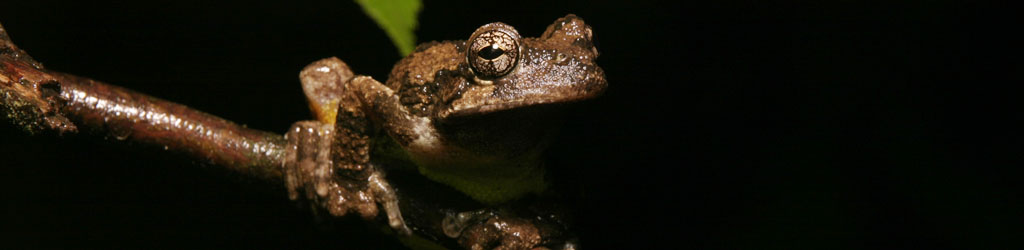
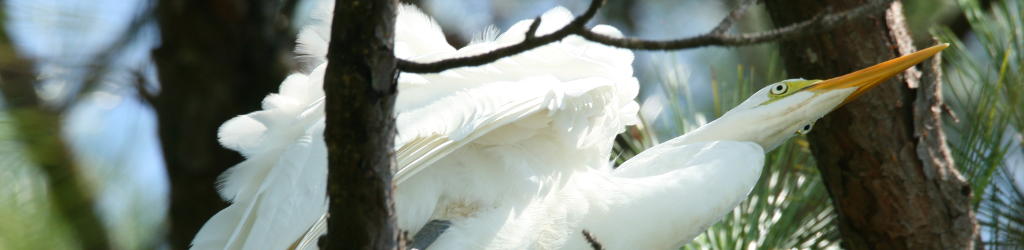
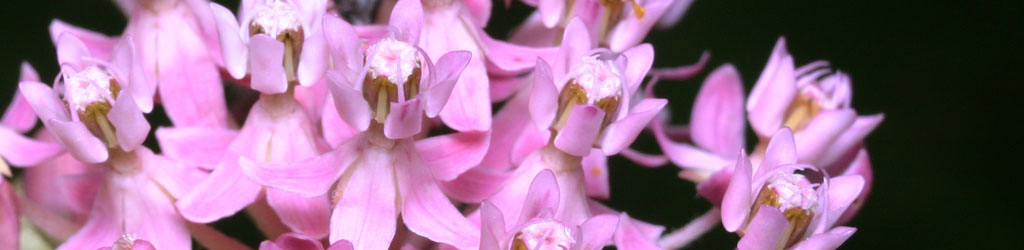
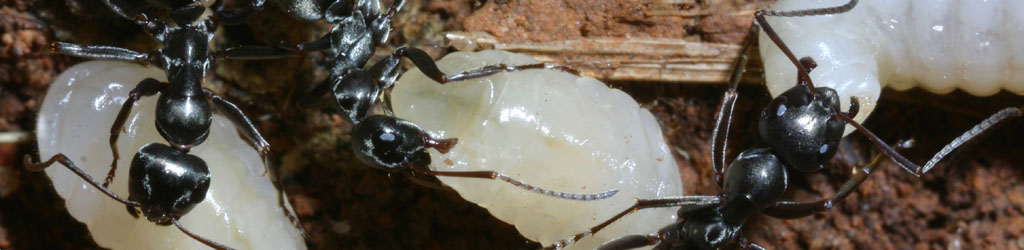
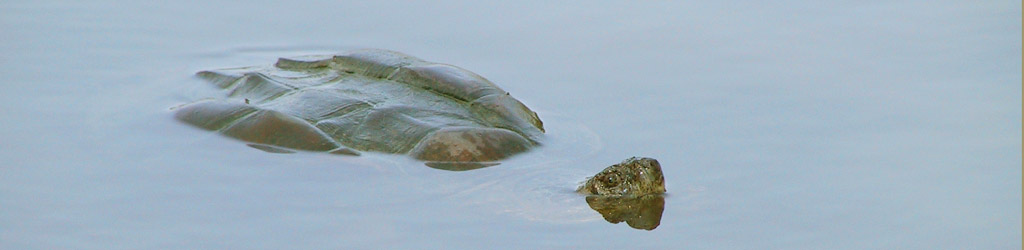
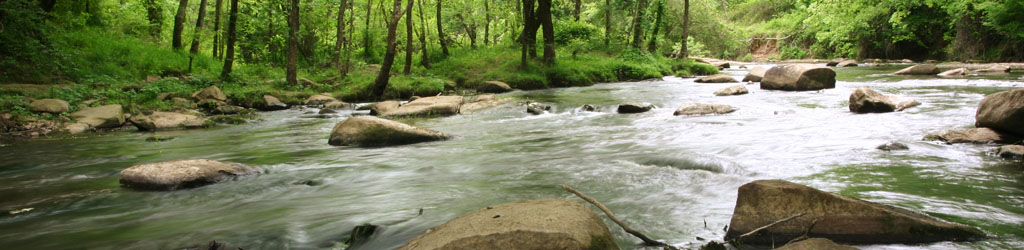
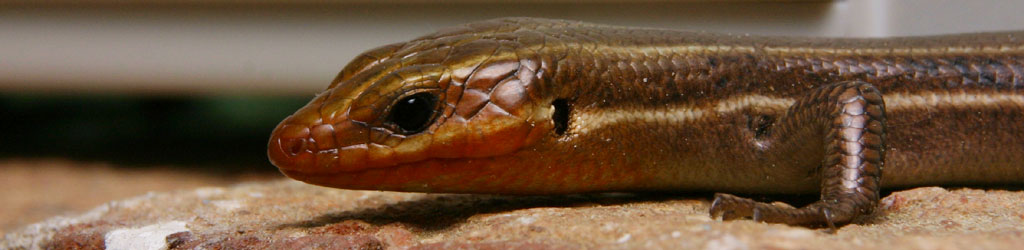
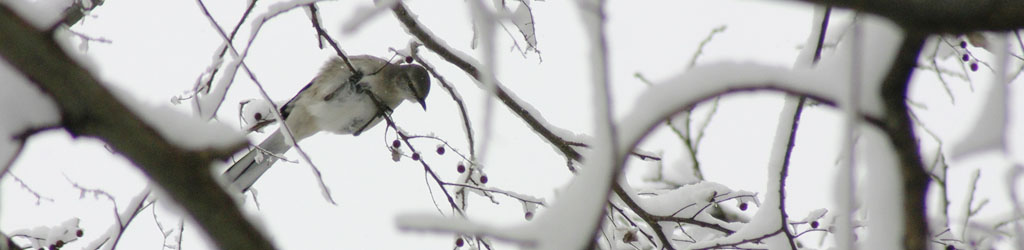
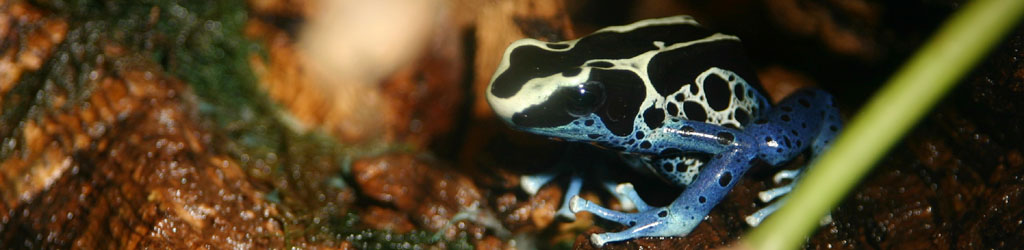
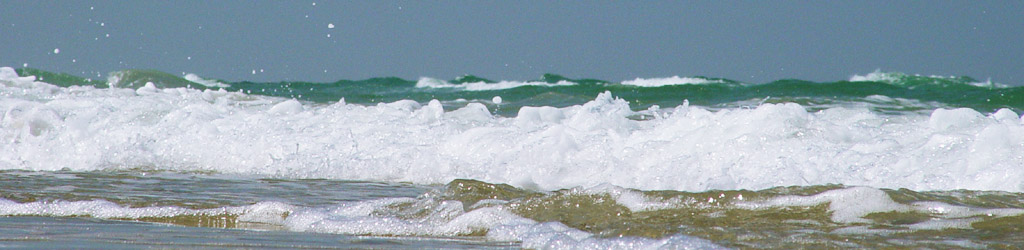
The version that I have now is the third printing, still from way back in 1991, and many of the original photos have been changed – I know because I practically had that book memorized. The images above were in the original, however, and do a great job illustrating how aperture affects depth of field – they made it click in my head, perhaps the first memory I have of advancing my understanding and technique. There are hundreds of photos within, all quite clear and illustrative, and no small number of them were inspiration for later efforts of my own.

In the first printing, cameras had exposure meters, motor drives, and just a few methods of electronic assistance, but could still largely be considered manual; by the third printing, they’d added parts about more automated, ‘point-and-shoot’ cameras, but the book is dated now with the advent of digital cameras. Still, most of what is covered within translates remarkably well to digital, as long as you understand how; bits about daylight versus tungsten film now translate to white balance instead, for instance. For anyone just starting out in photography, I wouldn’t recommend anything this old because it will introduce confusion unnecessarily, but I also haven’t come across anything since that has done such a thorough job of illustrating what can be done with photography, on such a broad scale and yet surprisingly specific as well.

I will be using this book, and probably a few others in my library, to prompt or even illustrate ideas for tips or techniques in the forthcoming weeks, but this week, we have a cop-out and yet an important one: read. Look for books that cover your preferred topics, or introduce you to new ones. Take a look at how others have approached their subjects, and I mean, really sit down and tear into them, seeing how the entire frame works and what impresses you the most, even to the point of recognizing that this shade of blue is what brings it all together. Periodically, just thumb through what you have on hand, or do a web search, or decide to finally attempt some technique you’ve only heard about. There’s little downside (if any) to expanding your mind and skills and repertoire, so dig into it. I’ll be back next week to see what you’ve learned. Okay, I would, if I could provoke a response from people, but instead I’ll be back with something specific to introduce you to. Should be fun!