







Tip Jar 38: High-speed photography


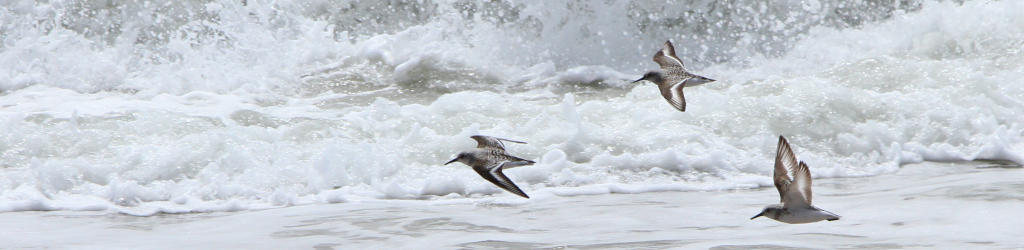
So you wanna capture something fast, huh? It can be trickier than you think, so here are a few things to know and how to cope with them.

The very first thing is, the shutter curtains (the things that actually expose and re-conceal the sensor/film) are mechanical on most cameras and can only move so fast. It varies depending on the camera type and age, but for most modern DSLRs, they can uncover the read more

Tip Jar 37: Macro options

While macro photography can be fun and fascinating, it does require at least a little specialized equipment. Dedicated macro lenses tend to be quite expensive, and while they remain the best way to tackle the genre, there are other options. But first, let’s see why they’re usually the best option.

Full range of focus. Macro lenses can usually focus from 15cm, give or read more

Tip Jar 36: Infra-red photography

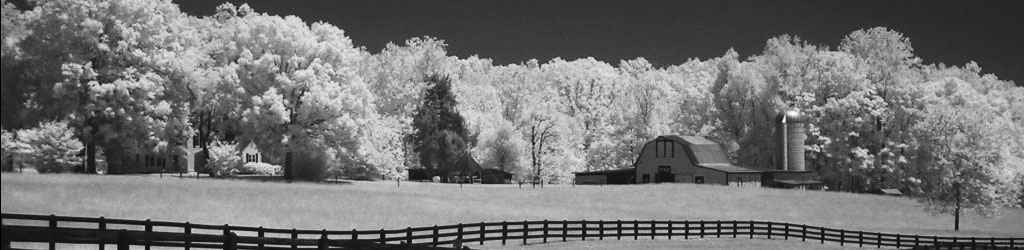
First off, I apologize for missing another Tip Jar. I got both under the gun on a deadline for last Monday, and under the weather with a chronic gut. I was attempting to have this up a day or so late, but realized it would be better if I delayed it further to flesh it out with more example images. So let’s delve into infra-red photography.

To start off with, infra-red refers to a very large read more

Tip Jar 35: Basic darkroom printing

We did film developing last week, so let’s tackle the next step: making a print from the negatives we now have (right?)

Making a print is slightly more involved, but not significantly, though it has a greater investment in equipment, prep, and space. The big thing is, you need an actual darkroom now, but making one isn’t all that hard.

Darkroom. You will need space for read more

Tip Jar 34: Basic film developing

One of the things that I urge any serious, or even remotely serious, photographer to try is film developing. It’s a lot easier than it seems, takes minimal equipment, and is immensely gratifying. Except, there’s a caveat to all that, or perhaps several. Monochrome negative (print) developing is easy color negative is three times as involved, and color positive read more

Tip Jar 33: Recording and editing audio

I was very close to doing this as a podcast or video post, and eventually realized it was far easier to type it out and use illustrations than it was to try and juggle the recording and screen capture processes, so here we have it – I would apologize to those who hate facing a wall of text but unless you have an actual, physical handicap, go fuck yourself and deal with reading. If you do read more

Tip Jar 32: Layer masks

Been meaning to get to this one for a while, just never set aside the time to do it. Finally started this past week with a few days to spare, which was good, because I ended up having to re-record it after finding the screen capture software wasn’t capturing, like, the screen, instead cropping off the sides a little. So let’s take a look at using layer masks, because they’re read more

Tip Jar 31: Film


This is just a quick rundown on shooting film, should you decide to give it a try. I admit that I haven’t shot film in years – and still have several film cameras in good condition, numerous rolls of film, and a complete darkroom packed away that may get set up before too long, since I have an ideal space for it now. If all you’ve shot is digital, the good news read more

Tip Jar 30: Inspiration

Let’s face it: We all have to deal with stagnation every once in a while (some of us more than others) – chasing the same subjects, using the same approach, locked into a particular style. Now, don’t get me wrong: Having a distinct style (one that’s appealing, mind you) and being known for producing certain results can be a huge benefit, read more

Tip Jar 29: Sunrises and sunsets


A perennial favorite, yet most often snagged only as someone notices them and not as much planned for, so let’s do a little planning.

Know your times. There are a million ways to know when sunrise and sunset are going to occur, but there are two primary things to consider. The first is, any source that doesn’t calculate your actual position (i.e., know where you are) read more

1 2 3 … 25