










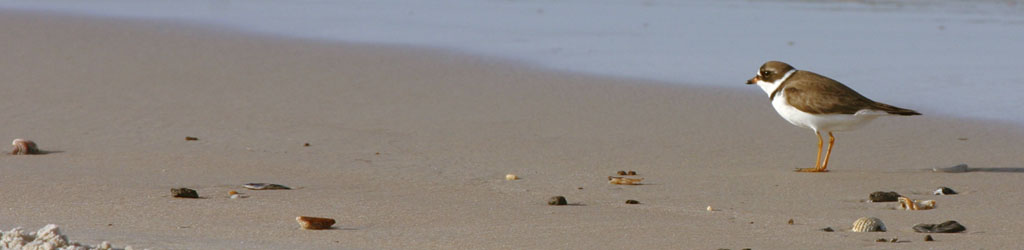
A double for today, even though these were both found yesterday – the time to get the post together just wasn’t there, but part of this was because I insisted on fleshing it out a bit, which means, another video clip.
By the way, I kept mentioning getting to two videos, and have recently posted two. Only, the second one wasn’t one of those I was referring to, being a Tip Jar entry instead, and this one isn’t one of them either – I still have another coming. Good thing I’m getting paid handily for this. *
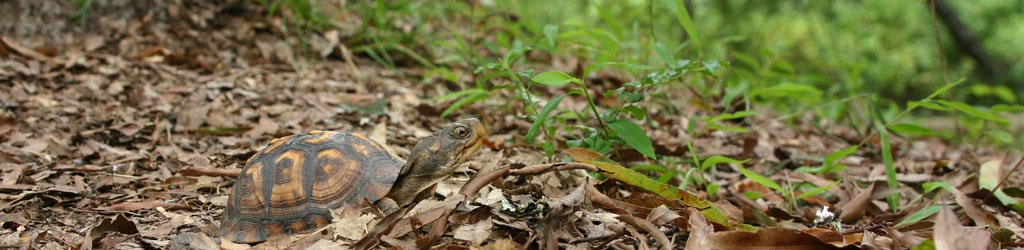
So, Find 56 was in the yard this morning, quite close to the greenhouse.
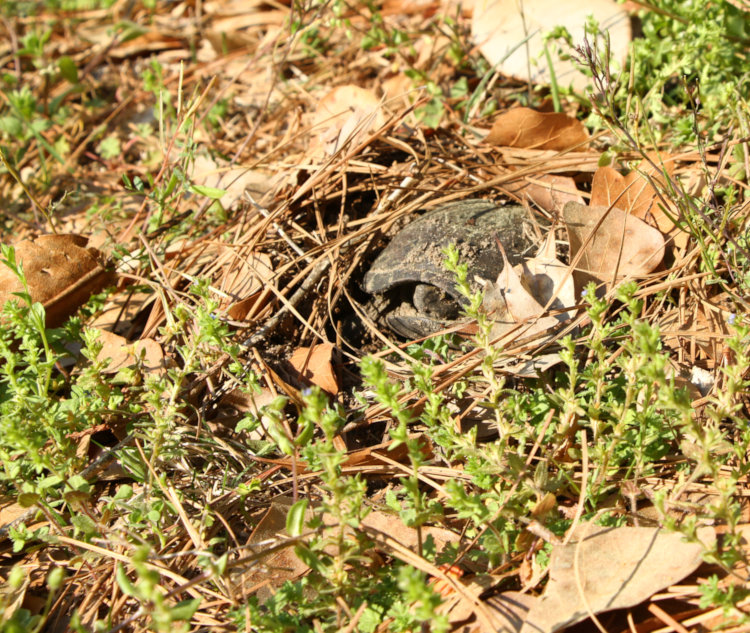
This turtle appeared to be laying eggs in a nest, but I’m not 100% sure of that; it might simply have been emerging from its winter burrow, but it remained this way for some time, so I was, at least initially, leaning towards ‘nest.’ Curiously, this is almost exactly where the yellow-bellied slider made a nest last year, one that did not appear to come to fruition.
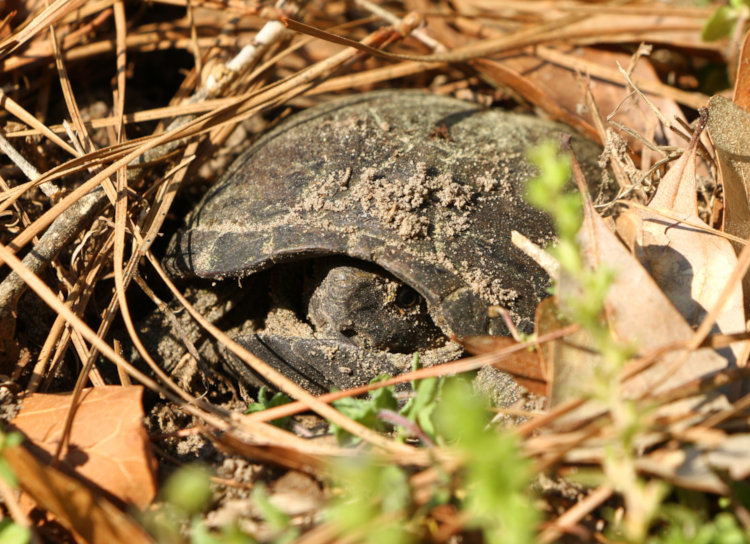
This one was not going to give us any opportunity to check identifying characteristics, but I’m going to call it an eastern mud turtle (Kinosternon subrubrum) based on seeing that it did have a hinged plastron and no apparent stripes on the face, though neither of these is conclusive; it might be a striped mud turtle instead. Either way, we’ll be monitoring this spot for the emergence of micro-tortles, because I have yet to snag images or video of that.
And yes, this seems quite early for nesting, which is typically early summer, so maybe it really was just emerging from a burrow, and it simply froze upon seeing us and took a long time to feel safe to move again.
The other find occurred in late morning, when I didn’t have the camera handy and was running out the door anyway, but in the early evening, we got a much better chance to see it in excellent light.
Green-winged teals (Anas crecca) are not uncommon ducks, like, anywhere in the US, but I simply haven’t had much access to duck habitats for most of my shooting history, so this was a new find for me, and a nice addition to the list of property visitors. How long will it be here? We’ll just have to see.
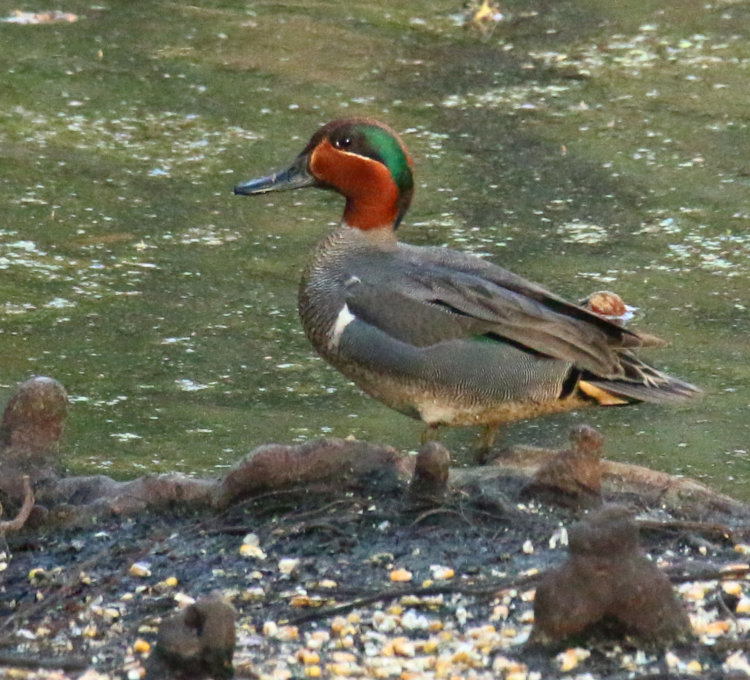
When we first saw it, it was more backlit by the sun and so the green on the head wasn’t showing at all, but some purplish highlights on the crown were – several duck species have iridescent feathers that change color depending on the light angle. By early evening, the sun was largely behind our viewing location, so the colors showed up a lot better.
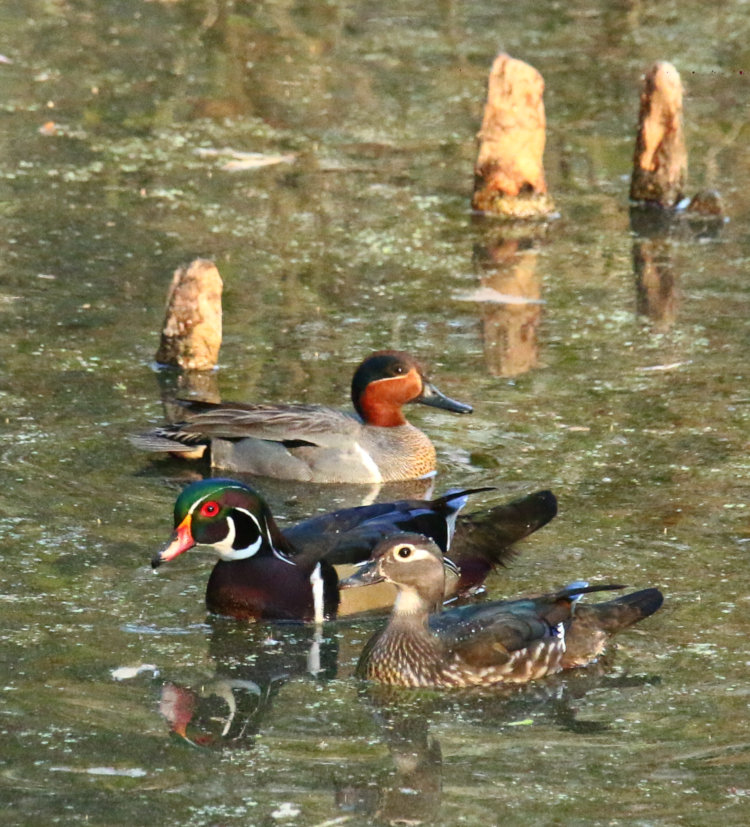
The funny thing is, wood ducks are small ducks, and the green-winged teal is even smaller, so they’re minute little guys; the only duck in the region that I know is smaller is the ruddy ducks (last image,) which I don’t think are fond of this kind of habitat, so I’m not holding my breath over those appearing. But, you know, all are welcome.
Okay, now back to trying to finish that last video…
* As in, not at all, but you know, I’m not married to that concept…