Humans are a really odd species – there’s just no getting around this. Maybe it’s a credit to us that we’re actually starting to recognize this, or maybe it’s a symptom of our condition that it’s taking us so long. It’s really easy to devolve into some kind of internal philosophical debate over that, but it’s pretty pointless.
What makes me say this, though, are the peculiar traits we have assigned to ourselves, and our irrational way of looking at things. We have an obvious view of ourselves as a higher species, and even those people that routinely study animal behavior and relative intelligence (however you want to define that) agree with this assessment. We use tools, far apart from any other species; we deal with abstracts, far apart from what we suspect of any other species; we alter our environment and culture, far apart from any other species. I was careful to choose the word “apart from” there, instead of something like “above,” because I’m not really sure we can consider these as traits that will distinguish us in a positive manner. While most species are remarkably efficient about the whole survival aspect, we wander away from that into realms that we rarely see from any others, and that seem none too useful. We’re more concerned with entertainment than survival, which is a pretty peculiar trait to assign to a “higher” organism. How many species can you name where individuals kill themselves off while thrillseeking, showing off, or overreaching the limits of their endurance, much less playing with their cellular toys while driving?
Even more interesting, however, are our thought processes. I commented earlier about the aspect of philosophical thought that has us believing that our minds can transcend our mere bodies in puzzling out the nature of the universe – we will figure things out, whether by logical debate or by empirical observation. And while this seems to be a great drive and is responsible for most of what we consider “advances” (at least the empirical part – the logical debate part is still up for grabs,) try applying such an attitude to any other species. The rabbit possesses the ability to fathom the nature of the universe, or perhaps the elephant does. Right away, we scoff at such ideas – neither can even figure out astronomy or oceanography, medicine or electricity. Nice measuring sticks, perhaps, but only from our own perspective, and it seems rather presumptuous to make any claim that humans leap infinitely ahead of such intellects and are not limited by senses or brain complexity. Can we really say that we’re that different?
More frightening, however, is a trait I can only despise and loathe: wishful thinking. And by this I mean, believing that our reality is made up only of those things that we prefer, that emotionally satisfy us. I am fond of saying that I hate the term “truth,” because it is abused beyond all reason and most often best defined as, “that which pleases me.” If you doubt this, pay close attention to the circumstances in which it is used, and most especially when someone claims to be in search of it. It is almost never a case where someone seeks supportable facts, things that work the same for everyone regardless of perspective (such as gravity, thermodynamics, inertia, and so on.) Instead, it is an emotional concept – “truth” is something that validates them as an individual, more than mere facts or demonstrable reality.
You will never find someone arguing that Ultimate Truth™ is a universe defined only by laws of physics, or that the true nature of life is a curious collection of chemical processes – even though both of these are the only thing that we really have evidence of. Instead, we have “souls” that are much, much better than our icky weak bodies, making us exist beyond the frumpy physical realm. We have consciousness which can often go visiting other places and occasionally connect with other metaphysical concepts. And we have spirituality, a connection and/or communication with other realms of existence that cannot be defined or encountered with our silly little mortal senses, yet exist only “the right attitude” away.
In fact, scientists frequently get into trouble when they cannot support these marvelous states of being; treated with derision and condescension when they find no evidence of things that people know must exist. Meticulous tests and years of study are no match for hunches and intuition, often from someone who believes they can read souls through eyes and such. It is frightening, and quite frankly disappointing, that so many of our decisions are made more on the basis of emotional appeal than rational examination of evidence. It’s very hard to call this “higher intellect.”
Look at the peculiar elevation of terms like “belief” and “faith,” and not just in terms of religion. Both of them are remarkably corrupt arguments, especially when “belief” is defined as different from things we can demonstrate – “I believe in love at first sight.” We gamble and buy lottery tickets, often based on some concept that we can “feel” the payoff, that we can detect a confluence of factors which will result in a winning situation, even though it’s obvious that we just really want a lot more money. We have “lucky” items, usually pocketable (very helpful set of conditions, that – imagine a “lucky tree”), and engage in rituals to ensure benefit, like wearing sports logos. We worry about “jinxing” ourselves by vocalizing wishes for good luck, so much so that we have alternate cultural phrases to thwart the superstitions, such as, “break a leg.”
 I am perhaps being too hard on us. Some of these things come from evolved traits: we seek patterns, because they help us not only recognize danger, but also puzzle out useful things like plant growth and animal habits, very basic survival instincts. We have a sense of community, maintaining cohesion to reap the benefits of group efforts. Even intuition is often our subconscious impinging on our decision-making, picking up subtle cues about another’s behavior that potentially spell trouble. These things are all useful, and almost certainly evolved into us over time because they worked well (this is a very difficult thing to prove right now, at least until we identify the brain structures that influence behavior.)
At the same time, we also have the rational portions of our thought processes, the part where we can compare factors and weigh probabilities, arriving at actions or decisions that provide the most benefit. That’s an evolved trait too, and usually the very part that we consider the key difference in humans, what sets us apart from other, more instinctual species.
Both of these have their own benefits, but they must work together – relying solely on either one is less advantageous than the combination. It must be recognized that what evolution produces isn’t necessarily the best organism for any particular goal or concept, but only a selection of the traits that work best from what’s available at hand, dictated by genetic mutation and combination, guided by environmental demands. This means that the traits possessed by any species, humans included, might be very good, but are probably far from ideal. You can build a car from parts in a junkyard and it may function quite acceptably, but you would achieve better results if you machined each part according to function. Nature doesn’t have this option. So what we have, what every species has, is a collection of used, modified parts that function acceptably, but not ideally. And our brains are one of those parts.
We may want something to be true very badly. We may really like it if something that we imagine were actually a reality. These emotions are very good to have when they encourage us to work towards a goal, such as improving medicine or education. But allowing such emotions to take precedent over rational consideration ruins the combined functions that make us what we are. And it’s weak, pathetic really – “I want this to be true, therefore I’m simply going to believe that it’s true, in the face of evidence.” In some circumstances, we consider this delusion and denial, but in reality, we fall for this all of the time. How many people do you know that fell in love, not over the traits their partner possessed, but over the traits they wanted their partner to possess? Do we elect politicians based on their records, or on their rhetoric and personalities, or even on their party affiliations? Is there any reason whatsoever to believe that crystals channel powers, or that we’ll arrive at our destinations later if we use the “slow lane” until we actually need to pass someone?
Then we have the hedging, the people who recognize that denying reality is a bad thing, but still want their Happyland. So they try to find ways to dodge around the facts, and create special circumstances, a “reality” that we haven’t discovered yet (but that they, somehow, know exists.) The various gods changed in nature as we progressed in our knowledge, going from living on islands and mountaintops, dueling with mortals on a regular basis, to existing in a realm both undefined and permeating our known dimensions, having to always remain just beyond our reach. Homeopathy relies on the “memory” of water molecules, activated by shaking (no, seriously,) blithely dodging the fact that we’ve been using the same water molecules for billions of years – I guess they forget after a while. Visiting aliens have to overcome countless obstacles in physics just to get here, but then have to abduct living beings to find out how we work (you’d think abducting an anatomy textbook might be a bit easier.)
If you want to see great examples, an article at New Statesman asked several prominent figures about their religious beliefs. You’ll notice that evidence is not exactly running high on the list, and the rational explanations, while present in some cases, still rely on unsupported assumptions. But note how many variations of, “because I like the idea of religion” there are (Jerry Coyne has a nice review of this article at Why Evolution is True, if you want to see how it all breaks down.) Isn’t it funny how the “reasoning” for religious belief is different for anyone you ask? Can you imagine how confusing school would be if biology were explained so variably, or inertia was different things to different people?
 Bringing up things like this makes people very defensive. One may get accused of “taking away the magic” and destroying something that people wanted or needed, and that “wasn’t doing any harm.” But elevating a personal desire to the level of fact is incredibly indulgent, and yes, it does indeed do harm. We have a tremendous amount of difficulty in this country right now from the idea that evolution, supported by thousands of facts and 150 years of research, expansion, and refinement, is treated less seriously than the scriptural idea of all animals being created in their present form (originally all herbivores in a garden of paradise, yet.) Hundreds of thousands of people believe that vaccinations cause autism, and are willing to openly ignore the studies, scientists, and doctors that tell them that this is nonsense (moreover, that the original study that raised the very idea in the first place is a well-known, and long-discredited, scam.) Millions of dollars each year are spent on miracle cures, herbal remedies, and performance enhancements such as rubber bands. Hell, millions of people believe that they’re resistant to alcohol (which begs the question of why they even consume it in the first place.) When people decry the loss of the “magic,” do they ever realize that they must never have had it in the first place? That the “loss” is only of their ignorance and delusion? How can someone destroy “magic” with words?
When someone complains that the testable, evidence-based view of life and our universe has no “meaning,” this is telling in itself. As I pointed out before, finding no god or mysticism when we examine the universe doesn’t suddenly make them stop existing; it means they never did – even when someone was perfectly happy with their “meaning” before they found out. The loss is only of their attitude, which is ludicrous – life was somehow better when they were naïve? But that’s the childish message that comes out. Even worse, many people will still deny the weight of evidence, presumably with the idea that they can vote for the reality they prefer. Isn’t that special?
The natural, scientific, empirical world is not empty and devoid of meaning or wonder – it’s actually brimming with those, full of fascinating aspects that we are constantly in the process of discovering. Science magazines have more “news” than all other types of publication, which tend to have the same stories of people doing stupid things over and over again. When someone whines about the loss of their magic, they’re really whimpering that their emotional desires are not being indulged – but that’s life. And in fact, the scientific method that we use to such great benefit recognizes this very concept of emotional desire and how damaging it is; double-blind tests, comparison controls, and peer-review are all processes to reduce the bias that can be introduced from wanting to see a particular result. Researchers are human too.
Wanting things is fine. But convincing ourselves that such desires actually affect reality is not only delusional and irrational, it corrupts the very benefits that desire provides, because we stop seeking it if we convince ourselves that we already have it. Selecting a worldview based on desire instead of reality is both pathetic and frightening, not exactly something to make you feel all warm and fuzzy about the future of the human race. Our minds are great things, but only when used effectively – we can be fooled too easily, most especially by ourselves. The idea that we can fathom the True Nature of things with just philosophy fell flat when faced with subjects like microorganisms, relativity, electromagnetism – really, a hell of a lot of things that we now use routinely. We needed to observe carefully to puzzle these out, experimenting and actually throwing failure scenarios in the path, backing up our ideas with physical, measurable evidence. Our minds worked to figure these out only when we stopped trusting in the mind to be infallible and majestic. We have flaws, and the prime step in dealing with them is recognizing them in the first place.
If we find the real world to be disappointing, that’s our failure, not reality’s. We’re the only species that seems to have the faintest issue with this at all. I’m not sure that’s a good thing.


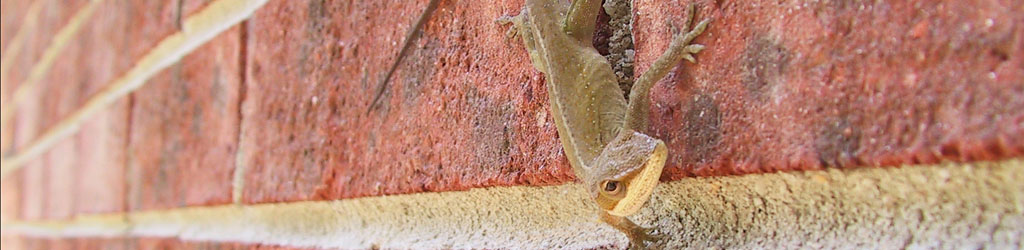

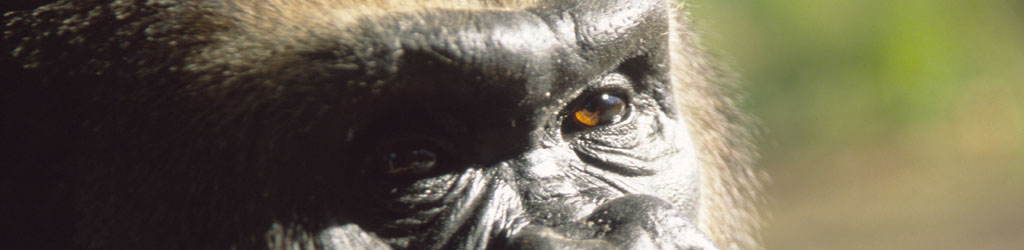
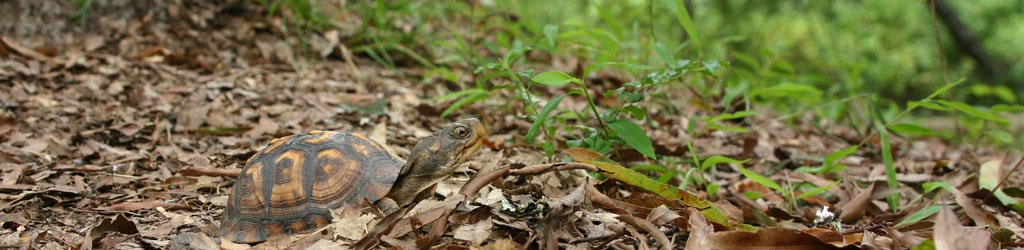
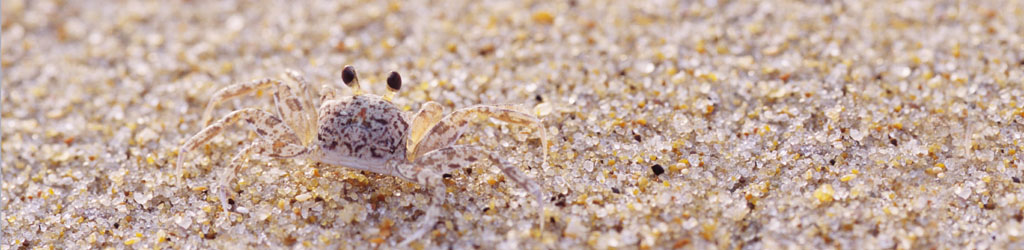
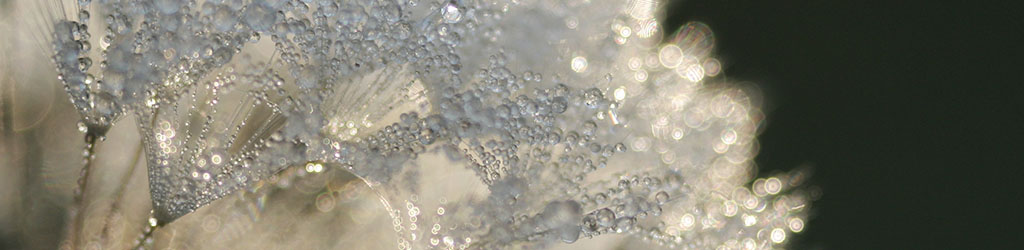
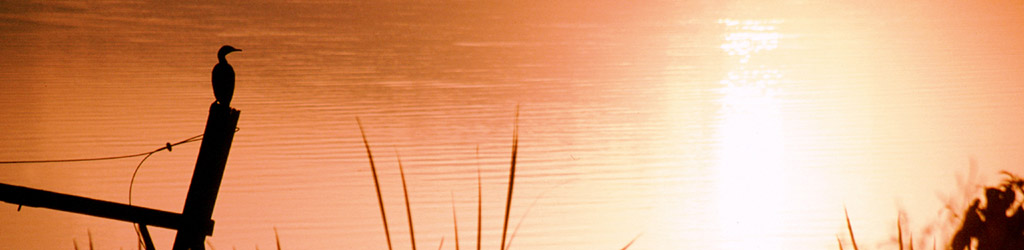
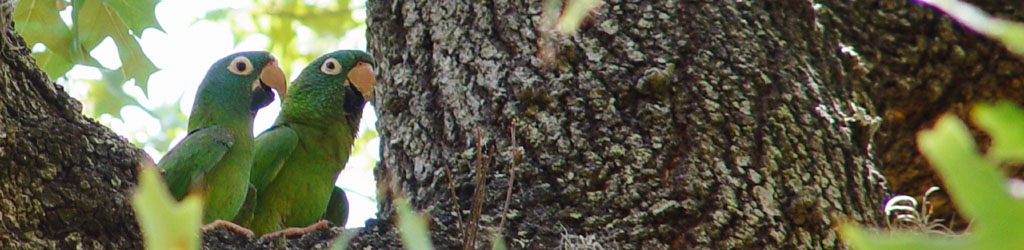
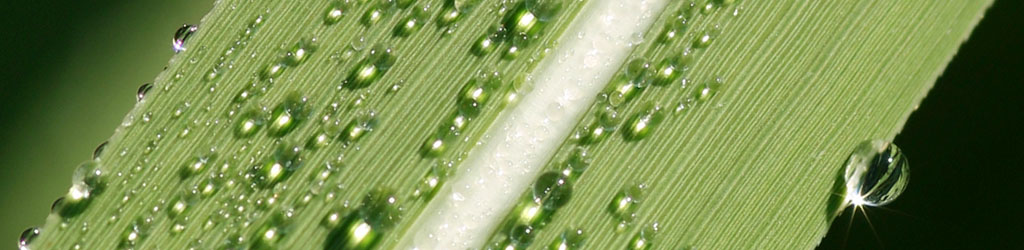
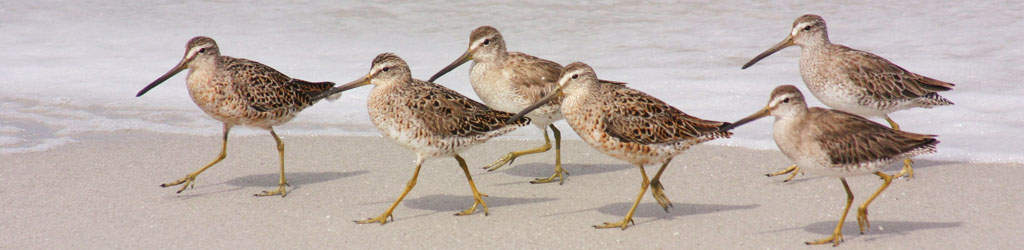
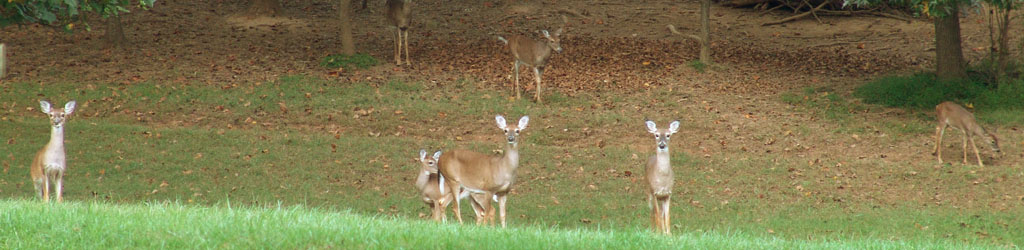
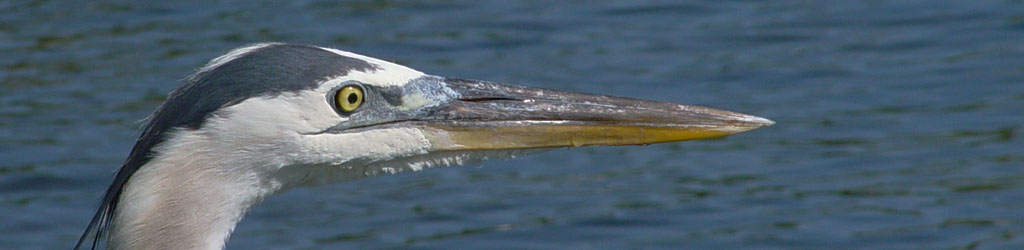
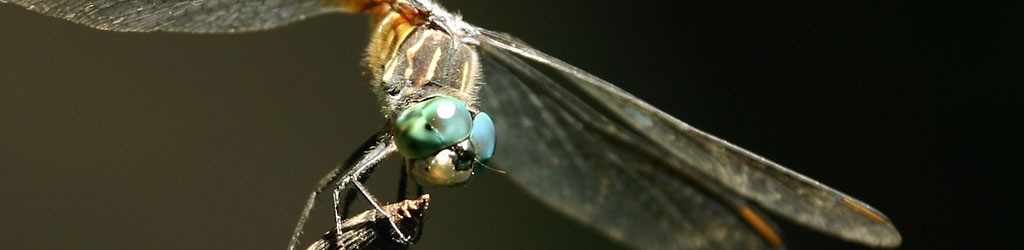
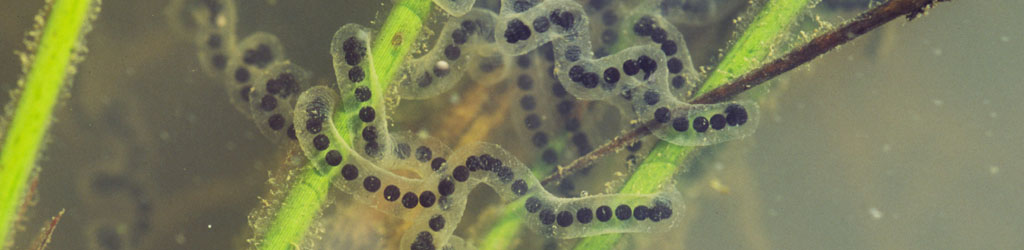
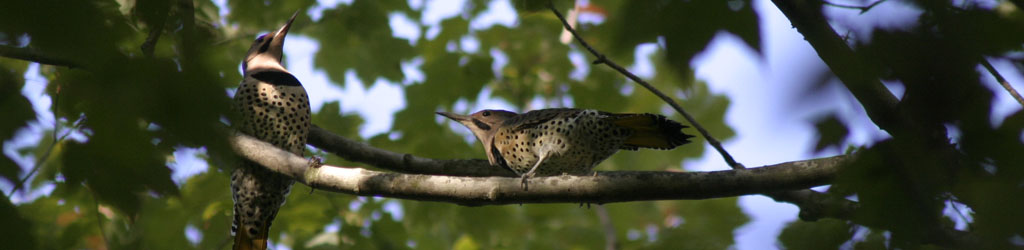
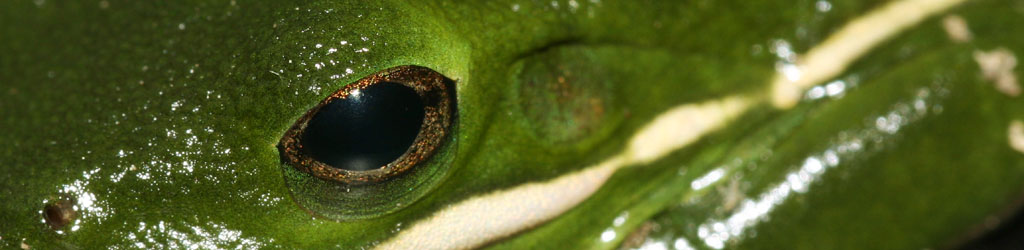
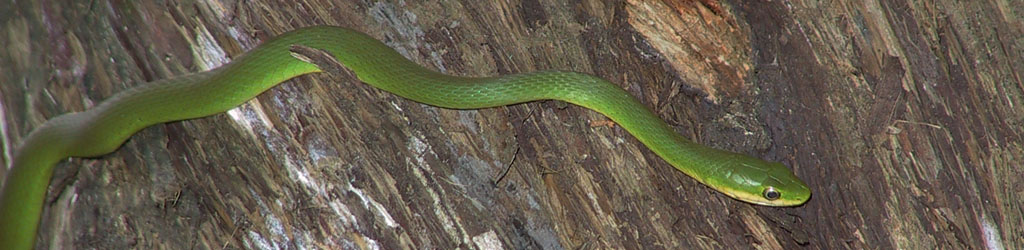
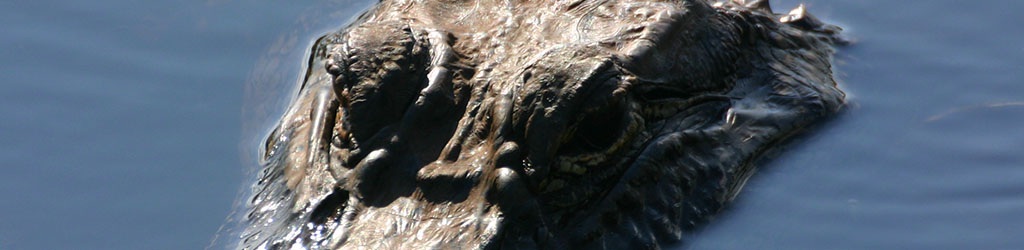
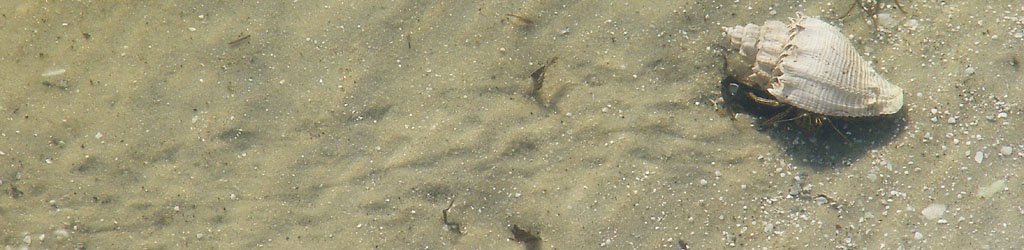
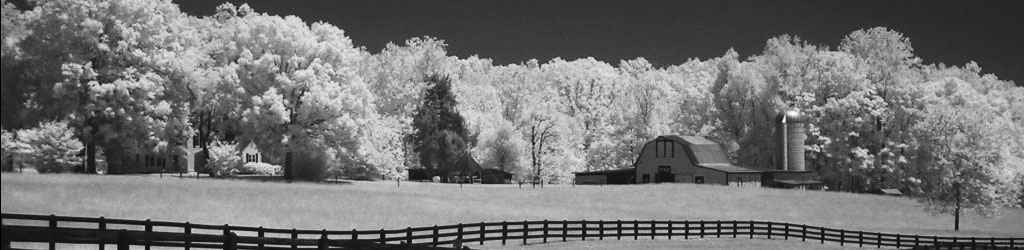


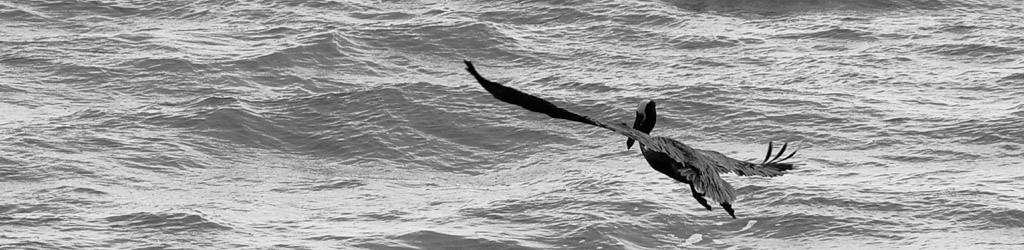


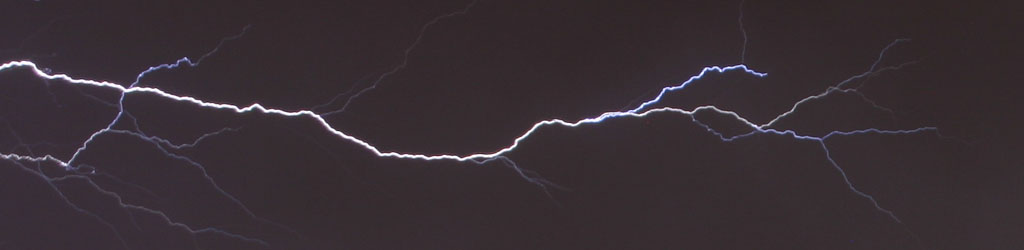
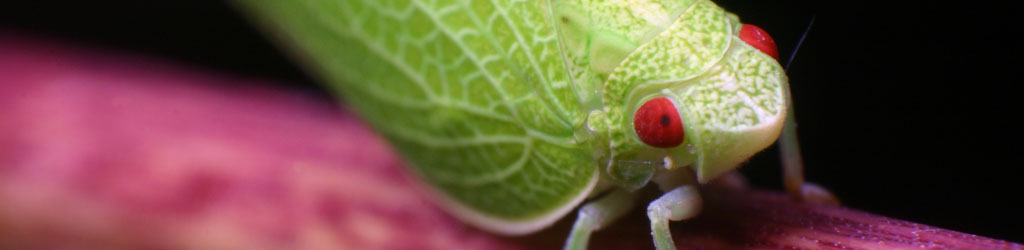

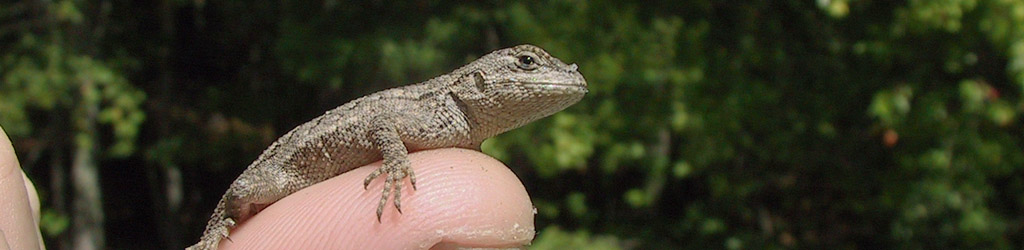

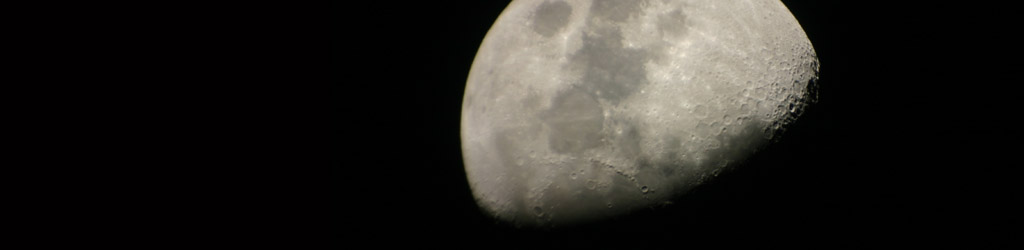








 Nothing elaborate to say (for once,) just some pics from yesterday. I really liked the effect above – just the right light levels, I think. When I was a tiny little blogger, I used to be scared of jumping spiders, because of their menacing hairy appearance, near total fearlessness, and my mistaken belief that they were black widows (children get to hear the stories of horrendous reputations long before they get the facts, much less the photos.) Now, I happen to like them more than any other spider genus, for almost the exact same reasons. People that don’t like spiders get to watch me coax them onto my hand – I do have my fun sometimes.
 If you want to make your own,


 The lepidoptera are making their gradual return, as well. On the walk back, I spotted a heavily-bloomed vine that The Girlfriend told me is a Carolina Yellow Jasmine (Gelsemium sempervirens,) being visited by a female Eastern Tiger Swallowtail (Papilio glaucus.) The males of this species are very similar to the Black Swallowtail, being predominantly black – it’s lucky this matches the name, or it might have been confusing. The