





In a previous post detailing the difficulties and uncertainties of tracing our hominid ancestors, I kind of led up to a question, expressed now in this post: Why should we bother? It’s a lot of effort to determine something that happened in the past, which is highly unlikely to have much
Category: Science & Evolution
You can call me Al
Over at the New York Times, Carl Zimmer has an article on the difficulties of pinning down hominid species, which illustrates an interesting perspective in biology, but is unfortunately a little too brief. There are a couple of factors at play, and no easy way to resolve them.
The very first thing to bear in mind is that ‘species’ is an arbitrary distinction in many ways. The word was
Too cool, part 20: Stop it, you’re creeping me out
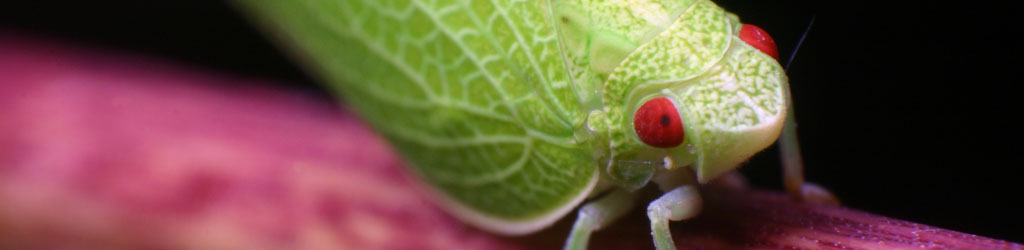
Lyssomanes viridis, known to those of us who do not speak dead languages as the magnolia green jumping spider, is a lovely translucent green spider that wouldn’t hurt a fly um, is harmless to anything larger than a honyebee and is undeserving of any arachnophobic reactions. Until you get close. Really, really close.
Because, while all jumping spiders have the same equipment, on the magnolia
Limitations
Several years ago, I witnessed a particular action from a friend’s dog that startled me. The dog had come into their living room on a lazy afternoon and looked around for a place to lie down, to find the other dogs had already claimed all of the best snoozing spots. He actually got a slightly pained expression, tail dropping and ears twitching back slightly as if hearing a harsh sound –
Buried at the crossroads
You go, Randall
xkcd is great today:
Ophrys apifera.
Yes, I read xkcd before Why Evolution Is True, but the latter has more detail on the whole subject.
Book review: The Selfish Gene
When this book was first published, I was 10 years old, in that directionless, awkward stage between playing Bionic Man and shooting Stormtroopers with my blaster, so if you want to consider this review ill-timed that’s fine with me. There is likely nothing I say here that hasn’t been said before, but that’s probably true of the entire blog anyway. I also need to note that the
A whooshing noise high overhead
Following links just now, I began reading a post on what Vanessa Williams discovered about her DNA. The money quote:
My DNA breaks down as follows: I’m 23% from Ghana, 17% from the British Isles, 15% from Cameroon, 12% Finnish, 11% Southern European, 7% Togo, 6% Benin, 5% Senegal and 4% Portuguese.
Now, I can’t wait to go to Ghana and Cameroon and Togo and Senegal — it’s a great opportunity
But how? Part 10: Uncertainty
Walkabout podcast – But how? Part 10
It’s admittedly been a while since the last ‘But how?‘ post, and the reason is, I’ve been having trouble finding further topics that fit the goal (which is demonstrating how a secular worldview answers more than what religion is often claimed to do.) So
Recognizing pseudoscience
One would think that recognizing pseudoscience is an easy thing, almost intuitive – and, to be honest, it is, provided the right measuring stick is used. But there’s simple, and then there’s simple, you know?
First off, we can get some other bits out of the way first. There’s no reason to get all pedantic over a firm definition of pseudoscience, but can we count such things


