




I was going to title this post, “It’s something,” to reflect that I’m making the barest effort to have a little content here, but in looking at my list of previous post titles, I find that not only have I used it before, I have started way too many posts with, “It’s.” So I’m not. But I still didn’t have any good ideas for what to name it…
I’ve been ass-deep in projects for the past several days, and they’re continuing, so there hasn’t been a lot of time for photos, much less anything introspective or philosophical or whatnot. I have a handful of video clips that will eventually make it into semi-coherent form, but not until next week at least. And little bits of news, too. But right now, we have largely random schtuff.
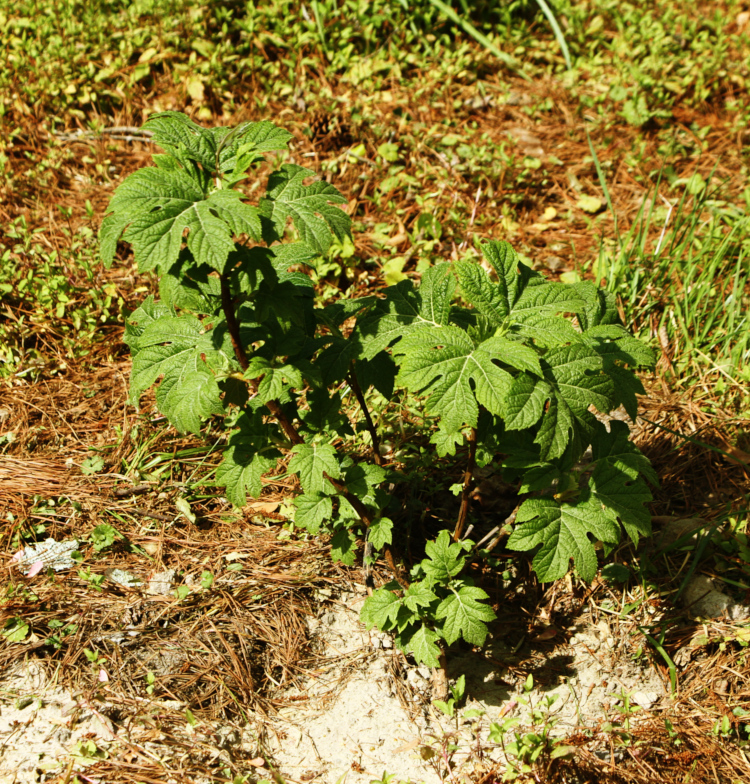
When we moved from the old place, we gathered a few cuttings of the oak-leaf hydrangeas (Hydrangea quercifolia) to propagate them here, but never got them to thrive – we got one to transplanting stage but it failed immediately after, don’t know why. So a few weeks back, we picked up one from a local nursery, and once it was stable and making progress, transplanted that. And we’re happy to say it’s been thriving, so we should have one of our favorite bushes going, with perhaps more to join it.
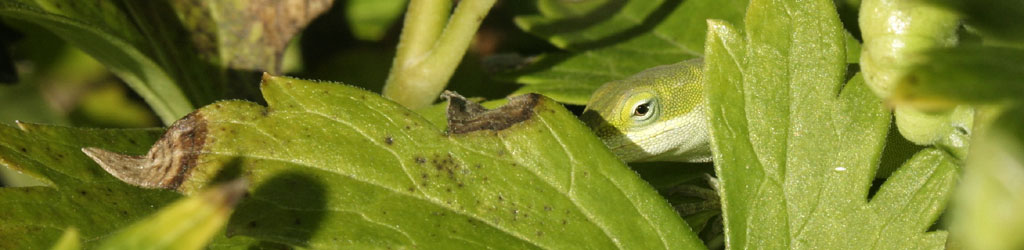
Yet, I noticed about a week or so after transplanting, it had attracted the attention of a new occupant.
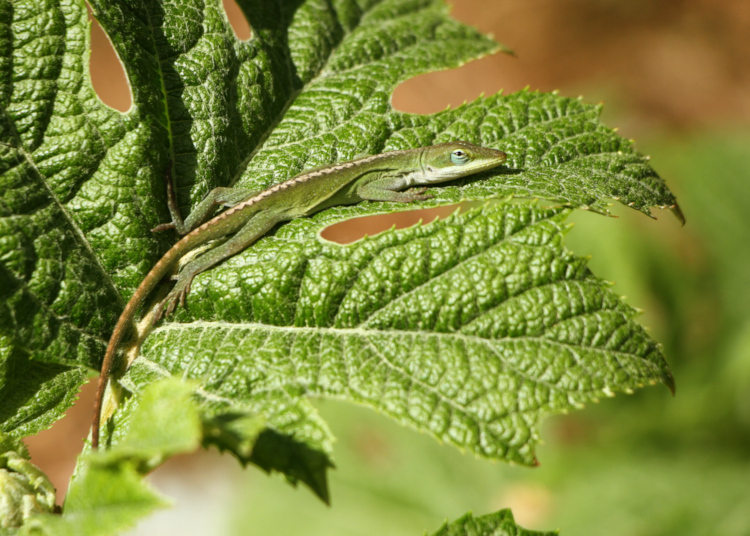
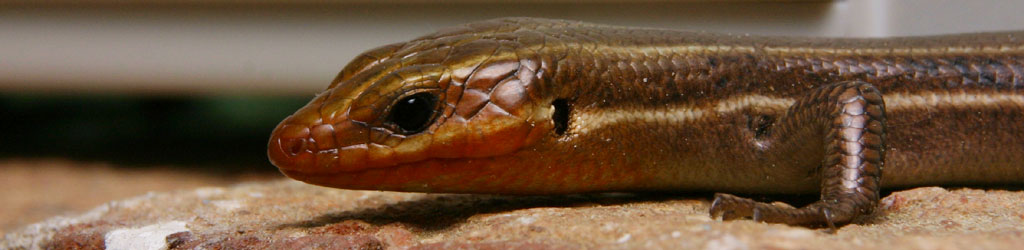
The hydrangeas at the old place had been a favorite haunt of the Carolina anoles (Anolis carolinensis,) and so this one has now been christened. We’re still going through significant temperature drops at times overnight, and the anoles haven’t fully gotten into the swing of things and this one hasn’t reappeared while I’ve been around, but as the spring settles in, we expect to see more of them.
The black locust trees (Robinia pseudoacacia) have produced their blossoms, smelling fantastic as always.
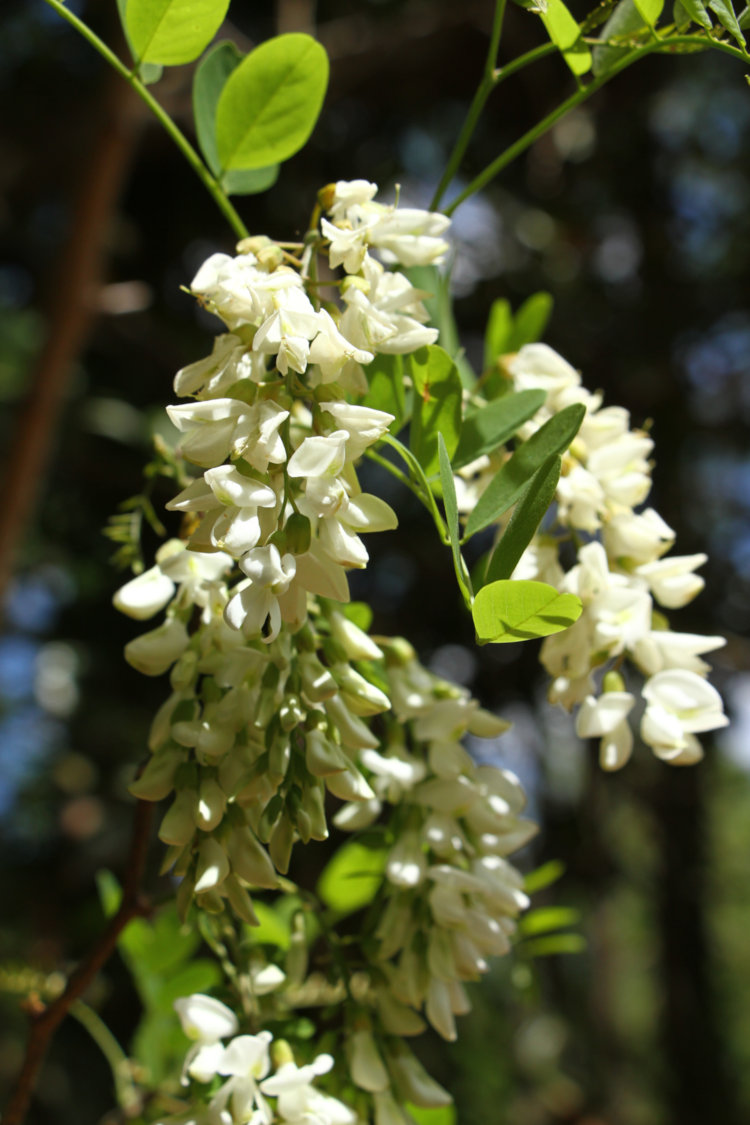
We wouldn’t mind having more of these around the yard, just for the blossoms at this time of year, but perhaps that’s all. While the candy aroma of the flowers is great, the branches themselves have rather nasty thorns, and so it’s better that this sits at the very edge of the yard where I don’t have to mow or clean around them. What we discovered this year is that there are two trees: one produces all of its flowers way above our heads out of reach, and the other is actually a fallen trunk that retained its roots, so these flowers are from new branches that sprouted from that, down low enough to reach. It says something about the thicket that this resides within that we didn’t discover this until now.
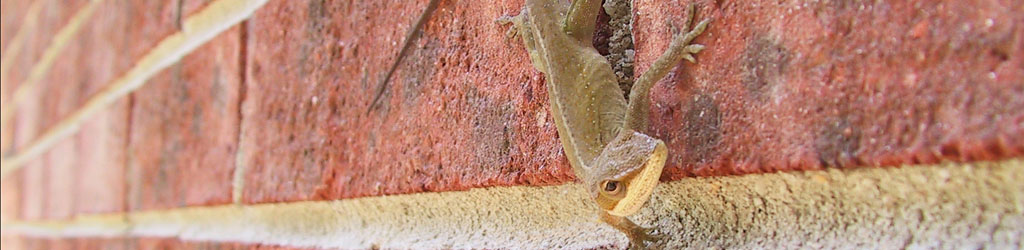
Another anole, this one exactly as found:
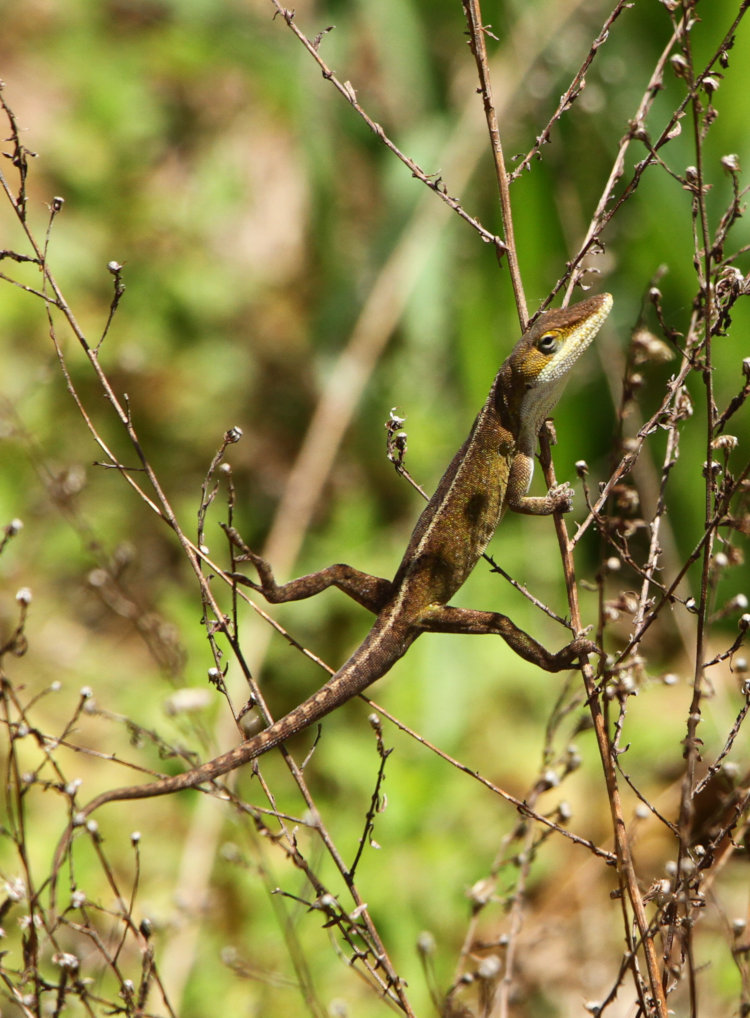
Credit to the anole for staying put while I got close enough to get the shot.
While out in the yard about a week ago, I heard a sustained squealing coming from down near the edge, another thicket, and recognizing it as likely the sound of some smaller mammal that had been caught, I quickly went in and got the camera and long lens. On returning, the cries were fading and coming farther apart, but it was enough to give me an an initial direction to go in. We’d been seeing the red-shouldered hawk hanging out in that approximate area, apparently trying to snag a rabbit that lived nearby, and I suspected it had finally succeeded. I crept up quietly, trying to watch everywhere and see the hawk before it saw me. Meanwhile, a couple of squirrels had started up their irritated barking alarm calls, helping to guide me in. They seemed to be centered in the thicket, which didn’t strike me as anyplace the hawk could strike, so I was starting to suspect a fox or something. As I was peering carefully through the branches and foliage, I heard a faint rustle almost behind me, and found I’d practically walked past the source of the noise, certainly not a hawk.
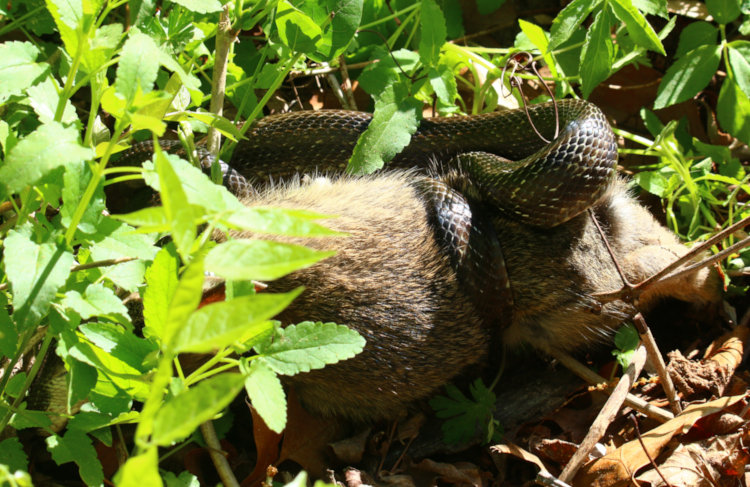
It seems like every time I feature this (these) species, it’s changed since last time; I can’t vouch for this being correct tomorrow. I was right about the prey, which is a juvenile eastern cottontail (Sylvilagus floridanus,) but not the predator, which it now seems is considered a central rat snake (Pantherophis alleghaniensis.) The last time I checked, the grey pattern that we see around here was considered a regional morph of the eastern rat snake (Pantherophis quadrivittatus) while the black color that I was most familiar with, like this one, was another morph of the same species – now they’re considered separate again. Seriously, I just covered this last year.
The rabbit had ceased squealing by this time, but was still struggling and kicking occasionally, and near as I could see, the snake did not have an adequate constrictive grip upon it. I couldn’t get a better view in the weeds even though it was right at my feet, and had to back off to even get these shots, since the long lens has a close focusing distance of 2.5 meters or so – you’re seeing the rabbit’s hind feet to the right.
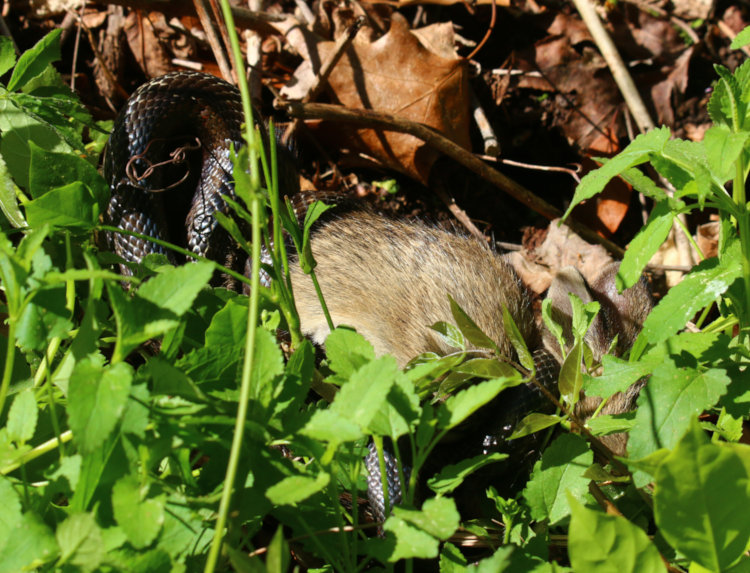
The view from the other side – now the ears are faintly visible, though I never could spot where the snake’s head was. I also had to question whether the snake really was going to get this guy down – we’ve seen before that their judgment is not always accurate. However, I didn’t elect to stick around and watch the drama unfold, since I was still in the middle of projects.
But to offset those a little,
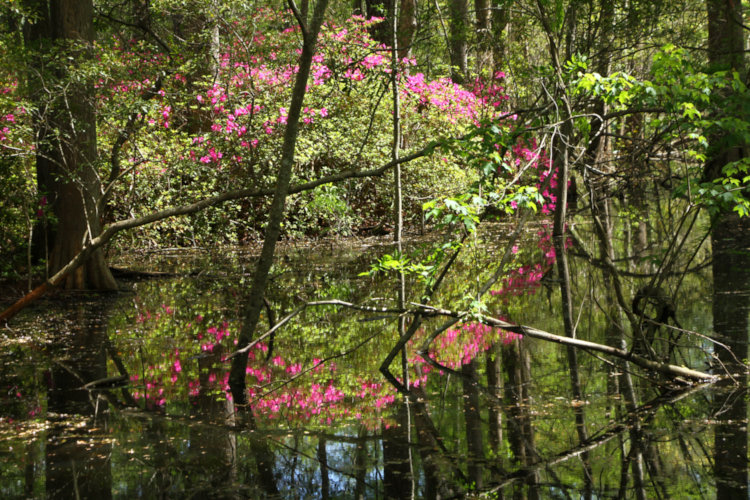
From certain areas of the yard we could see the hint of these azalea flowers through the foliage, knowing they were out on a small island bordering The Bay, but it’s nigh inaccessible. I finally tramped my way around to a semi-decent vantage point, though I could have done without the random branches, but at least I could use the reflection in the still water. A better view would only come from the kayak or by sloshing through the shallows, which we already know can get treacherously boggy. I’ll check it out the next time I have the kayak out, but the blooms will probably have faded by then.
That’s all for now, though more will be along as time permits.