
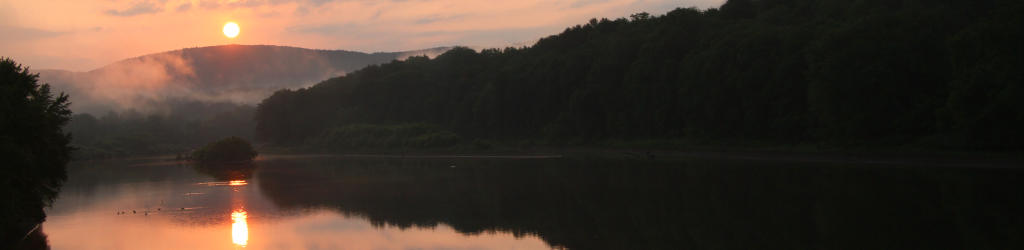
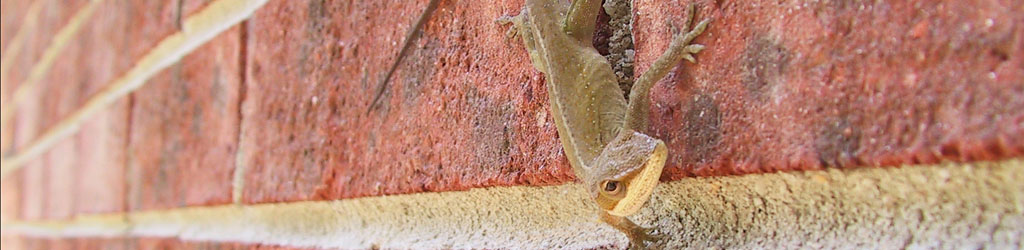
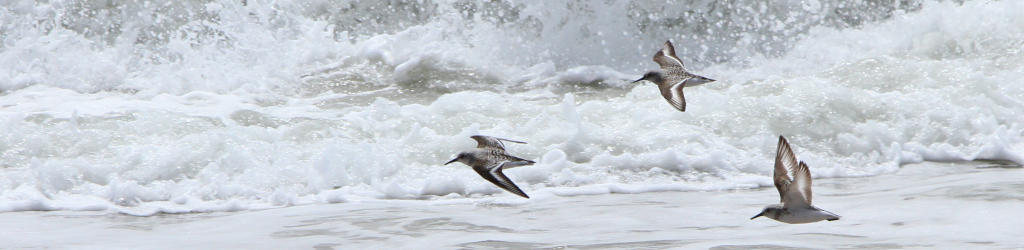
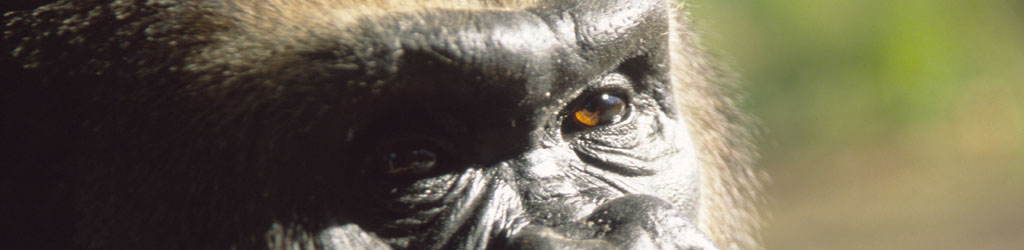
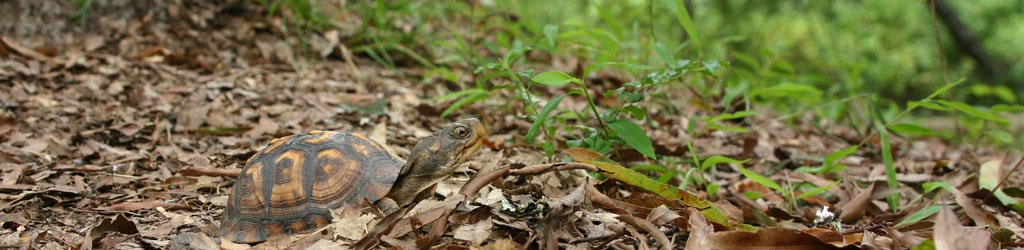
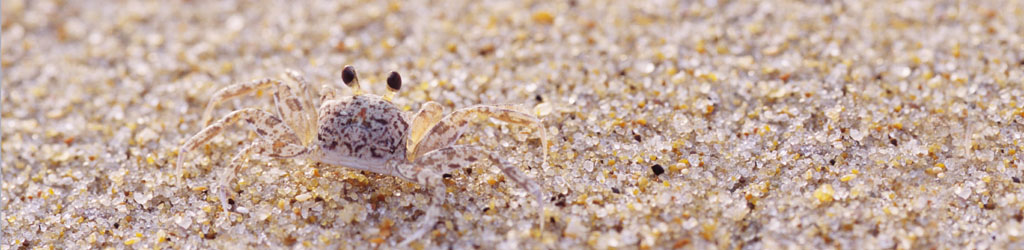
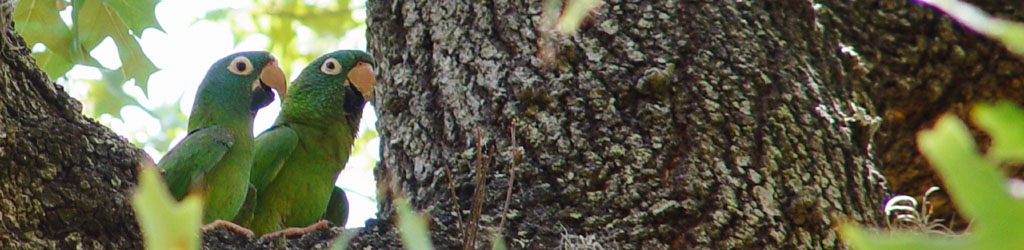
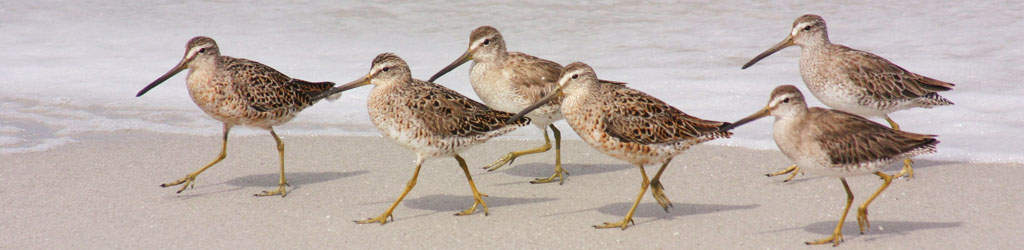
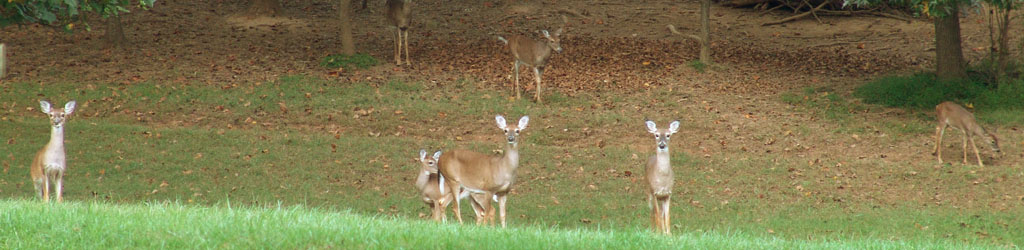
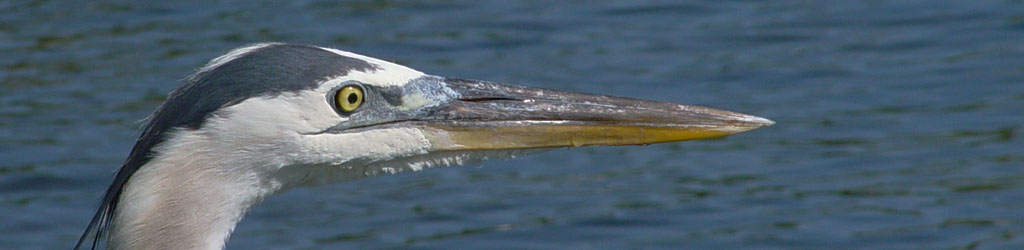
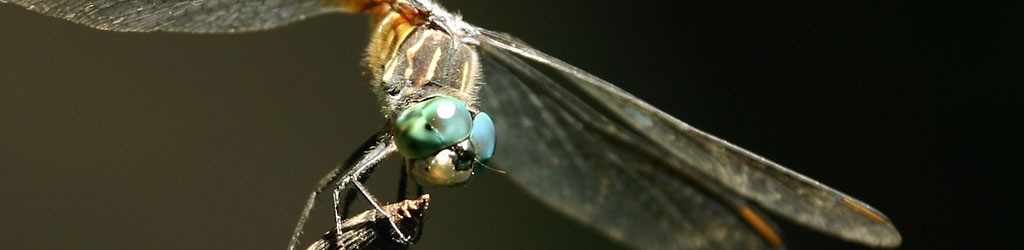
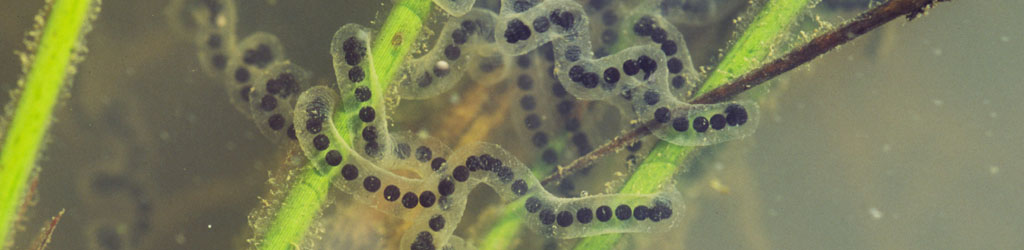
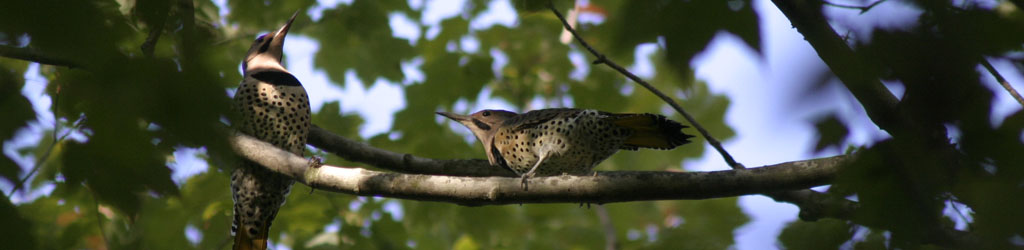
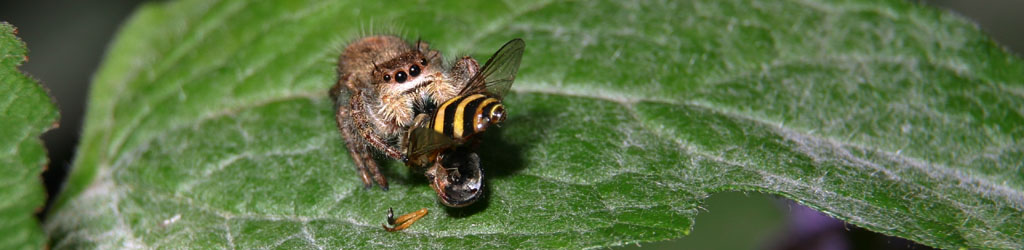
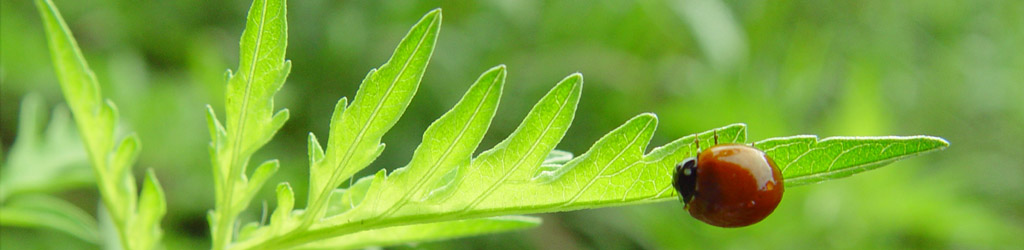
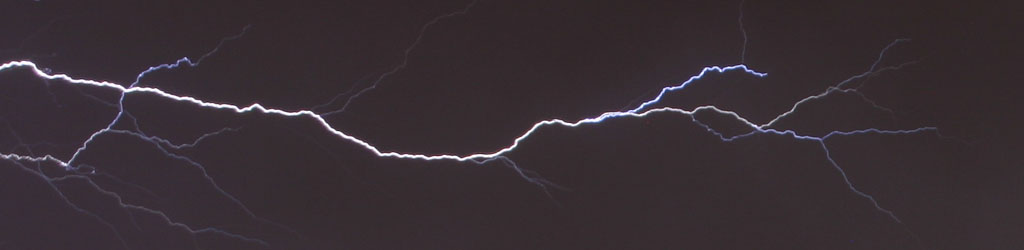
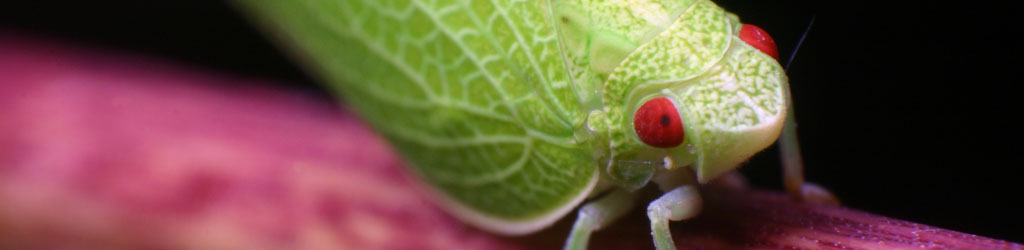

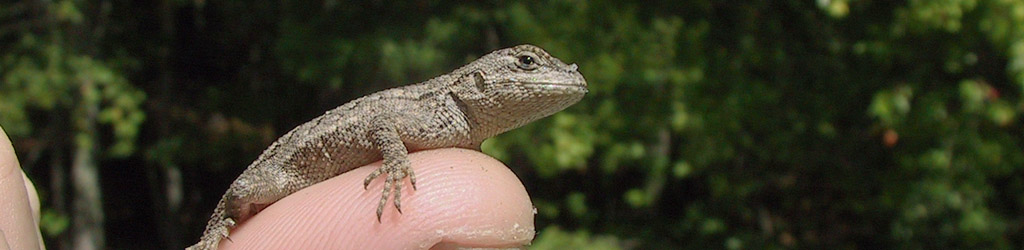
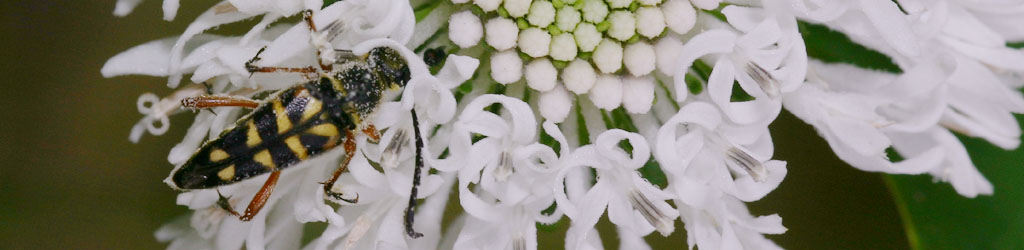
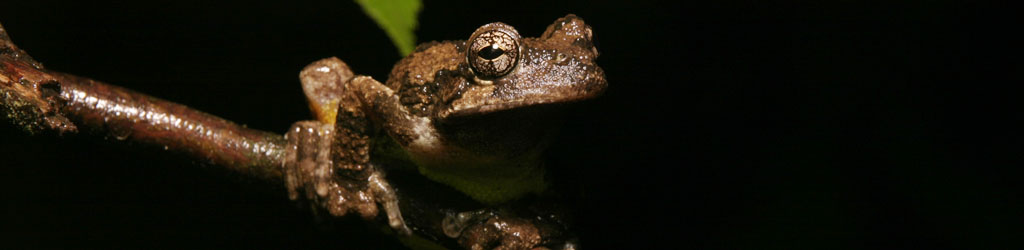
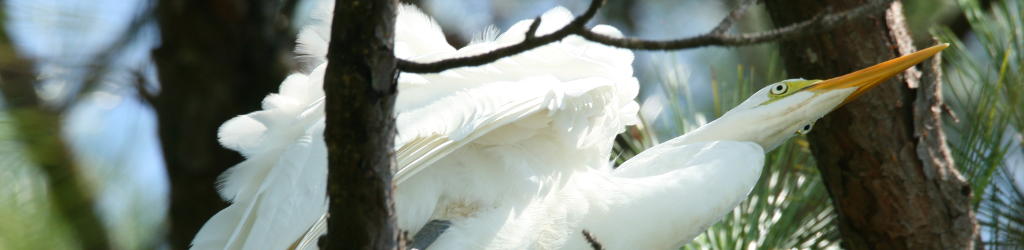
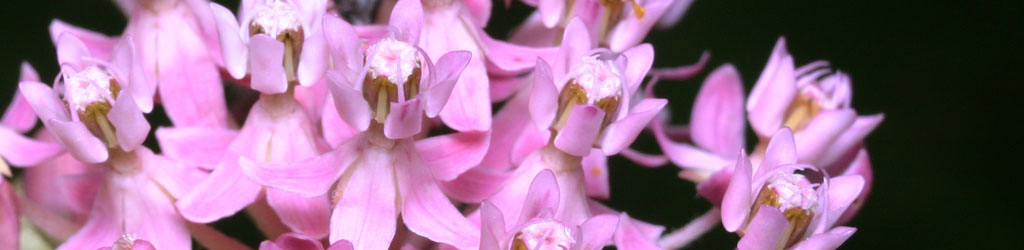
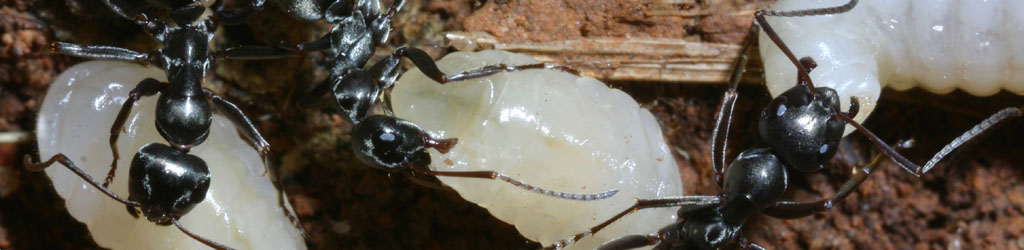
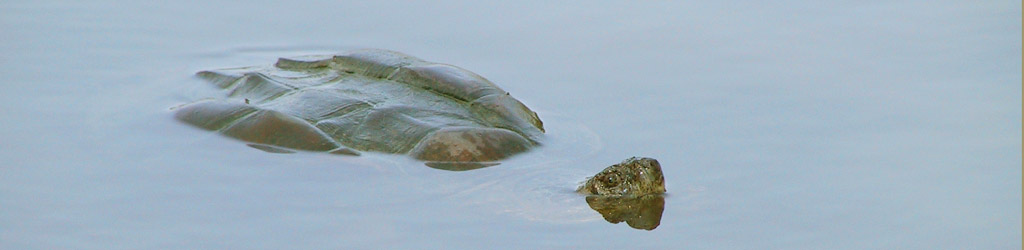
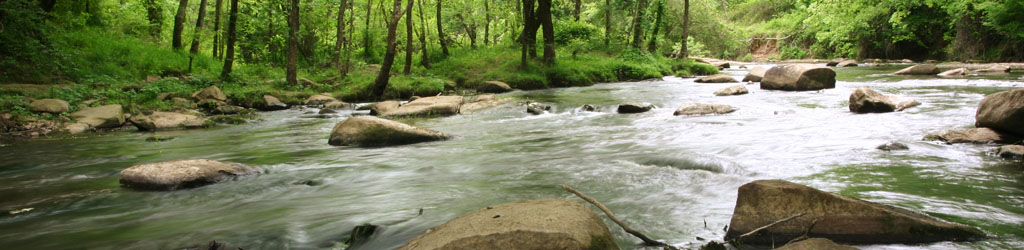
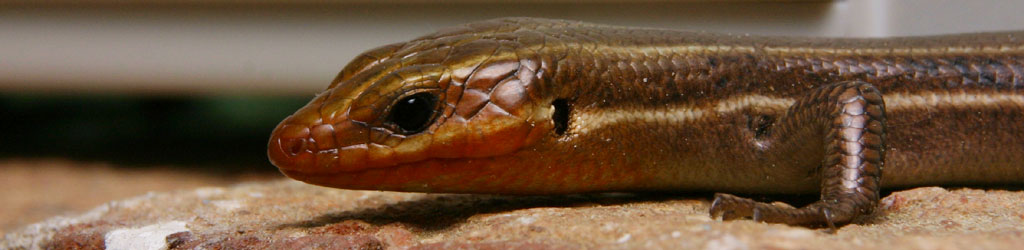
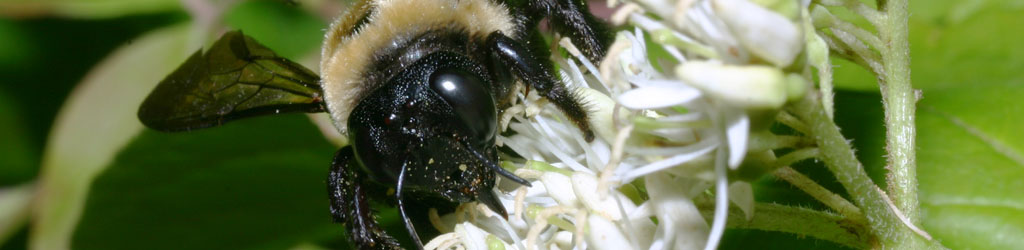
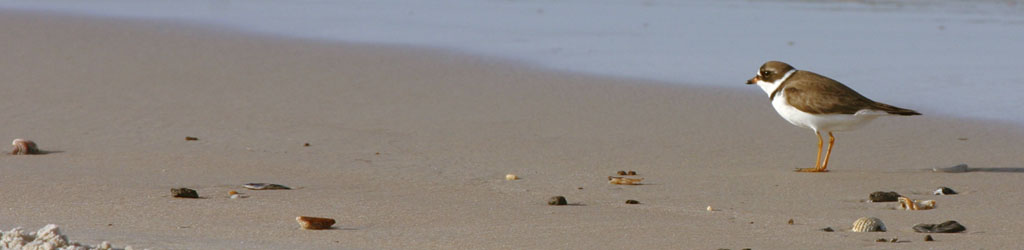
S’okay, not much warning on one of them, but if you’re here, you don’t really need the prompting, even if it’s prompting to not be here – you may not need that either. But tomorrow, June 13th, is National Get Outdoors Day, or at least, USA Get Outdoors Day; it may not extend beyond our own country here. Now granted, the heat index the past few days has been having meteorologists recommending that we stay indoors – it topped 37°c today here – but the idea is, spend some time experiencing what there is to see, away from screens and streaming shit and constant news reports – you can’t really argue with that. If you have to put it off a few days until it’s safer and more comfortable out there, I don’t think anyone’s going to report you.
Either way, hopefully you’re not relying on me to provide your dose of outdoorsy stuff, and are doing your own things. Probably much better than I, too.
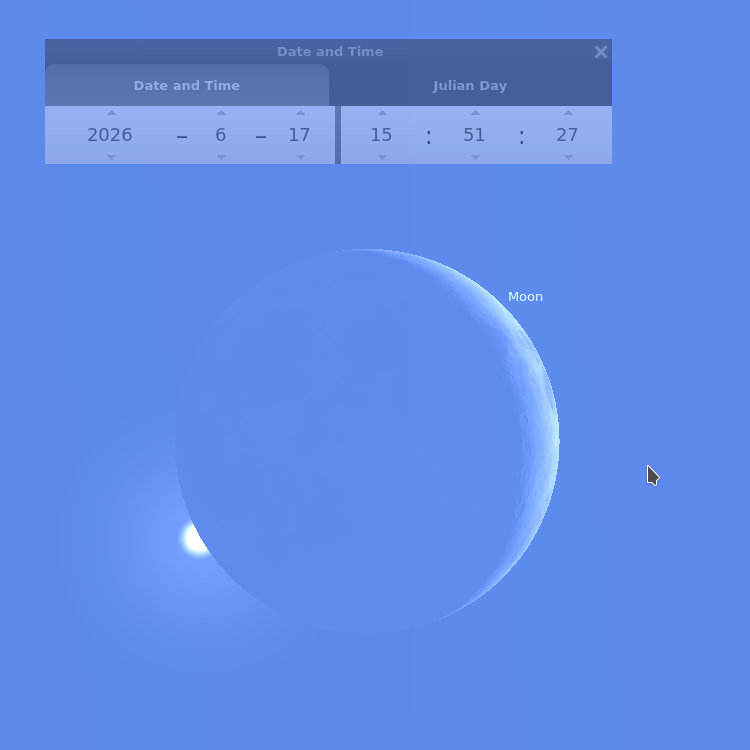
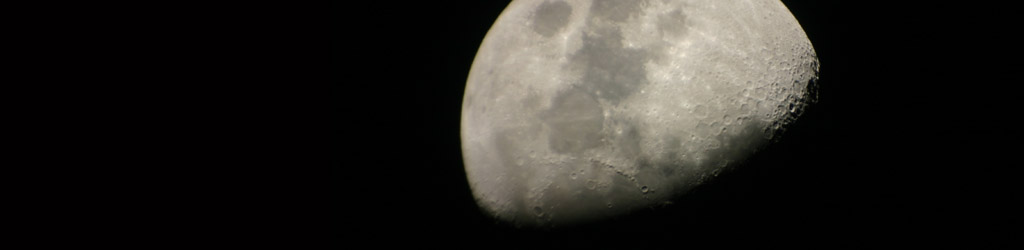
The other one is a little further off so you have more warning, and the ability to start looking more haggard at work before you call in sick that day. But Wednesday, June 17th will see the crescent moon occult (block) Venus in early to mid-afternoon across most, if not all, of North America – it will be roughly 3:45 PM on the east coast, but varies depending on location. See local listings for exact times, or better yet, load in Stellarium if you still haven’t done so, despite my repeated urging. This should occur, for just about everybody, awful close to due south and not-quite-as-close to straight up. Venus can occasionally be seen during the day, and it will be in gibbous phase at this time so better illuminated. The key, of course, is to locate the crescent moon, much easier, and be watching towards the dark side with a long lens, binoculars, or a telescope as the time approaches – if the sky is clear enough, you’ll be able to spot Venus and watch it vanish.
It will also re-appear not quite 90 minutes later, this time emerging from the crescent side, so go ahead and watch that happen too. I hope to catch video of both, but it’s going to depend on sky conditions, and the forecasts right at the moment are dicey.
If you’re planning to tackle this, first make sure you’re synced to an accurate time source – there’s nothing like missing something because your clock is off by two minutes. For video, know that the moon will move its own width in roughly 150 seconds, heading towards the crescent side (for this event,) so leave enough space in your frame to account for this motion as you’re watching for Venus to vanish or re-appear. As always, lock in your focus, manually is best, and keep the camera untouched on a firm tripod to avoid wobbling and vibration. Some test clips ahead of time are never a bad idea. If there’s anything more than a slight breeze, set the tripod as low as you can manage, or get out of the wind – otherwise this is going to vibrate the view significantly, the more so the longer the focal length.
Good luck with either, or both!