
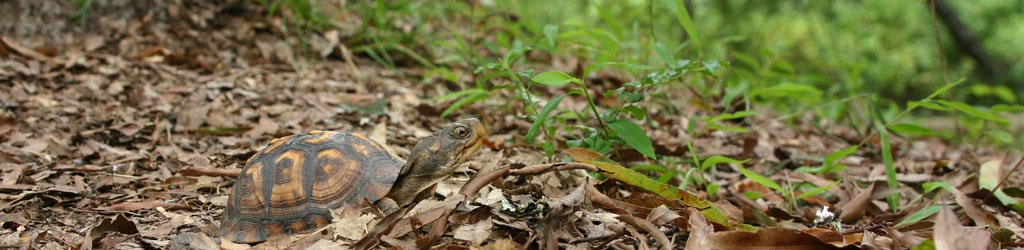
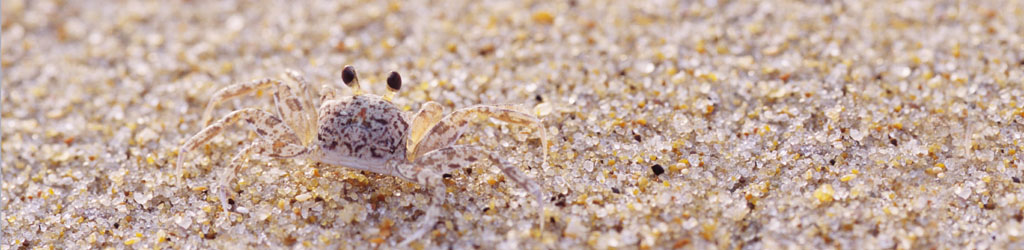
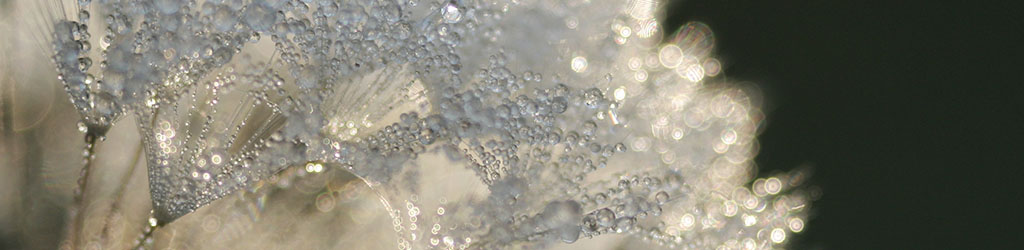
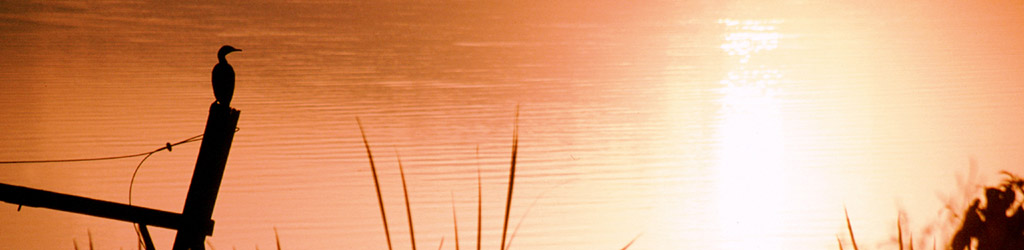
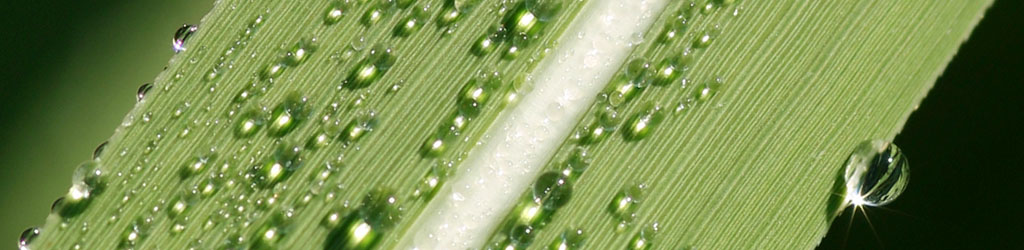
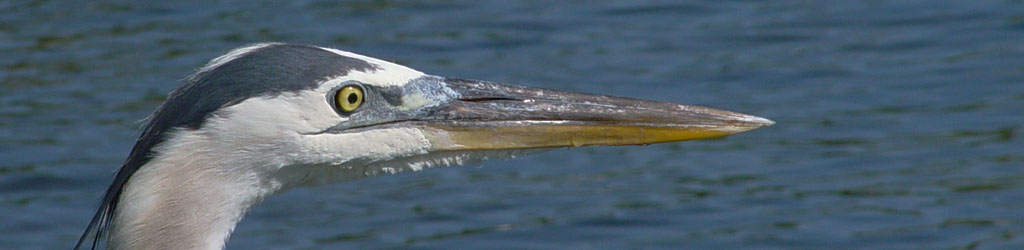
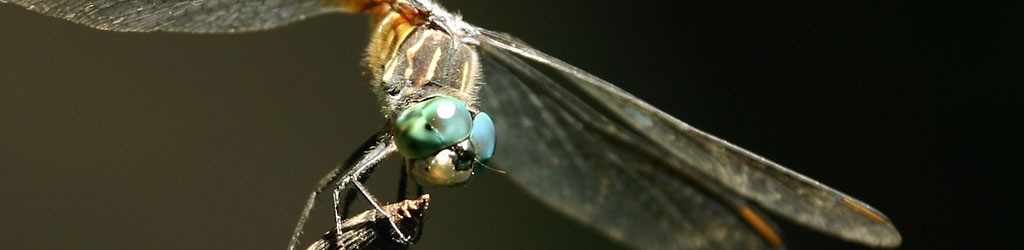
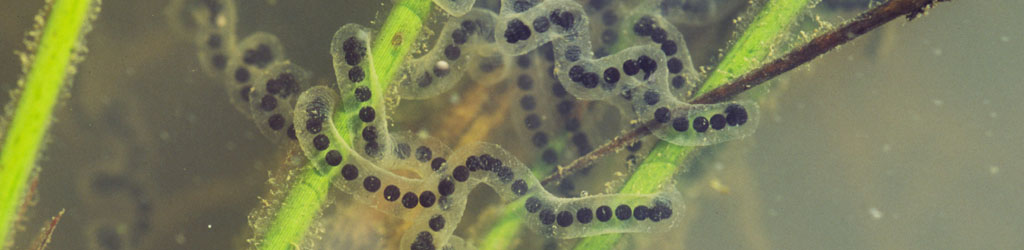
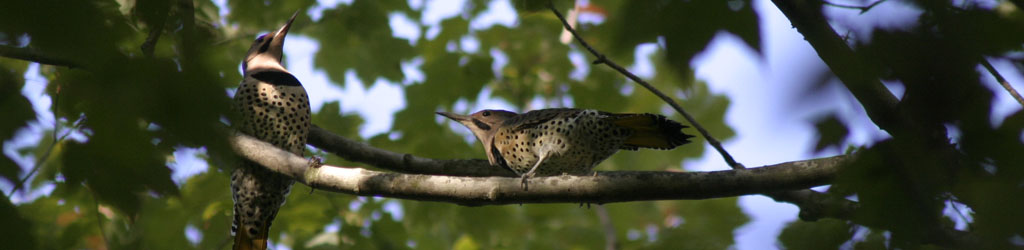
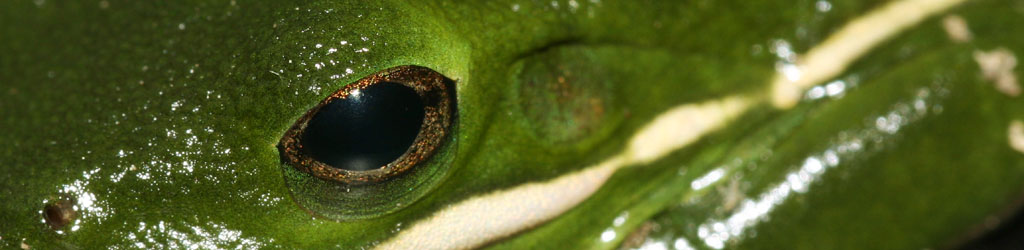
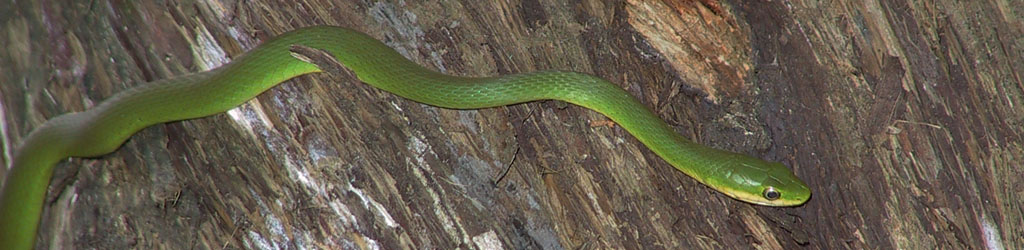
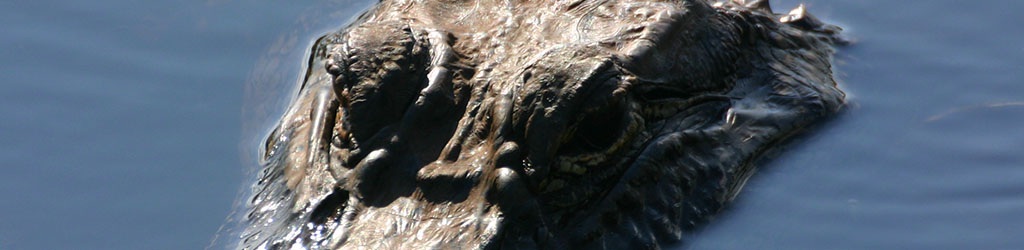
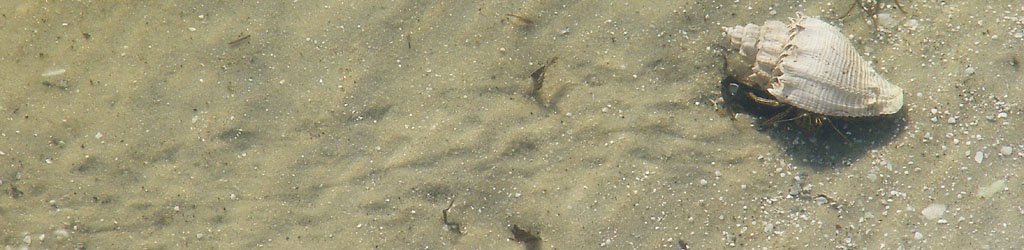
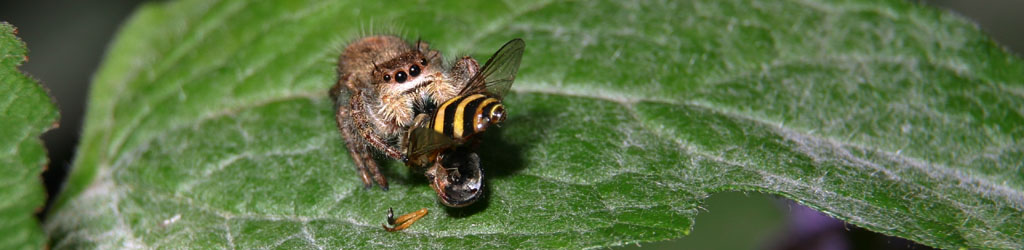
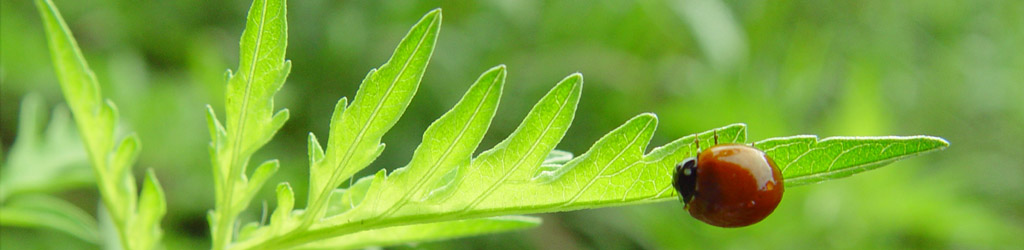
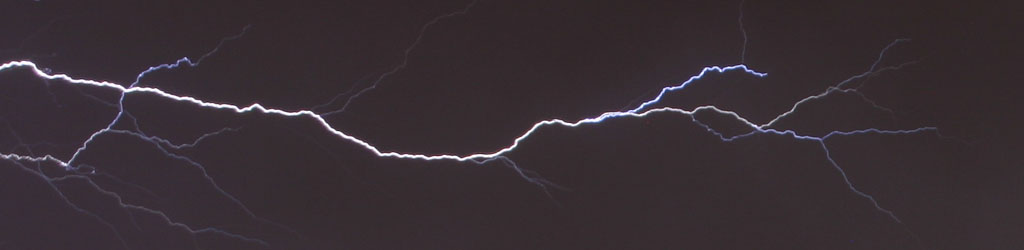
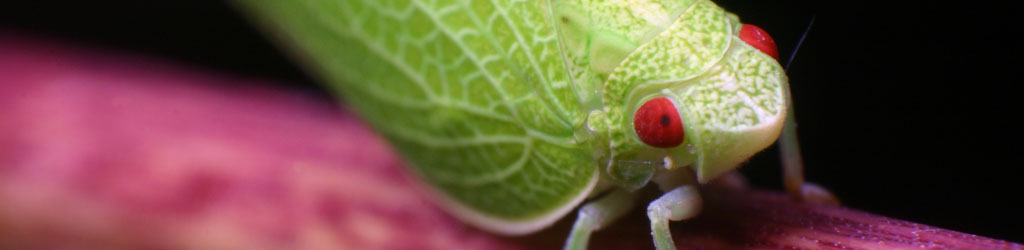
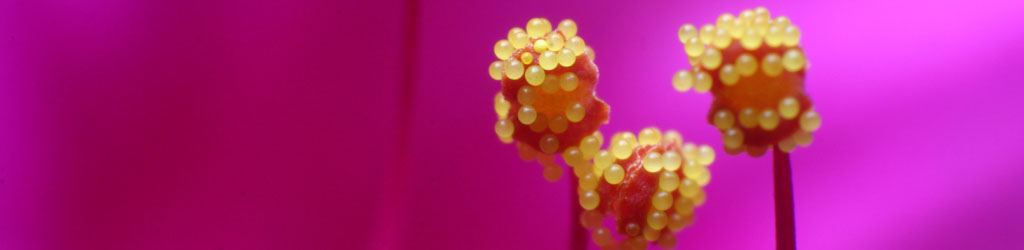
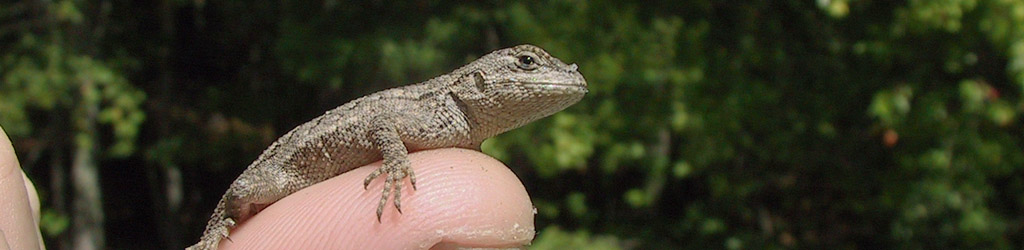

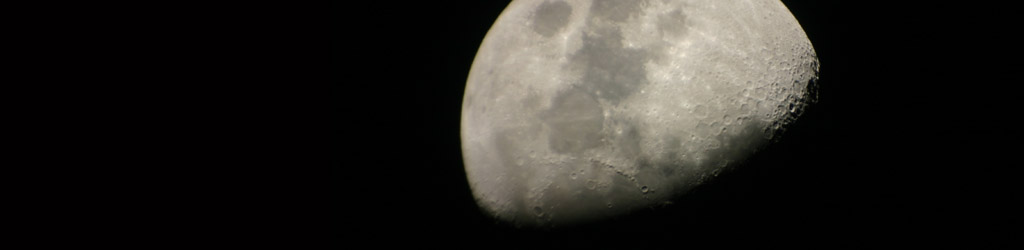
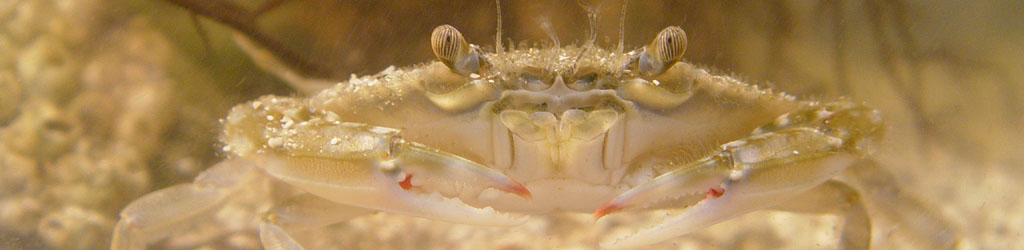
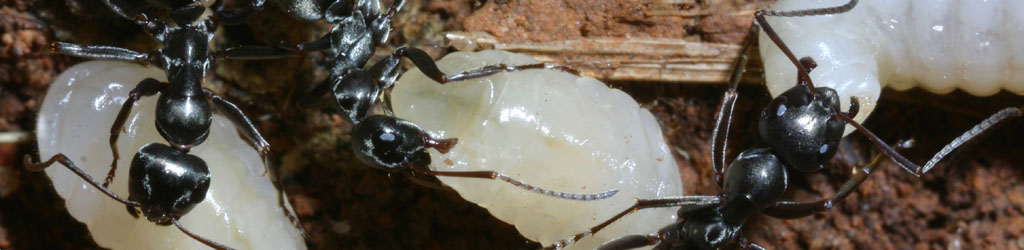
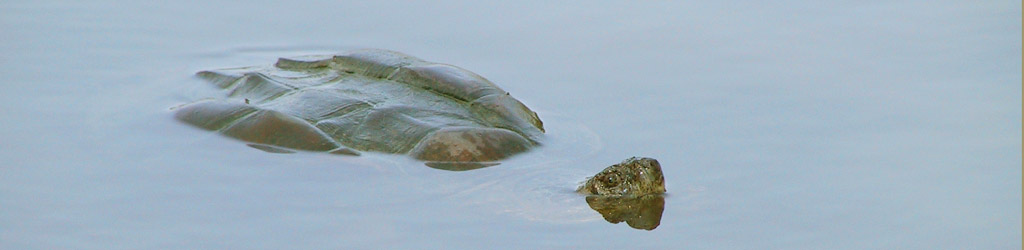
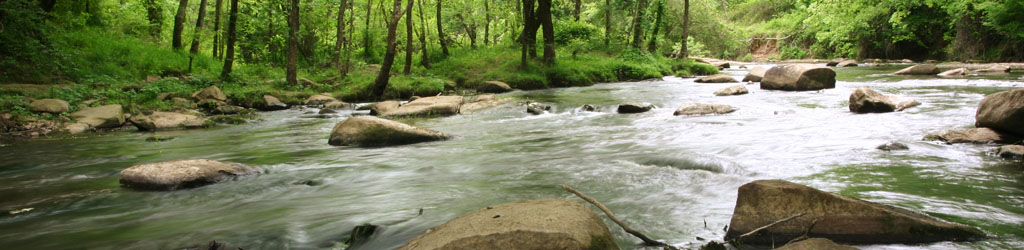
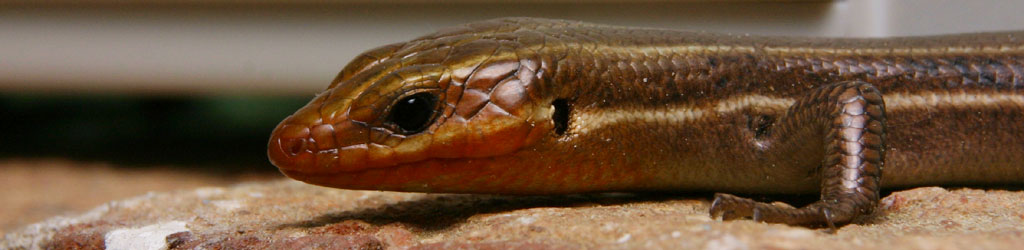
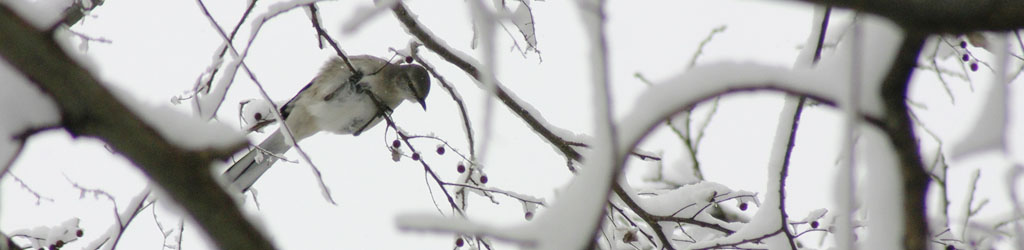
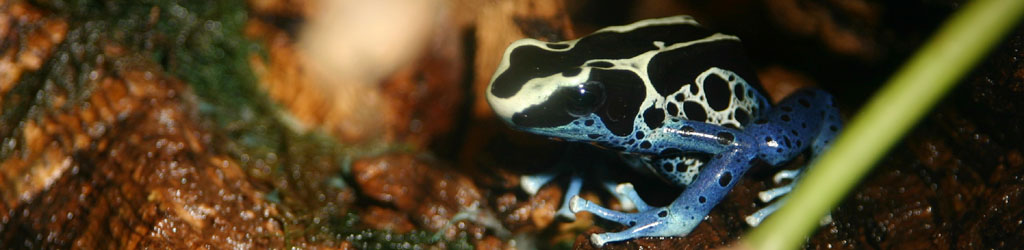

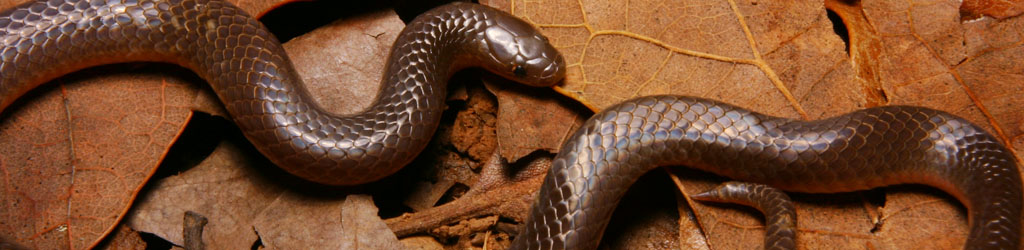

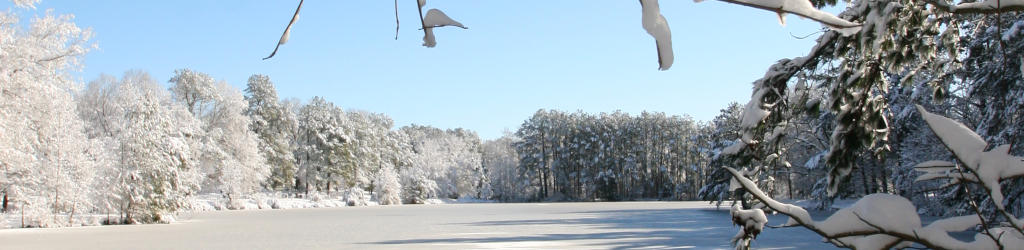
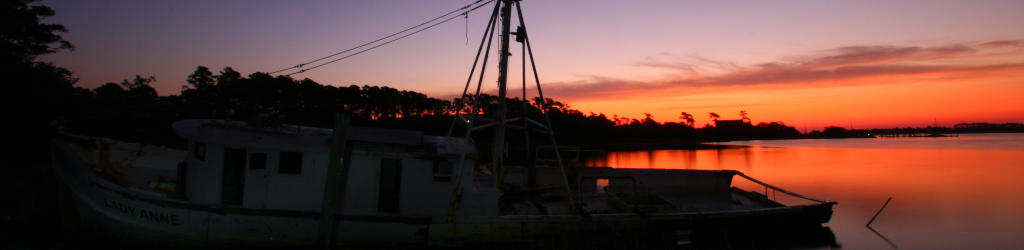
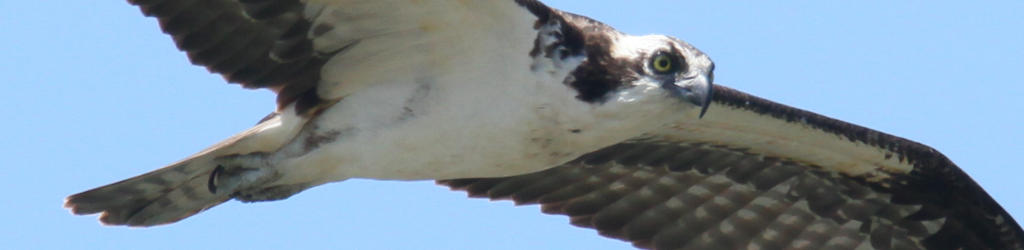
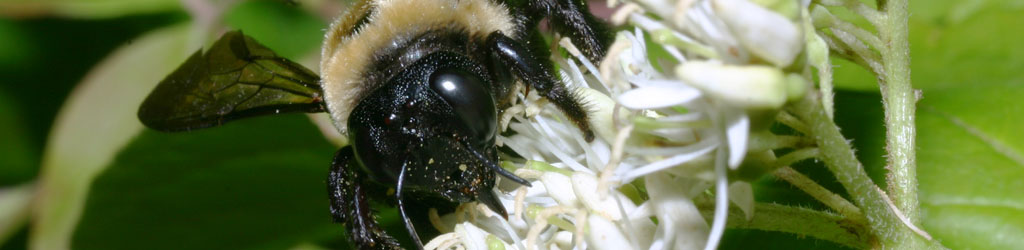
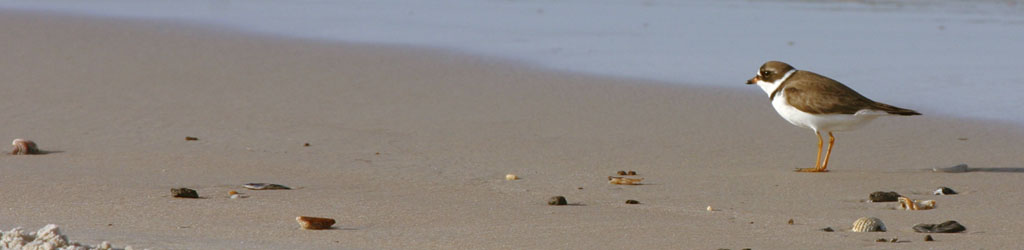
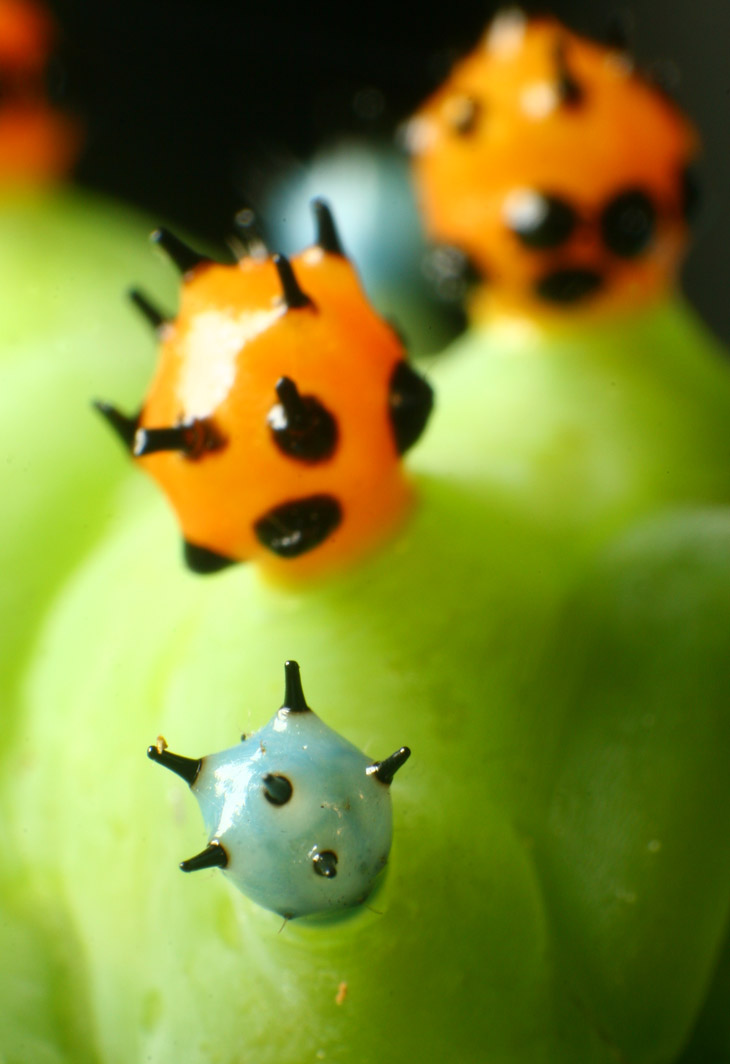
It’s the colors that made me want to use this one, and I shot it specifically with the month-end abstract in mind. If you’re confused as to what it is, you’re just admitting that you don’t come here often enough, and I’m not inclined to put in extra effort for someone that cares so little.
Daily Jim pic 10

We’re still in Yellowstone Park, looking at the spring water sources. If I’m interpreting this one correctly, there are at least two different subterranean channels feeding this pool, apparently passing through different types of minerals/metals. The one centered in this image, I’m almost certain, is showing a high iron content, so yes, that’s rust. But as you already know if you’ve followed enough posts here, trusting me is a stupid thing to do. Some tourist probably just dumped their pumpkin spice latté into the pool, and it ate that hole into the stone.
Sunday slide 31
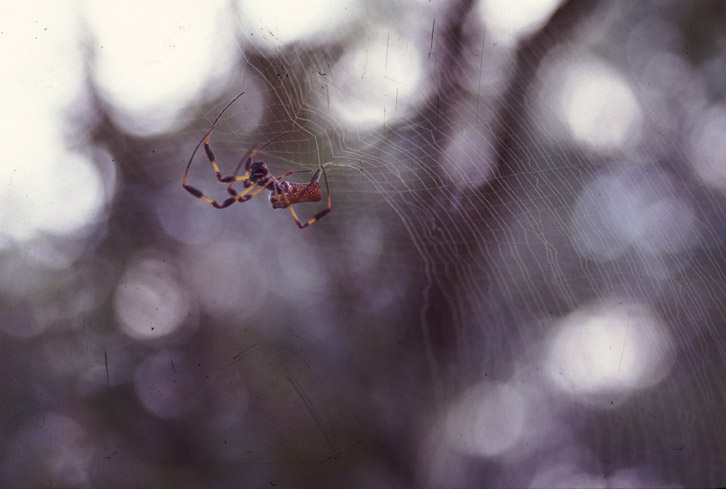
Yes, another muted color example, and I’m often enthusiastic about the vibrancy of slides (it just means the scene was really bland.) We’ll get into some nice color shortly. For this week we have a dual illustration, which is clear the moment you look closely. First off, Florida is home to more than a few examples of this massive spider, a female golden silk orbweaver (Nephila clavipes) – the bodies alone can be the size of your finger, which can make the leg spread larger than your palm. Their webs may be as large as 2 meters across, and while they’re usually up in the branches out of immediate encounter range, not always. I have distinct memories of my brother’s ejaculation of foul language when he nearly walked into a web at chest level; he still lives in New York and isn’t used to the subtropical effect on species size.
What I managed to capture in this was a curious trait of their webs, which is how the spiraling circular strands seem to run in close parallel pairs, like train tracks, as if laid down at the same time. While it’s possible that this is the case, and the golden silk orbweaver possesses a radical set of spinnerets, it’s not consistent, and possibly only due to a habit of their casting process. Nothing that I’ve found has made mention of this trait, so I can offer no explanation either way. I was pleased, however, to have captured the details of the web distinctly enough, something that often isn’t possible without some helpful mist or dew.
But also visible is how badly damaged this slide is, and I don’t recall how this happened. Some of it is dust, but the lines aren’t; this one got badly scratched somewhere along the way. And with detail like this, it’s damn hard and time-consuming to edit it all back out in Photoshop. I’m sure plenty of people would point out how much better digital images are over film in this regard, which is true – to a point. Because digital files get damaged too, and when they do, there’s usually no saving them. You don’t get little blotches and lines and so on, you have entire portions that simply go blank, if the file opens at all. And the nature of digital is, they will go corrupt: media degrades, hard drives fail, sectors go bad. Constant duplication is necessary, and while not particularly difficult, fate is entirely unforgiving if you fail to maintain decent and regular backups.
Meanwhile, I can touch up these images, including doing a rescan with a hint of nose grease or mineral oil applied to the slide, which does a remarkable job of vanishing such scratches. This slide dates from 2001, if I remember right, and I started first shooting digital in 2003. Almost none of the original digital media from that time survives in readable form, and I only have access to those digital images through repeated copying, while this slide (and thousands of others without such damage) will be viable for quite a while yet. Perspective is important.
Daily Jim pic 9
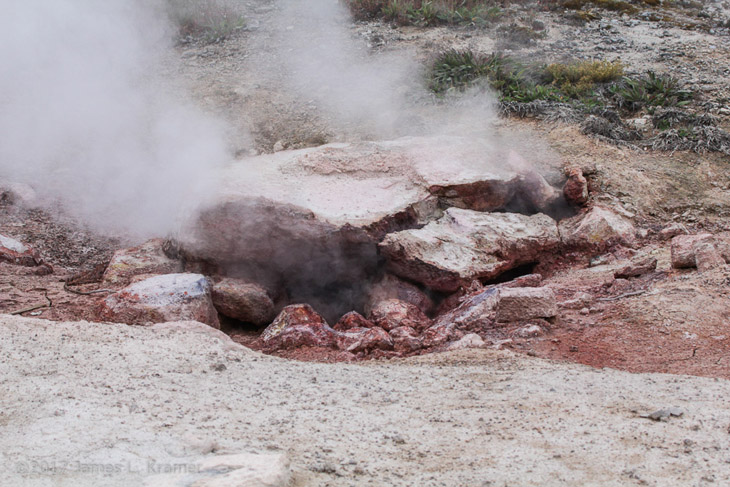
All this talk about global warming, but nobody has plugged this sonofabitch up yet. It’s a good thing Jim is providing the evidence to bring this to greater attention.
Eclectic and farraginous
This post marks a particular milestone for the blog, as it is my first use (actually, in my entire life) of the word, “farraginous.” Which spellcheck doesn’t even have listed, so that guarantees that I’m sounding like a pompous ass. But I’m not going to make anyone have to look up the word to see what it means just to understand a simple blog post, so I’ll helpfully say that it’s defined as, “consisting of a farrago.”
Anyway, we’re just going to go through a handful of relatively recent photos, most of them obtained during student outings – no real theme or message, I just can’t let Jim hog all the bandwidth.
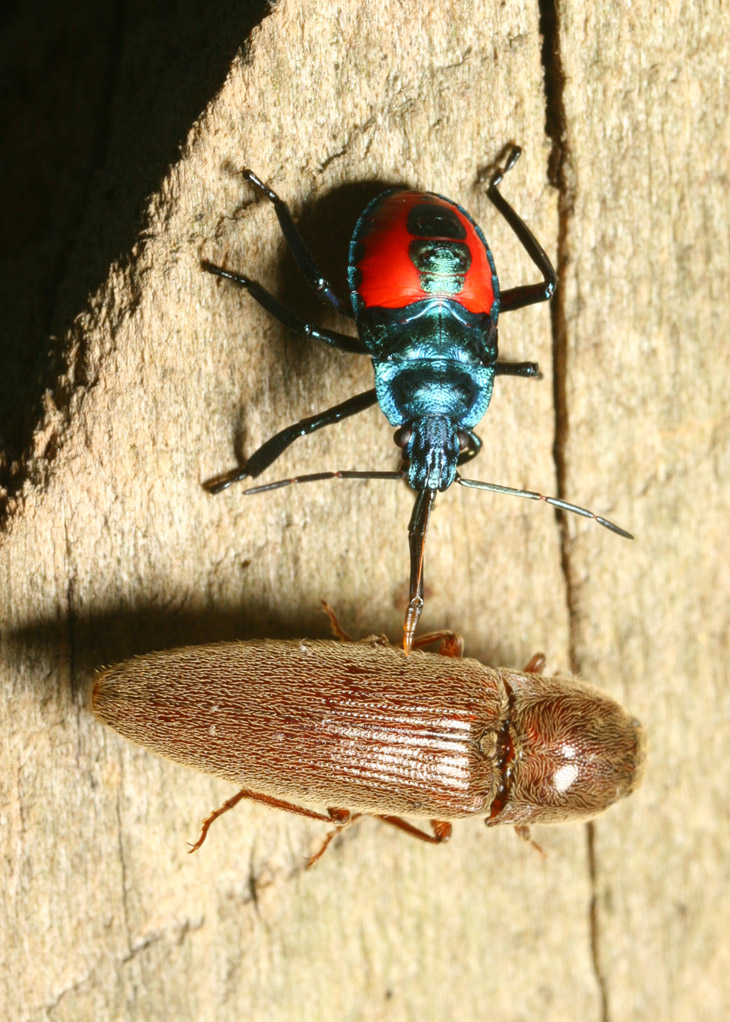
This is the oldest photo among the lot, taken back on May 4th (Star Wars Day if you celebrate that in your culture) – I just never found a good excuse to post it. The insect seen here really is that colorful – it’s not a trick of the flash or anything, but it primarily appears in a certain nymph stage and will become more muted as the insect nears adulthood. This is a Florida predatory stink bug (Euthyrhynchus floridanus,) and they’re often seen in clusters, as this one was, but they’re shy and the rest of the gang dispersed to the other side of the post quick enough that I only have a couple of group pics from the encounter; this one, carrying their shared prey of a click beetle, was reluctant to discard the meal and too encumbered to escape the camera quickly. Probably about 10-12mm in length here, and seen just this once. If you want better details on that proboscis, I’ve covered it before (with another species.)
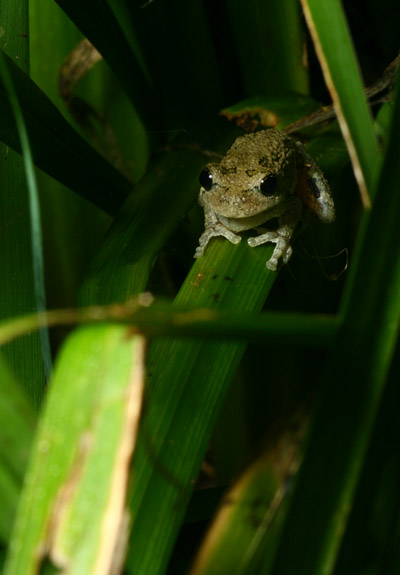 On the same evening that I found the adipose caterpillar featured here, I spotted a Copes grey treefrog (Hyla chrysoscelis) perched on a water reed in the ditch by the road, and did a quick shot. I’ve featured these enough times on the blog that I can type their scientific name from memory, like the Chinese mantids, though it’s virtually guaranteed that I’ll mispronounce it if I tried. The rules, if there are any, for Latinized (which is a slightly different process than Martinized) scientific names are beyond my vast intelligence, but I know the trick that I was taught in kindergarten – “sound it out” – is completely worthless when it comes to these. And I suspect this is done on purpose, so biologists and their ilk can quickly tell when a poser like me happens along. “Did you hear that? The doofus said, ‘kriss-o-SKELL-us,’ instead of, ‘shay-OFF-kay-eye‘ – what a total kanye…”
By the way, I think I have a buttload of these as tadpoles in the backyard pond right now (the frogs I mean, not biologists,) courtesy of the amorous pair seen here. They may be featured soon.
Speaking of frogs…
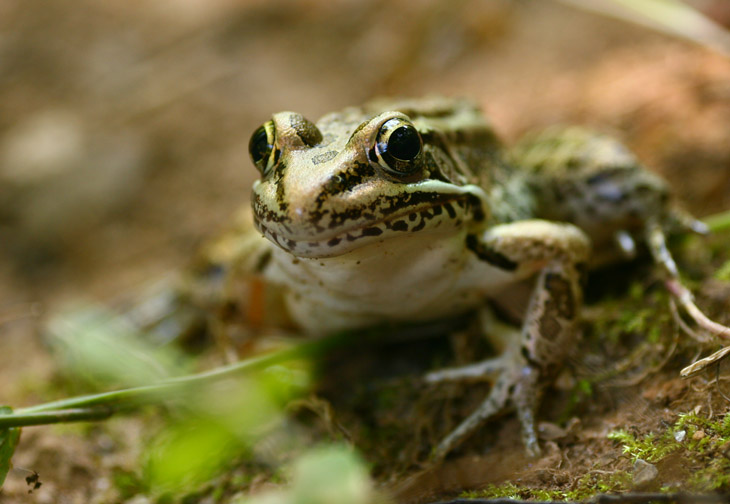
I had initially identified this as a leopard frog, but that goes to show you that you should (or at least, I should) always check a decent guide before posting. This is actually a pickerel frog (Lithobates palustris,) which attracted attention on the side of the Eno River during an outing with the Immutable Mr Bugg, then paused and pretended that I couldn’t see it. It may appear again in a little bit, since I have a post planned on the awkward positions one gets into for certain perspectives that nevertheless often pays off. The image has lost a little at this resolution, since the eye and skin detail came out wonderfully sharp in the original file. Order a print and you’ll see what I’m talking about.

Just some sunflowers that we came across, and using a short depth-of-field to go a bit fartsy.
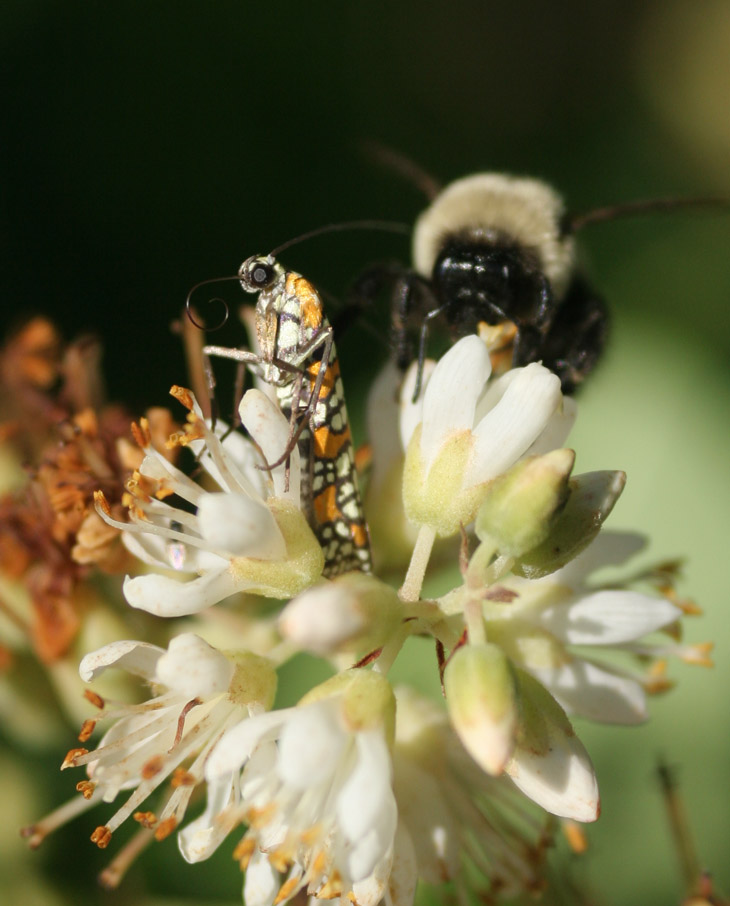
I had spotted this ailanthus webworm moth (Atteva punctella) in the foreground, busily raiding these flowers, and was trying for a particular perspective since the conditions were right. You see, the dark patches on its wings are actually bright iridescent blue when the light hits them properly, and I was trying to capture this effect, but it could only be seen at a specific angle and the moth wasn’t holding still in the slightest. As I was trying to hold focus and snag an illustrative position, the bumblebee landed and came blundering straight up to the moth, so the ominous-looking capture here was more luck than design. The moth, by the way, was far less discomfited by the intrusion than you might imagine, largely ignoring the much-more-massive bee. If it was a bee…
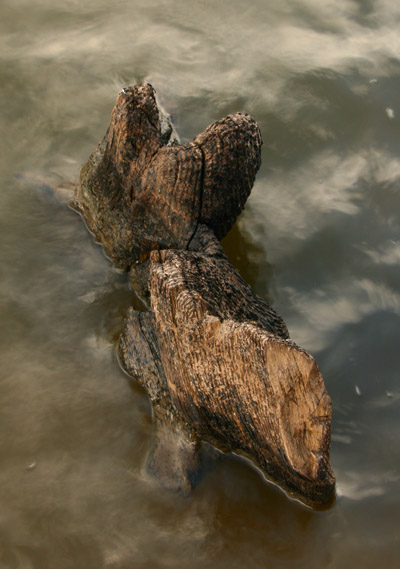 So this one’s a little odd (like that never happens here,) but bear with me. Something like 12 years ago I shot a particular tree stump in Jordan Lake in a couple of fartsy compositions, using the Canon Pro 90 IS. I had remembered it being in a particular location and thought the stump had long since been washed away, but then I recently encountered this one, displaced by a few hundred meters from where I thought I’d shot those. It’s possible I wasn’t remembering the precise location correctly (hey, I’m old, it happens, I shit myself twice while typing this ridiculously long post,) so I took a pic to compare them. Result: inconclusive, since 12 years of erosion might have produced that effect, and there’s nothing specific I can say about the shapes. Looking at the other frames that I took that day, the angle of the background details seems to support the idea of the stump being in a different location. So if it is the same stump, I have to say it’s damn tough wood…
[Seriously, I do pointless challenges like this from time to time, don’t ask me why.]
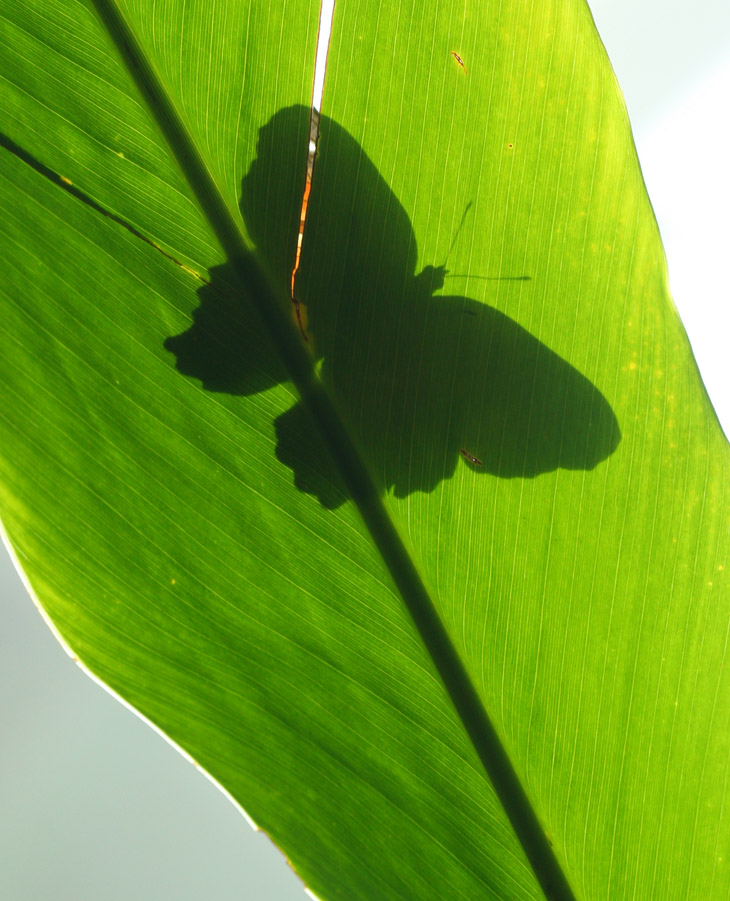
I was thinking of using this one for the month-end abstract, but I have a better one in mind, so I can use this here. I liked it not just for the silhouette and the sharpness of the details (if you look close you can see some dark spots where the feet touch,) but also for the little gap in the leaf that betrays the butterfly’s wing pattern, the tiniest bit of complementary color. I would have liked to have had the eyes peeking through that gap, but that’s a composition for another time.
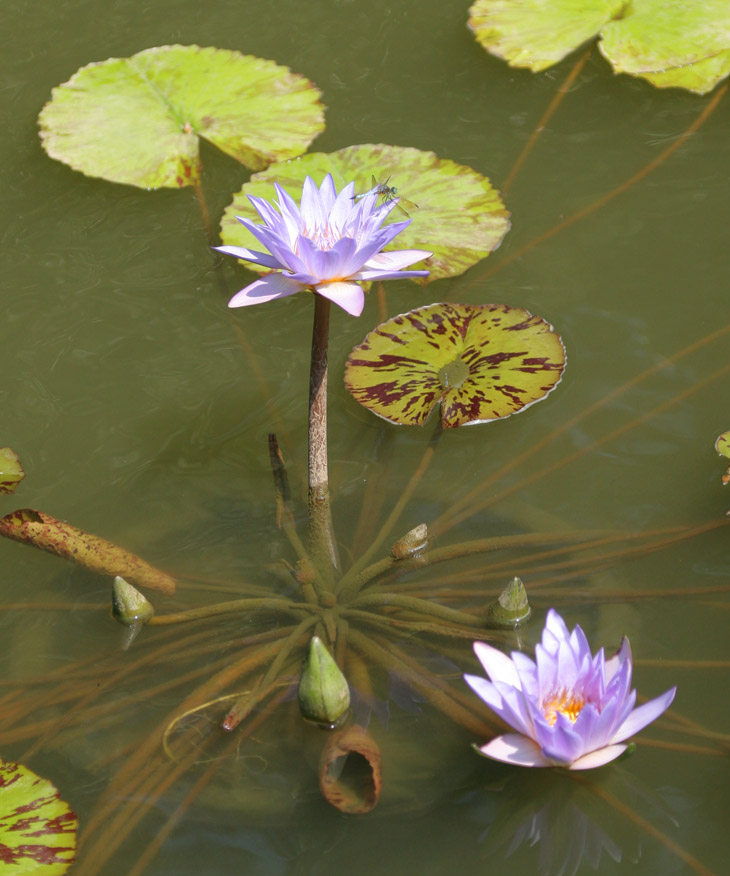
And I probably shouldn’t admit it, but there’s also an extra detail in this one that was wholly intended. I know it’s there and my eyes go straight to it, but I’m not sure how subtle it is (or isn’t) to everyone else…
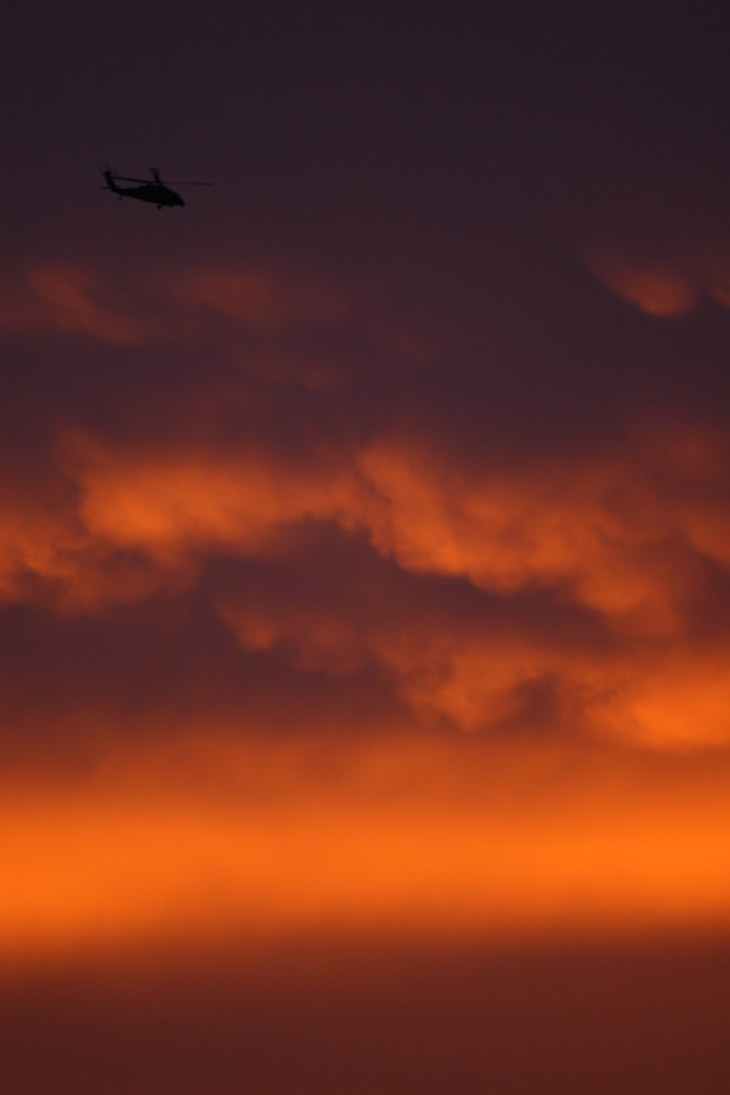
I’ll close with this, as a Blackhawk helicopter cuts across the sky during a sunset shoot. It never got into the really dramatic colors and clouds, those being in a pretty narrow region of the sky, but I think it works okay as it is. And I can’t help wondering what their view was like.
Daily Jim pic 8
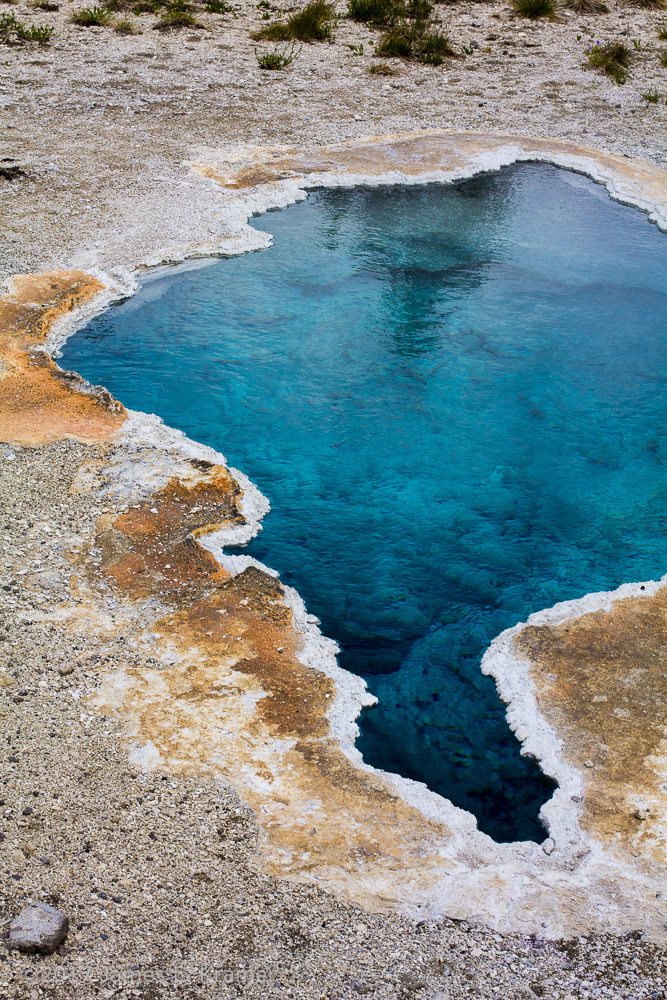
If you’ve ever wondered where they get the water to make those colorful freezer pops, it’s Yellowstone National Park. This is the ambiguous “berry” pool.
Actually, I think this is from copper, but I could be wrong. Either way, there are enough minerals in the waters of the park to -… I can’t think of a good analogy, but there are a lot. Yellowstone has water that you have to chew. It’s all brought up by the geothermal activity in the region, a mantle plume of molten material that comes a lot closer to the surface than most other areas of the world, save for active volcanoes. Or, maybe not.
By the way, geologists have said that there’s a potential eruption building under the park, and the entire area is actually higher in elevation than it was a few decades ago. It’s even visible here – doesn’t this look closer to you?
Daily Jim pic 7

And so we move on to Yellowstone Park, and a torrent in an as-yet-unidentified river. That stark dead tree is a strong element, but notice that it’s actually two trees, and the grey one contrasts nicely against the deep green of the background trees while the smaller still-living one sets off against the water.
However, I’ll never forgive Jim for not getting a bear catching a salmon in the shot. Never mind that he didn’t have that kind of time to spend waiting. Or that this river is likely way the hell too far inland to host salmon. And it’s the wrong time of the year. And whatever other factors would prevent this scenario from occurring. A pic like this needs a bear catching a salmon. No it’s not trite or clichéish. Shut up.
Daily Jim pic 6

This is probably my favorite of Jim’s Tetons compositions, a nice use of the foreground stump mimicking the background mountain in roughly 1/13776 scale. I am guessing this is Jackson Lake, which fronts the Tetons from most of the public access areas.
I’ll take a second to talk about composition here, because I would also have liked to have seen a slight variation of this, from a smidgen to one side, so the stump took up the left foreground, for instance, and the mountain the right background, instead of directly in line; just a little diagonal emphasis. Whether you agree with this assessment or not, it’s always good to play around with variations in composition with strong elements, to see what can be done with them and how different something looks with minor changes (and this is not to say that Jim didn’t – this is just what he sent me.)
By the way, imagine what this would have looked like had the water been perfectly still and reflecting the mountains. In an area like this, I suspect that finding a day without any breeze at all could be very challenging, but those are the kind of conditions that you watch for, knowing what they can do for your images. Or a low-level fog of course. Or a volcanic eruption…
Of course of course of course of course
Poking around in the yard late last, I was silently lamenting the fact that the mantises (as well as nearly all other critters of interest) seemed to have moved on – it’s been days since I’ve seen any sign of them, but I’m not at all surprised, because the hot and dry weather has been taking its toll on the plants and so the favored lairs of the mantids are not very impressive right now. But then I spotted a juvenile Chinese mantis (Tenodera sinensis) hanging out on the tall unidentified grasses that populate the backyard.
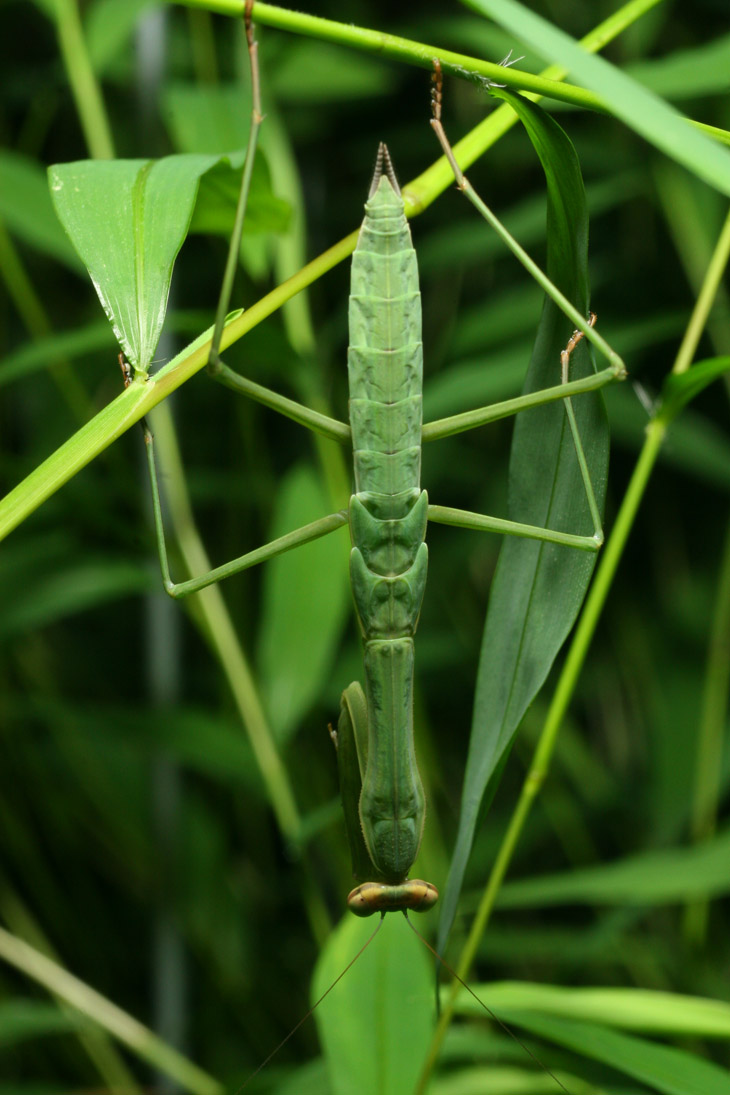
Curiously, however, its eyes were green; they’re usually black at night, at least once they get past a few weeks old. In fact, the only time I’ve seen a mantis with green eyes at night was the one that was about to molt. Aha! I hadn’t yet captured the beginning of this process, when the split appears along the back and the mantis begins working its way out of its old exoskeleton. Leaping into action, I rushed inside to get the macro rig, which involved finding out I only had one set of charged batteries, and so I had to run the AC power source for the flash unit, and this took a little time. I readily admit, it’s pretty ludicrous what we allow ourselves to get anxious over; I can be fairly mellow in traffic, but agitated over the idea of missing this item on my photo list because I wasn’t prepared. However, by the time I got ready, the mantis was still in the same position and showing no signs of impending molt, beyond what I’d already seen.
While doing all this, I noticed another mantis less than a meter away, this one showing the fashionable eye color of the season.
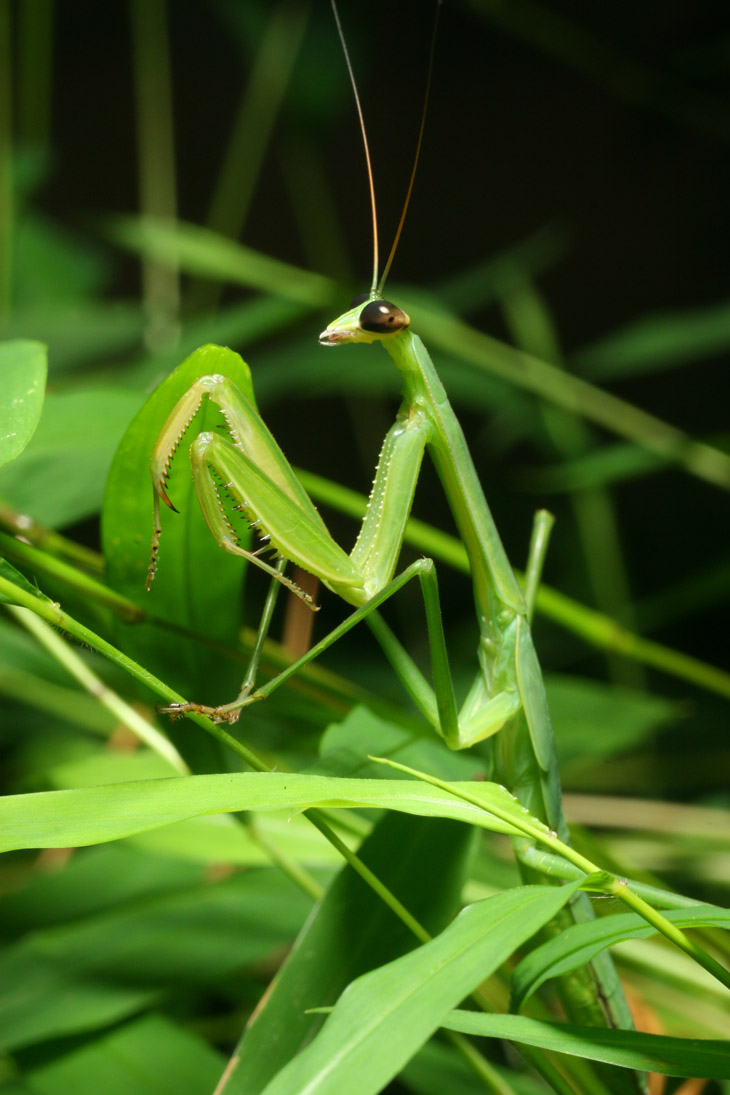
So, I got a chair out and got comfortable. Every few minutes, I would turn on my headlamp, using the less obtrusive green mode, and check progress, and then turn it off and sit patiently in the dark as my watch counted down the three minute intervals.The second mantis was slowly meandering around the plants, while the first remained head down and largely motionless, though occasionally displaying a tiny fidget as if the slideshow presentation was starting to run too long. I took this to mean that it was trying to induce the first break in its chitin and begin the emergence.
Eventually I lengthened the intervals to four minutes. After a while of this, I lengthened the wait between checks still further to ten minutes, allowing myself to go inside and get something else done. And yet, with each check, nothing at all had changed. After two hours, I was beginning to get seriously tired and knew I couldn’t stay awake much longer. I was quite aware that the checks with the headlamp might have been spooking the mantis, making it think that the conditions weren’t safe enough to molt in, but then again, it hadn’t moved either; I would have thought that, if it didn’t feel safe, it would move to another location rather than just wait it out. And what else was I going to do? I had no idea how long after they show the first signs that a mantis typically begins to molt – I just know that I’ve missed the crucial point before (see that link above.) Take too long between checks, and I could easily miss that opening stage. Yet, the mantis looked completely unchanged from when I’d first spotted it two hours previously.
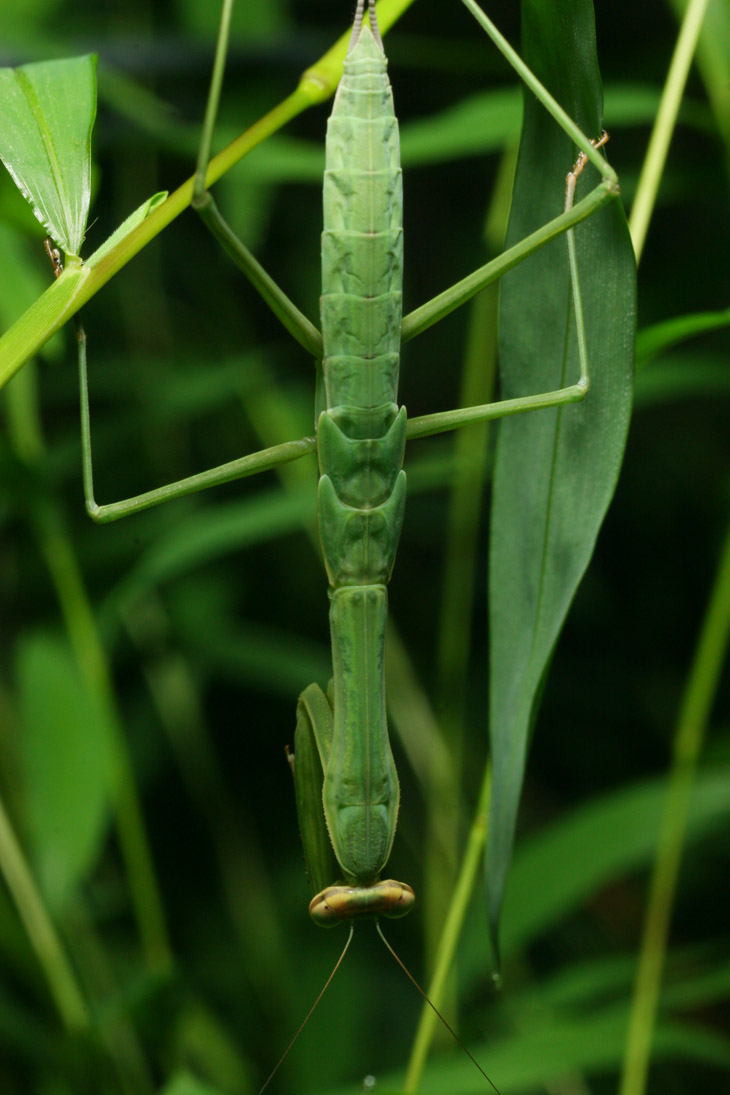
But there’s a limit, and I’d reached mine for that evening. I packed up the kit and went in to get some sleep. First thing the next morning (actually, that same morning, since I’d wrapped up after 2 AM and we’re still on the same day as I type this,) I went out to check on my model, which was, of course, nowhere to be seen. I half-expected to find the molted exoskeleton attached to the same leaf, but it wasn’t there either – until I spotted it resting on the leaves below. So much for patience and dedication winning out in the end.
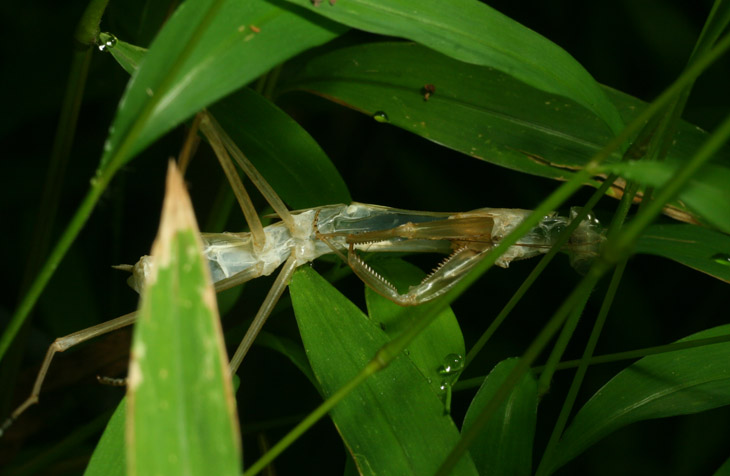
Now a bit of perspective. While waiting, I would occasionally glance around at the surrounding plants, and shot a few pictures of juvenile katydids on the plants opposite the mantis. Atop one leaf, a meadow katydid (tribe – yes, tribe – Conocephalini) sat facing away from me in too awkward a position to try and photograph. However, as I decided to give up on the mantis, I took one last peek around, and what I believe to be the same katydid had moved to the underside of the leaf and was well along in its own molt.
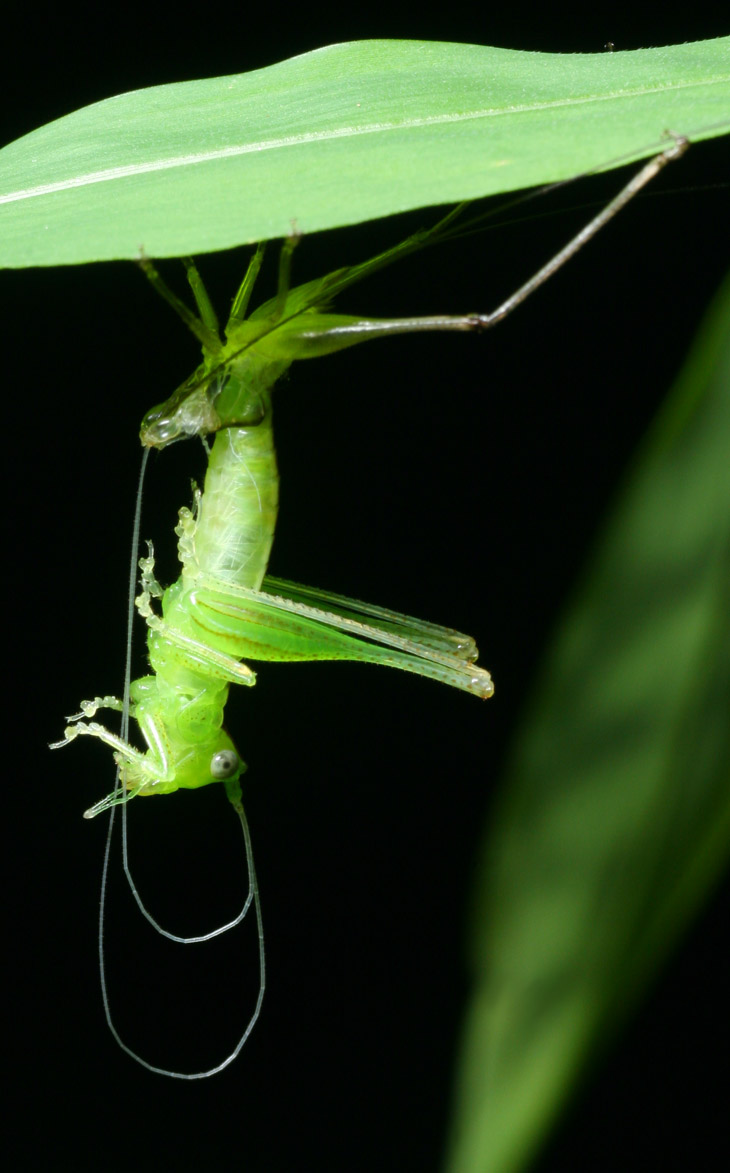
Now, the brilliant and translucent green of the new exoskeleton is enough to make this image, but there’s an additonal detail that’s pretty cool: it’s using its mouth to draw the antennas free from the molted chitin, not particularly surprising given how ridiculously long the antennae are. But yeah, the whole time I was watching the mantis without any progress at all, this one had taken up position and nearly completed its own molt. I’m guessing this one is a male, and the mantis a female…
And yes, after doing several shots of this one, I did not neglect one final check on the mantis. You were hoping for a little irony there, weren’t you? But no, just frustration, though I can’t discredit the katydid pics at all. At least I got something out of the efforts…
Daily Jim pic 5

Knowing that Jim went through Yellowstone, it’s easy to imagine this is the after-effect of a geyser – but if the notes are correct, this isn’t from Yellowstone and, given the apparent distance, it would had to have been one hell of a geyser. Instead, I suspect he just captured a curious cloud formation while at the edge of a lake in Grand Teton National Park.
Or it could be smoke signals of injuns on the warpath. Always good to keep an open mind, as I am frequently told (by people whose idea of an open mind is uncritically accepting what they want me to accept, generally.)
As crass as it is to point this out to anyone who might not have noticed it, it’s good to see that I’m not the only one who occasionally shoots without the camera being perfectly level. I honestly think it’s how Canon cameras sit in your hands…