









Richard Wiseman is very fond of conducting psychological research on his blog, and I have to appreciate his latest. He asks, very simply, that if you had the power to make a child either smart or pleasant (but not both,) which would you choose? I’m going to examine this a little after the jump, so if you prefer to participate unbiased by my thoughts, go there now before proceeding.
Now this is proof
I’ve had discussions about evidence with a lot of people, mostly in the effort to establish to them that what they were relying on as their own “proof” was questionable at best – more often simply wishful thinking. Confirmation bias is perhaps the worst trait that humans have, allowing us to assure ourselves that we’re right, without all the hassle of actually establishing it. Very efficient, perhaps, but not terribly useful.
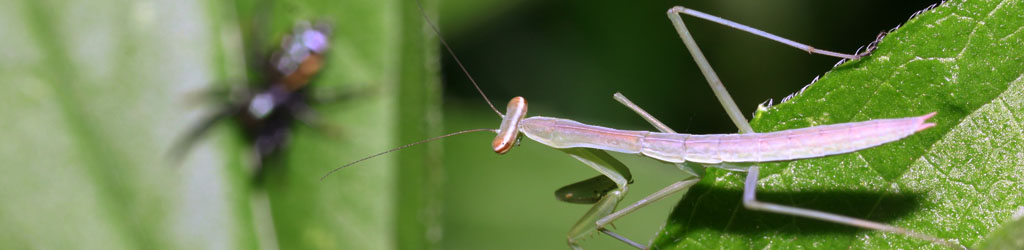
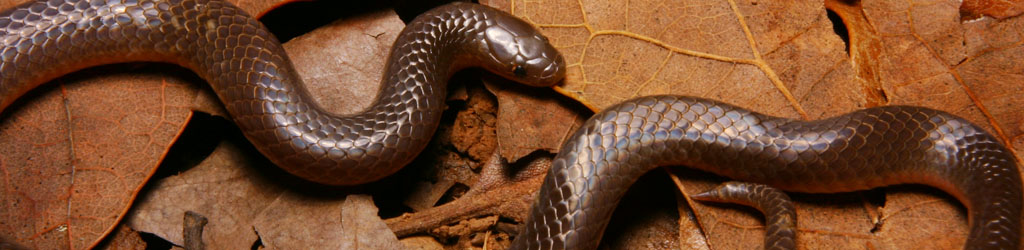
Absolutely no one, for instance, has accomplished the level of proof that I have, just yesterday. Forget grilled cheese sandwiches and silly little shrouds; it’s really hard to argue against finding this when I was clearing out a planter from last year:
Shhhh! TV…
I know it’s short notice, but I just found out about it myself, courtesy of The Manatee. If you get Discovery Channel, there is a new show premiering tonight right after Mythbusters, going by the pseudonym of Penn & Teller Tell A Lie, and it sounds like it should be pretty cool. I’ll be recording it, so if you miss it, come on by and bring popcorn.
But not beer…
See? I knew guilt trips would work…
Cultural blind spot
People who pride themselves on skepticism and critical thinking sometimes get accused of being as guilty as anyone else of bias, and of favoring their existing viewpoint when examining the facts, with arguments such as, “atheism requires just as much faith as religion.” Such accusations are occasionally true (not as often as they’re used, mind you.) Being totally open-minded is hard, partially because it’s much easier to expend the time and effort just once to reach a conclusion, and thereafter we can rely on that conclusion – or so we’d like to think. It occasionally requires some effort to re-examine what we do just to be sure we’re being fair and open-minded.
Sometimes, however, we can fall into the same thoughtless traps, letting ourselves adopt cultural ideas without wondering why, without ever applying any skepticism to them in the first place. One in particular I have seen numerous times, and while the prevalence of it might be a little bit lower in the skeptical ‘community’ than elsewhere, it is by no means viewed with the same jaundiced eye as countless other topics that we consider every day. And that blind spot is alcohol.
I’ll be blunt: alcohol is really fucking stupid. We not only consider a substance that damages the body and alters the brain to be acceptable, we actually glorify it and consider it a necessity. Our culture, not just in the US but throughout most of the world, considers it a standard part of entertaining, the accepted way of winding down after work, the key thing to imbibe when viewing sporting events, or when hanging out with friends, or to toss back at picnics… the list goes on forever. It’s not like it even adds anything – it doesn’t have any real taste, and only contributes a burning sensation to anything it is within. Because of this, we try to disguise it with lots of other flavors, or occasionally engage in testosterone-fueled rituals like tossing back shots just to demonstrate that we won’t cough out caustic substances. We’d consider this stupid if it were something like paint thinner or drain cleaner (well, most of us) but it’s cool when it’s alcohol.
Why?
It helps me to relax. No, it’s not needed “to relax” – the most functional way of doing this is to sit back and, you know, fucking relax. The amount of alcohol in the average beer contributes nothing to this, aside from the fact that it’s also a stimulant – people don’t drink caffeine to “relax,” so how does alcohol count? Yes, eventually it gets down to the depressant part, which is where all the really nasty issues come in. Relaxing is such an easy thing to do, with so many variations available, that alcohol is perhaps the stupidest method of achieving it, short of maybe copious bloodletting. Not to mention that it is occasionally useful to overcome relaxation when we need to be alert or responsive, which the human body can handle just fine when it doesn’t have to cope with depressants.
It lowers my inhibitions. This is said like it’s a good thing. For every part that it makes someone less nervous to speak to the opposite sex or get up on stage, it’s twice as likely to make them less capable of knowing what is inappropriate, much less exhibiting any intelligence at all. The rational part of our brains is there for a reason, and quite frankly, far too many people don’t give it enough exercise in the first place. Taking steps to reduce its effect only results in even stupider actions. It’s hard to understand why we might think we have too much control over our actions.
It helps me have fun. Okay, sit back and think about what “fun” is supposed to mean. First off, if someone can’t have fun without altering their brain function, they need therapy. Second, laughing at something that one wouldn’t find amusing when sober hasn’t got anything to do with having fun – it’s simply triggering disconnected reactions. And it’s really, really hard to accept such an argument when a significant percentage of people who become intoxicated turn into total douchebags, and the only way to believe that they’re not is to be intoxicated yourself when viewing them. Maybe, just maybe, it might be a useful idea to raise the bar on what’s entertaining, rather than lowering one’s expectations to meet it. Just a crazy thought. In fact, it leads one to suspect that network programming in the US exists in its current state only because beer exists.
I need it to forget. I’ve known a few people who considered alcohol some kind of cheap therapy for something that they didn’t like about themselves. Unfortunately, I’ve never actually seen it work this way; they don’t forget, and in fact usually get affected even worse by that whole ‘reduced inhibition’ thing. Forgetting only takes place the next day, but here’s a clue: now everyone else knows, too. It’s one thing to wake up the next morning and not have any recollection of those regrettable things bothering you last night; it’s another entirely to not only inflict them on yourself with even more impact, but to inflict them on others as well, especially when you won’t be in any state where their input might have some positive affect.
And then, there’s the arguments that I really don’t have to expand on:
I like throwing up, violently.
I like falling down without adequate reflexes to protect myself.
I like damaging my car for no good reason.
I like going to bed with someone without exercising any judgment.
I like waking up someplace I don’t recognize.
I like getting ridiculously belligerent, maudlin, or obnoxious.
I like not remembering what I did last night (especially when everyone else does.)
I like drug addiction.
I like jail.
I like vehicular manslaughter.
I like asphyxiating on my own vomit.
The really disturbing thing is, none of these are the slightest bit unknown to anyone – we are intimately familiar with just how many damaging affects alcohol has. We are also intimately familiar with the fact that alcohol lowers our ability to judge what constitutes too much alcohol. The inevitable rejoinder of, “There’s a difference between alcoholism and drinking socially,” completely ignores the fact that there is no actual purpose in drinking socially. The idea that someone can ‘drink responsibly’ is simply an advertising gimmick to hide the fact that alcohol itself is irresponsible. So, again, why?
Everyone else does it. That’s the whole thing right there – the only factor that anyone actually uses in the slightest, despite the rationales that they claim. That’s a really stupid argument for the average person, but amazingly lame for anyone who claims to engage in critical thinking. Yet, I still see it all the time. Skeptical meetups take place more often than not in a bar or pub. Post-convention and post-lecture practices always involve drinks afterwards. Forum posts are still peppered with references to alcohol, even as rewards (“I’ll buy you a beer when we meet.”)
Skeptics would never, ever accept “everyone else does it” for an explanation, for anything. One of the salient features of such thinking is the willingness to buck the trends, and to demonstrate by example how much more useful this is so someone else can do it for themselves. But somehow, we let this one slide by unnoticed, even when it’s so prevalent.
We often talk about religious violence, and how often throughout history relying on faith encourages conflict. We rail against alternative medicine, and the stupidity of folk remedies when we have such an advanced medical system. We denigrate psychics and the emotional turmoils that they put people through. Yet how do these compare against the numbers of alcohol-related injuries and deaths? Well over 30% of fatal motor vehicle accidents in the US are alcohol-related, and the stats for alcohol abuse on campuses are staggering. The medical and liability costs alone present a significant economic impact across the world, and we all pay for those. Even just engaging in pointless rituals every weekend should be enough to embarrass us immeasurably.
We make it a point to try and move society towards better, more rational, more functional practices – we don’t have any issues whatsoever with speaking up. So how does this one get past us?
Also, hang up your cute little Star Trek communicator toy when driving. Seriously, no one wants to die because you can’t shut your fucking mouth for a few minutes.
In the interests of balance
Part of adopting a critical-thinking cap is being willing to look at all sides of an issue, and seriously consider the arguments counter to the views you hold. Anyone who’s poked around on this blog long enough knows that I have an interest in evolution, so I feel obligated to feature Bobbie-The-Jean’s post of 50 Reasons I Reject Evolution as an alternate viewpoint. I won’t even comment – I’ll let it stand on its own, and allow you to judge for yourself.
Thanks to Ed Yong at Not Exactly Rocket Science for the link. When you get to be popular, people send you stuff to feature. If you don’t like how rarely I post, it’s cause you’re not doing your part!
Oh, it’s okay. I like you anyway…
High hopes
 Yeah, good luck with that…
Apply directly to forehead
Philosophy is a very curious thing, and I’ve been working out my feelings towards it for the past couple of years now. What I think I’ve finally settled on is that it has its uses, but about 10% of what it is usually given credit for.
Most agree that it was born in Greece a few millennia ago – or at least, that this was the period in time that it was structured and recorded. If we accept the idea of philosophy as being defined by rational argument as opposed to, for instance, experimentation and empirical evidence, then it almost certainly has its origins back when we developed abstract thought as a species, quite a bit before the Greeks started messing with it. The ‘Classic Philosophers,’ however, recorded their pondering on many of the more interesting questions, so that’s where we set the first marker. The Grecian philosophers proceeded with the idea that the universe was orderly and logical, and that knowledge and Truth™ could be determined by finding the most logical set of premises. To no small extent, that is how it is often used today, and at the very least, it is considered to be a bastion of great thinkers.
The rot sets in when we recognize how often the facts get in the way. Countless things in nature continually showed the flaws in logical thought: the earth is not the center of the universe (so believed because it explained gravity, which must draw things to the center of the universe); planetary orbits are not perfect circles; matter is not made up of five basic geometric shapes; there are not four humors within the body; and on and on and on. Part of the problem is, we can only logically argue that which lies within our experience and knowledge to begin with, so there must be a starting point of evidence. If we do not have adequate knowledge of something, the process of logical thought can only proceed with pieces missing, as in most of the above examples.
The second difficulty with philosophy, seen too many times to enumerate, is that it is often based on unwarranted assumptions and posits. The philosophy of religion, usually going under its own title of ‘theology,’ suffers from this constantly, but it is far from alone. It is one thing to assume a posit temporarily to see where that would lead, as a method of testing the posit (if this species of bird eats nuts, then we should expect to see greater numbers of the species around nut trees.) It is another thing entirely to assume the posit, then consider it proven by creating arguments that support it. If it were true that we could find knowledge through the application of logic, then there would be no such thing as logical debate, because there would be no possibility of an opposing viewpoint. In reality, it is exceptionally easy to find support for any premise you care to name, as long as you are careful to avoid and ignore anything running counter to the premise, and this is done constantly – it’s virtually an aspect of human thought processes.
People with philosophy degrees might be inclined to inform me that this is rare, or that philosophy by nature takes such factors into account, yet it is childishly easy to find aspects of philosophical thought that consumed millions of hours, years of someone’s life, that remained totally ignorant of these flaws. Even today, it is possible to find discussions and debates on such topics as free will and objective morality, as if these had distinct meanings, rather than having been adopted into common usage from long-dismissed religious concepts (hell, even ‘objective’ is subjectively defined.) It becomes circular, in that philosophy is wielded to even try and determine what ‘free will’ is, so that we can then see if we should be worried about having it or not. If we don’t have a definition, what is it we’re worried about having?
To return to theology for a moment, this mistake is seen in two of the strongest arguments for a deity, the Ontological and the Cosmological arguments (strongest, by the way, does not imply strong.) In attempting to explain why we should believe in a god, neither one comes anywhere close to defining the gods that we routinely imagine, instead proposing entities with vague abstract properties rather than ones with the distinctive human traits that we are provided by scripture. In these two cases, the initial posit was abandoned in favor of something that could be argued vaguely, but much more easily.
 Philosophy is often considered an end unto itself, the process of producing thoughts more profound and of much deeper quality than the average human, which is why philosophers can get so defensive when challenged to provide something useful to mankind. Just going “Whoooaaa!” is a nice emotional rush, to be sure, but not exactly progressive. The common concept of a ‘brain in a jar’ – how can we be sure that we’re experiencing reality and not simply believing we’re experiencing it, like a brain in a jar being fed sensory input by scientists? – is certainly though-provoking and very humbling, but ultimately pointless. Has thinking that we’re experiencing reality worked just fine up until now? Yes? Then why should anyone give a fuck? Another argument is how many grains of sand must be placed in one location before we have produced a “pile” or “hill?” There is no doubt that Zen has some profound answers to that one, almost certainly not as direct as, “It’s a pile when we refer to it as such.” The usage creates the definition, instead of the definition dictating the usage. That took much longer to type than it did to arrive at, and now we can spend our time on doing something that goes someplace. The error demonstrated here is that such questions are given weight by the very idea that they’re philosophical, rather than being functional in and of themselves.
Philosophy is often considered a fundamental aspect of scientific progress, and I’m willing to let this one slide, even though I think defining abstract visualization as ‘philosophy’ is broadening the term to make philosophy majors happy. Yes, most scientific thought and experimentation starts with logically determining if such a premise seems valid, but there are two very key aspects of that sentence: ‘starts’ and ‘seems.’ We don’t achieve anything of value to ourselves, nothing to add to our store of knowledge, until we test these assumptions against measurable effect – that’s empiricism, and specifically excludes philosophy. Albert Michelson and Albert Einstein both had distinct views of how light waves propagated, and both had logical arguments, without flaws, to support their cases. Indeed, Michelson’s (which was in common use at the time) made a lot more sense in that it matched how sound waves propagate, while Einstein’s required esoteric logical comparisons. Einstein’s was accepted partially because the experiments Michelson (and his homey Edward Morley) performed to prove their philosophically sound idea failed to do so. Yet Einstein’s Theory of Special Relativity remained a convincing yet unproven assumption until we had the ability to try it out with better experimental processes. Philosophy was the start, but could not carry the ball home in aether case.
As a quick aside: don’t feel bad for Michelson. He contributed successes to science as well, but even producing a carefully-controlled and documented failure is an advance for science. Until proven, even wrong, scientific speculation remains without value. When your car doesn’t start, knowing that the fuel tank isn’t empty narrows down where you look to discover the solution.
The greatest strength of philosophy, as far as I have ever been able to determine, lies in raising introspection to a commendable pursuit. It can be used to question a thought process or belief system, and to challenge assumptions that we often take for granted (see, for instance, my post on tradition.) We, as a species, have a tendency to think quickly, and sometimes not think at all, but simply react to some previously-established criteria, totally ignoring the elaborate mechanisms for abstract thought within our brains. Sometimes we need to consciously put the mind in gear, to apply perspective and ‘think outside the box,’ to challenge the shortcuts and automatic processes that make up how we think about and react to events.
But these should always have a goal. Thinking for the sake of thinking doesn’t really accomplish anything – Zeno’s Paradox and Plato’s Cave don’t form the building blocks of any pursuit or magisteria, when it comes right down to it. Philosophy can become its own worst enemy in that it glorifies pondering esoteric matters, rather than subjects that can apply to knowledge and progress, where thought exercises and considering the possibility of wrong assumptions are necessary parts of discovering solutions. This is perhaps more of a personality quirk of mine, but I see pragmatism as getting lost in the shuffle too often, as people get wrapped up in the quest and lose sight of the goal, at which philosophy excels. It also panders to those who want to convince everyone of how smart they really are, delving into long-winded minutia and wielding their vocabulary like a club. Yet the first step in contemplating the nature of objective morality is to ask ourselves why we need to know.
I have yet to come across any facet of knowledge that we gained from philosophy alone – everything that we use bears the support of evidence and testing, of going beyond the logical argument to the real-world results. Our minds are really very cool, but far from perfect, and there’s such a thing as placing too much trust in them. It is not enough to use them – they need to be used efficiently, otherwise it becomes simply mental masturbation.
Just a pic
Gotta take a break from kittens…
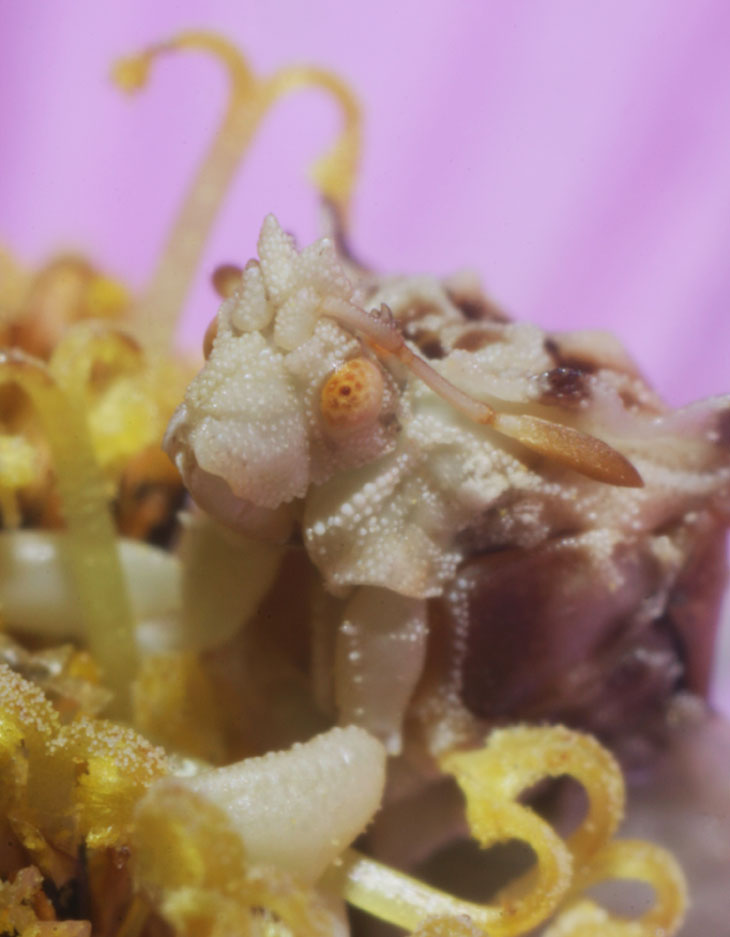
Oh, you want to know just how big my subject really is? Okay, then:
Progress report September 19: Ghosts!
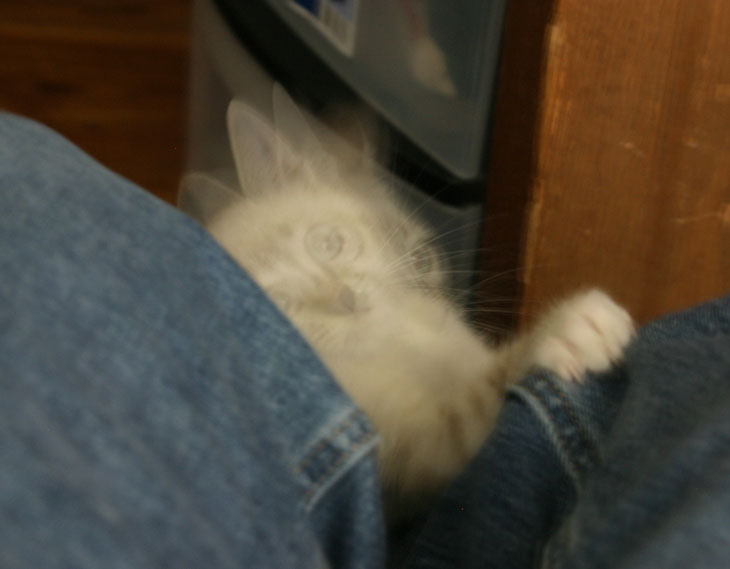
Imagine looking down at your lap and being greeted by this? Freak you right the hell out, wouldn’t it? But no, we’re haunted by the cutest little wraiths any medium has ever seen. Noisy, though.
Since the last report, things have proceeded apace. While the fourth still remains very spooky for some reason, three have now gotten used to hand-feeding, and through some unabashed sneakiness, we now have them getting used to petting as well. Roast beef can accomplish a lot (and it also creates monsters, so be warned.)
We still haven’t named them, since we’re still resolute about placing them in other homes, as well as not really making the effort as yet. However, the calitabby-point we’ve started to simply refer to as “Cali” for convenience, and since we’re ridiculously unoriginal. She is clearly older than the others, and based on some evidence discovered yesterday, we’re fairly sure all of them were abandoned by the neighbors when they were evicted (yes, we’re in a stellar neighborhood.) She’s pretty forthright, and my first attempts at petting were greeted with slaps, but she’s also far too curious and hyperactive, so people have simply been a fascination with her. When she was out exploring in the house yesterday evening, we were moving about as normal and pretending not to notice, to let them get used to our presence without feeling they were watched or threatened. Cali, however, repeatedly darted back and forth past us, as if trapped by our moving from room to room, yet she never went very far away and kept returning – we soon determined that she was actually enjoying this game of keepaway, and liked it even more when I reached down as she darted past and tried to touch her. Even when I was successful, she turned around and came back immediately.
Later on, as I ate my dinner of ravioli and meatballs, she came up onto the chair beside me and actually talked to me in a quiet voice. I thought she was getting a little more people-oriented, but this just goes to show that we tend to be too self-centered when observing: she was after the food, and soon slipped onto the table to help herself. Yes, we’re discouraging that. But she’s gotten used to petting enough now that when I tiptoe in during down time and visit them in their bed, she’ll actually start purring loudly before I’ve even gotten to her.
The bolder lynx point is also getting quite social, and frequently greets us with interest in the morning, though he’s not quite ready to come up for attention yet – give it a day or two. He’s extremely playful, as was seen in the last progress report, and at least twice a day starts tearing around the living room, whether he’s accompanied by playmates or not. Just minutes ago, he was involved in a three-way with Cali and the flame-point, thundering between rooms and trilling excitedly (if you’ve never had kittens, I can’t describe this sound in print adequately, but it’s an excited short burst of purring, comparable to a raccoon’s call – of course you know what that sounds like.) Because of his photo at top and the ability to produce more noise when playing than a cat should, I think I’m going to start calling him Marley, after Dickens’ Jacob Marley from A Christmas Carol, of course.
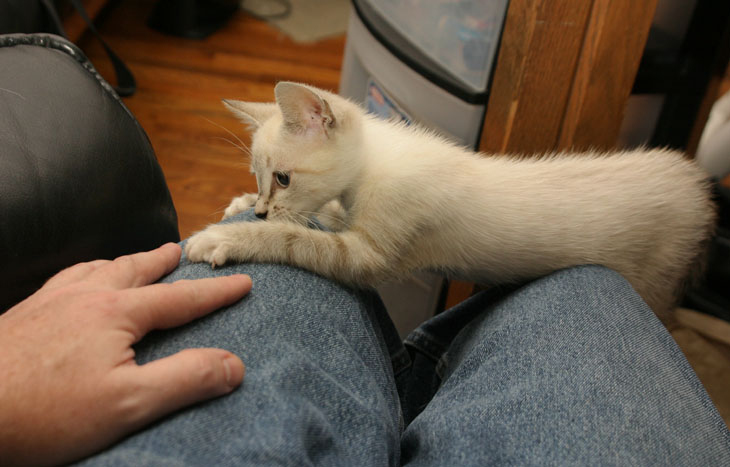
 Earlier today, I decided to play hardball, and sat at my computer with the roast beef and made them come to me. Only Cali and Marley accepted this, but both were coaxed into my lap and received some petting between snacks. The weather has turned a bit chilly recently, a blessing in that I was wearing jeans, the first time I’ve not been in shorts since March; this gave them something to climb, which I’m hoping they get out of when they gain confidence, and will simply jump up when seeking attention. Cali soon lost interest once I put the food away, but Marley liked the petting and began to feel comfortable, so much that when I inadvertently spooked him from my lap, he returned a moment later, then began a quick game of tail chasing. He tried a brief game of “Hang From The Knee and Bite The Denim,” something one of my previous cats used to do on the arm of the couch – I refer to it as a squirrel-killing routine, simply because they appear to like hanging upright and biting the hell out of something. Marley then explored the computer desk a little, but came back and actually began playing with my fingers. He even looked up at me and meowed for attention, the first time I’ve heard him make noise other than during Mortal Komcat. And as I type, he and the flame-point just thundered across the room to my feet, oblivious to this looming human presence. They’re coming along just fine.
By the way, the pic at top was produced when I failed to give the flash time to recharge. I’ve been using a strobe bounced from the ceiling for most of these shots, since it produces very natural-looking light without the dreaded redeye, but it means lots more light is needed than for direct flash, so the strobe takes a moment to recharge. Marley, however, refused to hold still during the longer exposure required by the dark corner where I sat.
Amateur naturalism, part two

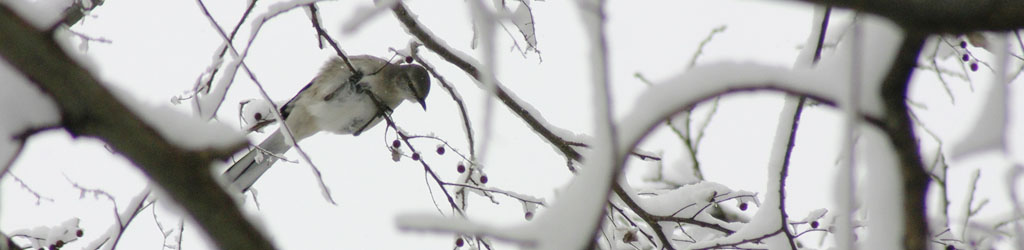
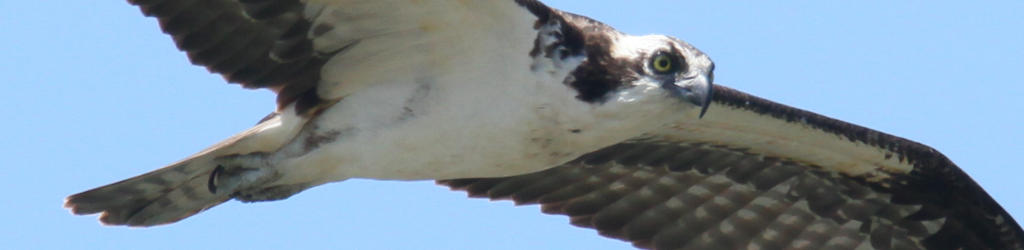
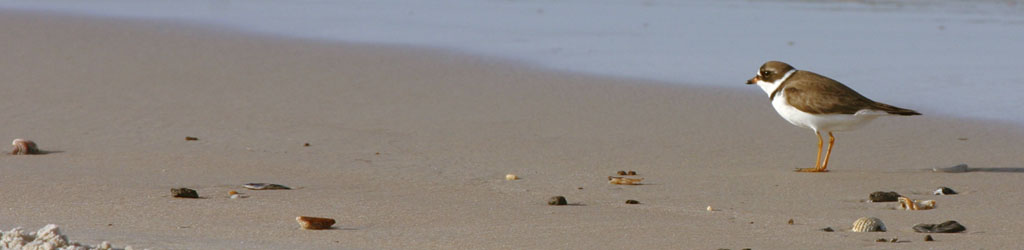
This follows on from the series I began here – the topic of this installment is birds. There are some basic observational guidelines contained in that first post, so I’d recommend skimming that one too, even if bugs aren’t your thing (sounds strange, I know, but the possibility exists.)
Now, bird-watching is a common activity, and it’s easy to find plenty of sources that tell you how to pursue it, and where to look, and so on. But much of this concentrates on building lists of birds, trying to sight as many as one possibly can, and while there’s nothing in particular wrong with this, there’s another way of going about it. Ignoring cardinals, for instance, because you added them to the list long ago might mean you’re missing out on some observations of behavior or (from personal experience) remaining unaware of the illnesses that are spreading through an area’s avian population. It means concentrating on quantity rather than quality, and starts emphasizing travel and competition – that’s not really necessary. Even in big cities, birds are easy to observe and tell us a lot; most especially, they demonstrate how animal behavior differs radically depending on the species and how they have to survive.
There isn’t much in the way of materials needed, and no one should feel obligated to obtain everything listed here. I’m breaking them down into “High” and “Low” priorities, but these remain only suggestions:
Journal: (High) For the same reason as previously, and it can be pocketable, computer-based, or even audio recordings. But a sketch pad can help, especially in relation to the following item;
A decent bird guide: (High) My personal experience favors the Sibley Guides, since they illustrate a variety of plumage from each species, but tastes vary – definitely look through several options before deciding. It is unlikely you’ll find a small enough guide to carry around with you in the field and still be complete, which is where the sketch pad comes in. It might even help to photocopy a generic blank bird outline to facilitate filling in details (and less embarrassing than showing someone how badly you sketch birds!) Online sources can provide a lot too, especially examples of bird calls, but I’ve found that flipping through a books tends to be faster and less frustrating when trying to identify a species;
 Binoculars or spotting scope: (From Low to High) There’s a reason I list both priorities. Overall, something that let’s you see more at a greater distance helps tremendously and is highly recommended. The question is, what is adequate? Good binoculars get expensive, but spotting scopes are even worse. Good examples of either are typically bulky and heavy by nature, and carrying them around with you is a pain. The best observations are made when you can see the birds nearby and tell what their activities are, especially when you can see interactions, so observing at significant distances hampers this – this is one of the differences between adding a bird to a list and becoming familiar with the species’ behavior. At the least, a lightweight set of binoculars is useful, something that you don’t mind carrying all day, but with more power, of course, comes more distance capabilities. I’ll have some more details on scopes further down;
Audio recorder: (Low) This is primarily to record bird calls, but finding a useful one is tricky. Even a light breeze can cause an obscuring rumble from a lower-end microphone, and the design of many is intended to cancel background or distant noises, exactly what you don’t want. It is possible to find microphones that work wonderfully at a distance and can be aimed, such as “shotgun” and parabolic microphones, but these are quite expensive and usually bulky, useful far more if you’re recording sounds for the use of others than simply as a reminder of bird calls. Even a cheap recorder works fine if you repeat the call yourself in case the recorder didn’t catch it with adequate fidelity;
Wide-brimmed hat: (High) Not just to prevent too much sun on your head and face, but the wide brim can allow you to look very close to the sun while keeping the glare out of your eyes. When looking into clear skies, this helps tremendously. And of course it helps when the rain starts up too, and numerous bird species start acting entirely differently before and after rains – don’t be afraid to get wet sometimes, it comes off without difficulty. I prefer hats with a ventilated crown, because heat can built up under a hat pretty seriously;
Clothing: (High) Yes, you should be wearing clothes, because “naked as a jaybird” is really just an expression. More to the point, however, is that you want to be comfortable, and recognize that you may be venturing a ways out some days. Dress appropriately and with full recognition of weather changes – expect a sudden rainstorm, expect the temperature to both rise and fall significantly, expect to be walking some distance. Polyester takes a beating from outdoor use but it doesn’t breathe at all, and can become inordinately hot – cotton works much better, both in hot and cold conditions.
There are some things that you can do without. Bird calls, for instance, are generally inaccurate and geared towards certain calls, which might not be what you want to communicate – you can do better voicing your own, with a bit of practice. Camouflage is virtually pointless – most birds have much better color vision than we do and are likely to spot fake foliage, while they are far more attuned to motion anyway, so standing still works much more effectively. Blinds can be of some use, in that they can allow someone to be in place for long periods of time and will disguise the fidgeting, scratching, and general movements that we all do.
 What about feeders? There’s a lot of folklore about feeders – some accurate, some not so much. Putting up feeders does not interfere with avian habits, especially migratory behavior, in any significant way, any more than planted crops do. Birds find food where they are able, but migration is a drive that they follow regardless. However, the regular presence of birds does increase the chances that some predator will notice this, such as neighborhood cats, bird-eating raptors, and snakes. This is part of natural behavior too – the rat snake is not better or worse than the black-capped chickadee. As I found out with a potent virus a few years ago, however, bird feeders can contribute to the spread of such illnesses because they encourage shared space and food. It’s hard to say if any good or bad point outweighs the others, so use them as you see fit.
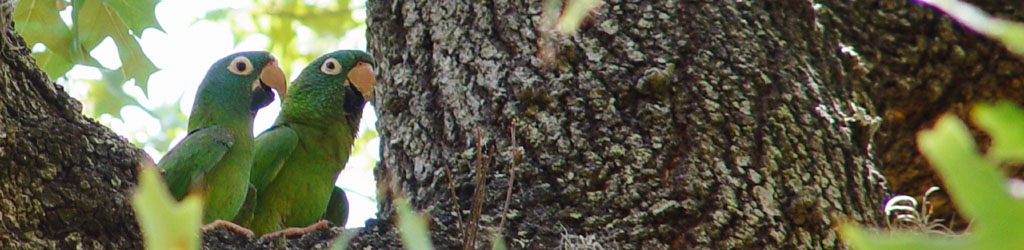
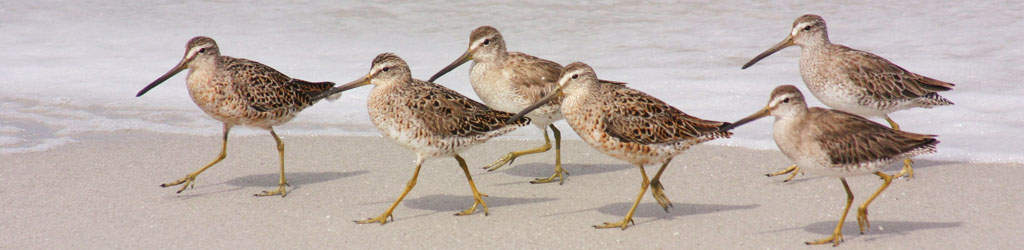
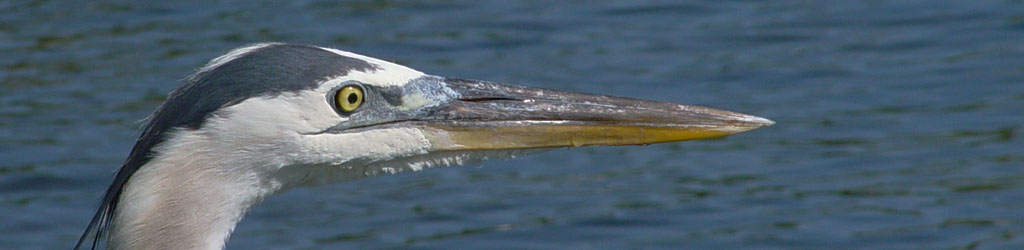
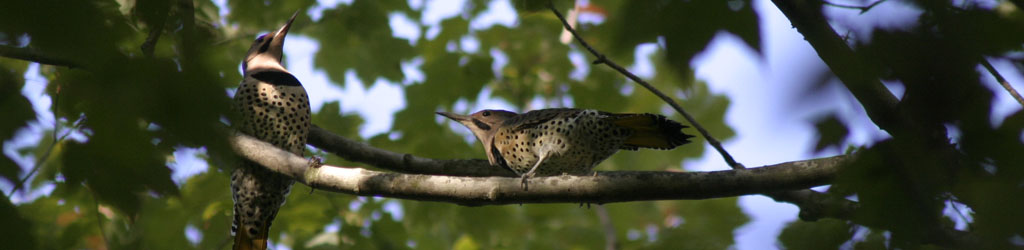
What am I looking for? As with the insects earlier, anything you like – there is not a goal with naturalism, just the interest in the species. To get you started, notice that birds have some pretty specific behaviors, from dominance traits that have led to common phrases like “pecking order” and are often displayed by which bird has the highest perch, to the cues they take from one another when danger threatens, even when in flight. Seagulls usually make it remarkably easy to observe behavior, and you may be surprised to find that it’s only one or two making all the noise. Weather changes very frequently induce different behaviors in birds. You can also observe the efforts to adapt to urbanization. Chimney swifts (Chaetura pelagica) obviously existed long before chimneys, but they earned their common name from their quick ability to seize on such ideal habitats. Carolina wrens (Thryothorus ludovicianus) adore porches and yard clutter for nesting areas. Red-tailed hawks (Buteo jamaicensis) have learned that the foliage of roadside verges is usually cropped quite short, and perch on poles and trees nearby to easily spot the rodents that are more visible in such areas. The rodents, meanwhile, have found that pig-headed humans often toss food from their cars, so roadsides are often easy pickings.
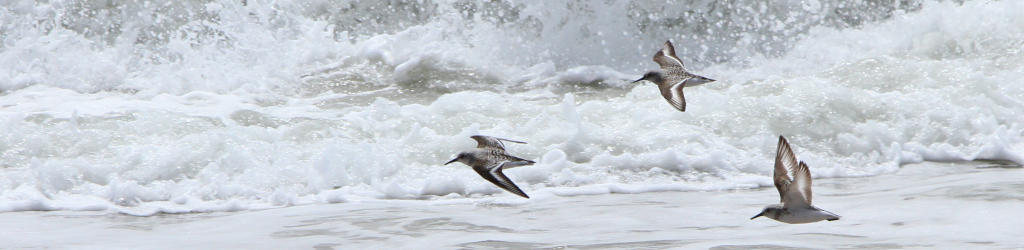
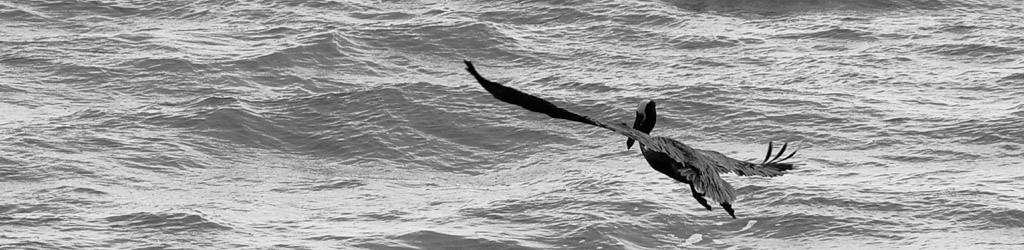
Flight is amazing! The way that birds play the wind is fascinating to watch. Vultures ride thermals over areas on the ground that absorb more heat from the sun, and thus cause updrafts, such as roads and plowed fields. Pelicans float on the updraft of shore winds that occurs over top of the breaking waves, and can be seen to switch to the next in line as a wave crests and collapses. Geese gain a slight advantage in lift from the turbulence off of the wingtips of the goose in front of them, resulting in the V formations so commonly seen.
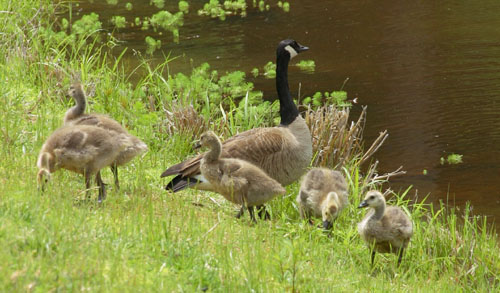 Pay attention to the calls. Birdsong is often considered beautiful, and Disney hasn’t helped to maintain accuracy – most songs are territorial, the result of males staking their claim to an area and making this clear to any interlopers. In the late winter to early spring, it can also serve to lure females, who may have no call at all. If you hear an “answering” call, it’s far more likely to be another male claiming nearby territory. Parent birds may have quiet calls to remind the fledglings to stay within earshot, and alarm calls that tell them to remain motionless. And fledglings have calls to beg for food, usually accompanied by displays such as raised crests and flapping wings, that they will continue for a while after leaving the nest (they will often appear quite anxious that the free meals have gotten few and far between.)
Plumage. The coloration of males, females, and juveniles is usually different within the same species, so pay attention to these details from your identification sources. In addition, quite often there is a different breeding plumage for males in the spring, brighter and more flamboyant. This little fact is an interesting illustration of evolved traits, since more noticeable birds are more likely to attract predators, but the brilliant plumage is also an indication of health to prospective mates, and has been selected for over the generations. So having breeding plumage helps reproduction, but losing it for the remainder of the year, after it serves its purpose, influences survival. Both of these are key factors in selection.
Nestlings and fledglings. These are the terms for immature birds still confined to the nest, and in the process of growing in their flight feathers and learning to fly, respectively. They receive more attention than all other aspects, partially because of folklore, partially because of a simple little trait. First off, you can most certainly pick up a baby bird that’s fallen from the nest and return it – the idea that the mother will abandon it is total horse hockey. Most birds can’t smell at all, and the feeding instinct is so strong that species like cuckoos reproduce by laying their eggs in the nests of other species, letting them raise the young as their own. Nests that are damaged or too far out of reach can be duplicated by a strawberry basket with bedding of toilet paper, placed as close as possible to the original – the parents will frequently accept this just ducky (sorry.) But naturally, handling should only be done as necessary. Later on, many people get concerned when they find birds that cannot fly, almost always in the spring, but fledglings do not leave the nest with these specialized skills completely under control. So they hop around and flutter in people’s yards, gaining concern because they’re cute little birds, but this is normal behavior (the birds I mean) and should be ignored, or at the very least observed without interference unless absolutely necessary. The parents are almost always around and doing some limited feeding, but the incentive has to be there to convince the kid to be on their own. Yes, they’re more vulnerable to predators at this stage, and that’s nature – without a certain level of attrition, we’d be overrun with birds.
Rehabilitation and feather collecting. The idea that raising baby birds is easy (all it takes is bread!) is a common one, but completely and utterly wrong. Not only is the diet specialized, but the housing needs to be adequate and the chance of imprinting or habituating a bird to people, and not the birds it should be hanging out with, are very high. Even giving water presents aspiration hazards – baby birds do not drink. Not to mention that all migratory birds, which is as close to “all birds” as matters, are protected under the Federal Migratory Bird Act. In other words, unless you’re a state and federally licensed rehabilitator, don’t do it. You are not a special exemption, so get over yourself. Contact your local Fish & Wildlife representative, they’ll have access to rehabilitators in your area. The same Act makes it illegal to collect feathers too, regardless of how and where they were obtained. There was likely a good reason for this, but it strikes me as unnecessary overkill, seeing that birds molt their feathers constantly, so obtaining them is as easy as walking in the woods and presents no harm whatsoever to birds. Nevertheless, you are in violation of Federal laws if you’re keeping feathers without specialized permits, and this does include schools and nature presenters (in fact, those are the only circumstances where I’ve seen the law actually enforced.)
Travel. I mentioned above that the typical idea of birdwatching encourages travel to other areas, and that this isn’t necessary in the slightest – almost anywhere that someone lives will have plenty of bird activity. But there’s nothing wrong with going to areas where the activity is higher and the species less familiar. I’ve mentioned places like the Venice Audubon Society Rookery, and Wakodahatchee Wetlands, and Pinckney Island – kindly note that you’re not limited to the southeastern US, these are just places I’m intimately familiar with. There are key spots along migration routes that offer plentiful viewing opportunities at certain times of the year, and ideal nesting areas. There are also semi-captive areas like rehab and study centers that offer closer approaches to habituated birds while still in natural habitats – behavior within such places may not be what you’d see in “the wild,” but will still demonstrate territorial and flock dynamics. You should never feel obligated to travel to see something interesting from avian species, but it doesn’t hurt, either.
So, with all of that out of the way, go out and do some birdwatching! I’m willing to bet that careful observation will produce something new and interesting to you within the first session or two, and as you get familiar with the behaviors and individuals, you’ll begin to understand the stories taking place all around us every day. I admit that I might be biased, but nature is really cool and well worth the attention.

* Notes about binoculars and spotting scopes: These are items that venture into the realm of esoteric specifications and peculiar terms, so I’ll do a little to clarify some of them, with some explanations of how they work as well.
All binoculars are listed with a specific term, like “10×50” – this basically means “magnification” and “field of view,” but the latter also indicates light-gathering ability. The first term is easiest, basically telling you how much closer something seems, and the higher the number the more useful it is, in most cases. Higher magnification also reduces the ability to focus on closer subjects, so there’s such a thing as going overboard – a 20x set of binoculars may be of virtually no use in your backyard since they may not be able to focus inside of ten or fifteen meters.
The field of view helps in watching behavior and following a moving subject – it’s a little like looking through a short or a long tube of the same diameter. A long tube makes your view very narrow and finding subjects can be much harder, so it helps to have something more like a cone – that’s what a higher field of view provides. But there’s another useful trait, and to understand this I have to illustrate something about optical properties.
Light strikes any object and bounces off in all directions – we know this because we can move a step to the right and still see it ;-). Lenses (and telescopic mirrors too) work by gathering this light from across a certain field of view and refocusing it back down to a point. Instead of only seeing light traveling directly towards us, we see the light slightly to either side as well, concentrated back into a single stream. The broader the field of view (the larger the primary lens surface,) the more light is gathered, so binoculars and spotting scopes can often make something look even brighter than our eyes can make out. Even more interesting, they can often see “through” grasses and fences between us and the focused subject by capturing the light that goes past on either side and bending it back to our eyes. The closer the grass/fence, the more it blurs out.
Good binoculars have diopter correction, which is one eyepiece that can be slightly adjusted in magnification. The lenses in our two eyes are often different strengths, and this becomes very noticeable with binoculars, so having one side that can be adjusted to compensate can make a much clearer view. To use this, you cover the side with the diopter and focus tightly on a subject with the other side (do not close one eye – this induces squinting which changes how our eyes focus.) Then, cover the opposite side and use the diopter, without changing the focus of the binoculars, to get a sharp image on that side. In some cases, you may need to do this differently for close or distant subjects.
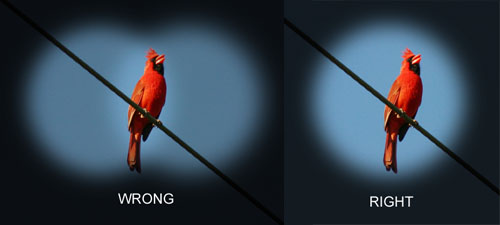 By the way, binoculars work much better if the sides are adjusted properly to your eye width. You know the thing you see in movies every time someone is “looking” through binoculars, where the image becomes two connected circles? This is exactly wrong – properly adjusted, binocular view should be one circle, so if you have overlapping fuzzy circles offset to the sides, the halves are not aligned to your eyes properly.
Two other terms can be seen with quality binoculars and spotting scopes: these are eyepoint and exit pupil. ‘Eyepoint’ refers to how far away from the eyepiece lens you can be to get the best view – this makes a huge difference if you wear glasses, which force your eye further away, so you often want a high eyepoint eyepiece (the same holds for camera viewfinders.) ‘Exit pupil’ refers to the size of the opening at the eyepiece, or more specifically, how narrow the range of focused light that’s coming through it. A smaller exit pupil means that your eye must be lined up very well at the eyepiece, or you cannot see properly. With glasses, eyepoint and exit pupil can combine to make the image next to impossible to see, seeming to magnify every movement you make and dodge away from you, especially if both the scope and your head are not rock steady (which can rule out trying to track a moving subject.)
Exit pupil is also why spotting scopes can not be converted to camera use very well. The lenses are made to produce only a tiny image, much smaller than the recording medium of film or digital, and attempting to convert this image much larger results in spreading the light far too thin (really, this is the way it works) and darkening the image extensively. It’s unfortunate, but there is (at least some) reason why telephoto lenses are so expensive.