














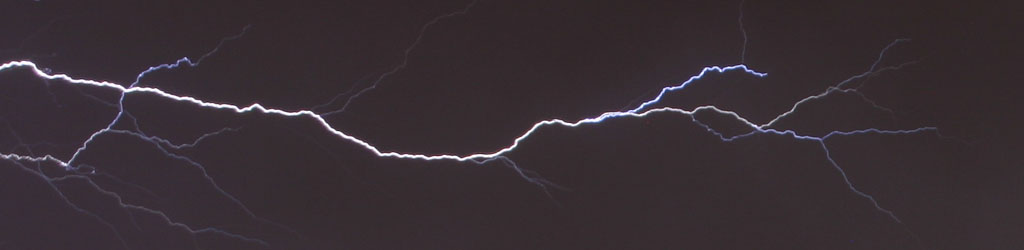


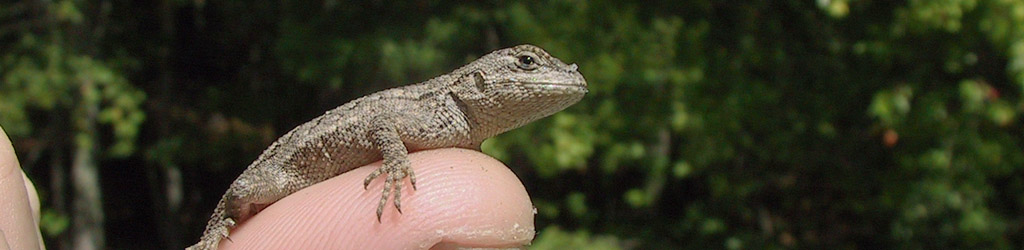







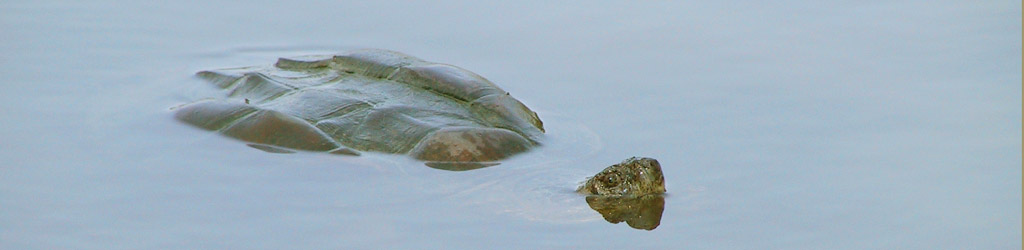






So, shutter speed. What is it? Should we fear it? Was it bestowed upon us by aliens? The answer to two of these is, “No,” so let’s look at the remaining one, and add in how to avoid the stumbling blocks.

Basic answer: shutter speed is how long the camera is admitting light to the sensor or film. Except not really – it’s how long it can be, as long as there’s light, and we’ll cover that in at least two later Tip Jar posts. Managing it allows us to control certain elements of our images. A fast shutter speed (such as 1/500 second or higher, but this is not a set dividing line) lets us freeze action, prevent blur from camera shake, and capture decisive moments in action. A slow shutter speed (1/30 second and down) allows for motion to blur within the image, or allows minimal light (such as stars) to accumulate, or even gives us time to set up conditions. They both have their advantages and pitfalls.
First off, how fast is fast enough to, say, stop sports action, or a car going past – are there distinct guidelines? And there really cannot be, since it’s not how fast things are going, but how fast they’re crossing the frame. A jet in the sky going 450 knots at 30,000 ft is easy, since from our perspective it’s just drifting along, while a bicyclist passing right in front of us at a mere 15 kph can blur fiercely at the exact same shutter speed. Then of course, the focal length dictates how wide the frame will appear, so a shorter, wider focal length (say 24mm) will make action appear slower than a longer focal length (250mm) because the frame covers a much larger area in the former. About the best I can provide is, for sports, you probably want nothing slower than 1/250 second.
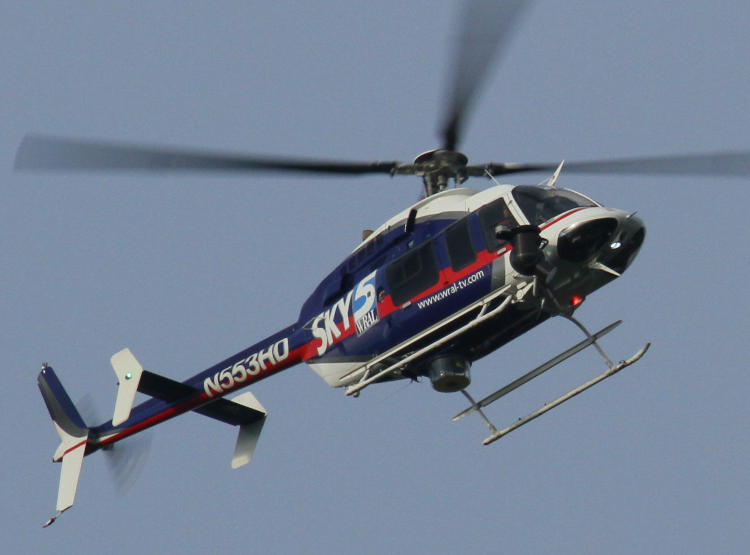
Or maybe not. Sometimes it’s cool to have the blur of the limbs or sports implements, because that implies the speed of them. I spoke with a photographer that specialized in aerial photography of other aircraft (besides the one he was in to get the photos,) and he never used a shutter speed faster than 1/250, even when it was to his advantage to try and prevent any additional blur from the movement of either aircraft. The reason? Stopping the propellers or rotors from all motion looks unnatural, as if he pasted in an image of the aircraft over the sky – some blur is necessary and expressive. You might also note, if you look at car ads online or in magazines (what are those?) you’ll often see blurred wheels to imply the speed of the car while everything else is sharp. In many ads, this is digitally created, but that balance point between blurred wheels (propeller/rotor) and a sharp vehicle is possible, though often quite specific.
Then we have the other pitfall, which is camera shake. When using a camera handheld, too slow of a shutter speed can allow the camera to twitch during exposure, blurring everything. And even using a tripod doesn’t always eradicate this, since they can vibrate too, especially lightweight tripods in the wind. This is also affected by the lens, since the longer the focal length, the more every movement is magnified.
Now, there is kind of a rule for this – it doesn’t apply as cleanly as it used to. That rule was, your shutter speed should always be above the reciprocal of the focal length, which is one of those phrases that sounds nice and neat while not being very explanatory. So, instead, just add “1/” – if your focal length is 300mm, your shutter speed should be above 1/300 second. 135mm? 1/135 second, which isn’t usually a setting, so go the next option higher than that (typically 1/160 or 1/180 second.) The reason this isn’t a distinct rule is that some people are steadier than others, but more importantly, a lot of lenses or cameras have some kind of stabilizing function that helps compensate for camera shake.
For instance let’s say you’re using a 500mm lens, but it has stabilization that permits “up to four stops benefit” – and you’ll almost always see that “up to” modifier in there. If we use the rule above, you’d want a shutter speed of 1/500 second or higher, but the lens says it can improve that by (up to) four stops. Meaning we can cut the shutter in half (how a stop is measured) four times. Beginning at 1/500, we go to 1/250, to 1/125, to 1/60, to 1/30! We can get away with a shutter speed as low as 1/30 second!
Probably not. Manufacturers usually oversell the effectiveness of any such advancements, and I generally recommend not trusting anything beyond half of their claims – thus, only two stops. And this is on top of making every effort to remain steady in the first place. I recommend experimenting freely to know the actual effectiveness of your equipment, but using that rule above as your guideline, treating anything else as a bonus.
And of course, this only compensates for camera shake. Even if we could dependably use that 1/30 second, this will be worse for any action actually taking place – and when we’re using a longer focal length like that, we’re often going to be capturing some kind of action.
Does it sound like everything about shutter speed comes with conditions, or some kind of caveat? That’s actually fairly true. Much of photography is a tradeoff, or simply accepting the limitations.
A related limitation is frame rate. It’s easy to believe that, with the camera set for rapid-fire repeated frames as long as the shutter release is held down, you’ll capture the exact moment you want, let’s say a bat just as it hits the ball. We’ll assume 1/500th second shutter speed and 10 frames per second, which is a high rate for most cameras (standard is 2 to 5 per second.) This means, if you hold the shutter down as the ball approaches, you only capture 1/50 of the action in any given second (ten frames times 1/500.) An actual swing takes far less than a second, so you might have only two or three frames that even have a chance of catching that millisecond of contact. You can’t depend on it, is what I’m saying.
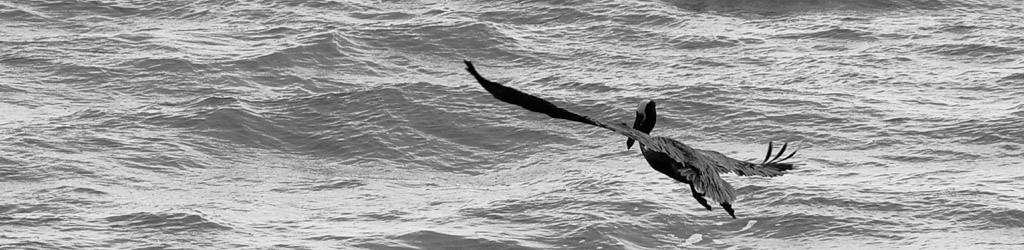
This also applies for birds in flight, when the frame rate might actually synchronize with the wingbeat and you catch the wings in the same position for every frame – this has happened to me more times than I care to admit. Additionally, when the camera is cranking out frames that quickly, the autofocus is usually not tracking because it has no time to adjust, so many of the frames may simply be out of focus. Short bursts, and/or trying for specific timing of that key moment, will often work much better.
The other option for using faster shutter speeds, or even just to combat camera shake in handheld shots, is using a flash, and this is an essential tool for photographers. The on-camera flashes included with most cameras are ridiculously weak, usually only good for a few meters, so a dedicated off-camera unit is better. Now, due to the limitations of shutter design (and basic physics,) most flash units have a maximum shutter speed allowable for their use, usually in the range of 1/125 to 1/250 second – faster than that, and part of your frame may not be illuminated at all. UNLESS you have a dedicated high-speed flash, often called a focal plane or FP flash, which communicates with the camera and compensates for faster shutter speeds, though be warned: the faster the shutter speed, the shorter the distance the flash will carry.
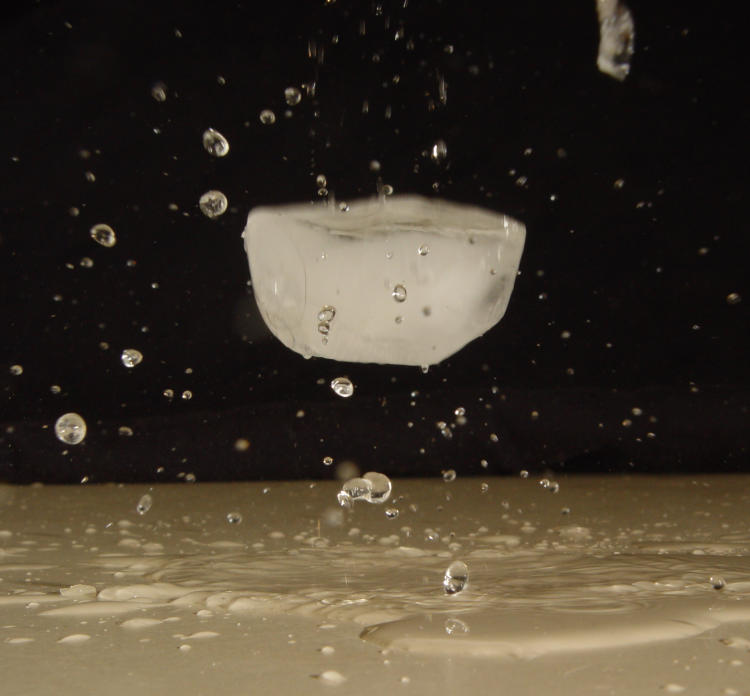
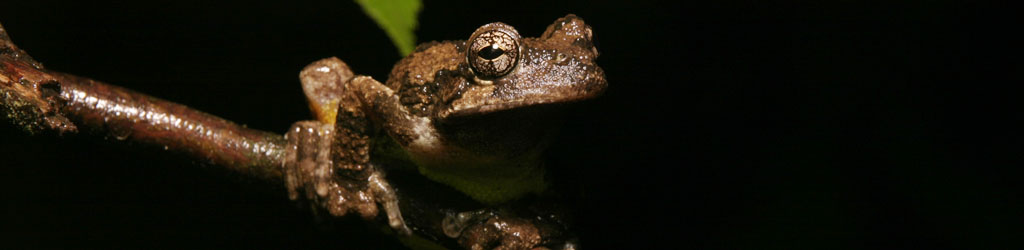
There is another interesting technique, and that’s using the flash duration as the ‘shutter speed’ – essentially, it doesn’t matter how long the shutter is open, if the conditions are very dark and all of the light is produced by the flash. In such cases, the burst of the flash is your exposure time, which was used in this case, and also in capturing bats in flight. Things need to be pretty dark to accomplish this, though.
So now let’s go into slow shutter speeds, which are useful for very low light, or introducing that blur in interesting ways. The vast majority of the time, you’ll want to use a tripod, and a remote shutter release is frequently a great idea; it’s possible to introduce shake (especially at longer focal lengths) just by pressing the shutter release on the camera. And in fact, there’s an additional tool for such work, primarily with SLR/DSLR cameras, and that’s mirror lock-up, often an option within the specialty menu.
With such cameras, there’s a reflex mirror within that directs the light to the viewfinder, and it slaps quickly out of the way to let the light reach the sensor (film) right when you press the shutter release, part of that chi-clicky sound it makes. But this motion sets up some vibrations within the camera itself and it takes a few seconds to fully die down, and this can be especially noticeable at longer focal lengths because, again, it’s magnified. Therefore, for shutter speeds between about 1/10 second and perhaps three seconds, this vibration is enough to blur the image a little – for faster than 1/10 second, the vibration usually isn’t enough to register, and for slower, it generally has died down enough not to overwhelm the image, but it does depend on what you’re capturing. Mirror lock-up brings the mirror up well before the shutter opens, so the vibrations have time to die down before exposure starts. The best option is for two presses (on the remote shutter release): the first locks the mirror up, and the second then opens the shutter itself, and I prefer this because the default time delay is two seconds, and there have been times when that simply isn’t enough – I count off four or five seconds. This is usually with astrophotography, trying to gather the very faint light of stars.

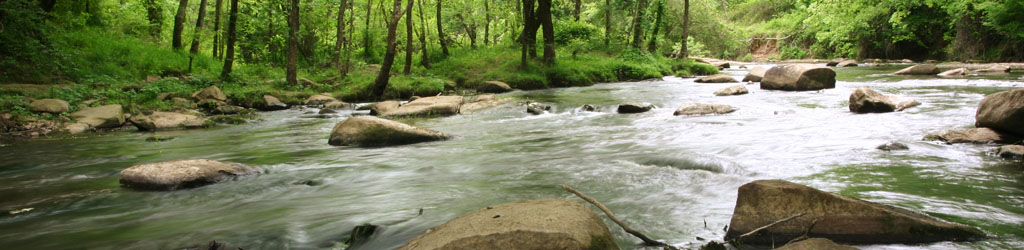
Shutter speed will often rely on using an advantageous ISO setting – higher ISO for higher shutter speeds, and thus lower for lower, and aperture settings will often assist this too. In the case of capturing the blurring water of a waterfall to make it seem cottony, you’ll want, at most, 1/10 second shutter speed, usually lower, but if you’re doing this during the day, cutting the ISO down as far as it will go, and closing down the aperture quite small, will usually let you get a proper exposure. It helps if you’re doing this in shade, which will also help the appearance of the water, since in sunlight, single droplets catching the light for a millisecond can produce sparkles brighter than the rest of the water, and you’ll have white speckles in your ‘cotton.’ Nobody wants speckles in their cotton.
[There is an additional tool, if you like doing such shots, and that’s a neutral density filter. It’s not the density that’s neutral, but a dense filter that’s neutral in color – essentially sunglasses for the lens, which reduces the light coming through and let’s the shutter speeds go longer. They’re usually sold by the number of stops they reduce light. In a pinch, a polarizing filter can work, and stacked polarizers can be used as adjustable density ‘sunglasses,’ but with modern cameras, always ensure that they’re circular polarizers for proper exposure metering.]

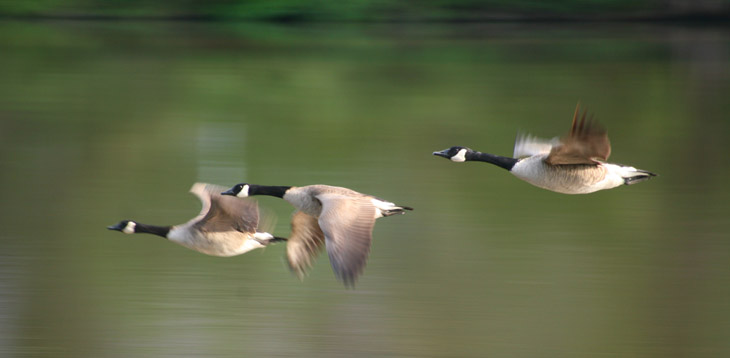
An interesting balance in shutter speed is with creative panning. If you’re tracking a moving subject accurately, it’s possible to get a sharp image of the subject overlaid on a motion-blurred background, which is great when it’s done right, but a tricky balance. It can be a habit to pause all camera movement when tripping the shutter, which isn’t a bad habit in most cases but works directly against a good panning shot; the motion must be continued as the shutter trips. It doesn’t take too slow of a shutter speed to blur the background if the movement is adequate – the image above was shot at 1/80 second, 300mm focal length.
While knowing how to use a ‘proper’ shutter speed is an essential tool for all photographers, the fun comes with experimenting with it and seeing what you can come up with, so play around and be creative!