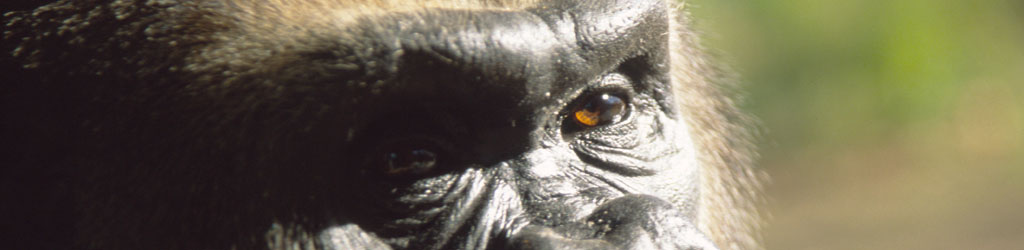
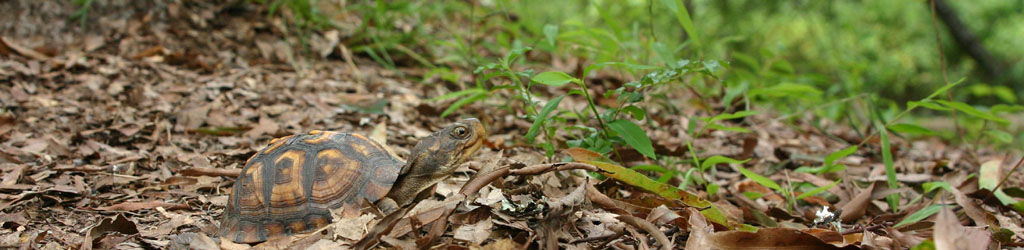
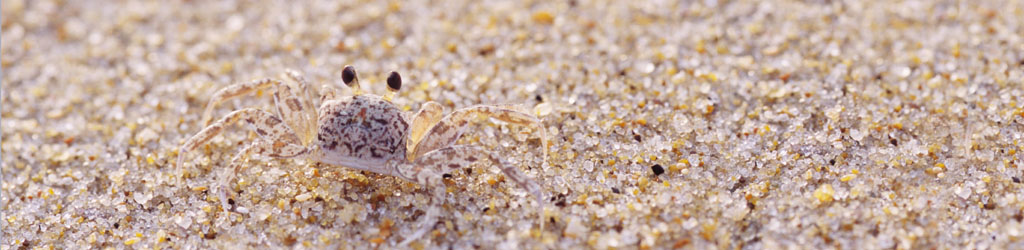
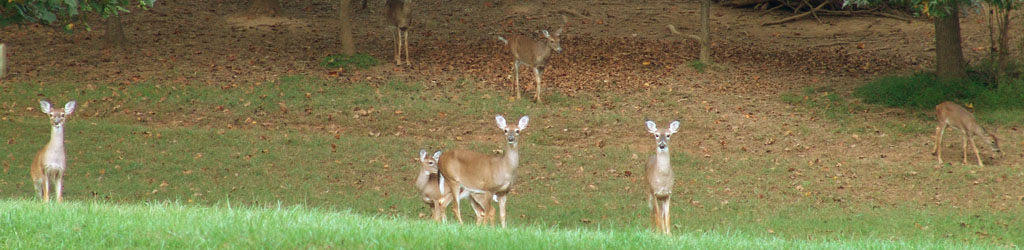
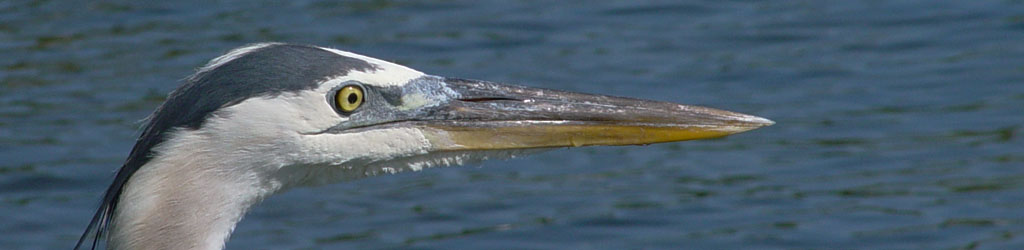
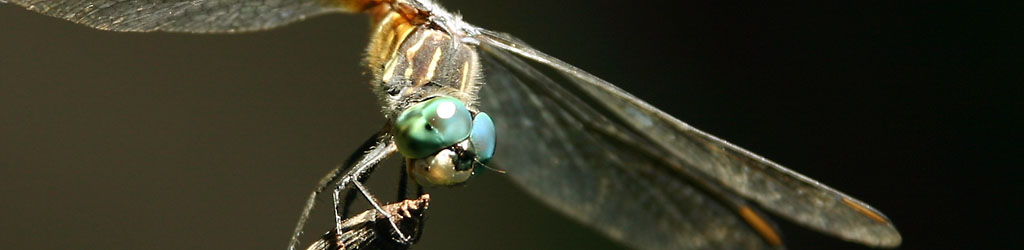
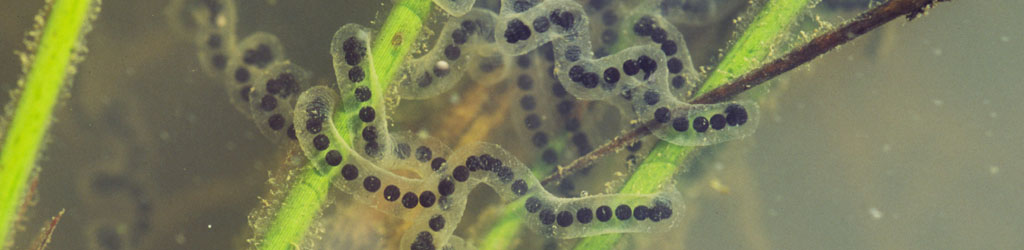
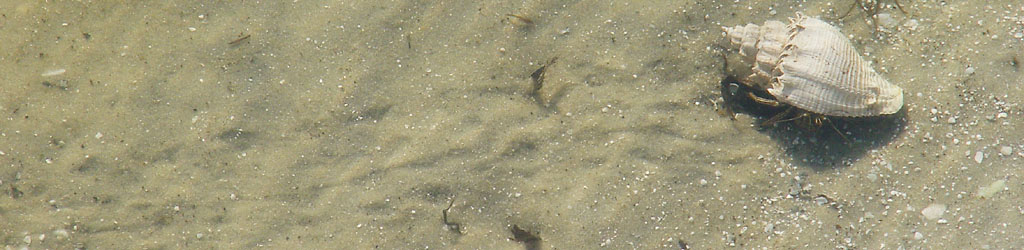
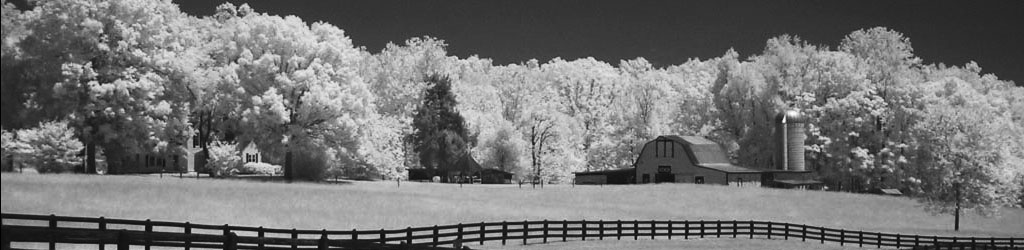


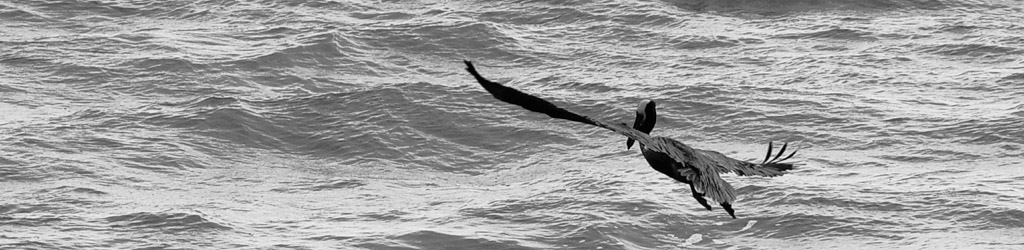


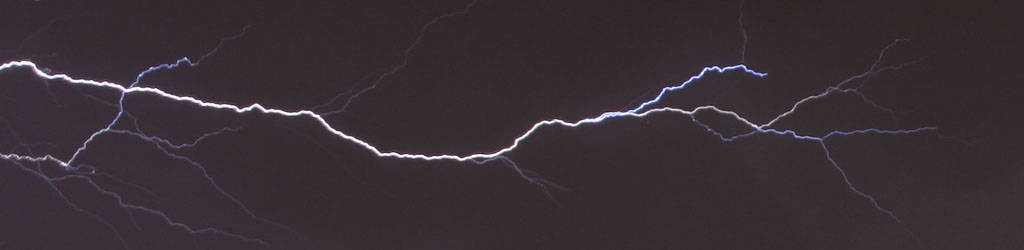
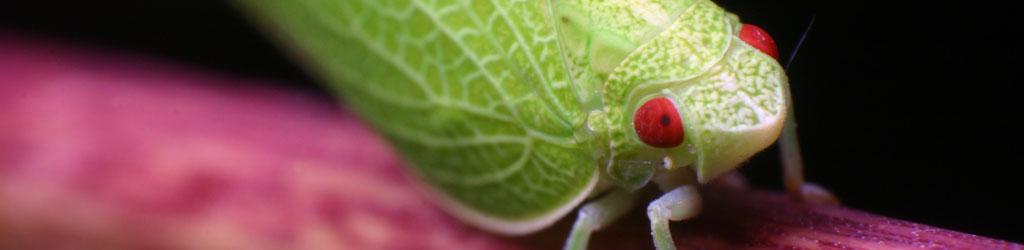





There are people who find every baby adorable, and every young fluffy animal to be cute. I’m not one of them, though I can find certain behaviors to be amusing. But this – this is just too cute for words!
There is a new initiative from the catholic church now – they’re reaching out to atheists and agnostics to try and improve church relations. That article has, to my mind, the right angle on it – the church needs some improved relations desperately, after the long string of cluelessness it’s spewed recently. However, it does not appear that they’ve hired experienced help.
They’re hoping to stage a series of public debates next year, and are reaching out to atheists and agnostics – kinda. It’s not really clear how they’re reaching out, but they’ve set some specific ground rules already:
The foundation, [Archbishop Gianfranco Ravasi] said, would only be interested in “noble atheism or agnosticism, not the polemical kind – so not those atheists such as [Piergiorgio] Odifreddi in Italy, [Michel] Onfray in France, [Christopher] Hitchens and [Richard] Dawkins”.
I’m left wondering just what exactly “noble atheism” is – I’ve spent enough time trying to understand what “New Atheism” is. I’ve finally determined that it’s the kind that actually speaks out rather than hiding under a rock. I can only guess that the noble kind is probably pretty close to the opposite.
But it’s nice of them to reach out to somebody, I guess. I’m just wondering why they think this is then going to be a debate. I suppose having god on their side won’t weigh the odds in their favor enough to handle the out-of-control and vociferous Richard Dawkins? I mean, this is the catholic church itself sponsoring this – I can only guess their resources won’t stretch enough to bring in a heavy-hitter for their viewpoint.
Let me be fair – Ravasi goes on to explain his concerns:
Such atheists, he added, only view the truth with “irony and sarcasm” and tend to “read religious texts like fundamentalists”.
Umm, hmmm. Can someone explain how Christopher Hitchens reads religious texts like fundamentalists? Does this mean left to right? Or that he reads religious texts in the same manner that he reads fundamentalists? Because it damn sure can’t be that he reads them as if the texts are the literal word of the one true god, which is how fundamentalists are actually distinguished from the merely religious.
But hidden within that short sentence fragment is an even bigger indication of how badly this is going to fail, and exactly why the church has so damn many public relations problems in the first place. It’s the bit that says, “…only view the truth with irony and sarcasm.” You see, you’re not really ready for a debate when feel your standpoint is “the truth” – that’s actually arrogant, and insulting to your debate opponent. And you’re certainly not ready if you can’t handle irony and sarcasm. What is actually being said here is that the church wants to find someone that won’t argue against them, and make this a big media event. I have to wonder what they’re paying to take a dive…
More cluelessness follows:
“When we speak of a New Evangelization, these people are perhaps taken aback. They do not want to see themselves as an object of mission or to give up their freedom of thought and will. Yet the question of God remains present even for them, even if they cannot believe in the concrete nature of his concern for us.”
Translation: We know the approach is a big turn-off, but we’re going ahead with it anyway because our way is right. Using an approach that isn’t condescending would be silly.
No, Sparky. The question of god does not remain present for atheists – that’s the definition of atheism. And I, for one, certainly believe in the concrete nature of god’s concern for you – or to be more specific than this tortured sentence, I certainly believe that you think it’s important. The kind of debate that I’d be willing to see is how you establish its importance, or even relevance, to anyone else. That’s how a debate works: you attempt to demonstrate why your standpoint is stronger. This, however, doesn’t seem to have registered.
But you really have to be clueless to actually come out and say that your standpoint involves giving up freedom of thought and will. C’mon, how can anyone not be sarcastic when faced with that attitude? I’m trying, really hard, not to let it slip out.
Aw, fuck it: “Oooh! Become an automaton? Where do I sign up?”
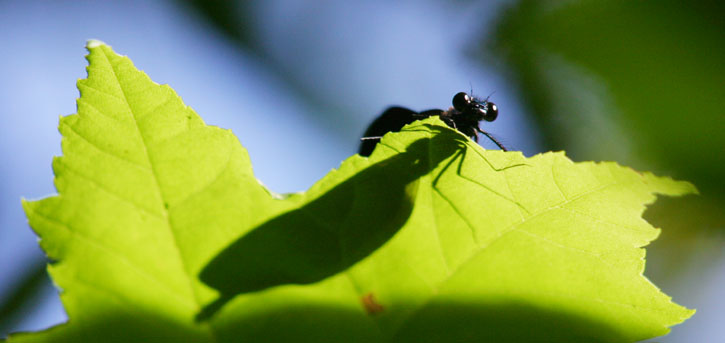
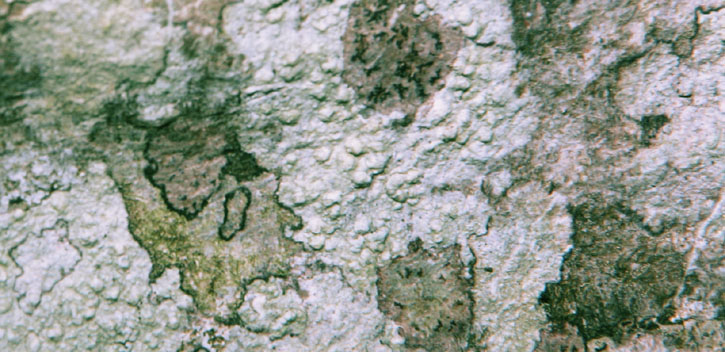
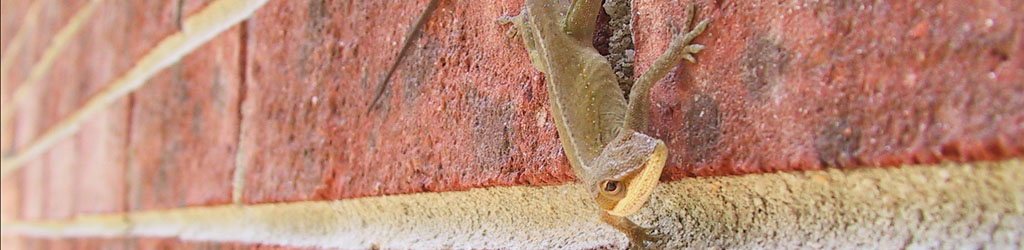
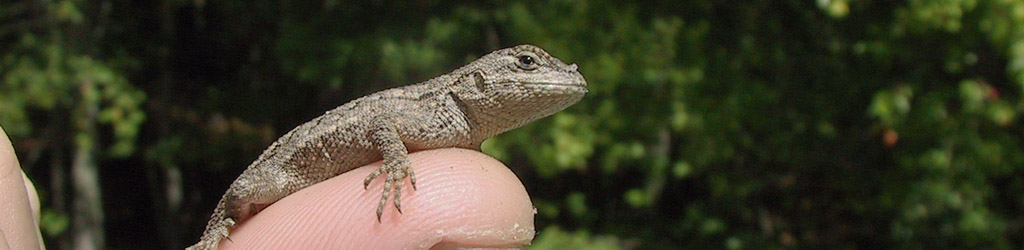
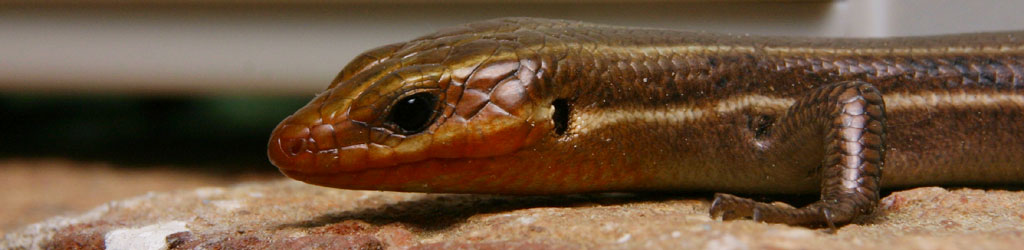
 The other day I chased a pair of Southeastern Five-lined Skinks as they ventured around the opening of a hollow tree outside my place. I was hoping to catch some feeding behavior, but it was not to be.

 And because I know you don’t believe me, I provide proof. That’s me in the shot, though I’d shucked the vest by this time (the reason you see bikers wearing a vest over their bare torsos is because the damn things are hot.) You can’t even tell that I wear glasses, which of course simply added to my badassedness. This is the only memento I have of that occasion, and it’s a scan from a weathered print. The awkward position I’m standing in, besides showing off how badly my slacks were cut, was to try and get the best framing possible. The background down the dock wasn’t working too well, but across the dock, aiming downriver, was much better. I had to stand with my heels on the edge of the wood and lean back to get the framing right, and the happy couple was instructed, should I go backwards, to catch the camera as I threw it into the air. Hell, being soaking wet at that wedding wasn’t going to make anything worse, but there was no way I was taking a chance on losing the camera.
 If there’s one thing that I emphasize above all else in photography, it’s composition. Don’t just take a photo, but put the elements together within it to your satisfaction. This, to me, holds up far more than what kind of equipment you’re using and how technically proficient you are with it. And it’s not an easy thing to teach – I’m still at the point where, even though I can name umpteen different compositional tricks, rules, and recommendations, I also shrug and say, “You have to develop an eye.” What an “eye” is is debatable – much of our appreciation of photography takes place subconsciously and is very hard to pin down, but I encourage students to examine their favorite images and try to determine what it is that strikes them the right way.
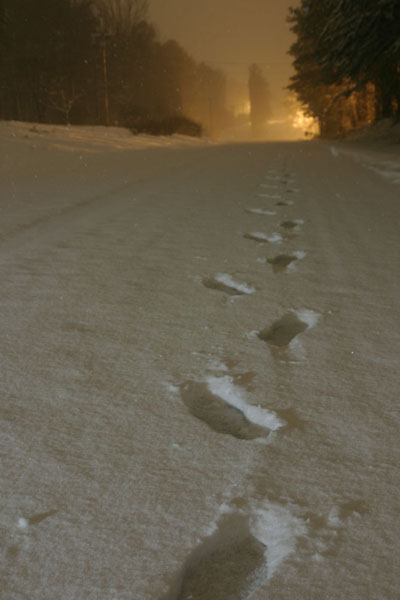 And of course, there are times when it doesn’t work. I don’t particularly like this image, for a number of reasons. After shooting it, I realized I would have liked it better if I’d set the camera slightly offset from the line of footprints, so they angled across the frame a little rather than directly into it. Those tracks are mine, purposefully made for the image, but I should have remembered that I really do walk that splayfooted and made some effort to walk a little more normally. And the strobe that I used to give illumination and definition to the tracks is a little too bright and blue, and seems to indicate that there’s something bright just out of the frame to the left, counteracting the idea of a lonely, empty road. Even a single, dim light in the distance (or perhaps none at all) would have worked better than the multiple sources flooding in from the sides. So I consider this one a miss, and a learning exercise. I’d actually envisioned what I wanted, but failed to execute it to my satisfaction.