Tip Jar 37: Macro options

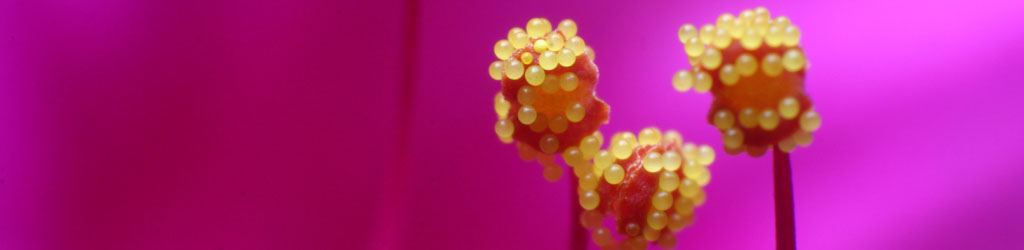
While macro photography can be fun and fascinating, it does require at least a little specialized equipment. Dedicated macro lenses tend to be quite expensive, and while they remain the best way to tackle the genre, there are other options. But first, let’s see why they’re usually the best option.

Full range of focus. Macro lenses can usually focus from 15cm, give or read more

Visibly different, part 51


Our opening image today comes from 2003, and is only the second frame in my Arthropods folders – all seven of them (at present count.) Since I limit the folders to about 4,000 images for convenience, I’ll let you do the math, but I just started the seventh a month or so ago so don’t aim too high. But this is also the first of the extreme macro images, read more

On this date 8


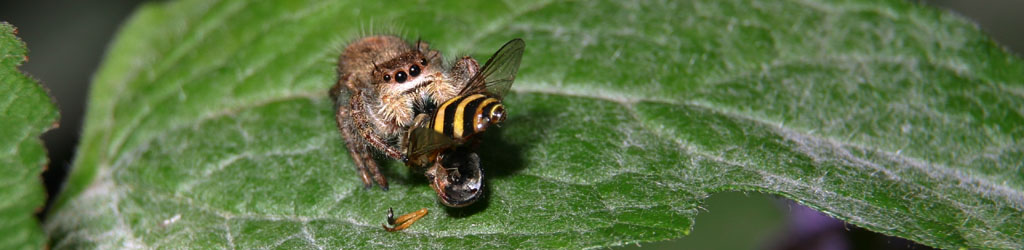
This one comes from fourteen years ago in 2006, with the Canon Pro-90 IS camera and a reversed Olympus 50mm f1.4 attached to the front for extreme magnification – this is what produced the circular vignetting seen in the corners of the frame. My subject here is a common jumping spider in these parts, most likely Phidippus otiosus, and is quite dead, but this allowed read more

Storytime 42


It was probably about 20 years ago when I picked up a book on close-up and macro photography, and discovered some of the varied methods of obtaining a very high order of magnification without actually having a lens dedicated to it, such as lens reversing and lens stacking. I experimented a little, but didn’t tackle the techniques too seriously for a while.

Later on I was in Florida and using read more

Per the ancient lore, part 2

Remember when I said we were going back as far as 2004? I lied.

This one’s from November 2003, when I traveled up from Florida to NC for a job interview and Jim and I were kicking back for a bit. I won’t say this is the first of my uncomfortably close spider portraits, but it’s the first with this kind of detail.


In the previous post I mentioned an exercise in shooting read more

Macro photography, part three

I threatened earlier to return to this if you weren’t good, so you only have yourself to blame, but herewith, a quick tutorial on a method of macro photography called dark field photography.

Most times, this is used with microscopic subjects, which technically isn’t macro photography but photomicrography instead. The essence is, the visible background of the image is dark, yet the subject read more