



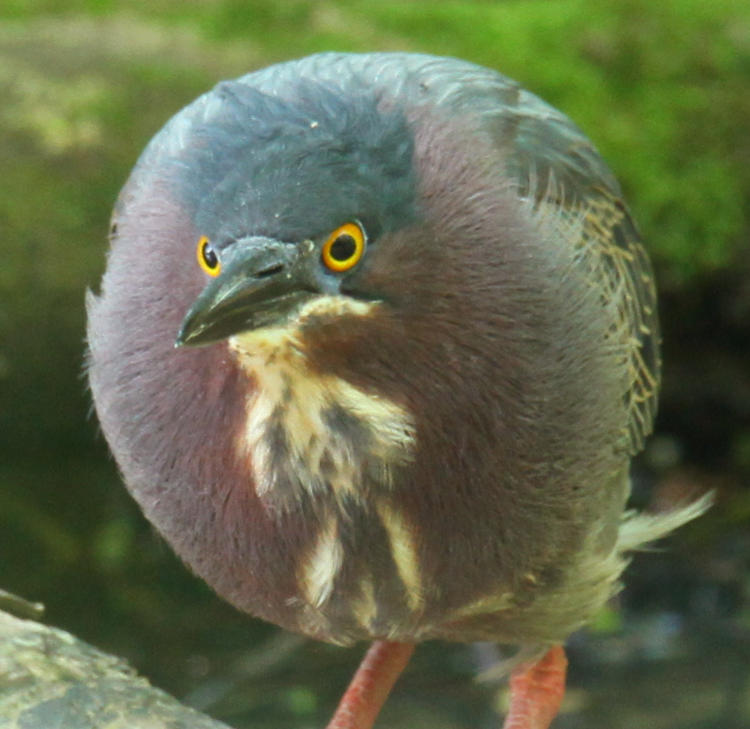
If you’re like me, even as often as I do it I still picture something like Elmer Fudd when I hear this word, or someone creeping up with a detached bush as camouflage while pizzicato strings play with their footsteps (I think that’s the term, but I’m not a music person.) This is misleading, even in the circumstances when it’s not entirely inaccurate, and there’s a lot more to it than that anyway. So what do I mean when I’m using the term, or better yet, what’s my advice on how to do it?
Sounds. Silence, of course, is optimum, but also next to impossible to accomplish most times. Learning how to walk quietly is key, and takes practice, but the general idea is to put your feet down as gently as possible, almost rolling them onto the ground. At the same time, finding those areas to walk in that make the least sound helps this tremendously; picking mossy areas over leaves, grass over gravel, and so on. This often means getting to the side of the regular path if it consists of noisemaking substrate, though at other times (parks and frequented trails most often,) the path has been cleared by the passage of others and is the quietest option. Avoiding sticks of any kind is important, naturally, and this means keeping a close eye on where you put your feet – not a bad idea anyway in areas that have venomous snakes or poison ivy or those irritating tiny cacti.
Following a rain or overnight dew can help a lot, since sodden conditions will reduce the noise in most cases, certainly better than dry leaves. And one that a lot of people don’t think about, but breezy or windy days can help mask the sounds you do make.
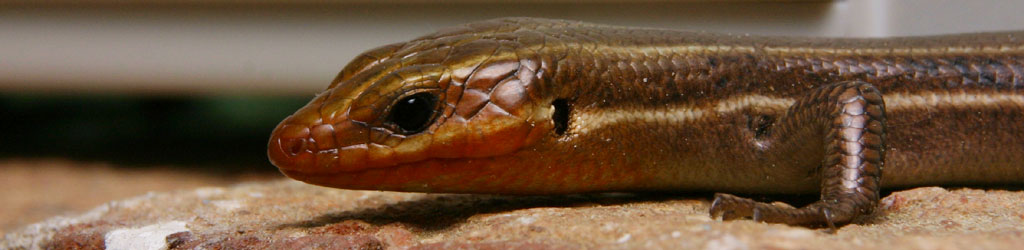
When you realize that any experienced outdoors person can tell the difference in footsteps between a deer, a squirrel, a lizard, and a human just by sound, you’re recognize that you should break up your pattern, making it irregular with differing size steps, as random as reasonable.
And of course, shutting up is paramount too, but you’d be amazed at how few people understand this. Human speech is instantly recognizable even at a distance, so learn to be silent in that respect. I often communicate with someone else by short, quiet whistles – no Morse code or agreed-upon sequences, just a couple of quiet attention-getters until they look my way and I can nod or mime something. I have yet to find a species that reacts to quiet whistles in any way, even when I have to do it a few times at increasing volume until I attract the attention of who I need to.
Many, many species are attuned to motion. Like in Jurassic Park, staying still is often enough to escape attention, no matter what you’re wearing. Amusingly, certain species respond to certain kinds of motion more than others, generally resembling the predator (or prey) species that they’re most aware of. Best practice: move when they’re not looking. Also, directly towards a species is often the best move, since if they can’t get two eyes on you for depth-perception, they may not even realize you’re closer. Eventually, this fails and your target will become aware that you’re there and something is going on – hopefully this is once you’re close enough for decent shots. And now you have the challenge of raising the camera to your eye, and believe me, this is instantly suspicious to a lot of species, because what else does anything of this nature? It helps to have the camera mostly raised and leveled towards your subject to begin with, as tiring as this might be to your arm muscles, since then all you have to do is raise it subtly. And sometimes, with practice, you can even fire off shots without using the viewfinder, though I’ve been doing this for a long time and still haven’t gotten to where the camera is actually pointing where I think it is, far too often.
Staring. Don’t, any time you can avoid it. This is predatory behavior and a lot of species become acutely aware of it. Once a species even suspects you’re there, it’s time to go casual and look around lazily, often down more at the ground, or just out towards the horizon, never in one place too long. Many species freeze and ‘point’ with their gaze towards something suspicious, so avoid that. For any species that has reason to fear airborne predators, looking to the sky is out too.
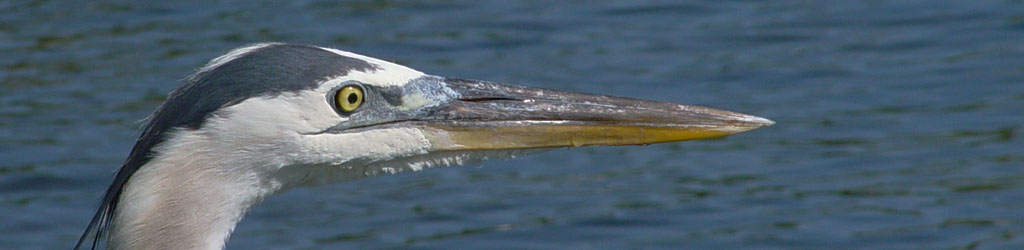
Mimicking their browsing or casual behavior. This works far more often than you might ever suspect it should. Many, many species rely more on behavior traits than actual appearance, so even though you might not look anything like a heron or a deer, mimicking their behavior (once you know they’re aware of you) can actually put them at ease, and yes, I’ve mimed browsing deer and preening birds many times with good results – it’s actually amusing. In such circumstances, taking a couple of casual, aimless steps can actually work better than holding still – again, predators hold still, just before the pounce or charge.
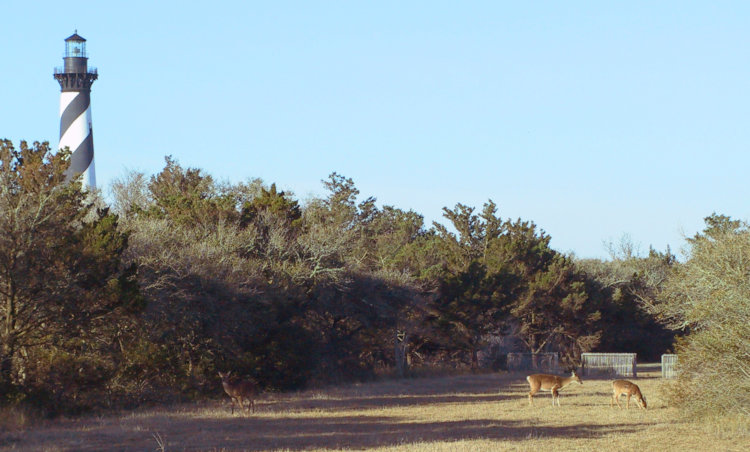
Some species, like rabbits, get confused by diagonals. You can get closer by moving more to one side than directly, even when this clearly shows you crossing against a background.
Background. Better to have something behind you that is dark and convoluted, rather than something like open sky. Dense foliage often doesn’t provide any reference point against which a species can recognize your movement, even when your own attire isn’t actually blending in. Most especially at night, never cross in front of any light source, and this includes as you’re leaving and your headlamp or flashlight is shining on tree trunks or foliage – try not to silhouette yourself against something brighter. You have to be aware of what’s behind you, from your subject’s perspective – tricky, and takes extra awareness of where you are and what you’re doing.
Camouflage. Okay, I almost never use anything even close, so while it can’t hurt and probably helps in a lot of cases, it also probably doesn’t help half as much as the other habits outlined here. Now, garish and obviously contrasting clothes aren’t going to help in any way, so browns and greys and so on are certainly much better choices overall. But is a full camo kit a bonus, much less necessary? Probably not. especially when you’re in an area that the target species frequents. They know their environment, so you’re still likely to attract attention just by being ‘not that.’
Blinds. Better than camo, to a small extent, and certainly a boon towards masking your movements – as long as you’re doing them silently. But bear in mind, you also have to have blinds set up well ahead of time, preferably long enough to thwart that ‘something different’ concept above, and most especially, you have to be in them before the species come into the area. So, useful for having a very specific goal and the ability to wait for it, perhaps for hours, but not so much otherwise. You can often reproduce the benefits of a blind by just waiting in a deeply shaded area – as long as you hold fairly still.
Plant your feet. We fidget a lot as a species, and without military training, we’re often uncomfortable with standing perfectly still all the time. But those little movements can give us away, so ‘growing roots’ is a good practice to develop – where it doesn’t conflict with the advice above.
Use your own ears. Just hearing the approach of something has netted me more good frames than nearly anything else, and knowing what’s ‘typical’ (rustling of leaves in breezes, common songbird calls) versus what’s beneficial to our pursuits (actual movements of species, calls of something far more interesting) is extremely helpful. That sudden rustle nearby will always cause me to freeze and watch carefully in that direction, and it often pays off.
At the same time, this makes us acutely aware of how much noise we’re making ourselves, and helps us reduce this significantly.
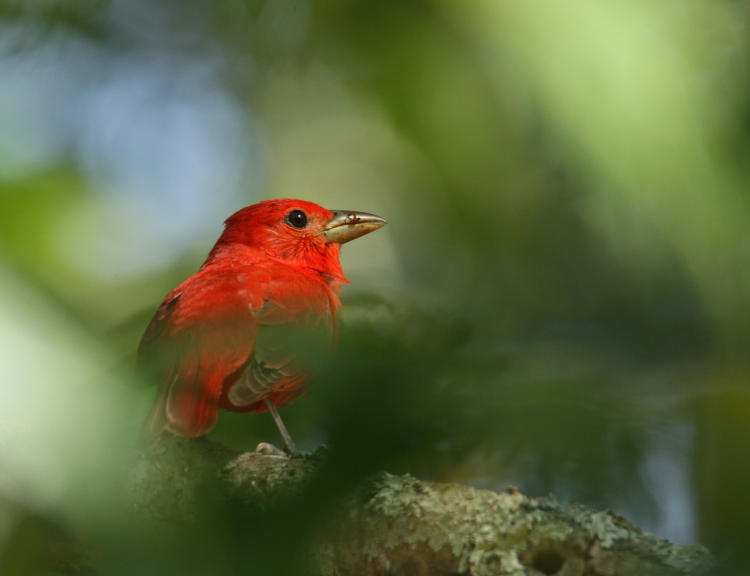
My directional hearing is pretty specific, at least if I can judge against the other people I’ve been out with and how quickly I can home in on something, but how to develop this? I can’t advise, except to practice a lot. Home in visually on any calling bird in the sky, or airplanes can work well in this regard, though be aware: the faster and/or higher they are, the more the sound lags behind their actual position due to the speed of sound. Turn your head slightly when you know where the noisemaker is, so you can learn the difference in your ears when you’re off-axis. But when this is developed, you can immediately be looking in the right direction for further movement, once you hear that initial sound.
Splitting attention. One of the hardest aspects of all this, since you might want to be watching the skies for interesting birds approaching, the foliage around you for any nearby species (seeing them before they see you,) and where you’re putting your feet, which takes a very high precedent, to avoid both noise and danger. The most useful trick is to examine the ground ahead of you carefully while standing still, know what’s there for a couple of meters, then you can move forward that much while you watch for other subjects. But if the footing is more obscured or provides too much camouflage for snakes for instance, you examine the surroundings when you’re standing still, and watch your footing closely as you move forward. Get in the habit of doing small incremental advances rather than maintaining any kind of pace, and look around frequently in as many directions as feasible.
We will miss things. We don’t have 360° vision, far from it, and can’t look everywhere at once. This isn’t a failure on our part, just the way things are, so don’t fret about it. But don’t miss the venomous snake or that ankle-twisting hole.
Get in the habit of pausing within the shadows or cover of surrounding trees before venturing out into the open, where you can be seen easily, and carefully survey the open areas – again, see them before they see you. This even applies to bends on the path or where the foliage parts at the edge of the water. Use the cover that’s available, and reveal yourself only when you’ve at least tried to check the area.
By the way, autumn is a very tricky time, since fallen leaves can obscure a lot, including deeper holes, and of course make a lot of noise. Slow and careful are the bywords here.
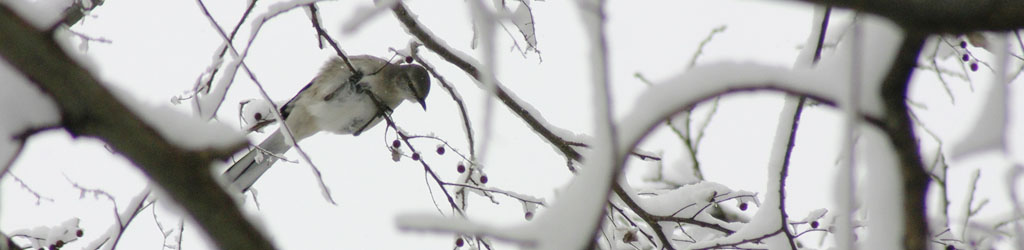
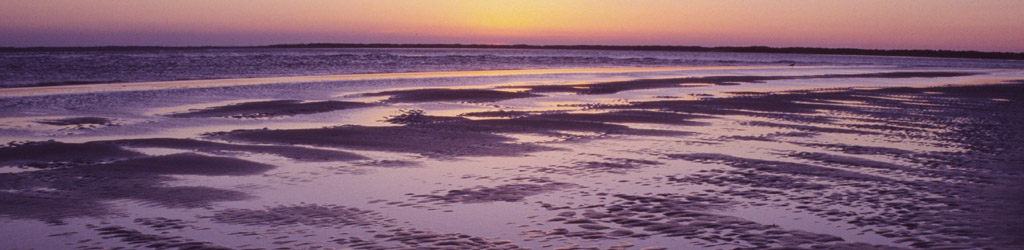
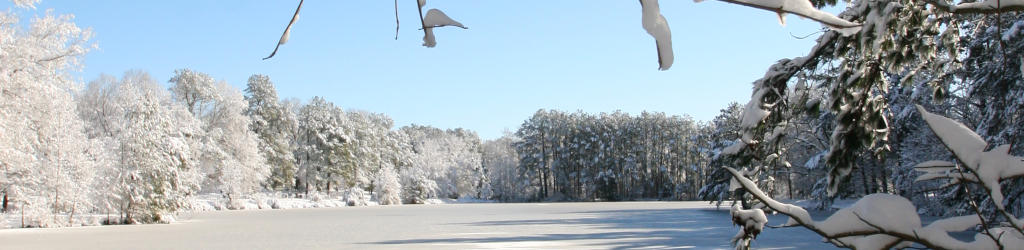
Also, with snow, think about your composition. If you like that pristine snowfield as an element, don’t walk across it but skirt it instead, outside where you’ll be framing your shots. Same with a smooth beach, like after high tide. If you don’t want your footprints in the shot, don’t put them there.
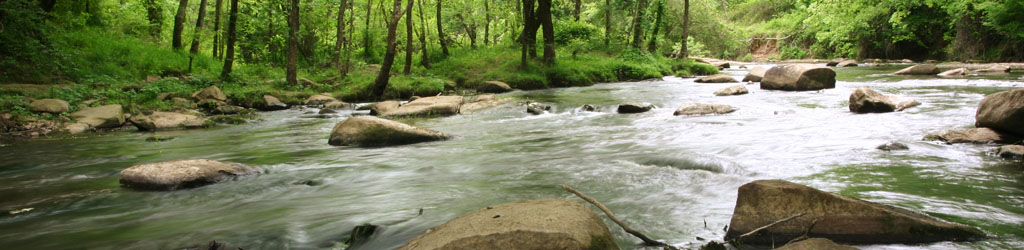
Water and wading. Big one here – falling in the water is bad enough, but with your equipment is extra damaging. Best to pack everything away in your protective bags before even venturing out, so it has a little protection anyway – a tightly-closed bag is proof against submersion for a second or two, which may be enough.
Rocks and unsure footing abound, and are often obscured by sediment. Keeping your weight still firmly planted on the steady foot, extend the other out ahead of you until it seems to have solid purchase, then slowly shift your weight onto it, ready to shift back if it doesn’t seem stable. Arms out for balance, and a walking stick is usually a good idea. Take it slow and easy.
Larger and shallower rocks, while they look like they might be nice stepping stones, are more often covered with a layer of algae or silt and can be the slipperiest surface imaginable – don’t trust them at all. Better to stick to the deeper stream bottom than to slide uncontrollably off of your footing.
Avoid hopping to a new purchase, but if you have to, only choose a level, flat, and dry one. Land with your weight straight down, not traveling forward – don’t count on firm footing, but balance instead. I’ve done this enough that I can actually jump across a small stream onto a slippery muddy shore – though now that I’ve put that in writing, I’m guaranteed to blow it the next time because the law of jinxing is a measurable force in the universe…
I always wear closed-toe sandals, and I don’t have to tell you why. The amount of times they’ve saved my feet when I slipped into a gap between rocks or roots cannot be tallied anymore.
Even with a smooth and clear bottom, learn to move your legs gently and smoothly, to avoid making a lot of splashy water sounds – you should be able to do this almost silently.
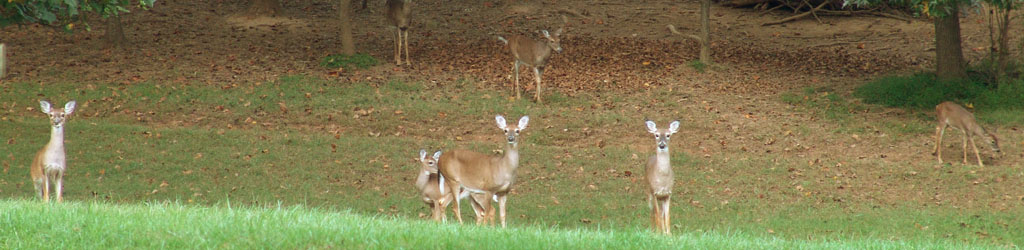
Don’t push it. By this I mean, trying to get so close to a species that you put yourself into danger. Any species can react badly when threatened, and we’re a very poor judge of what’s threatening to them. Never get to a point where you can’t flee if charged, or have your escape blocked off, or most especially, the animals’ escape blocked off – that can induce a panic right there. Always remember, just because nothing has happened doesn’t mean nothing will continue to happen, and who knows what might trigger a species? You may think you’re non-threatening and mellow, but the animal is mighty suspicious and beginning to think you’re getting too damn close – and then a bird gives an alarm call or a tree branch falls. Even if you’re not the target of aggression, you might be in the way of the panicked fleeing, and with a white-tailed deer, this can be dangerous.
Most importantly, plenty of species are seriously protective of their young – always give them a wide berth. Mating season can also be hazardous with some species, since the males become territorial and aggressive. Assume the worst, and pass on the shot in favor of staying safe and respecting the animals. Don’t be one of those idiots.
Overall, take your time and be patient, but practice your best habits as often as possible, until they become second nature. Observe, and learn from experience. There’s always room for improvement.
