

As if most of my posts aren’t the exact same thing…
So, two purposes for this one. The first is a reminder that the Draconids meteor shower is going on right now and expected to peak tomorrow night, actually around 19:00 UTC on October 8th,
As if most of my posts aren’t the exact same thing…
So, two purposes for this one. The first is a reminder that the Draconids meteor shower is going on right now and expected to peak tomorrow night, actually around 19:00 UTC on October 8th,
Today marked another opportunity to capture a transit, and this time, we had clear skies and I kept the timing straight in my head and everything. The target was the Tiangong space station, China’s own entry into low-Earth-orbit experiments and observations, and the waning crescent moon. I checked everything,
Sure, this was the weekly topic three years ago, but who says it can’t be resurrected?
I mentioned a few days ago that I could illustrate something better, and now I’m keeping my promise. We’ll start with an image from several years back, with new annotations.
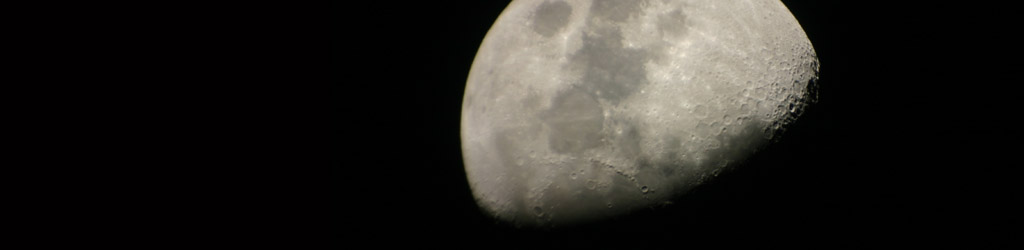
With the light angle of approaching 1st quarter, waxing crescent now, Theophilus crater stands
I’ve been having reminders popping up from my calendar that the Perseids meteor shower is peaking within the next few days, and various sites that I’ve visited have been promoting it as one of the best showers of the year, insofar as number and display. But I’ve been neglecting posting about it for two reasons, the first being very self-centered: the skies have
Once again, we enter into another annual meteor shower season, actually the two for late July: the Southern Delta Aquariids and the Alpha Capricornids. Both of
Actually, it’s hard to believe that, in over sixteen years of posting, I haven’t used that title before…
So early this morning, the ISS was supposed to pass in front of the moon again, at least in my location, and I was all prepared to go out after it again. I didn’t have visibility here at Walkabout Estates Plus, so I packed my gear down to a spot just off the waterfront,
I’d found the website transit-finder.com last year, which takes a given location and lists the upcoming transits of the sun and moon for the International Space Station (as well as the Hubble Space Telescope and the Tiangong Space Station.) Last September I’d
Decided to squeeze these in here, since May didn’t have enough images [*snerk*]
I’ve been occasionally monitoring the sun’s surface with the solar filter that I have, since we’re close (or at) solar maximum, the part of the twelve-year cycle that our sun goes through where sunspots, coronal mass ejections, and solar storms take place the most. It’s been interesting to
Because, why go in chronological order? More to the point however, the Eta Aquariids meteor shower is still going on for the next few days, we’re just not at peak. Not that I’m going to convince you to go out with this post, but we all know how good my luck with meteor showers is.
So I was out to do some time exposures in the quest for meteors last night, and the moon was a bit bright