
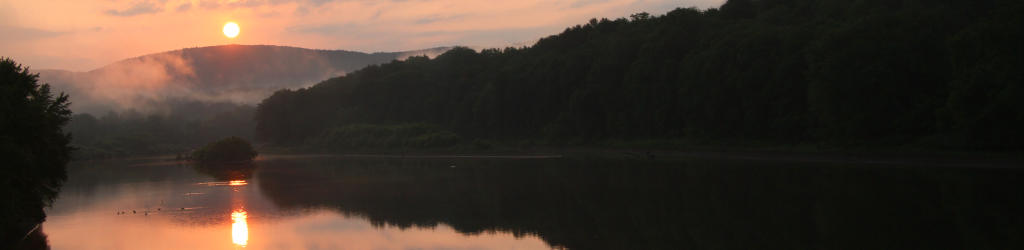
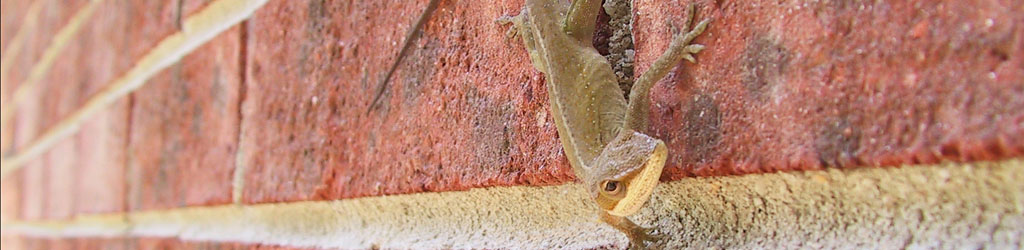
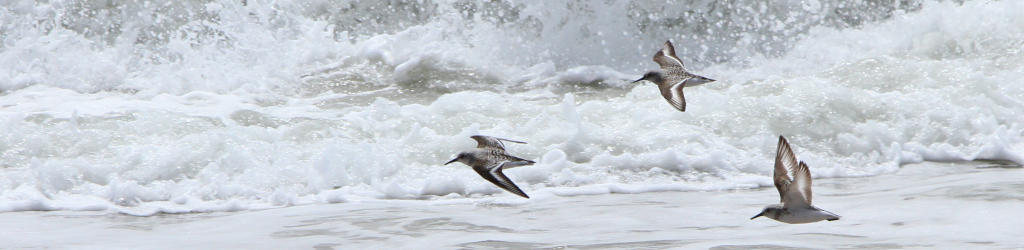
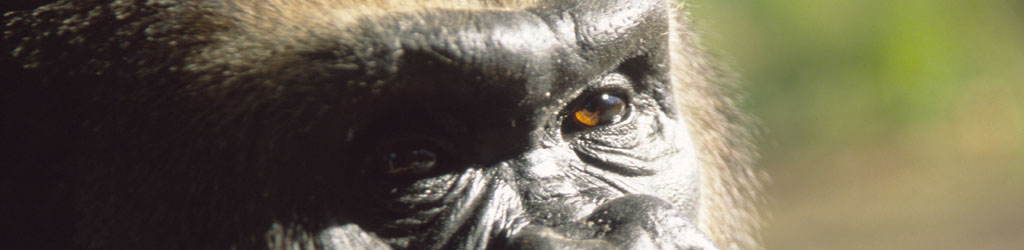

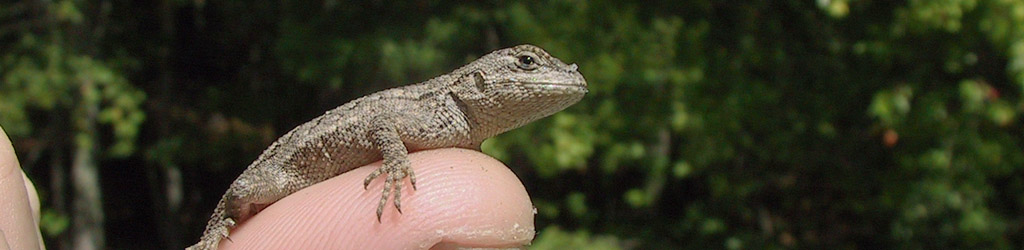

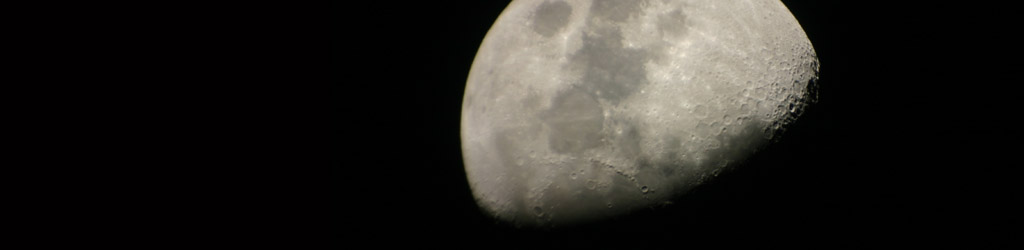
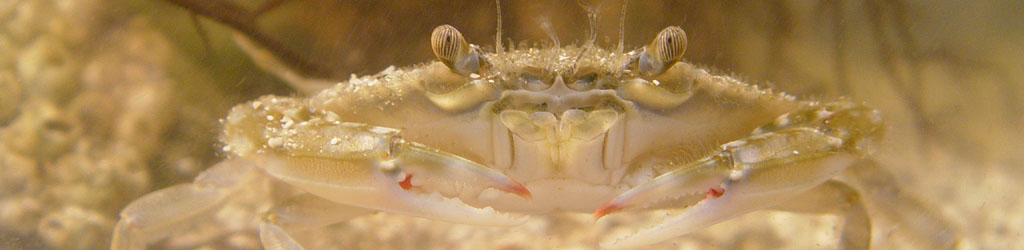
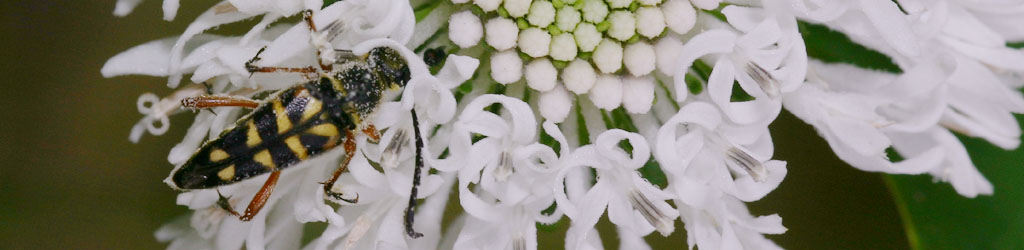
Let’s face it: We all have to deal with stagnation every once in a while (some of us more than others) – chasing the same subjects, using the same approach, locked into a particular style. Now, don’t get me wrong: Having a distinct style (one that’s appealing, mind you) and being known for producing certain results can be a huge benefit,
Category: Reference
Tip Jar 29: Sunrises and sunsets
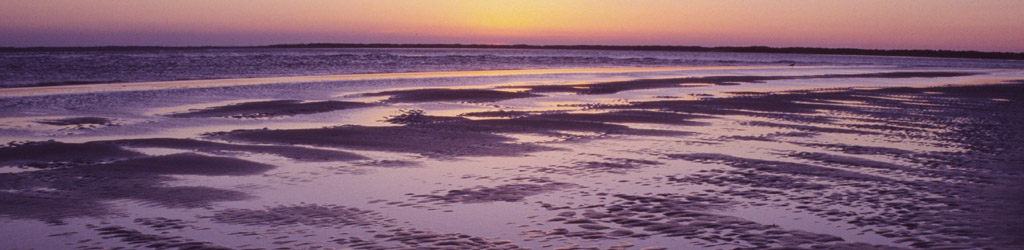
A perennial favorite, yet most often snagged only as someone notices them and not as much planned for, so let’s do a little planning.
Know your times. There are a million ways to know when sunrise and sunset are going to occur, but there are two primary things to consider. The first is, any source that doesn’t calculate your actual position (i.e., know where you are)
Tip Jar 28: Safety
So let’s talk about something that all nature photographers should retain in the back of their mind at least, but remind themselves of often as well. I mean, all photographers can benefit from staying safe, but nature photographers expose themselves to more hazards than many other classes.
Equipment: Almost goes without saying, but have decent padded bags that fully protect
Tip Jar 27: Stability
This one really should have been covered earlier, but it’s not like people have signed up for a course or anything, nor did earlier posts rely on it. So let’s look at stability, or steadiness, or bracing, or reducing camera shake.
From working in a photo lab (you know, back in those film days, before cellphones even,) I can tell you the number one cause of poor photos
Tip Jar 26: Perspective tool
We’re halfway through now, and I regret picking this kind of topic a little, because many of these posts take a fair amount of work and I’m often pushing the deadline, like I am now. It’s not like there’s a firm deadline anyway, just the one I arbitrarily chose, and you probably couldn’t even tell me the one I blew by several hours. Still, I’m trying to be conscientious,
Tip Jar 25: Using the Clone or Rubber Stamp tool
Another entry in the GIMP tutorials, this one in patching grunge and unwanted doodads within your image. Generally a pretty straightforward process – until it isn’t, and this is intended to head off some of those stumbling blocks that can make things frustrating. Don’t get me wrong you will still have a lot of trial-and-error, back-and-forth attempts, especially
Tip Jar 24: Dodging and burning
Another post on digital editing, this one for (as it says,) dodging and burning, which is lightening or darkening selected portions of an image. This used to be a common darkroom technique, though it’s probably a bit less-so now, but it’s still handy to know how to accomplish. This is definitely one where practice and experimentation will improve the results. So herewith, a quick video
Tip Jar 23: Batteries
I had two other potential topics slotted in for this one, and had stalled in deciding which one to tackle, much less begin on. Then yesterday my gut decided I should be spending a lot more time in the bathroom, and I didn’t get to either of them. Finally stabilizing much later, I still decided to put the whole post off until today, and instead just started checking out Walkabout Estates by
Numbers don’t lie. Do they?
I realize my posting has been pretty thin of late – still tackling home projects, still stalling on another video. And then I go off on these tangents that don’t help at all, but I want to put them down while they’re still fresh, so here we are.
While working on the post about Ultrafinitism,
Tip Jar 22: Condensation
Quick one this week – I think I mentioned someplace that I’ve been a little busy, and so too little time to prepare with images and so on. However, we’re just entering into the season for this in roughly half of the US, while the northernmost portions might see very little application of this advice, and the southernmost may have already been dealing with it. There are also times