
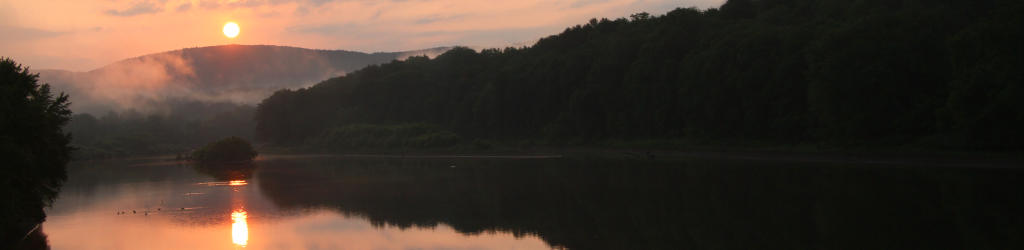
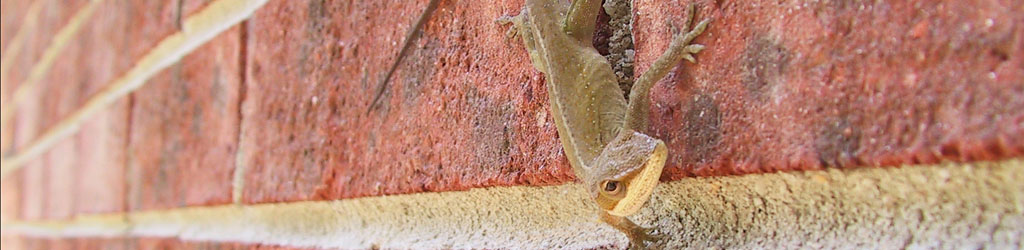
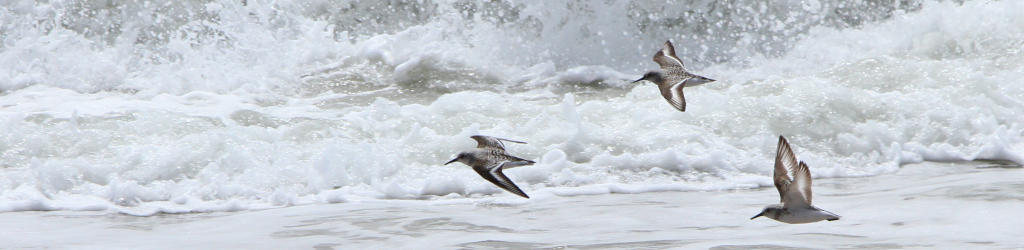
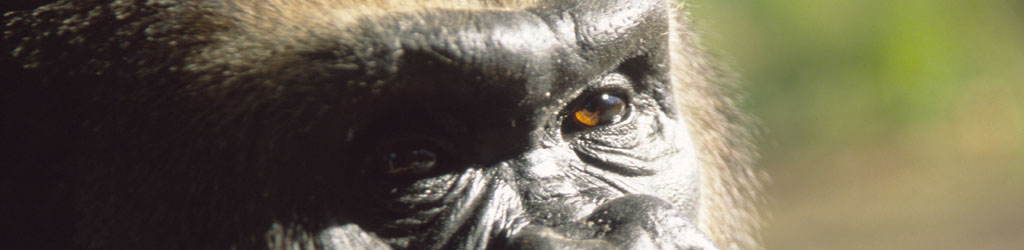
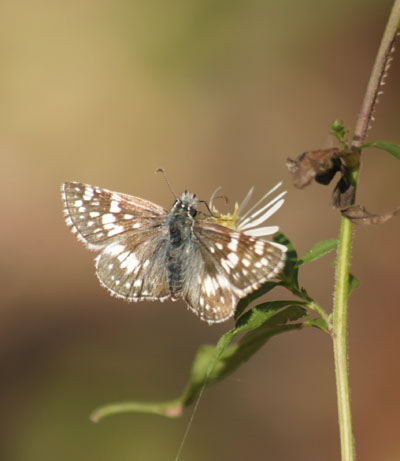
 Whenever I speak to people about wildlife “encroachment” issues, such as beavers damaging expensive ornamental trees or copperheads found in their yards, I always remind them of one crucial factor: if there’s a habitat, it will draw the animals. Case in point: this little butterfly.
The weather’s been getting colder here in North Carolina, and often falls just to the point of frost at night now. The trees are dropping their leaves, and no one has to mow their lawn anymore. But there’s still a couple of hardy plant species that are flowering right now, and this means something is around to pollinate it, in this case either a Common Checkered-Skipper (Pyrgus communis) or a White Checkered-Skipper (Pyrgus albescens,) probably female. I would have thought such species would have winged further south some time back, but this warm afternoon proved me wrong. There were only two small spindly plants putting out flowers about the size of your fingertip, yet they still received attention from this nectar gatherer. Without it, the plant might never have germinated this year.
Humans like to try and make the distinction that we are separate from other animal species, and most especially, that other animals should recognize this. So there are often concerns about what wildlife is doing in our yards, as if they recognize property boundaries – it’s what we call “anthropocentric thinking.” But wildlife, and even domestic animals, go where they want, finding food and shelter as the opportunity strikes, because the concept of “possession” is strictly our own. What we might consider a carefully arranged landscaping job or vegetable garden might simply be an opportunity for lots of tasty food or great nesting materials to them. And why not? We certainly don’t hesitate to cut down their home trees, plow up their food sources, and put parking lots in their hunting grounds. The way I see it, a few carrots in trade means we’re getting off cheap.
Some species seem to adapt very well to our progress. Chimney Swifts gained their name from using chimneys as nest sites, instead of their usual hollow trees, and many species like the crawlspaces under houses to live within, often unsuspected since we’re not too active at night while they are. The convenience to some quality food is hampered only by the cans we tend to put it in. Redtailed Hawks frequently take advantage of our roadsides, replete with handy perches and well-mown verges, tailor-made for a heavy hawk species on the lookout for foraging rodents. And the rodents are pleased to find unique food items like french fries there. This interaction, though, also leads to a large number of raptors being struck by cars, lest one get the impression that roadside trash is beneficial.
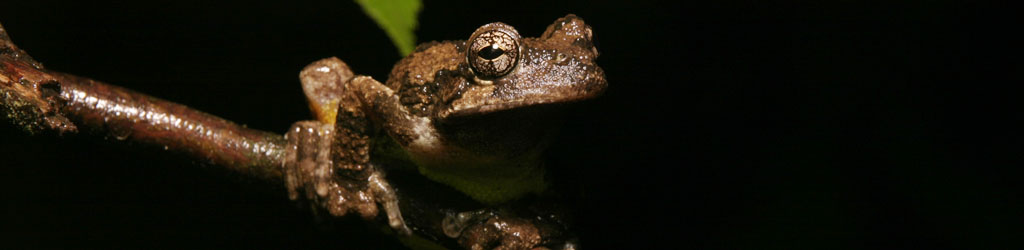
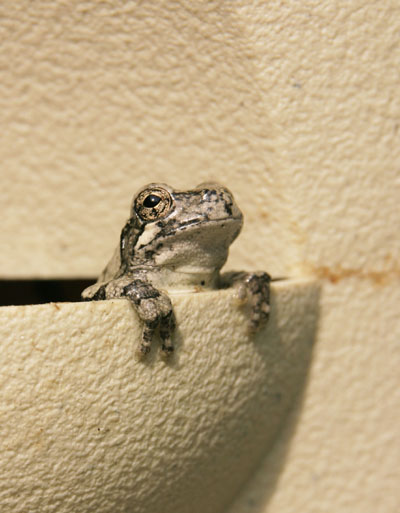 Over the summer, the single potted salvia I maintained as a hummingbird attraction played home to a couple of Common Grey Treefrogs (Hyla versicolor,) which seemed quite pleased with the water reservoir in the pot, and the fact that my lights at night attracted plenty of food. I shot no small number of photos of them and watched for their appearance daily, but at the first signs of colder weather they moved on. I’m hoping that they return in the spring, and am considering plans for a proper frog pond and bird bathing area.
It takes almost no effort at all to see some interesting things, since wildlife will find a niche and occupy it, so even the heart of the cities can provide opportunities to spot animals and their homes. This is a great thing for kids to get involved in, but they need some encouragement and guidance from their parents. Many parents don’t tackle this because they don’t have the answers to all the questions kids have, but this isn’t a good reason at all. First off, it’s physically and mathematically impossible to have the answers to all questions kids have. More to the point, however, is that this is a great opportunity to show them how to learn on their own. The internet contains loads of useful information, and a few choice books are always good additions to your library. Parents themselves often get a kick out of what is discovered as they help answer their children’s questions, and this counts as that “quality time” that everyone is on about, much better than soccer practice does.
If you’re a parent this holiday season, consider replacing one of the video games or electronic devices on your child’s gift list with something that encourages exploration: books, bug examination boxes, a simple microscope or telescope, an exploration journal, or something of that nature. Include with this your own plans to use them together. Kids already have the drive to learn about such things, so take advantage of it. Just remember, with this experience, to emphasize the “look but let them be” aspect, and discourage the idea of wild animals as pets. They really don’t make decent pets at all, and it’s frequently detrimental to the animals themselves.
Have fun!

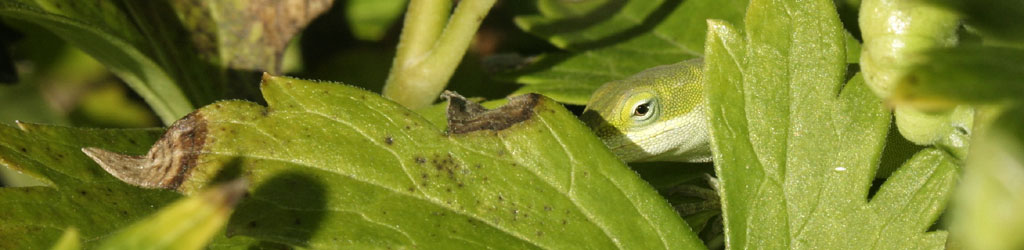
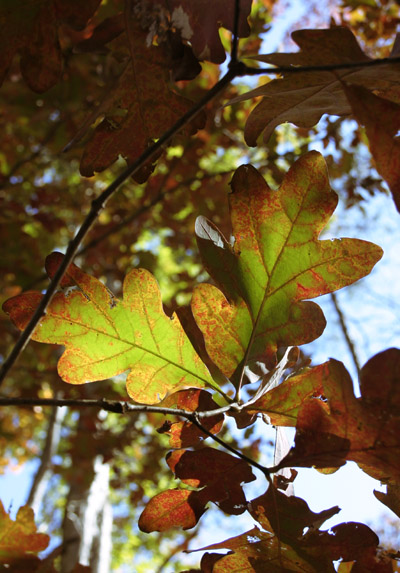 For some reason, this area is prone to leaf damage, blights or insect infestations or whatever, and finding a few nice, shapely leaves without spots and holes is actually challenging. Anytime from late spring on means I’m often being very selective about what foliage I use as a subject or background, because even out of focus, the subtle message is one of disease or trouble.
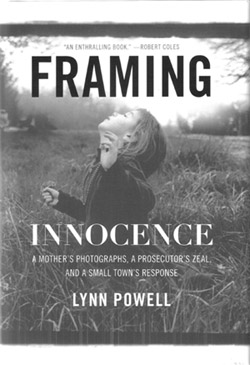 This is a book that should never have been written, because it details a prosecution that should never have been brought. Very briefly, Cynthia Stewart took photographs of her 8-year-old daughter washing herself in the bathtub and was prosecuted for obscenity.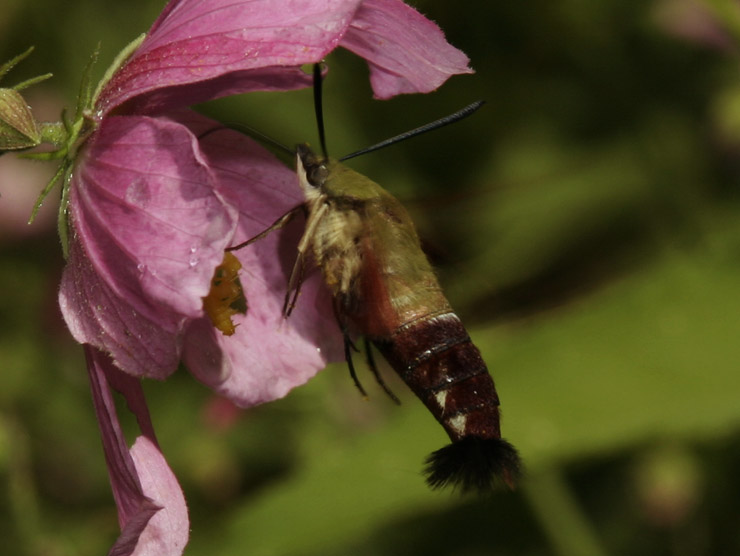
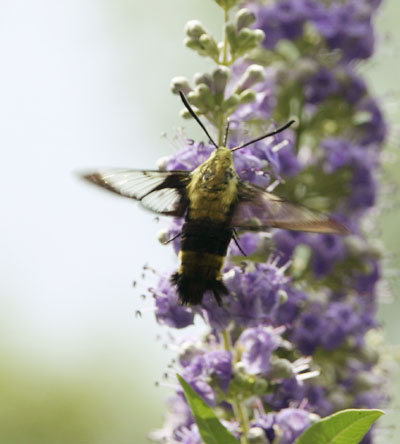 Their cousin, the bumblebee moth, or snowberry clearwing (Hemaris diffinis) instead mimics a bumblebee, which makes it possess a different biological trait, too. Both moths are often considered examples of convergent evolution, where the coloration of the moths developed alongside the coloration of the species they resemble, in order to mimic the other species and avoid their own natural predators. In the case of the Bumblebee Moth, however, it can also be called Batesian mimicry, which means a species that develops the aposematic (warning) coloration of a dangerous species while lacking the actual defense of such species. Birds that would feast on the tasty moth avoid it because they mistake it for a bumblebee, which are known as, to use the technical term, “owie hurties.”
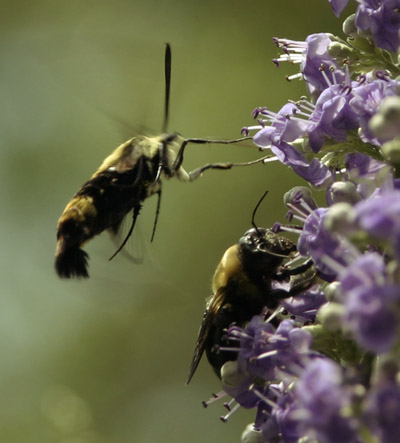 In order for this to work for our bumblebee mimic, among others, there has to be more of the dangerous species than the mimic, so that the predator is far more likely to encounter the dangerous species first, and learn to avoid that coloration, rather than the tasty moth first and learn nothing. So the population of the mimic species can actually start to lose all benefit of this evolved trait if their numbers get too high in comparison to the species they mimic. They cannot expand outside of the area where that species is found, either, lest they encounter predators that haven’t learned their lesson.
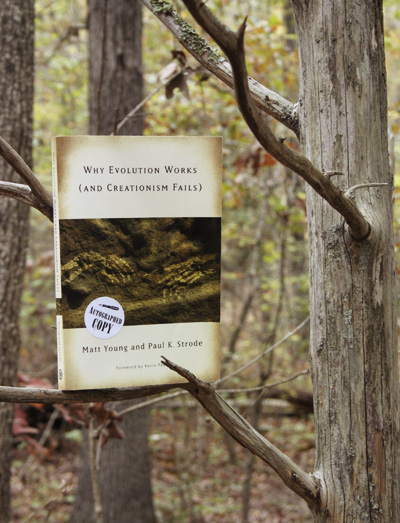 First off, a small admission: This book jumped ahead in my review lineup because I won it as a prize in a photo competition held by