



I have been going in so many directions recently, tackling umpteen different projects at once, to the point where I’m barely picking up the camera, and when I do, it’s more for things like the previous post. Thus the blog has been sadly neglected, and I apologize to all one readers…
This is not to say that I haven’t been doing anything photography-related, however – I’ve had a couple things in the mix, and you’ll see evidence of at least one eventually. Like, I updated the Latest Images page, as well as getting through another round of sorting, over 2,000 images – all that remains are the video clips, which take a hell of a lot longer as I watch them all the way through (or almost, sometimes) to see if I captured anything truly worth keeping. I have to start video recording in the hopes of catching something cool, and many times don’t, but deleting the clip at the time means I’m messing with the camera and not watching what’s going on, so I end up with too many clips of nothing when I finally unload the memory card. And for the ones that I do keep, there’s also the cataloging, which slows things down but it’s the best time to do it.
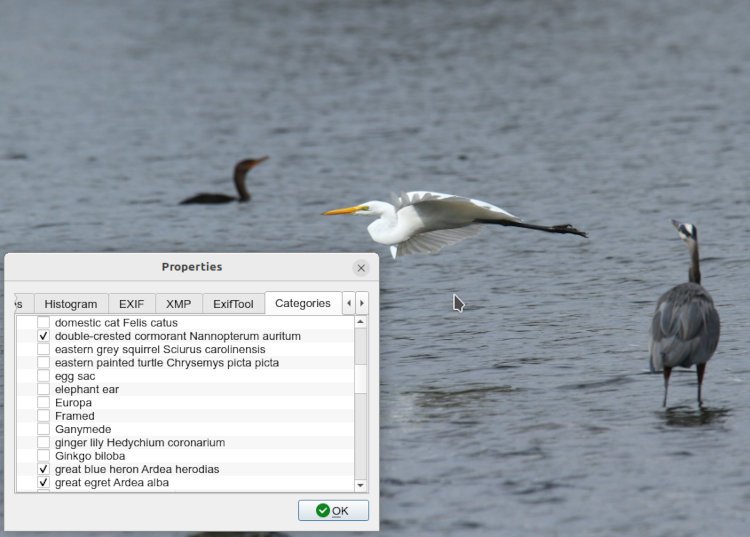
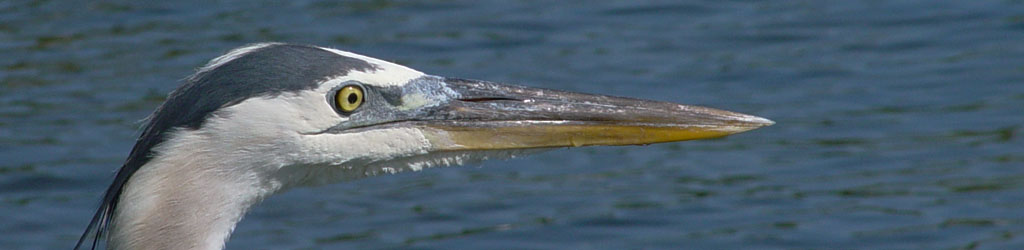
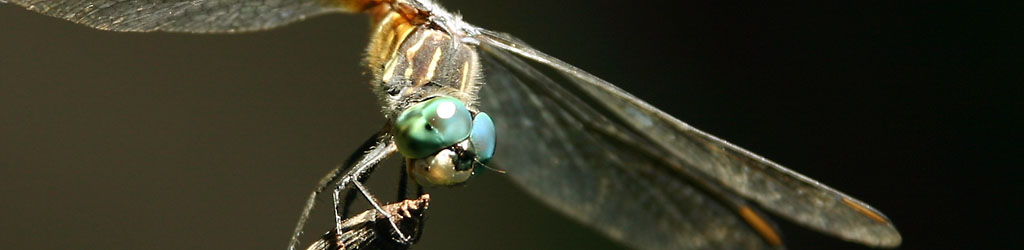
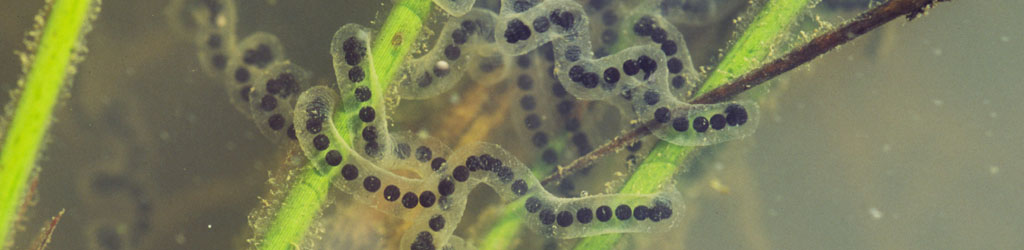
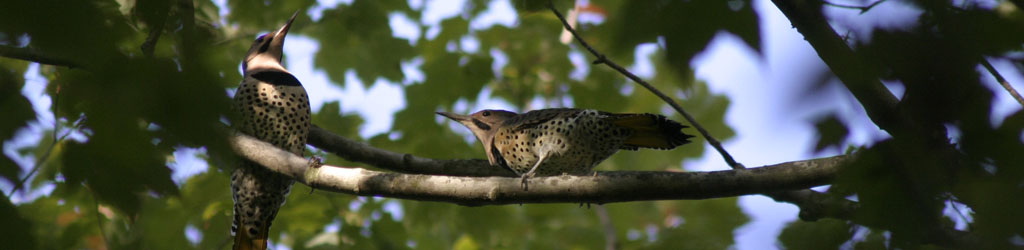
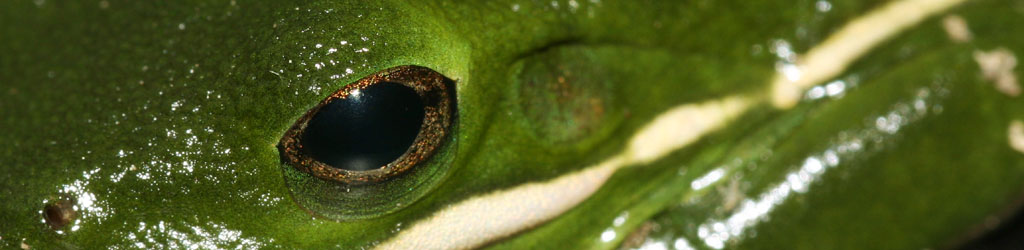
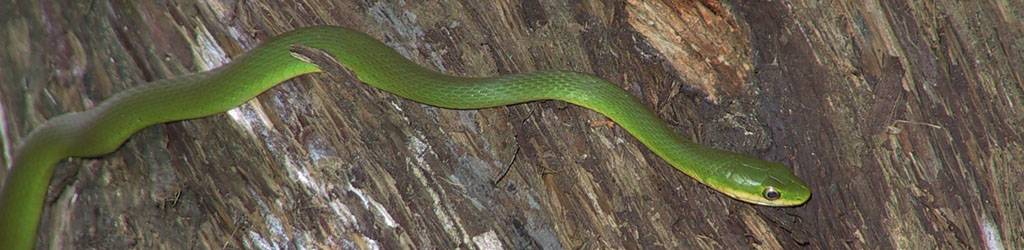
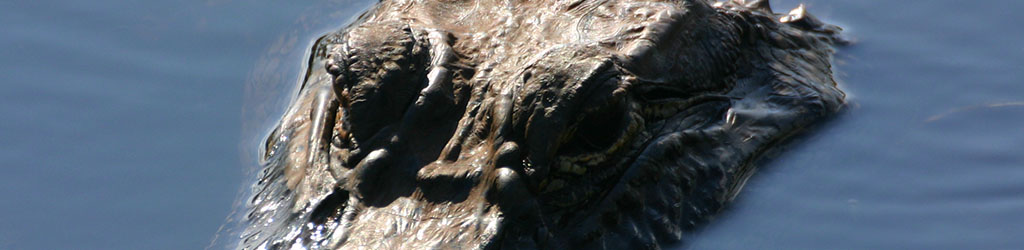
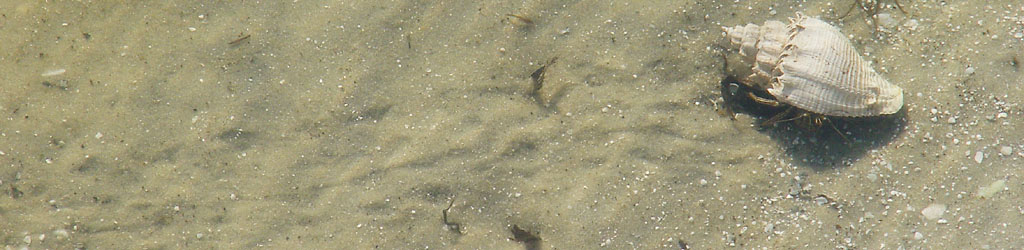
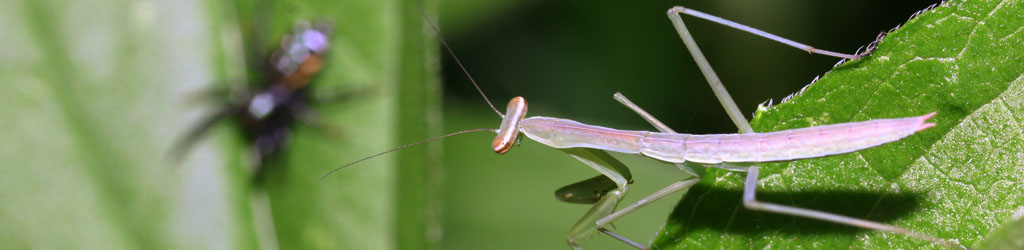
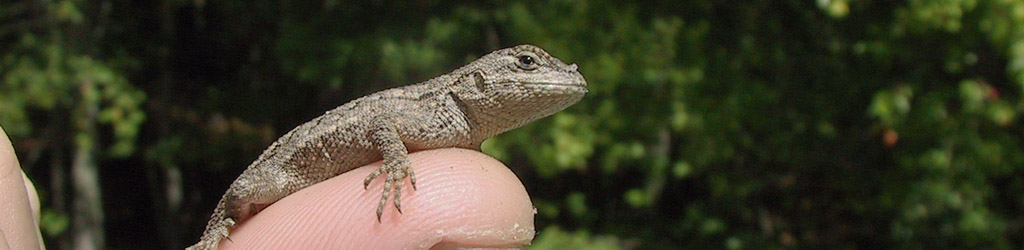
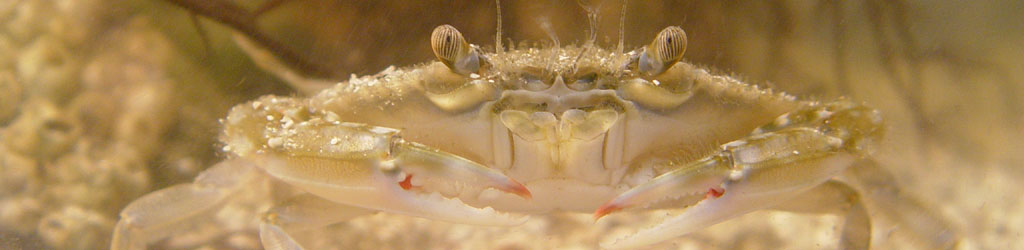
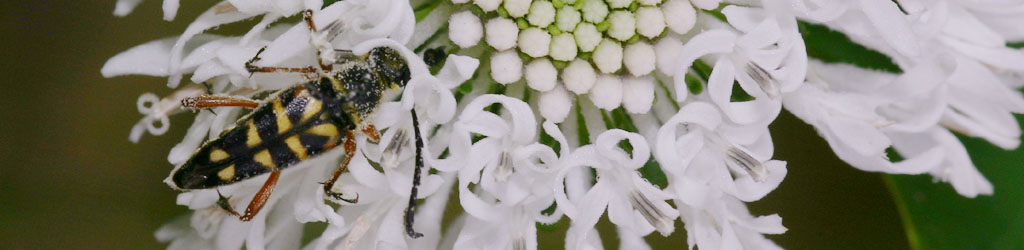
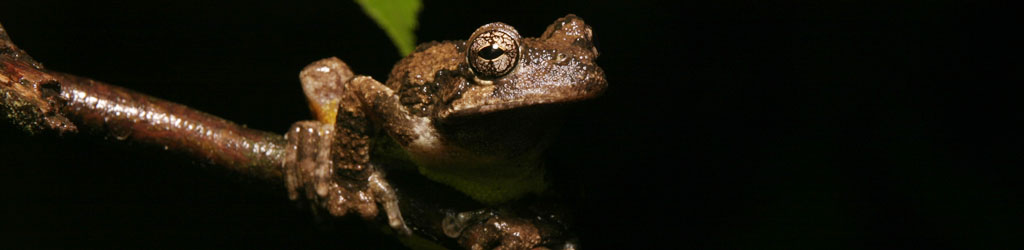
I also made good on something I mentioned in the cataloging Tip Jar post, which is to start tagging the still images with species names (and any other specific, pertinent info) as I go, as seen above. This also slows things down, especially at the beginning when I have to enter the species names, but once they’re established as Categories I only have to type the first few letters to bring them up and select them, so it’ll go faster as I go along. It would go even faster if I limited my photography to just one or two species, which I could do (and at times, certainly seem to,) but that would kind of defeat the purpose of having tags to locate certain species easily, wouldn’t it?
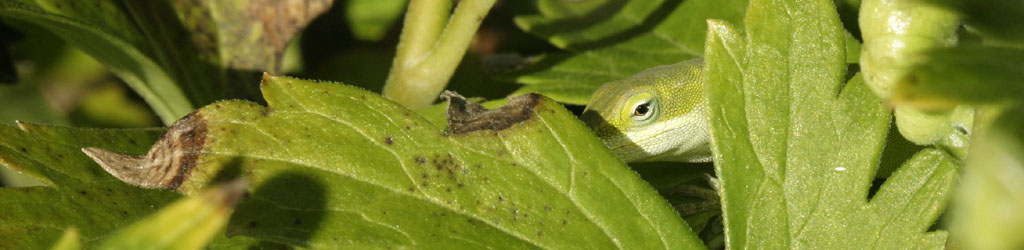
That, however, lets me seque into dumping some older photos that have been sitting in the blog folder for too long, producing some content while not actually producing anything. Wasn’t that slick? You learn how to do this when you’ve been at it as long as I have. And our selective species topic for the day, to no one’s surprise, is the Carolina anole (Anolis carolinensis,) going back all the way to February for the first one.
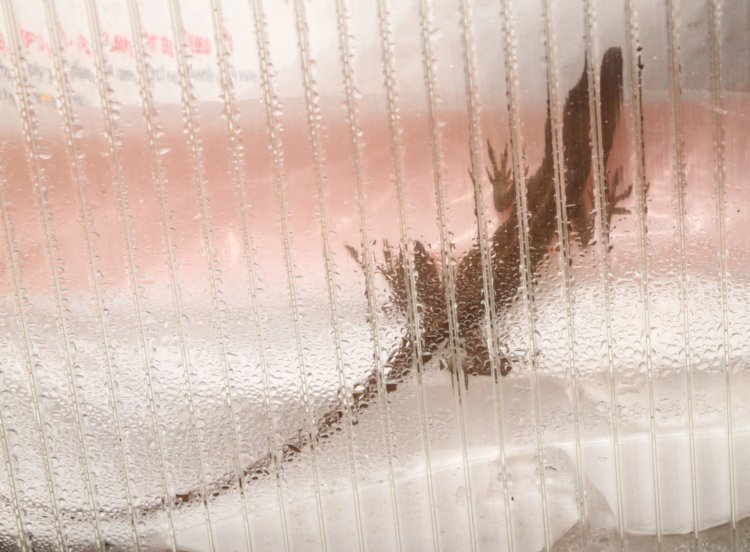
There was still snow on the ground from February’s storm when I did this guy through the plastic wall of the greenhouse, where it was quite active in the toasty goodness; there’s even a heater in there for the protection of the plants, so it doesn’t get very cold at night either. Now, how much food they can find, or need, I can’t vouch for, but a few spent the winter in there, so I could assume they know what they’re doing.
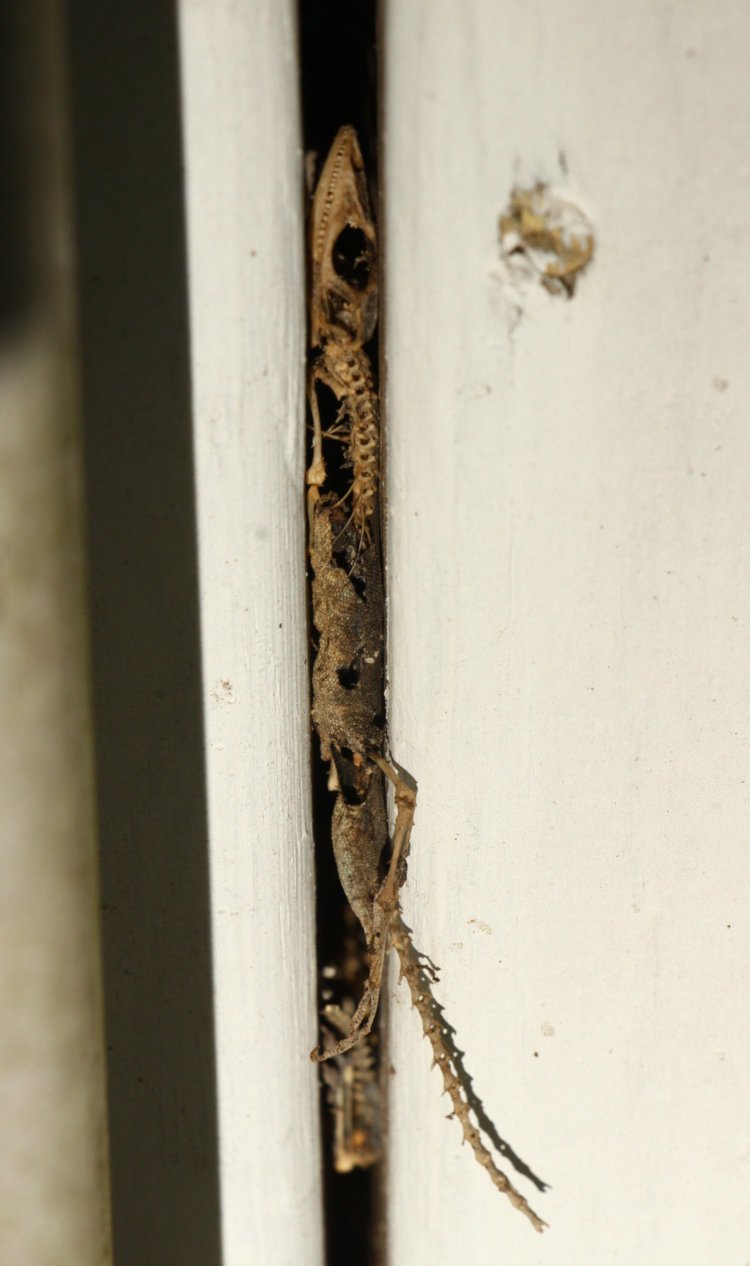
Or maybe not. I found these two skeletons tucked into a gap on the trim of the screened-in porch, sometime in the spring, and my thoughts are, they tucked in like this expecting the nights to be as they often are, chilly but not debilitating, and got caught by much lower temperatures than they could survive. It’s a shame, because not far away were vents for under the house where they could remain much warmer, but I’m also assuming a lot – this may just be the anole version of interment. These skeletons are still there, though I’ve been meaning to dig them out intact if it’s possible, because I’m me…
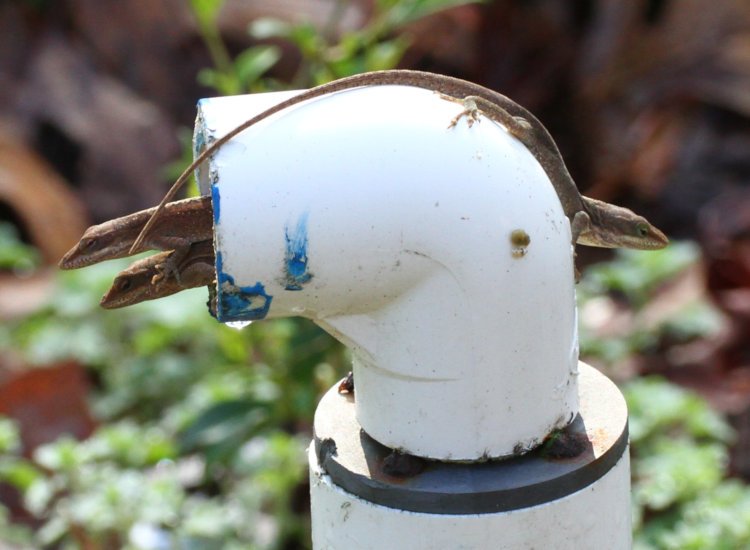
It was only March when I saw this trio venturing out into the sunlight after a colder night – this is, I believe, a vent pipe for the old well, but we’re on city water now so it’s unused and they can do as they like. And they do like this pipe, because I’ve seen them on and in it frequently.
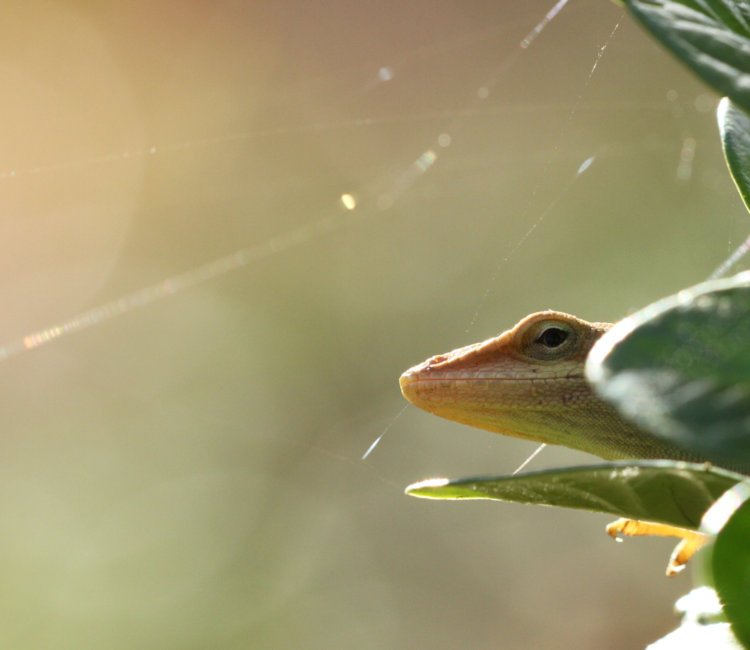
This was also March, and a curiosity that never developed further. It was then warm enough that the anoles could sleep out on the leaves and branches overnight, not that they needed to cool down after a hot day, but because (I believe) it exposed them to morning sunlight and they could warm up quicker. On more than one occasion, however, the sunlight also revealed a fine network of spiderwebs, and it appeared as though the spiders had been spinning their webs directly from the anoles. This image was inconclusive, however, and might simply have been webs nearby rather than directly attached, so while I vowed to get more conclusive images for an eventual post, nothing further developed. Maybe next spring.
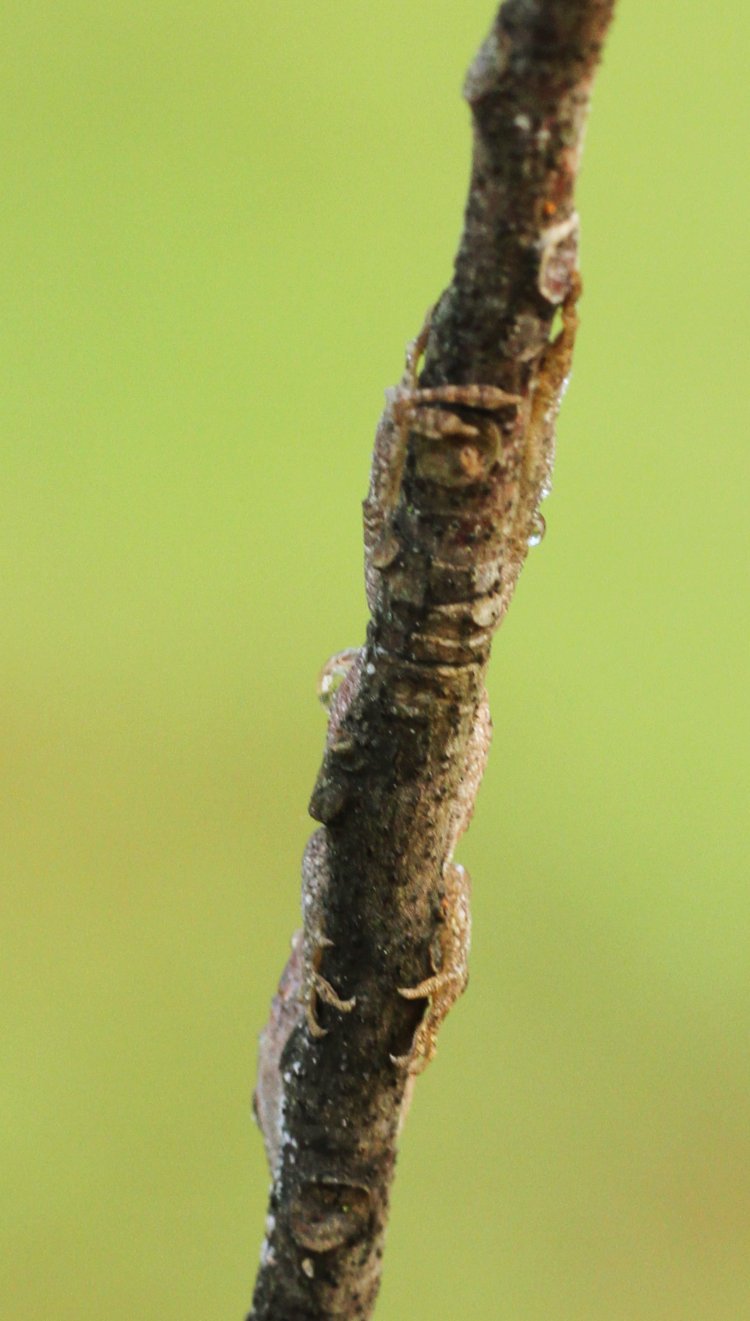
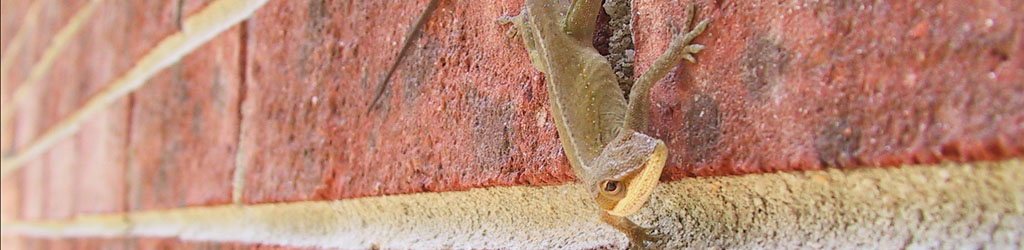
This one really needed to be clearer, but again, maybe next spring. If you look closely, you’ll just see the toes. I like chasing odd perspectives.
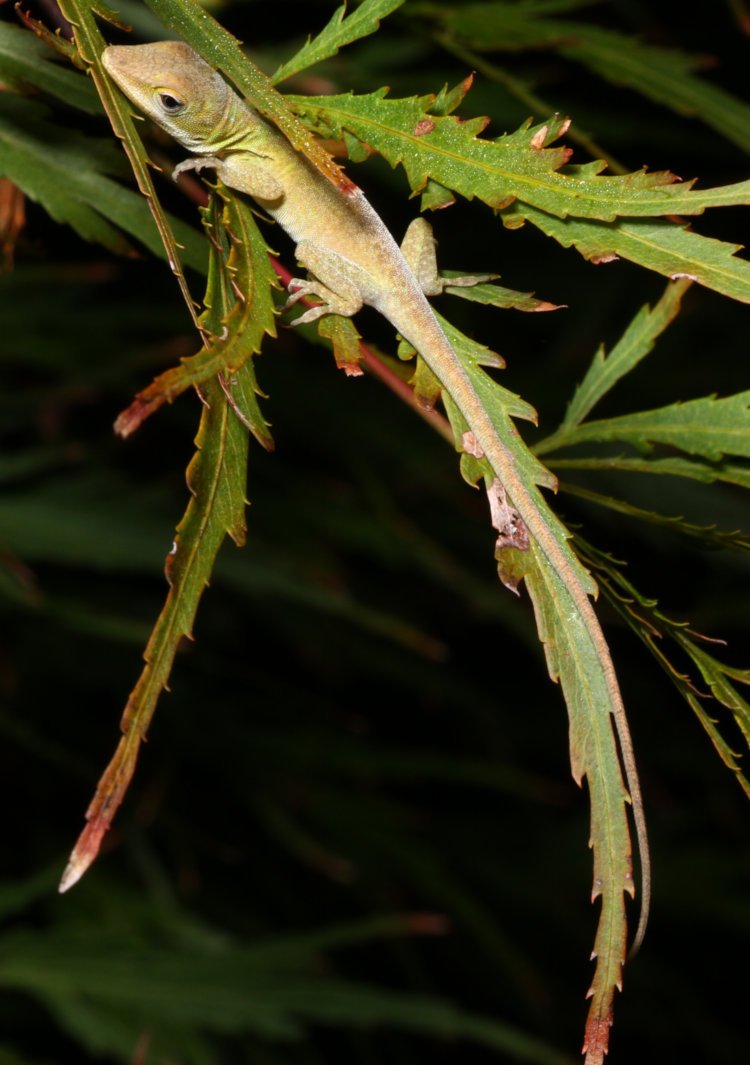
Much later in the year now (September,) I just liked this juvenile aligned with the leaf of the Japanese maple, which might have blended in better if it hadn’t gone to its typical nighttime coloration of very pale green, which can be seen in the headlamp even from a distance. I’m not sure why this is, but I do know that, early in the morning if the nights have been cool, they quickly switch to deep brown as soon as the sun is up to absorb more UV. So is this a ‘relaxed’ state, or does it serve some other purpose at night?
And finally,
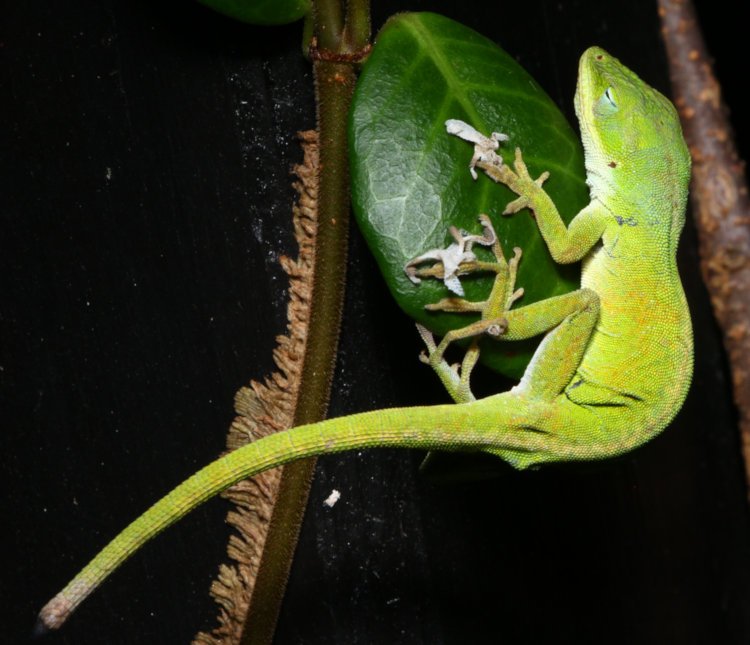
The only anole that I can dependably identify, because of the damage to her tail, which had at this point progressed further. Also note the little bead under her chin. Now, given how much they seem to like particular locations, I can feel pretty comfortable with identifying a few others, partially because the regular habits of this one gave a solid indication that I was seeing the same one over and over again. Here, perhaps the last time that I saw her this year (September,) she shows evidence of having just completed a molt, or perhaps finished some surgery – check the gloves. She shared this location along the front lamppost and the liriope patch with two other, younger ones, one of which I saw only two nights ago sleeping on the spearmint plants again, first time in weeks, but it was a warm night after a rain. It’s getting quite a bit colder now and so they’ll all be scarcer yet not altogether gone – they waste no time venturing out on warmer sunny days, plus there’s the greenhouse again. But you can feel safe in the knowledge that an anole-heavy post won’t be along until February or March, anyway. Probably.