I have no photos to illustrate this, because I never stopped to take any – I know, a sorry state of affairs for someone who calls himself a photographer. So you’ll just have to contend with my narrative. Or, you know, skip it and go to a site with pichers…
For family reasons, I had to do a rather abrupt trip to New York, and for poor planning and gambling reasons, I ended up doing it as a driving trip rather than a flying one, even more abruptly (like, a few hours notice.) On the trip up, I was on a relatively tight timetable, but on the return leg a few days later I had a little more time to play – not a lot, mind you, and it required delaying my arrival home if I spent any of it, which I was ultimately disinclined to do. Right now I’m faintly regretting this decision.
I had to travel through the edge of the Catskills mountain range, nothing too dire, but definitely a surfeit of hilly regions. On quite a few portions of the trip, large areas of rock had been blasted away (literally, with dynamite) to present a more level driving surface – not level by any measurement of a bubble in green fluid, but not as far away from it as the original terrain had been. This meant that, very often, I was driving past steep and staggered rock faces, the walls of the manmade valley for the road itself. The weather was cold, and many of these walls sported frozen waterfalls, the evidence of a lot of water seeping directly out of the faces between layers of rock. It might have been a lot more picturesque with a bit of sun, but this was still upstate New York during December, so the sky was resolutely overcast (one of the many traits that made me move away from the state.)
Further south into Pennsylvania, the sun managed to break free, and at one point I was looking at the terrain with some curiosity. This was a land, not exactly of rolling hills, but the kind of mountains you find in kids’ drawings: sharp peaks sporadically placed, very steep though not very high, perhaps a few hundred meters. And virtually no ‘ranges’ either, no ridges or lines, just points sticking out of the landscape. I looked sharply at one that I drove past, because the sides rose at something very close to a 45° angle, remarkably steep, yet still bearing a thick carpet of presently-denuded trees. I had to wonder exactly how something like that formed; I knew that mountain ranges tend to be collision zones of tectonic plates, but hills like this are more often large areas of erosion-resistant rock remaining behind while millennia of water carried away anything softer surrounding it. I also wasn’t far from glacial deposits, but in my experience and limited education, they also tended to be linear in nature. These sporadic and singular hills were a mystery to me.
And suddenly, I remembered Your Inner Fish by Neil Shubin, the account of finding the transitional species between fish and leg-having things. The initial finds of some promising body structures, in fossil form of course, had occurred in a roadcut in Pennsylvania, so chosen because the entire region was made of deposits from a delta within the Devonian era – just the kind of place a fish deciding to check out the land would like. Now, when we talk about what kind of era forms the foundation of some geology, we’re talking the bedrock, which is usually under meters of topsoil (and perhaps glacial deposits,) so just picking a spot and digging is ridiculously labor-intensive. Which is where the roadcuts come in, because these are areas where not only the overlying soil has been tripped away, but nice cuts down through layers of rock have been made, with new portions eroding away all the time under the onslaught of the elements (like icy waterfalls.) Plus they’re remarkably convenient right alongside public access roads. So searching in the rubble within these cuts allowed for easy access to countless exposed time periods. And it was in one such cut that a colleague of Shubin’s found the pre-scapula which fostered the expeditions that would eventually find Tiktaalik. I wasn’t sure where this find actually took place, but I knew it was someplace in western Pennsylvania, which I wasn’t too far from right as I remembered all of this, and the bedrock should stretch across a significant region anyway.
The immediate thought was to pick a likely cut and stop, and spend just ten minutes poking around to see what I could find. I wasn’t thinking that I would find Tiktaalik or anything related, but just finding something would be cool enough – I don’t have much access to fossil fields of any kind, and I’m fascinated by them. Ten minutes wouldn’t take too long from the trip. The other side of the coin, however, was that I still had eight solid hours of driving ahead of me at this point, at least half of that after night fell – and the tail-end of it would be into the aftermath of the winter storm that had hit my home region. But I was also considering that I would pick a handy spot along the way to simply stop and overnight there, breaking the trip up, getting some rest, and allowing conditions at home to improve.
And while all of this was going through my head, the car rolled on, and I scoped out any rock faces that I passed on my side of the road. I wasn’t after bare rock, but a rubble field, someplace where any fossils might already have broken free from the rock matrix and be sitting there waiting to be found, taken home, given a good meal and a place to curl up. Many of the spots weren’t up to snuff, composed of pieces larger than my head, not nice pocketable fossil size. And then I passed a spot liberally strewn with gravel, nice small fragments about the same size as any fossil might be, the ideal conditions, or at least as far as I could judge in passing.
And I didn’t stop. The bulk of the trip ahead of me weighed too heavily, and the implied inertia of the car just carried me beyond. Even though it was extremely unlikely that I would ever be in this area again, even though I had a relatively open timetable and no one else in the car to accommodate, I passed on the opportunity.
After returning home, I started doing a little research into where Shubin and his team had made their find. I already knew the book hadn’t been specific about the location, but elsewhere I had come across something more detailed, and I started trying to pull it up again. It didn’t take much research to find this article (written by one of the people over there on the sidebar,) which provided a little detail into the locations. The pre-scapula had been found along State Road 120, which at its closest point fell a little over 20 kilometers from my path, though it stretched away towards the west. And then I read at the beginning of the very next paragraph:
Route 15 provided another bonanza.
Route 15 was the road that I was actually on while dithering about whether I should stop and examine the talus or not. Well, shit. I’d taken it from the state line all the way down to Harrisburg, so it was very likely I’d driven right past the very spot where they’d found a pile of fossils. Now, again, these weren’t Tiktaalik or anything close, since they fell a little too late in development – you might say they were Tiktaalik’s great grandchildren. But still…
I’m not kicking myself too seriously here. I ended up doing a hard push and driving the whole way home that evening, running on too little food or sleep, but not having to worry about anything else the next day. And chances are, if I’d stopped to look for fossils I wouldn’t have found anything anyway, since fossil ‘veins’ tend to be very narrow and sporadic, so the time was probably spent best the way it was. Yet I’ll always wonder.
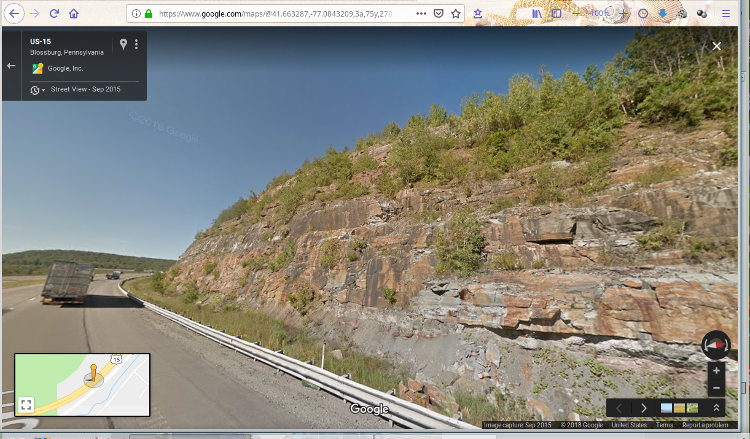
I said I had no pictures, but what the hell – here’s Google Street View for one of the many spots that might have held promise, just to give you an idea. You can even see grey stains from the seeping water that would create those frozen waterfalls that I’d passed.
Potentially Related Posts:


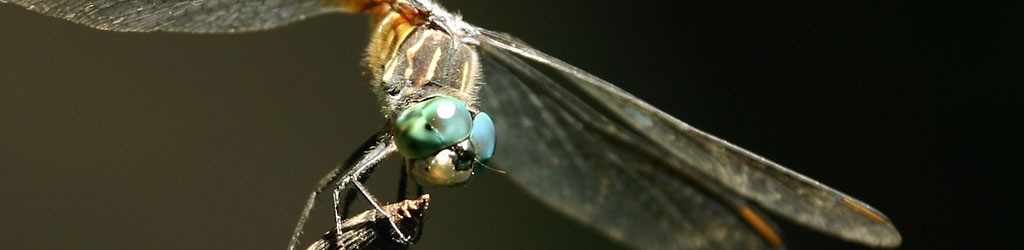
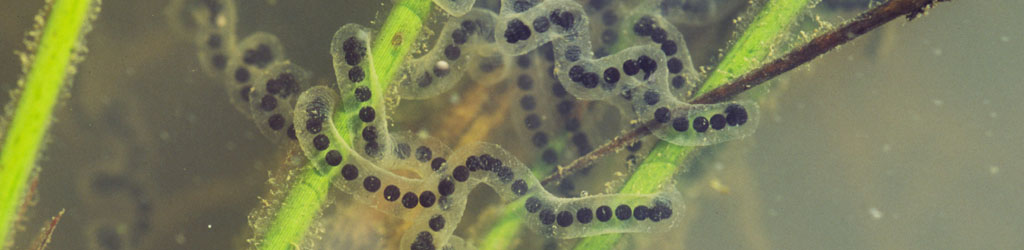
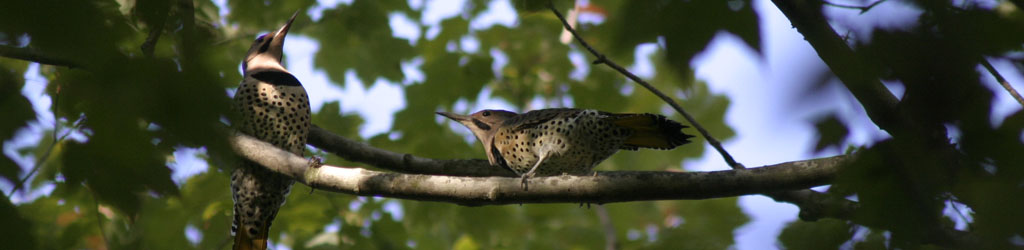
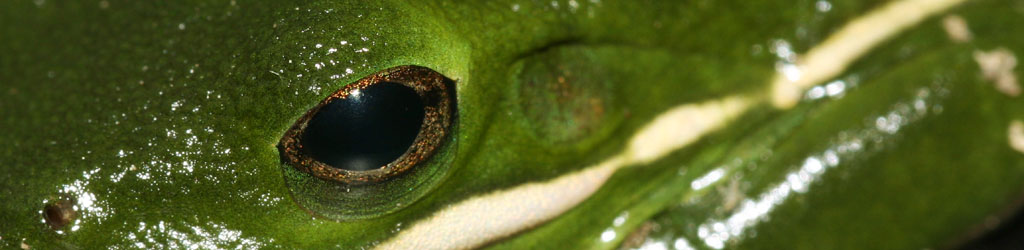
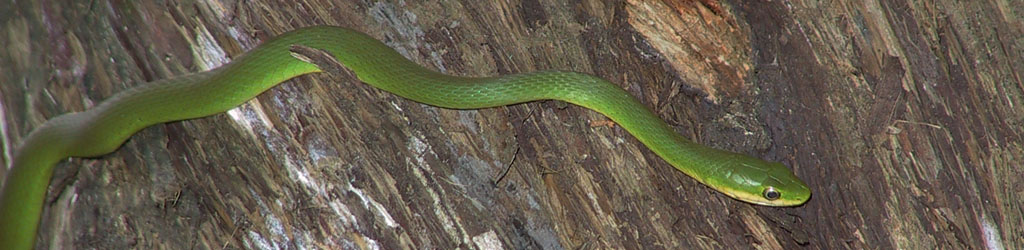
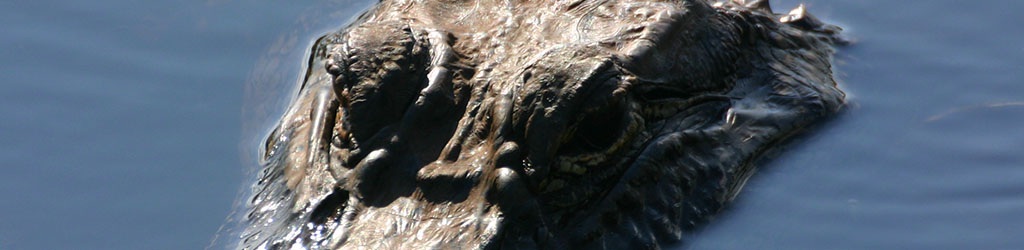
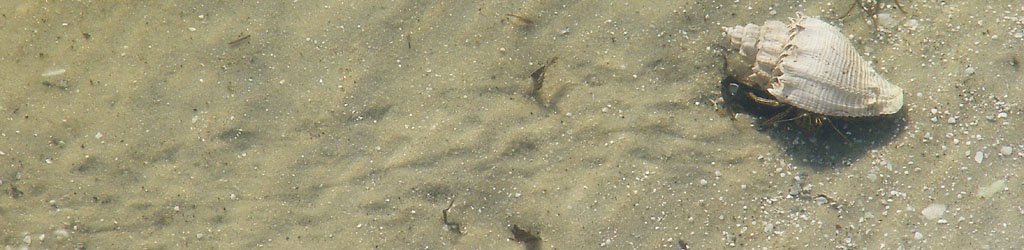
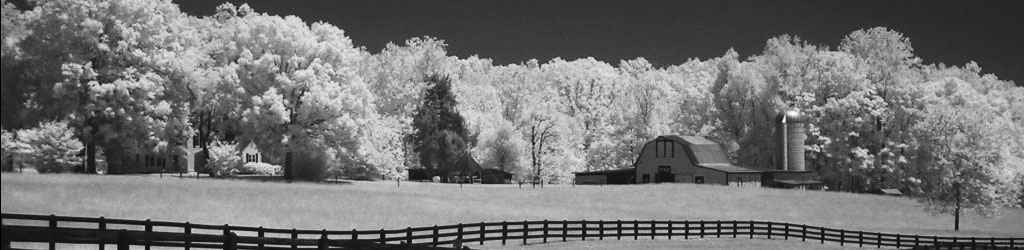



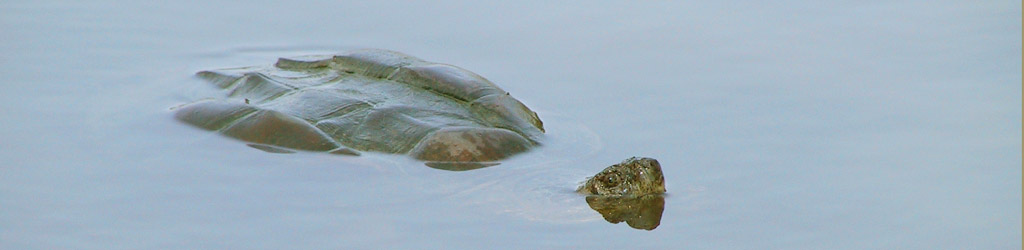
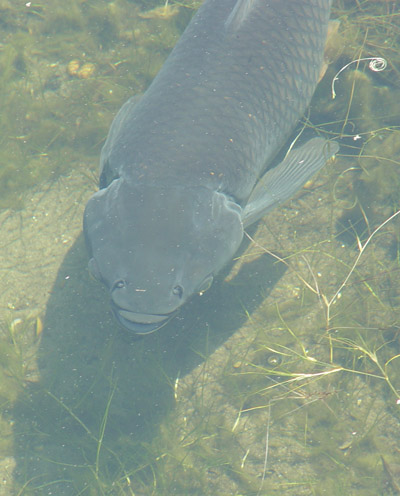 Where I lived in Florida, the apartment complex had a decent-sized pond right outside my back door, handy when poking around casually for interesting pics (and testing out experimental equipment.) Within were innumerable minnows, some small panfish that were possibly perch, and some monster fish that I’m fairly certain were grass carp (Ctenopharyngodon idella,) an Asian species introduced into the US primarily as weed control. When the light was good, these could be seen cruising around slowly, or nibbling on the weeds within.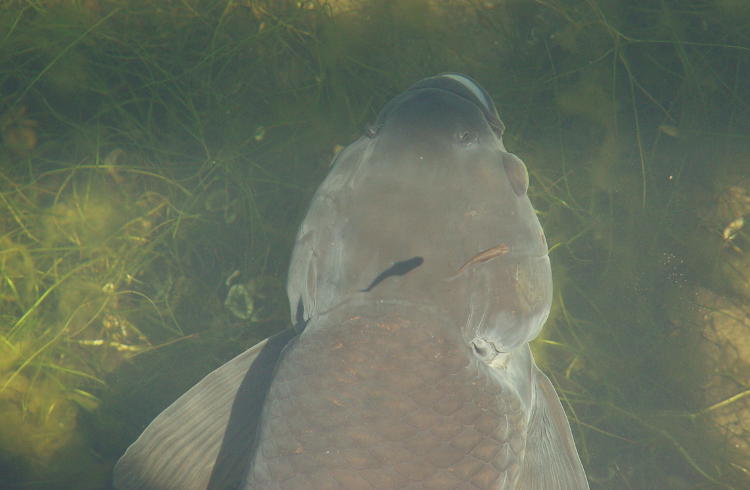
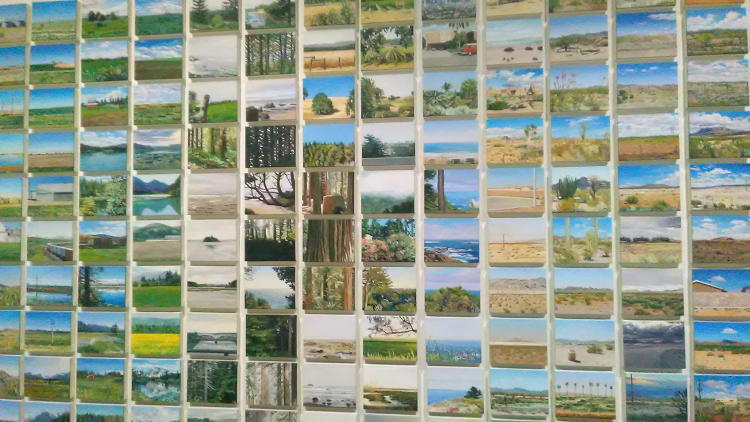
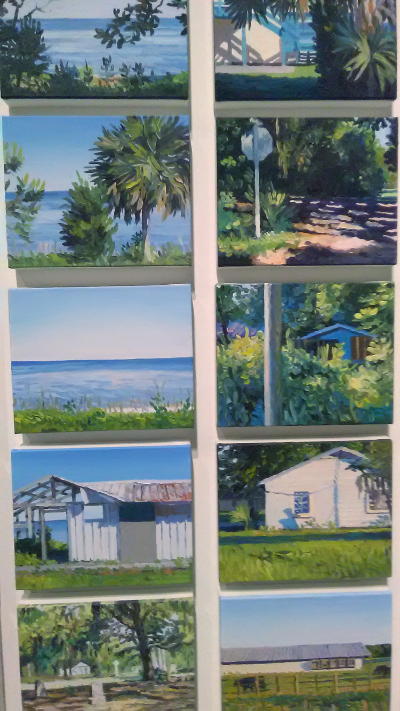 I was shooting with my [*blech*] my smutphone, without the benefit of a flash, so I ask that you excuse the quality of these images. No, wait, never mind – it’s intended to look this way; it’s incisive yet whimsical commentary on technology from a post-neo-farcical standpoint…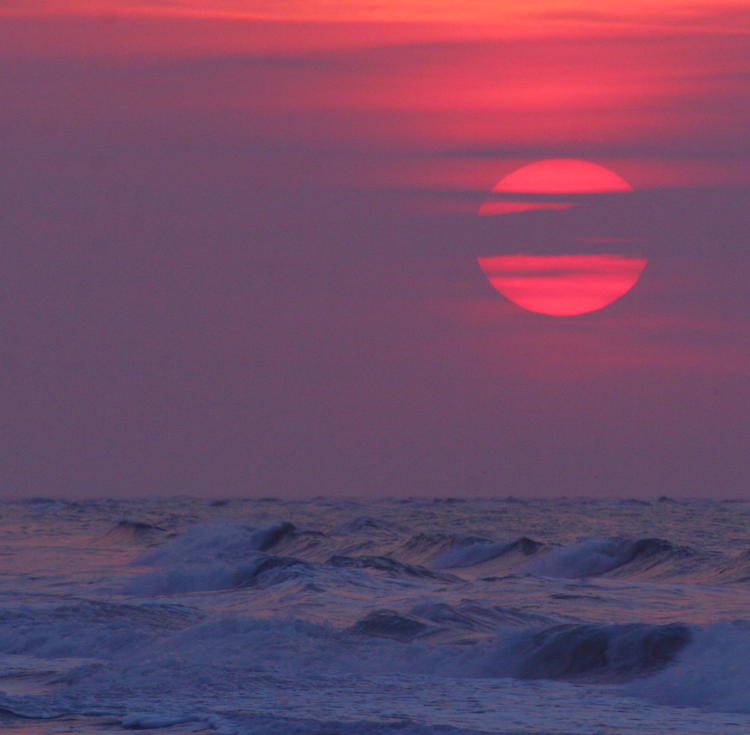
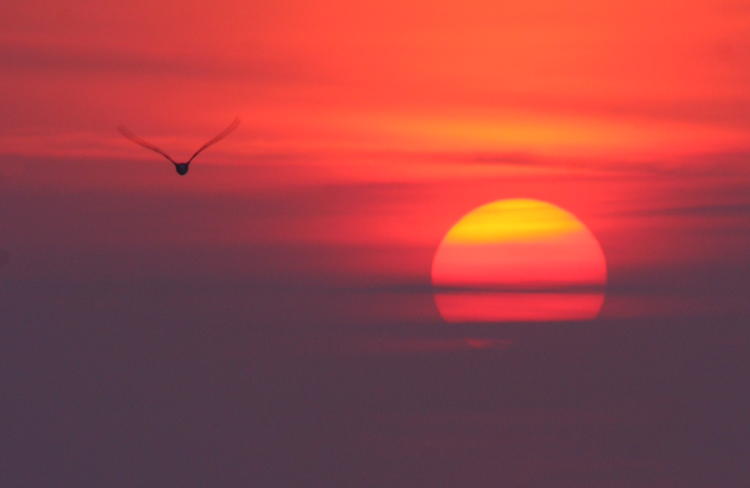
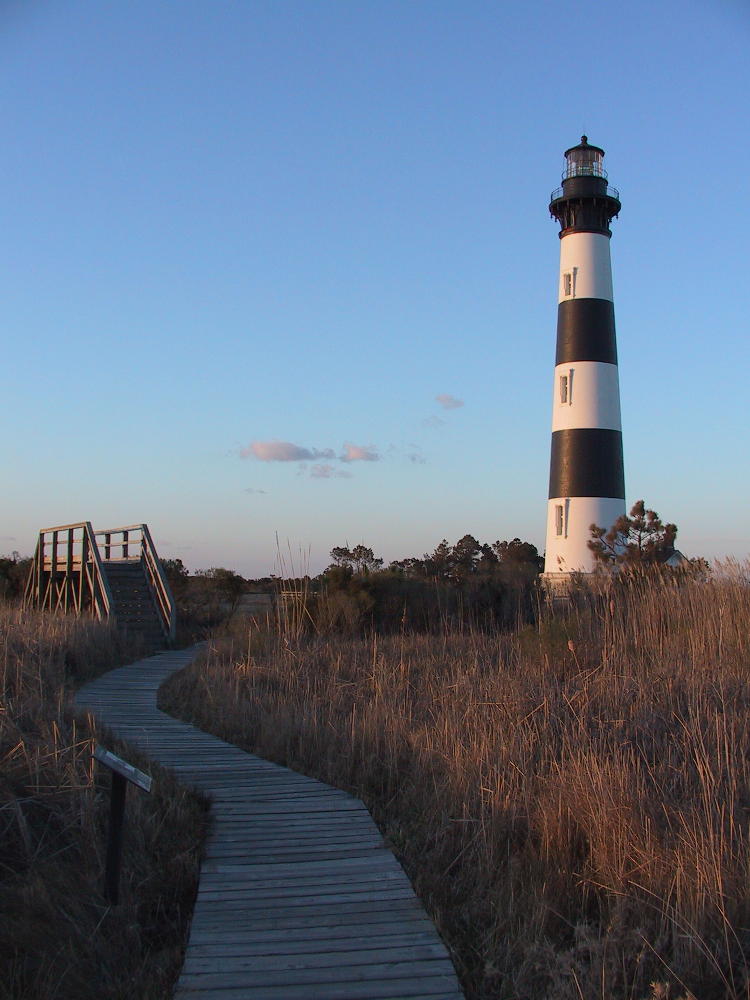
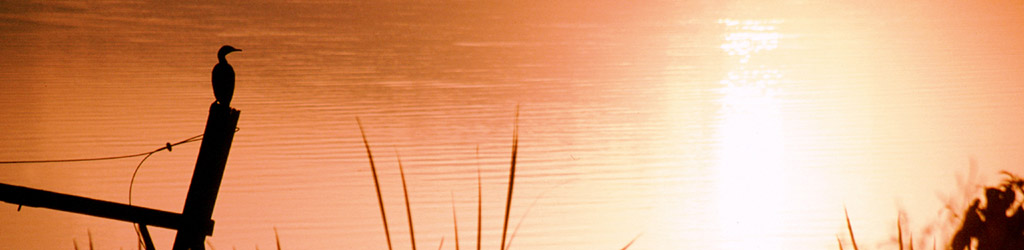
 It’s also easy to do a little color tweak and make some more dramatic colors without looking unrealistic at all – except that I know there was too little humidity, and too few clouds, to produce this. [Yes, it’s really been altered slightly – look closely at the grasses if it helps.] And it’s easy to get into the whole debate about what’s appropriate when it comes to editing, and a lot of it may depend on usage; artistically, you could paint a picture in any damn color you wanted, so is there any big deal when producing an art photo print? While for photojournalistic purposes and some contests, the practice is frowned upon.
 Maybe. You see, I’m not exactly a rating and comparison kind of guy, and things strike me differently on different days. Plus there’s the whole pedantic, “Wait, do you mean best as in writing style, or important content, or illustrative photos, or–… I mean, let’s pin down some criteria here.” I have enough trouble doing this at the end of the year for just one a month, and have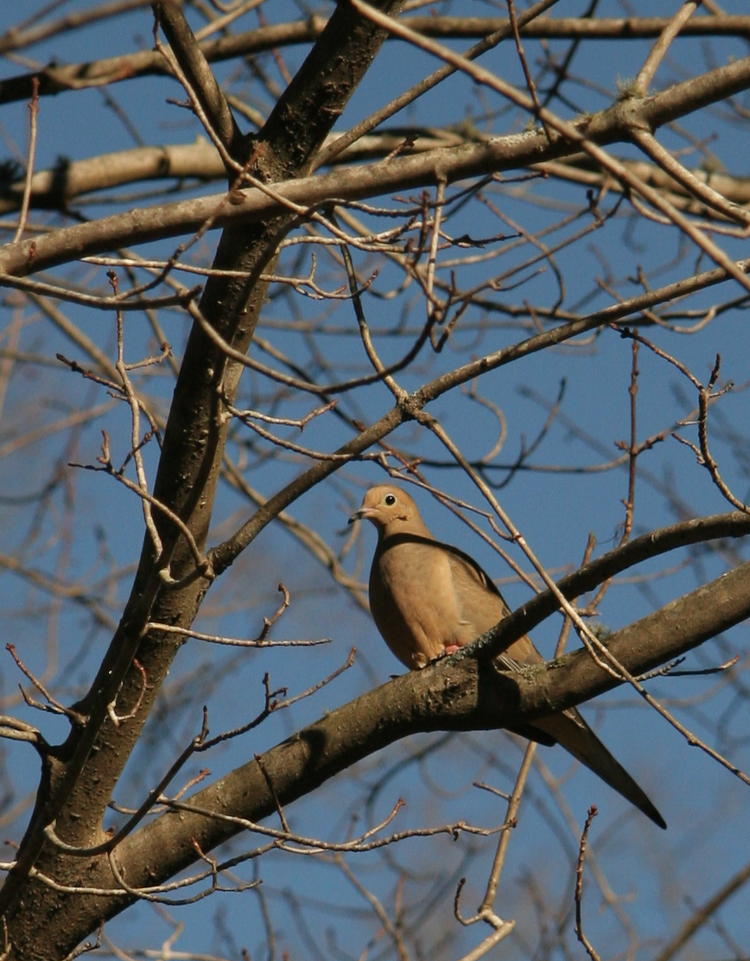
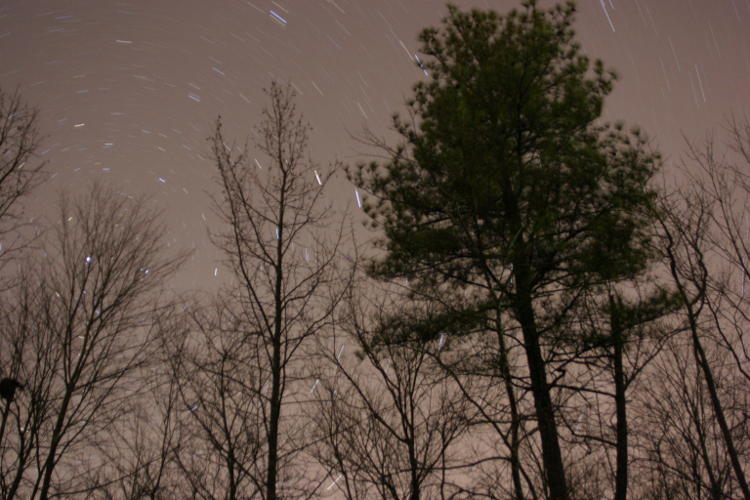
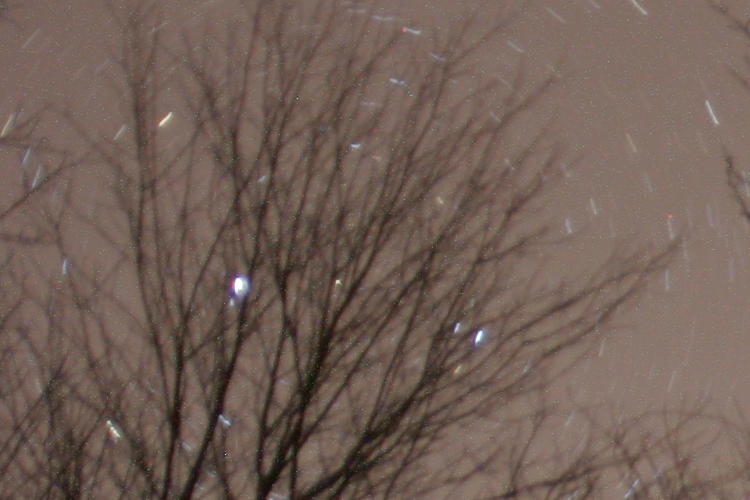
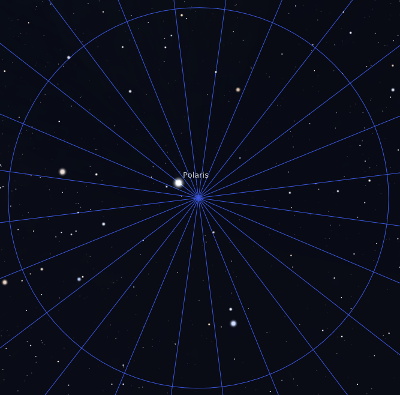 A couple of bits of trivia, while I’m here. Polaris is not exactly along the line of Earth’s rotation, and actually describes a tiny circle over 24 hours (which you will only capture around this time of year from well up north during the Arctic night – in populated areas you have to contend with daylight of course.) Polaris is used to align alt-azimuth telescopes, especially those with tracking motors that counteract the Earth’s rotation to allow for long exposures without these kind of star trails, but they have to be aligned with the true axis of rotation, the celestial north pole, which sits a little ways away from Polaris, as illustrated by this plot from