
I’ve had a small handful of posts (how many is that? What do posts mass? How many fit in an average hand?) in the works for several days, trying to get enough time to sit down and work on them, so this is evidence of them to some extent – there’s going to be a lot of photos in this one. But some of that is due to conditions, too.
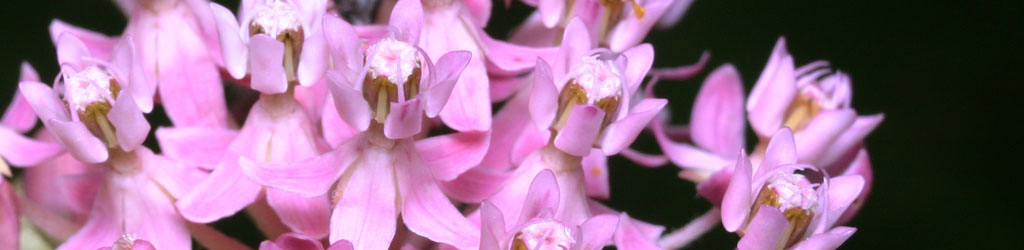
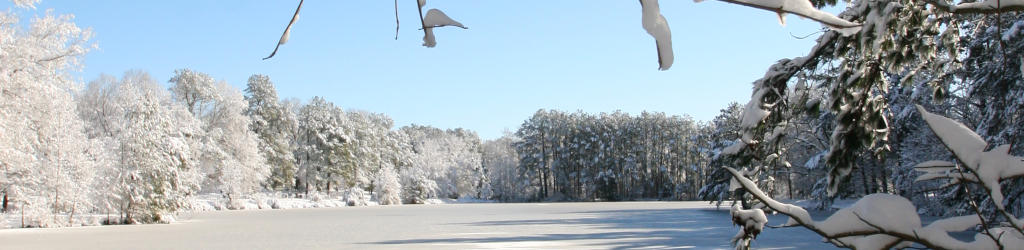
 It is perfectly expected to be mired in the lingering pall of winter at this point, the time when I am struggling to find something, anything, to photograph, and we had a couple of hard snows which would have seemed to indicate that spring might be slow in coming. At left, a common chickweed (Stellaria media) flower, perhaps 8mm across at best, makes an initial appearance in one of the dormant planters in front of the house. I had to make two attempts at this, because when I first spotted the flowers I didn’t have time to photograph them, and that time arrived after dark. This is a flower that closes up at night, so you understand how that went. Eventually, I got out during the day to capture this bare little indication of the better photography season.
Yet we had a spate of remarkably warm weather, and abruptly things were happening. The daffodils emerged, many of the plants in the yard started to bud out, and the rose bush that I had just trimmed back threw out hundreds of new branches. One could easily be convinced that spring had arrived, and while I’d love to believe that, I’m wary of the time of year and suspect that we have another cold snap due at some point.
But damn the practical pessimism – there might be things to take pichers of out there! The Unclean Mr Bugg thought so too, resulted in two outings within a week, making up (a little) for the fact that he’s been missing since christmastime. Okay, that’s not completely true; he tried to schedule an outing when it was grey and cold and I didn’t feel well, which I had to blow off, but that was the only one. And so, out we went!
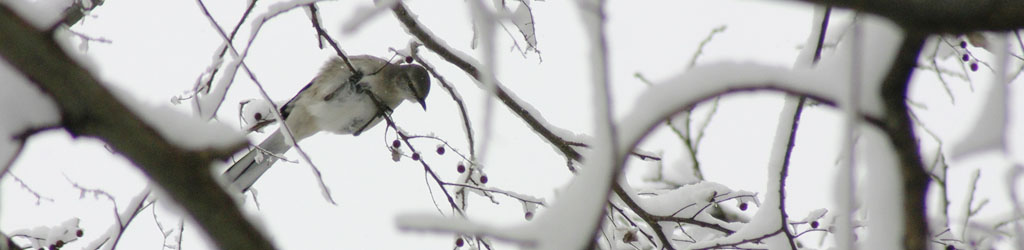
The first was to Mason Farm Biological Reserve, and we were largely looking for birds at that point. They were more scarce than normal, but it was afternoon and not the ideal time to be chasing such subjects, even as we enter mating season. We still got inordinately lucky, right from the start. At the calls of two barred owls (Strix varia) pretty close by we froze, and a pair cut right across the path in plain sight, alighting in some trees roughly thirty meters away. By the way, I’ll take a moment to scold whatever ornithologist or naturalist that named the barred owl, or perhaps the barn owl – whichever was named second: it is perpetually tedious to keep orally explaining to someone the difference between the two names, which inevitably means I’m saying, “Barrrrred-duh. You know, with bars, the stripes across the plumage.” If some stupid sonofabitch names a new species the bard owl, I will hunt them down personally and kneecap them.
One of the owls was spotted (no, not with spots, you fool, but espied, discovered, arrested visually) on a branch in relatively plain sight – which demonstrated how good those bars are, because even then it was damn hard to see, but you know, this is what I’ve been doing for years, so no biggie [polish nails]. That’s, naturally, if I don’t tell you about the second owl, which was never seen again, yet still likely to be perched in another tree giggling at us. We crept closer, snapping off a few pics under the forest canopy in light overcast conditions – not the ideal time to be chasing photos with a long lens. Our subject, back to us, took off and flew to another tree not far away, and I watched it carefully to note its position as we crept still closer. Eventually, it turned fixed its gaze on us. I am under no illusions that it didn’t know we were there all along, since we were conversing quietly and owls have wicked sharp hearing, but I think it was more intent on its territoriality and/or courtship and was ignoring us as long as possible – it even craned its head around when the distant calls of a red-shouldered hawk were heard. But yeah, with patience we got some nice facial shots, and I think it’s pretty obvious that we see it here from the back.
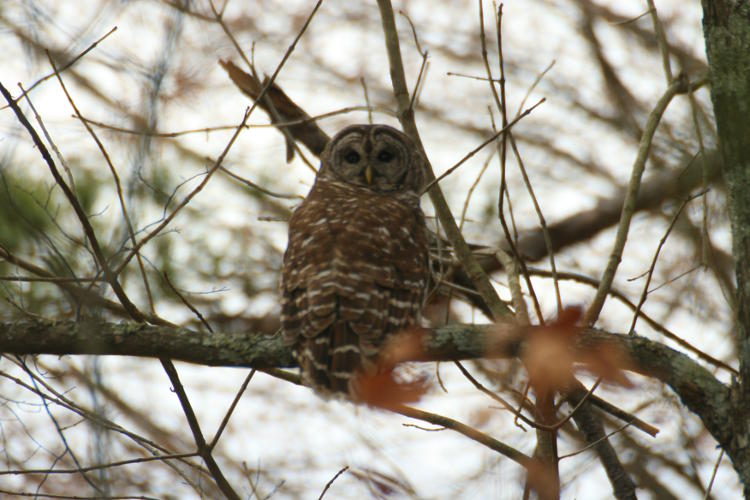
I was over-exposing (from what the camera suggested) by a full stop because of the lightness of the background, with boosted ISO and a monopod for the long lens, and this still isn’t as sharp as it could be – like I said, not ideal conditions, but snagging an owl pic in daylight is uncommon enough, so I’m not complaining. And you know me – I can complain about anything.
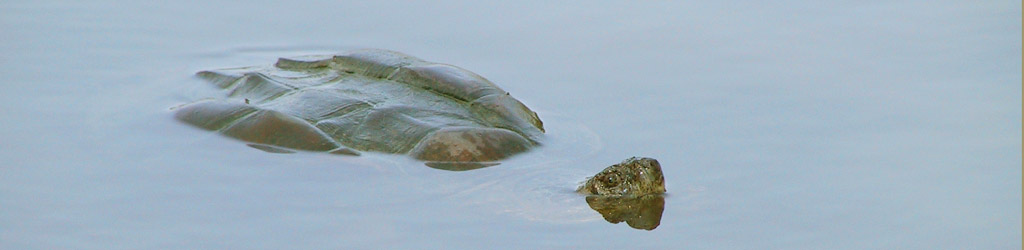
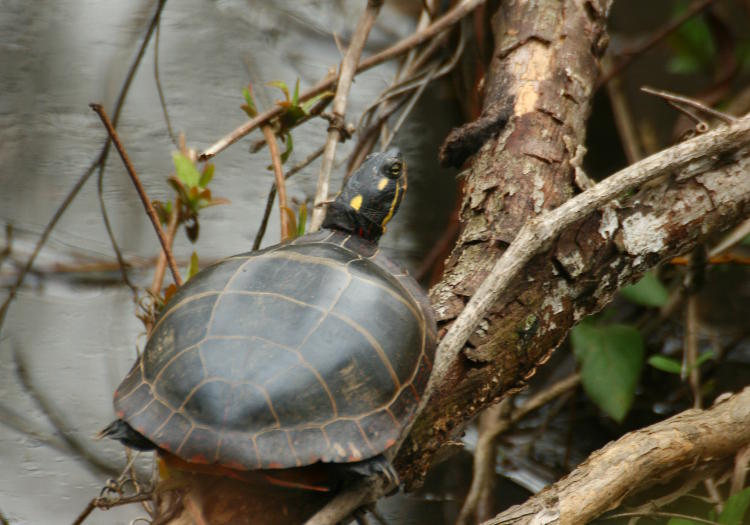
Others were making it clear that they believed spring was here too. The frogs were already calling, and in several places we found turtles basking. I usually consider the appearance of the frogs to herald the spring shooting season, so there were gratifying to see. Here, a painted turtle (Chrysemys picta) turned its head this way and that to watch us warily as we passed, which was quite curious; they usually don’t hesitate to dive into the water as soon as they know someone is near, but a jogger even passed as we stood there shooting, and the turtle turned to watch him go without even twitching from position.
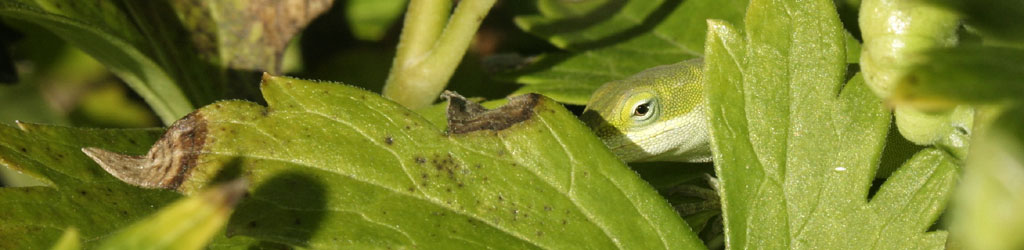
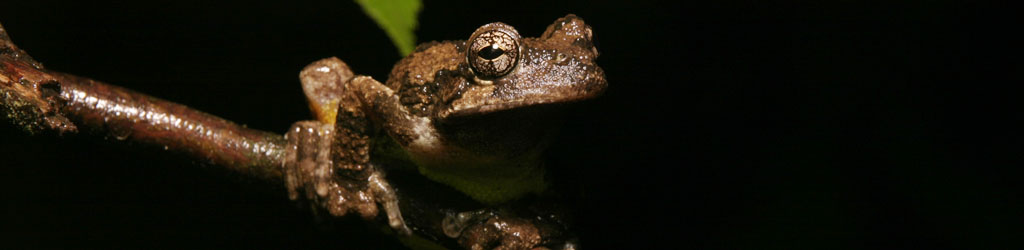
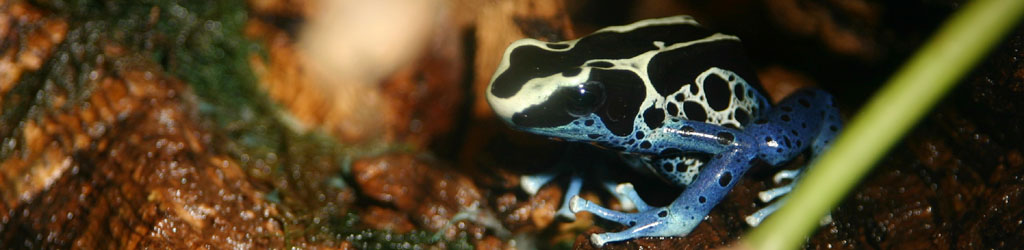
Mason Farm didn’t offer a lot else worth mentioning or displaying, so we’ll move on. A few days later, I was doing yard work before I had to meet Mr Bugg again, and casually plucked a few fallen leaves from where they had nestled over the winter within the branches of a small shrub. A flash of bright green had me thinking the shrub was also leafing out, but better focus revealed it to be a green treefrog (Hyla cinerea.)
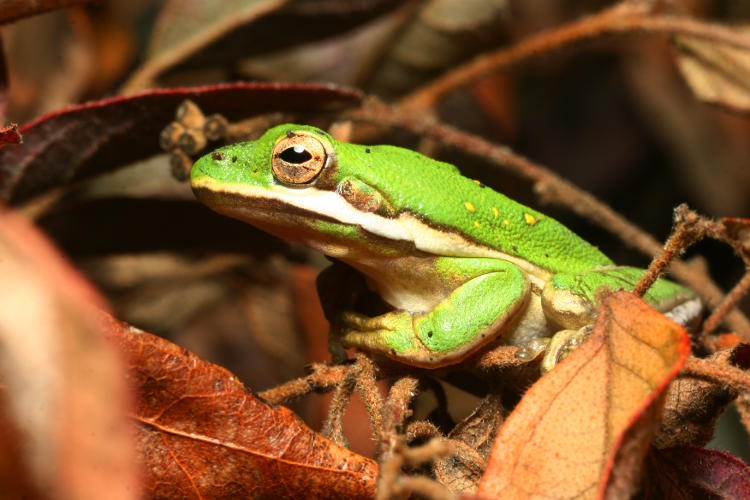
Notably, this was the exact same shrub (or its immediate neighbor) where I had photographed the one unearthed, literally a ha ha, from a bag of potting soil last year; I was trying to encourage it to use the bush’s soil for its winter hibernation, but suspected that it had rejected my suggestion. I’m still not sure this is the same one, since it has bigger yellow spots on the back than I see in the pics from last year, but it’s also thinner and less hydrated from hibernation, so… maybe?
[On an unrelated side note, did you see how the background details mimicked the curve of the frog’s back, actually framing it? How about the other twig that points right to the main focal point, the eye? That’s careful composition, that is, a master at work. Okay, I’m sorry, the truth is it’s wholly unintentional and serendipitous, and I’m only admitting it here because nobody reads anything on the internet, so this is my little inside joke. Also, I spit in your milk back in the third grade.]
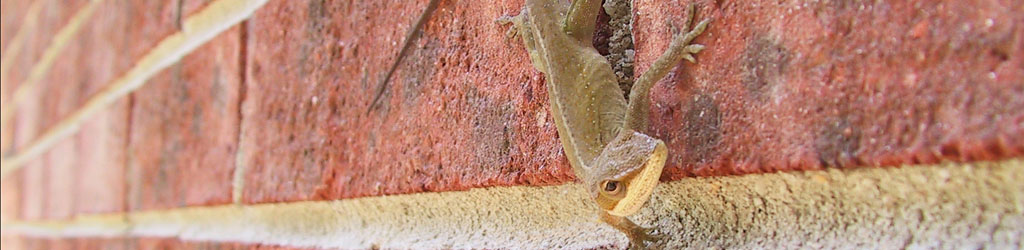
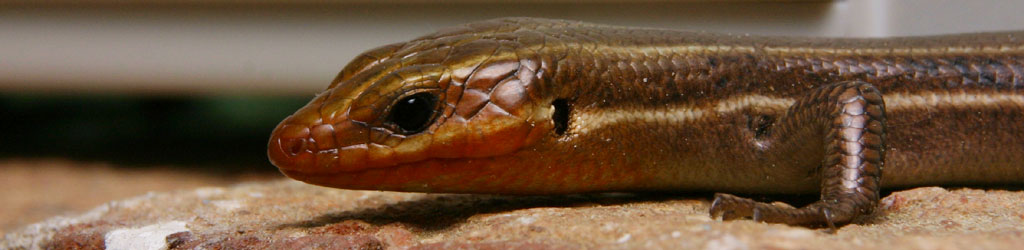
After that, I picked up Mr Bugg at his place, and spotted/espied/discovered/arrested a green or Carolina anole (Anolis carolinensis) basking on a solar landscape light. I was able to go back to the car to get my camera, but as I worked my way in closer it started stirring warily, which I hopefully captured with this image.
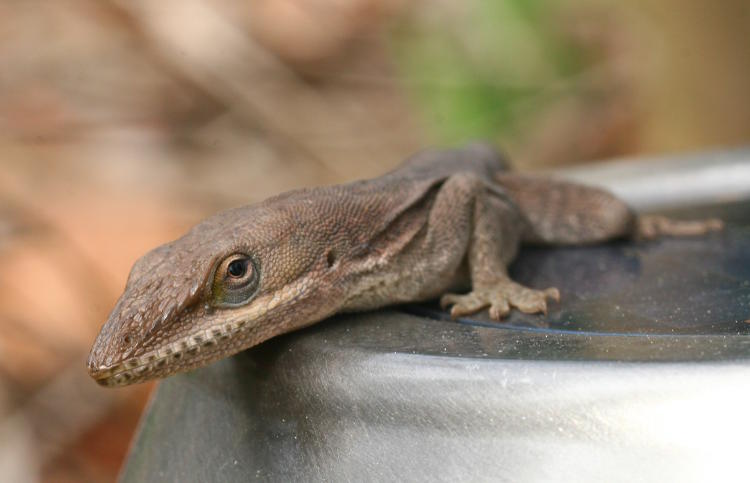
Stop arching your eyebrows; the ‘green’ in the name comes from the Latin root graein, meaning lizardlike, and isn’t a reference to color. Sheesh.
That’s another lie; it really does refer to color, usually just a hair less vivid green than the frog above, but anoles have the ability to change color due to mood, and this might have been a reflection of its new emergence.
We didn’t know what to expect at our next stop, which was West Point on the Eno River, but I announced my skepticism that the snakes would be out yet. Naturally, that was the first thing we spotted.

Really, immediately off a busy path, this northern water snake (Nerodia sipedon) was sitting motionless – I thought it could have picked a better place, since it was asking to be attacked by overreactive visitors or disrespectfully unleashed dogs, but there it was. Northern water snakes are quick to bite but utterly harmless, yet constantly mistaken for something with more consequences (i.e, venom,) like cottonmouths or copperheads. This one was almost certainly fast asleep, and we were able to go in quite close for portraits. The next shot is a tight crop of another image, still not full resolution, but certainly not the entire frame.

Snakes don’t have eyelids so they don’t look asleep, but this one almost certainly was to allow this kind of approach. By the way, to help with identification: round pupil; venomous snakes have slitted pupils like cats. Dark portions of pattern on back is widest along spine, and heads are dark and patterned, unlike copperheads. Very thick body and neck; copperheads are more slender. Upper lip has vertical stripes, and no horizontal stripe through the eye, unlike cottonmouths (which do not live in the area anyway, despite rampant folklore.) Also, the broken band pattern towards the tail, seen further up, distinguishes the northern water snake from the banded water snake, which are otherwise virtually identical.
And more frogs were out.
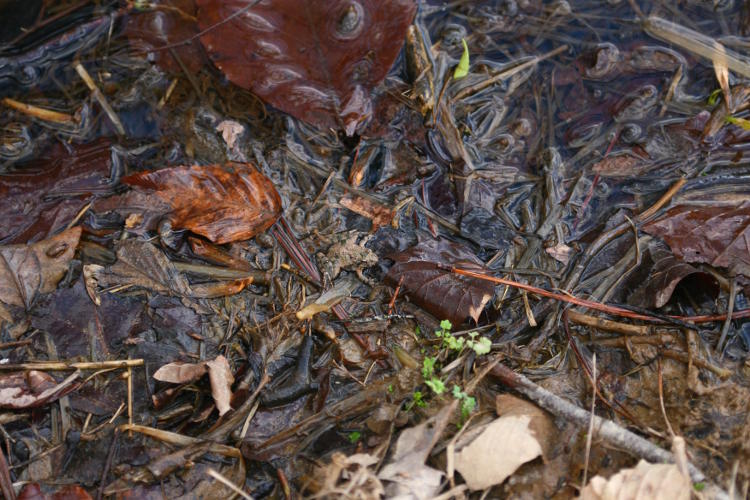
In most cases, however, you had to be sharp-eyed. The little chorus frogs were out in force in some ideal places, but usually not visible at all until we stepped close, whereupon they launched themselves into the water, or at least away from our feet. If you’re having trouble seeing the frog, good – that was the intention of this photo, though it sits immediately in the center of the frame. And at 20mm in length, even if you saw it move it might be hard to spot again. Slow and careful approaches would permit better photos, though.

This is likely a cricket frog, but positive identification is a little tricky since the markings can vary so much, and there are northern and southern variants with subtle differences between. I suspect a southern cricket frog (Acris gryllus,) but feel free to crush my delusions of intelligence. I don’t mind. Really.
Here’s a view of another specimen, that I include just for giggles.

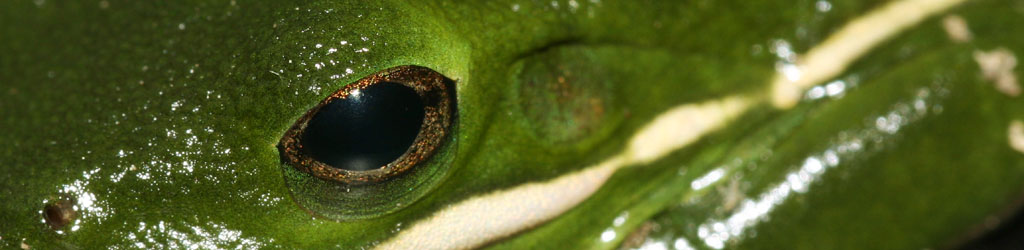
I had the macro lighting rig with me, but lazily had not taken it out for these shots, so we’re looking at f4 just to prevent a slow shutter speed in the shade under the trees. But there was a bit of indirect light from the sky, as we can see when we examine that reflection in the eye.
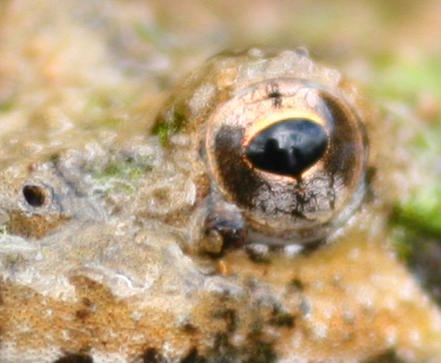 You can see the semi-cloudy sky, and the silhouette of my head slightly to the left, while Mr Bugg is standing upright a bit more distant to the right. This is full resolution, by the way, and to get this I was flat on my belly on the ground, elbows starting to sink into the soft peat at the river edge. Believe it or not, it’s slightly easier to get the portrait images rather than profile, because you’re cutting off the frog’s intended direction of retreat and they have to reposition themselves to hop in another direction – for some reason they seem reluctant to do this, at least if you move slowly enough.
A little further on in much softer conditions, I saw a rock which didn’t look right.
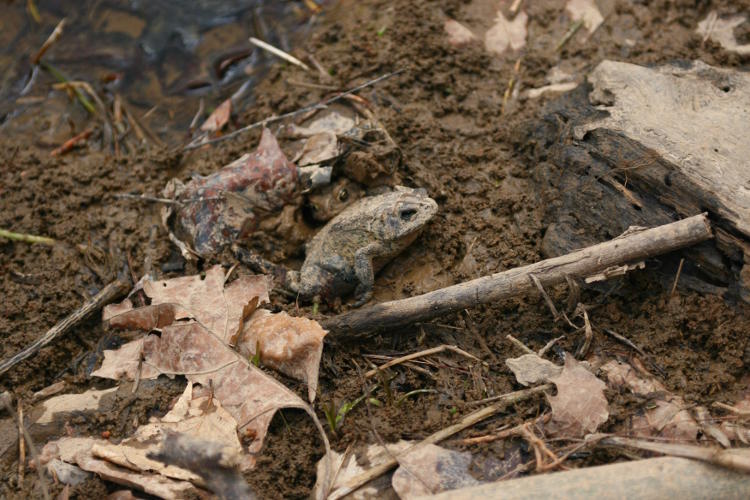
I thought this looked a bit too frog-like in shape, and the 80mm focal length seemed to confirm it, but the additional detail of the dark eyes told me that it was probably a dead specimen. Then I saw it move, and went back to thinking it was a new emergent from the mud of hibernation.
There’s more detail to be seen in that image, though, so look closely. Because it becomes more obvious with the next shot.
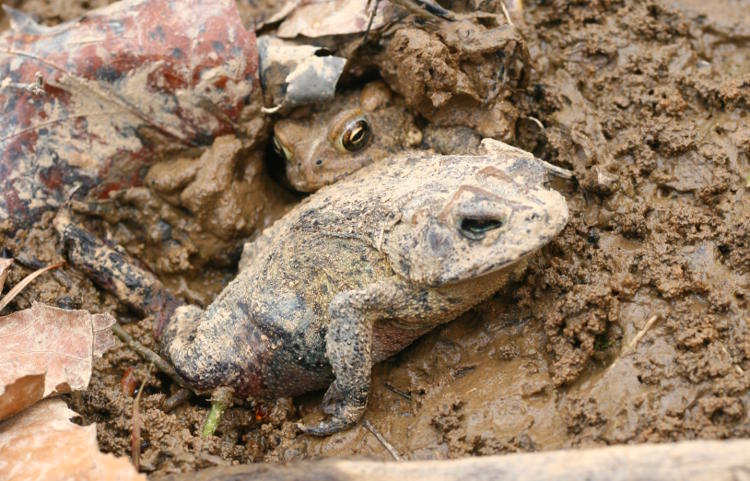
Yes, that primary one is dead, and noticeably swollen, but the one immediately behind it isn’t. That’s an American toad (Anaxyrus americanus) back there, responsible for the movement of the corpse that I saw, but what exactly is going on here I cannot say for sure and don’t want to speculate on. It’s possible the dead one was exposed during the winter while the live one was deep enough to escape that fate, but that’s just a wild guess. Other than that all bets are off.
While out there, we heard more barred owl calls, one from across the river but one contesting it from our side, clearly a territorial display. With a few repeats I pinned down the rough location and, having a little familiarity with the quality of barred owl calls, I knew it wasn’t too distant, and just off the path we were on. There were two trees that seemed likely, between 80 and 100 meters away, and so we started creeping closer, stopping frequently to examine the trees for the camouflaging patterns of the owl. The first tree yielded nothing, but within the second I soon noted what looked like a tail as I rounded the trunk. Another two steps confirmed it.
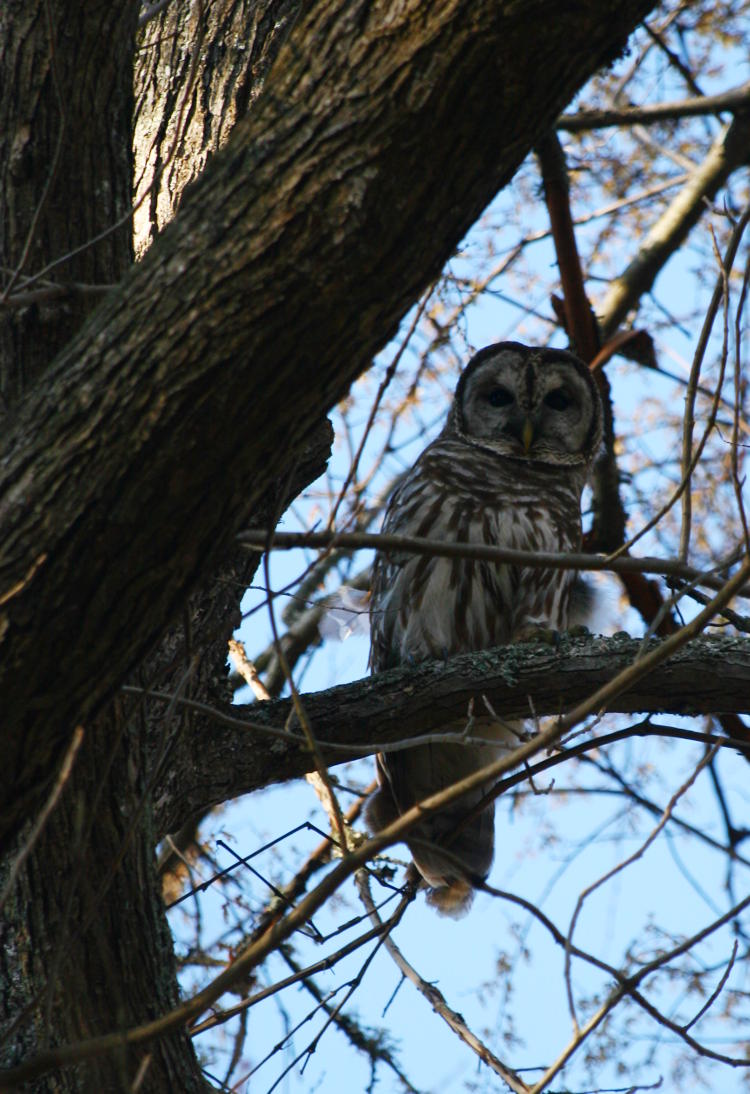
This was a nice little vindication of my nature photographer skills – well, partially, anyway. There was no way we were going to approach an owl undetected, but my estimate of location was perfectly accurate and I was ready with the camera as it hove into view, peering at us with intent suspicion. I got off only two frames before it flew off, and should have had exposure compensation ready, but didn’t – that’s why I said “partially.” This is tweaked slightly brighter in post-production.
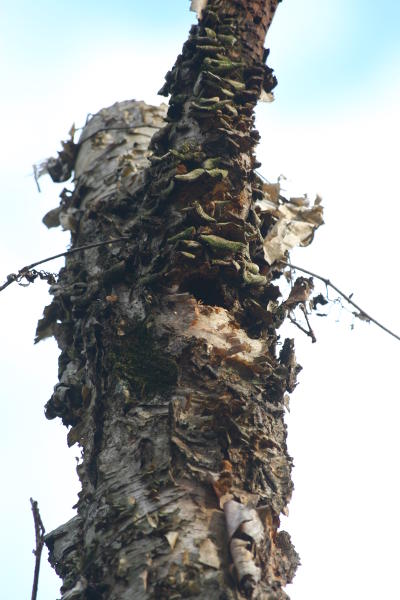 There’s also less vindication of nature photography skills from this one, and commensurately less to show for it. We’d already passed this stump when I heard the soft tapping, presumably of a distant woodpecker, but as I turned back to examine the trees across the river I thought my triangulation seemed a little off. Another couple of steps confirmed it, and with the 100-300 lens I spotted the nest opening at the base of the branch, on a stump on this side of the river; someone was busy within shaping their nest hollow. Flushed with my success from capturing the brown-headed nuthatch, I waited patiently for the bird to appear in the opening. I don’t hold my arms up over my head for much, and though the camera wasn’t heavy, it soon became fatiguing to keep it to my eye, so I did a lot of spot-checks as I waited, pretty much every time there was a pause in the tapping. Going from the timestamps on the photos, I waited at least fifteen minutes, standing there at the base of the stump, before I gave up on seeing the builder emerge, even when I knew I would never get the shot unless I was more patient than that. Now, if I’d brought the tripod and could sit beneath it with the remote-release in my hand, that might have been a different story.
Overall, it was a pretty successful outing, even when I’d gotten a few decent images before we’d arrived. The weather was exceptionally comfortable, not hot and not at all cold (we were both in shorts and wading sandals.) By no rights should I have pics like this from late February, so I’m pleased. And yet, still pulled off a bonus shot too.
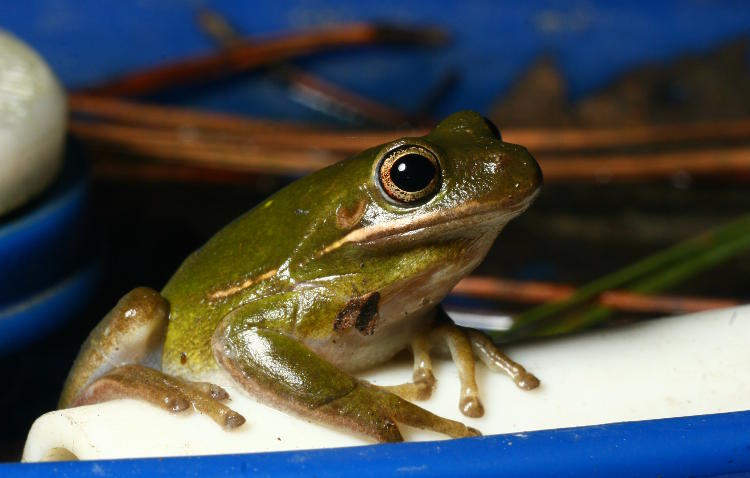
Later that same evening, I went out back to check on the backyard pond to see if the frogs there were stirring, and as I passed one of the rain barrels, another green treefrog was found perched on top – obviously this is a different specimen than earlier, and allowed me several shooting positions. And I spotted a little blip of something submerging within the pond, too, so I’m comfortable that pics of the green (not tree) frogs from the pond will be along before too long. Plus, I still have at least one other topic awaiting my attentions, so I should get another post in before February ends, on top of the end-of-month abstract.
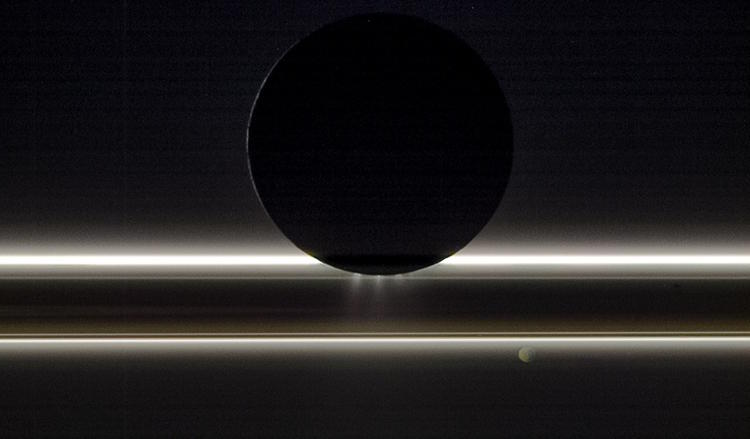

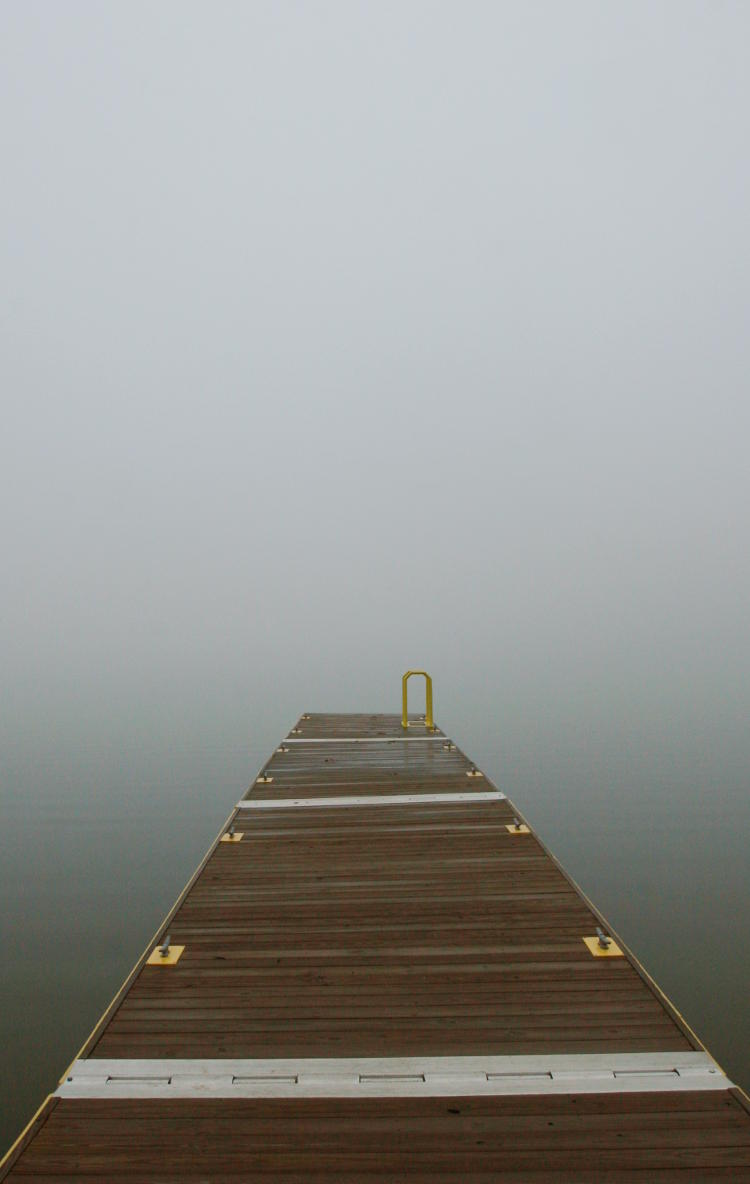
 I would like to give credit for this photo, but it’s one of the millions on the internet that were lifted from somewhere and make the rounds without attribution – oh, you internet! Anyway, it looks pretty bizarre and definitely puzzles a lot of people, but it’s actually not hard to determine how it came about, provided you know a simple trait about some cameras.
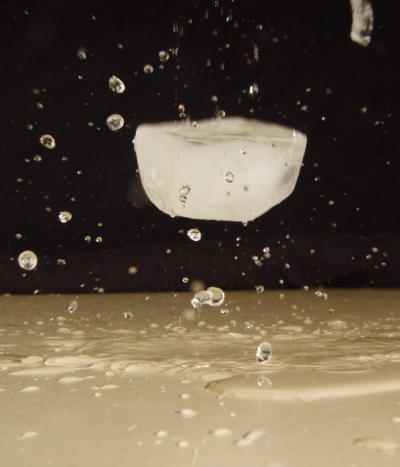 And one last trick, another way to overcome the limitations of a focal-plane shutter. In dark conditions, you can actually lock the shutter open, and use a flash as the sole light source, so the brief duration of the flash is the actual exposure time of the image (this usually ranges from about 1/1,000 to 1/10,000 second.) This is a method pioneered by the guy that developed the xenon flash tube, the heart of nearly all standard flash and strobe units, in the first place: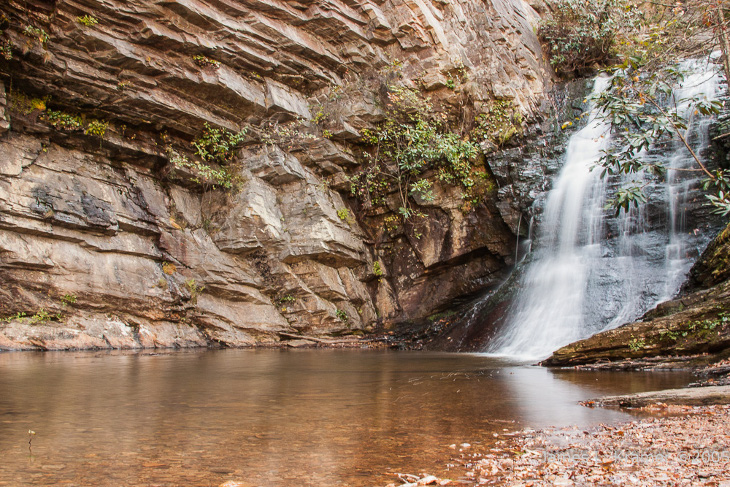
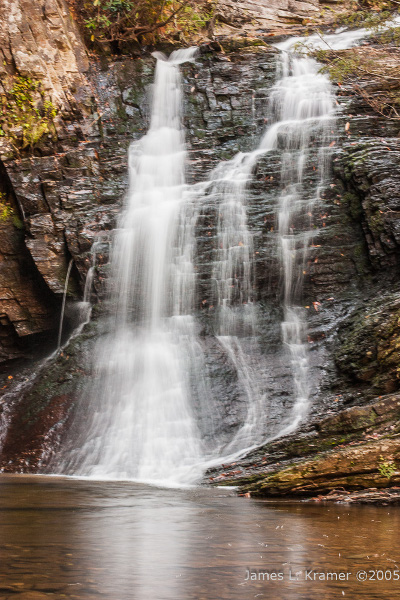 I really do need to get back to this park and do some more shots; I was originally going to take along the

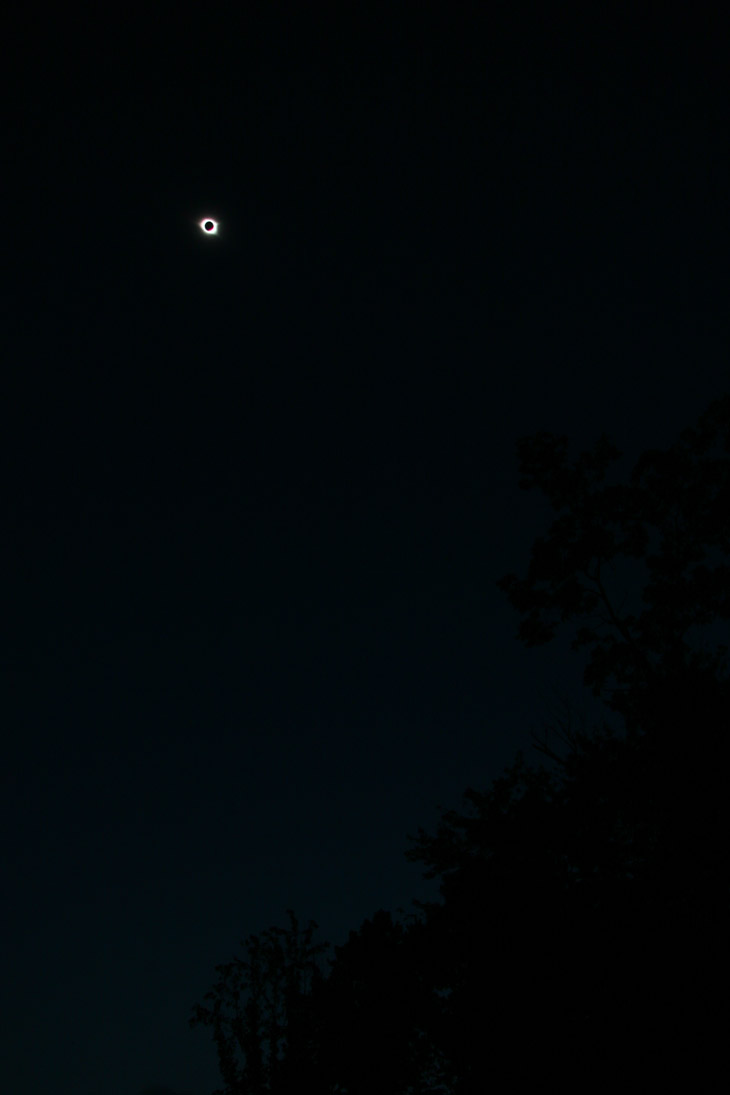
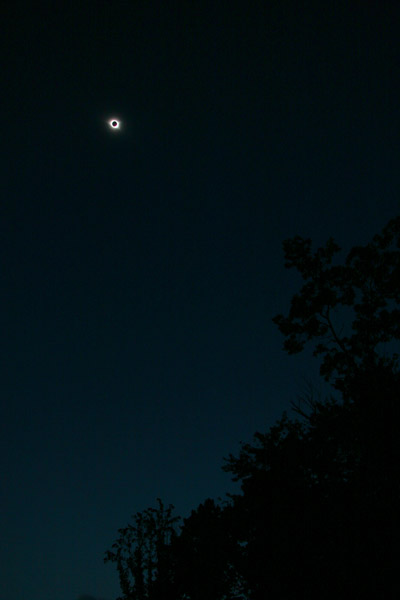 So for giggles, I took that frame and brought up the shadow areas in an editing program, to see just how much of the landscape could actually be seen. Annnnddd you’re looking at it; not too impressive, is it? The sun corona is so small because it was high in the sky – the eclipse occurred in early afternoon in August, so to even get anything else in the frame, I had to shoot wide angle with a short focal length. I could have gone up underneath a tree and gotten a closer shot with some branches, but that was really the only choice, and it wouldn’t have been very illustrative (not that this is, but anyway…) The exposure settings were 1/40 second at f5.6, ISO 400 – pretty much the limit of handholding a camera and getting a sharp pic. And even at that, you can see how dark it came out. Think being several dozen meters away from a streetlight at night: you can see where you’re walking, but you ain’t reading any fine print, you know?