
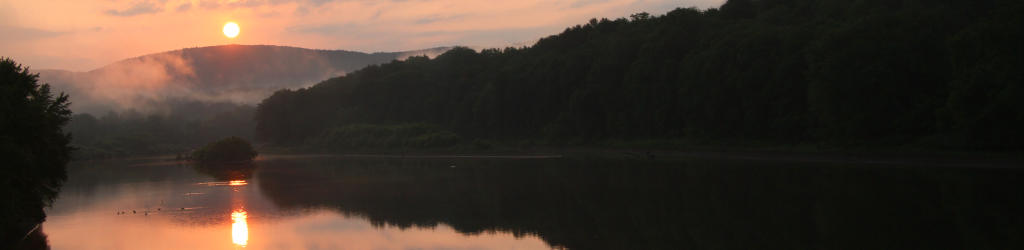
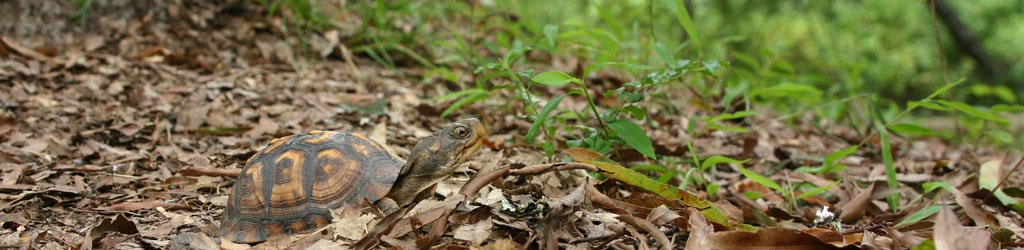
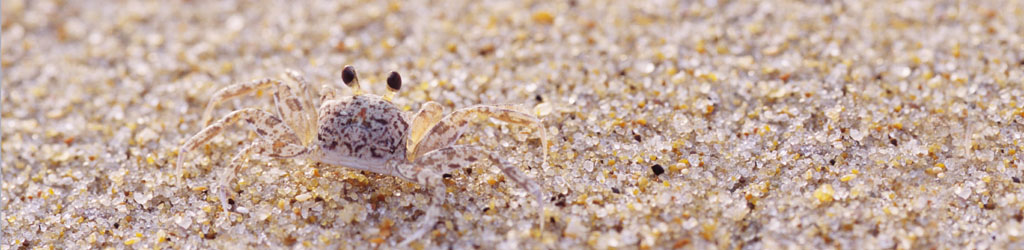
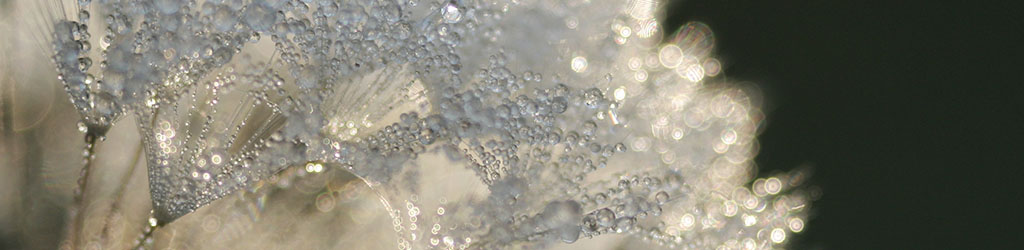
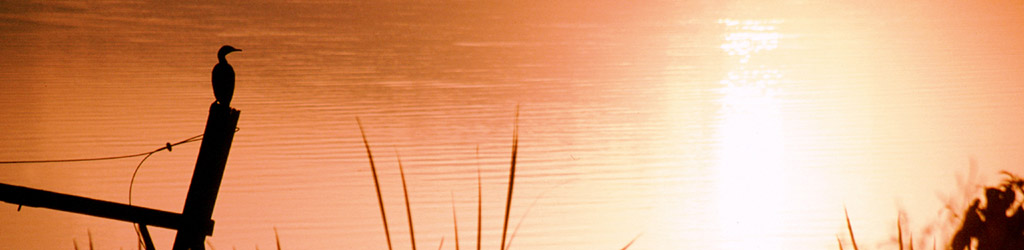
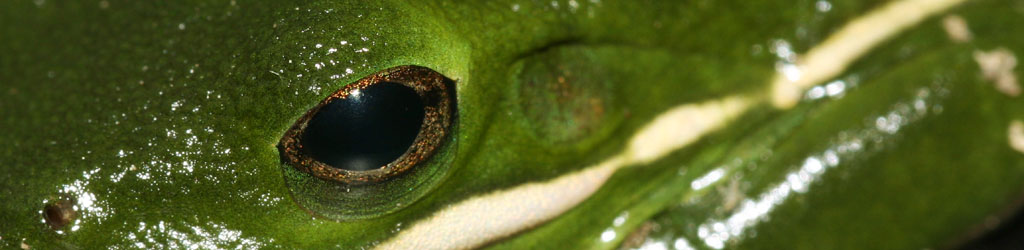
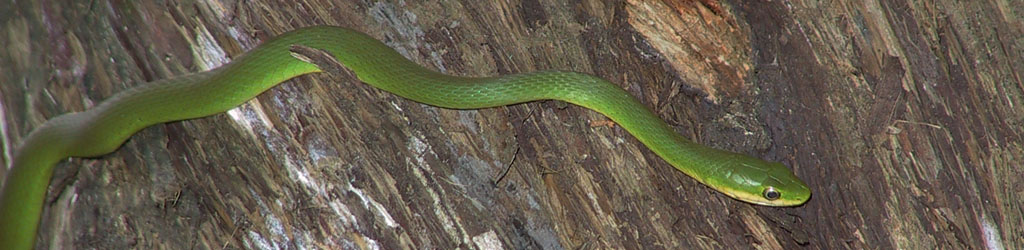
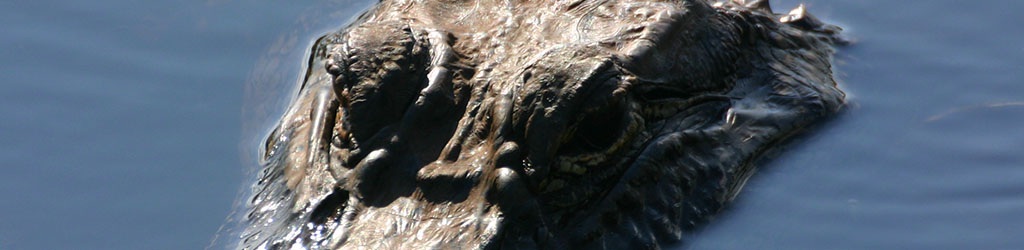
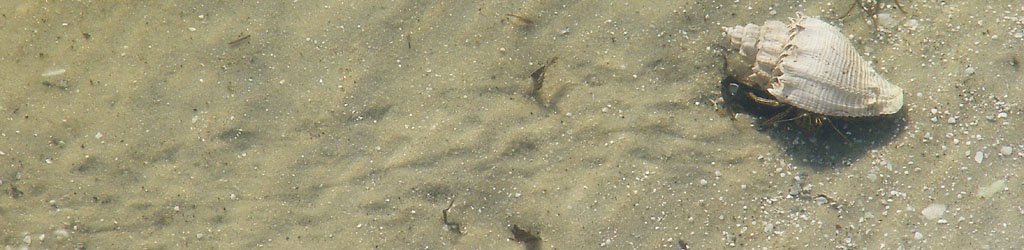
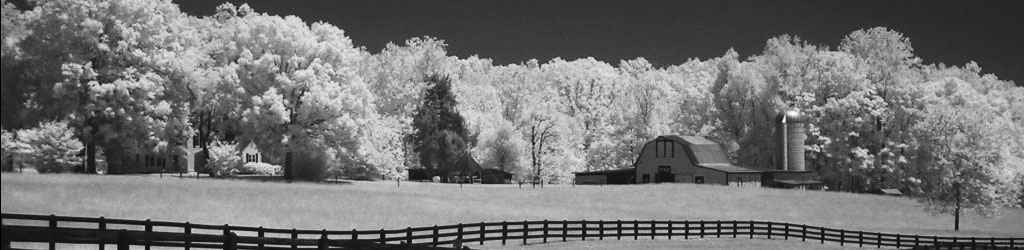
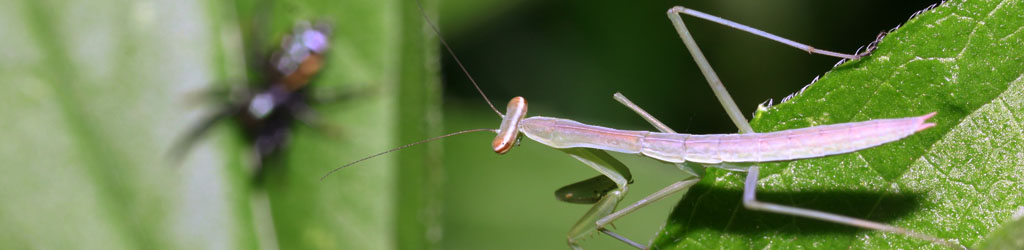
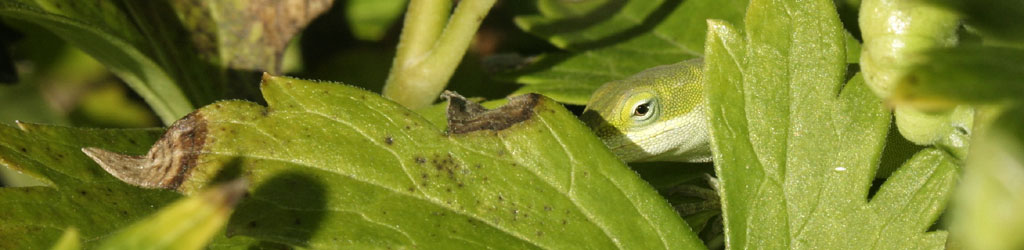
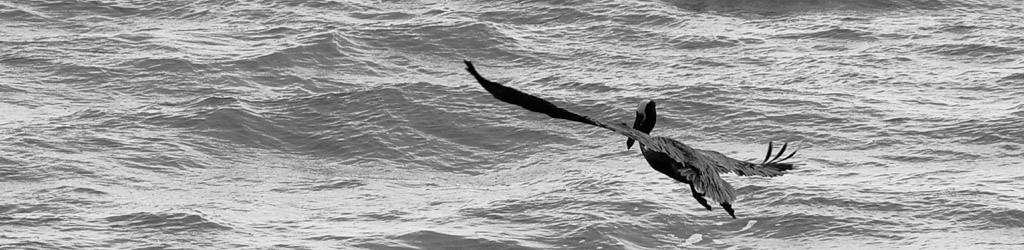

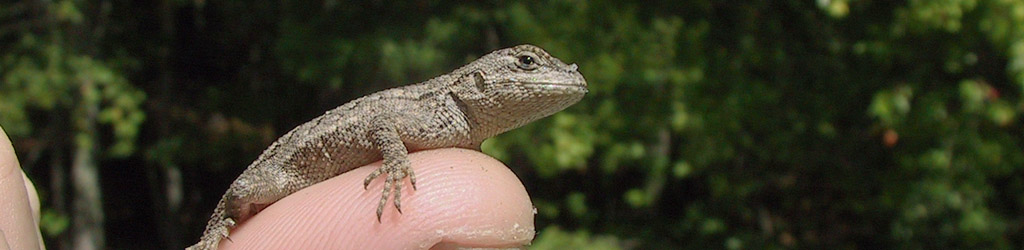
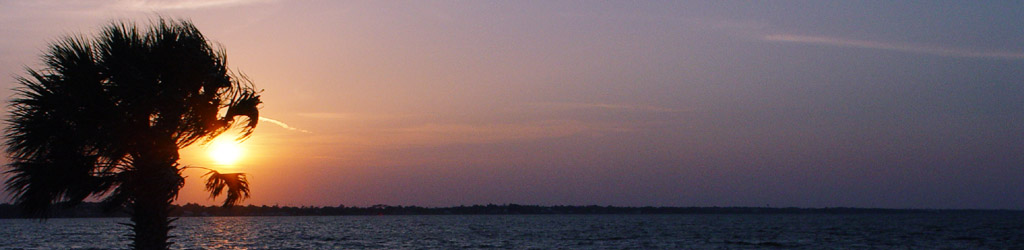

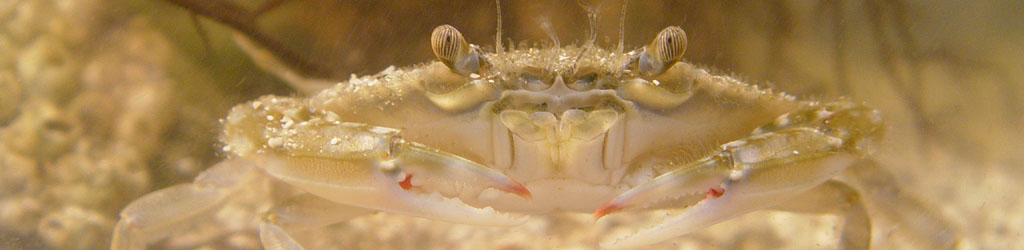
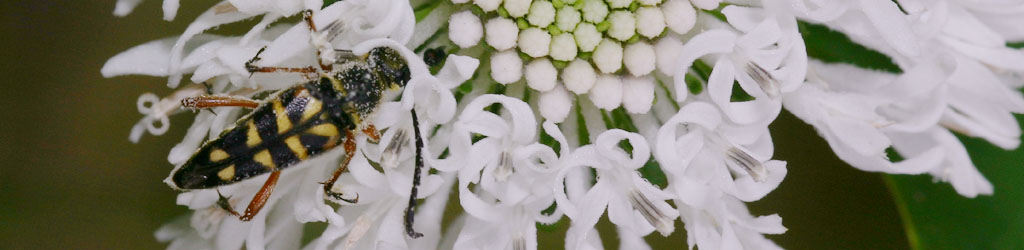
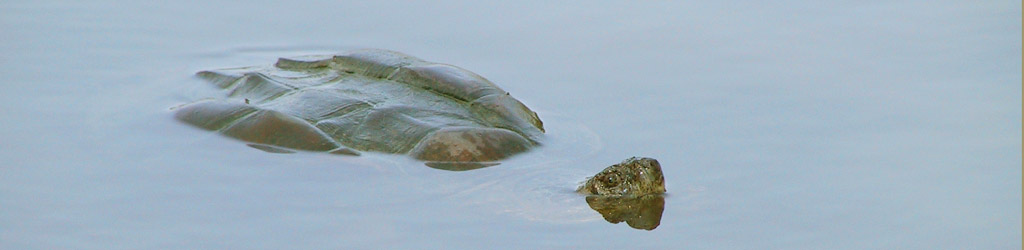
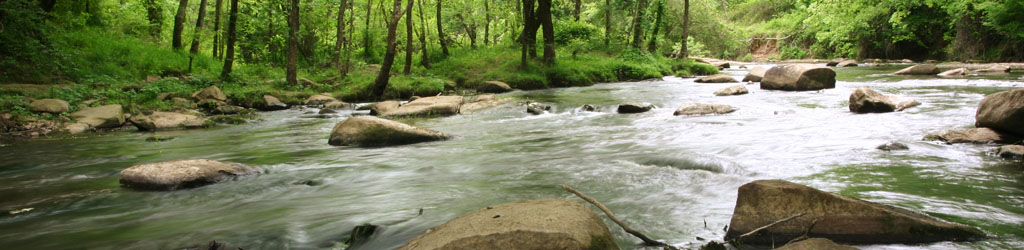
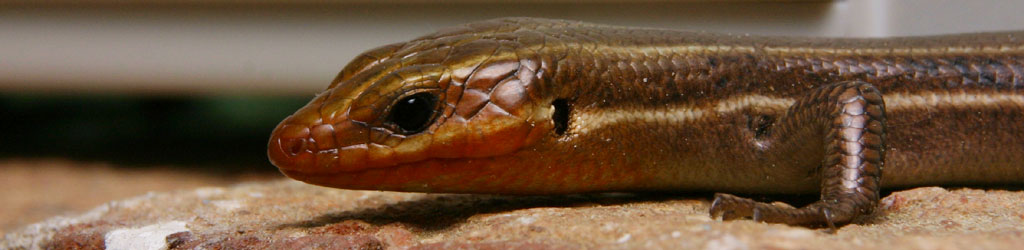
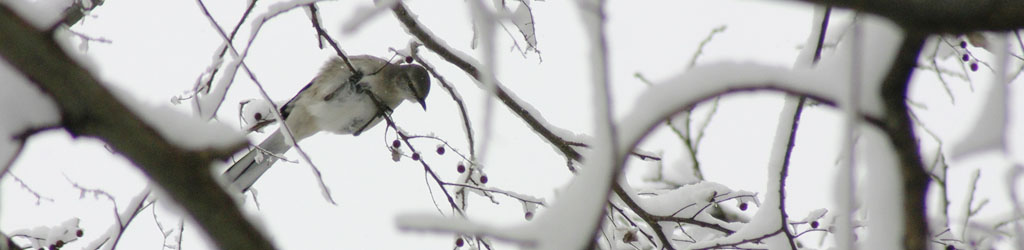
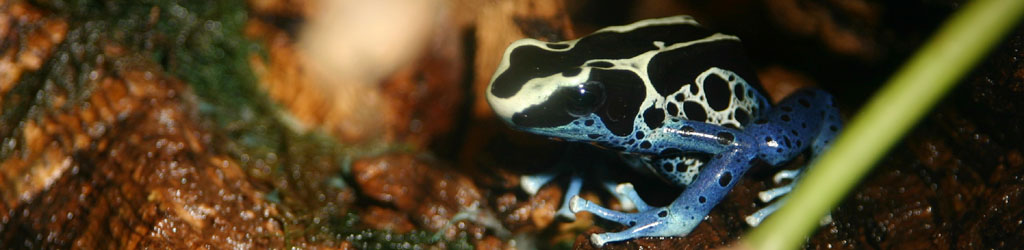
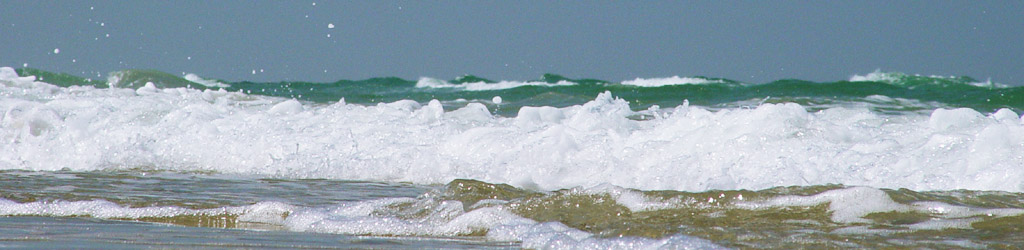
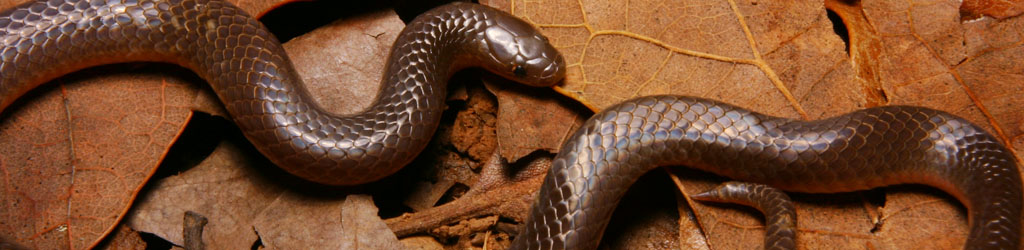
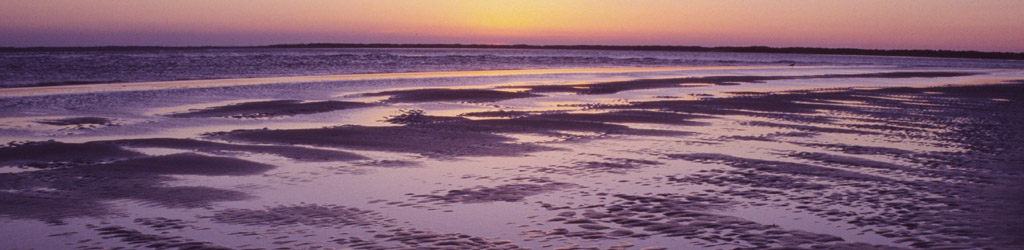
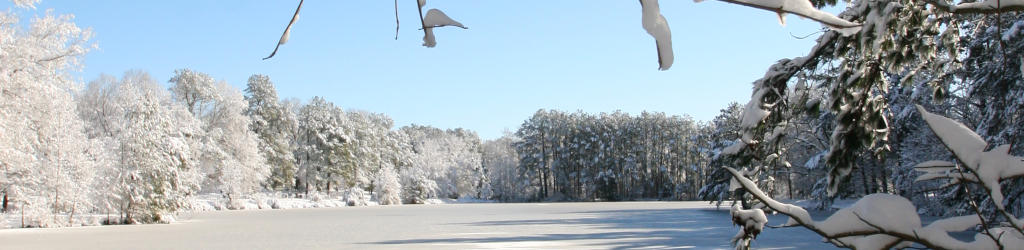
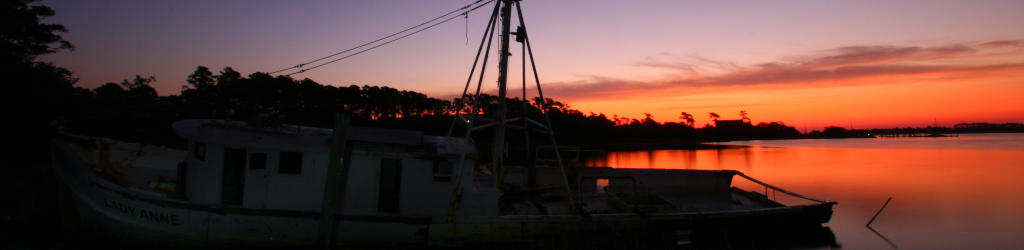
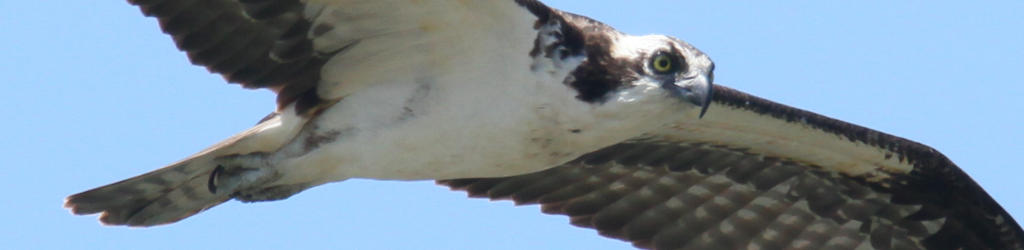
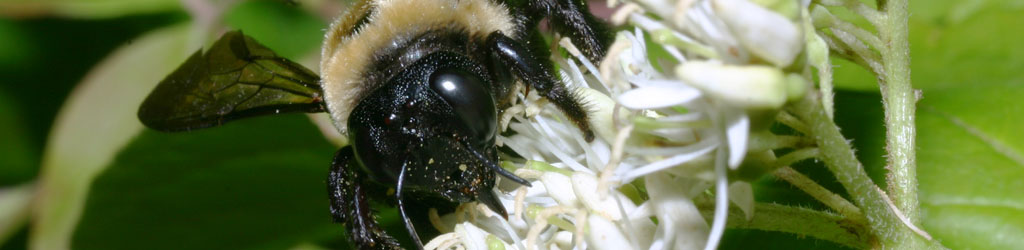
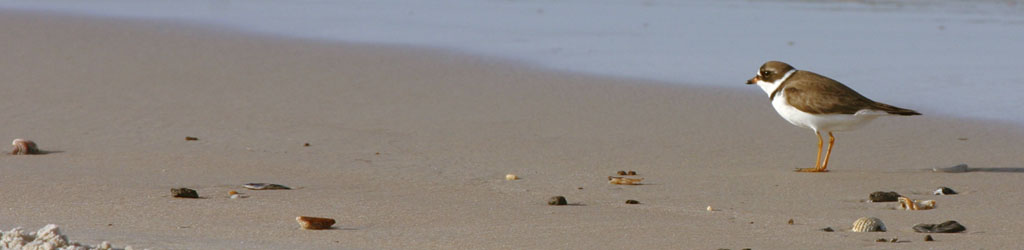
Yes, I know that’s not a photo of a reptile… or, is it? Your challenge is to find the six reptiles in the frame.
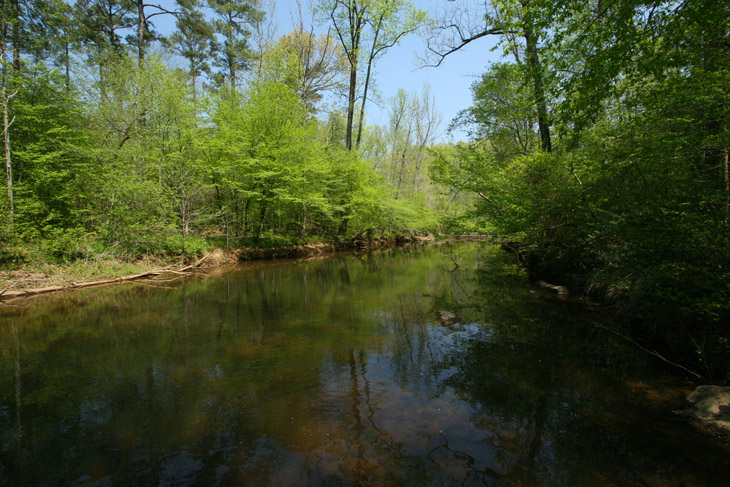
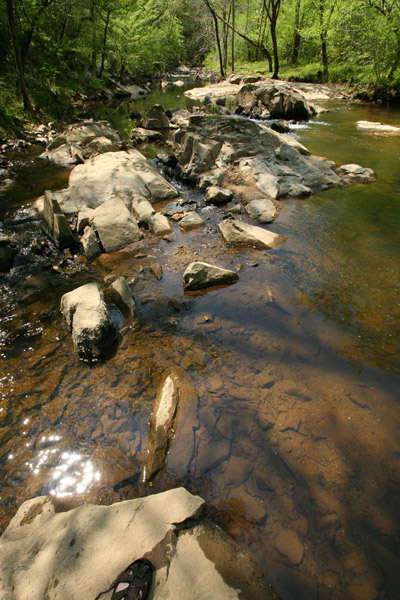 All right, don’t bother, unless you’re masochistic – there are no reptiles visible in the shot. I just picked up an ultra-wide lens, a Tamron 10-24mm aspherical, and I’m showing it off because I’m quite pleased with it. The ‘aspherical’ bit is key, because wide-angle lenses have a tendency to introduce wicked distortion, often called ‘barrel distortion’ in the trade but also described as a fisheye effect, where objects nearer the edge get more and more warped until it almost looks like you’re looking at a reflection in a christmas ornament (or a doorknob if that offends you.) This was due to the simple nature of lens grinding: no matter what the strength, they were always a portion of a sphere, and light coming in along the edges was bent more than light towards the center. This same trait is responsible for the darkened corners of many images when shot at widest aperture (again, called ‘light falloff’ among the cognoscenti, or simply in lens tests.) The ability to cast/grind lenses (I’m not sure how it’s done, actually) in an aspherical shape has improved that tremendously, however, correcting a lot of the distortion at the edges and rendering the photo much more realistically – not perfectly, mind you, but vastly improved over the previous examples. When you look at the image at top, note the trees at the edges, standing pretty damn straight (the ones closer to center don’t count, because they’re on the stream edge and erosion has caused them to lean towards the water naturally.) In the bad old days, the edges of the image in wide-angle photos would be badly curved and the trees notably warped – this is corrected so well it hardly appears to be an ultra-wide view angle. Which is why I included the vertical image to the right. You can see the ‘horizon’ at the top of the image, and that’s my sandal peeking in at the bottom, just to illustrate the width of the frame.
These shots were taken during a student outing to Duke Forest, and you can see how the trees are finally leafing out in earnest, while the weather has not only gotten comfortably warm, it occasionally gets uncomfortably hot. This particular day was mostly comfortable, and Duke Forest is a great place for water snakes (and occasionally others,) so we were on a quest to find them. Curiously, we’d done almost the entire session without seeing the faintest trace, and were close to wrapping up. Partially out of desperation, I put on a longer focal length and began scanning a likely area, a tangle of roots and snags at the edge of the water, away from where the dogs belonging to the people who feel they’re exempt from leash restrictions (Orange County is especially full of them) could scare the snakes off. That’s why I get the big bucks. Or should, anyway…
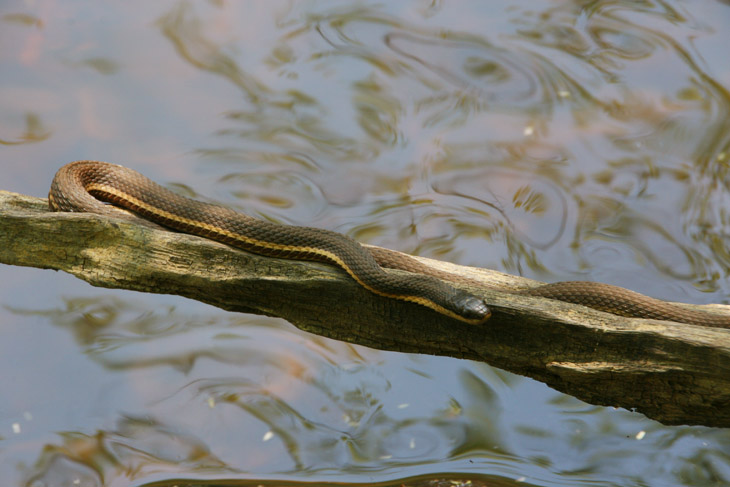
Two queen snakes (Regina septemvittata) were revealed in this way, though neither of these images were taken with that same long lens. Instead, we clambered through the difficult footing to get better vantage points, greatly improving the results. Queen snakes are relatively small aquatic snakes, less common in this area than the northern water snake and far smaller, about the diameter of your finger and completely harmless unless you’re a minnow (in which case the finger thing doesn’t help I guess.) This one blended in so well with the twisted nature of the old snag that it was next to invisible just a few meters away, unless you looked hard. The next one was a little more obvious, but again, from its size it could blend in with saplings and vines.
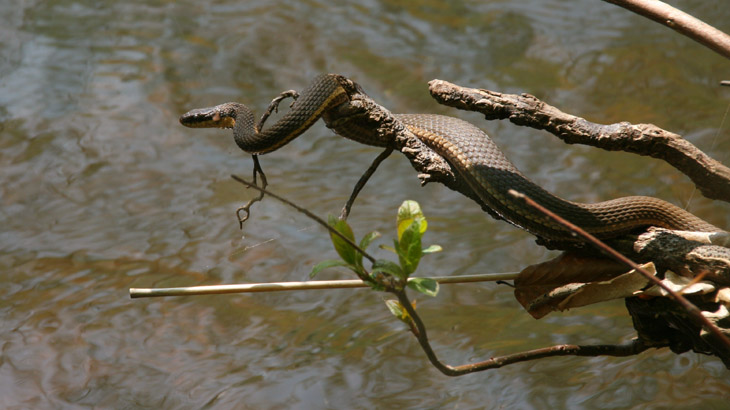
Both of these were less than two meters apart, and while shooting from a better light angle would theoretically have improved the results, there were some issues with this. Primarily, it would have required actually being in the water, not beyond our abilities or sensitivities by any stretch (we’d both already been wading that day,) but the bottom was especially rocky, making footing treacherous, and approaching from open water would have attracted far more attention, likely sending the snakes darting off for cover. Sometimes you take what you can get, even when you recognize that there might be ways to improve the shot. It’s not worth twisting an ankle or dunking the camera equipment.
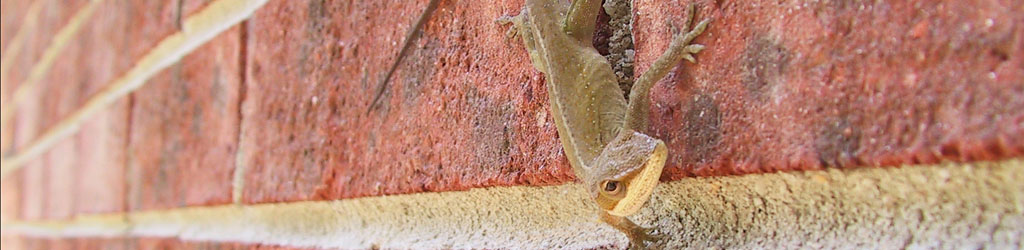
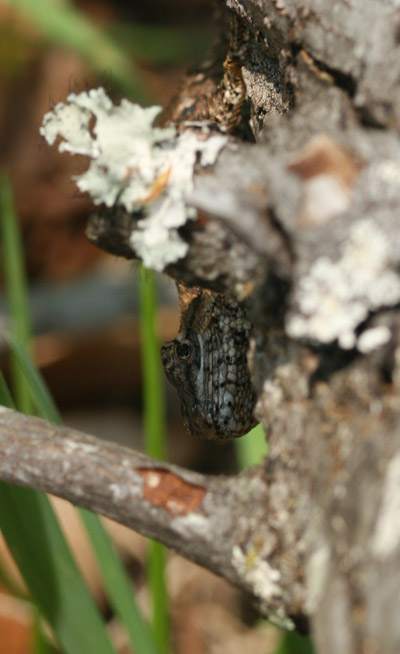 On the trek back to the parking area, I swept my eyes over another likely spot, a deposit of downed tree trunks, and pointed out another subject, actually two. Eastern fence lizards (Sceloporus undulatus) are especially fond of old, weathered and textured tree trunks where they blend in very well, but also of course find their food. This one was basking atop the trunk until we got too close and it scampered for cover, but lizards aren’t like snakes in this regard; they often slip just out of sight and wait only a short while, sometimes less than a minute, before venturing back out again, so a little patience can pay off easily. We didn’t really have the time, already running late on the session, so I settled for leaning in and finding the lizard sitting just out of normal sight on the back side of the trunk, where I could get a peek at its face in shadow. They’re wonderfully textured lizards, not as spiky in appearance as some species out west, but hardly smooth, and this is accentuated by their color pattern. They’re large for lizards in the area, running roughly the length of your hand as full-size adults, ranging in girth up to 3cm or so (which is like three fingers.) Again, no comparison to some western species or even our own hellbender salamanders, but more impressive than the green anoles.
Splitting the difference is the five-lined skink, another common one in the area. In fact, especially common in a park called West Point on the Eno (River,) where I went with another student yesterday. The place was crawling with them, provided that you paid attention. I present an example.
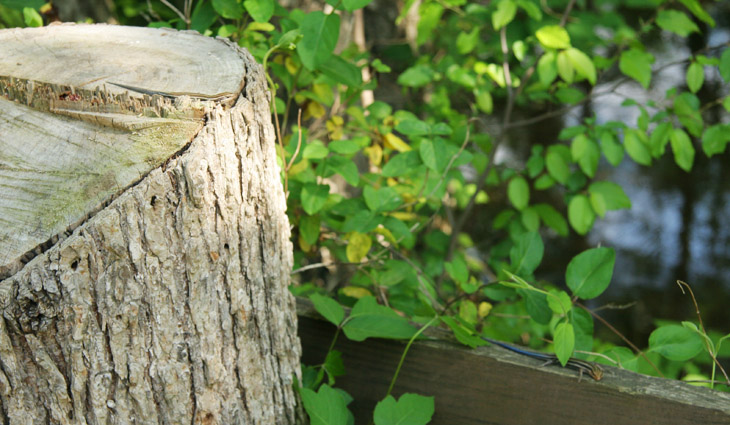
Did you see the lizard? Did you see them both? Not particularly hard, especially when I’ve led into it like this and framed the image in this manner, but you can probably imagine that, given the attention most people pay to their surroundings, they could have escaped notice easily. Southeastern five-lined skinks go by a variety of names in this area alone, and probably even more across their range, so the best thing is to stick to the scientific name of Plestiodon inexpectatus. Or maybe not; the taxonomy has changed not long ago, and there remains uncertainty as to how many subspecies there really are, so call them what you want I guess.
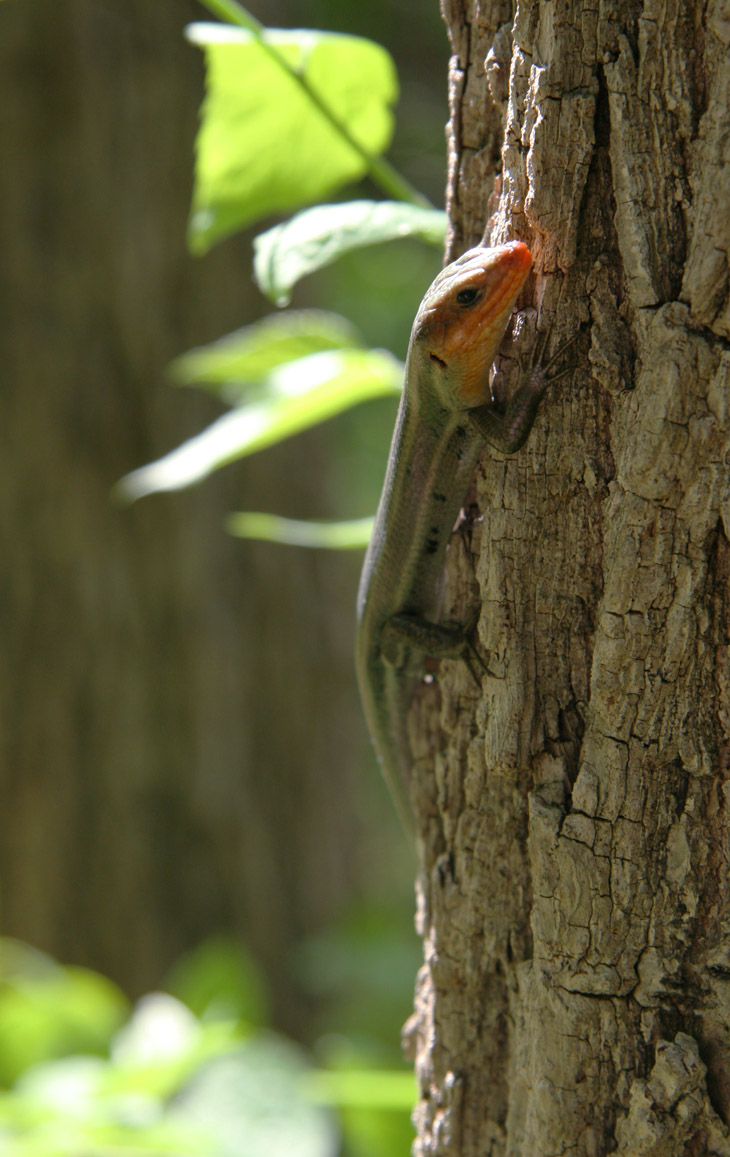
They come in a range of coloration, so much so that they are often mistaken for multiple species. This one, peering almost secretively around a tree trunk (I liked this image for just that effect,) is an adult male, where the head becomes noticeably reddish while the body, close in size to the fence lizards, becomes a burnished deep bronze with little evidence of the stripes. While the juveniles seen above further up will often show distinctive stripes and a brilliant blue tail, an interesting defensive mechanism. Given their propensity for basking in bright sunlight (at least until nosy nature photographers come around,) you’d think such a flag would act against them, but it’s pretty cool how it works. Like many lizards, five-lined skinks have detachable tails, easily able to separate from the body when something seizes it, which is likely given that, just as something strikes, the lizard darts forward and the predator gets only the tail. Bereft of its supportive organs, however, the tail can still writhe around in a furious manner, and to most predators, movement means life and the ability to escape, so they concentrate on subduing a little strip of meat and bone while the bulk of the lizard makes its escape. The tails can grow back surprisingly quickly.
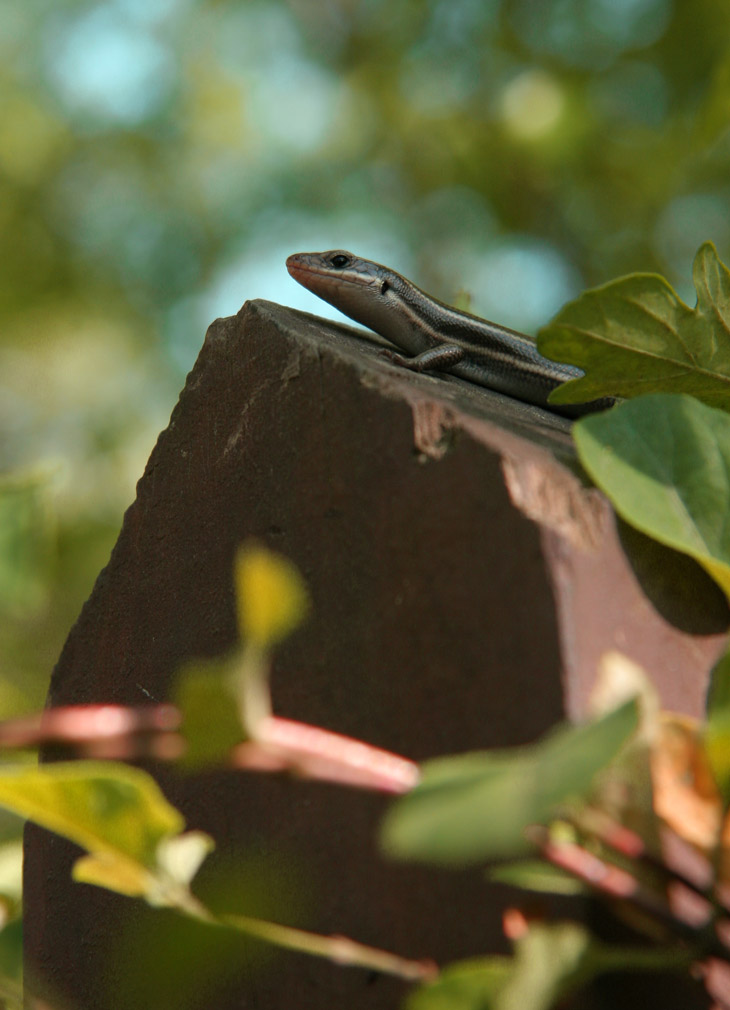
Position is everything. This fence post was no taller than any other, so I had to get pretty low to get this perspective, but it works, doesn’t it? I tried to get him to wear the little Batlizard hood and cape, but he had the nerve to call it, “tacky.” More importantly, though, is that it took only a minor shift in position to put a bright spot breaking through the background foliage right behind the head in this manner, highlighting it very distinctly. Little things like this can help your images a lot.
That’s a start on catching up. The previous post gave an unsubtle hint about the next topic, but I have some video to edit first. Yes, I’m branching out.

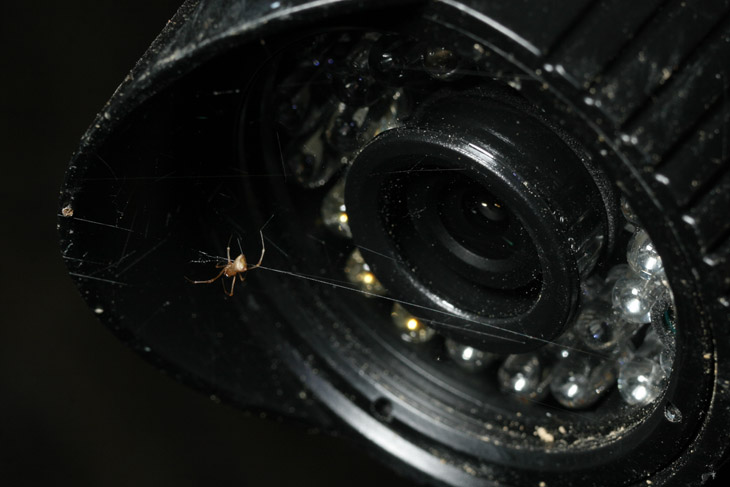
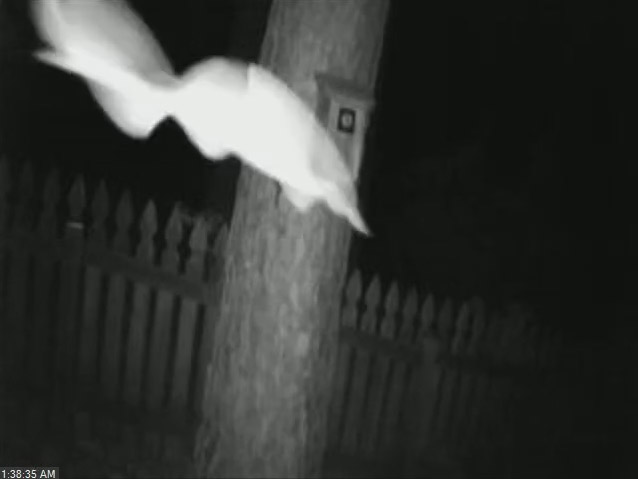
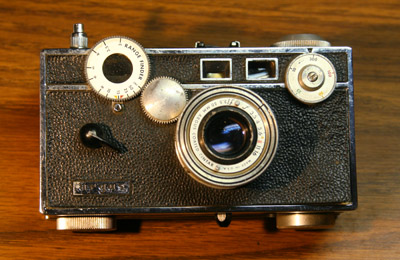 At one time, this was actually the case. Before SLRs, we had rangefinder cameras, and you didn’t focus through the lens that took the photo, but through a viewfinder lens above the film box. Seen here is an Argus C3, and to focus, you had to look through a peephole on the back of the camera that came out through those little rectangles near the top of the camera (also, through a round window that forms the center of the ‘rangefinder’ dial at upper left.) With the magic of a semi-silvered mirror and a couple of lenses, you could see a dual image of the subject that would resolve into a single image when the focus was proper. I would explain how this works but it’s not immediately germane to the topic. What is germane is that, since you were not focusing through the lens that captured the shot, it was possible to take photos while the lens cap was still on and never realize it – this was, in fact, a standing joke in the fifties and sixties. My first 35mm camera was a rangefinder (not this one,) and I only forgot the lens cap once…
 Now we come to the early eighties – 1981, to be precise. What was then the Soviet Union had launched a series of probes to orbit and eventually land on the surface of Venus – with varying success. Some crashed, some failed. The primary difficulty was, Venus is wickedly hot – like, 460°c (860°f) at the surface. Aluminum melts at those temperatures, and while you can construct a probe of better materials than aluminum, it still has to have delicate electronics within, and eventually the heat penetrates to the interior and shit stops working. And during the journey through space and the descent through the upper atmosphere, the cameras have to be protected – you can’t just have the lens poking out there.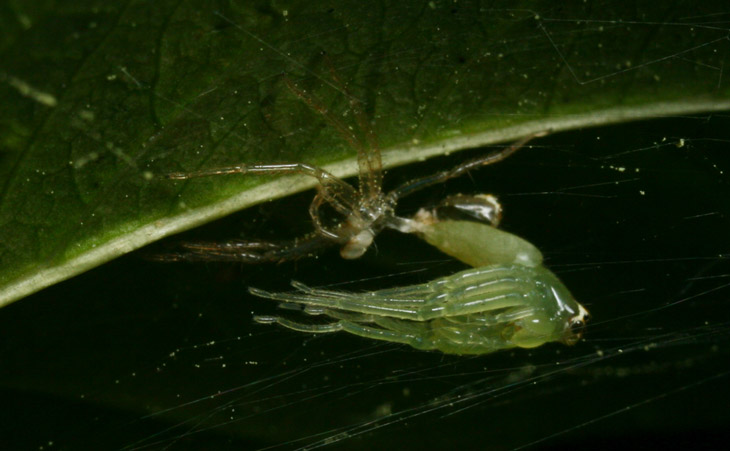
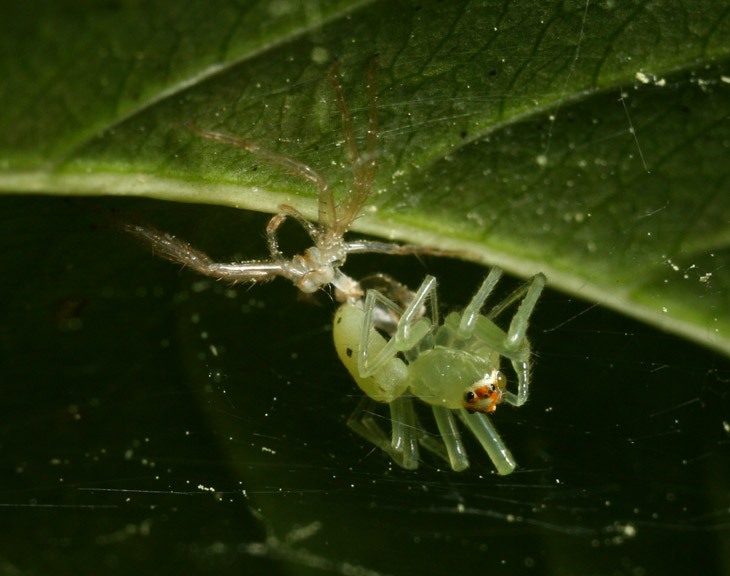


 A few nights earlier when the white azaleas had first come into bloom, I scouted around a few of the blossoms looking to see if any spiders could be found – because I know what I’m doing. One of the blooms did indeed sport a very small specimen, what is quite possibly a long-legged sac spider, often called yellow sac spider (genus Cheiracanthium.) Yellow sacs have a reputation as being a dangerous spider, as in, with a strong enough venom to make humans sick – not as big a reputation as black widows and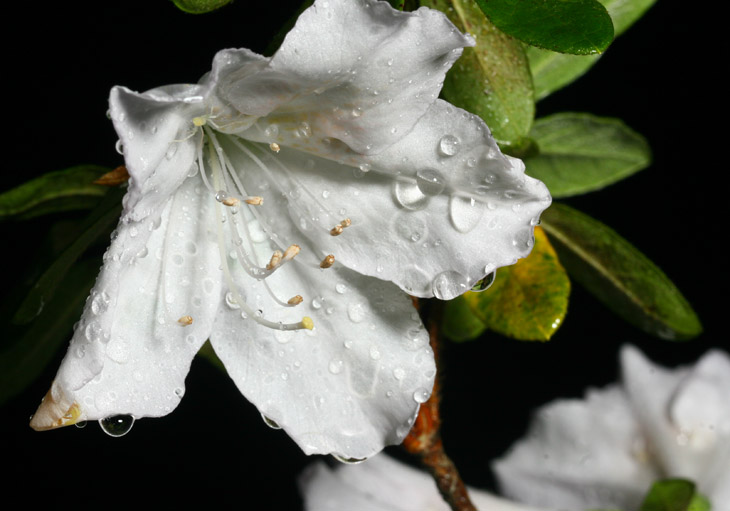


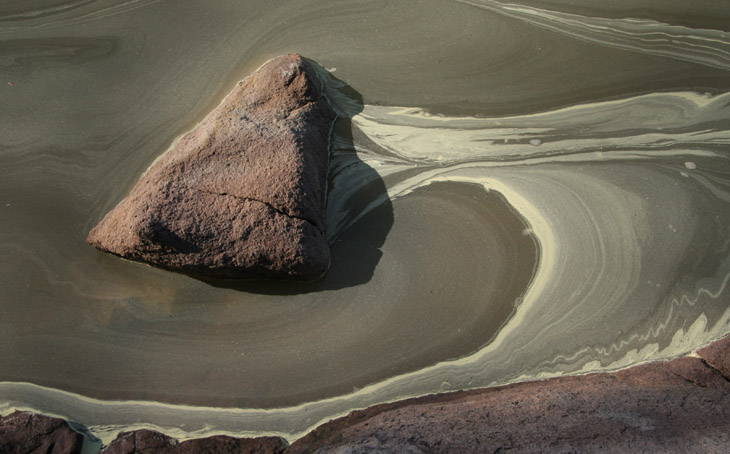
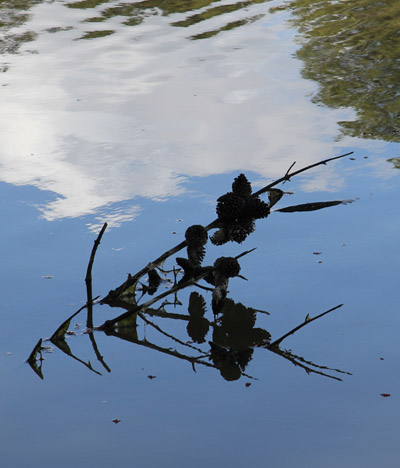 As I was preparing this post, I was trying to remember what I’d posted for February, and eventually came to the conclusion that I had never done a month-end abstract for February – don’t know how that one got past. Though I have some idea, because I shot almost nothing in February, and so as I was attempting to rectify my oversight, I was finding very little to use that was taken within the month. I found a couple that weren’t bad in my folders, but they were taken in either January or March, and I was determined, for no particular reason, to stay within February. So here we are, continuing a theme of sorts, since this is a pine branch replete with cones, partially submerged in the pond. It’s not a pretty picture, it’s just a little stark and confusing, but the sky color came out well.