
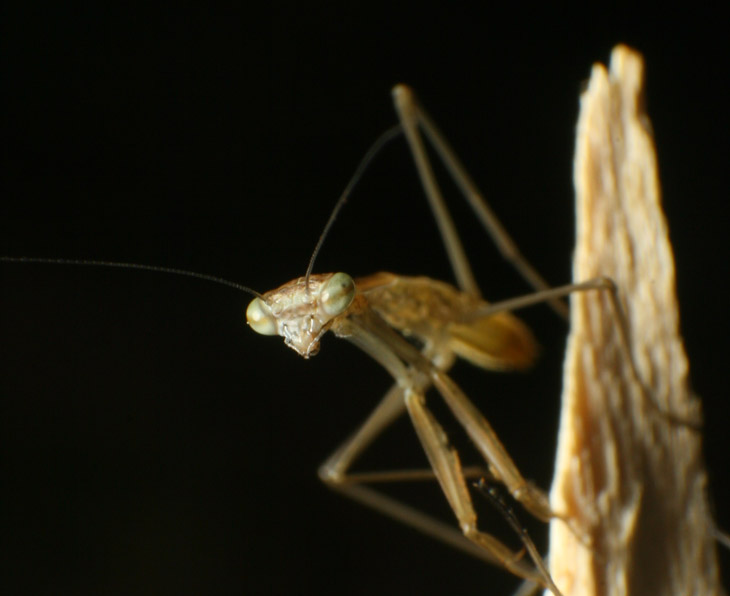
The praying mantids have been an ongoing saga on this blog now for several years, and if you want to call it an obsession, no argument from me. While I am definitely motivated to capture sequences and behavior of any species that I can, I happen to like mantids, and I’ve had the opportunities to bear close witness to them. So here we are again.
Not having found any distinctive evidence of local egg cases this spring or past fall, I had ordered three online, and set them up in prime locations within the yard where I could observe them easily; my goal has been to capture the hatching in great macro detail, something I haven’t quite accomplished yet. Two of the egg cases, unfortunately, fell victim to some marauding shithead, likely grey squirrels, so only one remained unscathed. And that one I noticed was hatching out just as I was dashing out the door on a tight schedule. When I’d returned, the hatching activity had stopped and a bunch of newborns were scampering around on the twig to which I’d affixed the egg case, and several nearby plants. Well, shit.
Oh, well. I settled for doing some shots of the newborns, out and about in the immediate vicinity of the egg case.
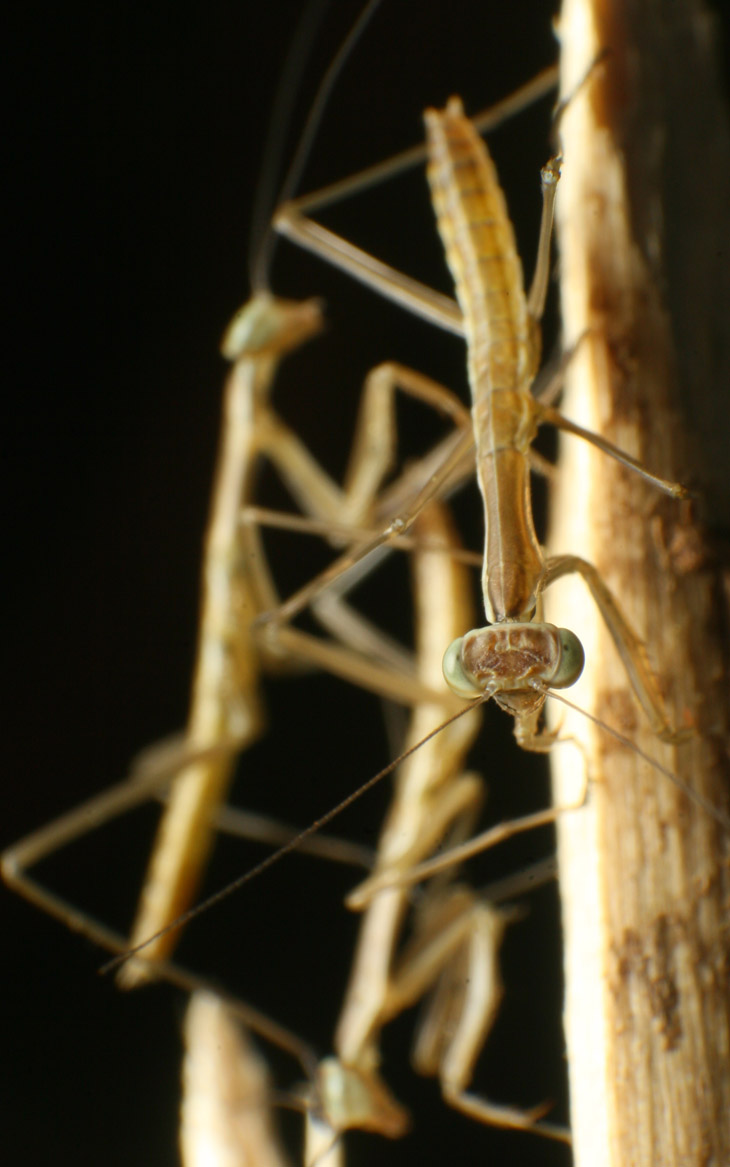
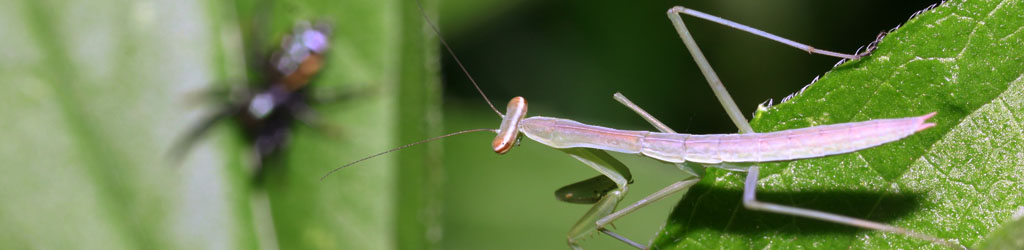
Bear in mind that they measure just 10mm in body length at this point; this is using the wonderful Sigma 28-105 reversed, and is full-frame.
But here’s another, cropped a little to show off the detail better.
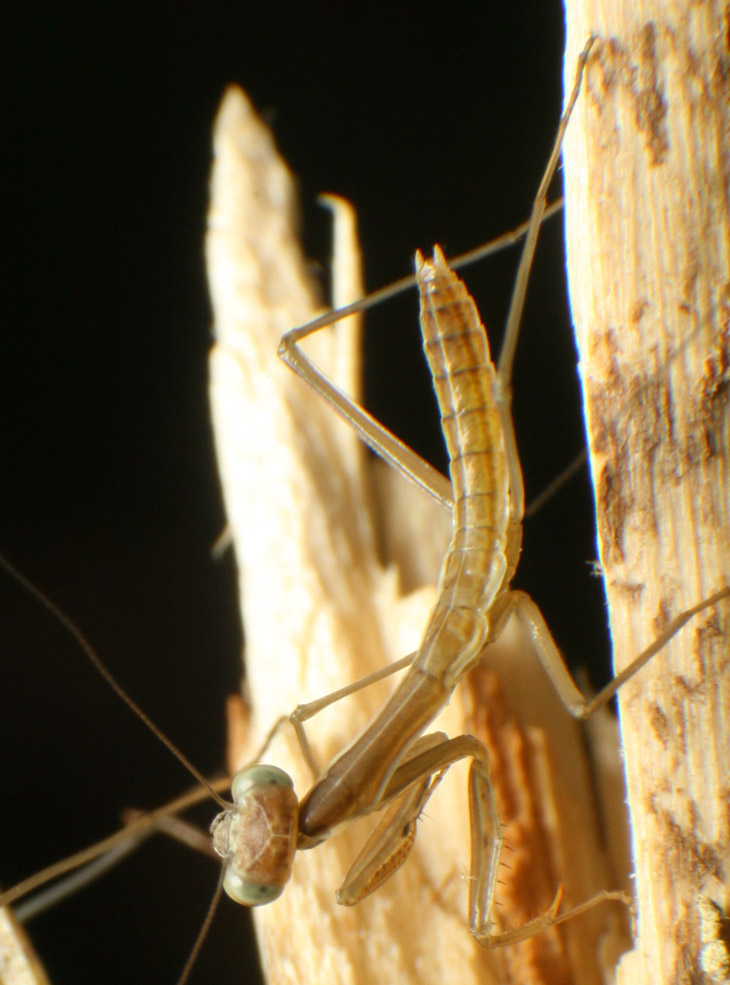
If the body is 10mm long, that would make the head about 1mm in width, and those tiny spikes on the forelegs… what? I’ll let you figure it out. Suffice to say that, despite the difficulty of working with a lens fixed at f16 (quite dark in the viewfinder) and with a working depth-of-field of 2mm or less, I’m quite happy with what it can accomplish.
And here’s a shot that demonstrates scale better:
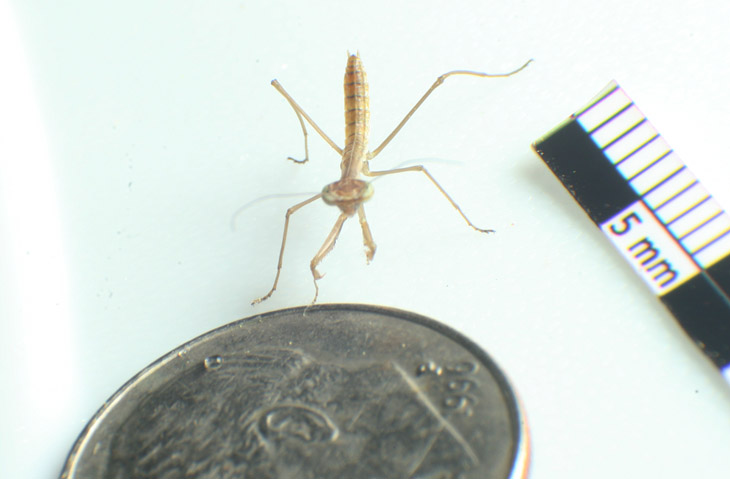
For everyone familiar with US currency, that’s a dime in the photo.
The next day, I was delighted to find that a second wave of hatchings was taking place, and I managed to squeeze out a tiny bit of time to devote to it. Now, if you found the pics of the newborns creepy in any way, well, you ain’t seen nothing yet. This is where I have my fun.
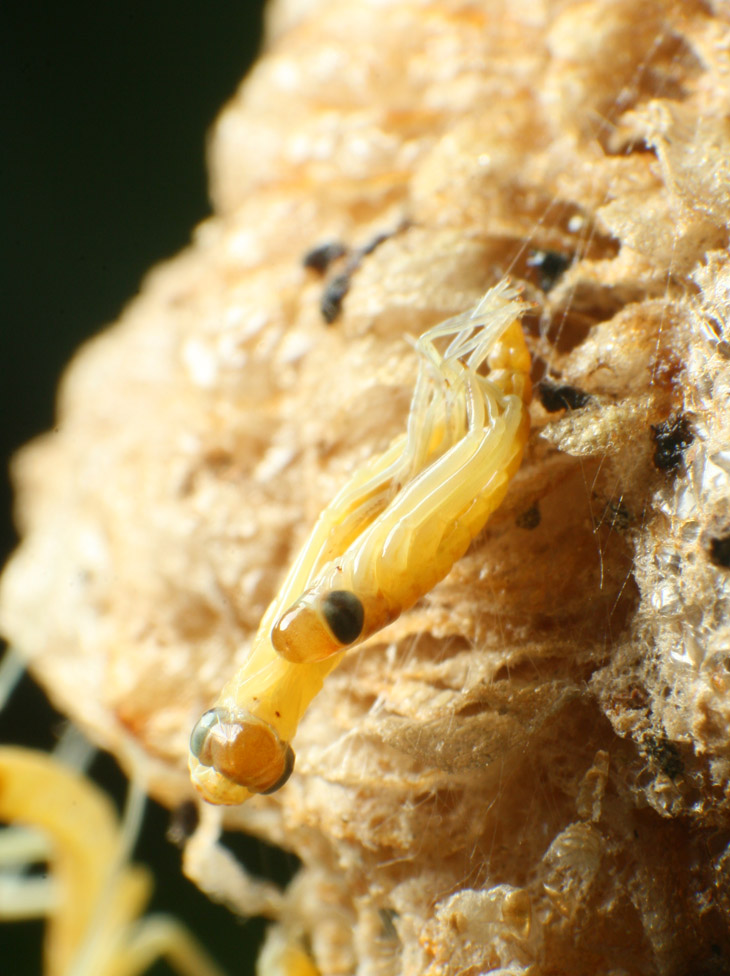
The one thing that I have not caught (and thus remains on the list) is the actual emergence from the egg sac; every time I’ve seen them soon afterward, but never actually coming to light for the first time. These two are examples, apparently not long from the event, but still well out into the open. Something that I determined a few years back is that mantids molt almost immediately upon hatching; the exoskeleton remains anchored to the sac by a fine webline, and they have to draw free and get use of their legs over a period of time, my guess is about ten to twenty minutes, judging from what I’ve seen. A lot of the threads can be seen in this image, and these two are still anchored even while mostly free from the exoskeleton.
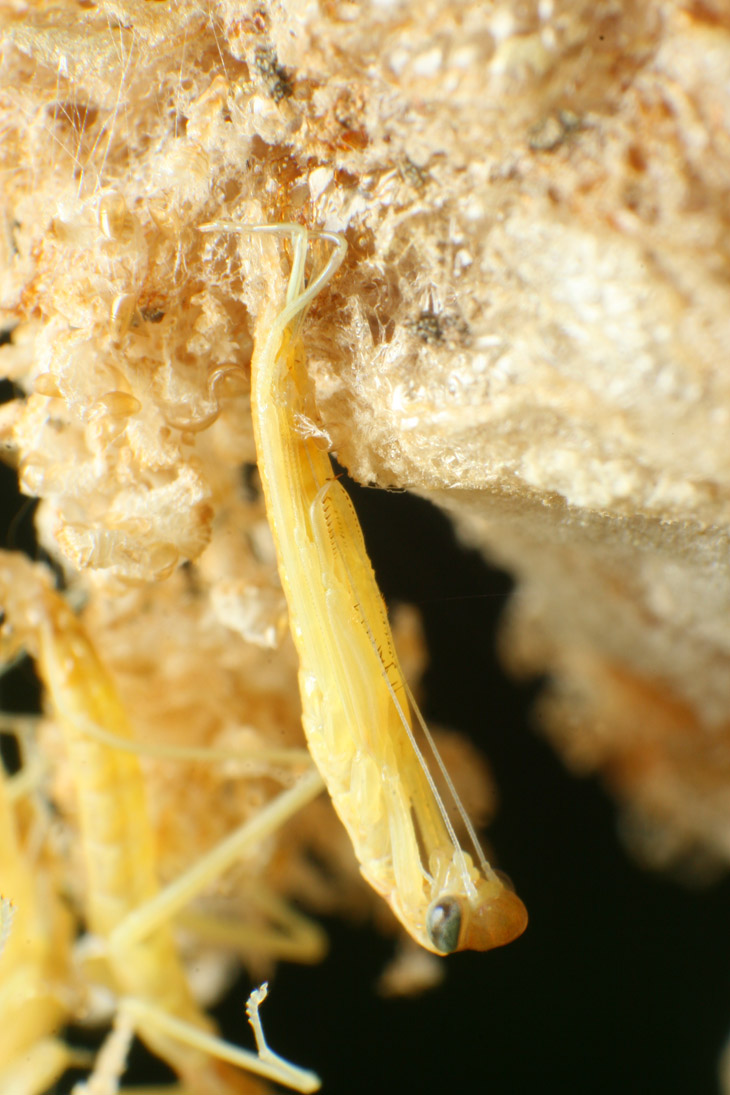
This image is slightly confusing to me. While it appears to be drawing itself free from the old exoskeleton, thus the bound appearance with the legs and antennae gathered, two of the legs right at the top of the photo already appear to be free. It’s possible that the molt is only for the body itself, or even just the abdomen, but that doesn’t make sense to me. Questions still to be answered.

What a wonderfully funky view. The bullet-headed appearance, especially with that bulging ‘forehead,’ is curious, and as yet I don’t have an answer for that either, just speculation (which we’ll get to.) And this shows a large collection of the molted and discarded exoskeletons, all that chaff between the two, with one dangling below the head of the mantis on the right – yes, they’re quite a bit smaller than the emerged mantids. Maybe it’s not a molting after all, but the arthropod equivalent of a yolk sac? I guess I could actually ask somebody…
But wait! There’s more!
Not too long ago, I picked up a camera body that could actually do video, and the preliminary tests with a macro lens were encouraging. So as this was happening, the system got its acid test, this time with the Mamiya 80mm macro and extension tube. So you not only get to see such exquisite detail, you now get to see all the writhing and creepiness in real time! Lucky you!
This is naturally my first time using a video editor and adding a voiceover track, and it will become more polished with time, so bear with me. But the results were better than expected and enough to convince me that macro video was not only feasible, but a useful addition to the skillset. Camera steadiness will be a distinct issue, however.
But if you thought that was bad, just try to imagine what kind of other shit I might find to video ;-)
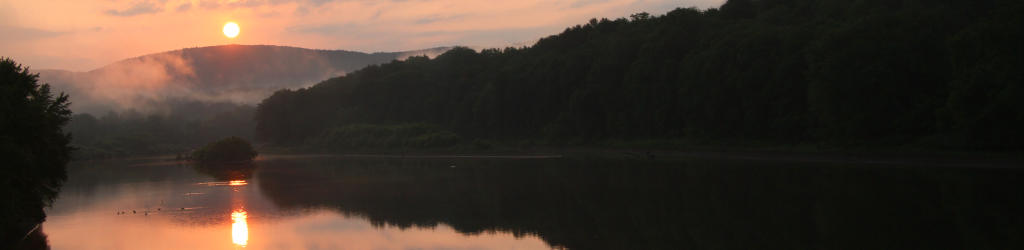
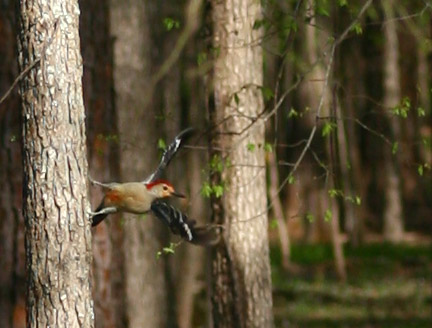 Welcome to Earth Day! I hope you get the chance to either go out and enjoy the natural (less human-affected) parts of our planet, or do something environmentally beneficial. I personally am going to have the chance to do neither, but I at least get the first option in fairly often, so we’ll go with some recent examples of that as eye-candy.
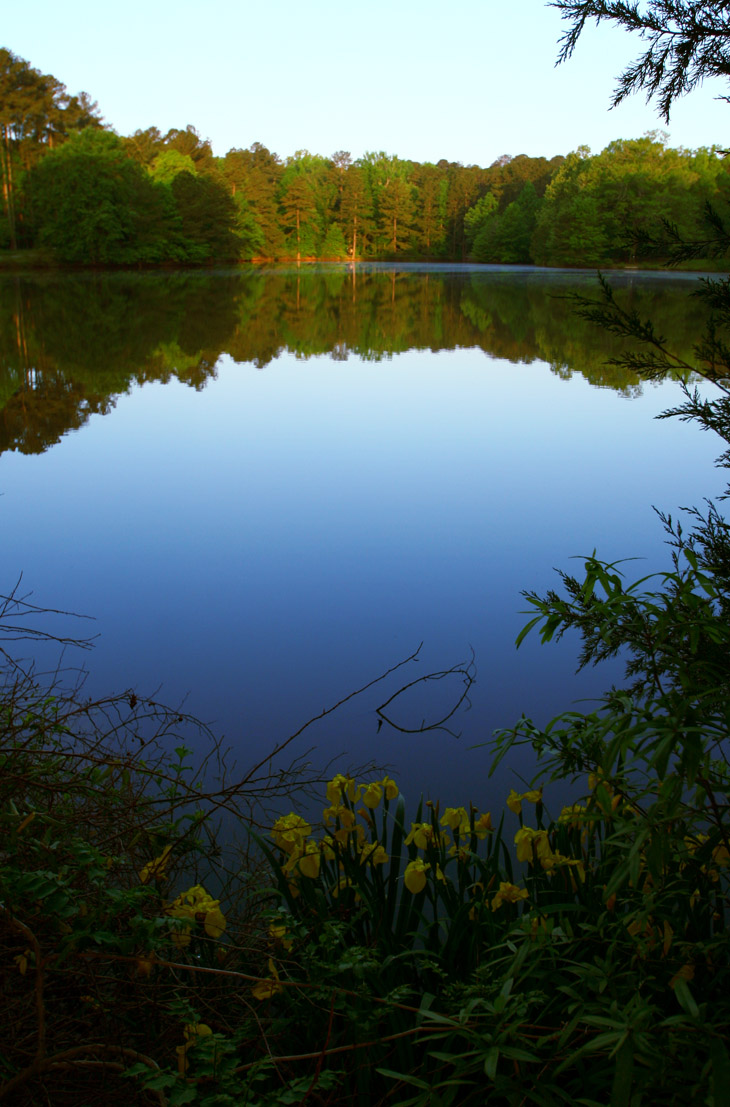


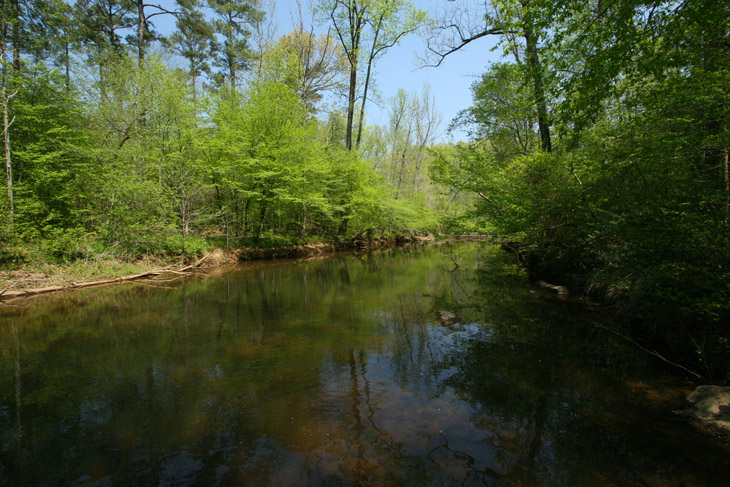
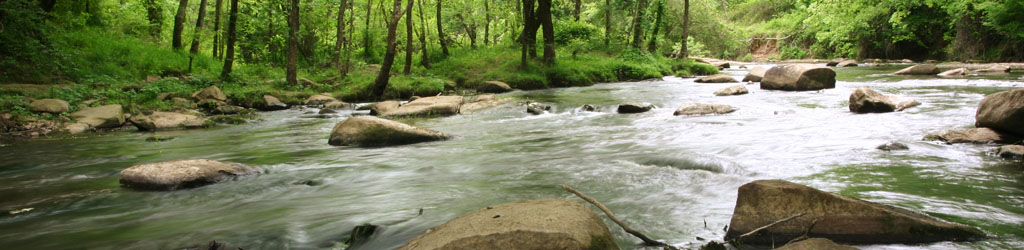
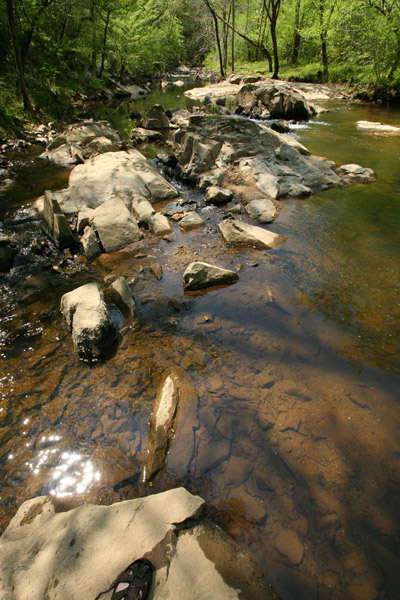 All right, don’t bother, unless you’re masochistic – there are no reptiles visible in the shot. I just picked up an ultra-wide lens, a Tamron 10-24mm aspherical, and I’m showing it off because I’m quite pleased with it. The ‘aspherical’ bit is key, because wide-angle lenses have a tendency to introduce wicked distortion, often called ‘barrel distortion’ in the trade but also described as a fisheye effect, where objects nearer the edge get more and more warped until it almost looks like you’re looking at a reflection in a christmas ornament (or a doorknob if that offends you.) This was due to the simple nature of lens grinding: no matter what the strength, they were always a portion of a sphere, and light coming in along the edges was bent more than light towards the center. This same trait is responsible for the darkened corners of many images when shot at widest aperture (again, called ‘light falloff’ among the cognoscenti, or simply in lens tests.) The ability to cast/grind lenses (I’m not sure how it’s done, actually) in an aspherical shape has improved that tremendously, however, correcting a lot of the distortion at the edges and rendering the photo much more realistically – not perfectly, mind you, but vastly improved over the previous examples. When you look at the image at top, note the trees at the edges, standing pretty damn straight (the ones closer to center don’t count, because they’re on the stream edge and erosion has caused them to lean towards the water naturally.) In the bad old days, the edges of the image in wide-angle photos would be badly curved and the trees notably warped – this is corrected so well it hardly appears to be an ultra-wide view angle. Which is why I included the vertical image to the right. You can see the ‘horizon’ at the top of the image, and that’s my sandal peeking in at the bottom, just to illustrate the width of the frame.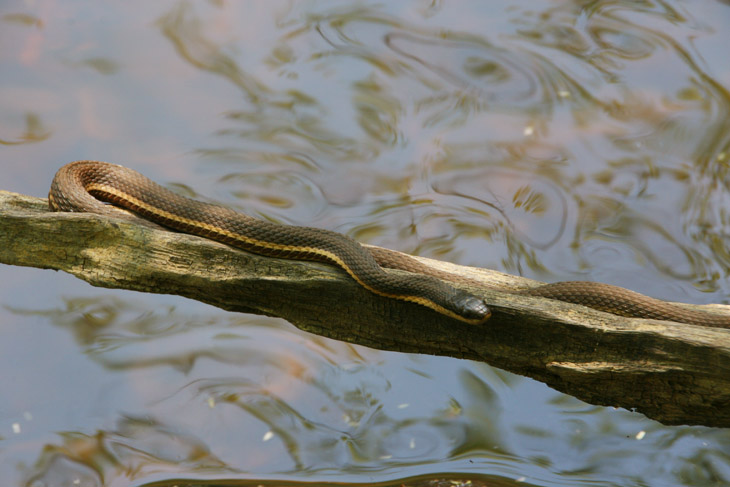
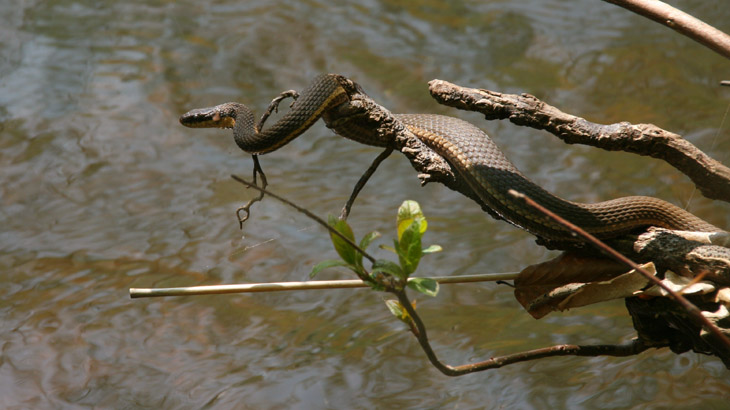
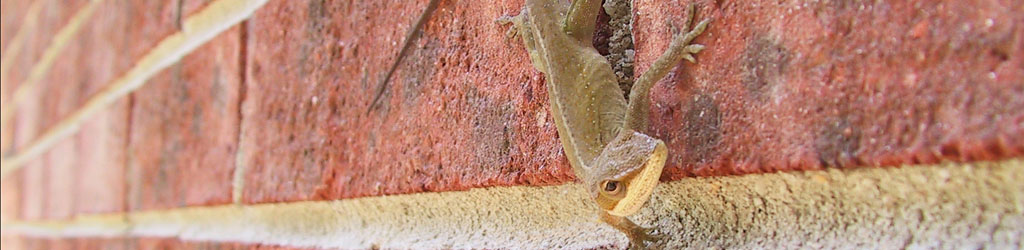
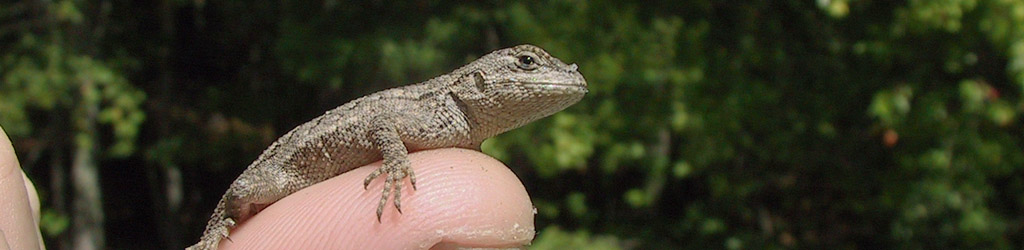
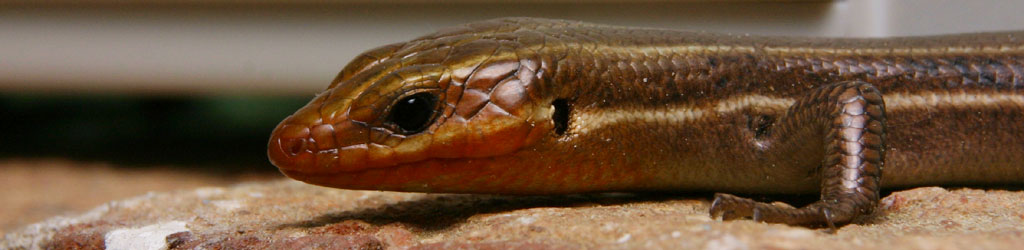
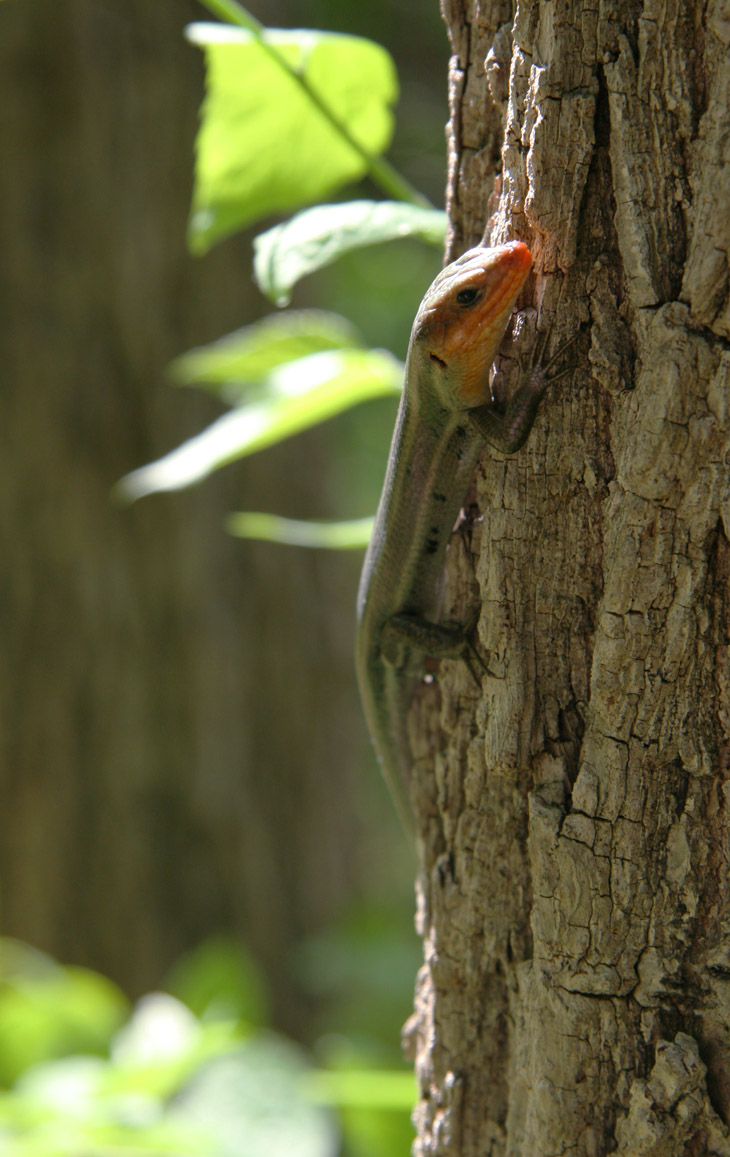
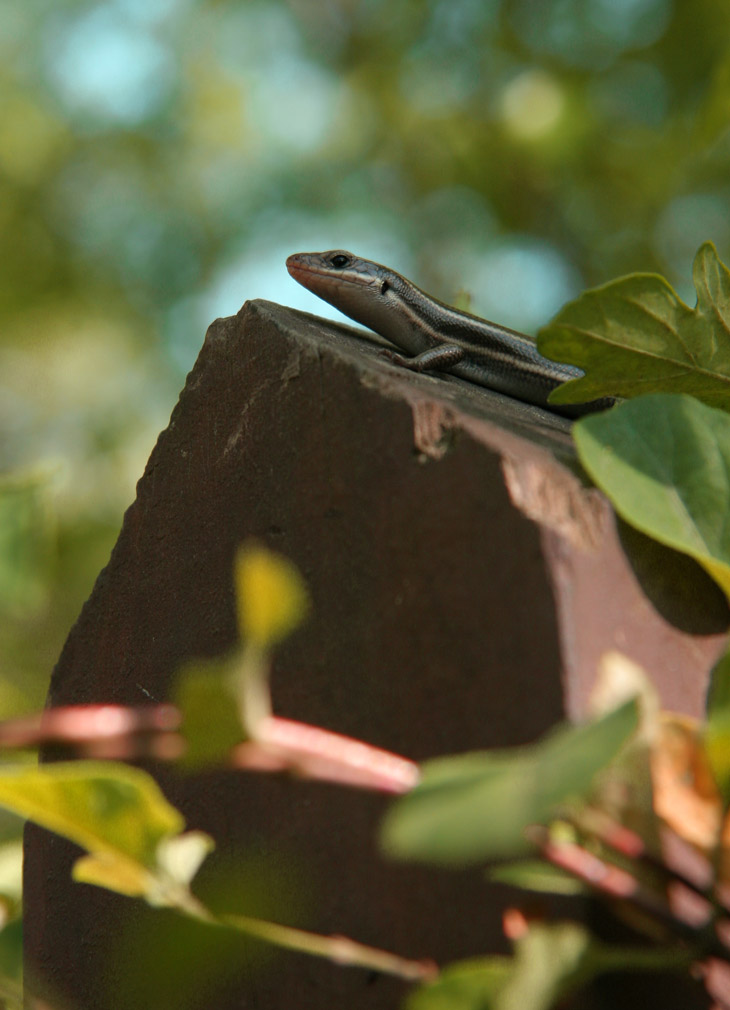
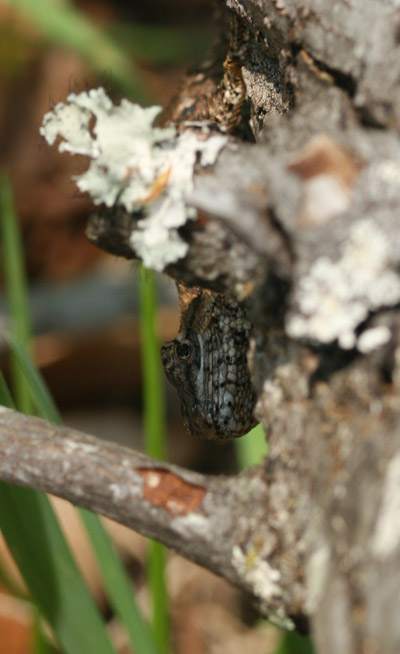 On the trek back to the parking area, I swept my eyes over another likely spot, a deposit of downed tree trunks, and pointed out another subject, actually two. Eastern fence lizards (Sceloporus undulatus) are especially fond of old, weathered and textured tree trunks where they blend in very well, but also of course find their food. This one was basking atop the trunk until we got too close and it scampered for cover, but lizards aren’t like snakes in this regard; they often slip just out of sight and wait only a short while, sometimes less than a minute, before venturing back out again, so a little patience can pay off easily. We didn’t really have the time, already running late on the session, so I settled for leaning in and finding the lizard sitting just out of normal sight on the back side of the trunk, where I could get a peek at its face in shadow. They’re wonderfully textured lizards, not as spiky in appearance as some species out west, but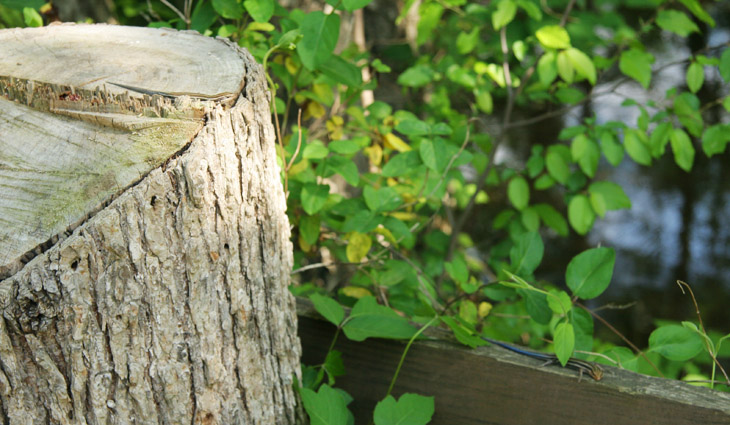

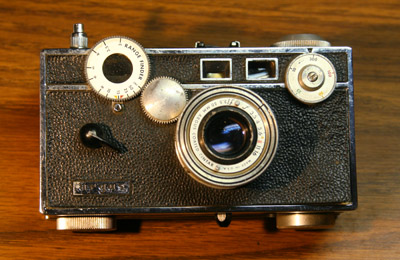 At one time, this was actually the case. Before SLRs, we had rangefinder cameras, and you didn’t focus through the lens that took the photo, but through a viewfinder lens above the film box. Seen here is an Argus C3, and to focus, you had to look through a peephole on the back of the camera that came out through those little rectangles near the top of the camera (also, through a round window that forms the center of the ‘rangefinder’ dial at upper left.) With the magic of a semi-silvered mirror and a couple of lenses, you could see a dual image of the subject that would resolve into a single image when the focus was proper. I would explain how this works but it’s not immediately germane to the topic. What is germane is that, since you were not focusing through the lens that captured the shot, it was possible to take photos while the lens cap was still on and never realize it – this was, in fact, a standing joke in the fifties and sixties. My first 35mm camera was a rangefinder (not this one,) and I only forgot the lens cap once…
 Now we come to the early eighties – 1981, to be precise. What was then the Soviet Union had launched a series of probes to orbit and eventually land on the surface of Venus – with varying success. Some crashed, some failed. The primary difficulty was, Venus is wickedly hot – like, 460°c (860°f) at the surface. Aluminum melts at those temperatures, and while you can construct a probe of better materials than aluminum, it still has to have delicate electronics within, and eventually the heat penetrates to the interior and shit stops working. And during the journey through space and the descent through the upper atmosphere, the cameras have to be protected – you can’t just have the lens poking out there.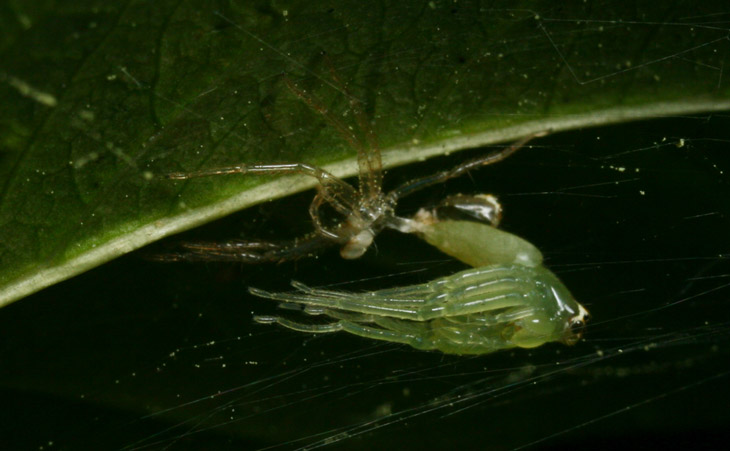
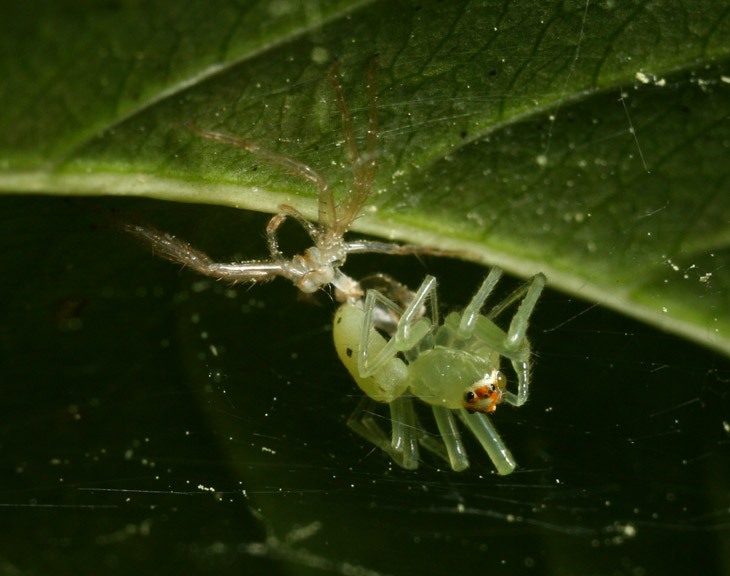
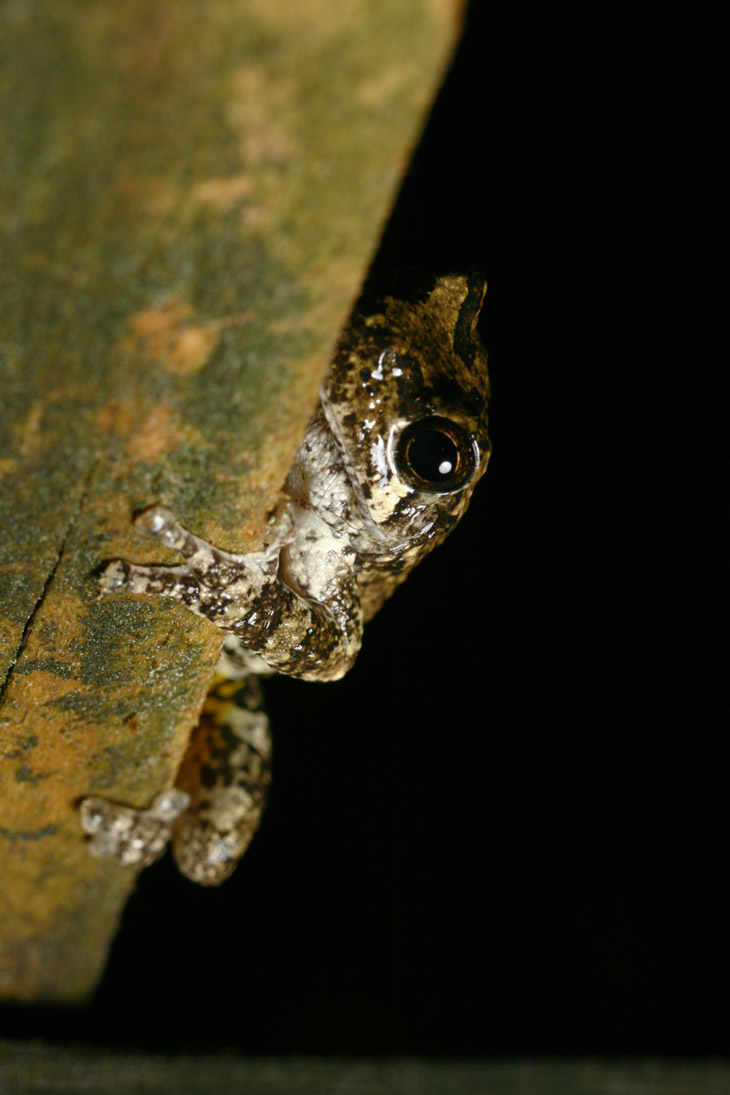


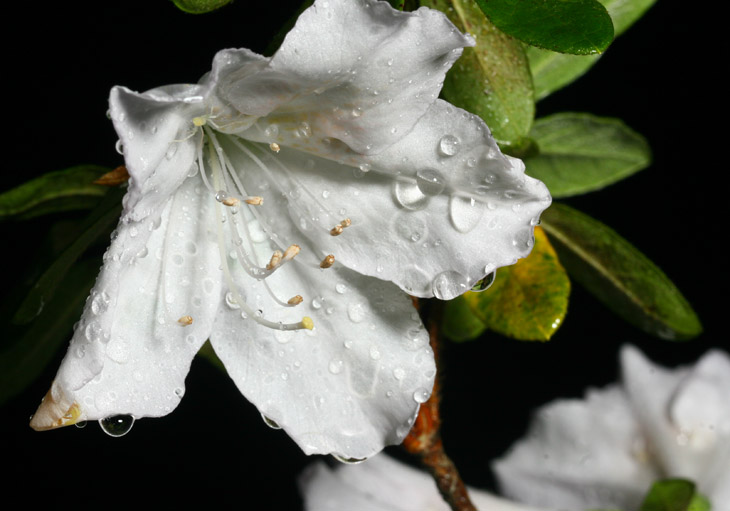
 A few nights earlier when the white azaleas had first come into bloom, I scouted around a few of the blossoms looking to see if any spiders could be found – because I know what I’m doing. One of the blooms did indeed sport a very small specimen, what is quite possibly a long-legged sac spider, often called yellow sac spider (genus Cheiracanthium.) Yellow sacs have a reputation as being a dangerous spider, as in, with a strong enough venom to make humans sick – not as big a reputation as black widows and