
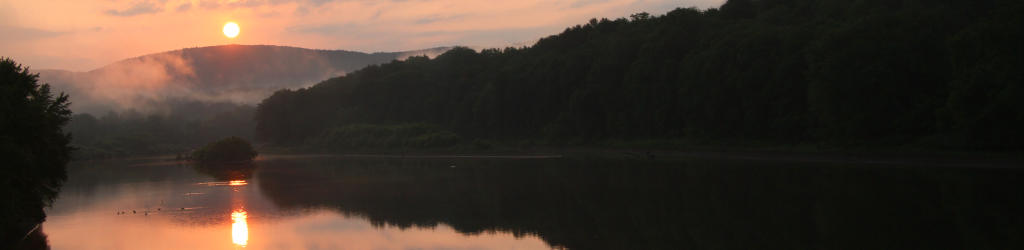
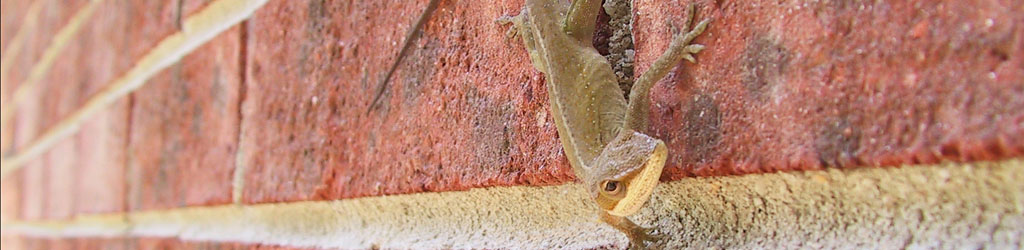
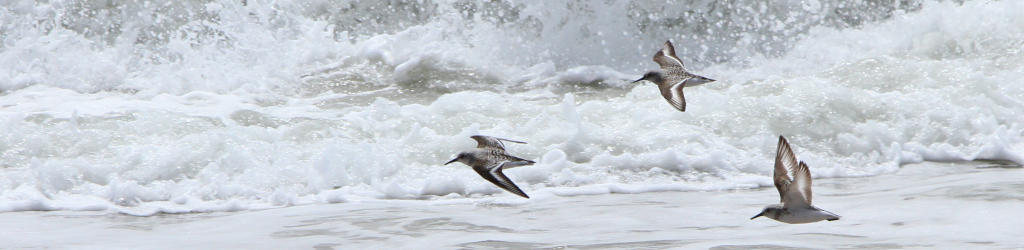
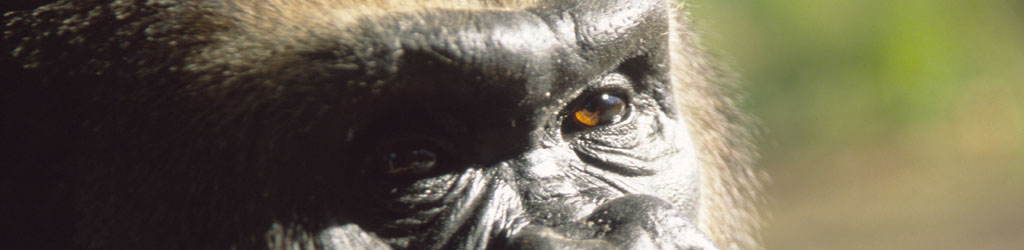
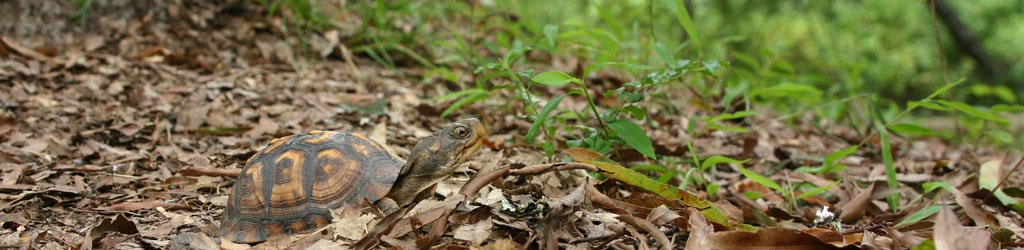
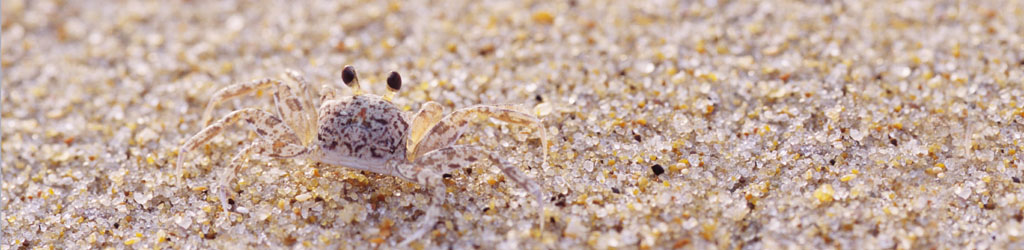
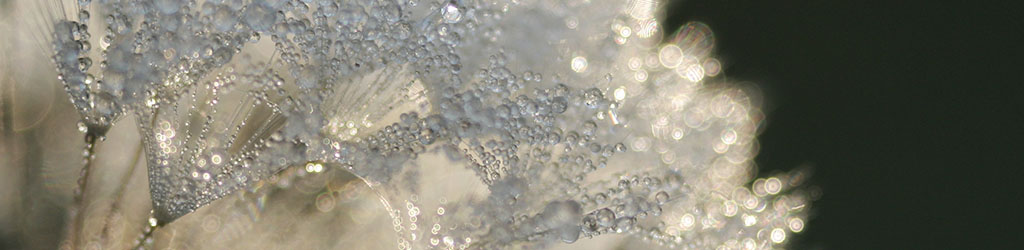
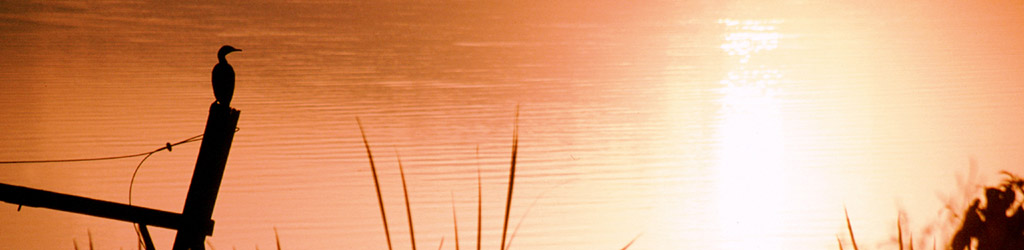
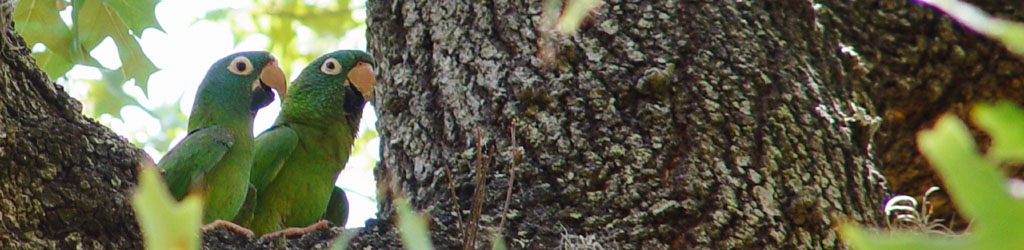
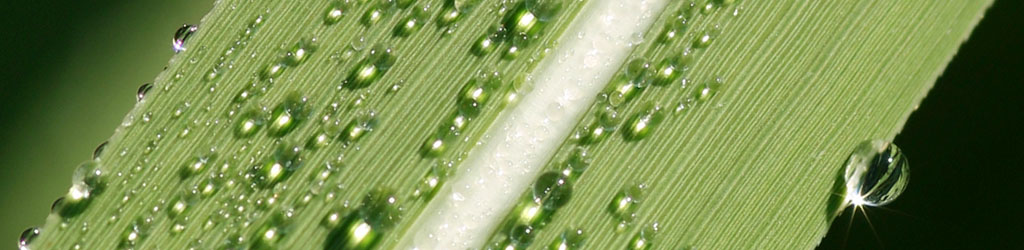
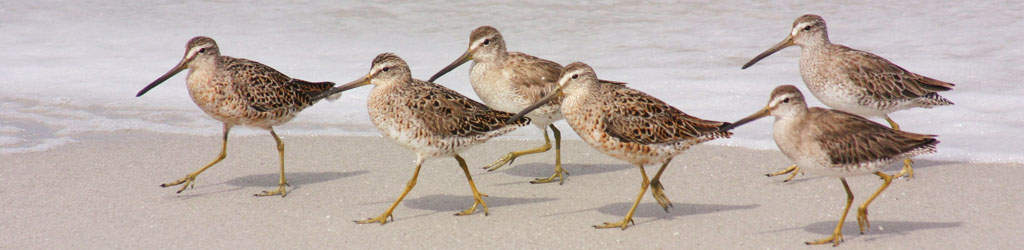
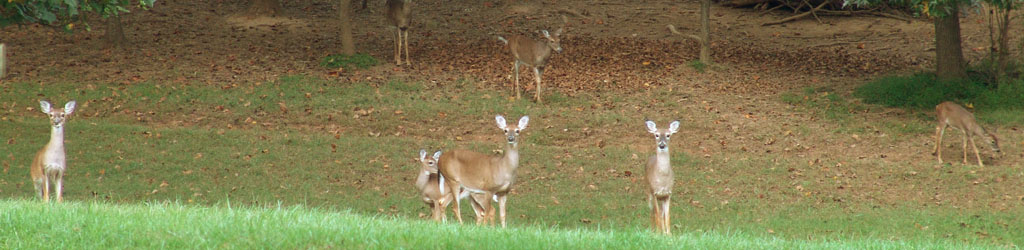
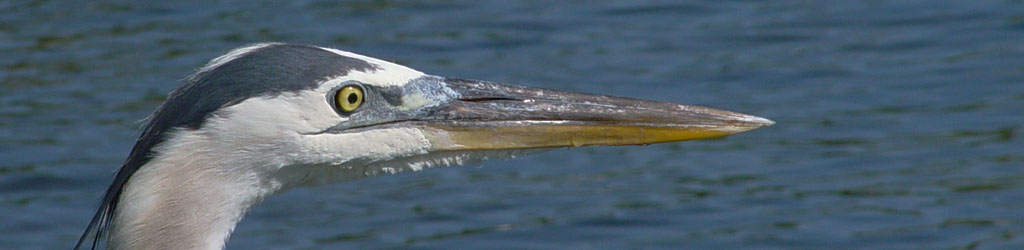
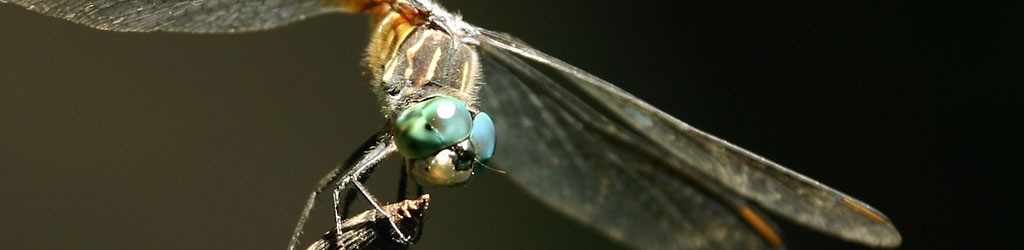
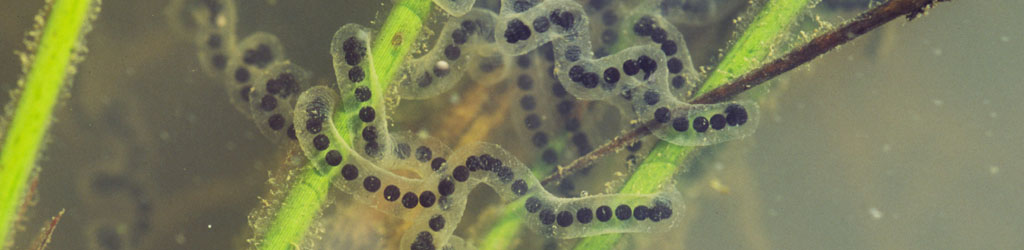
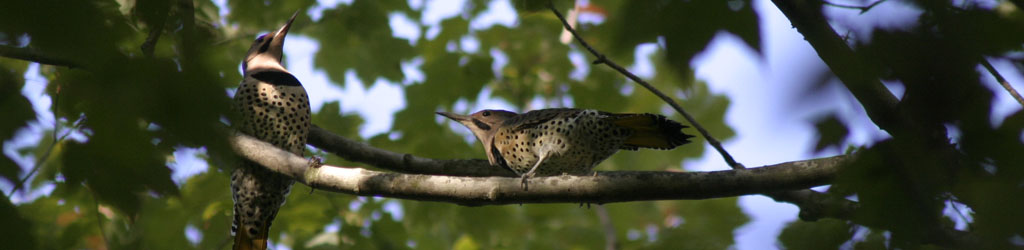
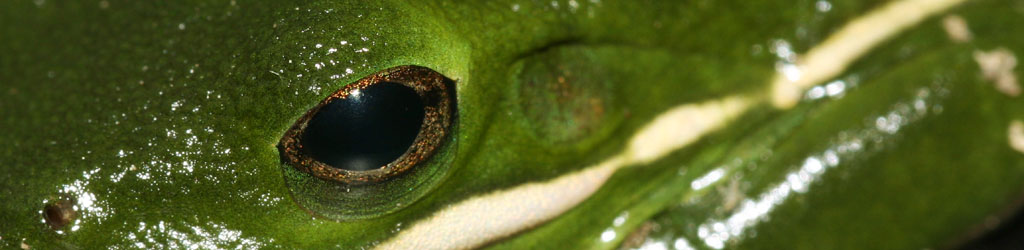
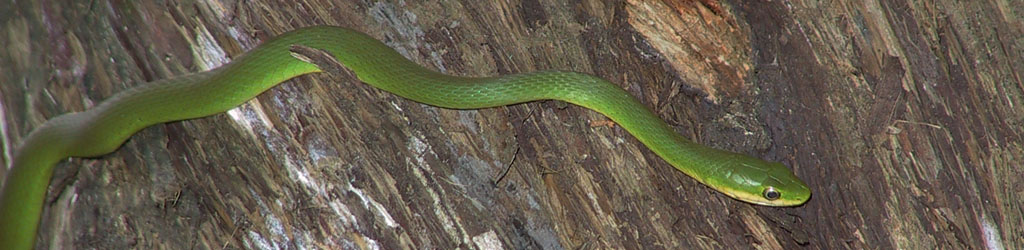
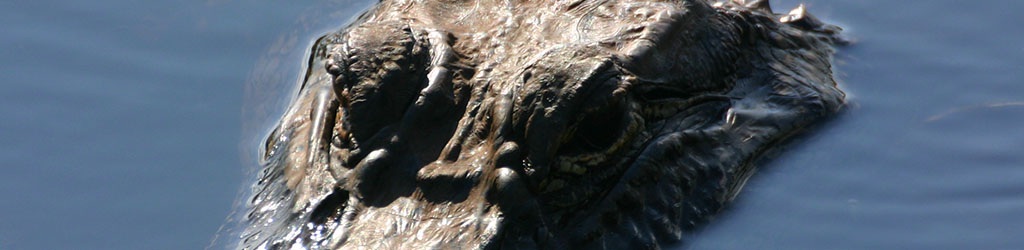
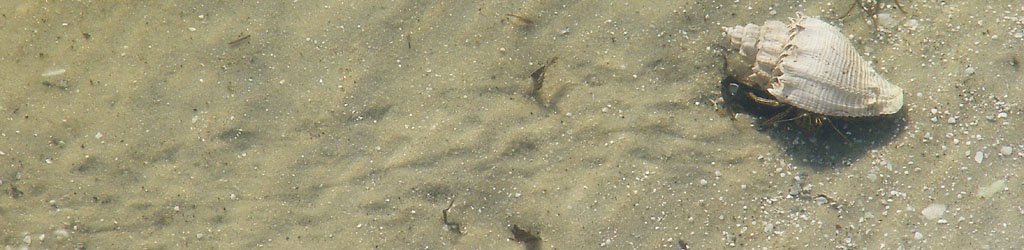
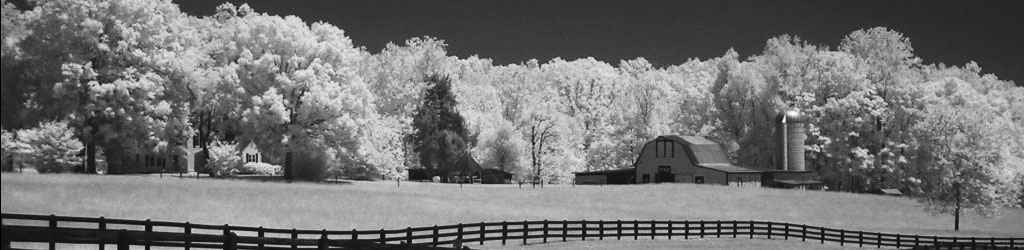
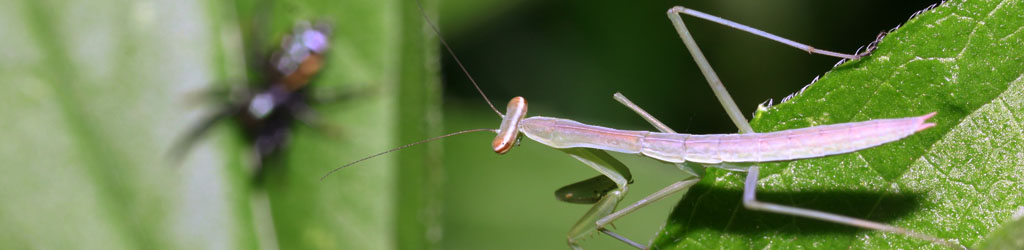
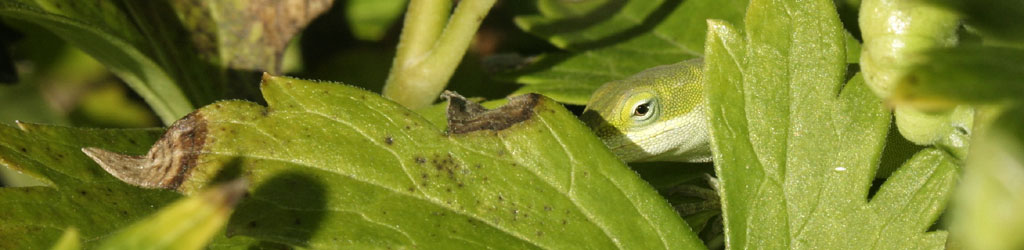
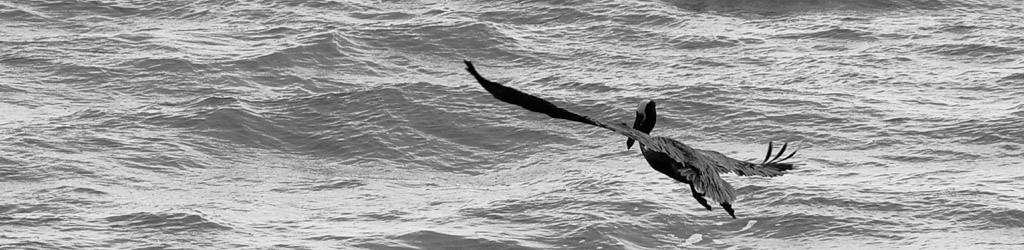
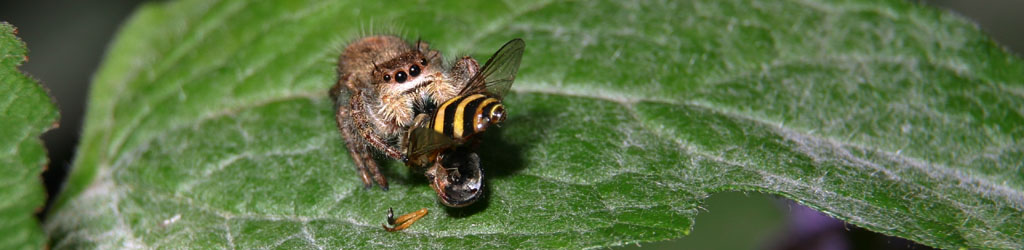
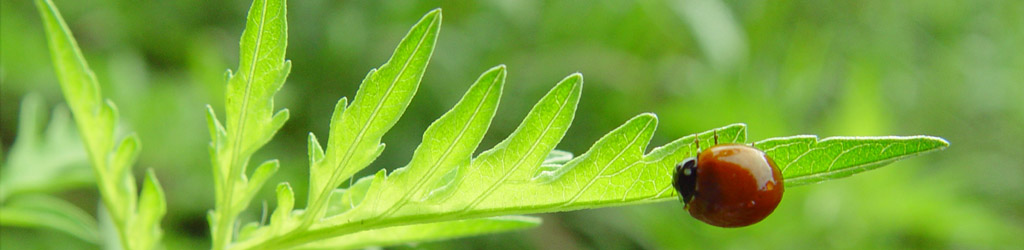
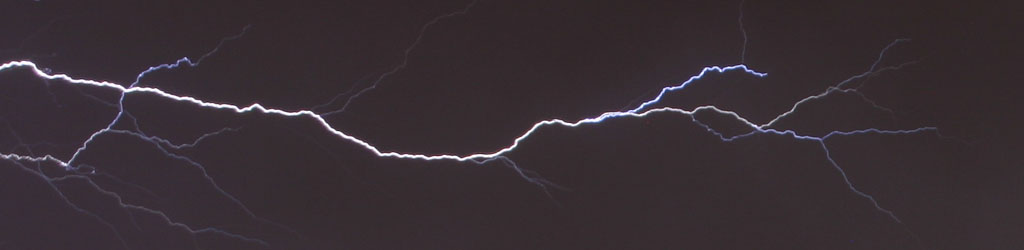
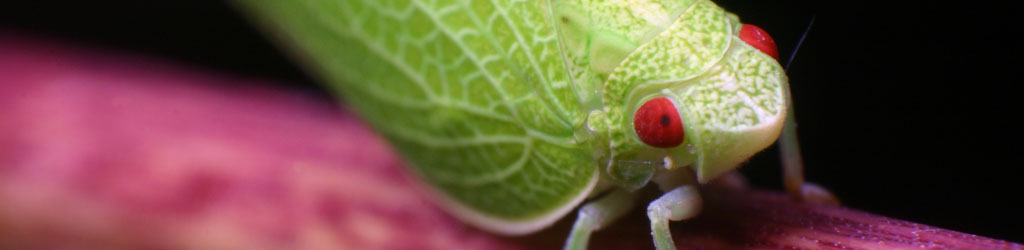
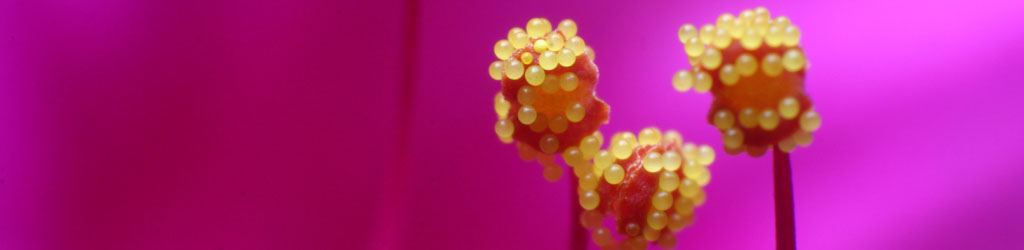
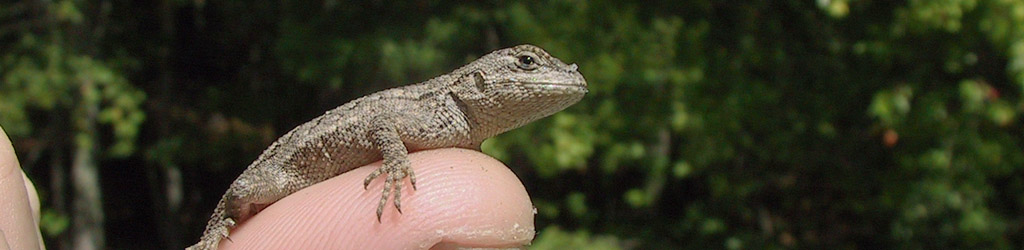

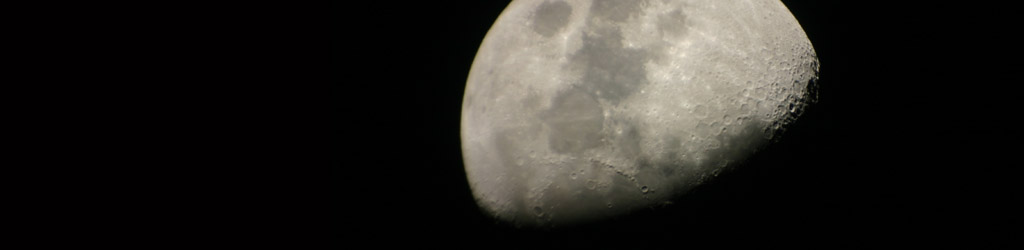
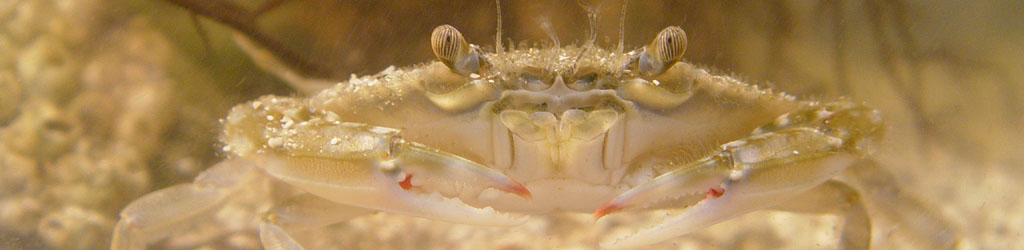
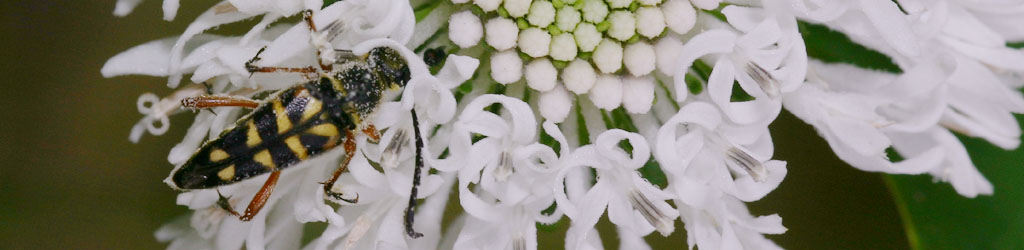
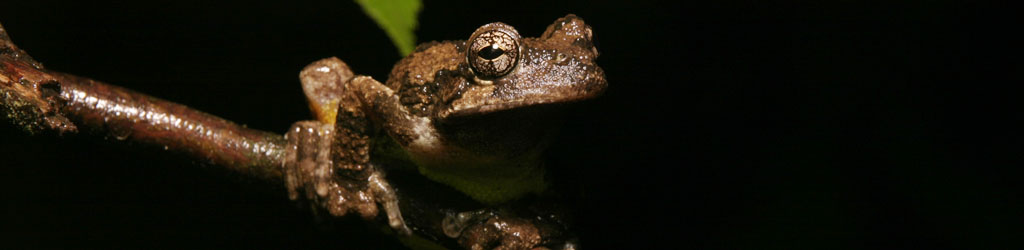
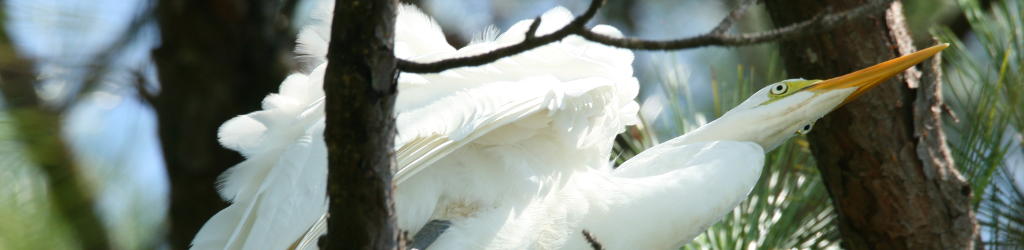
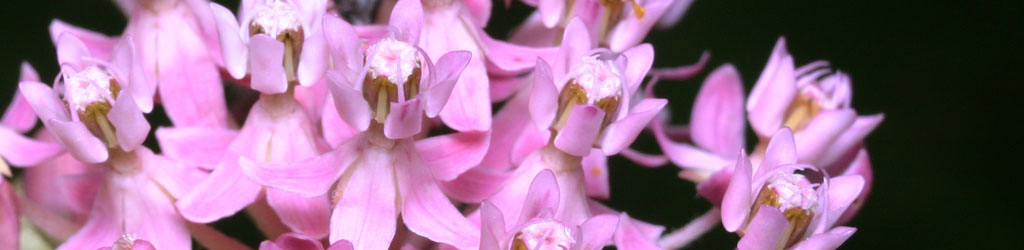
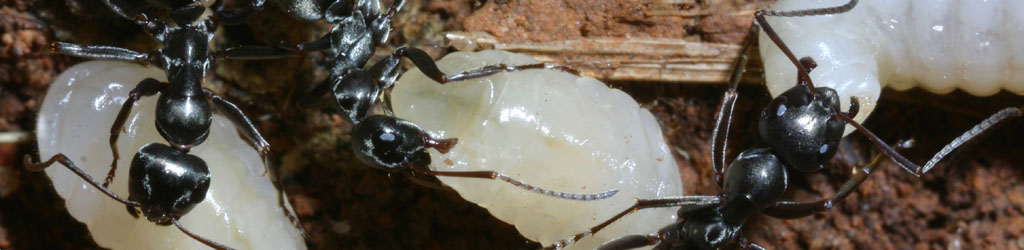
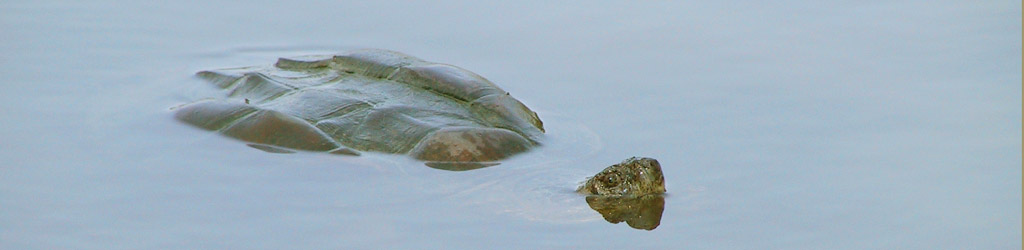
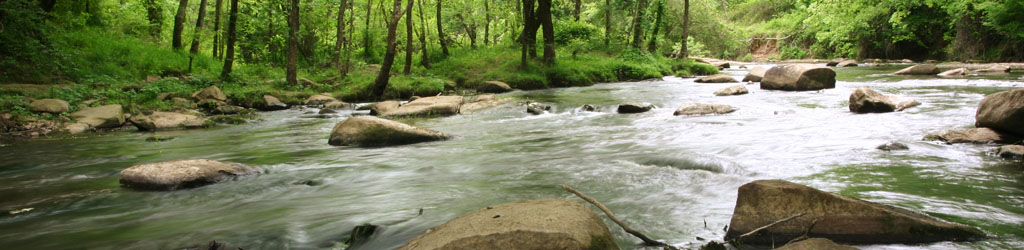
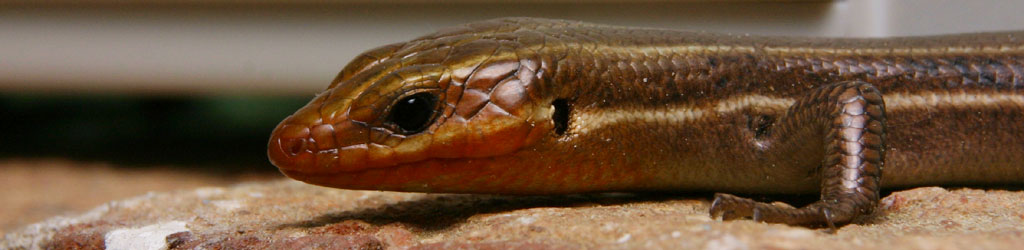
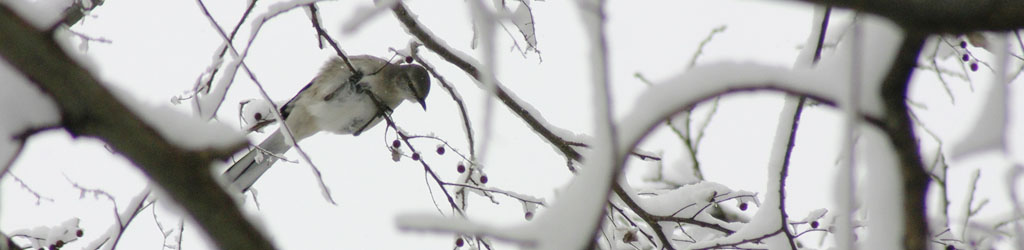
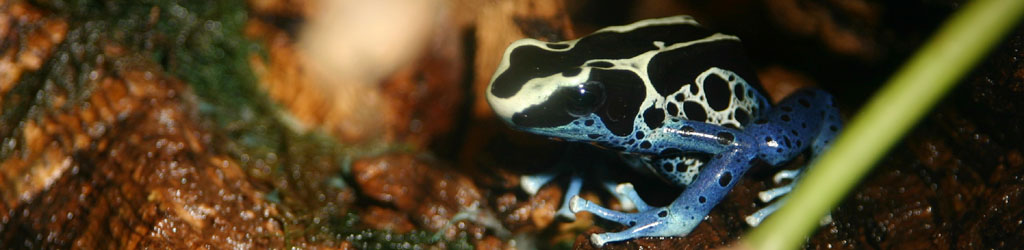
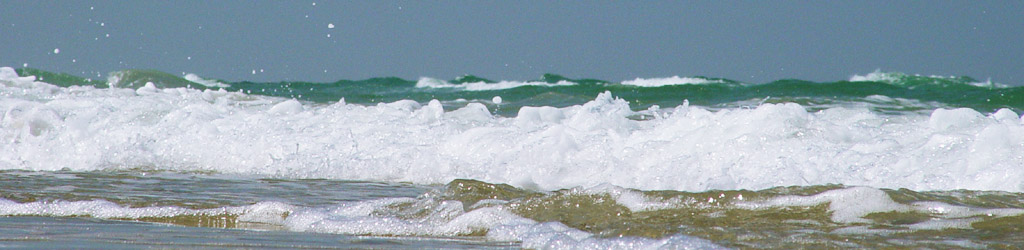
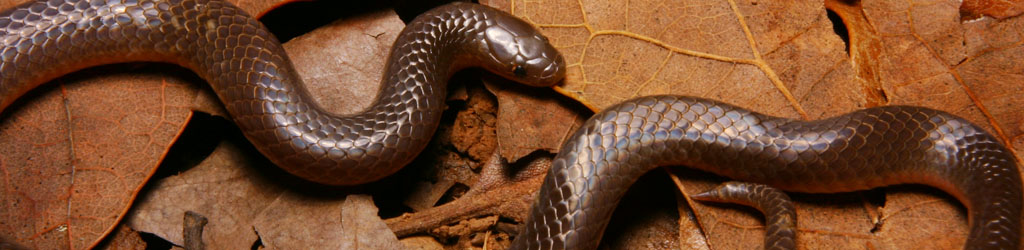

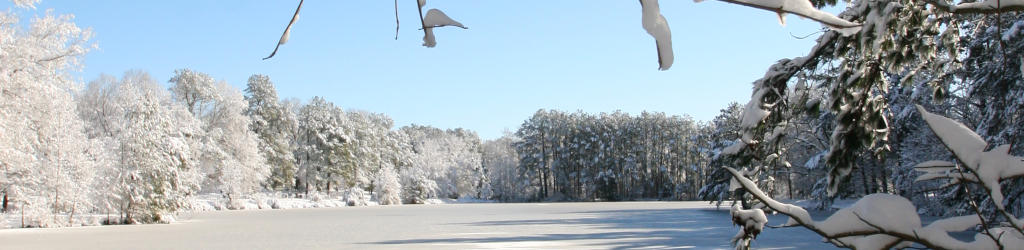
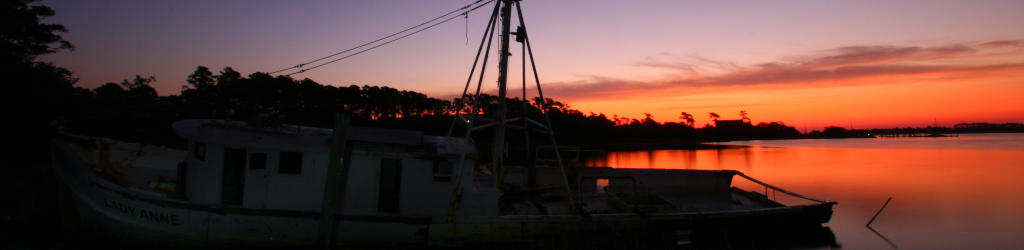
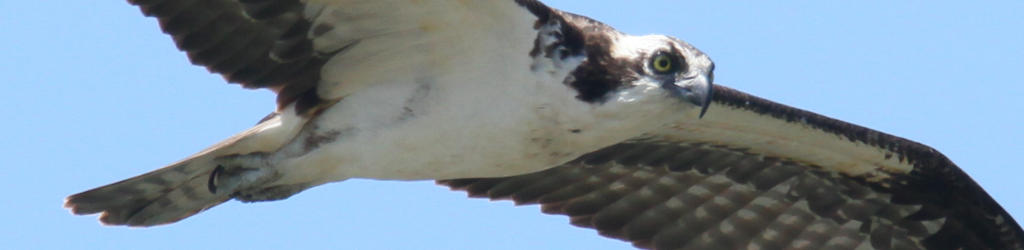
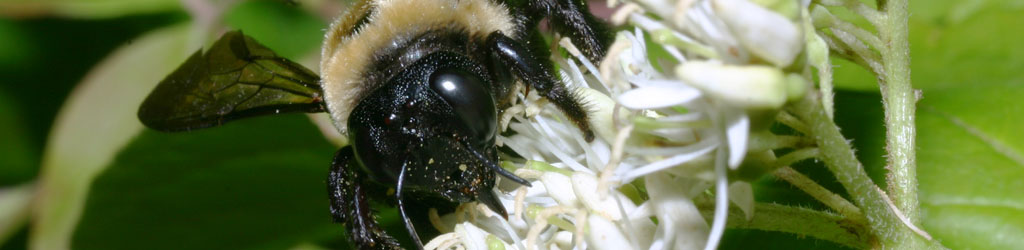
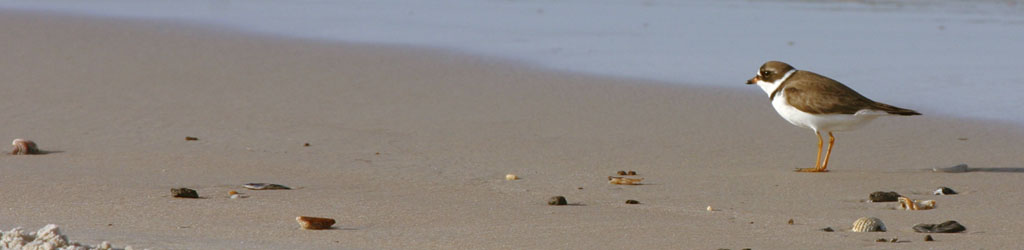
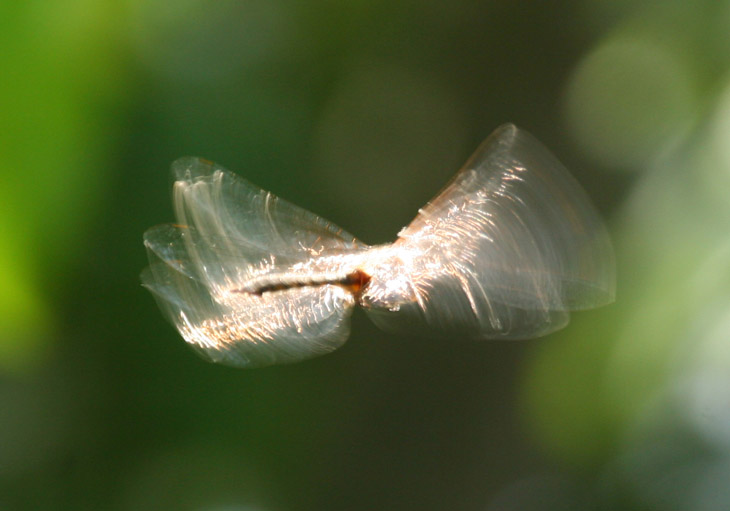
For this month’s end abstract we have… something. I’ll let you try to figure out what. I’ll be back tomorrow to eradicate the mystery, should it still exist. All I will tell you now is that there is nothing at all tricky about it, no editing, no special techniques, just a grab shot yesterday.
Monday color, uh, 48?
 Wow, I really dropped the ball on this one! Seems I simply forgot to post Monday color since, oh, the beginning of the year.
Okay, fine, it was an exercise begun in winter a year ago, that carried over throughout the rest of the year, and that I simply let slide in 2016. But I’ll still occasionally get some images that work almost entirely because of their palette (or at least I think so,) and then they’ll get posted here. Sometimes perhaps even on a Monday. Since I haven’t been posting as much and my time to work on such is more sporadic now, I should probably be making more use of images that don’t need a lot of additional text or research.
These azaleas (I think) were from a trip to the NC Botanical Garden, which provided more photos that will be along eventually. Be patient.
A closer look
Just a few pics from yesterday morning not long after sunrise, poking around in the yard looking for subjects. While I had initially modified a 80mm macro lens from my Mamiya medium format camera to work on Canon bodies when my Sigma lens failed, I have maintained the use of it because it’s one damn sharp lens, despite the fact that both focus and aperture must be manually controlled. I cut my teeth on fully manual cameras, and have even worked with external exposure meters and sometimes no meter at all, so the little bit of extra effort barely even registers.
Here, we have a tiny jumping spider perched on the newly-emerging day lilies, so small that I had to lean in close to even determine that it was a spider and not just a bit of chaff. I wasn’t bothering with the flash rig at the time (yeah, I know, I just got done boasting about making extra effort without batting an eye, and now I can’t be assed to affix the flash-and-softbox,) so in the weak dawn light I was shooting wide open at f4, demonstrating just how short the depth of field can be in macro work.
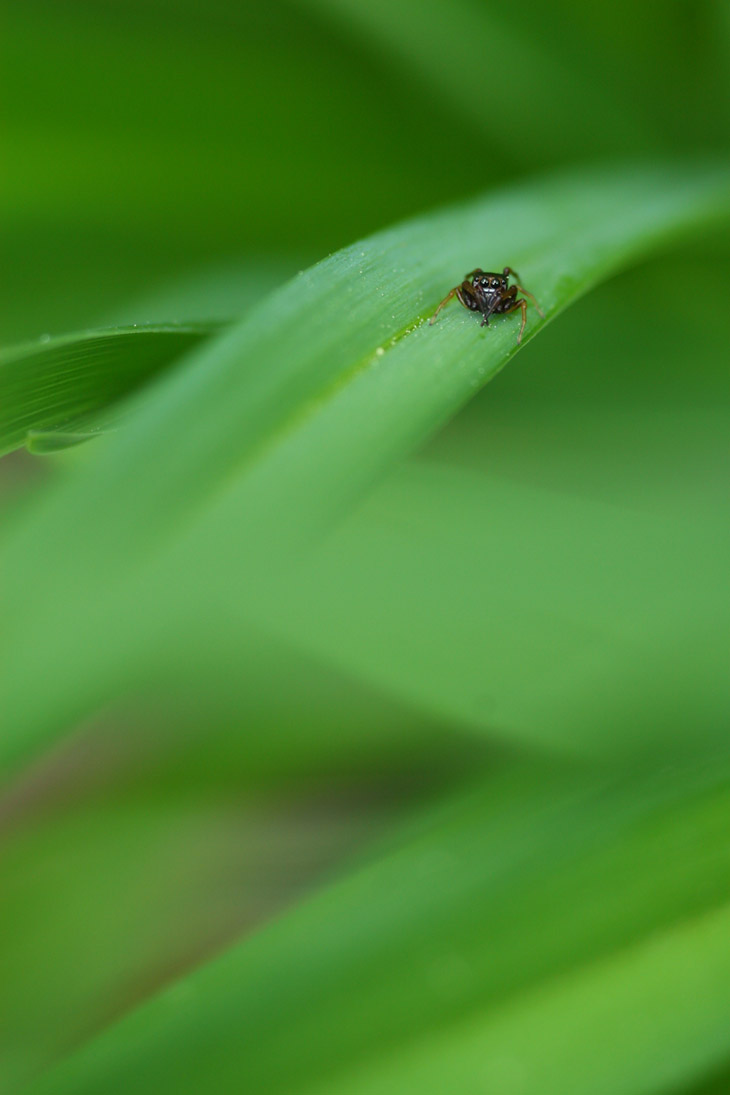
That’s full frame, and some of that gauzy effect in the middle comes from leaves very close to the lens and extremely far out of focus. But let’s instead take a close look at the spider itself, still sluggish from the overnight chill but well aware of my presence.
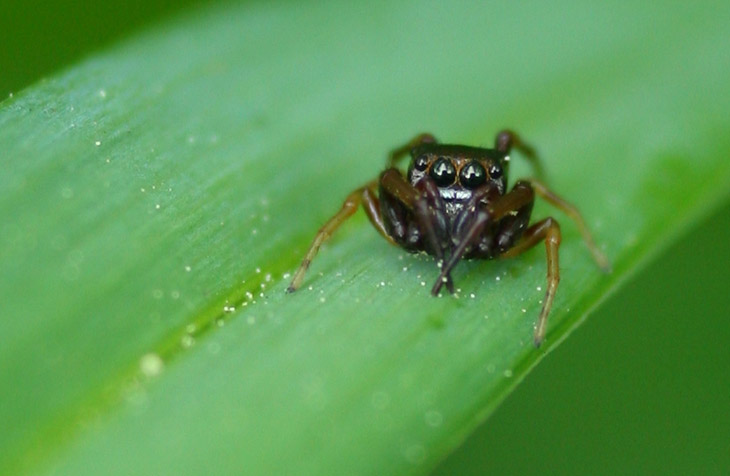
This is a full-resolution inset of the same frame, so it shows the level of detail captured. I didn’t get a measurement at the time, but checking just now, the leaf is about 10mm wide, making the spider somewhat less than 2mm across the cephalothorax (“head”) – the pale specks you see scattered on the leaf and spider are pine pollen. Overall, it’s a little oasis of sharpness in an otherwise misty frame – I’m trying to decide if the full-frame image would make a good art print. I mean, I like it, but we’ve established that I’m pretty weird and thus perhaps not representative of the art market as a whole.
The next one, however, I know not to bother with. It’s a bit too scattered and confusing, a clash of contrast and elements that don’t contribute to the effect in a positive manner; some frames just don’t work. But it’ll serve to illustrate the lens performance anyway. Here’s the full frame:
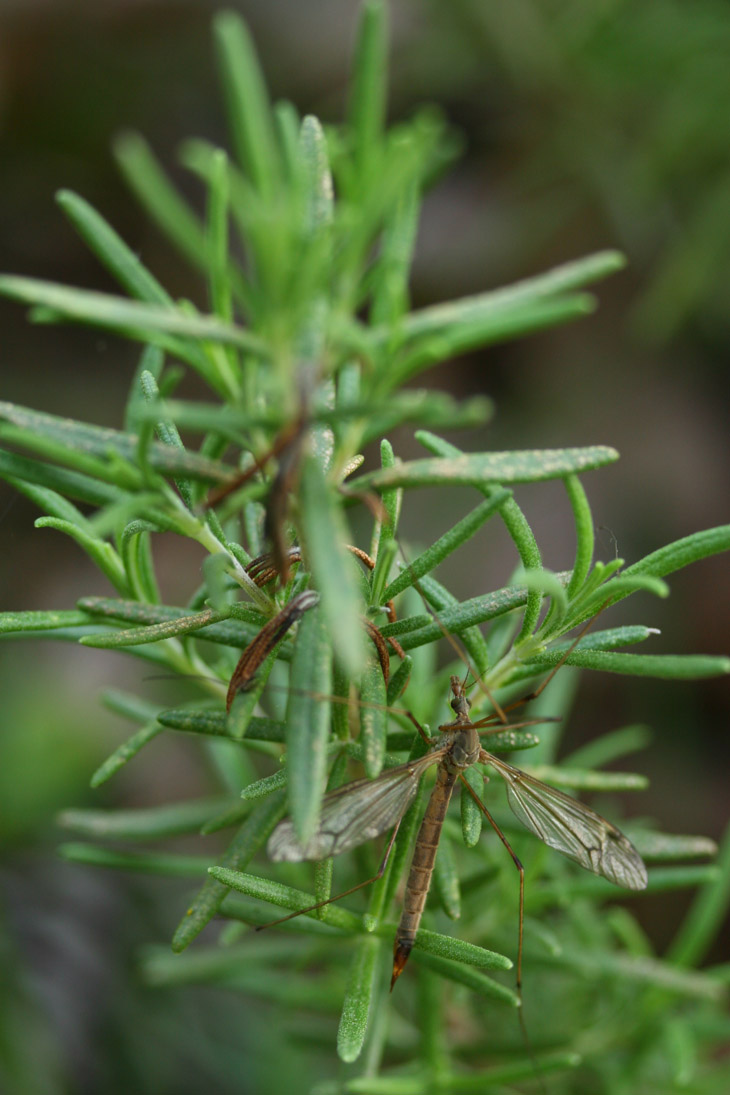
That’s a crane fly, infraorder Tipulomorpha, perched on one of the rosemary plants; not even a fraction as surreal as the day lily leaves. But we’ll ignore my failings for a moment and go for a full resolution inset again.

Yep, a couple more pollen grains in there, and if you look really close, you might make out the faint feathery tendrils that branch out from the sides of the antennae. If I remember right, the light allowed me to stop down to f8 for this one, but the depth is still pretty short, as evidenced by the legs and rosemary leaves.
Now, a quick note. Autofocus, had it been available, would have been of little use here. Even if it was accurate enough to snag the precise portion of an arthropod that I wanted sharp, there’s the simple factor that I was shooting handheld in natural light, with a very short range of sharp focus available; to put it simply, infinitesimal body movements (my own) constantly shift such subjects into and out of critical sharpness. Add in that the view in the viewfinder is much smaller than seen here on your monitor; I can’t give a good impression since I don’t know how big your monitor is nor what resolution it produces, but I would say my viewfinder image is probably much less than half what you’re seeing here. This isn’t bragging – I have plenty of frames which missed, which is why I take a lot of them when doing macro work, trying to time my own movements carefully, getting as stable as possible, and usually while holding my breath. Seriously, my arms braced against my ribcage add in another factor of movement that I’d rather do without; on occasion when pursuing a difficult subject, I have to stop and take a few deep breaths to replenish my system. Moreover, the shooting angles and perspectives that I try for often require being in an awkward and uncomfortable position; leaning over sideways with your head twisted even further, trying not to go off-balance because the self-absorbed arthropods that you’re shooting can’t be bothered to pose near good footing and clear views, can make you aware of muscles that never get developed at the gym somehow. Believe me, as macro photographers shrug off the shackles of indifference and begin to be treated as norms, we’ll be seeing a lot more cultural emphasis on chiseled, well-sculpted neck muscles.
Until that glorious day, and perhaps even after it, I’ll be using my favorite lenses for close work, both of them non-standard lenses and both excellent performers. You can get by without spending a bundle on equipment if you experiment a bit, and do your research. And hold still.
Spiders, spiders, spiders, spiders, spam, and spiders
Is there a blog in existence that hasn’t gotten off at least one Monty Python reference? It’s hard to imagine, isn’t it?
We’re still dealing with the lingering effects of the cold spell, meaning it gets chilly at night and well into the morning, so I haven’t expected much to be happening on the arthropod front and haven’t really been looking. Today, however, while getting some gardening done, I managed to spot a couple of token arachnids.
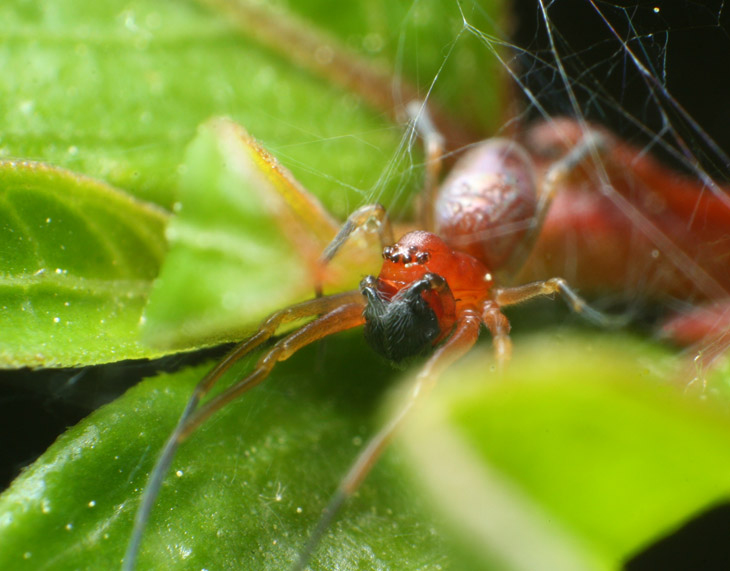
On a small potted tree I found a tiny red spider centered on a leaf, and going in for the extreme closeup displayed some serious pedipalps – not just a male of the species, but a proud one. This would appear, from the color and eye arrangement, to be a mesh web weaver, family Dictynidae.
Just in case you’re missing the significance of this from not having seen the times I’ve explained it before, the big black things in front of the spider are the pedipalps, mostly used to assist in manipulating food, but also used by the males to transfer sperm to the females; as such, they are typically much bigger in the males, club-ended rather than pointy, and serve as the most dependable way of telling gender in arachnids. You can check out this post and this one for more information if you dare.
While photographing that one, I spotted a jumping spider nearby that spooked as I tried to close in for the photo, but on returning a little later I found it back in place, quite close to the mesh web weaver. Notably, it was facing the red one and poised on ‘tiptoe,’ and suspected it had possibly sighted the smaller spider.
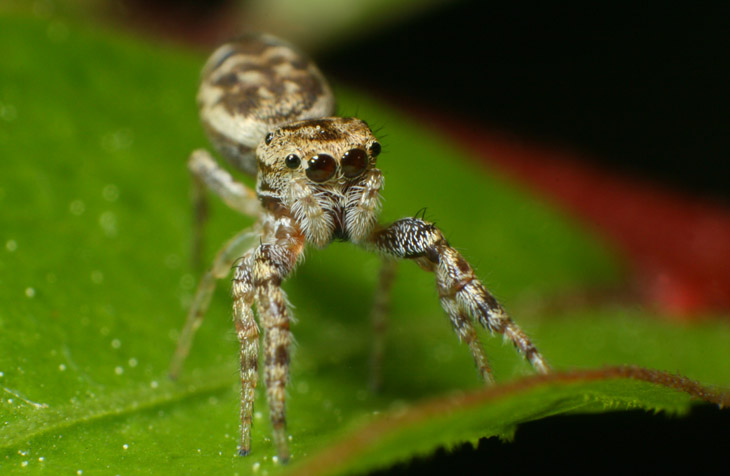
I watched to see if a capture was imminent, but after a minute it turned away, and I switched position to capture them both in the frame. I think it’s obvious that we’re not talking ‘big’ here; the red one is perhaps 3-4mm in body length.
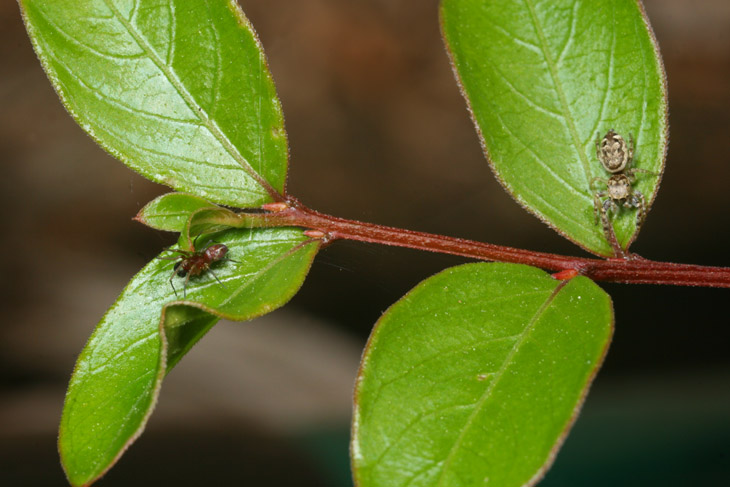
A few seconds after this image was taken, the jumper made a minor move which likely disturbed one of the mesh web weaver’s many little strands of web stretched along the leaves, because the red one leapt off the leaf and dangled from a webline, then quickly cast another strand into the breeze and clambered along it to a nearby twig, where it took up a hiding position. Whether the jumper was intending to eat the mesh web spider or not, the latter certainly believed it was likely.
Several years back, I observed two jumping spiders of mildly disparate size facing off on a railing, and quickly brought the camera to bear. In an instant they launched themselves at one another and ended up dangling several centimeters below the railing, spinning madly. Eventually they climbed back up the strand to regain their footing on the railing – or at least, one did. I was able to see them clearly, belly to belly, both facing the same way (and directly into the lens,) but the larger one was clearly in control, and had likely just killed the smaller one which was clasped upside down beneath it. Somehow, though, I lost that roll of film, one of only two that I’ve ever lost in my life (out of hundreds,) and it irked me no end.
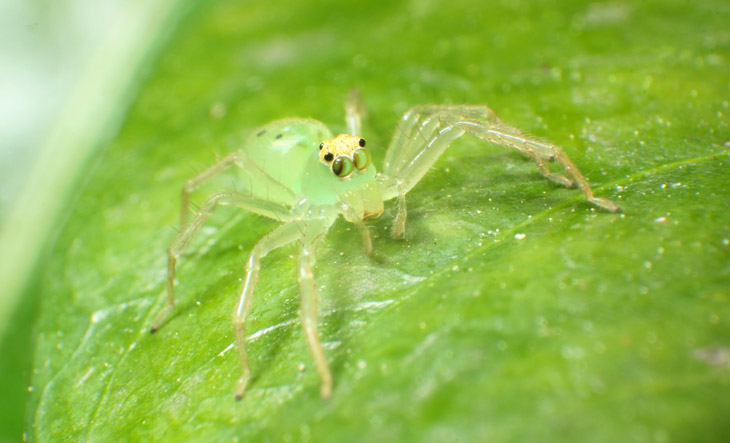
On the gardenia bushes nearby, I spotted my old friend the magnolia green jumping spider (Lyssomanes viridis) atop a leaf. They adore the gardenias, as do several other species, but the magnolia greens most like to sit underneath the leaves, lying in wait for all the insect species that take shelter on the undersides of leaves. Since this is a regular habit of mosquitoes, we’re more than happy to have the pale green spiders hanging out down there.
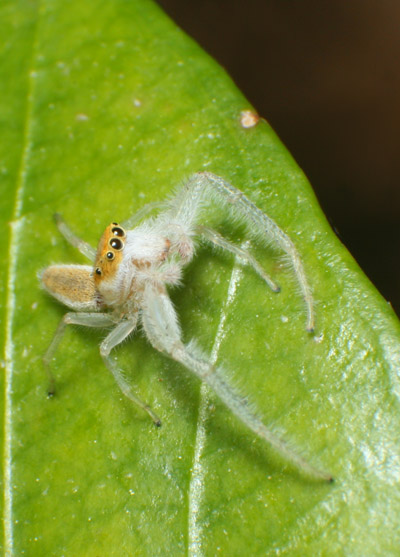 Another denizen very close by was a jumping spider fairly common around here, though BugGuide.net lists their range only as ‘Florida.’ This is a Hentzia mitrata, no apparent common name, so we will call them peachfuzz for obvious reasons. This one came very close to a magnolia green, but went past and tried to take shelter from my presence against a stem, before gaining the topmost leaf and viewing me alertly. Some jumpers are fearless, some are shy, and these seem to split the difference; after its attempts to disguise itself against the stem failed to work, it sat in plain view and intently watched me and the camera, in this image probably viewing the softbox reflector hanging out over the lens. More images of the same species from last year, including a fartistic one, can be found here.
By the way, in stepping out this evening to check something outside while writing this post, I missed an opportunity. A magnolia green was sitting underneath a leaf, while opposite it on the top sat a longlegged sac spider, both visible as I shone a flashlight up from underneath the leaf – the silhouette of the green spider almost looked like the shadow cast by the sac spider, but displaced too far to one side, nicely surreal. I went in to get the camera and tripod, but the sac spider failed to heed my admonition to remain where it was, and had wandered away to another leaf before I returned – probably an irreverent juvenile. You know what I’m talking about.
Also, while researching the species for this post, I believe I stumbled across the correct identification of an earlier shot, the near-microscopic spider seen in this post. While mine had no visible yellow spot on the abdomen, it certainly looks like it could be a Theridula emertoni, a type of cobweb spider.
It was one other find that I was most pleased about, though. Spotting some slender legs moving behind a potted plant, I carefully drew out the entire pot to get a view without disturbing the resident. Expecting to see another spider, I instead faced a newborn praying mantis. Between never having found an egg sac, and the inordinately cold weather, I wasn’t expecting any such appearances for at least another week or more. This one proved to be quite shy, and every time I managed to get it into the viewfinder it leapt away to another perch – I eventually couldn’t locate it again and I still hadn’t snagged a photo. Frustrated by this lack but still pleased to actually see evidence, I moved on to other tasks, only to find it (or a similar one) about a half-meter away in the opposite direction from what it was last seen moving. Ah, the old ‘fake and double-back’ trick – not a tactic I expected from one so young…
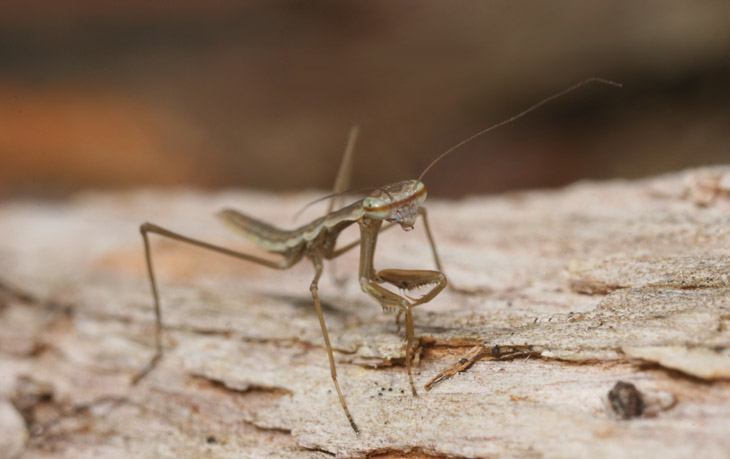
Seen here on the same stump that the Copes grey treefrog was favoring earlier this year, this Chinese mantis (Tenodera sinensis) was reluctant to provide me with a head-on shot, but my natural charm and charisma paid off (you should do something about that cough.) Only 10mm long and weighing – man, how would anyone even weigh one of these? It’s lighter than a sesame seed – this minuscule mantis marks the first of the season, at least for me, and could only be a couple of days old at the most. I actually have a pair of egg cases in the mail to me right now, specifically so I can try to photograph their emergence in excruciating detail. And speaking of excruciating detail…
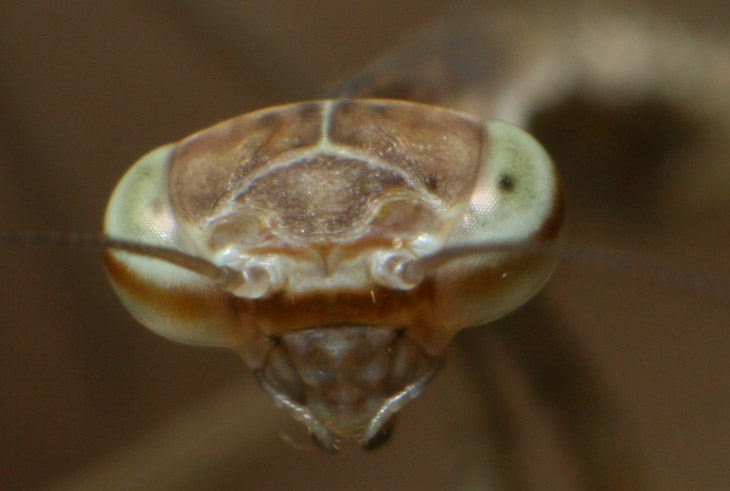
If you look close, you can actually make out the facets of the compound eyes. Bearing in mind that the eyes are 2mm across at the widest point, I’m pleased to capture that kind of detail. Also note that, at this magnification, the false pupil is quite vague, but that’s partially because it’s slightly out of focus.
So, yeah, I’m pleased with how the day came out. And I’ve gotten an appropriate start on the subjects that will undoubtedly appear here many more times throughout the year.
Like we meme it
 It’s safe to say that this blog is wordy, which is one of the more significant ways that it distances itself from social media; the quick memes and the sound bites are not really at home here. And this is largely because they’re far too simple to be of any use. Take this image here, lifted from The Meta Picture, a site that’s nothing but images with humor and occasionally ‘insightful’ messages.
Because, quite simply, it’s wrong. But that’s not enough, is it? We need to know how it’s wrong, and that takes a little time and effort. The causes of obesity are varied, and do not come down to the simple metric of, “cost per calorie,” or even calorie count overall. Both can be contributing factors, but are far from being the root cause. Aside from various medical issues that might alter the way the body manages intake and storage, there are the factors of availability of a balanced diet, physical activity, time to prepare meals, psychological aspects such as ‘comfort food,’ and even just the evolved trait of, “if it’s available and tastes good, eat it – you never know when the next meal is coming.”
Even more importantly, who cares? While we may see numbers of ‘obese’ people growing in the US (and the definition of this term is vague and not terribly useful,) there is hardly an ‘epidemic,’ as it is so often presented, but moreover isn’t really anyone’s fucking business, period. Ask anyone who complains about obesity, and they’ll be quick to tell you of the long-term effects on health, and especially the impact on our healthcare system, as if this is a serious factor in our economy or something. Shit, if we’re that worried about it, then we should eradicate alcohol entirely, as well as teen drivers. And for that matter, pregnancies – do you now how much of an impact those have on our healthcare costs? Yes, the “we all pay for those decisions” angle is nonsense, and hardly a rational approach.
Richard Dawkins introduced the concept of memes in The Selfish Gene, as an idea that propagated among our species, evolving and spreading according to the appeal that it had to us. Some memes have a greater fitness than others, and by ‘fitness’ we are not talking about any kind of ideal situation, but whatever worked best to continue to be spread. I won’t say that the above meme is an especially fit one, no word play intended at all, but I’ve seen it, and the attitude that it expresses, quite a few times over the past decade or more; it’s more than a passing idea, and possesses enough traits to be repeated, to gain attention from those who find that it expresses their thoughts so simply.
Yet this fitness doesn’t necessarily correlate with being a beneficial thing. For instance, many of the foods that we find taste the best are not considered the best for us. How could that possibly have evolved? Well, in the conditions that prevailed throughout the vast majority of our existence, the tastebuds that we developed did indicate foods with a better effect on us – but conditions have changed now. Moreover, evolution works with what springs up through random mutation, and while this can accomplish some amazing things, it doesn’t always produce an ideal situation; natural selection means the most effective among the options, not the most effective that could be produced or designed. Humans evolved with a lot of desires and behavioral prods, but not necessarily specific ones, so we can still get involved in drug addiction and extra-marital affairs despite them being less than ideal.
And that’s where this particular meme comes in, and an awful lot of other things too. Because let’s face it: we don’t like seeing fat people. That’s it – that’s the whole thing. We have a preference for several traits that indicate a good choice for mating to produce healthy offspring, to propagate our genes; we’re also specific about odor, and age, and plenty of other factors. That these have no effect on the vast majority of our activities makes no difference; evolution did not produce an off switch, because such a thing wouldn’t provide enough of a benefit even if it did spring up through genetic drift and mutation. But while this distaste over excessive weight isn’t really applicable to most of our lives, it still exists, and when we find a meme that reinforces these subconscious feelings, we’re more than happy to justify the spread of the idea with claims of being relevant, important, and rational. If we find someone else who links or forwards the same meme, we get a reinforced sense of relevance despite no relevance being demonstrated – “if someone else does it too, it’s not stupid,” right? And that in itself is another trait talking, our desire for social cohesion and “fitting in.”
There’s even more at work. If we find a way to make ourselves seem better than someone else, then we are satisfying the competitive instincts we have – without actually having to compete; once again, many of our instincts and desires are easy to fool without fulfilling their evolved purposes. Our culture places a lot of emphasis on “being fit,” so this must be important, right? Well, it’s slightly more important than having tattoos or smutphones, anyway, but nowhere near as important as being intelligent or empathetic. And finally, we like simple answers. Simple answers mean quick decisions, and avoiding the oh-so-exhausting process of thinking. It’s a shame that thinking doesn’t actually take a lot of effort, because then maybe at least a few people would tackle it just because it burns calories…
Yet, simple answers are just that: too simple, ignoring or dismissing the multitudes of factors that have a real bearing on any issue. The meme, the sound bite, the proverb or quote or catchphrase, are often far more superficial than any situation warrants – and of course, to rebut or correct them in a short and sweet manner means to commit the same mistake. Our wonderfully evolved minds have the ability to handle multiple facets of any situation, even if it means recognizing that there are no quick answers – but this ability is entirely subverted if we fall for simple emotional stroking instead. We should be immediately suspicious of quick answers and trivial solutions, at the least, willing to examine anything carefully to see if it’s plausible – and not at all averse to going into detail when we address it. We could use the exercise.
Let’s all pretend
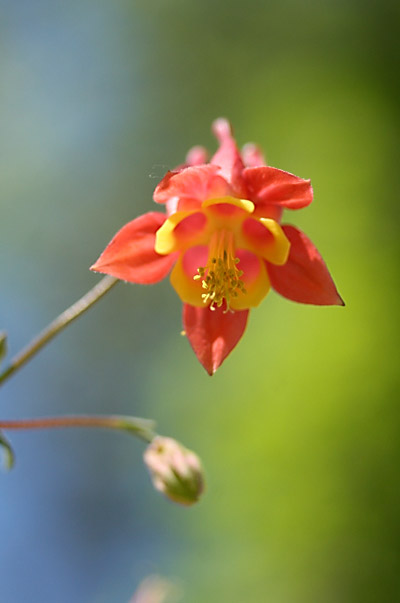 I have an idea: let’s all pretend that we are not getting unseasonably cold weather after the spring rebirth has begun, and that the temperatures are remaining exactly where they should be. In fact, let’s insist on it, in ALL CAPS if need be – it seems to work for religious folk…
So naturally with such wonderful conditions, I got out a couple of times this weekend to do some shooting, not at all hampered by things like slow and interrupted blooming and frost warnings. And while the area surrounding this columbine flower (Aquilegia canadensis) was simply bursting with green undergrowth that would have made an excellent background, I chose instead to lay flat on the ground and shoot upwards into the blossom to gain a perspective that isn’t seen often, taking advantage of the blue sky and a vine-shrouded tree. Had I been thinking harder about it, I would have popped some fill flash or positioned something as a reflector to get a little more light up in there – it’s not bad as it is, but it might have made the colors shine just a bit better. I have to be careful about that with red flowers and this camera body (Canon 30D,) however – for some reason it tends to oversaturate reds and produce some unrealistic effects at times.
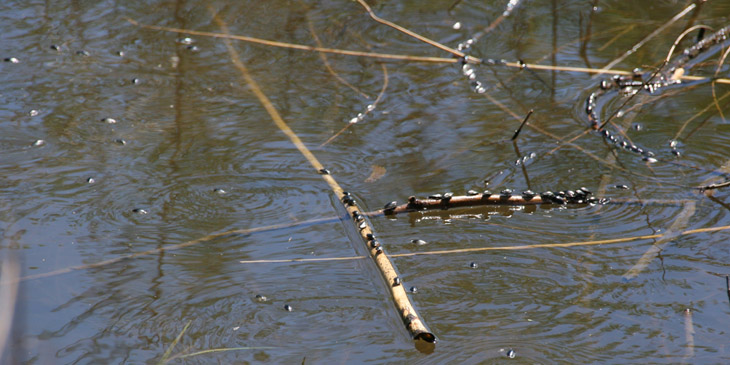
I ended up in three different locations over the course of two days. This columbine shot was done at the NC Botanical Gardens, same with the green treefrog two posts back, but earlier that same day I’d done a trip down to Jordan Lake to check on conditions and try to find some mantis egg cases to set up for their eventual hatching. No luck on the egg cases, and in fact I didn’t see much of anything, but a flooded area bordering some woods was playing host to a stunning number of water beetles, likely the same kind seen here (and thus probably Hydrophilidae.) I’d never noticed such behavior before, but a large number of the beetles had paused in their manic boating and were perched on twigs, looking remarkably like turtles sunning themselves on floating logs. I promise to capture a few at some point and do detailed closeups of them – it may be challenging, because like water striders, they’re very wary of close approaches and I will probably need a long-handled net, as well as quick reflexes, to snag them.
 That was about it for Jordan Lake, at least the area that I checked out, save for a lot of wisteria that was still hanging on. Wisteria tends to peak and disappear quickly, and most of what I saw was just passing optimum appearance, starting to wilt and turn brownish in places, but it was still better than my immediate area where all such blooms have already disappeared. So for this shot, we return to the Botanical Garden and take another upward view, this time a white rose against a brilliantly deep blue sky. I did a couple of compositions, both with and without the cloud, but selected this one because the cloud seems to complement the blossom well. I tend to shoot different perspectives and approaches for many of my subjects, not just satisfying myself but also maintaining stock for potential clients who might have different tastes than I do. In the interests of space I usually only feature the one I like the best on the blog, but it’s rare that I only have one version of any given photo. This post, for instance, illustrates the subtle differences that I might try – so does this one.
This trip to the garden failed to net any images of the green anoles that frequent the locale, and even the frogs were pretty scarce – curiously, since (as we established above) the weather has been absolutely ideal for them. This session was with a student, and we both checked out one of the ponds for the resident common snapping turtles (Chelydra serpentina,) eventually finding one of the pair vaguely visible in the murky water. The pond is quite small, seemingly too small for two turtles of this size, but they appear to be perfectly happy with it. Let’s pause here and contemplate the thought of snapping turtles seeming in any way “happy.” Difficult to reconcile with their appearance, isn’t it?
What, you want a visual aid? Lucky for you that the other snapper was soon discovered basking on the walkway, drinking in the afternoon sunlight even though, you know, it was completely unnecessary given the marvelous temperatures.
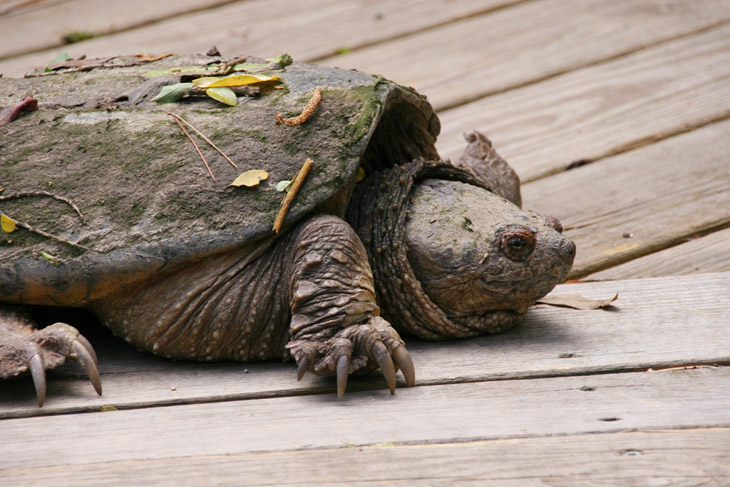
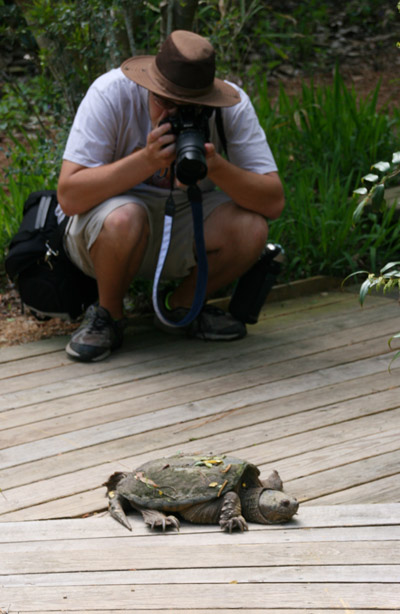 Certainly a carefree and chipper-looking species, isn’t it? You can almost picture it rolling onto its back and playing with a ball of yarn. The mud and algae on the carapace is typical of the species and its habits, only adding to the perky effect of its scaly skin and enormous claws – I think our concepts of how dinosaurs appeared have a lot to do with snapping turtles, since we have no fossil evidence of what dinosaur skin was actually like. Consider, too, how we can see images of Galápagos tortoises and find them mellow, perhaps even kindly in a geriatric way, while we cast a critical eye at snappers like this and only consider them irascible and bellicose, despite having virtually the same behavior.
I should say I am referring to the prone one in the photos, and not the crouching one, which is the Inculcated Al Bugg, this time maintaining a respectful distance from his photo subject. He appears here mostly for scale, and obtained much the same kind of photos of me from his own vantage, though he has yet to forward them to me so you’ll have to use your imagination. Perhaps it’s better that way…
The following day we ventured into Duke Forest while the pleasant weather continued unabated… I’m sorry, I just can’t keep it up. It had dipped to near-freezing overnight and was still freaking chilly, making me doubt the likelihood of seeing much of anything; the area is great for water snakes at least, but only when it’s warm, and I wasn’t holding out much hope. Instead, we stuck largely to scenics, and while Mr. Bugg was working on his long-exposure techniques with moving water the proper way, with a tripod and cable release, I shot a couple of experiments handheld to see how the optical stabilization built into the lens would hold up. This is at 1/5 of a second, and not too shabby for all that.
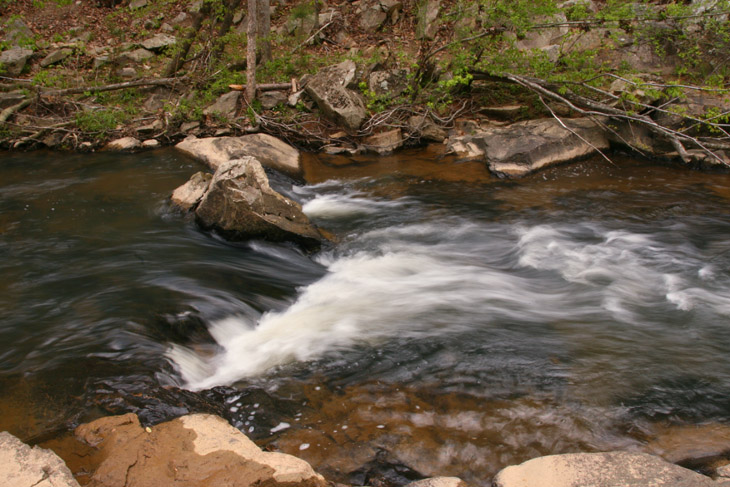
Fartistically, of course, it could be better, but I’ll wait until the foliage is much further along and I can wade into the water for an ideal vantage without inducing frostbite and gangrene.
While examining a small pool formed by higher stream levels, I discovered a newly-molted crayfish that was still soft, with its discarded exoskeleton nearby – you might see those images on Al Bugg’s blog. I also stirred up a pair of little salamanders, one of which I managed to perch in my left hand while the right handled the camera.
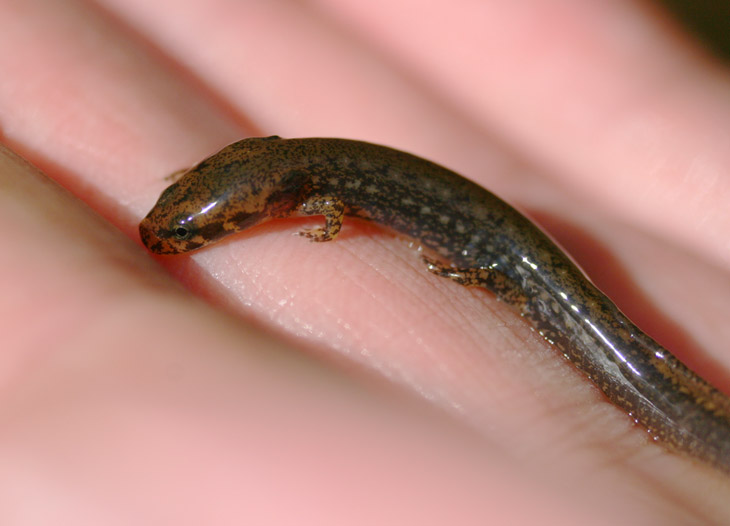
There are too many salamanders in NC to try to identify this one, especially since it’s a juvenile and bears different coloration from an adult. Suffice to say it was no more than 5cm in overall length, and able to be captured only because the pool was small enough to limit its hiding places when I stirred it up by lifting the flat stones.
It was touch-and-go on the availability of sunlight for a while, starting out near-overcast and developing into scattered clouds that would change the lighting abruptly in either direction – this stopped me several times as I positioned myself for an interesting image in sunlight, only to watch it vanish in seconds as a cloud moved in, whereupon I would peer at the sky and judge which way the cloud was moving to determine whether it was worth the wait. Doing long-exposure water pics is better with the clouds, however, since the sunlight brings bright reflections off of the splashing water, little points of white that take away from the smooth and smokey appearance of the rapids. As the clouds finally cleared for good and the day began to get warmer, it stirred up the wind, at times none too gently – I had to start using the chin-strap on my hat to retain it, and was a little surprised not to hear more limbs dropping in the thicker forest that surrounded us, despite how deep the valley was.
 Immediately before we had to wrap it up for the session, we finally found one of the subjects we’d come down to see, a northern water snake (Nerodia sipedon.) They can often be observed right near the concrete apron where the gravel access road crosses the river – the jumble of rocks and frequent jams of dead trees brought by the currents make an ideal habitat, good hiding places while convenient to the water. This one had found a nice spot, fully exposed to the warming sunlight while sheltered from both the wind and casual observation. I actually compared the markings on this one against the one found last year not ten meters from the same location, trying to determine if they were the same individual. Answer: nope – see the markings immediately behind the heads. Not at all surprised, since plenty of them live in the area, but I’d hoped anyway. We’d spotted this one perhaps 20 minutes earlier with only its head poking from the water, so it had been basking long enough to dry out, and hopefully was warming up adequately – the temperature dropped to near-freezing once again that evening, so its window of activity was markedly brief.
It’s better than snow, but I still feel a bit cheated at the spastic nature of the spring right now. Nature photographers don’t like being put on hold.
But how? Part 20: Consistency
This episode of ‘But how?’ is going to deal more with observations than answering any specific questions through a secular outlook; as such, the title question itself doesn’t really fit, but there still may be a lot of things that become clearer nonetheless. So let’s take a look at consistency in regards to religion.
From time to time, I hear the argument that ‘science’ changes all the time, but religion (or whatever the speaker’s personal definition of it, anyway) remains the same, as it always has. There are two immediate observations that demand attention right off the bat. The first is, ‘science’ used in this manner is the body of knowledge gained through scientific means (rather than the process itself) – the facts, not the practice. But since science is a methodical process of learning, reflecting mankind’s horrific lack of omniscience, of course it changes, just like every human being changes every minute of their lives as new experience adds to their store of knowledge. Having it any other way would be remarkably dull and pointless.
But even to think that science (or our body of knowledge) ‘changes’ significantly is warping reality to leverage a particular viewpoint. Our knowledge expands constantly, but not very much of that consists of changing what we once believed into something else. It’s not hard to find changes in dietary recommendations, for instance – even though a lot of these are corrections to radical misinterpretations of scientific studies by popular media and agenda-driven sources – but this is a tiny aspect of scientific endeavor. Physical laws, engineering formulas, the functions of cells, the nature and behavior of electromagnetic radiation, the atomic table, and so on and so on… all hashed out long ago, few of them even being refined, much less changed. We knew, to a large extent, what DNA did before we even knew what it was. In fact, a large portion of scientific findings right now consists of confirming theories and suspicions, such as gravitational waves, the Higgs boson, and even relativistic time dilation. To say that science constantly changes broadly implies that someone who got their PhD fifty years ago would find it to be worthless now, which of course is far from the case.
The second point that must be highlighted with such an attitude is, to think that religion – any religion, or even any aspect thereof – remains the same only demonstrates a stunning ignorance of religious history. Religion doesn’t quite change as much as, say, fashion, but it’s a lot closer to that than to any charitable or even magnanimous definition of “unchanging.”
Even on very small scales, there is little consistency to be found. In a previous post I expressed significant doubt that any two religious people could agree on a majority of ‘facts’ about their religion, which is especially amusing since the structure of so many faiths is to follow the pronouncements of their religious leaders, regardless of how little sense they might make or any ability whatsoever to support such pronouncements with evidence; “faith” is itself a structure of unquestioning acceptance. Most religions are built on authority, and as we are told, there is only one authority to be found… well, okay, not to be found in any way, but there nonetheless. We know this because we have it on good authority – just, not the authority which is the only authority that counts; mouthpieces are enlisted instead, spokespeople for an omnipotent being, because. Seriously, we never get any better explanation than, “because.” This state of affairs results in more schisms, sects, and splinters than any other topic you can name; put this down to hyperbole if you like, but if you do find a topic that is more fractured and scattered than religion, the comparison still won’t be complimentary. Any devotee will be happy to tell you how correct their own version is without cognizance of the bare facts that a) their version is not followed by many people, and b) it did not exist a hundred years ago. That sounds enormously contentious, and anyone is welcome to dispute it; show me how the attitudes, proscriptions, practices, and rituals are exactly the same as they had been – I wish you the best of luck. In the meantime, we are expected to believe that billions of people over the history of mankind got it all wrong until right here and now, when this handful finally got it right. Even if there were some way to establish this ludicrous proposal as absolutely true, it’s rather damning of religion itself being able to fulfill the one function that it has.
More entertaining are the inconsistencies found within any given faction. We are often assured that scripture (any scripture you care to name) is god’s word and therefore irrefutable fact, but we somehow cannot find anyone that doesn’t willfully ignore those sections that they find inconvenient. At best, we get to hear that said sections are intended only metaphorically, but how this is determined is never fully explained – it’s certainly not a consistent set of rules or indicators that are followed throughout, applicable without fail to all aspects of scripture. Moreover, there is no agreement over which sections are metaphorical and which are literal Truth™, but there is a certain ironic trait to be noted: some of the sections largely considered metaphorical gained this current status because science demonstrated that they could in no way be literal.
[It occurs to me that a large number of religious folk may be entirely unfamiliar with this, since their perspective comes solely from their personal involvement in their church or temple or whatever, which not only fosters at least some consistency, but rarely involves any questioning at all. Yet as an outspoken atheist that’s quite active online, the huge variety of beliefs and practices is apparent. While I’m more than happy to consider any given viewpoint as a personal perspective, those presenting such perspectives never have the attitude that these are individual views, but rather representative of The One True Way – often enough with commensurate condescension over anyone who fails to recognize this. I shouldn’t need to remind anyone how frequently such attitudes result in bloodshed, either.]
The various schisms shouldn’t be surprising, however, when we recognize that few, if any, collections of scripture maintain any consistency within – not in message, not in tone, not in guidance and ideals for humankind, not in portrayal of events nor their connection to other historical records, and most especially not in concordance with demonstrable physical properties. One would think that Truth™ would be easily demonstrable, certainly not in disagreement with the world around us – and yet, these disagreements, such as promises of otherworldly realms and the assurance that miracles do indeed take place, are almost what defines religion. While physical traits and laws are dependable, repeatable, and predictable, concepts such as ‘supernatural’ and ‘metaphysical’ exist as departures from this consistency, unable to be demonstrated or even defined firmly; as such, anyone can use them virtually at will. The vague nature of these terms means that they can only serve the purpose of self-confirmation, since there are no standards to be met and thus no way to actually rule them out.
As a small aside, note how often the people who find ‘supernatural’ influence in everything from being uninjured in a car accident to finding their lost sweater somehow manage to show how their god is caring. When the bad things happen, these are never ‘miracles’ – a curious set of evidential standards. On those rare occasions when death comes to someone they know, there is often no hesitation in claiming this is still part of a plan, with the assumption that this is a beneficial plan, though how this could possibly be determined remains unknown. Faced, however, with the overwhelming evidence that things on this planet can in no way be considered universally good, a lot of religious folk quickly point the finger at people being flawed – despite their assertions that we were all made by a perfect being. If this is all part of a plan, doesn’t this mean that it makes no difference what we do or how we behave?
Even ignoring those overriding issues, there is the simpler one that most scripture cannot even agree with itself, featuring countless contradictions within. Coupled with imprecise passages wide open for interpretation, as well as the tendency among to faithful to choose only those passages that fit a specific purpose, we find that scripture can be used as justification for just about any behavior imaginable, bringing us back once again to how often the practices of any given religion have changed over time. Take a quick look at the hotbutton issues of any religious group, and compare them to what was considered important just three decades ago, much less one hundred, two hundred, or five hundred years ago. It is especially amusing to see how many women are openly religious, given the fact that all of the abrahamic scriptures dictate how little influence females are permitted to have. Those sections aren’t actually part of the plan, I’m guessing.
As you might imagine from the other subject matter on this blog, I have a lot of exposure to those that try to argue against evolution, and the inconsistencies in these discussions are vast. They range from the simpler, “evolution takes place, but it was all started by god long ago,” to the fundamental creationist standpoint that the Earth is only 6,000 years old and every other interpretation is fostered by satan – good thing the religious have it all spelled out for them and can agree on this issue. Even intelligent design, a concept claimed to be scientific in nature that nevertheless shows how god must exist, has two interchangeable definitions of ‘irreducible complexity’ that don’t logically intersect. And yet there is a notable consistency among many religious debaters – not perfect, mind you, but transcending most demarcations among the religious that anyone cares to make – and that is the standards of evidence and proof. Evolution, naturally, is proven completely false by any inconsistency found therein, any lack of direct evidence, any two factors which do not seem to agree, and this is regardless of how little the religious debater actually understands about evolution (which is most often very little indeed, despite how simple it really is.) Holding any religion at all up to the same standards would trash it instantaneously, which is naturally why it is never done. This appears very distinctly in many arguments, often revolving around those people who blindly follow the pronouncements of scientists or the dogma of science itself, despite the fact that religion is built upon these two concepts and could not exist without them – faith is good when the religious do it, but not when it’s perceived to be done by anyone else. That science is, by nature and practice, diametrically opposed to the concept of faith is simply never grasped in such conversations.
More amusing is how science is actually used in the same discussions, far too often. An oft-repeated canard is that the second law of thermodynamics disproves evolution, demonstrating how little the person using it actually understands about physics, but much worse, the first law of thermodynamics trashes gods in every named form. This selectivity in finding science useful or delusional occurs quite often (and not just among the religious, it should be said.) In discussions on the studies that found portions of existing DNA in dinosaur bones, the religious arguments often revolved around a) it being impossible for DNA to exist that long, and b) that testing would show that the bones weren’t really that old. Both of these, naturally, are scientific processes, ones that weren’t ignored during the original studies, but apparently one can pick and choose the science that they find dependable (I think it revolves around how conveniently it supports a pre-existing view.) Don’t get me wrong: scientific findings do indeed clash, and can be used to prove previous studies wrong – it happens quite frequently. But such changes in scientific knowledge take place with careful demonstrations, rather than the typical religious argument that if we evolved from monkeys we shouldn’t still have monkeys. I’ve said it before, but there’s something precious about the faithful soul that thinks their cute little canard somehow would never have occurred to the thousands of scientists who have been working with the same concepts for decades.
I’ve also remarked before about the hypocritical double-standard of personal choice and ultimate authority, shown far too often by religious folk. When confronted with much of the same stuff above, or the combined nonsense and pointlessness of most of their scripture, the defense is that religion is a personal choice, and even a right that they possess (it’s not – it just cannot really be denied, like whether or not one likes vanilla ice cream.) Personal choices, however, are never used to influence legislature, to dictate how children should be raised, or even to slaughter infidels. Personal choices do not extend beyond one’s own brain; anything else obviously isn’t ‘personal.’ And if we are recommending (or forcing) any course of action for anyone else, we should be able to rationally support such with the overriding beneficial aspects, rather than some childish appeal to writings several thousand years old that do not even present the planet in the correct shape. But note, too, that the argument of religion as a personal choice vanishes as soon as the individual leaves the arena of debate, and becomes Truth™ everywhere thereafter.
There are more amusing bits. I can’t tell you how often I’ve heard variations of the argument that there are too many religious people in the world, so they can’t all be wrong. Aside from the simple response of, “why can’t they?”, there is the curious double-standards of category that arise every time this argument appears; all of a sudden, every religion can be joined together in harmony – the Native American who believes in a trickster god somehow supports the concept of karmic rebirth, it would seem. The argument also somehow skips over the bare fact of how many people the world over believe in all of the scientific findings we’ve made over the centuries, like the age and origin of the earth and how long life took to develop. It also ignores the plain, simple fact that it doesn’t really matter what anyone believes, since opinion does not establish reality; what kind of results can be produced? We’re still waiting for that, from any religion…
Also, curiously, a lot of religious folk seem to somehow believe that everyone who promotes the concept of, you know, physical laws and life as happenstance is forwarding an agenda, yet their church, which wouldn’t even exist without both a faithful flock and a shitload of donations, is only interested in promoting Truth™. And let’s not forget the argument that atheists and their ilk never tackle sophisticated theology, despite the fact that 99.9997% of religious folk have absolutely no knowledge of such themselves and never produce it when making their own stand. Add in how atheists never pick on the reactive and bloodthirsty religions, but only the peaceful and non-reactive ones like those that the arguer belongs to – despite professing that there is only One True Religion.
[Another aside: in the aforementioned case, islam is usually the ‘reactive’ religion in mind, demonstrating how few people understand that islamic terrorism is a tiny, radical subset of a larger faith that is no more violent than christianity – all of them have their extremists. And while extremism can have many root causes, the concepts of ultimate authority and deity-approved actions certainly aren’t detrimental, are they? Nor are they specific to any religion, imagine that.]
I could go on, but I suspect the overall claim of consistency is effectively trashed. There is a more interesting concept that can be found within, however, and that’s how often the rules and standards and practices exist only as far as they support the religious standpoint. If one already has a preferred answer and selects only the stuff that supports it, then a case can be made for anything at all. A consistent set of practices and standards, however, especially ones that predict results, are the only things that will tell us when we’re on the right track – anything else is self-indulgence.
Green greeting
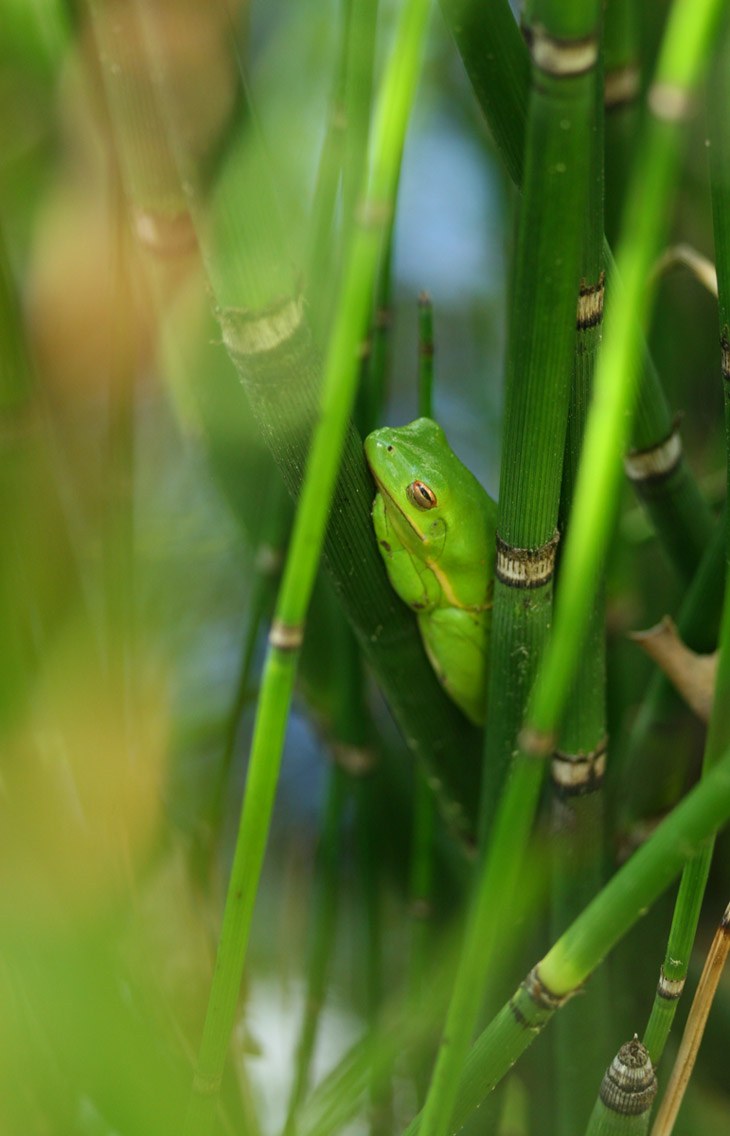
More stuff will be along soon, but right now I just wanted to post this one. From a short outing yesterday to the NC Botanical Garden while the weather was nice, this is the first green treefrog (Hyla cinerea) that I’ve seen this year, pretty early as far as I’m concerned. It is perched upon a clump of scouring rushes (Equisetum hyemale) growing in a small pond liner. From what I’ve just heard about that plant, I may have to come back later and talk about it some more when I have further info; right now I can say it’s a goal of mine to have this growing in my local pond.
The slightly surreal effect was partially intentional, and partially unavoidable for this particular angle on the frog – it comes from shooting through a very narrow gap in the rushes, so most of the hazy effect seen is caused by stems close to the camera and so far out of focus that they provide only a green cloudiness (see here for a detailed explanation of how it occurs.) The blue in the background, however, is sky being reflected from the surface of the pond.
It’s not hard to use this creatively in photos, but it does take the right conditions, and it’s usually better to have a sharp focal point to anchor the image, in this case the frog, but in this case it’s a flower blossom (or two.) Thus it’s important to have a gap where a clear view is possible, and of course cooperative light; if it’s much brighter on your defocused portions than on your focused subject, the brightness of the ‘haze’ might overpower the image.
Or you can just drink in the scene without dissecting it – that works, too, especially if you find the various green hues as pleasing as I do. For scale, the rush that the frog is clinging to is about the diameter of a pencil – not a big guy at all.
Still got the creepy thing going on
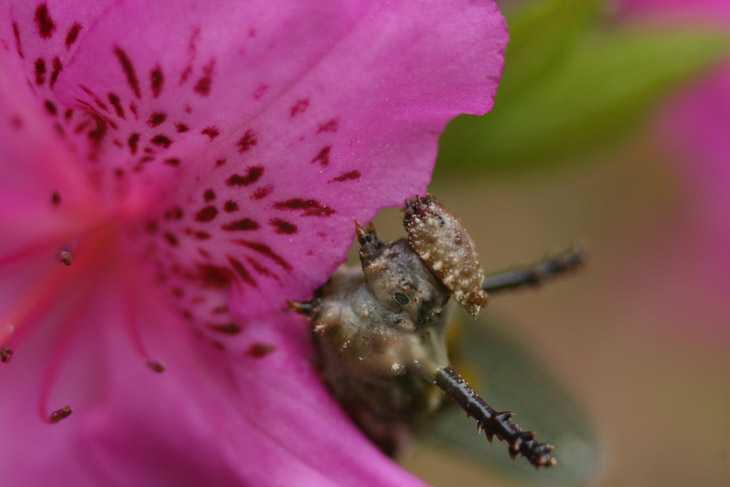
One of the problems with ornamental plants is how much maintenance they might require. The Girlfriend has a new rose bush that she really likes, and last year it got decimated by an early and earnest attack of inchworms – this was in contrast to another rose that came with the property, that remained almost entirely untouched. This year we were ready, and as the season started, we began routine examinations to keep the little buggers at bay. Shown here is not one of the principle inchworm hooligans, but what I believe is a Limenitis instead, the larva of some species of Viceroy or Admiral butterfly. I collected this one to pose on the azalea blossoms, because you gotta love those horns (which were completely harmless, by the way, or at least I was immune.)
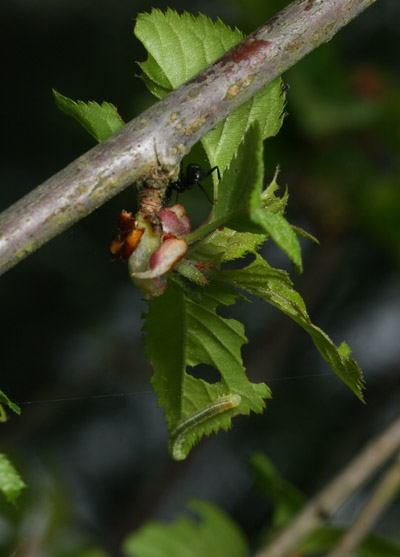 The larva above, one of two such that I found, was assisting the numerous inchworms in raiding the weeping cherry tree, another ornamental that we didn’t want savaged. In that case, however, the ants were helping out an awful lot. The cherry tree came into blossom only a couple of weeks ago, and is now leafing out as well as starting to produce cherries, while the inchworms are partaking of the new leaves. Some of the leaf damage can be seen here alongside the culprit, at center near the bottom of the frame. Directly above it sits a black ant, and the two species demonstrated a paired behavior enough times to know it wasn’t a fluke. As soon as an ant would draw near, before visual contact appeared possible, the caterpillar would bail the leaf to hang beneath on a thin web strand, unable to be captured by the ant. Eventually, once the ant had moved on, the inchworm would draw itself back up to the leaf to resume eating. I never did see an ant actually capture an inchworm, and I’m not even sure that was their main goal, so you might think they were doing little to protect the tree. However, there were a lot of ants, and the ability of the inchworms to eat uninterrupted was seriously hampered by this. While dangling, of course, the inchworms remain vulnerable to any passing bird, or even being carried away by a stiff breeze. They also remain vulnerable to humans with pans of soapy water, which is how a lot of them met their demise.
 The ant hadn’t even drawn close, but apparently set up some telltale vibrations along the leaf; the ant has moved out of view behind the leaves here. I’ve found that shaking the branches is often enough to trigger the defensive drop, which makes it a lot easier to find and remove the inchworms.
Unlike spiders, inchworms do not produce their web from the hind end, but from their mouths instead; this makes it easier for them to spin their cocoons when the time comes. In many cases, they raise themselves on their hind set of limbs and do a decent impersonation of a twig, which probably works a lot better when they’re perched on a branch itself and not the middle of a leaf, but when they do this, they’re usually attached to the web already, able to drop away in a flash, and I have witnessed numerous specimens sticking up into the air with a gossamer thread anchoring their head to the branch. They also travel while dangling from webbing, carried along by the wind, and on some gusty days I find myself carrying a few hitchhikers, even when I come back into the house.
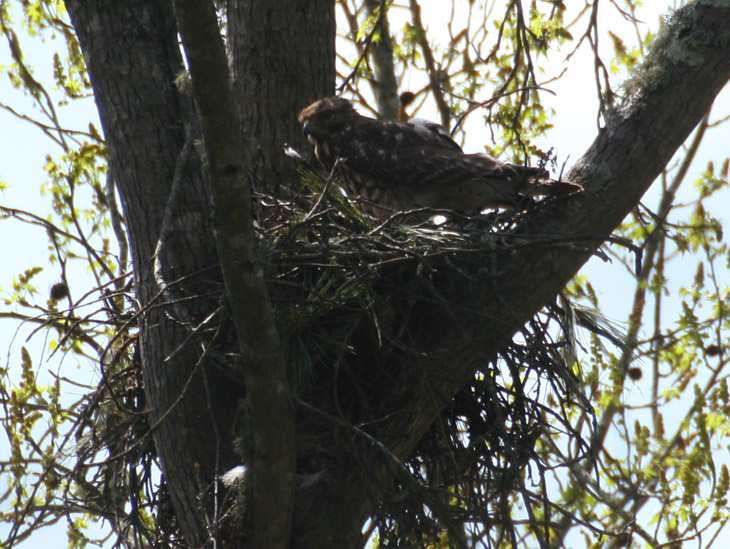 I mentioned earlier about watching a red-shouldered hawk (Buteo lineatus) trying to interest a female in his newly-constructed nest, and he was successful; she is now occupying the nest regularly, and I suspect eggs are soon to arrive if they haven’t already. The distance is a little extreme – this is a tight crop from a frame shot at 500mm – and the light angle is terrible, since my view is due south, so it’s hard to say how much I’ll capture, but I’ll keep watching. You know I’ll keep you updated with any decent pics, and perhaps even some indecent ones.
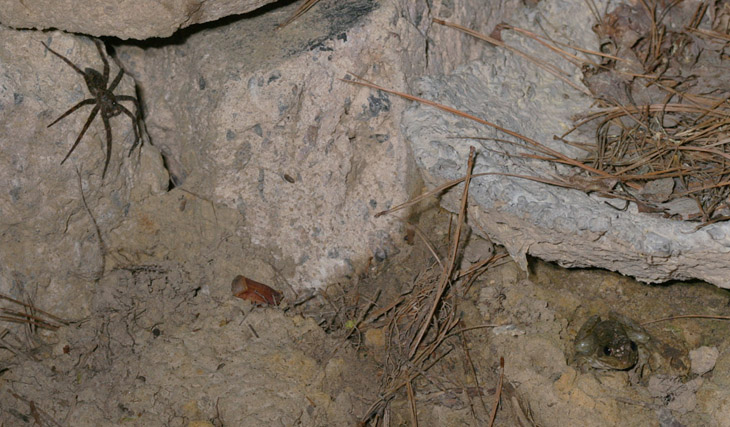
 A pair of green frogs (Lithobates clamitans) wintered over in the bottom of the ornamental pond in the back yard and now make nightly appearances, but what startled me was the fishing spider, which joined them a few nights ago. I could tell you that the frog, at lower right in the image above, is 5cm long and the spider is 2.5cm long in body length (so much more in leg spread,) but it’s more illustrative to show scale. No nature photographers were harmed in the making of this image.
This is not the largest fishing spider that I’ve seen, but it’s not far from it either, and fishing spiders are easily the largest genus to be found in the area. I have yet to witness it using the pond for fishing, but it’s still early, especially since few water insects have made an appearance. This is a female, probably full adult, and she may be waiting to mate and form an egg sac, which I’m fairly certain they do suspended in the leaves and branches of nearby plants, such as seen here, though that’s not the same species. This year I have some water plants in pots springing up in the pond, so she should have something to work with in that regard.
By the way, you have to love BugGuide.net. While they have a remarkable community of both amateur and professional entomologists that can help identify arthropods, some of their guidelines are not exactly easy for anyone else to follow:
Additionally Dolomedes tenebrosus features an inverted “v shaped” black mark beginning at the AME extending to the edge of the clypeus enclosing a light spot on the anteromedial margin compared to Dolomedes scriptus which is dark only around each eye with a homogenous medium gray clypeus.
Oh. Okay.
But given all that, I’m inclined to say this is a female Dolomedes tenebrosus, because it’s referring to the ‘face’ of the spider. “AME” is “anterior median eyes,” the front center ‘main’ eyes of a spider, while “clypeus” is a facial plate more or less where the upper lip would be in humans, and in this case “anteromedian margin” means right at the upper edge of this plate. So it refers to the dark marking around the eyes seen here:
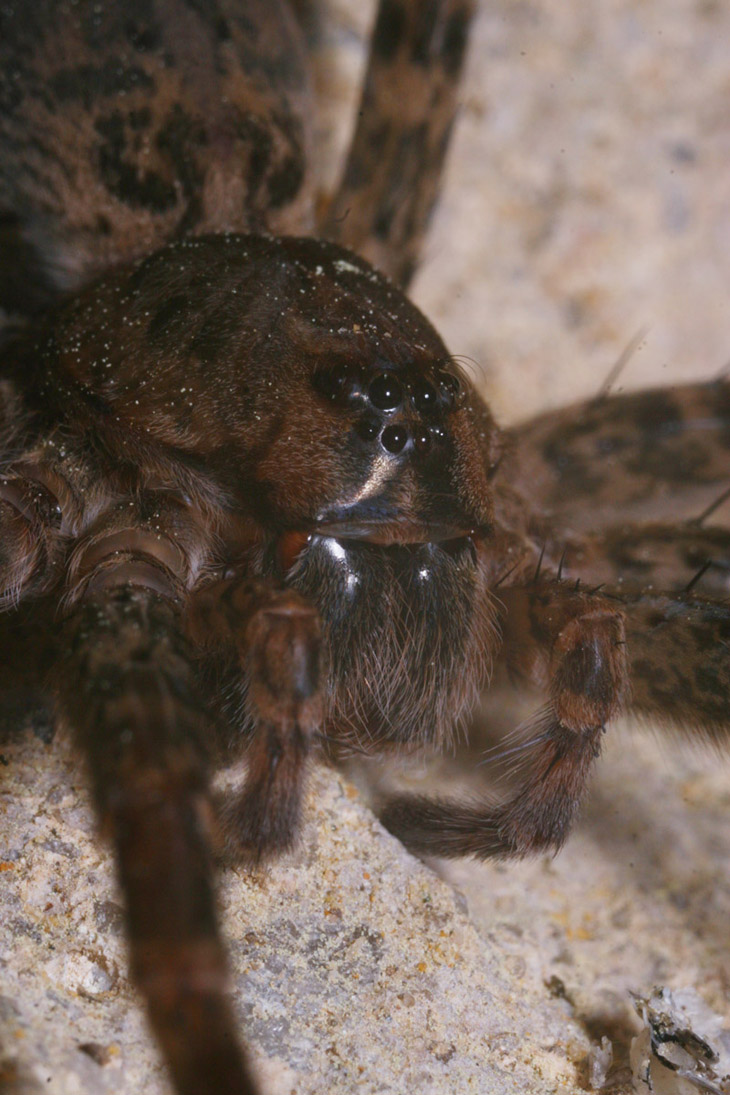
This image, unlike the hawk above, is full-frame; moving carefully while the spider was dazzled by a bright flashlight on a tripod, I was able to get in very close with the 80mm macro and extension tube. A short time back I’d picked up a clamp that had a tripod-socket in it, and this has been invaluable for such pursuits – I highly recommend finding one, like this. It should soon see use in holding the USB microscope too.
By the way, I said I had to move carefully, not because of any aggressiveness on the part of the spider, but because she is shy as any of them, and would take shelter in a crevice whenever she felt threatened, as had happened twice before.
The smaller green frog, seen above, had been trapped in position when I moved between it and the pond, so it had simply hunkered down and played possum, but the larger frog was in a better escape position and hurtled into the water as I approached. Immediately after getting the ridiculous closeups of the spider, though, I found it watching from the surface of the water, and went in for a ridiculous closeup of the frog (but less than half as close as the spider.)
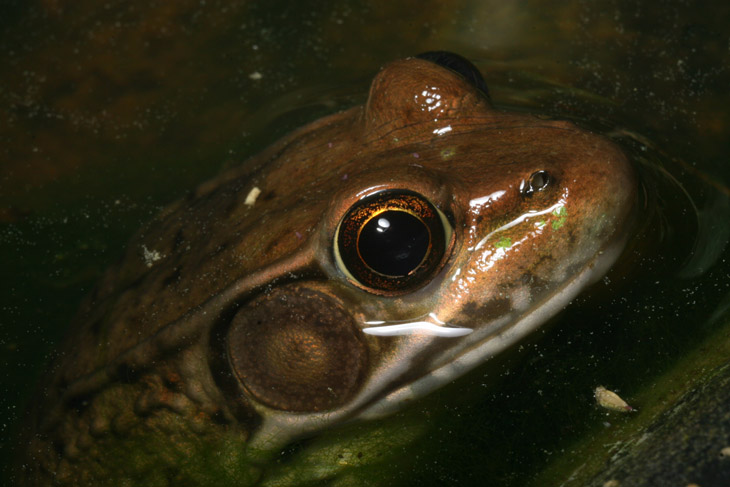
I doubt that I might see anything happen, given that all species involved are nocturnal yet change their behavior when observed by the bright lights I need to observe then, but the fishing spider might well be a prime food source for the frogs – it will be interesting to see if she remains. I expect to see frog eggs soon too.
In fact, from more than one species. The Copes grey treefrog shown twice earlier has been hanging around on the deck, less than a dozen meters from the pond, so if that’s a female, she may be depositing her eggs there as well. I’ll close with one more photo of that one, when she (?) presented a mellow pose on the edge of a potted plant.

I should probably just let this sit as it is, but I can’t resist giving my own impression, which is that she is waiting patiently for you to admit to that obvious lie you just told. Perhaps this says far too much about me…
A quick survey
Just a moment of your time, for statistical purposes.
A friend of mine is suggesting I reactivate my FaceBook account (Facebook? faceBook? faCebOoK? Whatever.) I had one, many years back, started just to see how social media would advance interest in the place where I worked (Answer: it couldn’t.) I dumped it because it bored me to tears, and I couldn’t find any personal value in it either.
But everyone is doing it, right? So, for instance, it would advance knowledge and interest in this site itself (which predates FaceBook,) right?
So, all you have to do is reply is you’ve ever been brought here by a FaceBook thingy, or even linked to anything here yourself. Or, simply if you presently have something on your own wall or tree or whatever that fits right in with my expressed interests here, that I would be interested in forwarding or commenting upon. Sorry, I don’t have any buttons to click, because that’s not really involvement, is it? I want to hear real comments, something that shows neurons were engaged. A random number doesn’t mean anything to me.
I even waited until April 2nd, because.
Fire away! I’ll be taking replies for the next 60 days.
This post has 286,473 “Mehs” from people who never followed the link to it.