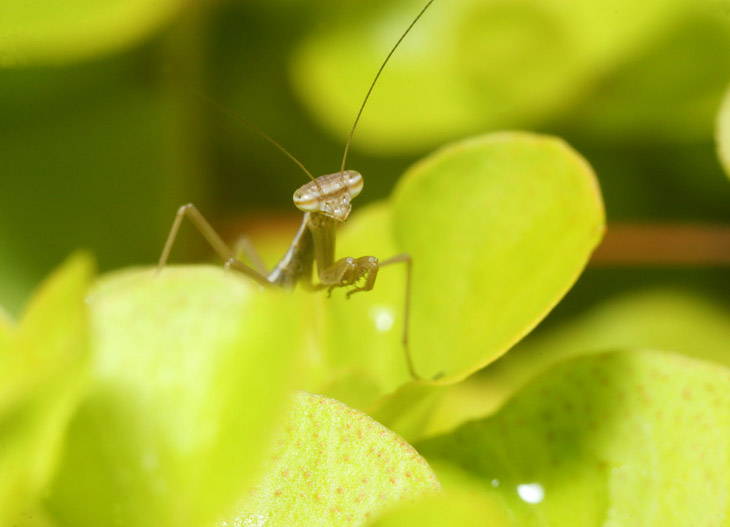
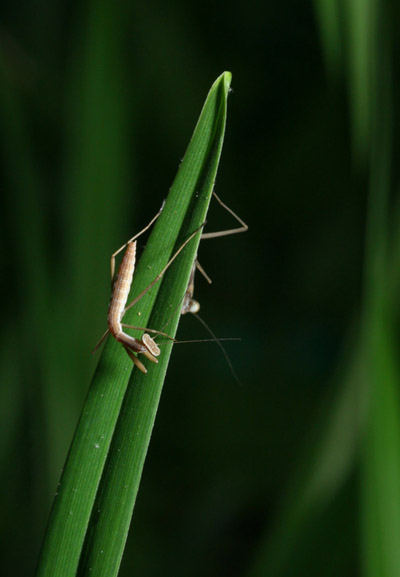
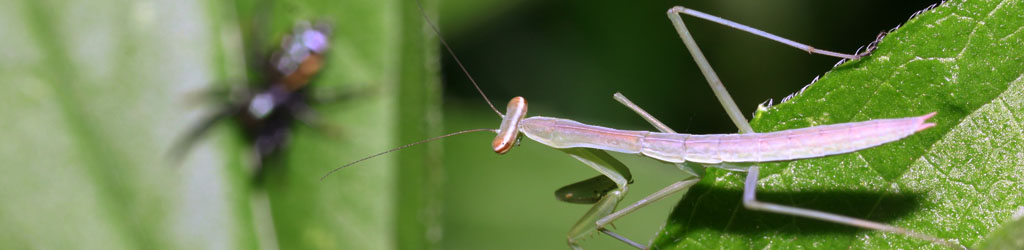
 The hatched Chinese mantises (Tenodera sinensis) that I posted about earlier – and near-perpetually on this blog, really – have spread out across the front yard to some fairly remote locations; remote, at least, for something that measures 10mm in body length. Above, one stalks among the leaves of a creeping jenny plant, while at left another peers suspiciously at a glimpse of activity from the opposite side of its day lily leaf, apparently unaware that a sibling was perched there. They are, if nothing else, getting plenty of water, since we haven’t gone three days without rain since they’ve hatched, but as yet I haven’t seen them with any prey, related or otherwise. This doesn’t mean much – I have only seen mantids with prey a handful of times, but I’ve watched them grow huge in the meantime, so they’re obviously not waiting until I’m present.
On the back deck sat one of the remaining egg cases that I was watching, this one of a Carolina mantis, a differently-marked and slightly smaller species. That sentence is in the past tense, which isn’t entirely accurate since the egg case is still there, but this past Saturday it produced its own brood of newborns – naturally enough, I saw this as I was dashing out, unable to take any time at all to pursue the images. It was several hours later before I could sit down and apply myself to photography, and by then the activity from the egg case had largely ceased, and the newborns that I’d seen were already heading off into the world. Like their cousins, the Carolina mantises were naturally wary of my presence and that of the camera with overhanging flash and softbox attachment, so I had to go slow and look innocuous, which takes quite a bit of effort. Did I mention I was voted “Most Guilty-looking” in grade school? True story.
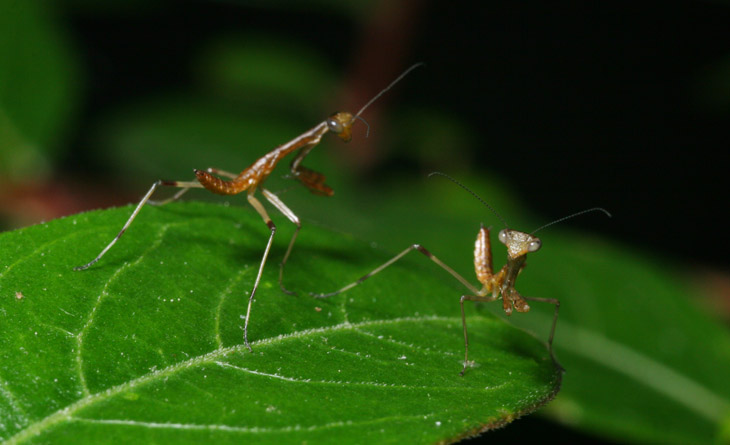
Carolina mantises (Stagmomantis carolina, which sounds like a jazz player) are marginally smaller when first hatched, and have a more bronzed and translucent appearance than the Chinese mantids, but it takes a really close look to determine this – lucky you have me around. The Girlfriend and I are still trying to identify this potted tree, a transplant from her mother’s place, but it was close by and became a favorite haunt of the newborns; for the first two days it was possible to find a few in close enough quarters to get more than one in the frame, though this option has largely passed now.
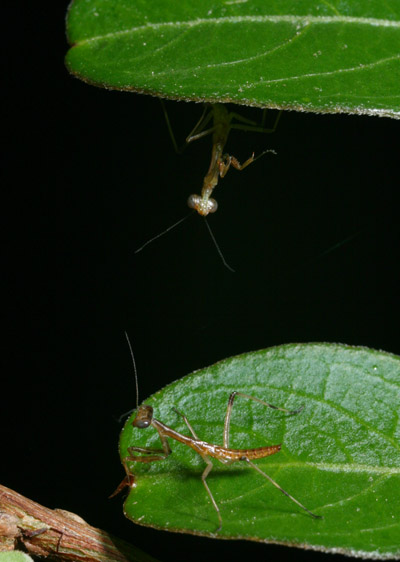 Many of these photos look like they were taken at night, which is generally not the case. The cause is the camera settings: at these magnifications the range of sharp focus is very short, so I opt for a small aperture, usually f16, to increase depth of field. Camera shake can also be an issue, so I shoot at 1/200 second shutter speed, and count on the flash to provide the light that allows both of these to be functional; without it, the images would be drastically underexposed. And in fact, they are – but only for the backgrounds where the flash doesn’t reach, dispersed by the softbox attachment. There are two ways to combat this: have the background very close so that it can be illuminated by the flash too (this usually means an added leaf or something,) or have a secondary light that illuminates the background at the same time. This can be done, but it’s awkward, and changing position means the light has to be moved too, which obviously limits the spontaneity and grabbing the brief but compelling action of the ambulatory subject. What I usually aim to do is have something that can sit immediately behind the subject, like a nearby leaf, but otherwise not worry about the rest. As you can see, it’s easy to have one’s subject framed against pure blackness, which only works for some subjects – darker ones, naturally, can nearly disappear in such conditions, so I’m often picky about my shooting angle, and won’t even bother with some shots because I know they won’t turn out very well.
 By the way, The Girlfriend was present for this session, unlike most other times, and she provided a bit of scale by putting her fingertip in the path of one of the newborns as it made a circuit of the same planter that held the egg case. Had she moved her finger towards the mantis, it would have shied off in alarm, but leaving her finger in place while the mantis approached was just fine; shame I missed the focus. In my defense, their movement will bring them into and out of focus in a moment, and this was the only frame where the fingertip appeared – it serves its purpose here, crap though it is. We’ll need this impression (about size, I mean) as we go in even closer.
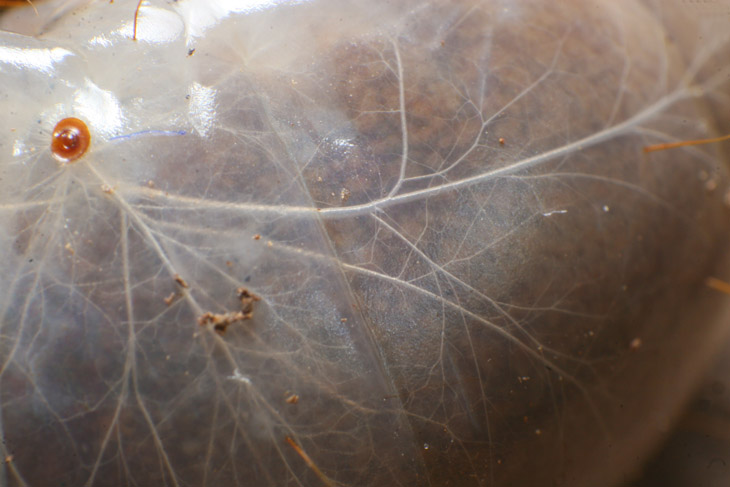
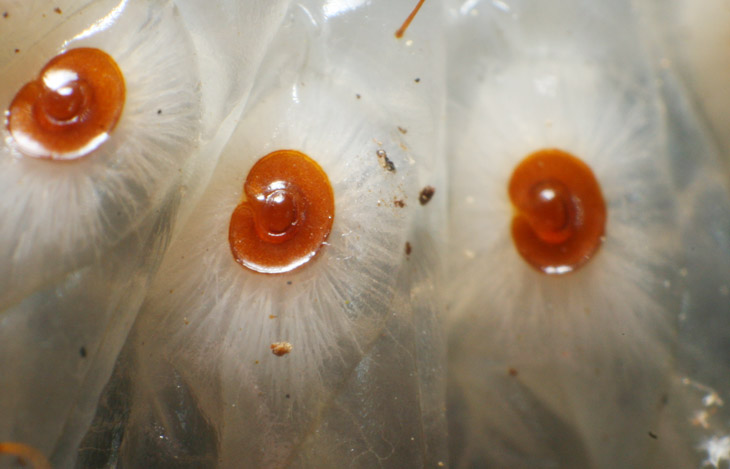
On the egg case itself, three newly-emerged mantises still remained motionless. What appears to me to happen is that the newborns emerge from the greater confines of the case as little more than pupae, almost wormlike, and then immediately molt from their first skins and extract their legs. Normally when an arthropod molts, it locks its feet onto a handy surface and then withdraws from within, leaving behind the exoskeleton still gripping the surface. In the case of newborn mantids, however, they may not even have ‘feet’ as such, or at least not adequate to the task of locking onto something, so a thread remains attached to the case like a toddler’s mittens, anchoring the exoskeleton to the case and allowing the mantis to draw itself free against that – one of my whole points in having egg cases around was so I could see this in great detail, something that has still eluded me.
The closeups of the remaining mantises hanging from the case revealed a probable reason for their presence and immobility. Once again, these are less than 10mm in body length, and even my view through the lens was hampered by the lens being permanently stopped down to f16 (I go into this all here.) Just nailing sharp focus is challenging, and usually I’m wavering in and out of focus by breathing, so noticing fine details like this just doesn’t happen. The flash reveals more than I ever see when shooting.
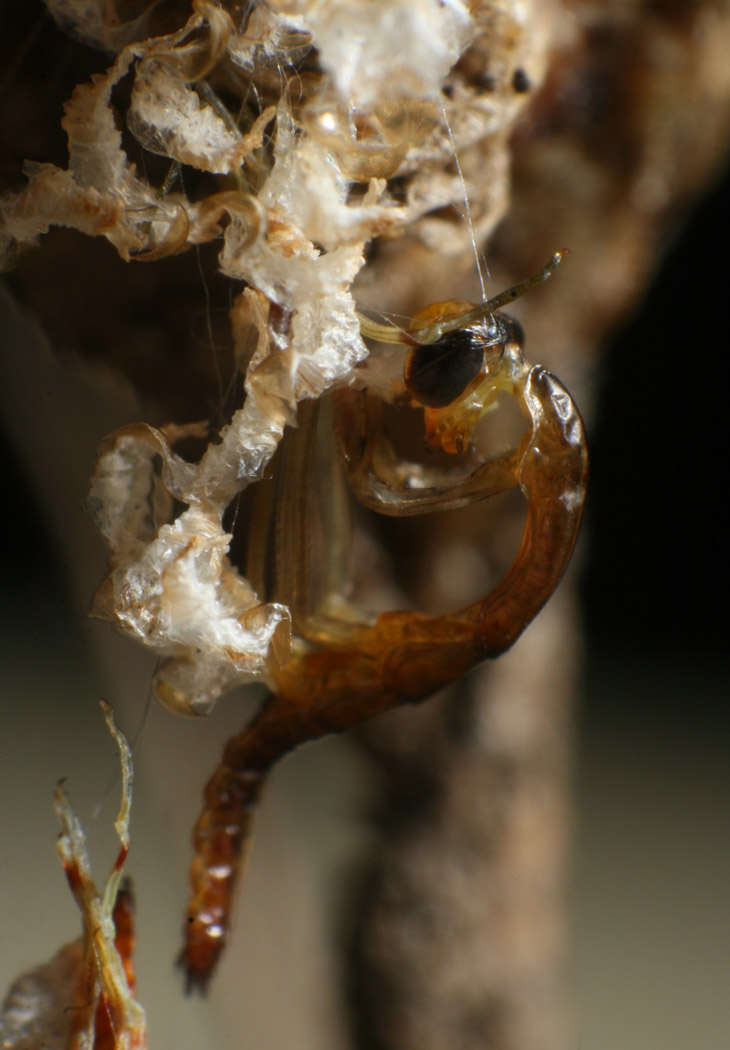
This one appears to have gotten entangled in the threads from someone else’s molt; that leg that appears next to its head is most likely its own. I am not averse to helping along one of my photo subjects in such circumstances, but I honestly never saw the details until I unloaded the memory card. I did see this one twitch a few times, and suspected that it was simply working its way free – molting can take a while, though I think it’s a lot faster in these circumstances.
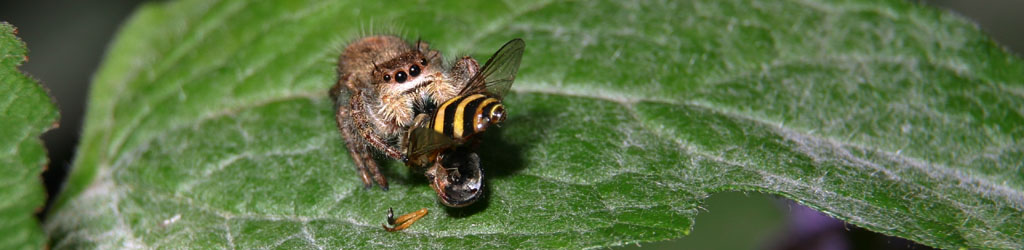
Yet, as I watched these stragglers in the hopes of capturing more emerging images, I saw a tiny jumping spider, not 3mm in body length, stalking along the surface of the egg case. Easily outweighed by the mantises, it nonetheless crept up to one, only to be spooked back by a reflexive motion. As I watched, it slipped around to the head of the mantis pictured here, seized it in its chelicerae, and started hauling away at it, obviously intent on bringing the mantis home, and I doubt as an adopted pet.
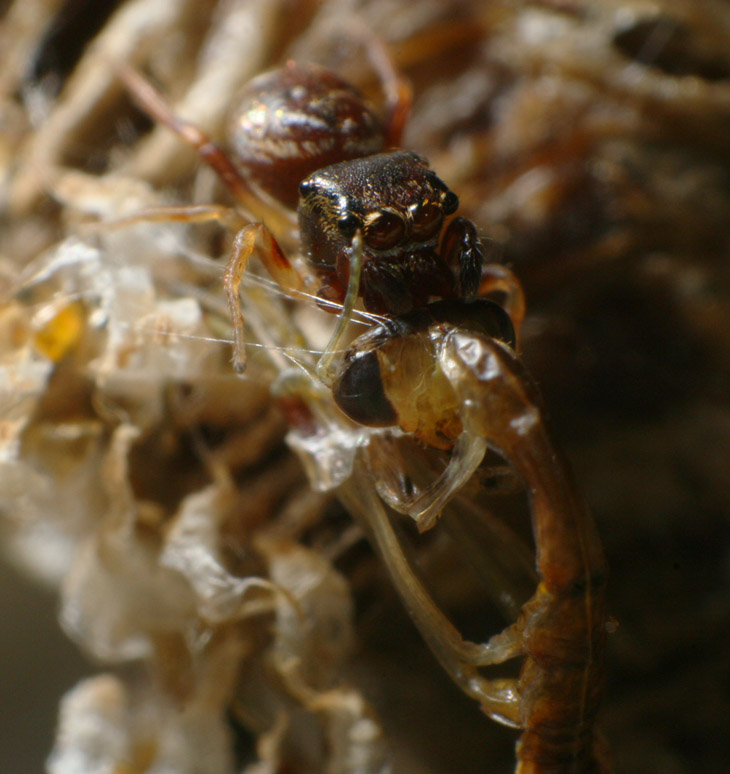
A note about the lighting. First off, a lot of images that I got in this session simply didn’t work, sometimes through focus issues, but many of them through poor lighting, despite the amount of effort I’ve put into creating useful lighting rigs. In this particular case, it had a lot to do with the branch that the egg case was attached to. The case was on the stem of a stiff weed, one with a spray of tiny branches at the top, and I had simply collected the whole thing with enough beneath it to anchor it within a pot on the deck. But this meant I could only go in so close, and at certain angles, without disturbing the remaining branches, on some of which still sat newborn mantids (and, it must be said, the web of another spider even smaller than that pictured here, too small to be a threat to the mantids.) I was hoping that the flash was adequate, and it seemed so in the preview LCD on the camera back, but upon downloading them I found very few were illuminated properly. It can be a tricky thing.
I shot several frames of the spider trying to make off with the mantis before I set the camera down and intervened; there might be a lot of perspectives on these actions, and hooray for them all – I am what I am. The spider was quite reluctant to give up its booty, but some gentle pressure with the tip of a pine needle not only caused it to release, I got the spider itself onto the needle and carried it well away from the entire pot. The mantis that appears here did not make any further progress while I watched, but the next morning when I checked on the egg case it was missing, while two of the others remained where they had been, unable to extricate themselves from their predicament. On two previous occasions I have come across mantises still hanging from an egg cases, both times only by a hind leg, and managed to gently release them from their bind; it might be something that happens a lot. As I said earlier, many arthropods overcome the high mortality rate among their young by producing lots of them, simply overwhelming the poor odds. Most of them won’t make it to adulthood, but I’m hoping that I can follow a few, at least, on a photographic record of their life cycle. We’ll just have to see what happens.
Potentially Related Posts:

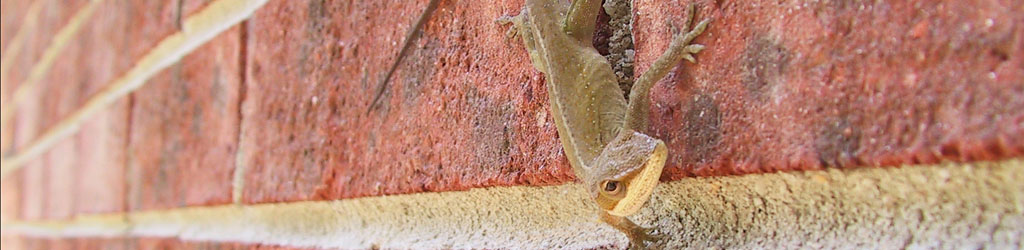
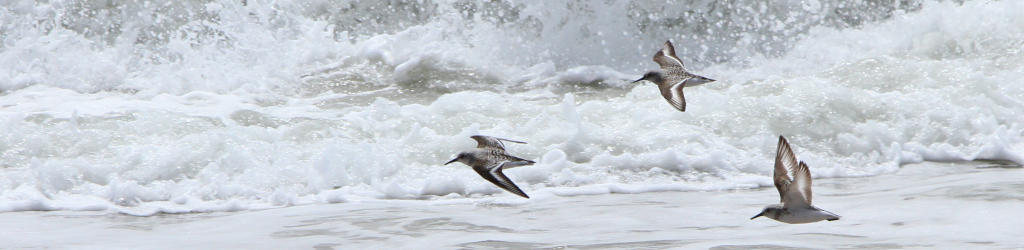
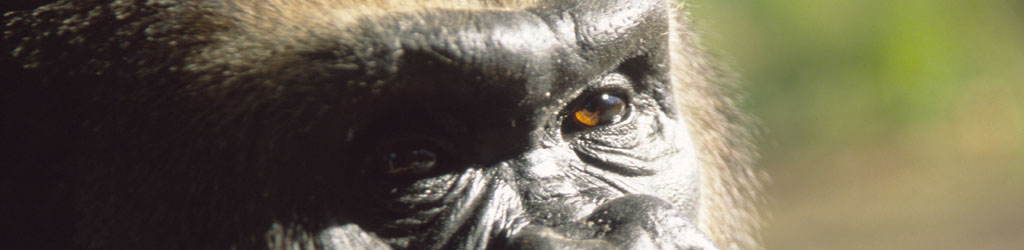
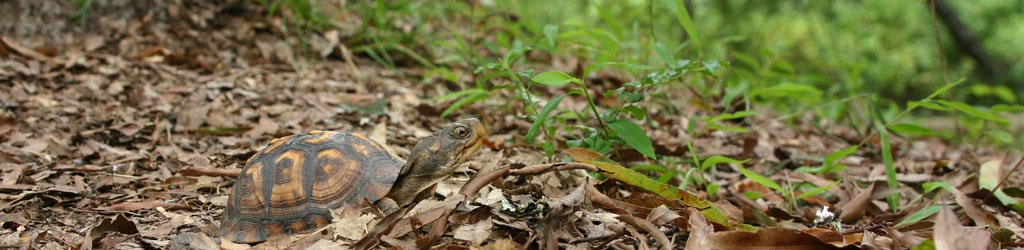
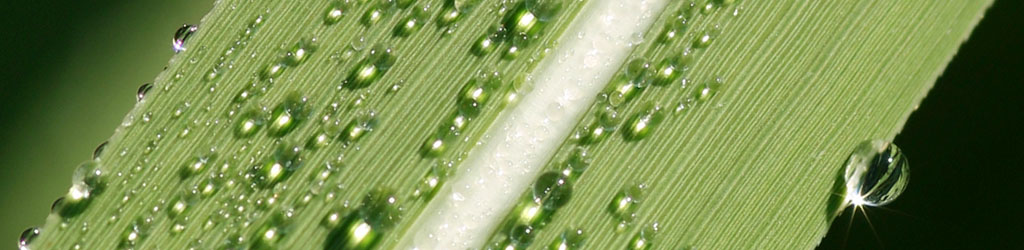
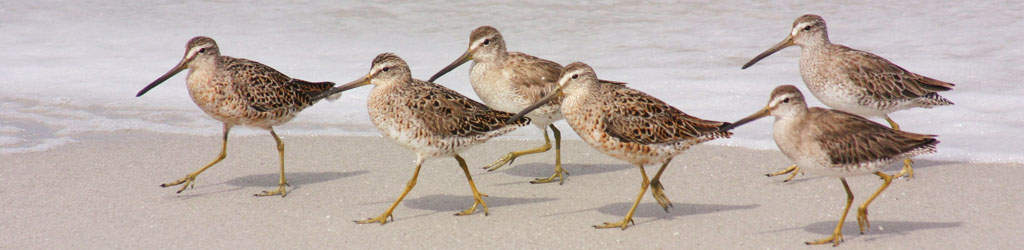
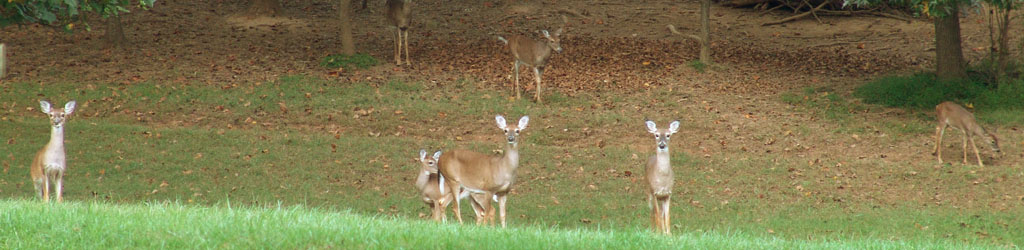
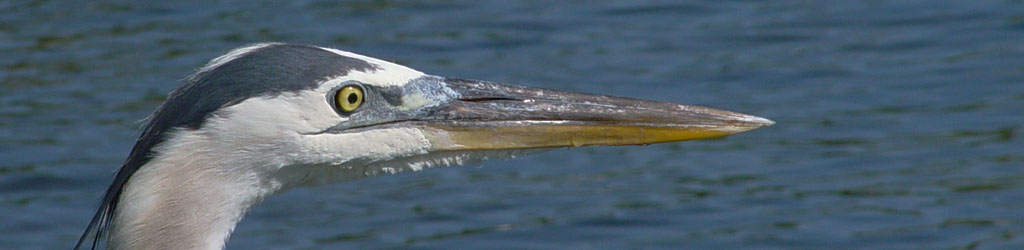
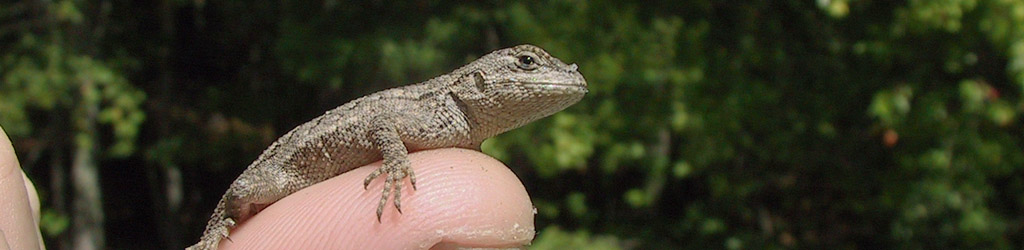

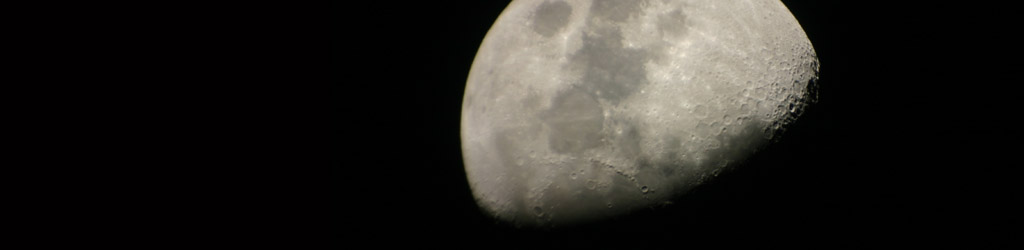
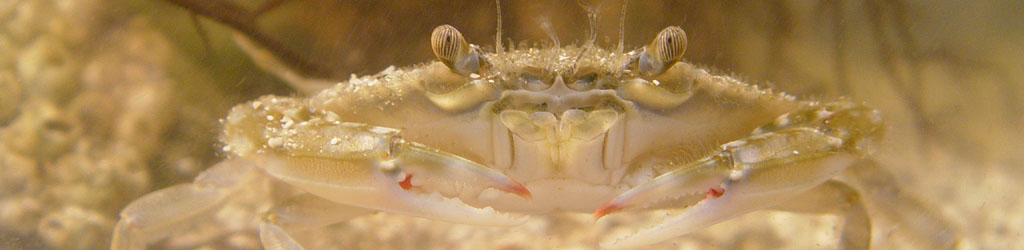
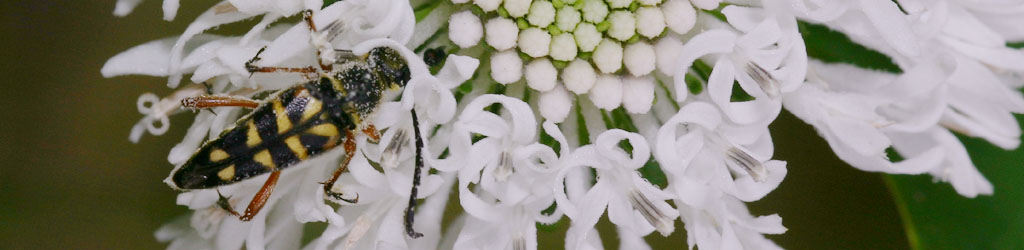



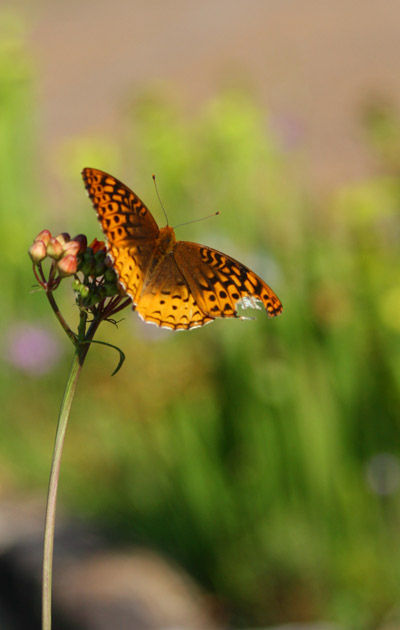 Anyone is free to pick on me regarding my definition of ‘abstract’ for this one, and I won’t argue – it doesn’t really fit with my own definition. But it’s what I have from a month that included few choices for a month-end abstract. This fritillary butterfly, which might be a Speyeria hydaspe, went well against the streaked background, which is actually a stand of pitcher plants in the botanical garden, same location and day as my copperhead encounter from the previous post. I spotted this butterfly from the other side, and it was patient enough (or whatever quality you’d like to assign) to wait while I switched sides for a better view. You get to see the results when this works out; many times it doesn’t, and my subject vanishes before I can compose the image to my liking. So it goes – there will be other subjects and other opportunities. But I do have to say that I’ve gotten a lot better at stalking, having a decent grasp of what will spook off a living subject and what won’t – it’s not perfect, but it has increased my capture rate. Patience and moving slowly are extremely important, and just have to be a constant habit of any nature photographer.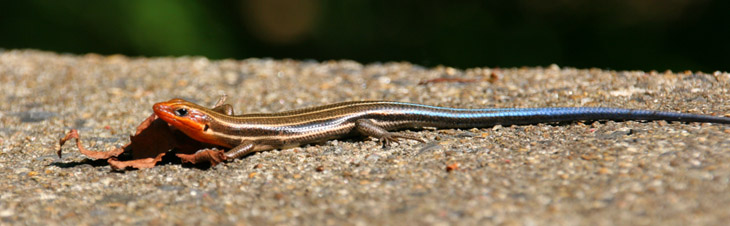


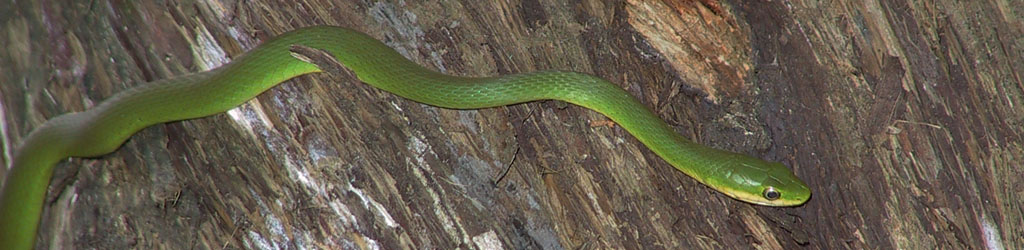
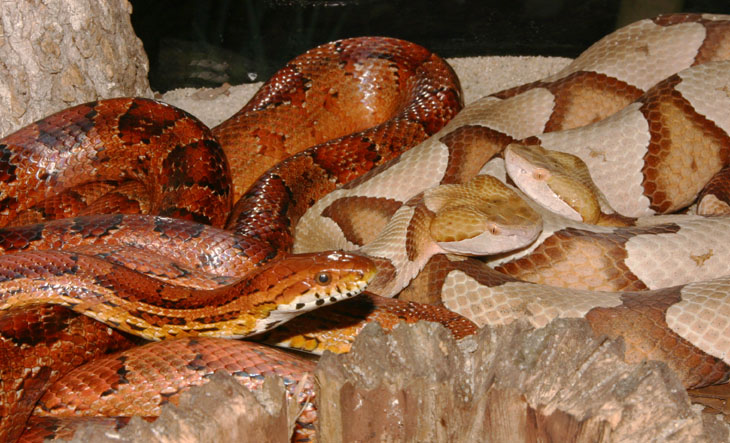
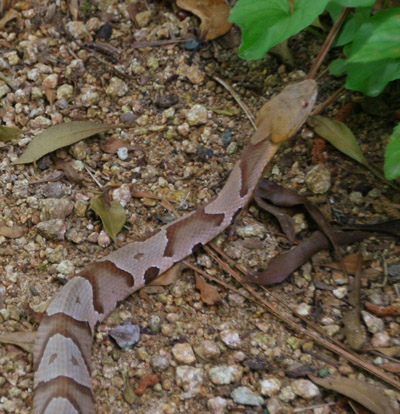 How to identify a copperhead. Copperheads have a distinctive pattern which can be easily discerned in multiple ways. The dark part of the pattern is hourglass-shaped, with the ‘waist’ of the hourglass falling along the spine. Seen from the side only, this may look like Hershey’s kisses. The pattern has a very ‘airbrushed’ look, fading rapidly from the edges, more so than any other species. Alone among North Carolina snakes (and possibly North America – not sure,) the dark portion of the pattern is thinnest along the spine; in every other species, the dark portion is broadest. And finally, the top of the head has no markings whatsoever, and is all one color. All of these can be seen immediately from any distance, and often with only a portion of the snake’s body visible.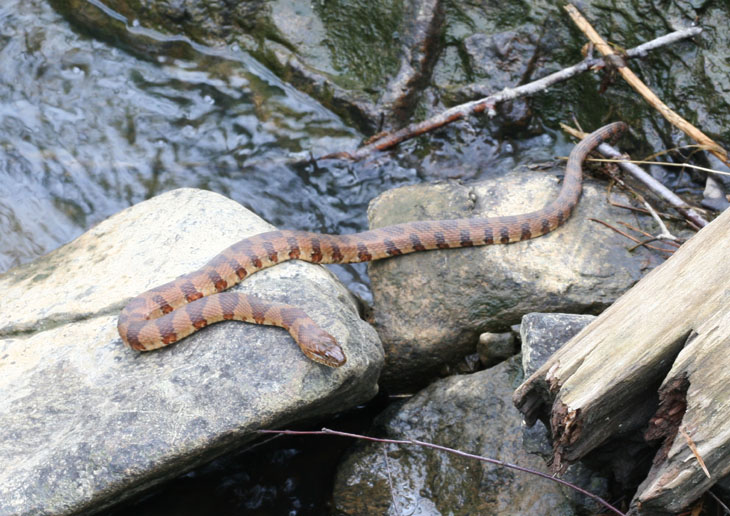
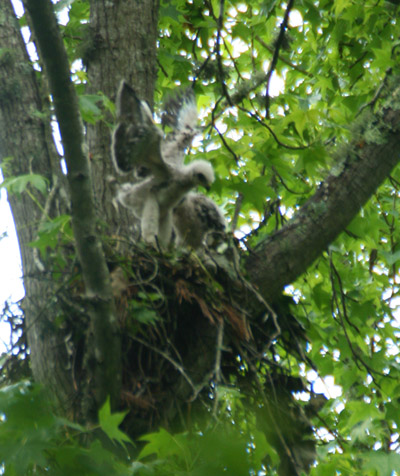 The chicks are getting quite sizable now, able to move about with almost the same agility as the adults and often seen standing upright near the edge of the nest. The baby down is giving way to the flight feathers in the wings and tail, but the main body feathers (called ‘coverts’) have yet to appear, which means the parents still hover over them on wet or chilly days. The body feathers are primary protection against the elements, forming both a water-resistant barrier and an outer layer that can trap their own body heat within; lacking these, they will rely on the parents for a while longer. Yet the growing surety of their movements and the alertness with which they view their surroundings is a marked change from just a week ago, not to mention that they’re surprisingly close to the adults in size now. I haven’t watched them for a long enough period to determine exactly how much they’re eating, but it certainly isn’t trivial.

 When the action started I simply held the shutter release down and let the frames crank out. Later on, I took fourteen consecutive frames and edited them into this animated gif (pronounced “gorbachev”) because it shows the amusing struggle much better. Yes, video would be even better – drop me a donation through that ‘Feed the gator’ widget to the right and we’ll see what I can do. In the meantime, we’ll carry on with the still photos.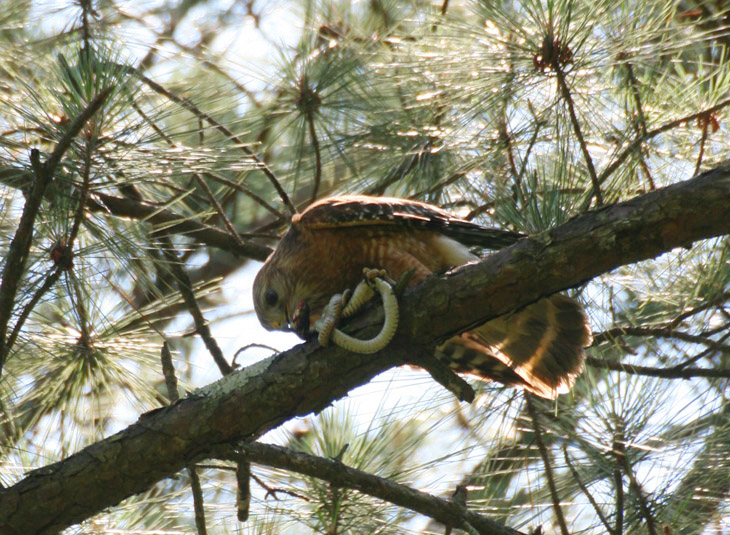

 It seemed like any other day where I’d been neglecting my photo sorting duties and thus facing the daunting task of going through hundreds of images, but as they say, things can seem perfectly normal (if slightly guilty) yet suddenly turn dark and ominous. And of course, since I’d been putting this off, how much time has passed that could have made a bigger difference? How much farther along in an undoubtedly sinister plan have we been carried, due to my neglect? Or are we in the nick of time, now aware of something that might easily have passed, quite literally, under our noses?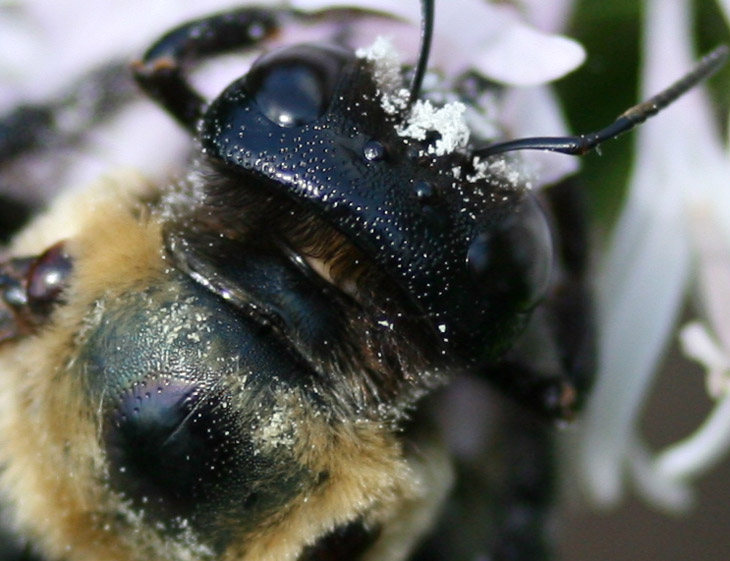
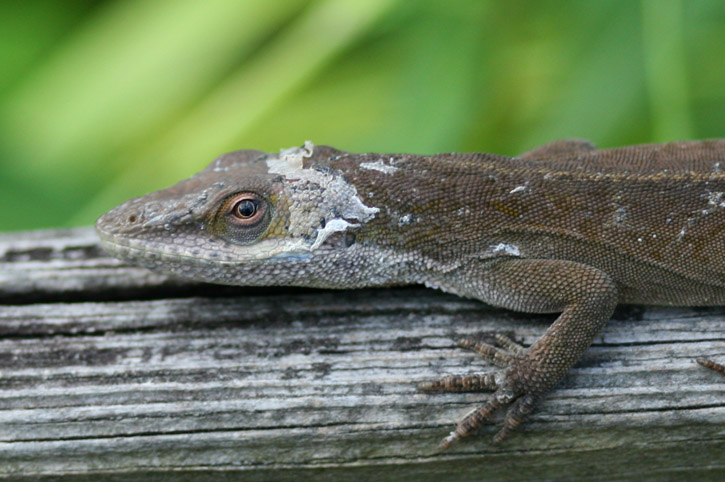
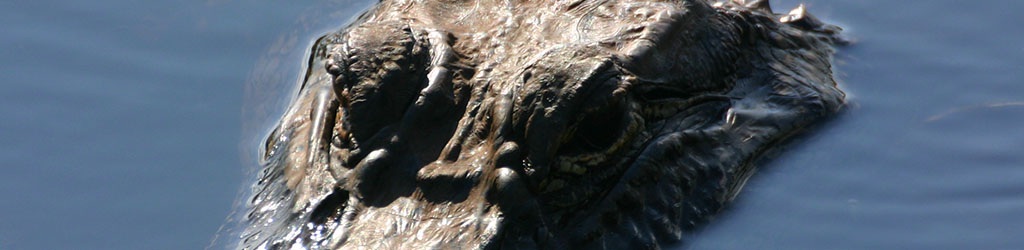
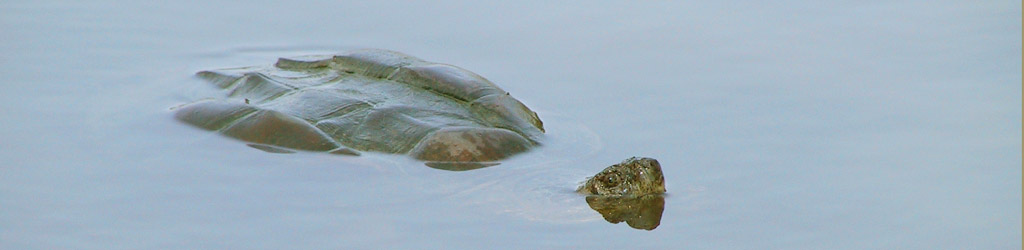
 One of the two resident common snapping turtles (Chelydra serpentina) was peeking out of the water while I was around, one of the very few times I’ve seen this – their shyness is way out of proportion to their reputation and even just their appearance, but the ‘expression’ in this particular image is up for interpretation; I can see a lot of different possibilities, and I’m betting you could too if I were to merely suggest them to you, but I’d rather you take a good look on your own without the impressions. I liked the faintly eye-bending effect of the water’s distortion, where the portions above the surface look normal but everything below gets shifted in perspective and reshapes the turtle’s head – for a more natural view
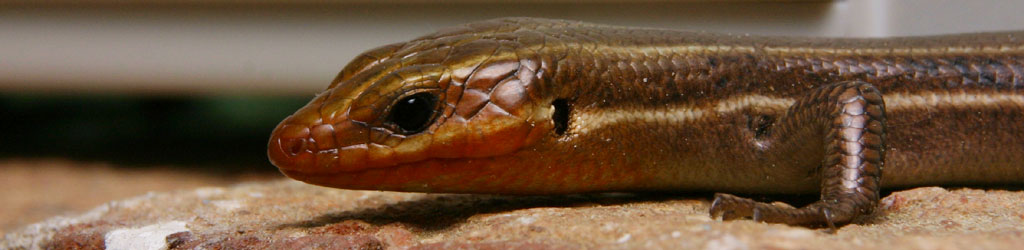
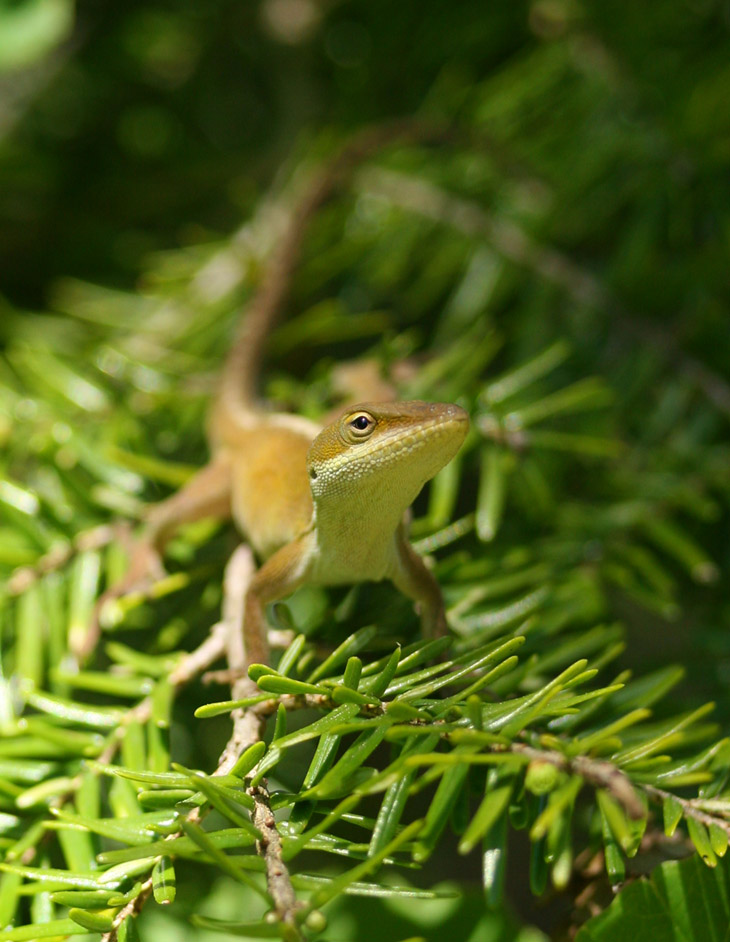
  In contrast to the startled appearance of the anole at top, this American five-lined skink (Plestiodon fasciatus) watched us creeping closer with little apparent concern, at times seeming to drift off into slumber. Eventually, we got close enough that it figured concealment was called for and it slipped into a crack in the rock sculpture that you see here, but not before we got a fine selection of images. It’s all about going slow, and getting the shots you can before you try to get closer. Not everything that you get is going to be a keeper, but it’s better to get an okay shot from a short distance than to try and get close enough for the best pics and scare the subject away instead, ending up with nothing at all.
 While the skink was drifting off, this one was almost certainly well beyond that point. This red-bellied water snake (Nerodia erythrogaster) was sitting in plain sight right alongside the raised walkway, never even twitching as we leaned in close. Even with frequent exposure to humans, I find it hard to believe the snake was that conditioned to close approaches, but here’s the crucial factor: snakes have no eyelids. Basking as it was in a patch of bright sunlight, this one most likely was fast asleep, and our slow approach without throwing a shadow across its face wasn’t enough to trigger any protective response. Add in the raised walkway we were on the entire time, preventing us from producing any vibrations that the snake could feel (they don’t have ears, either,) and you get a distinct possibility that the snake was deep in Dreamland, or whatever passes for such with a snake (Carl Sagan’s book The Dragons of Eden gives some interesting speculations about how reptile brains actually work, if you have the interest – dreaming seems relatively unlikely.)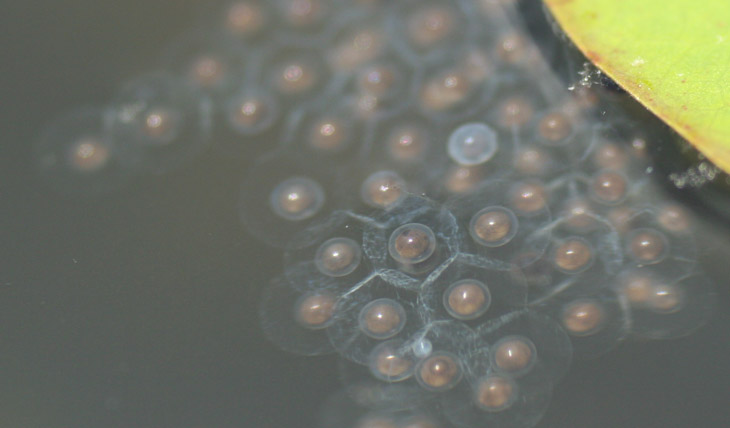
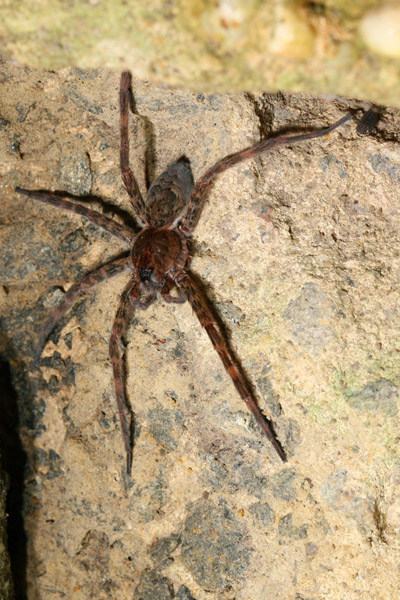 Remember when I said that it would be interesting to see if the fishing spider managed to