
As before, it’s best if your monitor is calibrated pretty well, since we’re dealing with subtle variations in shade and brightness, and you can’t do this well if it’s not displaying well.
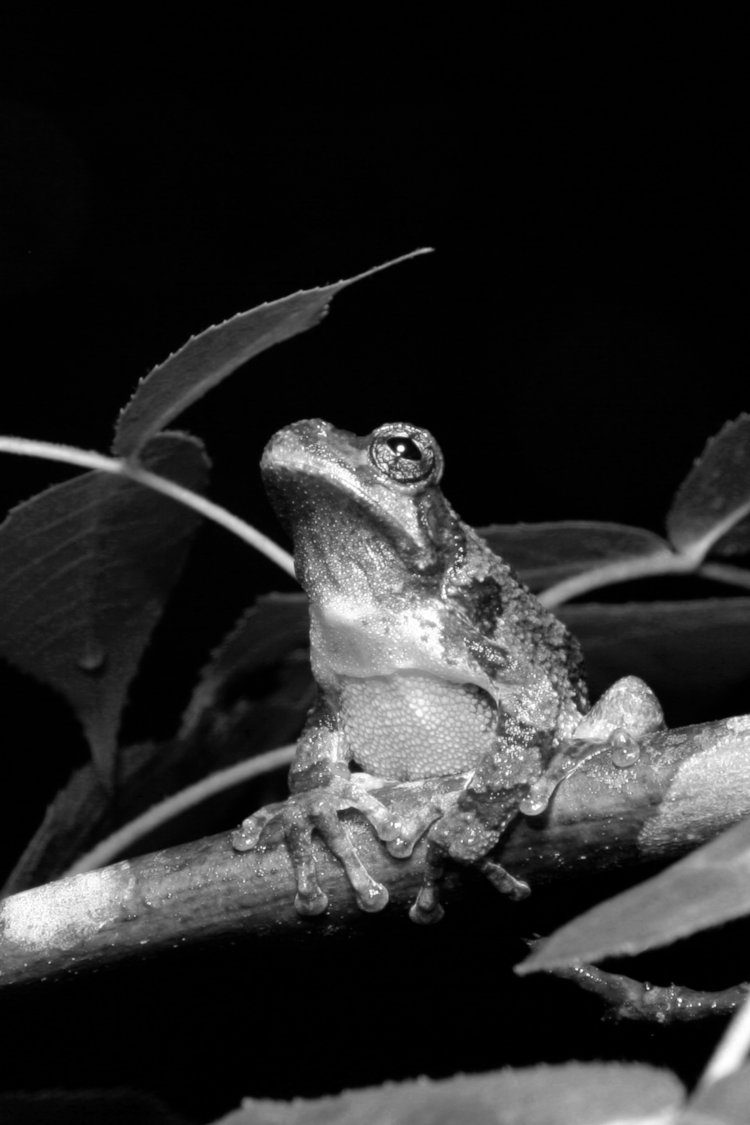
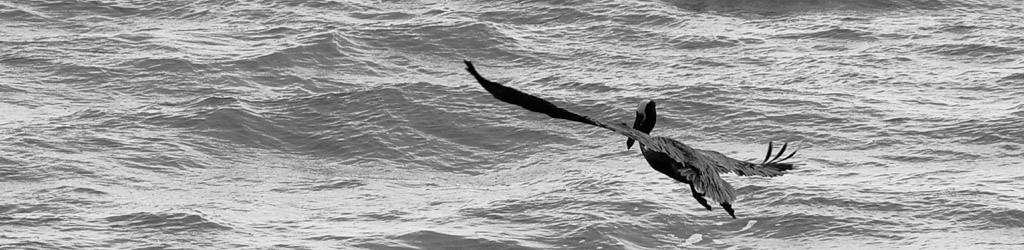
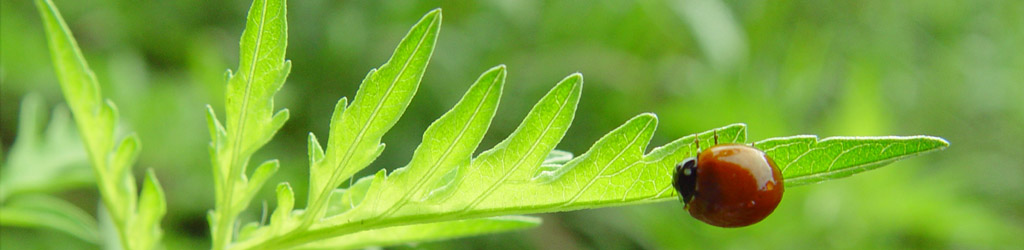
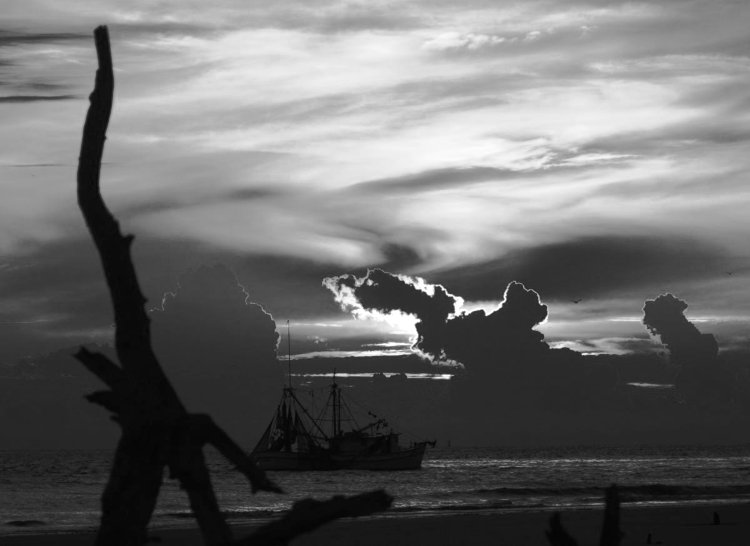
As mentioned in the video, not every image is going to work well for converting, and a lot of images gain nothing from being reduced to individual channels – you’ll have to experiment, and use your own judgment in many cases. While monochrome works best with distinct contrast in the light levels, contrast among the colors can also work, and this is where channel clipping shines the best.
Now, about printing what you’ve created. Be aware that many of the smaller, ‘sideline’ printing places (like drugstores or department stores) don’t do much dedicated monochrome and will usually just print the image on color paper. No big deal, since there’s no color in it anyway, right? And this is only true if the printer is in-spec and calibrated for true neutral – which an awful lot of the sideline printers are not; nobody takes the time to calibrate the printers in the morning. What this usually means is that your nice greyscale image is now a faint sickly green, or blue, or yellow – something decidedly not neutral. To be honest, that same color cast is in their color images too, but it takes a sharp eye to realize it, and many customers simply accept it as-is. If you really want those neutral greys, it’s best to take the images (or send them off) to a quality lab that does a lot of printing. Most recently, the prints that I had done at Printique were top-notch and also packaged properly, beyond properly actually. They see enough volume that they ensure their printers are calibrated correctly.
And on the other hand, Winkflash was a total waste of time and money – they clearly do not care about their product or quality.
Now, while we can do this easily in digital, it’s also a nice challenge to actually do in true monochromatic/panchromatic film – yeah, with them old-style film cameras. At the very least, developing B&W film into a negative is surprisingly easy and takes very little in the way of equipment – a little more so if you want to do your own prints, but all of that stuff can usually be found pretty damn cheap anymore. I’ll never tire of saying this, but watching images that you developed yourself unwind off of the reels to dry is far cooler than it sounds.