
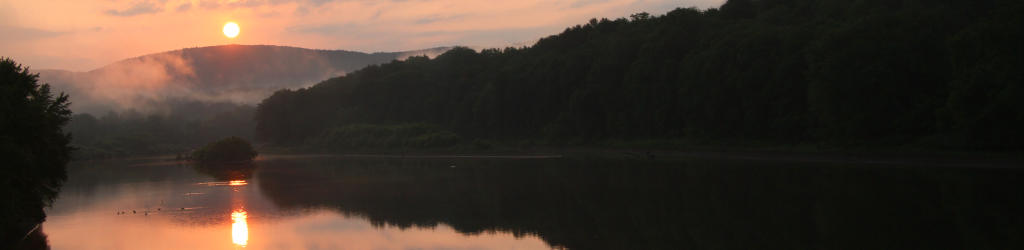
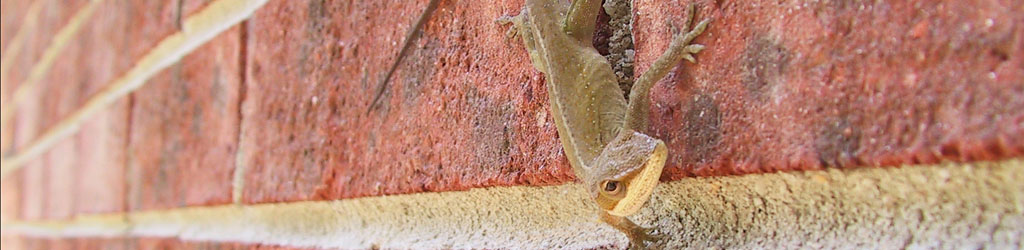
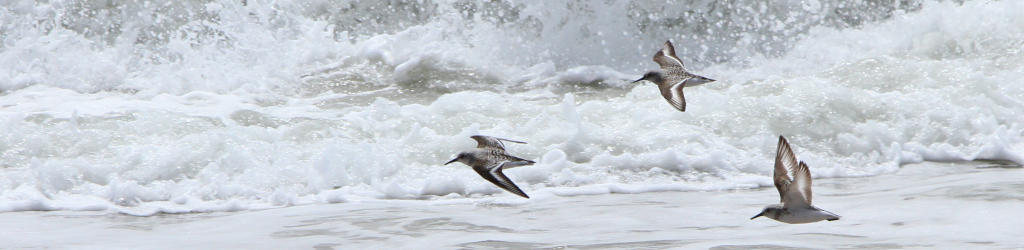
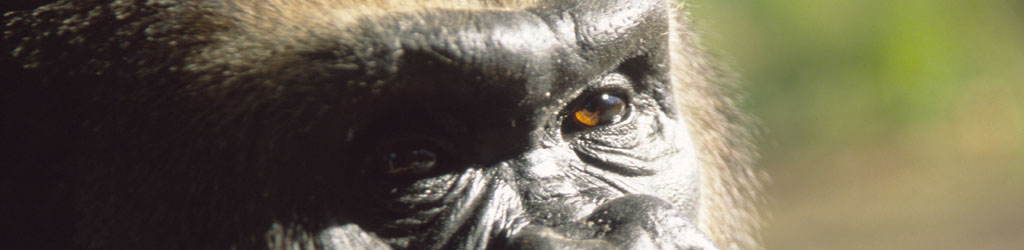
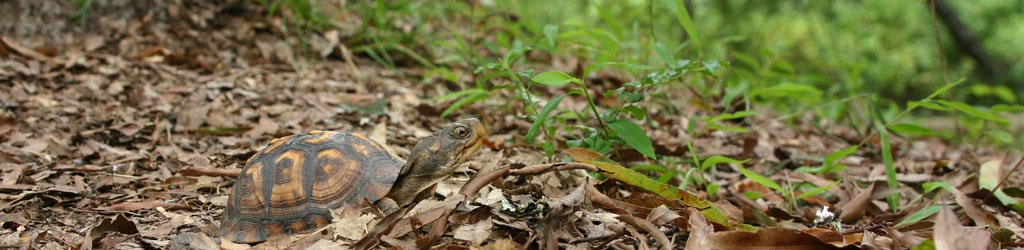
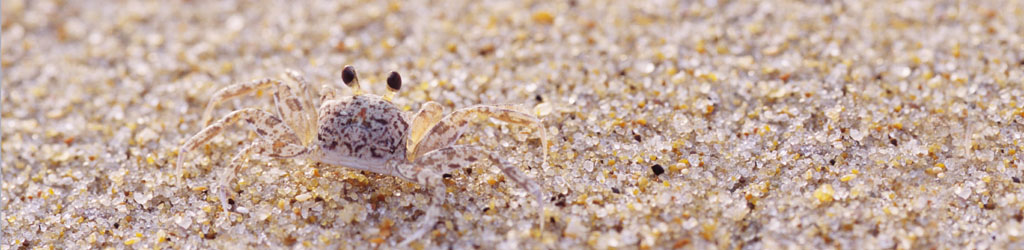
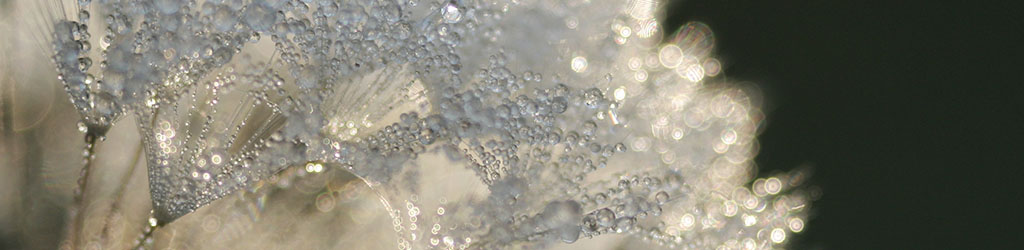
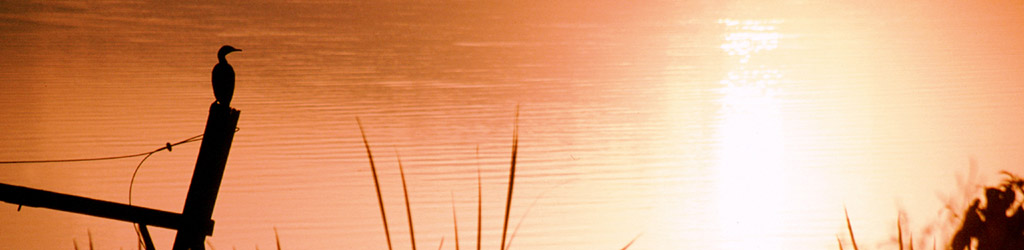
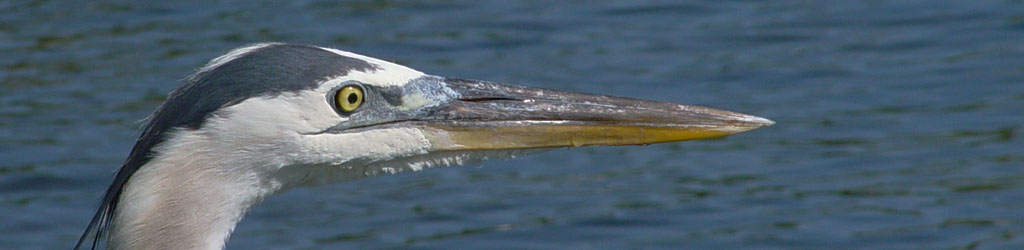
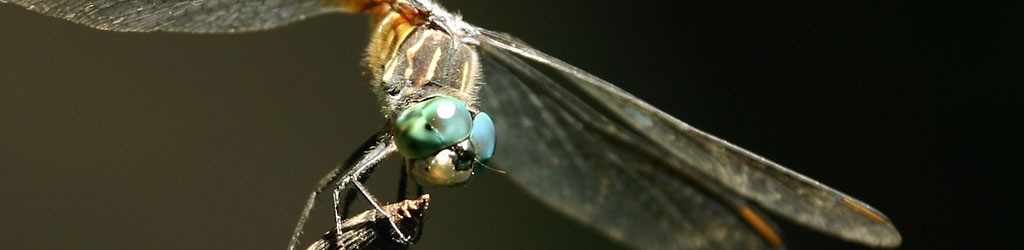
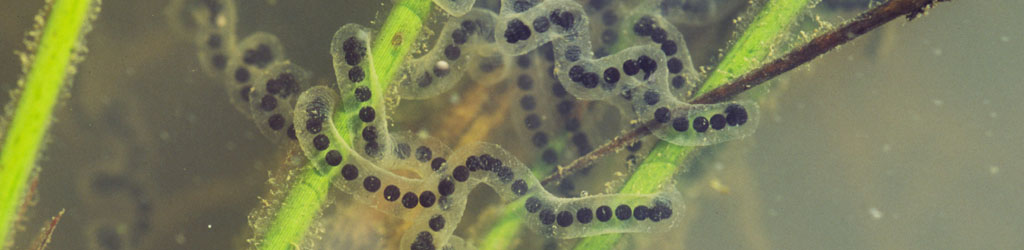
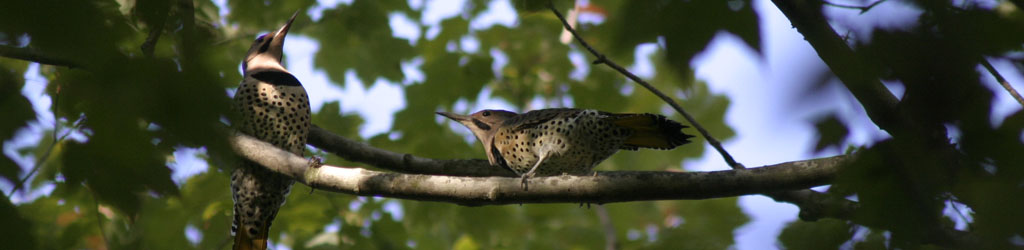
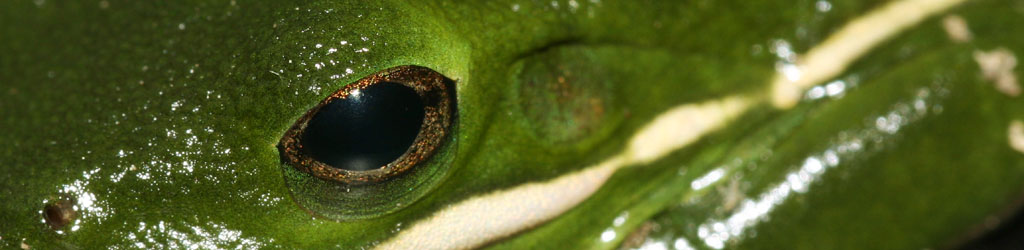
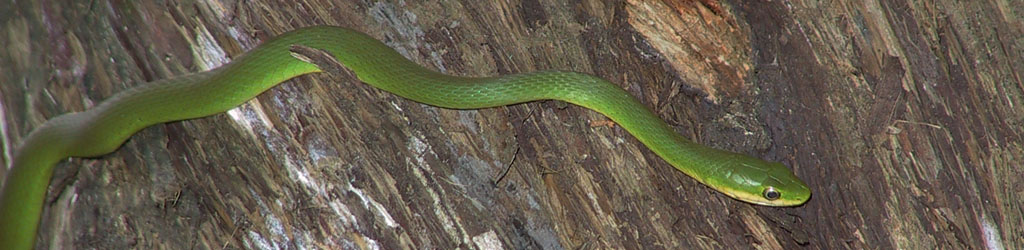
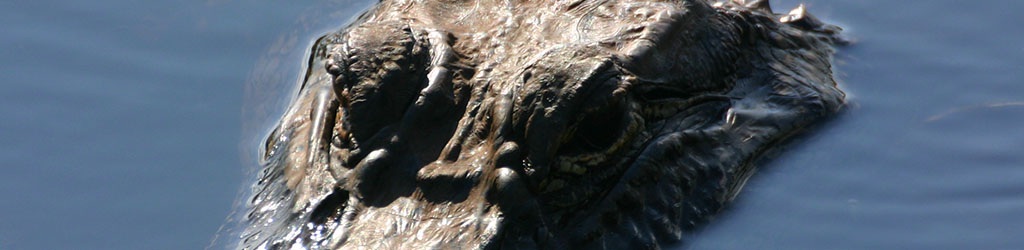
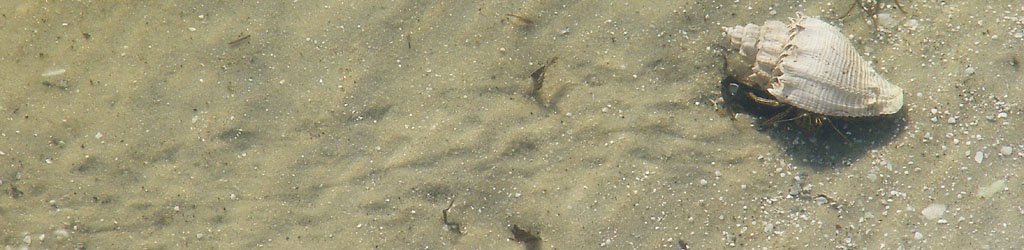

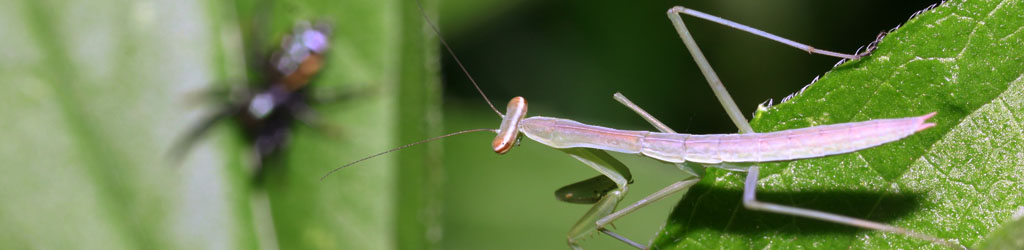
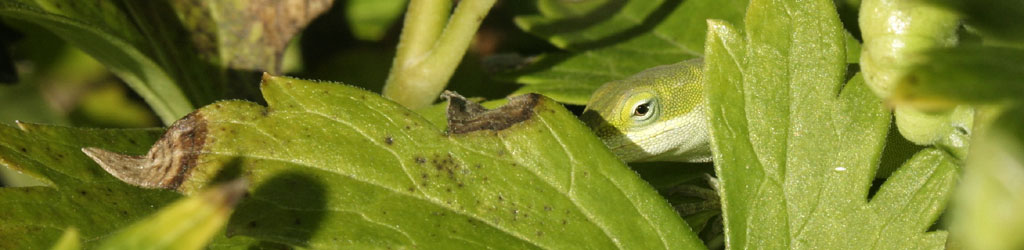
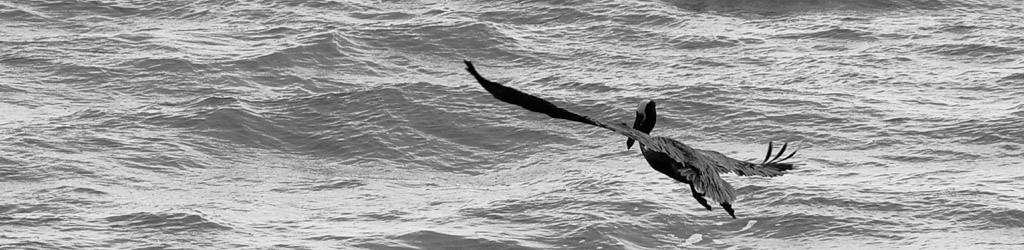
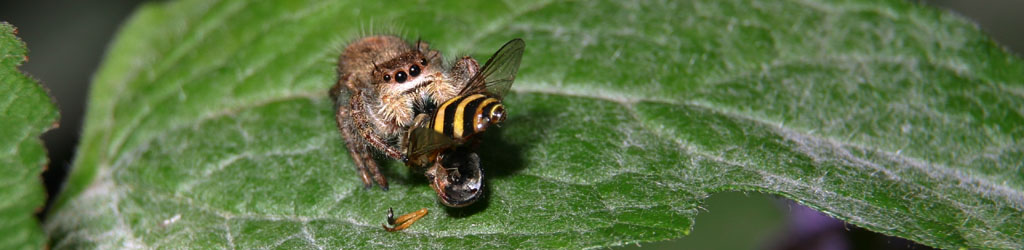
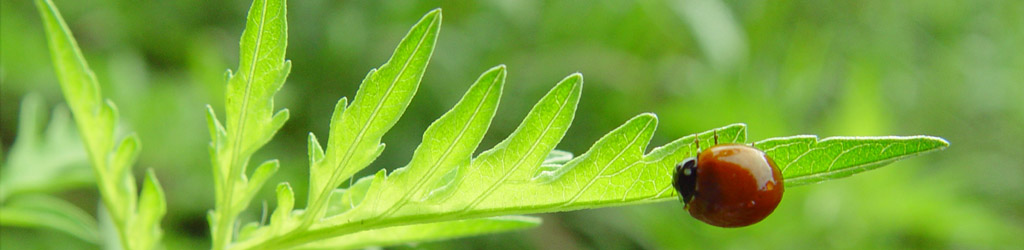
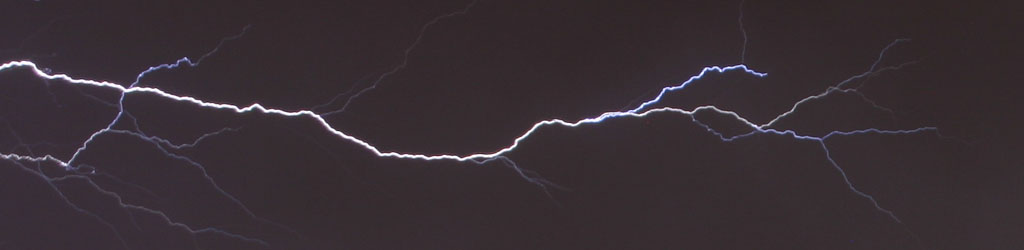
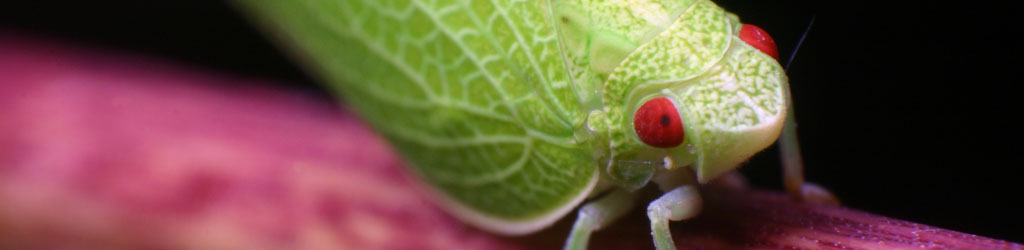

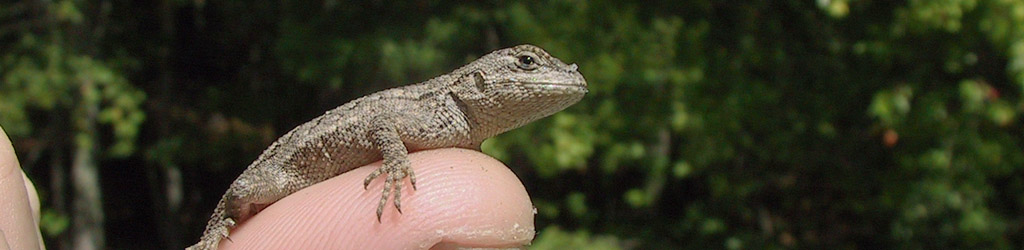

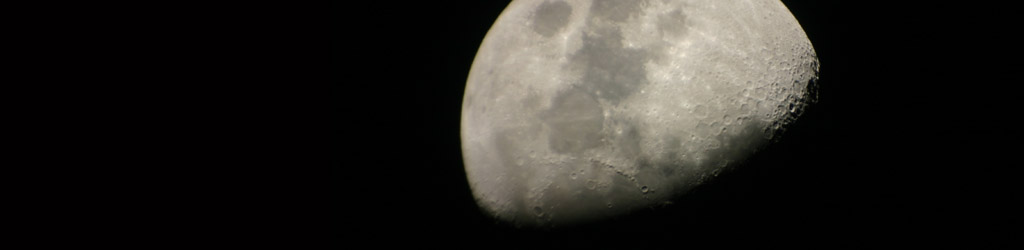
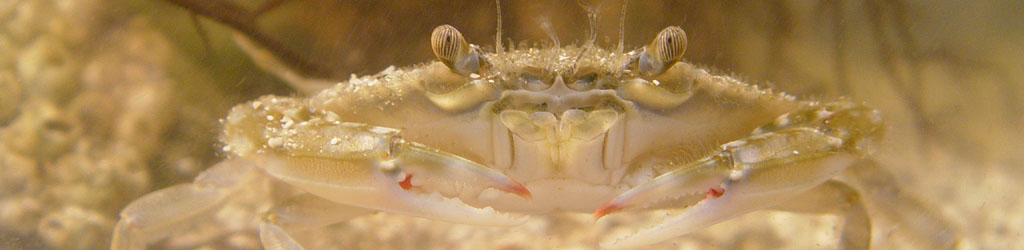
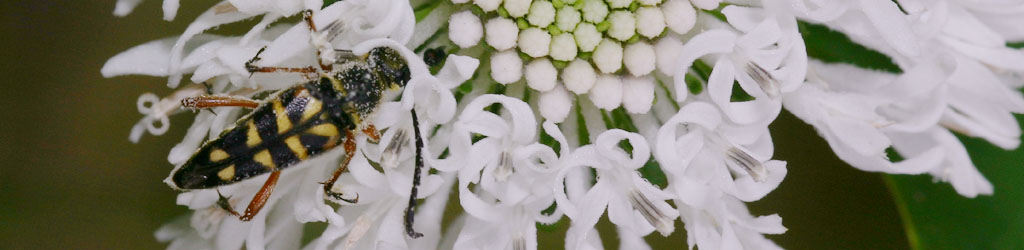
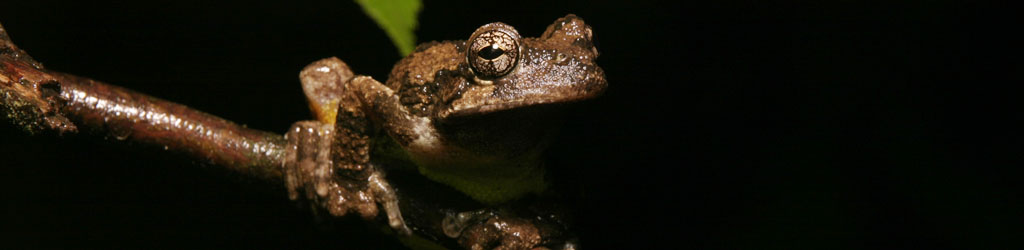
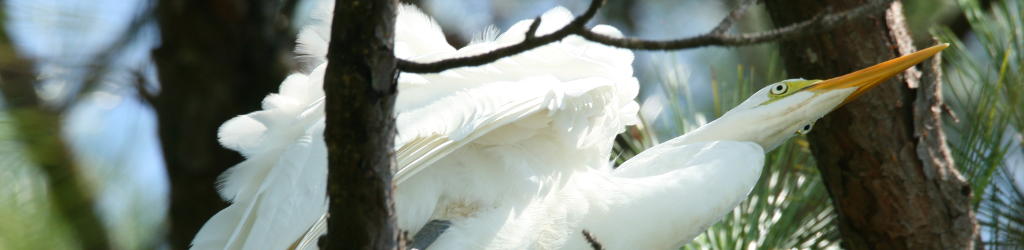
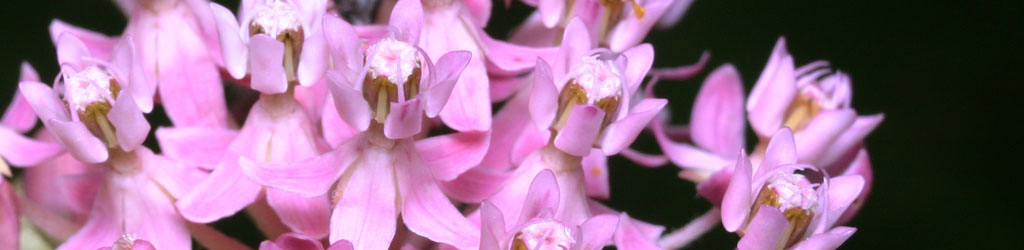
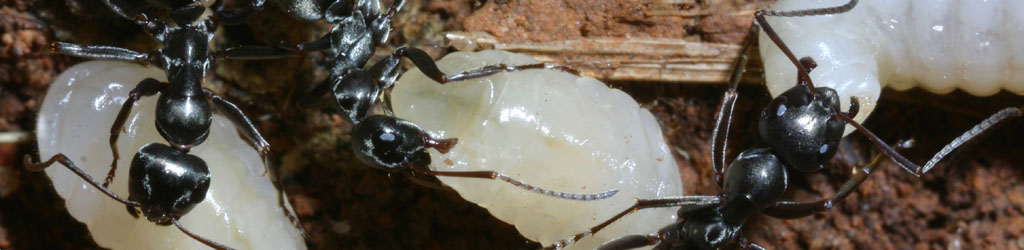
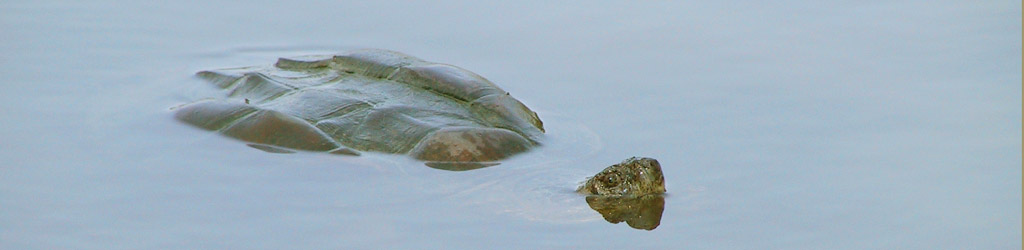
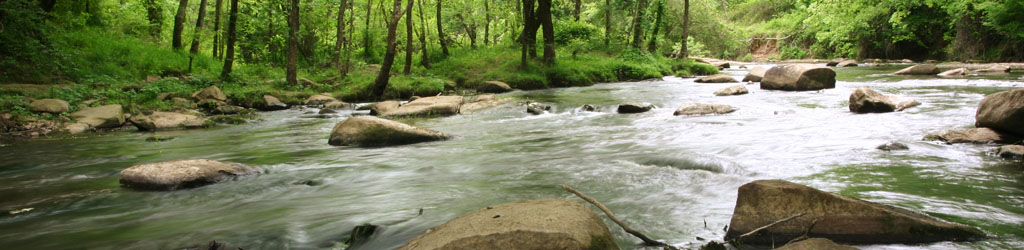
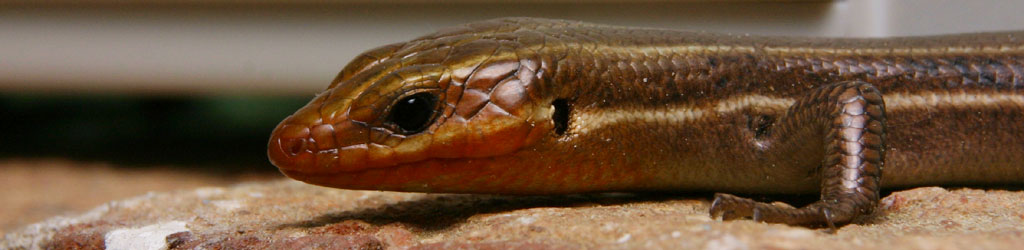
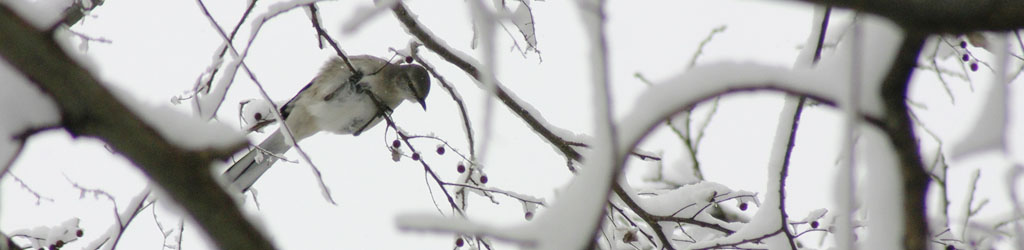
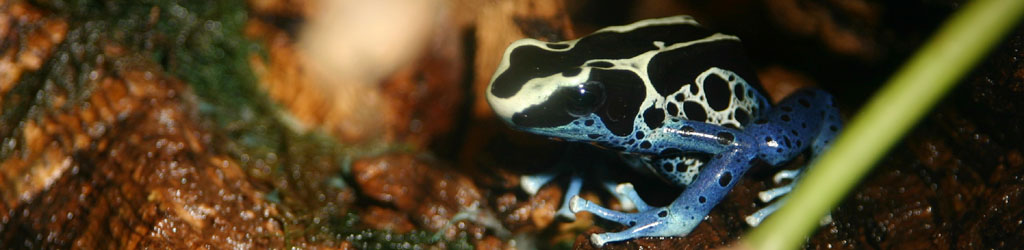

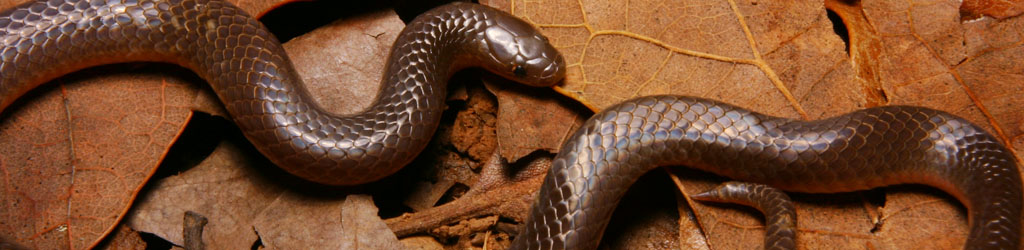



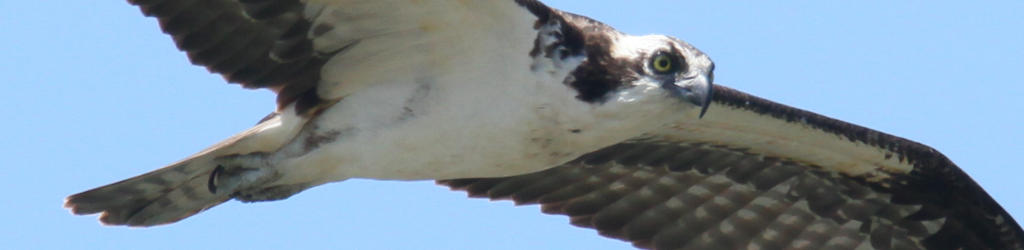
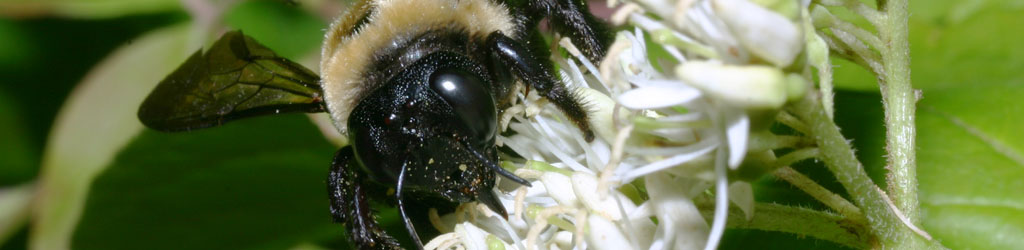
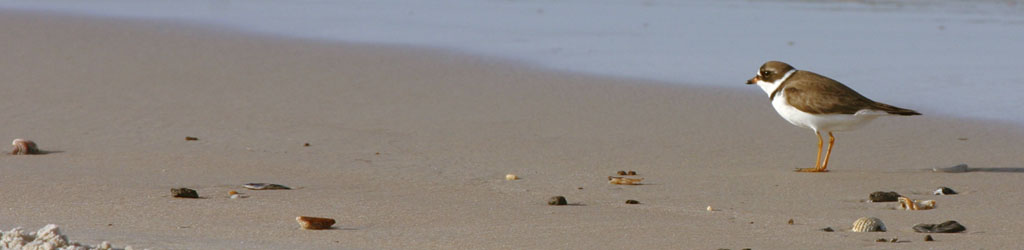

Today’s Monday color is another from this session back in August; some days I get one or two solid ‘keepers,’ some days I get dozens. On rare occasions I’m pleased with nothing and throw out almost everything I shoot. On those days, I pretend I was busy doing something else…
BIAB: Colin Hay fourfer
Yes, we’re digging back into the deposits of ancient music again, because it’s a blog (see title.) The choice this time around is Colin Hay, formerly the lead singer and guitarist of the Australian group Men At Work, then going solo in the late 80s, then headlining the Colin Hay Band (curious coincidence, that) in the early 90s before going solo again. He’s still producing albums and is currently touring, but right now we’re going to look back at the older stuff.
Pretty much everyone knows “Overkill,” from Men At Work’s second album Cargo, released in 1983 and in my opinion the most compelling track from two very strong albums; the other, their first, was Business As Usual from 1981. Far too many people nowadays know the song from the TV show Scrubs, which is fine, but it probably means they’re ignoring the superb collection of other tracks from both albums. If you haven’t heard it in a while, or haven’t bothered to listen to it closely, it’s worth another shot. In particular, pay attention to how everything has its place, none of the instruments crashing into white noise or feedback, instead providing a very pleasant and subtle blend that was typical of music from the 80s. There’s a background ‘breeze’ that comes and goes, at times clearly vocals but at others (such as during the instrumental bridge) the tones are indistinct and may or may not still be vocal samples. Regardless, it manifests a pleasant and slightly ethereal choir underneath the more obvious instruments. Special credit goes to those responsible for the mix, which brings in gentle surges of the keyboards or bass just to counterpoint the lyrics.
Overkill – Men At Work
I always interpreted the song as being about the cold war, which was seeing a resurgence in the eighties before it finally collapsed in the early nineties, but according to Hay, the meaning is more generic, the anxiety of sudden success and the changes it brings.
“It’s a Mistake” runs a close second behind this one, even more recognizable and featuring an arguably better vocal performance from Hay (listen for the subtle tremolos that come in, most often at the ends of bars.) The guitar work is unsurpassable as well, but the song lacks the mellow vibe of “Overkill,” so I’m sticking to my guns for this personal preference.
Some of the bandmembers split after Cargo, leaving three to produce Two Hearts before Men At Work dissolved for good. A few years later in 1987, Colin Hay released the solo album Looking For Jack, with the assistance of a laundry list of studio musicians. Though there are a few exceptions among the tracks, the album showed a distinctive progression from the pop sound of Men At Work to a softer rock feel, as well as betraying Hay’s interests in world travel. The cover art makes it clear that the ‘Jack’ that is sought is Nicholson, though why this should be is unclear, and not corrected terribly well by the lyrics of the title track. Nonetheless, it is a pleasant little song, with a piano and guitar playing a duet as the main instruments in a sprightly composition:
Looking For Jack – Colin Hay
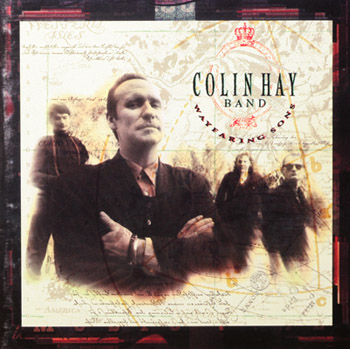 In 1990, Hay teamed with three new musicians to form the Colin Hay Band, and released Wayfaring Sons, featuring musical styles that, I feel, were the strongest throughout his long career. With this album comes the first indications of the acoustic influence that would later dominate Hay’s work and define his later albums, yet at this point it was only one aspect of a widely varied instrument lineup. The album itself has more of a ‘soundtrack’ vibe to me, milder and able to work strongly as background music, which is not to minimize the performances at all – it’s just a different feel. There’s more use of studio vocalists for backing, and a generally breezier tone.
Among the majority of very strong tracks comes the playfully naughty “Dream On (In The Night)” – hardly risqué by any standards today, but seeming slightly out of line with the mellow musical style and thus highlighted by that. We’re not talking “sex” here, but “foolin’ around,” and the difference is evident enough when you listen to it. But also pay attention to the bass wandering around in the background and offering mildly sardonic commentary.
Dream On (In The Night) – Colin Hay
Other great works from the album are the title track “Wayfaring Sons,” “Not So Lonely,” and the pleasant prerequiem “Ya (Rest In Peace),” but virtually all of the album is solid – the only one I’m likely to skip the MP3 player over is “Help Me,” but that’s due to its sharper tones that don’t blend as well with the rest of the lineup. If you liked the track I’ve included, definitely check out the rest of the album.
From that point on, Hay stayed almost strictly acoustic, and most of his songs display only his own instrumental work mixed with one another. For his 2003 album Man @ Work, several of the old classics had been re-recorded as acoustic versions. I have to admit I’m not a big fan of acoustic guitar, at least not as the primary or sole instrument – it receives far more attention than is warranted, especially with the ‘American’ style that is seen so often (as opposed to, say, flamenco-style, which is entirely different and far more dynamic.) The Girlfriend and I had the opportunity to see Hay in concert locally, in 2009 I believe, at a small venue that made the most of acoustic music – there were perhaps 200 people in attendance. Knowing that the audience was probably more familiar with the older stuff than the newer, Hay’s set featured only the most popular of his later work and a good mix of the earlier stuff, often showcasing a clever little digital addition to his acoustic guitar that could simultaneously play a pre-recorded loop from the same guitar, so he was in fact doing a duet with himself, live. With the small stage, Hay was able to relate a lot of anecdotes from his years in the various bands and touring with others, including playing with Ringo Starr and a somewhat surreal story about lamingtons. It was Men At Work that brought vegemite to the consciousness of the greater world, to almost no one’s delight, but lamingtons sound a lot more palatable.
Anyway, in comparison, we return to the first song featured, this time acoustically – you can decide for yourself which one works better.
Overkill (acoustic) – Colin Hay
I can say, however, that the effect is entirely different with everyone in a small auditorium singing along – unbeatable, actually. Maybe we can talk him into releasing that version.
Thursday color
 Just a few pics without a lot of explanation, because they don’t need it. Two are fairly recent, and one has actually been seen before, dating from May.
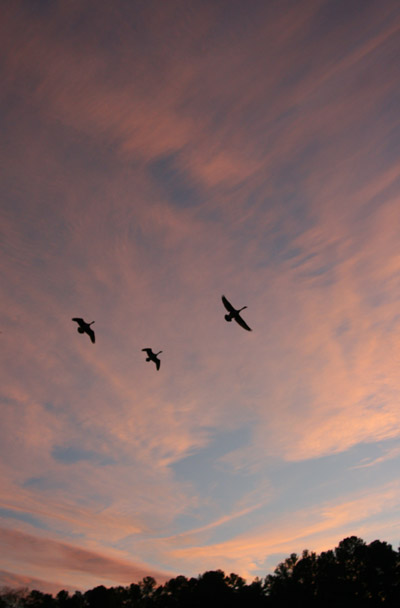
Two weeks back, I was at the nearby pond watching what the sunset colors were doing when the Canada geese (Branta canadensis) departed, though a handful of them circled the pond at low level, honking loudly – I can only surmise they were trying to convince the others to follow. This is one of those slightly tricky situations, because one can track the geese as they circle, but framing them against an interesting portion of sky takes a little bit of timing and foresight – it’s easy to realize afterward that it would have looked better if they had been captured there instead of here, but by then it’s too late. This is where being able to shoot with both eyes open can help, because you can ‘scout’ the background they are about to cross with the other eye before they reach it and plan accordingly. You can also hear the honking that signifies their impending takeoff and realize that they’re likely to appear or cross there, and be ready. This includes thinking if a horizontal or vertical composition will work better, and whether you can pull off a shutter speed that’s fast enough. It’s not hard, it just requires being on your toes. The hint of trees included at the bottom of the frame here ‘grounds’ the geese near the horizon instead of simply being someplace overhead, as they would appear without it.
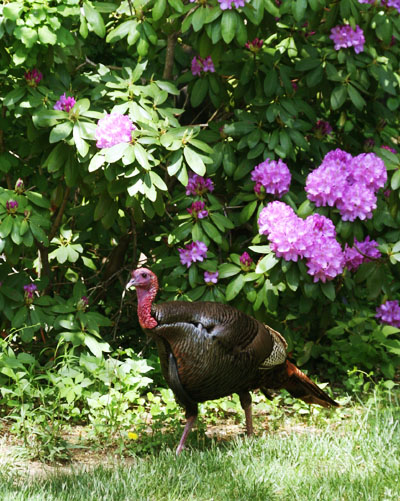 Naturally, in honor of the day I have to include this pic from earlier in the year, during a trip to NJ. This turkey (Meleagris gallopavo) really was wild, even though it was one of many accustomed to a semi-domestic situation, wandering through yards in a Jersey housing development. Art Carlson was actually somewhat correct: wild turkeys can fly, just not the over-fattened domestic ones raised for food.
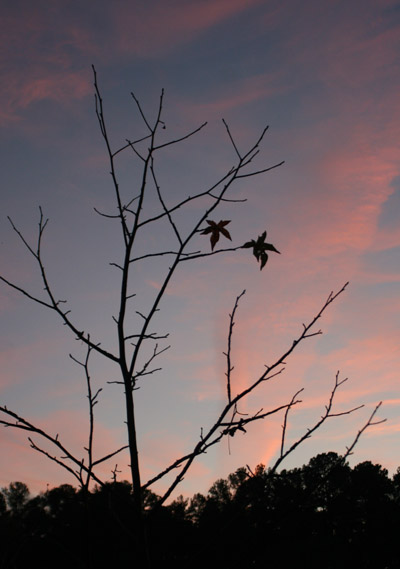 And another, taken minutes apart from the geese shot, because. I’ll leave this here for a second and let you soak it in, before I start talking about it.
Now, did you notice that vertical band of clouds to the right? It’s actually a contrail, one of the things that makes sunrise and sunset pics in this area such a pain in the ass – they’ll appear in the same conditions as the clouds that make for interesting skies, but of course clouds don’t make these narrow long lines across the sky. To me, it adds the wrong kind of element to the scene, but in this case it was broad enough and subtle enough that I don’t think it actually registers – correct me if I’m wrong. I did another composition where I aligned the edge of the contrail with the bigger branch right alongside the leaves, making it even subtler, but then the change in position meant the leaves were crossed by other branches instead of being framed in space as seen here, and I didn’t like it as much. Decisions, decisions…
Play MST3K for me. And you. Everyone.
Let me paint a little picture for you. It’s an ancient time. “Blu Ray” was what people thought Gainsborough’s model was named. “YouTube” was a surfing slang term (as was every set of words put together nonsensically) and surfing was only done in the ocean, because webpages were few and all of them sucked – Geocities was in the future and would, ever so briefly, be considered an improvement. And there was this little underground movement, the surreptitious shuffling of bulky packages (leave it alone) that took place in locker rooms (sheesh) chess club meeting rooms and the parking lot after work, the exchanges of ominous black boxes called, “VHS,” the currency of the MST3K fanatics.
Mystery Science Theater 3000 was one of the most creative shows ever to grace several different networks, with a simple yet compelling format: play absolutely shitty movies and tear the hell out of them – kind of like the annoying jerks in the theater, but targeted towards films that are only improved by the commentary. There was an explanation, of sorts, for this activity, which took place on the milkbonesque Satellite of Love, where a human captive and the two robots he’d built/inherited were forced to watch these terrible movies as some sort of experiment perpetrated by mad (or perhaps slightly irritable) scientists. The sets were obviously homemade and only slightly cheaper than those on the original Star Trek, and that was part of the charm. What we all watched for, though, was the biting commentary on cinematic schlock that had been mercifully ignored for ages.
All of that, naturally, was to introduce you to the concept if you haven’t already been exposed to it, and to hopefully spark some interest. Because if you have been exposed to it, especially if you’ve lamented its cancellation, I am here to help spread the word that it’s coming back – this time through crowd-funding, because fuck network decision-makers and the crayons they keep eating. While the campaign has already reached its initial goal as I write this, there’s an upper goal too, which would permit a full dozen new episodes to be created. Click here for the details. And as it always goes for Kickstarter backers, the more you contribute, the better it gets, as you become eligible for bonus materials in recognition of your generosity and discerning taste.
But there’s another reason that I’m posting: we are also seeing the return of Turkey Day, which is not just an unoriginal slang term for Thanksgiving, but an appropriate term for an MST3K marathon taking place at that same link Thursday, November 26th, starting at noon Eastern, 9 AM Pacific, or to get everyone on the same damn system, 5 PM UTC “Zulu.” These will be classic episodes, yet to be announced, but almost certainly a few gems in there.
I’ll be the first to admit, MST3K could be hit or miss, and everyone has their favorite hosts and/or seasons. Plus, it doesn’t strike everyone the same way. Some of the jokes were weak; some were remarkably sophisticated. And sometimes, it was nothing but merciless:
After the show was cancelled, many of the cast and crew split off to do much the same thing with virtually no budget, creating RiffTrax and Cinematic Titanic, as well as appearing at live shows. The fan base has been vast, and yet will hopefully get a bit vaster.
I can’t leave it at that. No doubt everyone has memories of those aged education films that we all had to watch in schools, and quite often, when the feature movie wasn’t going to prove long enough for the format, there was also a ‘short’ tacked on at the beginning, like so:
So, tune in (or, whatever) Thursday, pledge some support, and have fun!
Monday color 42
 Taken just a few days back, this is another current one for Monday color. Despite having a couple of overnight frosts, and the bare fact that the tomato plants never did well this year because of the sporadic sunlight in the back yard, one of the cherry tomato plants is still valiantly, defiantly producing fruit (and yes, tomatoes are a fruit.)
This, by the way, is another example of the lighting produced by the new flash reflector – a little directional, but not too harsh. Notice the lack of sharp shadows anywhere, including by foreground stems onto background tomatoes. In fact, the light seems softer than the earlier shots of the same tomato plant with the former rig that I liked, though those were shot at night while this one was during the day, and so ambient light might have played a small part. I’m still experimenting…
Let’s hope they’re cute
For one or two posts a year, I have to touch on the idea of extra-terrestrial life, and this particular facet of the topic I’ve mentioned before, but I’m going into it a bit deeper this time. Given the extremely low likelihood of such an event coming to pass, this post counts as far more attention than is warranted, but if I only tackled relevant and important topics, I’d lose my blogger status and have to start getting paid for this…
We hear of more ‘exoplanets’ all the time, most of them courtesy of the Kepler Space Telescope, and with each of them comes the wild speculation in the media about whether such a planet might harbor, not just life, but intelligent life, and this distinction is worth making, because to the best of our knowledge, it’s a huge difference. In the history of this planet there have been millions of species, with just one among them that is ‘intelligent,’ and that one took a long time to develop – statistically, that spells an extremely thin chance of intelligence popping up. And while the media, and really, the general public, concentrates on this potential to the near-exclusion of all others, it’s not what planetary scientists and exobiologists and so on are thinking of most of the time; they’re thinking microbial life first and foremost, with the additional idea that a thriving ecosystem – something indicating a good possibility of complex life – will leave a signature in the atmosphere of any planet, which could potentially be seen from a long distance by the infinitesimal spectrum changes to the starlight that passes through such an atmosphere. So far, nothing compelling along those lines, but with the great distances involved, it’s hard to say if this means a damn thing.
And in fact, with just one example of life forming to go on, we have little more than guesswork anyway. Is our planet typical, or rare, or completely unique? Pick any one you like; they’re all just guesses anyway. A lot of people seem to have the idea that intelligence is inevitable, given the development of life, but that’s ignoring all of the numbers that say otherwise.
But for now, let’s proceed with the what-if scenario that it has occurred, and not only that, but close enough to actually have some form of contact with us – the odds are incredibly low, but humans are social and we can’t resist the thought of it happening. I’m compelled to believe that the best-case scenario is the one that’s most likely: that we are communicating over a great distance, probably requiring a lot of energy, and so our messages are meticulously crafted and vetted, likely very terse and dealing only with basic information.
Because, to nearly all indications, we stand a high likelihood of having very bad relations with another species. This is not about the human tendencies towards violence or petty behavior – those do exist, but it seems likely we’ll try to be on our best behavior in such circumstances – but about the very traits that define us as human in the first place, yet may be unique to our species. There are two things that could have enormous impact on our interactions: our tribalism, and our judgment on visual appearance. We’ll tackle the latter one first.
It’s pretty obvious that our standards of, for instance, ‘cute’ and ‘ugly’ are not just observations, but methods of judging the value of just about anything. Those working with endangered species know that the ‘cute’ animals will get nearly all of the funding and attention, while reptiles and fish will be nearly ignored – who cares about a fish? But pandas – they’re so cuddly! And that’s all that can be said; their impact on the ecosystem, their function as a balancing agent, the ripple effect if they disappear – all negligible at best. There is barely a reason to prevent their extinction except for “Awwwwwwwwwwwww!” I don’t want to minimize it, because any extinction is something to avoid solely from the potential impact, even if we’re not the direct cause in the first place. Yet there are a lot of species that will have much greater negative impacts on the entire system than pandas. Pandas, however, trigger a collection of emotional responses within us solely from their appearance. Many of their traits are like newborn humans, including the faux-wideyed look, while they’re plush and would make good cold-weather companions (or provide useful pelts – did I say that? Yet that’s likely the only reason why we like fuzzy things to begin with, having survived through a few different ice ages.) Pandas get our attention because the traits that we evolved aren’t specific enough to distinguish between useful behavior and pointless indulgence. Seriously, try and find a use for an oversized, lethargic creature that feeds almost entirely on bamboo – especially since we can’t stomach the thought of eating them, and virtually nothing else will either. Where the hell does this fall in the food chain?
Now imagine an endangered spider species, one that feeds on the larva of several pestilential insects that devour food crops and reproduce like mad. One that also serves as a food source for migratory birds on their paths across the continents, thus filling an important niche in the food chain. Plenty of reasons to keep them around, right? Yeah, so, good luck getting that funding going. It’s a spider, they’re icky! Like snakes, far too many people don’t care what the species is – by association, they’re all horrible and should be destroyed.
And if intelligent aliens have too many traits of a species we don’t approve of, our interactions are very likely to be colored by this, unless we’re extremely diligent about how we go about it. It’s easy to believe that we, as rational humans, wouldn’t be so stupid as to treat an intelligent species like it was an insect or something, but this is probably not an accurate assessment. First off, just consider the phrasing of, “We wouldn’t treat them as if they were insects,” because it’s an indirect admission that we do treat insects differently, and most times very poorly – we know the bias is already there! We’re automatically dismissive of arthropods, as if all of them are pests – far more so than we are of rodents. Yet, the number of species that can do us any harm, directly or indirectly, is tiny, while far more of them are beneficial. The rational mind isn’t at work here.
It could be a lot worse than that, however. As mentioned above, simply calling something “ugly” is not an observation, but a judgment of value; “Let’s not be ugly about this,” and, “It’s an ugly house, isn’t it?” aren’t ever taken as neutral statements – ugly is bad, to more than just shallow people. The gut reactions to beauty and lack thereof have been used for centuries in marketing, politics, and entertainment, and there are countless studies as to how attractive people gain benefits from their interactions with others. This is not surprising from a simple biological standpoint; our standards of beauty and ugliness largely revolve around things indicating health, and are responsible for helping us decide everything from what fruit looks best to what spousal choice is most likely to produce offspring that will thrive. The problem is, it doesn’t shut off when it comes to subjects where the physical appearance has no impact on us, and most times, we’re not even aware that we have this bias coloring our decisions and reactions. Even minor changes in average appearance is enough to make us pause at least; witness the number of people who find dolls with slightly incorrect features to be ‘creepy,’ and the discomfort with strabismus, as common as it is. Anyone with congenital birth defects or significant scarring will tell you how badly some people handle such simple and immediately recognizable differences in appearance.
Note that this aspect has never been lost on the artists and designers responsible for the depictions of intelligent aliens in our media. HG Wells and HP Lovecraft both provided marauding alien species that had tentacles, and most artists provide their aggressive ETs with glaring eyes, as if this would be a universal trait. Countless authors have imagined arthropod-like intelligence; Alan Dean Foster at least, among perhaps many others, tackled this very kneejerk phobia with the first encounter of the insectoid Thranx species in Nor Crystal Tears. For the vast majority of cases, just take a look at how the life form is depicted to determine if it’s supposed to be hostile or not; there’s a constant reinforcement that if it looks nasty, mean, or creepy, that’s an accurate assessment (which, at least as far as Hollywood is concerned, isn’t limited to extra-terrestrials either.) Science fiction authors aren’t quite as predictable; many of them, at least, subvert the expectations that have been bred into us.
[For fun, examine the above paragraph and note the various terms used to refer to such life, weighing the relative appeal of, “extra-terrestrial,” against, “alien,” even when they mean the exact same thing in these circumstances.]
That’s only half of it – we still haven’t tackled tribalism. Because as a species, we’re particularly adept at drawing lines between us and them, from school cliques to jingoistic nationalism, the ‘good’ and ‘bad’ neighbors to those people that eat weird food. If we can create a bin that forms a distinction, we will – and it’s safe to say that any intelligent life from another world will instantly get into the other bin. Even if a species demonstrates no form of class consciousness at all, no bias or bigotry, not even any nationalism or sports rivalry, we’ll be able to look down on them because of this – it just ain’t right, you know? While exercising a healthy caution in any dealings is arguably prudent, due to the very fact that we can’t understand exactly what motivates another species (including those on this planet,) can we even make the distinction between which of our reactions is ‘protective’ and which is ‘insular?’ If we get a request of, “Let’s trade technology,” what are we going to send them? I can bet there’s a few items that hit the “Absolutely Not” list immediately.
Again, some perspective, because we often think that another intelligent species is something that we will accept readily, because we believe “intelligent” means, “like us.” While that sinks in, I’ll point out that everybody on this planet is “intelligent” and “like us,” and we can find every excuse in the book not to eradicate world hunger or even welcome immigrants. The vast majority of internet forums will devolve into pointless sniping over stereotypes every time nationality comes up even casually, and let’s not even talk about something as insipid as political parties. It’s impossible to imagine any way that an extra-terrestrial species will not be viewed with rampant xenophobia. And in such a case, it’s hard to say just how badly our relations with them may progress, or how these tendencies might influence us towards a negative or even hostile response.
This seems to be an evolved trait as well. Both Richard Dawkins and Steven Pinker have written at length about the tendencies for humans to favor their own kin; the closer the relation, the stronger the favor. Again, this makes perfect sense from a genetic standpoint, because all species evolved to propagate their genes, and closer relations bear greater percentages of the same genes, so as behavioral traits sprung up to promote close kin, they strengthened through natural selection, and we actually demonstrate multiple ways in which we differentiate kin from ‘stranger,’ from appearance to body odor and even speech patterns. There is no way to prove this is how such traits developed, but the multiple converging lines of evidence gives the theory a lot of support, and the bare fact that we have these traits isn’t in question.
Dawkins and Pinker both stopped just short of voicing the inevitable conclusion, which is that racism (and indeed, every other form of tribalism and ‘they’ism) has evolved into us. They likely avoided it with good reason, because people can be notoriously bad about jumping to conclusions and failing to understand the difference between “is” and “ought” and all that. Nothing that any species evolves is “right,” or how something “should be” – it just reflects the properties that served to propagate the genes. Even considering that we are a successful species because we made it this far while being so tribalistic ignores the basic fact that species go extinct all the time. It works… up until it doesn’t.
But just assuming that it is presently working doesn’t mean much either, because the advantage that it infers only applies to seeing that individuals with a high likelihood of our own genes receive the benefit over others, and that only applies in circumstances where the competition for scarce resources is crucial – something that exists in minuscule portions of today’s world, and only insofar as reproduction goes. Everything else, all other forms of tribalism, are nonsense – again, like finding pandas cute, we simply haven’t evolved the instincts to distinguish readily. Even worse, there’s a distinct limit to how useful the trait is even in such rigidly-defined circumstances, because genetic diversity remains the key to resisting both “inbred” genetic mutations and viruses that evolve around our defenses. We have to avoid total insularity to survive as a species.
And there’s one other thing that we evolved, which takes the place of perhaps several thousand different instincts, emotions, and automatic responses: rational thought. We have the ability to weigh decisions rather than respond the same way for any given criteria. We have the ability to say to ourselves, “But does this make sense?” rather than act without any thought whatsoever. That’s what defines us, and even defines “intelligence” to our own satisfaction. Sadly, we just have a really hard time doing it, far too often, and even believe that if we feel strongly about something, that’s as good as a rational decision even when rationality played no part whatsoever. Some of it even comes down to perceived threat level: if we feel danger is imminent, we tend to stick to the instinctual, reactive responses rather than calm deliberation. So some of the question is, what’s going to trigger feelings of imminent danger?
There is a potential saving grace in all of this, and that’s the high likelihood that an extra-terrestrial species could not even recognize when we’re being anti-social, since they will have their own evolved standards of social conduct. Even what we would consider inexpressibly rude behavior might slide past unnoticed. But at the same time, anything that we do might be considered by them to be inexpressibly rude; we can only hope that they’re far more objective and comprehending than we are. Though if they’re too far in that direction, we’re liable to feel threatened by that. And naturally, how many different things could they do that would cause us to take offense without realizing that they have no concept of what would offend us? Just trying to imagine the permutations of all this is confusing.
Many years back, Berke Breathed imagined the other side of the coin in his comic strip Bloom County:
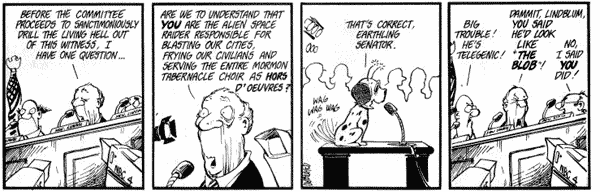
… which could also provoke some inappropriate reactions.
[Don’t accept the date at that link as the original – this strip first ran in 1987 soon after the Oliver North hearings, as the followup strip satirizes.]
I don’t know if you get the same impression that I do, but I suspect we might do a lot better at some point in the distant future, when we have evolved a better distinction of how and when such reactions take place – if, of course, we really do evolve in such a direction. Since it’s dictated by environmental pressures, it’s not clear if we can reasonably expect this.
All of this would come after we figured out how to establish communications in the first place, which could be an immensely formidable task, one that might take decades or even prove to be insurmountable. And that’s all only if we find intelligent life within a very narrow set of statistical conditions. Not something to be worrying about, really.
I’m getting old
Seriously. I can’t find an excuse for this.
I just finished typing up a lengthy post about a particular topic, and as I was viewing the penultimate draft, I decided to click on one of the links at the bottom – you know, the ones that show potentially related content? Only to find that I had already tackled pretty much the exact same details in the earlier post.
Now, I might have felt better about this, if the previous one had not been from a mere 40 days ago! I’m fine with revisiting topics that I covered several years back, or if something relevant appeared recently, but this one’s still lukewarm! Worse, I really wasn’t registering that I’d just covered all the points that I spent a couple of hours typing up. It’s a little scary.
This is one of the problems with maintaining a blog; sometimes it’s a struggle to find something interesting that you haven’t already done, and I understand why a lot of people have simply bowed out of the game. I’ve slowed down a bit on my pseudo-philosophical posts, at least to my perception, because I’m not finding that many new topics to talk about. And this is not a good thing as winter rolls in, since filling in with bugs is a lot harder right now.
But at least I caught it, so there’s that. In the future, I could do some searches on keywords and make sure that I didn’t already do the same damn thing yesterday. If I remember to…
Or I could get rid of that related-posts widget below, and at least avoid linking directly to them.
Macro photography, part nine: Changes
For the past two and a half years, I’ve been using a specialized rig for macro lighting, one that produced dependable and pretty damn good results. But it was not to last. The Sunpak FP38 flat panel flash is a surprisingly neat little package, but like everything that I ever really like in photography, it’s been discontinued, and I knew it was only a matter of time before I had to find something else. Through a stupid move (always check voltage on the AC power unit before plugging it in,) I hastened that fateful day by blowing a capacitor, which is the heart of any flash unit, and until/unless I can find a replacement, I have to work with something else.
My workhorse flash unit is the Metz 40MZ-3i (a model number I can never remember,) which is a slick little unit selling for half the price or less than the Canon models with similar capabilities. It has a lot of power, numerous creative options, and best of all, it has manual output and can be adjusted in 1/3 stops through a wide range of light. This makes it great for any demanding lighting situations. But, like all unmodified flash units, it produces a spotlight effect, bright highlights and harsh shadows, which is why I went with the flat-panel flash and softbox in the first place. I’ve used the Metz with a Lumiquest Big Bounce diffuser, which worked fine, except that the Lumiquest is heavy and bulky, and had to be strapped up into macro position because the tilting flash head of the Metz wouldn’t support its weight in the position necessary for close work.
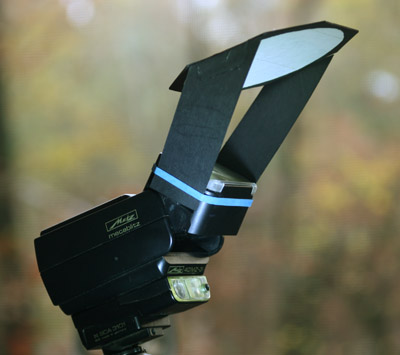 So the other day, I tried out another homemade option. To make lighting less harsh, it needs to be spread out and diffused a bit, preferably coming from a broader area rather than the small point source of the flash tube or the scatter panel right in front of it. This can be done by a) bouncing it off of a wider reflective panel, like an umbrella or a ceiling; b) sending it through diffusing material like thin white cloth or tissue paper; or c) both. Because I was doing macro work in close quarters, especially in ‘the field’ where the flash unit usually has to move with the camera, the distance for bouncing is limited; it would also be nice if the rig could pack into a camera bag easily. So this is the current experiment, a very simple deal. Two arms hold the bounce panel a short distance from the head, at an angle that accommodates macro work.
One distinctive change that I made over the flat-panel rig was the reflector, which is round now. This will produce a round highlight from any highly reflective surface that I photograph, rather than the curious square ‘window-pane’ that the Sunpak showed. While minor, able to be seen only if someone was paying close attention to the shape of the highlight in the eyes of something in my photos, it always bothered me when it showed up. So I made the reflector panel round and painted all other surfaces black so they wouldn’t throw stray reflections.
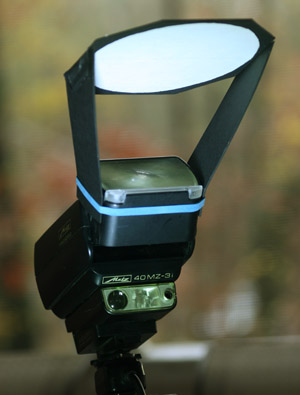 It’s all constructed out of mat material, the same stuff used in picture frames, basically stiff paperboard – I had some black stuff with dingy ‘core’ color instead of bright white, which made it unusable, really (always buy bright white core stuff.) The reverse surface is matte white, which I made brighter and more reflective by putting clear packing tape over it in a circle, then painting the surrounding bits black – the circle measures 11cm across. While I could easily put some hook-n-loop patches on it to hold it in place, right now I’m just using a rubber band, which is more than adequate for the negligible weight. And the arms are attached with fabric ‘hinges’ so they’ll fold flat when not in use.
So with all that, how does it work?
Well, in the previous post, the two assassin bug images and the one with the spider and prey were all taken with it – meaning the spider one was taken while upside-down. For close work it seems to do pretty well, though I’m thinking the reflector panel might have to be a little bigger. But let’s take a look at how it works with a larger, more distant subject.
I mentioned before that I’m working on a pond which will have multiple pools fed through waterfalls, and one of the smaller pools has been cast in concrete and sits in the yard next to the big pond liner, which has been occupied by frogs most of the season now. With regular rains, the little pool has remained filled with water, and one of the smaller frogs has taken a shine to it.
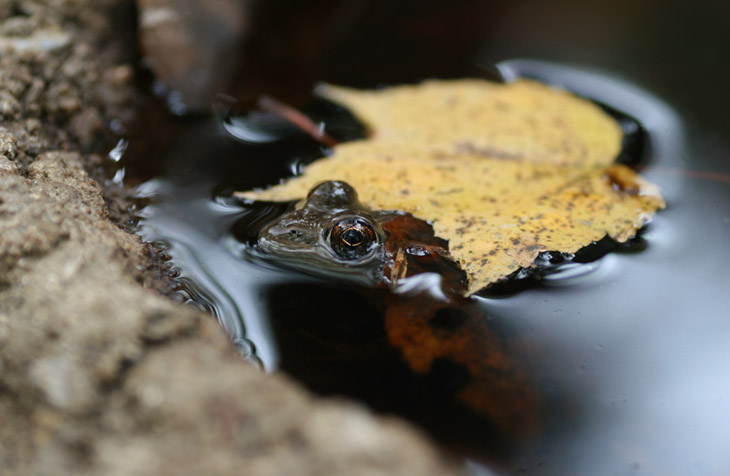
This shot was taken by ambient light on an overcast day, and the pool doesn’t get direct sunlight anyway. But it’s the fartsiest one, and good for comparison. The next two are detail shots with the new flash attachment.
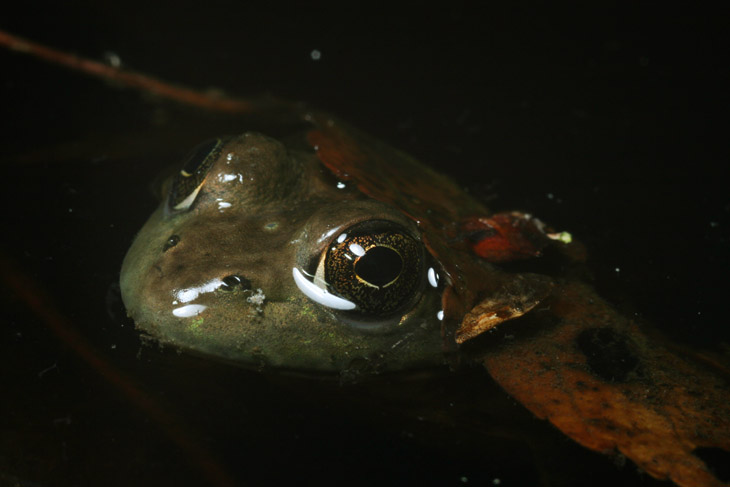
Now, penetrating the water wasn’t really expected, and I’d need a really broad reflector (like a meter or so) to come close to the ambient light effect, which wasn’t the goal for this device. I probably should have taken the device off and done a few shots with direct flash, just for comparison, but catching the frog during its brief, shy appearances is tricky enough – several previous attempts have failed. So let’s take a close look at the effect from the round reflector.
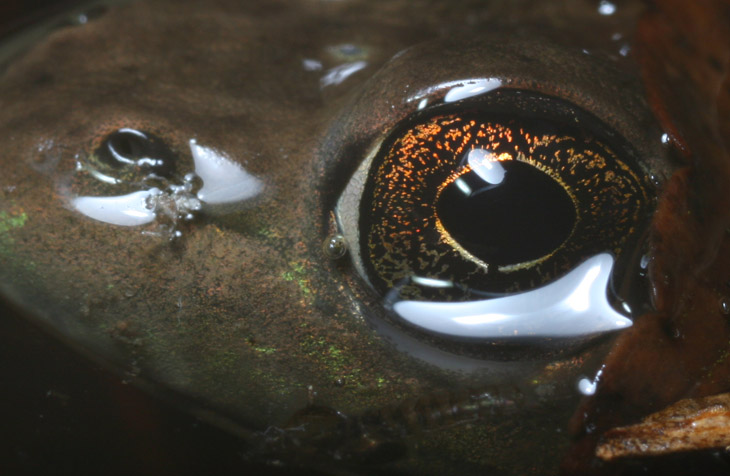
This is a rarer subject, because due to the water adhering to the entire frog, every surface is reflective, but that’s the trickiest and most demanding type of subject. Thus, there are highlights in several areas, but if we look to the eyes, we can see how it all works. The round reflector is clear, and much less obtrusive than the former square one – but there’s a few other traits too. The very faint reflection from the arms I think I can cope with, but the flash head itself peeked into the shot for a secondary highlight – I might have to put up a small shielding panel for that. And the head has a distinctive reflection in the reflector, putting a bright highlight in the middle of the round patch. Hmmmmm.
To be sure, this is only going to show in circumstances where I’m very close to an eye, or something comparably reflective and smooth like that, though it happens often enough in my pursuits. But what about the more generic subjects?
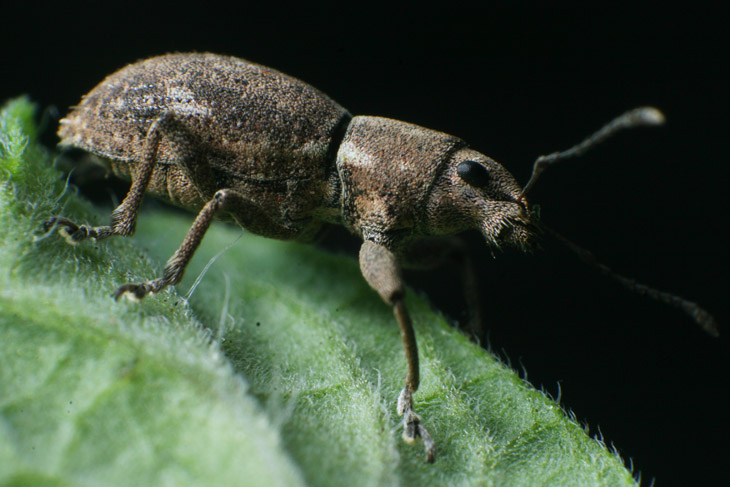
This unidentified weevil, possibly one of the broad-nosed weevil subfamily (Entiminae,) was caught one evening when I was chasing spider food, so it served as a test subject briefly before I let it go. Mixed results here: I like the soft light across most of the body, but the shadows off to the right are a bit deep, indicative of light from one direction – it’s easy to tell where the flash was located. Perhaps a bigger reflector is in order, but it’s worth noting that the diffuser for the flat-panel unit was only 16cm in width, five more than this, so I think this is only indicative of having the flash too far off to the side rather than above the subject; a second light source is often useful in such circumstances, if difficult to implement in a rig that can he handheld.
A major plus with the Metz, and the primary reason why I wanted to adapt it, is the recharge time. The Sunpak flash used four flash tubes and a fixed output – the light was always the same, and it worked well for the f16 aperture setting I liked to use for macro work. But it took several seconds to recharge, so quick sequences were out of the question. The Metz, while still using four AA batteries like the Sunpak, can be set for lower output, and at the settings I normally use for macro it can recharge almost instantly; the capacitors charge up for full output, but I’m often using 1/8 that, give or take, so the capacitors only discharge fractionally and can fire off several times before total discharge, while the batteries are working to keep them at full. This means I can do sequential shots and faster frames.
So for now, I’ll maintain things the way they are and keep experimenting; we’ll see if the rig has to be adapted more, or just some slight changes in habits. Plus, with the potential of higher output, I can start shooting at smaller apertures too.
Good help is hard to find – sometimes
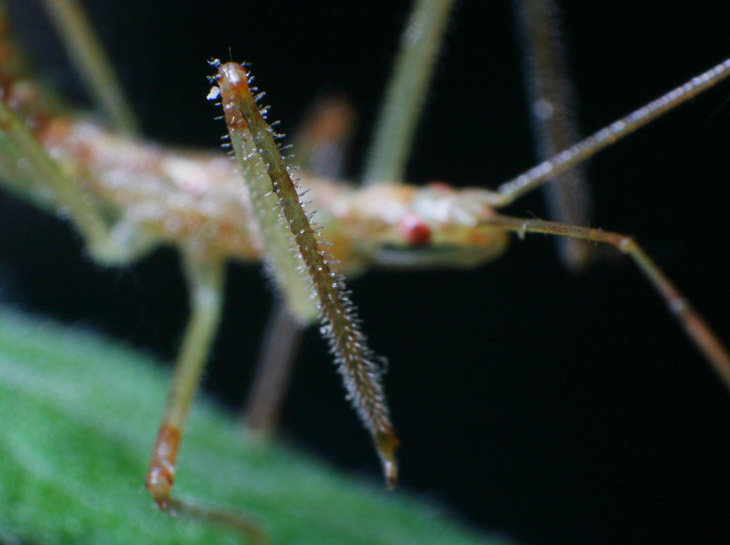
While looking up details for an earlier post I came across a curious trait of this particular species of assassin bug, and decided I’d like to try and get shots of it in action. I have been too lucky lately, and thought this luck might hold, but alas…
Pale green assassin bugs (Zelus luridus,) seen in several recent posts, are spindly little insects usually measuring less than 20mm in body length as adults, so roughly twice as long as a housefly, and on first glance they might give the impression of being spiders. You’d have to look really closely to see that their legs, especially their forelegs, are covered with short hairs, and even closer to find that they glisten. This glistening is due to a secretion of the bug, and is apparently sticky to some degree; my source of this information likened it to the stalks of a sundew plant, seen below, which snares arthropod victims to digest as a source of food.
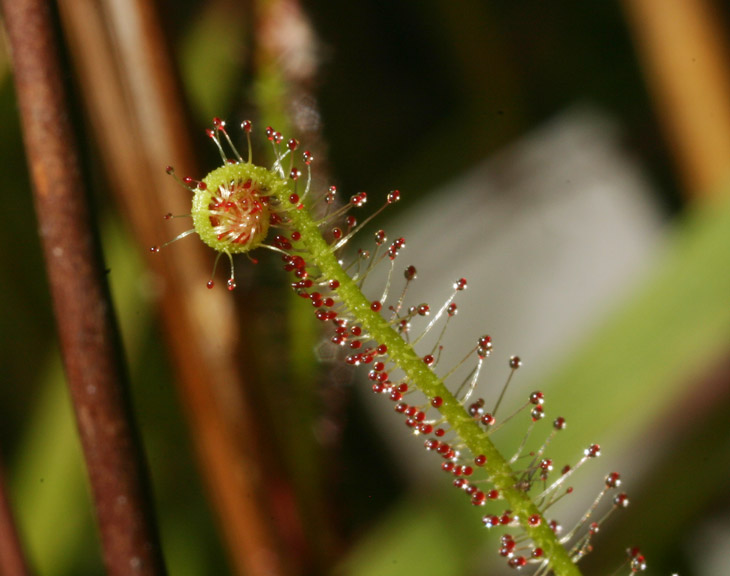
 A closer look at the insect’s leg is seen at right – this is one that I captured and kept in the same terrarium with the magnolia green jumping spiders until I could arrange some particular photos. It would have been nice to get video of one capturing its food, but extremely difficult; being there at just the right moment, with adequate lighting and the camera focused, while the assassin snagged some prey in unobscured view, would be demanding to say the least. In fact, despite finding this species all over the place for the past several years, I think I’ve seen it with prey maybe twice – one of those is seen here.
Even while provided with a variety of food insects in an enclosed area, I never saw the assassin with a capture at all, so I did these detail shots yesterday and then released it. Now, this was a nice set of controlled conditions, with a captive subject that was never more than 15cm from a food source (usually quite a selection of them) – imagine doing something like stalking one of these in ‘the wild’ and hoping to snag action shots as it successfully captured its prey. I imagine it’s an activity for those who find watching paint dry to be too hectic…
In contrast, the magnolia green jumping spiders (Lyssomanes viridis) have been surprisingly easy to work with, even while possessing the typical jumping spider behavior of wandering around frequently. I’ve learned that this species is a little more sedate, tending to lie in wait and ambush prey that comes close, but I’ve seen several captures, including as I sat and waited for the assassin to partake of the same collection of food insects that I most recently introduced into the terrarium. Even more interestingly, I’ve spotted them with prey in the yard twice recently, one of those just yesterday before I even got the assassin shots above.

The gardenia bushes, planted just last year as we moved in, have proven to be a favorite for several spider species, but the magnolia jumpers really like hanging out on the undersides of the leaves, and that’s where I spotted and photographed this one. This image is actually inverted; I shot it upside-down looking up at the underside of the leaf, which explains all the debris on the leaf, since this one was close enough to the ground to catch all the splatter from the rain (there’s no grass in that area at all, just bare ground.) The shooting position was so awkward I didn’t even realize the spider had prey until I unloaded the memory card.
And, upon writing this, I realized I hadn’t gotten one of the shots I’ve been thinking of for weeks, and (yes, late at night) decided to see if I could snag a quick one while I was on-topic. It’s raining out, so you can see my (pointless and possibly psychotic) dedication to the blog. The subject seen above was still in place, but that debris messed with my plans too much, so I found another after a brief search, this one on the struggling remnants of The Girlfriend’s lilies (same one seen here.)
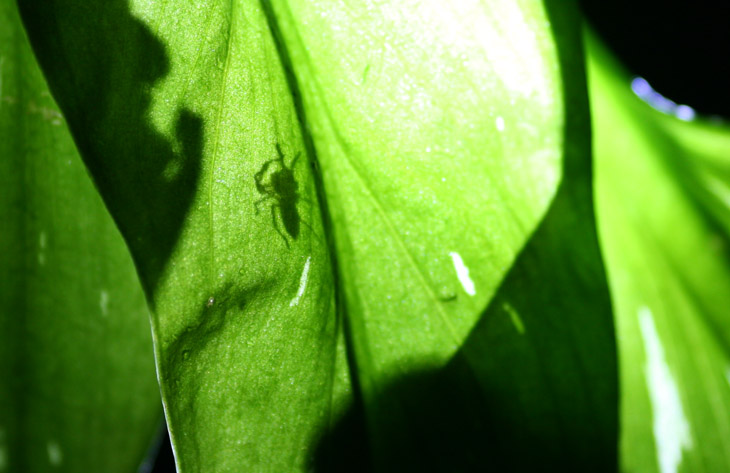
This is actually the easiest way to find the littler buggers: shine a flashlight up at the underside of the leaves. It’s best at night of course, but still works during the day, and this one was done with my headlamp propped up underneath the plant, allowing me a decent shutter speed that wouldn’t even have required the tripod – since I was only shooting a shadow, depth wasn’t needed and f4 was adequate to pull off 1/100 second at ISO 200. I had to time it between the vibrations of the raindrops, though.
The jumpers have been a lot more cooperative than the assassins (there’s a sentence that desperately needs its context,) so we’ll continue with them. During one session, the spider turned away from me and ruined my chance at getting those googly eyes in motion, but presented another opportunity: seeing the eyes from the side, through the exoskeleton.
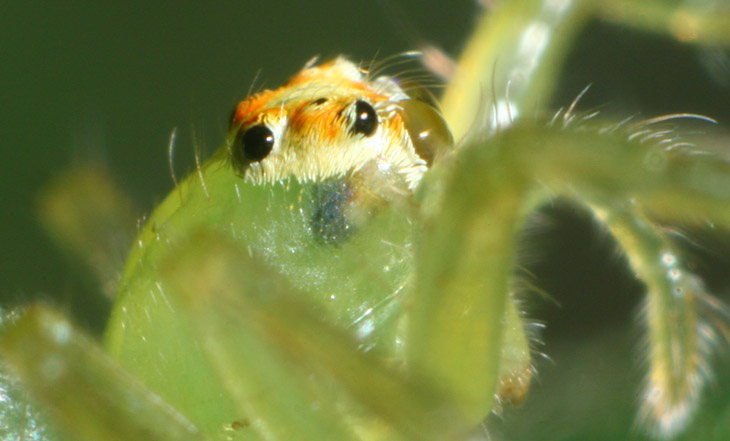
Don’t ask me what purpose that strawberry-blonde haircut serves, but beneath it, we can see a tan and a dark patch joined; these are actually the eye of the spider, which moves internally and isn’t always visible from this vantage. I’m going to rashly assume that the spider (or this eye, anyway) is looking up and to the left, pressing its eye against the side of the cephalothorax right in front of us. Yes, I know this is a weird thing to see; you don’t come here for latté and kittycats.
And one last one, because.
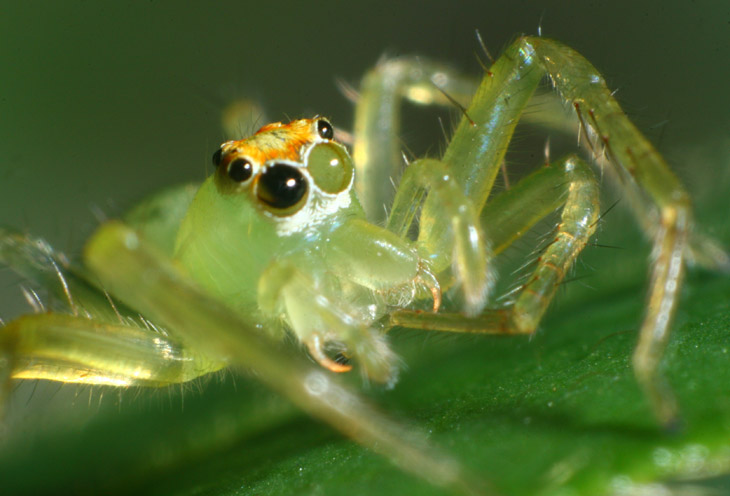
As threatening as this looks, it’s not anything even remotely aggressive, but simply the spider moving those fangs out of the way to clean a leg in its mouth, and I can’t even estimate how small those really are, since the entire spider is about 5mm in body length – safe to say you aren’t likely to feel anything even if it did try to bite. This, by the way, is the first spider species I’ve seen that did not have reddish-brown chelicerae. Even the two centipede species that I’ve gotten detailed shots of had modeled the same color.
But yeah, only six eyes – not every spider has eight.
Monday color 41
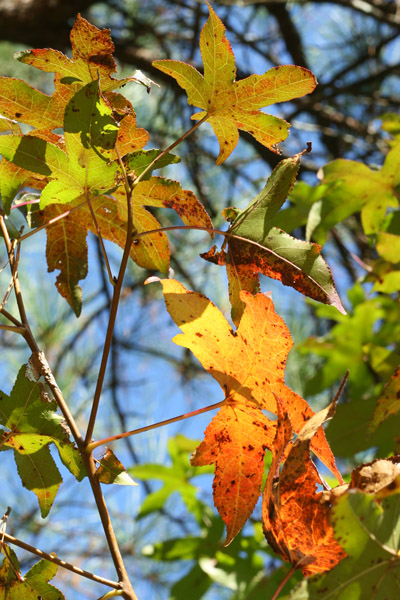 Today, a recent one, taken a few days back with the others but saved for this special occasion. The mix of colors on the same sweetgum tree (Liquidambar styraciflua,) combined with the backlighting and the clear blue sky photobombing from the rear, made this an obvious choice. A bit too complicated for high art, but I’m a low art kind of guy anyway, and I wouldn’t want to disturb everyone that’s gotten used to that. Shocks like that are not good for your health.
* Which isn’t to imply that they’re bad for it either. We have a lot of speech patterns that generate unwarranted assumptions…