











I suddenly realized that the term, “meteorology,” with its inherent inaccuracies, must have come from the predictions for meteor showers, since only once has the claim of a “good storm” come true in my experience. An awful lot of times, when I’ve gone out specifically to view one during peak times, I’ve seen nothing.
With that pessimistic opening, I can say that the Leonids storm is expected to peak Tuesday evening, and the Leonids is the one storm that actually exceeded expectations, once, by a wide margin back in 2001. That one was spectacular, and today’s Astronomy Picture of the Day is a composite image from the same storm. I personally saw two fascinating fireballs that time, breaking up into multiple parts and leaving a trail of bright debris – the kind of display that one cannot actually observe in silence – while my own count of meteors spotted in one night went from the previous record of thirteen to over three hundred.
And yet, I have one meteor captured on film, and that’s not any of the images within this post. Not through lack of trying, either – it’s just that most times the displays have been very weak, with the added factor that the camera is only pointing in one direction so it’s easy enough to be aimed away from the really cool burst. And that night in 2001? The film I had available on short notice was absolute crap for long exposures and produced nothing but grainy blotches. One of the brilliant fireballs might have registered, had I been aimed at it and not at the ‘radiant’ that was supposed to produce most of the activity.
 The radiant is where each of the storms get their names. It is the part of the sky that is facing into the debris that causes a meteor, so the majority will appear to be emanating from that point – in this case, that’s the constellation Leo. One of those bright fireballs, however, appeared close to the horizon and traveled parallel to it, more or less towards the radiant. What’s happening is that meteor storms are bits of junk left in the orbital path of comets, some of the stuff that produces the visible tail as they approach the sun, and each year the Earth encounters this halo of stuff on its own orbit of the sun. The radiant is the point that faces into the wind, as it were, straight off the nose of the Earth – the planet rotates, and with it the sky, but it’s traveling in one particular direction, and in November that’s towards Leo. But as Earth enters this cloud of meteoroids, they may have their own inherent travel directions, not to mention being redirected by the gravitational pull of the planet, so while most of the meteors we might see originate from one direction, they can come from just about anywhere.
Perhaps the most interesting thing about meteors is their size, which are typically about as small as a grain of sand; the fireballs that we can see sometimes might get as big as a baseball or so. And we’re usually not seeing the meteor itself, but the air around it that gets superheated by the velocity of the meteor.
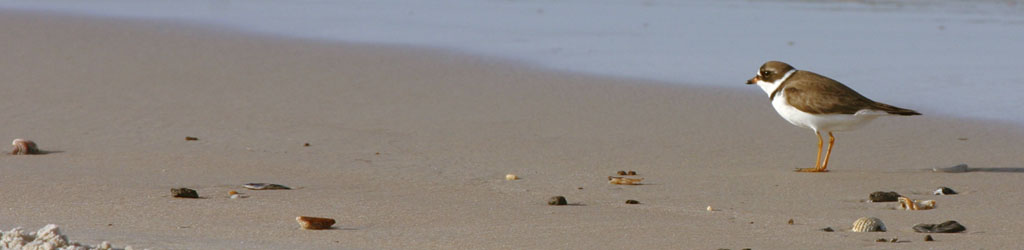
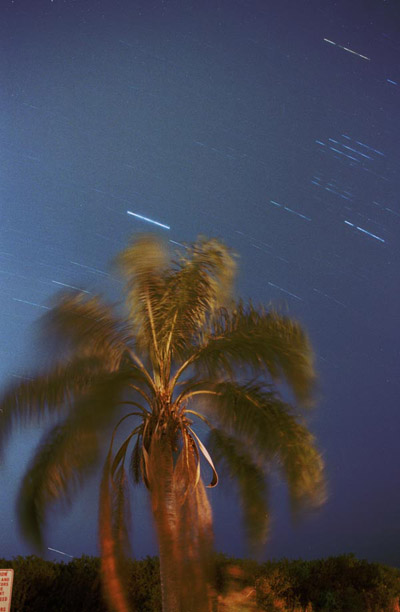
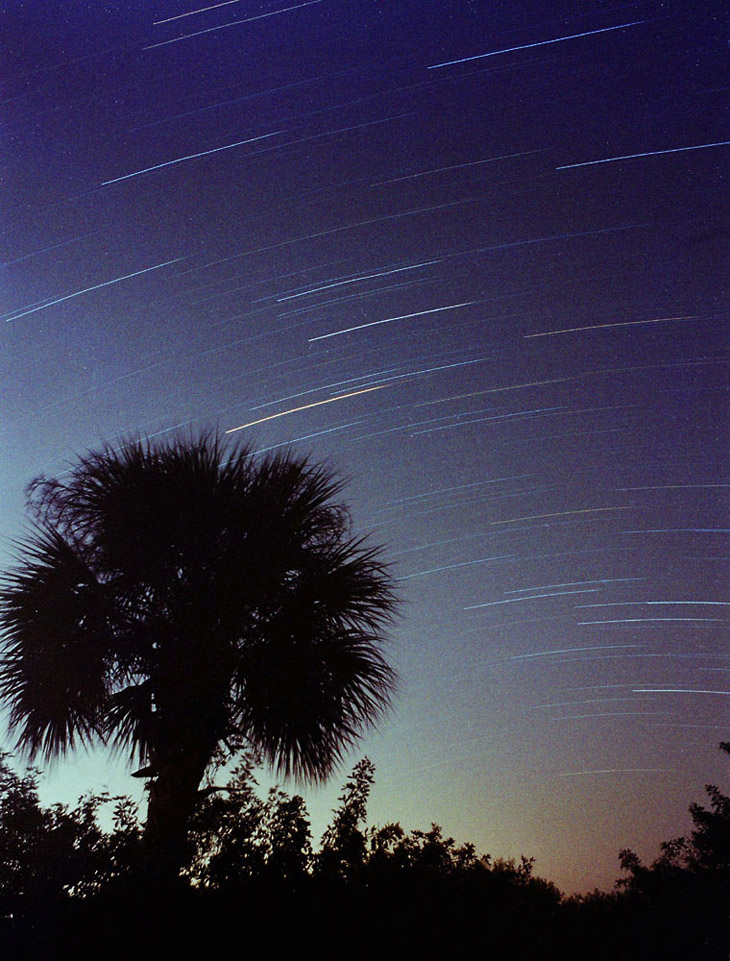
The streaks in these images are not meteors, but the stars themselves, cruising across the sky as the Earth rotates during the long exposures. In the image here with the palm tree, the gaps in the paths are caused by scattered clouds blowing across the frame, too high to catch any light from the ground and so not actually visible, while the palm tree was illuminated by a distant streetlight and is weaving in the same wind that was driving the clouds, thus the selective blur. While in the image at the top of the post, there is a telltale streak seen at upper right – but it’s not a meteor. It’s actually an Iridium flare, the reflection of the sun from an Iridium communications satellite, typically lasting only a few seconds – I did not know one was scheduled for that evening, and was only doing a star trail exposure over the lake. The glows down on the horizon were expected, being the light from nearby cities, but the blue hazes in the sky are of unknown origin – I’m inclined to say they were because of crappy film (I had been given stacks of old negative film, including several rolls of off-brand stuff, and was blowing off a lot of experiments with it.)
By the way, that photo at top? The foci of all those arcs, the one bright point that isn’t apparently ‘moving,’ is Polaris, the north star. That was intentional, of course.
So if you’re inclined, go out and see what can be spotted, and bear in mind that meteor storms are not limited to the peak evenings, but may have activity before and after peak as well. Not to mention that any night might net you a few, since they can occur at any time – the storms are just known periods of high activity. But dark sky areas, at least, will help you see more, and are almost a necessity for long exposure photography.
A quick note about that photo at APOD, since this is a common thing anymore and it’s more than a little misleading. The Earth is always turning, so the stars are always moving, and long exposures will show this as the streaks seen in the images on this page, unless a tracking apparatus is used to counteract this motion. Even a 30-second exposure can show movement, depending on where the camera is aimed. But if a tracking system is used, then the ground-based details (like the silhouette of the spires in the APOD image) will blur instead, and/or be superimposed in multiple positions in a composite image. So a photo showing a multitude of meteor tracks like that one is, to put it directly, heavily edited, and will not be created “in camera” in any way – there’s a very good chance that the silhouette existed in none of the frames, and was added afterward for interest.
It’s always up to the individual (or an editor) to decide what constitutes ‘acceptable’ digital editing and all that, but the increasing tendencies to use it for astrophotography is at least a bit misleading to those who want to attempt their own shots, or expect to get motionless stars when doing exposures long enough to capture meteors or faint objects. As far as I’m concerned, if you have to composite several frames just to make an interesting image, you might as well throw in a nebula and a starship while you’re at it…
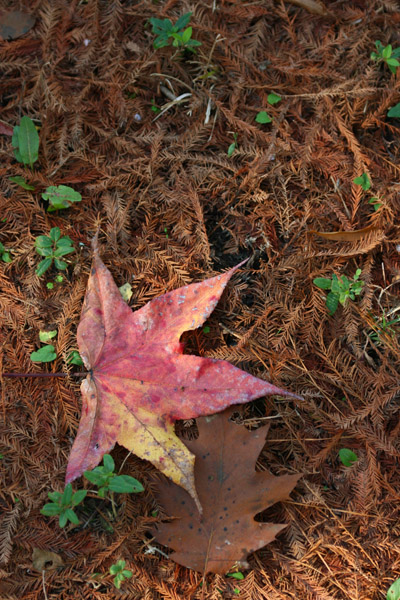 When the weather wasn’t bad, I was tied up, and when I had free time, the weather was terrible. Plus, the terrible weather was enough to take the leaves from the trees in most places. Thus, the autumn color season danced away from me this year, but I think it avoided a lot of people, so I’m not going to feel too badly about it.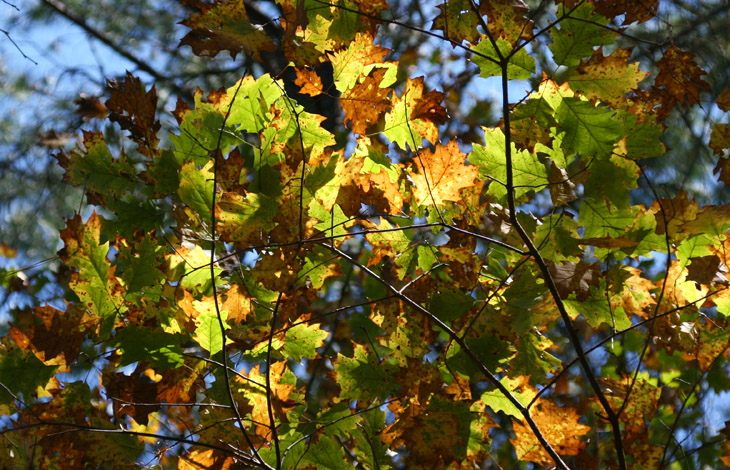
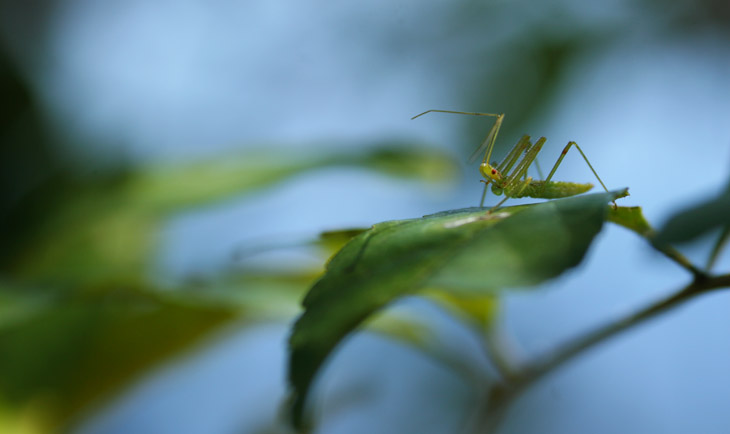
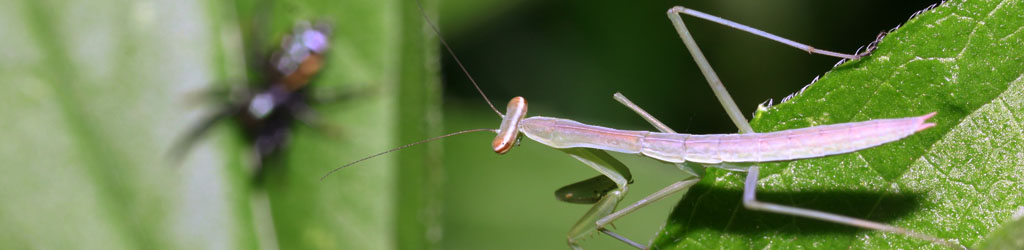
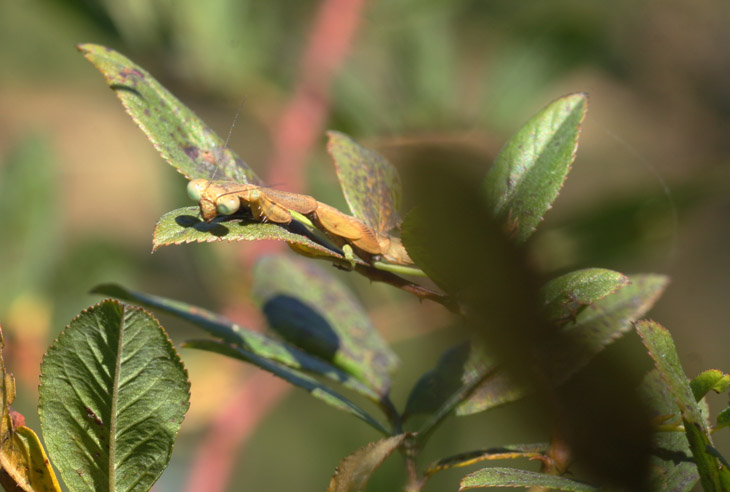
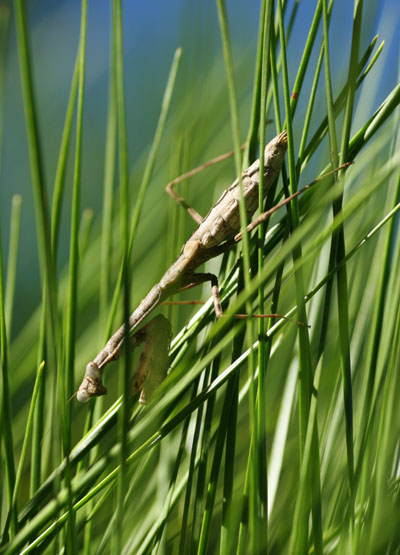 The family of mantids that I observed in the yard all spring and summer seem to have vanished, but a few of the Carolina mantids (Stagmomantis carolina) are hanging out at the nearby pond. Both were sluggish on my first encounter, since they hadn’t a chance to warm themselves much yet, but they soon became as active as normal. Unfortunately, the wind also started to pick up, swinging the branches about wildly, and focus on the smaller insects (about as long as my thumb) became impossible.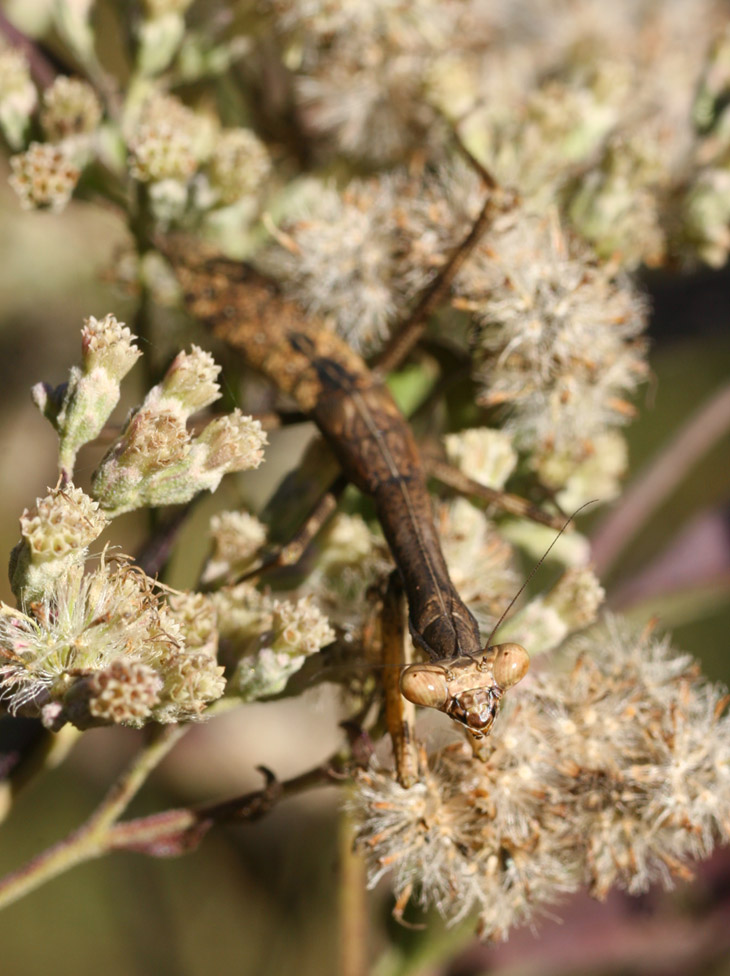
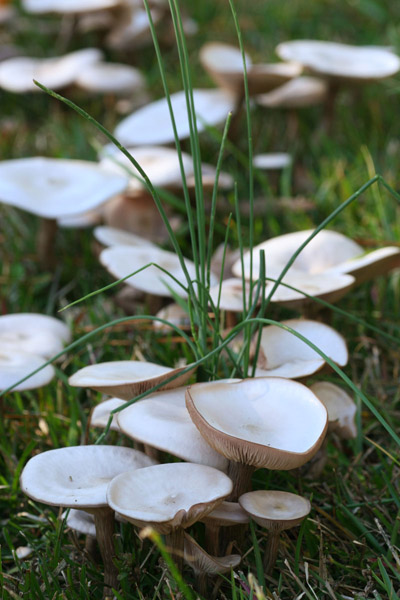 Rains, naturally, bring out the mushrooms. These are part of the first “fairy ring” I’ve ever seen, a nearly-complete circle of mushrooms. But they occurred in mixed lighting and the contrast prevented any decent images of the entire ring, so I went in close for a few dancing with the wild onions that are common in the area, which make the task of mowing the lawn a notably fragrant experience.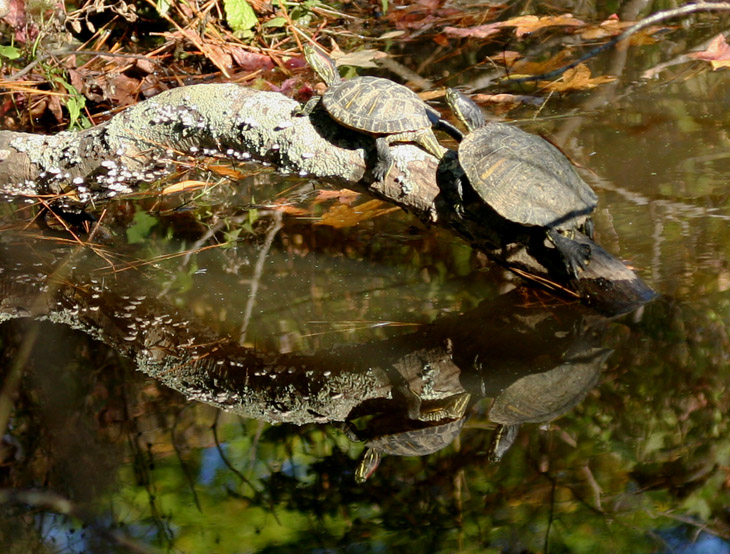

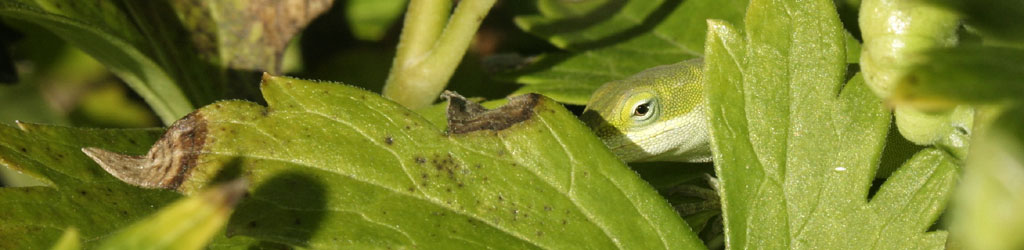
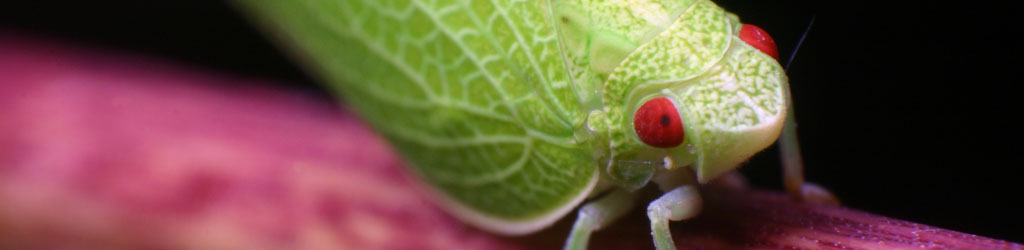
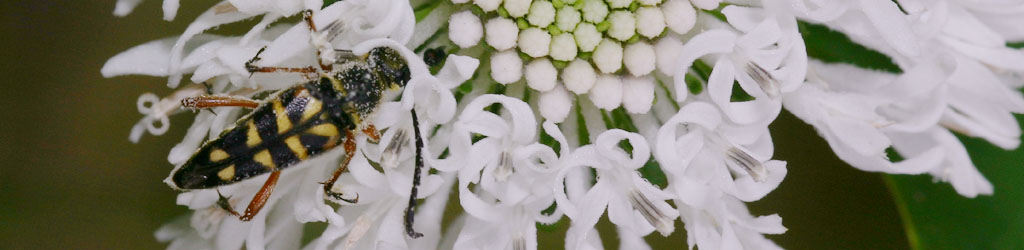
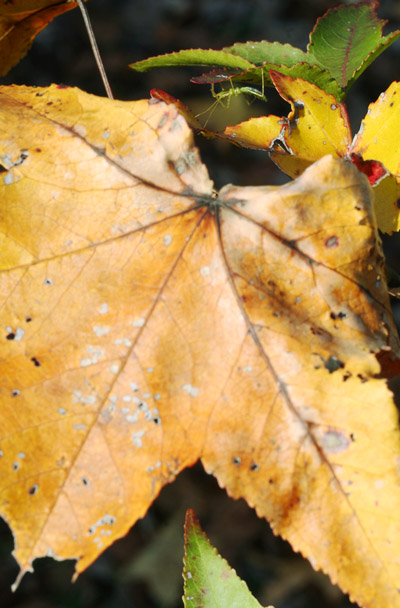 And to close, another of the pale green assassins, because I liked how all the elements fitted together, plus it’s a decent scale shot. Often enough, this is exactly how many subjects first appear, and to spot them one has to be able to see the change in pattern, the unexpected element that signifies something other than the normal botany; for the Carolina mantis on the white flowers above, the only thing I spotted initially was a leg, out of place because no twigs or leaf stems should have been present among the flower blossoms. It’s a good trait to develop, but don’t ask me how to do it or how long it takes – I just realized that I’ve been doing it for a while now. Nor can I even say how good I am at it, because there’s no one going along behind me to tally all the critters that I miss ;-)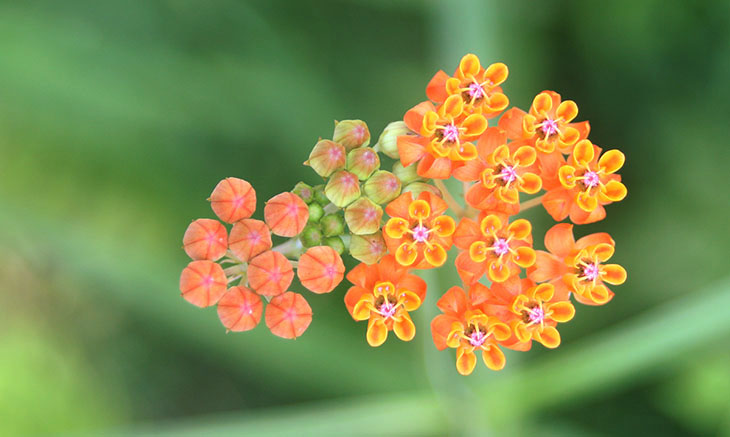


 We are rapidly approaching ‘peak’ autumn color season here in this section of NC, which is slightly misleading in a couple of ways. First off, peak is different depending on latitude, humidity, and the conditions that the trees were in throughout the summer, so you never have to go very far to find different color conditions. Second, the trees all change at different times and different rates, so each species has its own time for brightest colors, and the best that anyone can aim for (if they’re looking for broad landscapes anyway,) are periods where the greatest number of species visible are closest together in ideal color. Obviously there’s a challenge to this, compounded by the bare fact that a good wind or rain storm near such times can wipe all the leaves from the trees. However, if you’re selective and go for smaller compositions rather than something like an entire hillside, you can shoot ‘peak’ colors for weeks.
 Last weekend was even harder, as the colors were sparse and widely separated, so a lot of selectivity and careful framing was in order – even though only two thin trees are producing color here, the angle made the most of them within the frame, and the stump formed the primary point of focus so the colors just kind of fill out the background as the setting. The sky was too clouded to provide any color itself, so the muted light is communicating the grey fall day thing, and you can see that the colors on the ground aren’t anything to write home (or a post) about. However, after getting back and seeing how this frame turned out, I realized I could have changed my angle only slightly and made that cluster of thicker trunks appear almost to ‘sprout’ from the stump, nicely aligned with the sides. I hate it when I get creative after the fact…
 Suspended in the middle distance over a significant dropoff, I wasn’t going to get very close to this one, so I settled for capturing its subtle presence against the backdrop of the beginning autumn colors, managing to get a hint of the orb web in the image. Marbled orb weavers (Araneus marmoreus) seem to be conflicted: visible here and in that previous linked shot, they have very high visibility markings with the banded legs and the brilliant body colors, which is nature’s way of saying, “Back off!” without having the evolve little Yosemite Sam mudflaps, but they depend on their webs not being obvious in order to feed at all. To the best of my knowledge, flying insects take no note of their colors nor the curious ability to hover in midair apparently unsupported, and thus blunder into the webs, but the birds which might consider them a (sizable) tasty meal are alerted by the incongruous contrast and position. It’s one of those funny things, because like the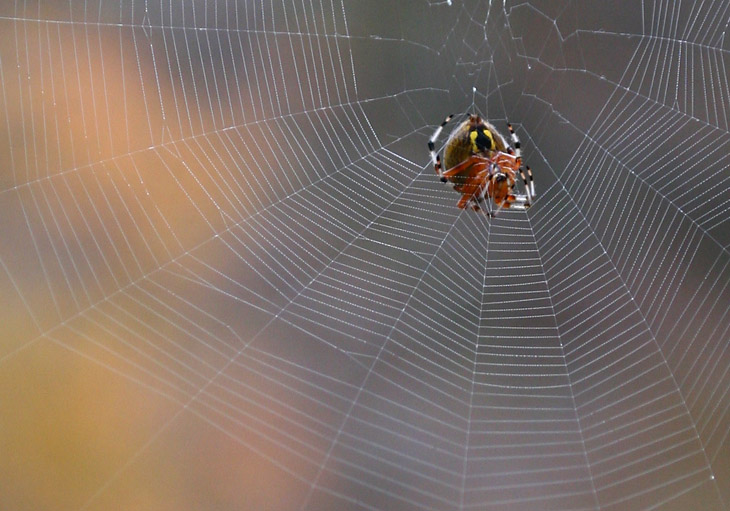
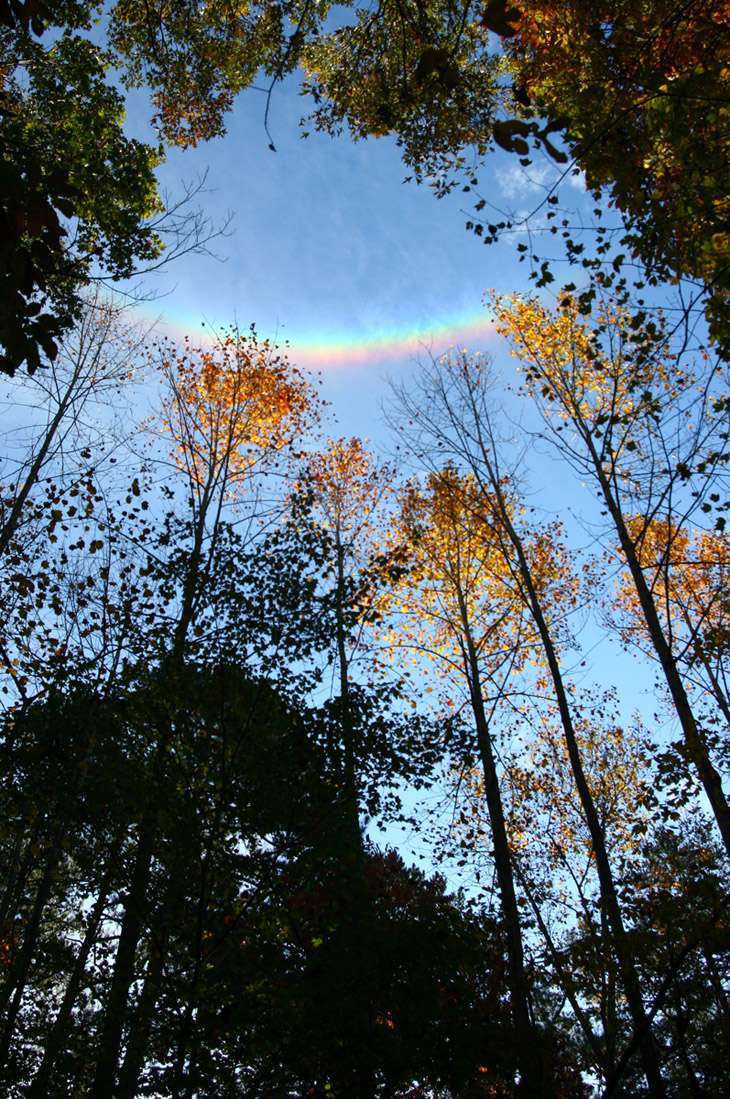
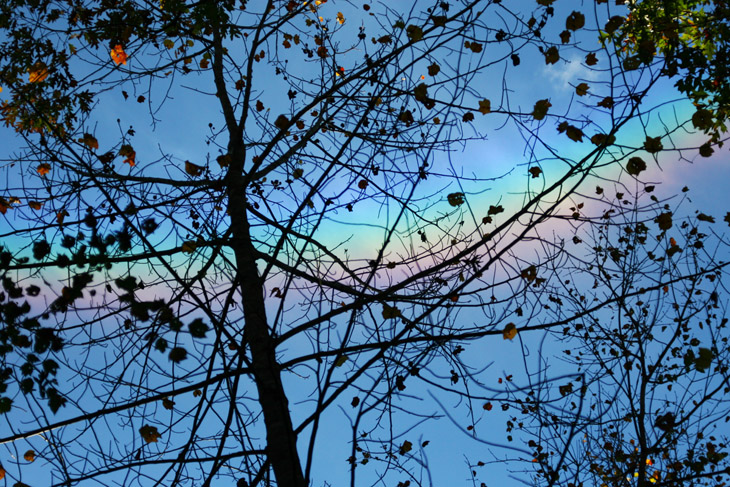
 Now for a bit of trivia. While shooting this, I had the presence of mind not just to try and frame the sun with the arc for comparative purposes, but to note the time of day and the relative positions of both sun (bursting through the trees near the bottom of the image) and arc, because at that time I didn’t even know what a circumzenithal arc was. I could only estimate the altitude of the sun and arc, but figured 30° for the sun and 75-80° for the arc. Later on as I looked up details, I found a source that said that the arc is usually about 46° above the sun. Naturally, I pumped my fist in the air and whooped and did all of those other egotistical guy things (EGTs.) But then, with some playing around with Stellarium and the view-angles I should have been getting from the lens, I ended up with the sun at 20° and the arc at 59° – wasted those whoops, it seems. Though I’m skeptical, because I would swear that the arc was higher. The site that I just linked to, by the way, says that the best times to see such arcs is when the sun is around 22° in altitude, so that lines up, at least…
 I finish off with another selective composition, because the tiny sapling venturing from a hole in the tree trunk was interesting enough, more so with the color. It wasn’t much later than this that the humidity built too high and the light conditions descended into heavy haze, dropping the wooded areas into deeper shade and destroying any chances for colorful backlighting. But we got enough frames for the day, I’m thinking.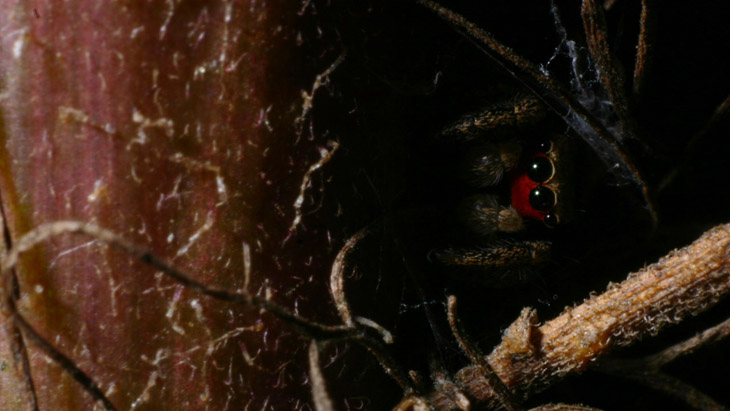

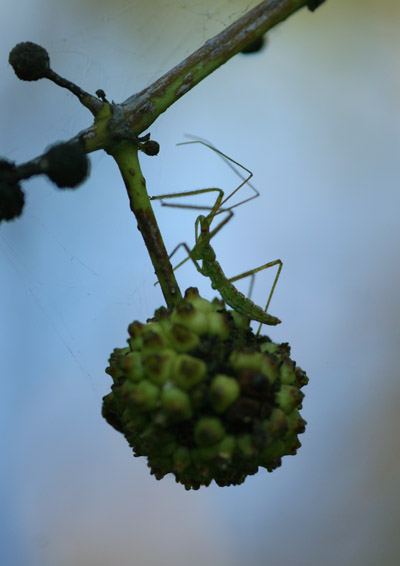 Over at the pond nearby, a pale green assassin (Zelus luridus) like the one seen a few posts back posed in shadow on the pod of a buttonbush (Cephalanthus occidentalis.) While I’ve been seeing them from the start of the insect season this year, for some reason I’ve been seeing more of them recently, and mostly in nymph form – this is telling me that their birthing period does not seem to be linked to seasons. My initial go-to source of arthropod info, BugGuide.net, has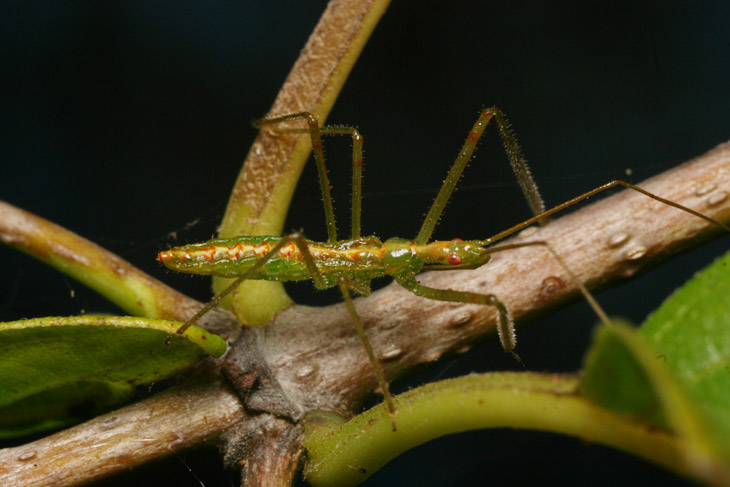
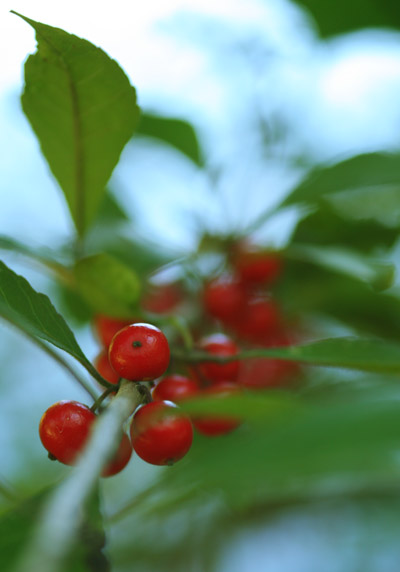 We’re going to gradually turn up the green as we go. In one spot alongside the pond, an unidentified tree was sporting tight clusters of berries, and like the first assassin image above, I picked an angle that would make use of the pond’s surface in the background – again, still working in shade since the light just wasn’t cooperating. An assassin in this composition might have been nice, but noooo, none of them could be found here. Try and make them famous, and this is what you get. Ingrates.
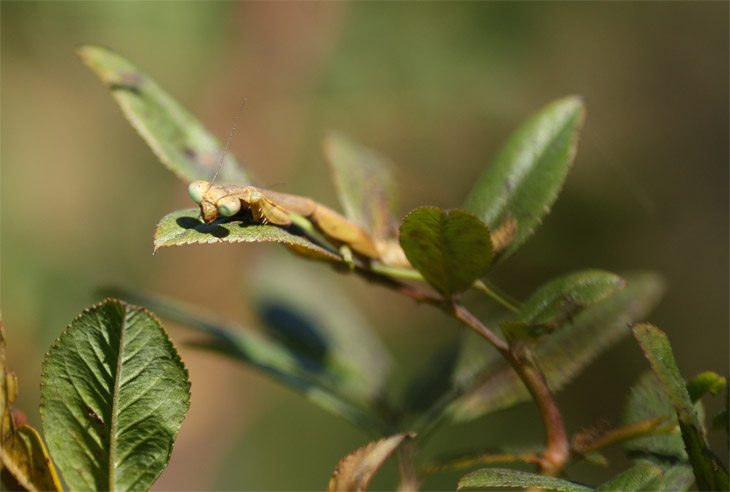
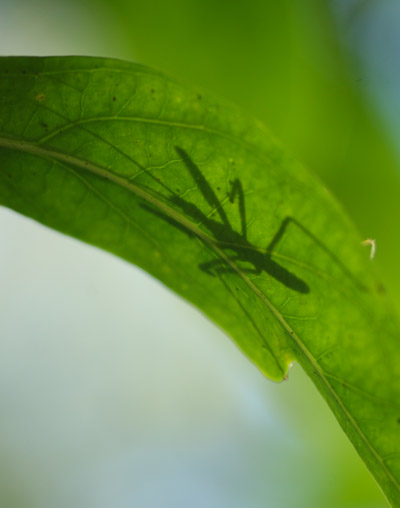 Back in the yard, I found yet another pale green assassin, this time on one of the gardenia bushes. I was just going to ignore it, but while searching for other species I noticed how sharp the shadow was when seen from the underside, and went back in to get the camera again – in the sporadic light of the backyard, I knew the sun could quickly move out of the position where the shadow could even be seen. Yes, that’s the tip of the hind leg peeking out over the leaf edge. I waited a bit to see if the assassin would give me a portrait shot over the edge as well, but like its brethren, it stubbornly moved away from a decent perspective.
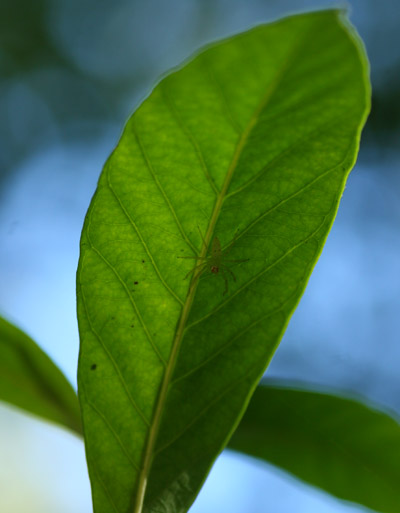 While down there however, I quickly spotted something on a neighboring leaf, this one partially shaded despite being not 20cm away. It was another of my
  The shot above was taken aiming almost straight up, so I sat back up and tried shooting nearly level, edgewise along the leaf, and the spider turned to face me suspiciously. This resulted in a series of images that I combined into an animated gif (pronounced “HEE-la“) – not half as good as the video linked above (or
  For this week’s Monday color, we rely on the brilliance of Aconitum blossoms, otherwise known by a zillion different names such as monkshood, wolf’s bane, devil’s bane, Queen of All Poisons, and flake attractor, the last of which is my own, coined after seeing the woo-related claims and usages for the plant that can be found online. While purported to have countless different properties over the centuries, the only two that can be supported with any accuracy are a) that the plant is toxic to a fair degree, and b) the flowers are usually colorful. Many medicinal claims have been made for species throughout the botanical kingdom, and most are anecdotal at best; despite the avowals of numerous naturopathic and mystic flakes, science has not ignored such claims at all, but has tested the majority of them under controlled conditions (meaning, not subject to subjectivity, small sample sizes, and the placebo effect.) The few that actually showed dependable results, like salicylic acid and quinine, quickly became known as, “medicine.” Thus, when you hear phrases such as, “alternative medicine,” or, “traditional medicine,” these can easily be translated to, “not even close to medicine.” Just a little pointer to save you some time.