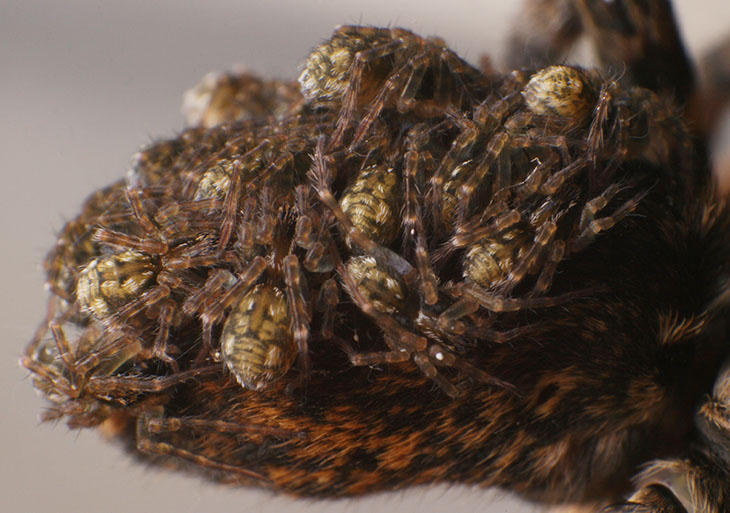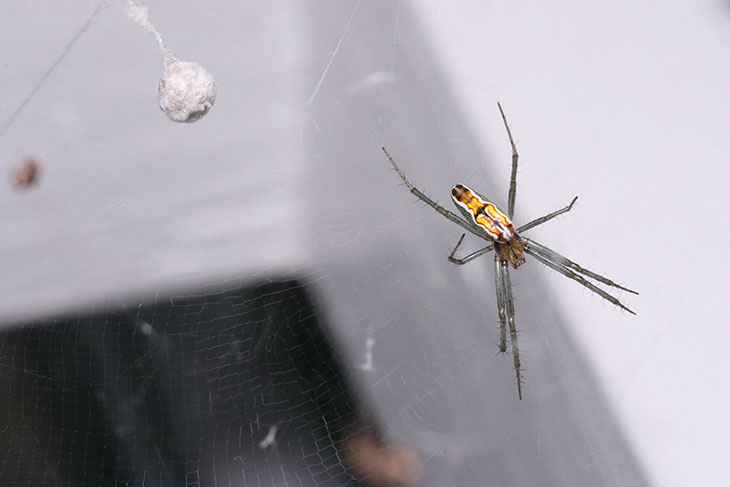
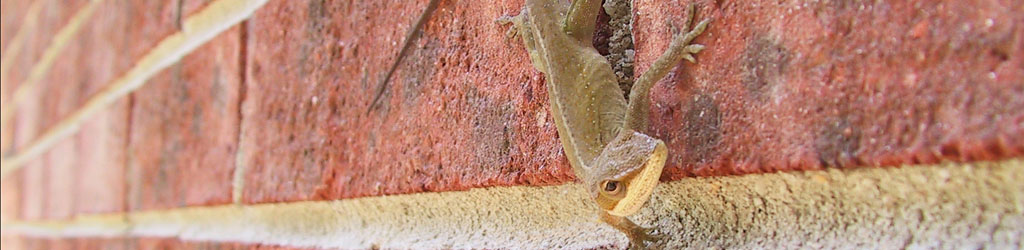

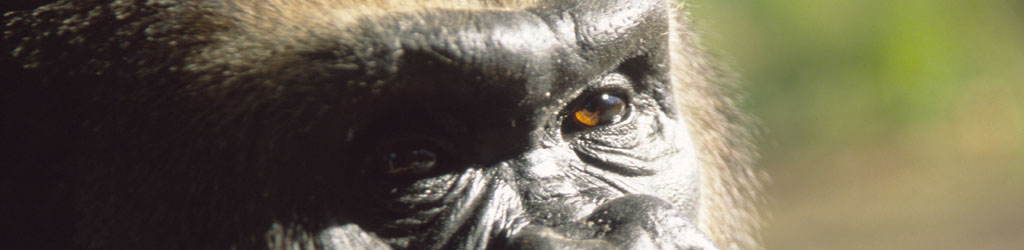

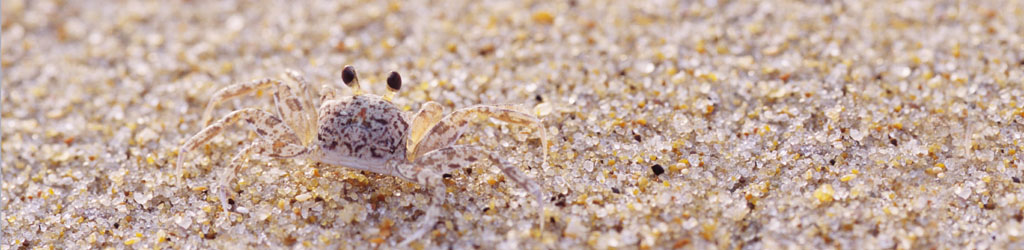

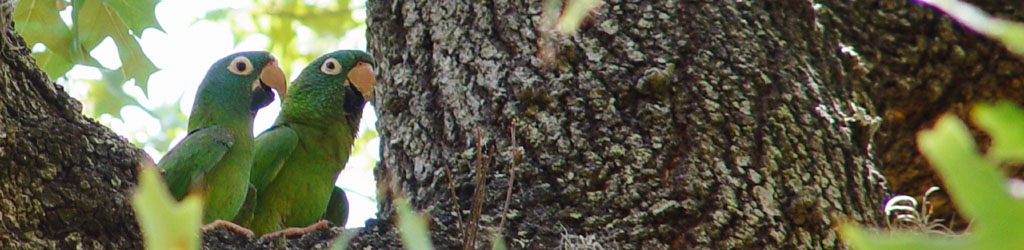


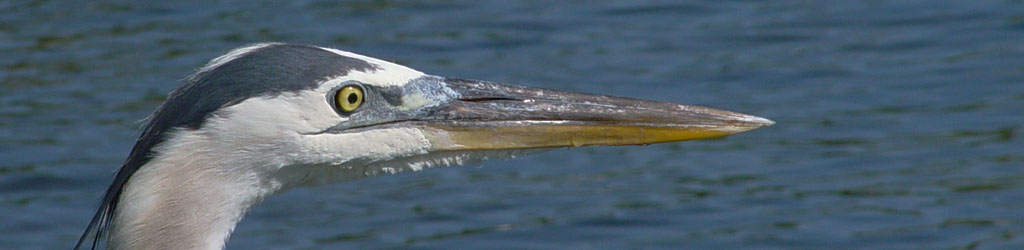
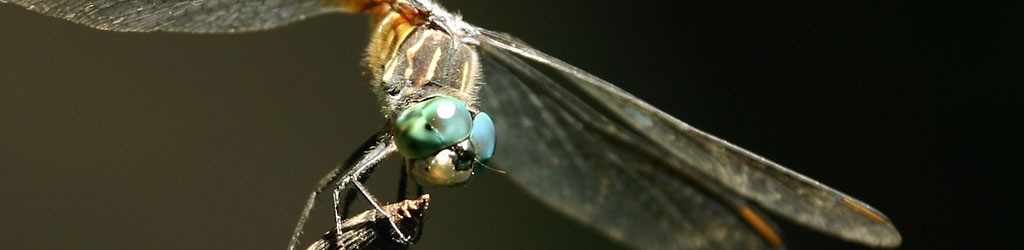
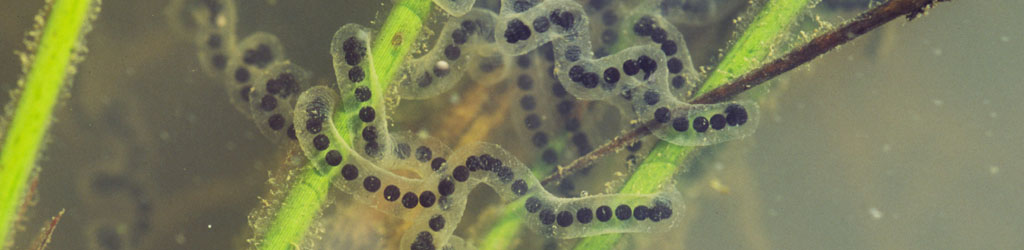
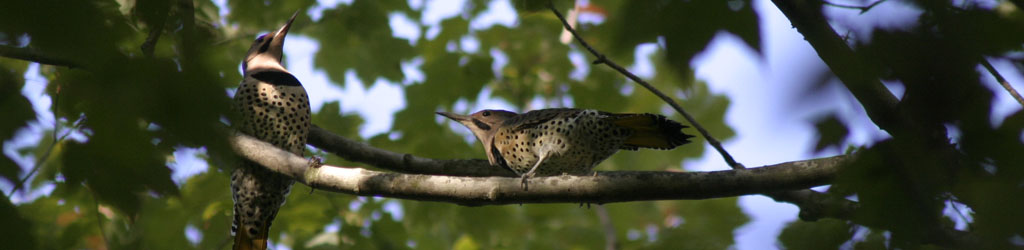

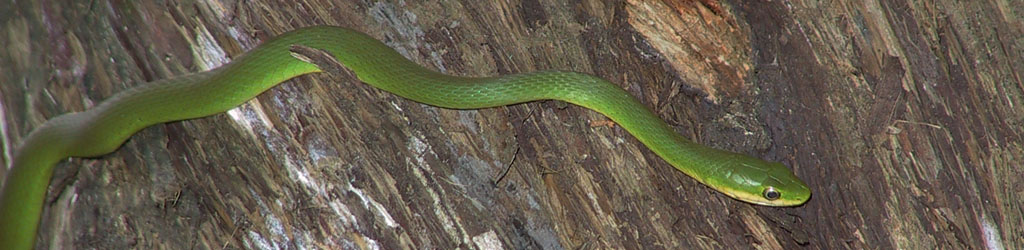
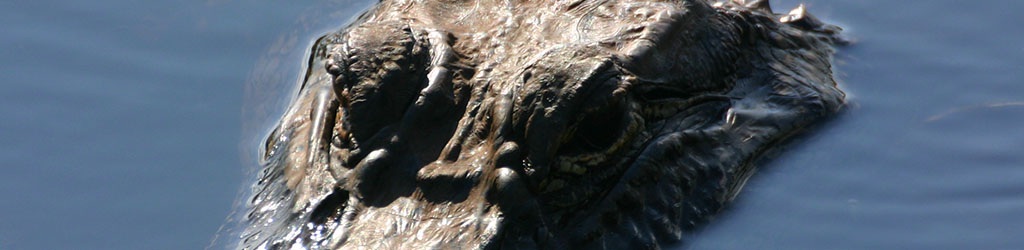
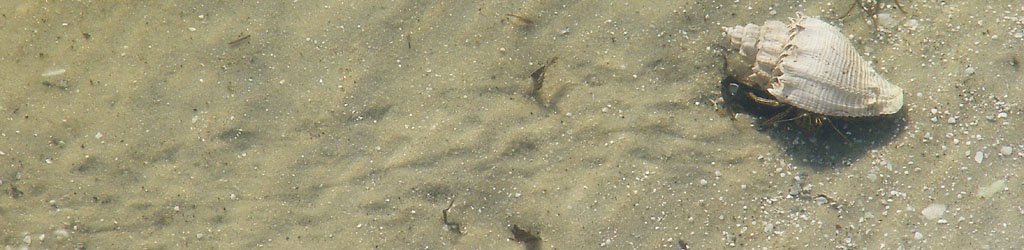



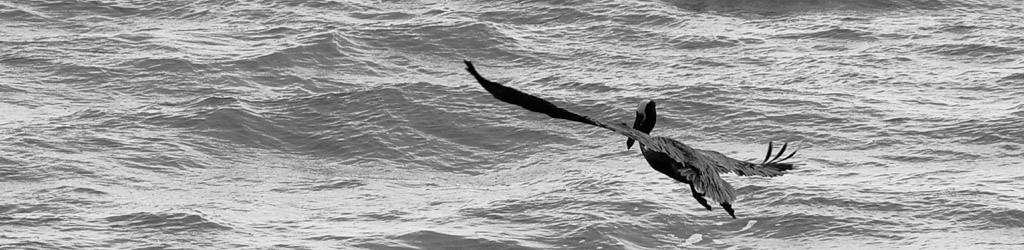



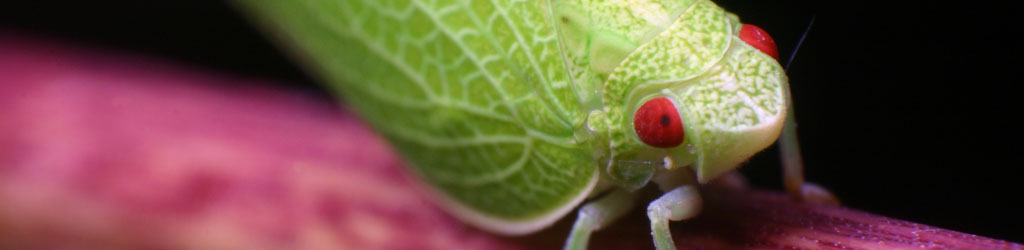

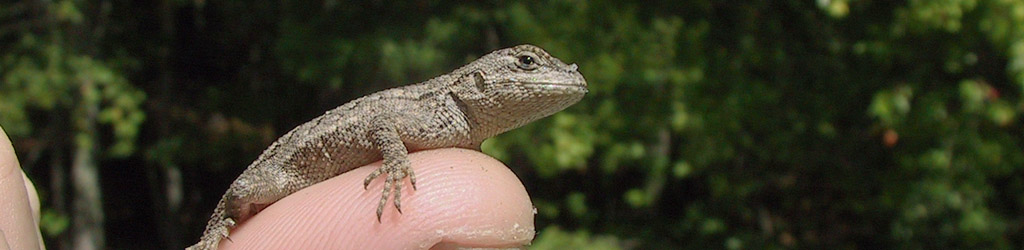

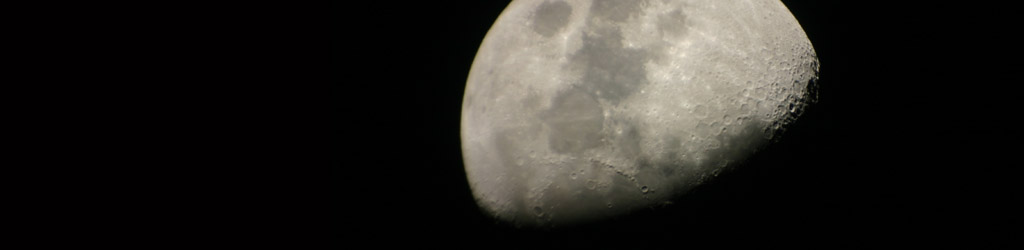
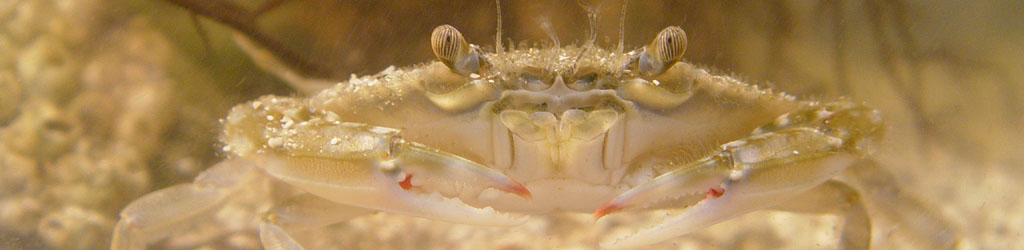

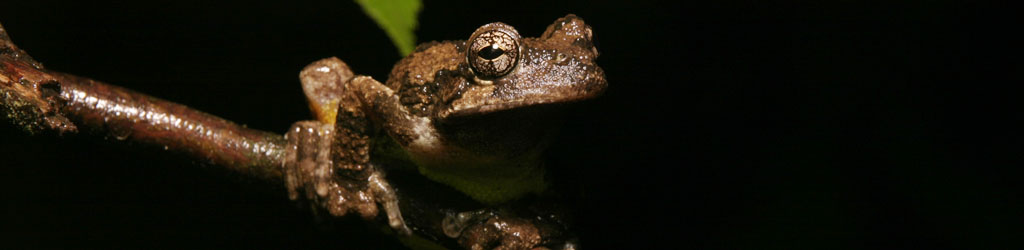
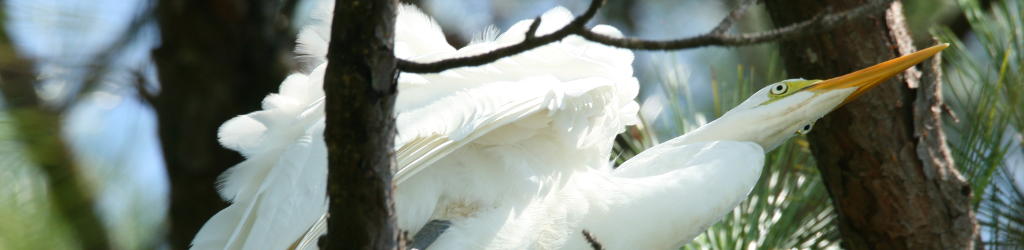

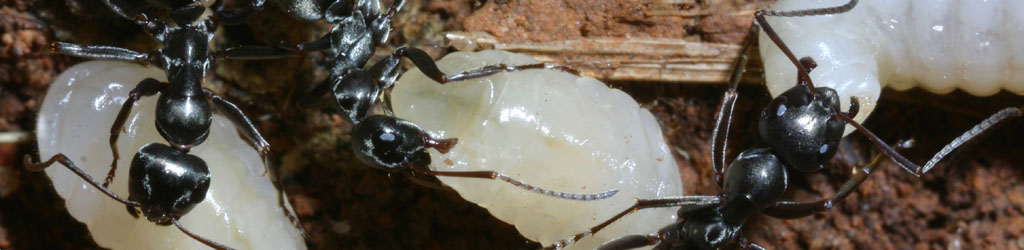
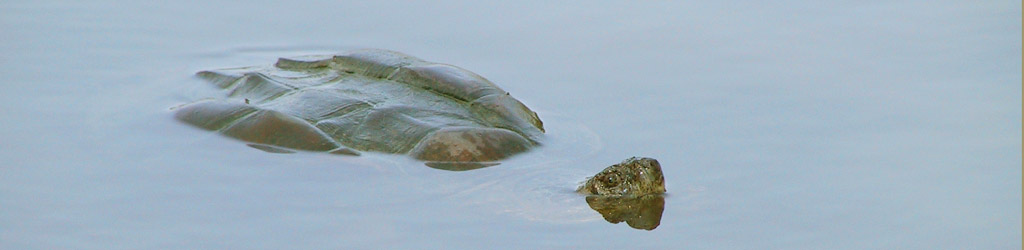

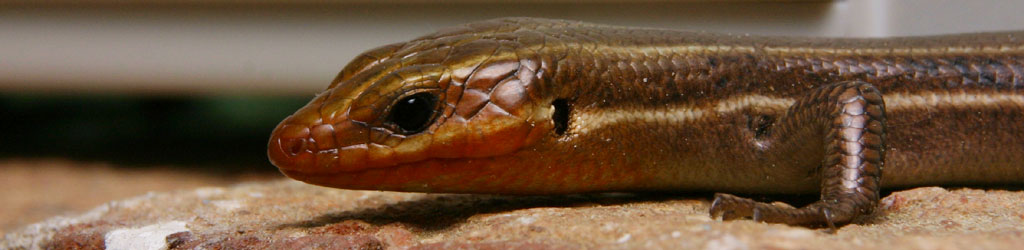
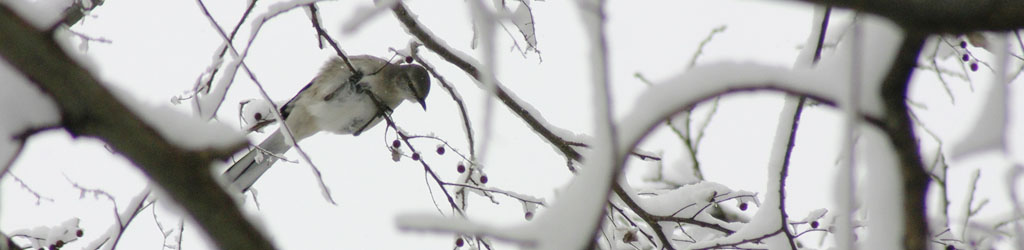
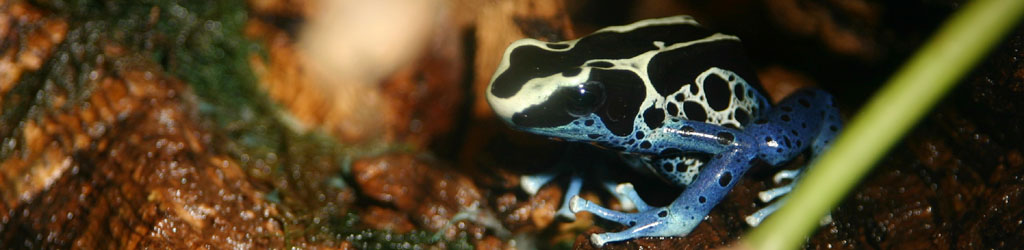

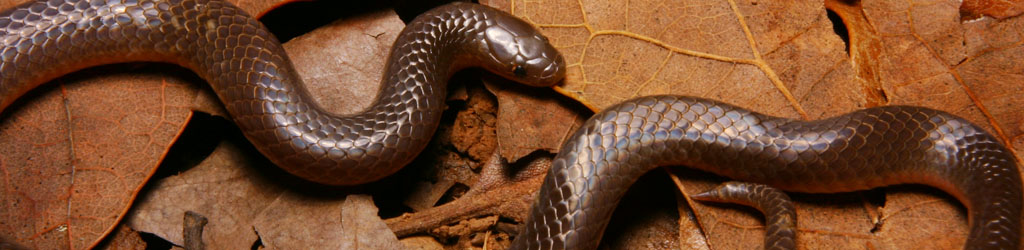





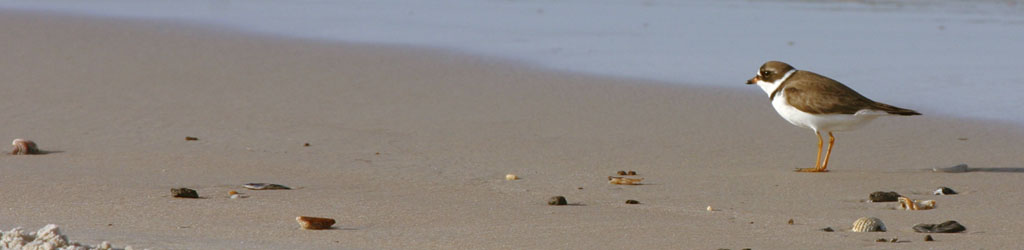
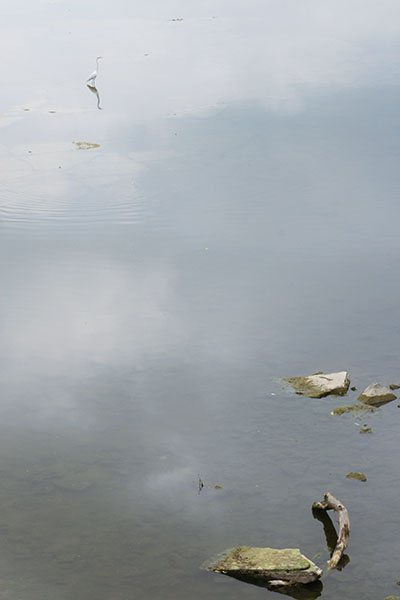
 First off, I’m going to mention my long absence and the faintly amusing bit about it. I was traveling, one of the few chances I’ve gotten recently, which would be enough to explain the period without posts – except that, I’d prepared a bunch ahead of time and scheduled them to appear while I was away. The dry period occurred after I came back, when I wasn’t motivated by any topic to get something new up. The trip didn’t involve much postable stuff either, and you’re looking at the sum total of images I took that fit into my typical stock (well, that’s not true, since I have several variations of this, but nothing of other subjects.)
Then, before I could get this post where I wanted it, we had a friend over for a few days, resulting in going somewhere else that will be featured shortly – I’m trying to be good and finish this one. Also add a lot of rain into the mix, so photography has been very haphazard.
Getting back to regular content, however, this is going to be a follow-up to the earlier post about structured skepticism, or applied critical thinking if you like. I actually shifted approach and tone from the original draft so as to (I like to think) address the topic better.
To begin with, it’s not like anyone needs encouragement to engage in critical thinking; the alternative is, what? Ambiguous thinking? Emotional reactions? Random acts? Most people believe the majority of their cognitive processes are involved in rational, critical decision-making – the ‘thinking brain’ controls the ’emotional brain,’ and most of what we do is reasoned. Moreover, that the interpretations of the input from our senses is accurate and dependable. Unfortunately, neither of these hold true all that often. So the key question isn’t, “Should I engage in critical thinking?” but, “Am I using critical thinking often enough?” And for that matter, even asking the question is a start that it seems too few people reach.
It’s not hard to look around ourselves and see plenty of people who don’t seem to have applied enough rational thought to their actions, beliefs, or worldviews – in politics, for instance. Or relationships. The critical first step is recognizing that we are no different; such displays are not anomalies, instances of mental illness or abnormal behavior, but fundamental traits of being human. Our ‘rational’ thought processes are tied directly into our emotional reactions; they have to be, since it is the emotions that provoke us into optimal behavior anyway. Everything we do, everything we see or hear, gets tagged immediately with something along the lines of, “This is bad,” or, “I trust this person.” Often enough, however, this process occurs without much if any input from the ‘rational brain,’ providing an emotional tag to something without an appropriate reason. We all respond favorably to more attractive people; we all have prejudices. Millions of years of our species’ past history shaped us for certain things, many of which have no application to our present society.
And then there are the shortcuts, like trying to relegate decisions down to simple choices, or slotting people into distinct groups. Labels make everything easier, or so we tend to believe. And riding along for giggles is conditioning, the bias in thinking that comes from our environment, how we were raised and how our community feels about certain topics – in fact, we’re ridiculously concerned with what other people think, so much so that it often stops our own thinking. Ever wear something uncomfortable because it was ‘expected?’ Is this rational in any way?
[You may note that I have put quotes around ‘rational’ a few times above. This is not sarcasm, but recognition that there’s no firm distinction – the brain’s functions are not separate or distinguishable, and the definition of the word itself is pretty ratty, even though we’ve considered both as far more precise for a long time. See what I mean about conditioning?]
But even ignoring all the foibles of the mind, there are all the ways our senses fall short. Optical illusions demonstrate routinely that what we see and what we think we see can be two different things. Expectations count for a lot – we never see a sports ball in enough detail to positively identify it, but know what it is from the context; there’s a reason why every game contains rules against foreign objects. Motorcycles are hazardous, in part, because they’re not the automobile we expect to see, and thus are ignored (the trend for cars to have headlights on constantly, by the way, might have improved things for car drivers, but increased the risk to motorcyclists since that was the manner they could be differentiated from cars.) There’s even a noticeable trend for people to feel phantom vibrations from their cell phone, and we can feel something ‘walking on us’ for hours after finding a parasite. Our senses are not always trustworthy.
So with all that, the key facet of critical thinking isn’t whether or not we use it, but how often it goes unused without our realizing it. I said it in the earlier post: there is no such thing as a perfect skeptic, no one who is totally critical or rational in their approach. But there are certainly quite a few circumstances where it could be used a hell of a lot more. Further, it’s hard to find any detriment to this, on a personal level anyway; about the worst that might happen is being so concerned about making the right move that it hampers or outright halts the decision-making process.
Beyond the personal level, however, there are other effects, and these are factors in the next questions, which is Should I encourage and promote critical thinking? On the face of it, the answer is yes, but with a few caveats. We’ll start with, what do you expect to get out of it?
Discussions and debates, very very often, are a form of competition – one party attempting to best the other with a more convincing standpoint, more inarguable point, or more intelligent response. It’s funny how often we as a species engage in such pursuits, because they rarely ever come to the imagined outcome. Humans, quite simply, don’t like to admit we were wrong, especially not in a situation where it is synonymous with admitting defeat. If, at any point in time, we’re hoping to score a victory, we’re not really engaging in critical thinking anymore, since the point of this is to be convincing, not to improve our ranking.
This means that if we’re expecting to actually see change, forget about it – it’s not going to happen. But don’t take this to mean that we’re not actually accomplishing anything. The value of a solid argument is how well it sticks with someone, makes them think, causes them to re-examine their ideas or information. The change is never abrupt – it takes time, often enough so that the change is considered one’s own, and not provoked by anyone else, sorry to say. Bear in mind, too, that some standpoints have been built up over time, often in a reinforcing atmosphere (like a family or a church) – we won’t ever shift these in a single discussion. My go-to phrase is “plant the seed and move on.”
This does make it hard to know if we’re actually reaching anyone, and I honestly can’t offer a lot of solid advice here, since I have little evidence how often my own efforts have achieved anything at all – what follows is just my understanding of human nature. The most telling thing I’ve seen is when the topic is abruptly changed, and most especially when the other person goes on the offensive – this is potential indication that our point really did hit home, unable to be rebutted or reconciled with their previous standpoint. That’s about the largest reward we’re likely to see.
The fact that skeptical viewpoints are often unwelcome is also something to consider – if we’re in it for popularity, this is not the right approach. Especially in forums or groups which reinforce some questionable topic (such as ghost stories, UFOs, or alternative medicine,) the skeptic is unlikely to be greeted warmly. There, it’s an uphill battle, and usually not against a single person either – the phrase “thankless task” comes to mind. Just remember that in any public discussion, it’s not just the people responding that we’re engaging with, but everyone reading – this is usually far more than it appears. It’s the determined, immovable ones that so often choose to be vocal about it, while the ones who are on the fence are silent – just the opposite of what we’d like if we needed to see results, but so it goes. All we can do is lay out our best arguments in the belief that we’re reaching someone, and not count on any positive feedback in that area. At times, a little bonus is how we can sometimes show that those arguing against us are more emotional than rational, which only hurts their arguments; anyone listening in might just start to lean away from those who appear too obsessive or reactive, not wanting to associate closely with that apparent mindset.
This brings up contentiousness, and what approach works best. It’s extremely easy to rub someone the wrong way, come off as pretentious or condescending, to lecture, to get annoyed, and so on. I probably don’t have to tell anyone that this is unlikely to win others over, and can easily go just the opposite way, making them firmer in their beliefs just because they don’t like the way the argument has been presented. There are a lot of things that help here. Stating things as matter-of-factly (is that a phrase? You know what I mean) always helps, as does reminding oneself that there are no sides, just an exchange of information. Perhaps not thinking about trying to convince anyone, but only supporting our own views – a defensive, not offensive approach. This is often enough to be convincing anyway, especially without any competitive atmosphere. And the bare recognition that whoever we’re dealing with isn’t an idiot, might even be quite intelligent in many areas, with blind spot in this topic. Or maybe we’re the ones with the blind spot – this is, of course, the full immersion skepticism we’re talking about, and that includes the possibility of being wrong.
Yet, even one-on-one we can find skepticism to be unpopular. It helps to know that many of the topics that benefit the most from the critical approach fill some emotional niche in people – this is exactly why they continue to exist, and why promoting skepticism is useful. It’s not that they make sense and are so convincing, but that they provoke a desired reaction within. Counter this and we’re taking something away from someone, usually with nothing to replace it. It’s like taking away someone’s dessert. And so often in such cases, the defensive response is, “Why would you want to do that? It’s not hurting anybody!”
Well, perhaps, but this isn’t as supportable a statement as it seems on the face of it. Someone who believes in ghosts, as innocuous as it may seem, still has very distinct views on death and what happens afterward, which affects how they treat the death of a family member, and how they handle memorials and bequests. It might provide a bias over right-to-life and euthanasia legislation, and almost certainly will impinge on the lives of their children in some way. They might feel unnecessarily anxious over dark places or odd sounds, and with a deep faith in the topic, might even fork over significant amounts of money to some doofus waving around an electronic device he has no understanding of (not to mention promoting such TV programming over anything with useful content.) On a larger scale, the lack of critical thinking, and the acceptance thereof, can have serious impact on an entire society, or further. Not to go all Godwin, but the Nazi party had the support of enough people that believed in a master race and birthright to varying degrees, or that simply failed to recognize that their dissatisfaction over the post-WWI sanctions wasn’t justification for invasion. Nationalism (and its ugly close cousin, jingoism) requires the belief that a country is in some way distinctly different from others on a larger scale than economics and trivial culture – even the belief that birth on a particular plot of land provides some fundamental difference from rest of the human race. Witch hunts and genocide throughout history could only come about because too few people demanded firm evidence for their beliefs. Even now in this country, we have a ridiculous number of people who forget that politics has nothing to do with religion, by both logic and our Constitution, as well as never tumbling to how badly they’re being played by the appearance of virtue rather than the function of it – all a politician has to do is claim devotion and that’s apparently enough. And yes, sorry to say, there are a lot of people elsewhere in the world that find us complete idiots because of this.
Hopefully, this has highlighted something: we can see skepticism from a personal standpoint, or a social one. On a personal level, skepticism is rarely rewarding and often contentious, even reviled in places. Socially, however, it serves a serious purpose with the potential of preventing major hardship – I’m trying not to sound melodramatic but it’s almost impossible to overstate the benefits. The difference lies only in what we desire to see from our efforts, the feedback we hope to garner.

 Anyway, a brief break for the fartsy stuff, since I don’t
 I just liked the effect of the backlighting and shadows.
 Sometimes it’s more how you take it than what you take. It’s easy enough to get photos of lily pads, but do they look better by taking advantage of the way the light and reflections provide contrast with a rich indigo color, and a little effort in framing? Subtle changes to position and shooting angle can change your images radically, communicating the setting while providing a little eye-catching abstraction. Or maybe not – that’s really up to you, and I’m on the edge of doing that ‘art’ thing where I overexplain what it is you’re seeing.
 I don’t recommend tackling high-contrast subjects in bright light conditions, which increase contrast even further – it’s too easy to go outside of the band the camera can capture effectively and start bleaching out the colors or making shadows too harsh. But sometimes it can work.
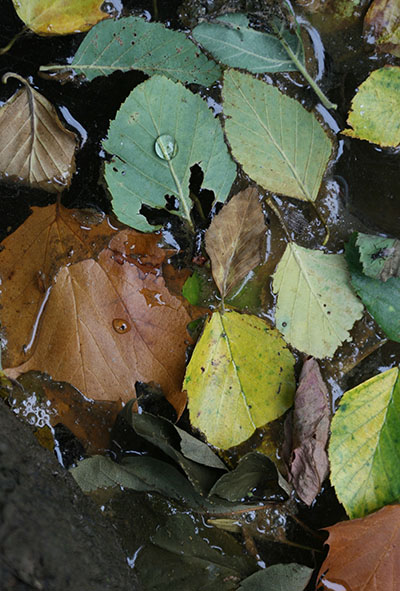 Not an autumn shot, but a summer one, only a few weeks ago after a heavy wind and rain storm deposited a selection of leaves into a stream. If you’re paying attention to how the light differs in these images, you can see how deep shade can make colors appear differently than in sunlight, and can hopefully use this to your advantage.
 So, I commented not long ago about the almond tree we transplanted, which had been getting savaged by deer at the old place – they would come by every few weeks and strip half the leaves from it, returning when it had recovered. Here at the new house, it had escaped such attentions. For a while.
 The almond tree hasn’t fully escaped the attention of the deer. As seen here, it’s gotten cropped just a little in several places, even though the deer seems to greatly favor the lilies; you can still see new green leaves in the background. The tree’s only about a meter tall at this point and not terribly fast growing – we won’t be harvesting our own almonds anytime soon. I’m pretty laissez-faire about what animals get up to – this is how nature works, and I’m not going to improve on it – but the deer are starting to frustrate me. The almond tree was a bit of serendipity, having sprouted spontaneously in our compost pile, but messing with my photographic models is not cool.
 Out the other night in the yard looking for photo subjects, I found a curious bit of drama. A female reddish brown stag beetle (that’s the actual common name, scientifically named Lucanus capreolus) had gotten herself caught in a corner web and was dangling, unable to get a foothold on anything to draw herself free. Stag beetles are among the largest US beetles, certainly the most impressive in NC, this one running 35-40 mm I believe. A few days earlier I had handled one that was perched on our porch screens, attracted by the light at night – don’t pin them down and you won’t get acquainted with those lovely pincers. If you let them walk on your hand, however, those climbing hooks on their feet are hard to avoid, and she managed to get one of her feet hooked fast into my finger and couldn’t extricate herself for a minute – this isn’t exactly painful, but it’s noticeable, and you’re quite aware something is wrong. You’re also aware that grabbing it to help it get free is possibly not the best move. It is entirely possible that the one getting caught on my finger and the one seen here are the same individual; they were found only a few meters apart, a few days apart. You can’t blame it on the light attracting the beetle towards danger, however, because this is probably the darkest corner of the property, day or night, and I found this tableau by flashlight myself.
 The beetle wasn’t in the mood to be cooperative, so the spider seemed able or confident only in dealing with the extremities; the effectiveness of this was pretty much as you imagine. In fact, the spider probably needed to sharpen her fangs after the attempts.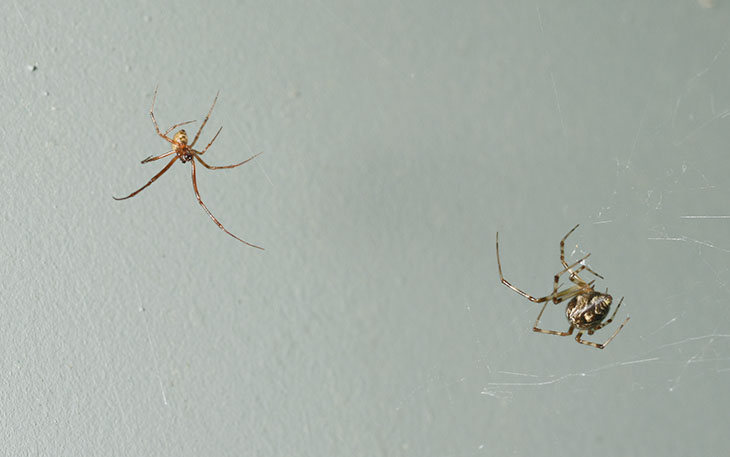






 You might remember these from the earlier post – they are, of course the fangs (chelicerae.) Curiously, every species where I’ve been able to see these, regardless of the coloration on the body, displays this same deep reddish-brown hue. I know I’m not helping anyone’s own arachnophobia by posting these so prominently, but they’re cool anyway – you can see just how small they are in the previous pic. For many a bug, this is the last thing they saw – well, okay, considering the compound eyes, it would be this, and the ground, and the sky, and the plant they were on, and the zit on their back…
 Except for this one. Brazenly exposed up on top of the stack, it takes advantage of the best view and the freshest air, perhaps serving as lookout or hall monitor, or maybe some purpose akin to the guy who drives the back end of the hook-n-ladder truck (didn’t you always want to do that? Whaddya mean, “The what?” Just how young are you?)