And now – now – we get to the birds! I bet this has been as anticipated as the finale to Game of Thrones!
To say that I shot a lot of birds during our week in South Carolina is an understatement, but it was a great lead-in to World Migratory Bird Day, which was the day we were to return, so I only had an opportunity early in the morning to shoot that day, but screw it – the week covered my ass nicely.
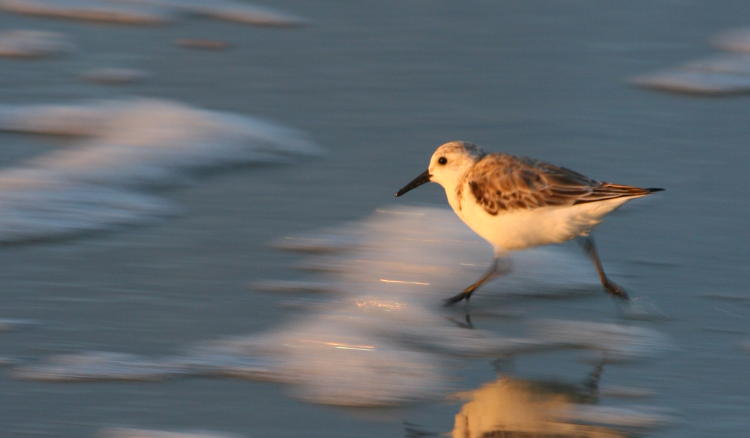
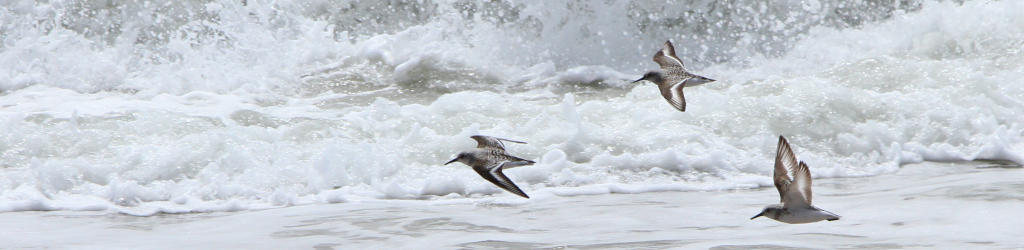
While at the beach, I naturally chased a few shots of the ubiquitous sanderlings (Calidris alba) – actually, the name is simply “sanderling” and not “ubiquitous sanderling,” even though the latter not only sounds better, it’s pretty descriptive to boot. I didn’t get anything too exciting featuring them, really – see what I said earlier about boring beaches – but the above frame is notable in one regard. See the streaks in the background, especially the highlights on the foam? That indicates a panning shot, the camera moving that much laterally while the shutter was open, also evinced by the blurred legs – but check out the sharpness in that eye and beak. That’s a pretty decent pan, if I say so myself… and it was another taken on Nail The Pan Day. We celebrate holidays right here on Walkabout.

On that self-same beach, three days later, I was walking the surf line right before sunrise and watched a duck ride the incoming breakers up to the barest shallows, then stand up and walk, wearily it seemed, out of the water and take a stance on the sand. It ruffled its feathers a few times, flapped once, then plopped down and refused to budge; the impression that I got was it having landed on the water from exhaustion and simply floated to shore, but it’s anyone’s guess how accurate that might be. In that vein, however, the duck simply didn’t care about the beach walkers that passed, several of which paused to take photos (or some pathetic excuse thereof) with their smutphones. I maintained a respectful distance and shot some identifying frames with the 100-300 L lens.
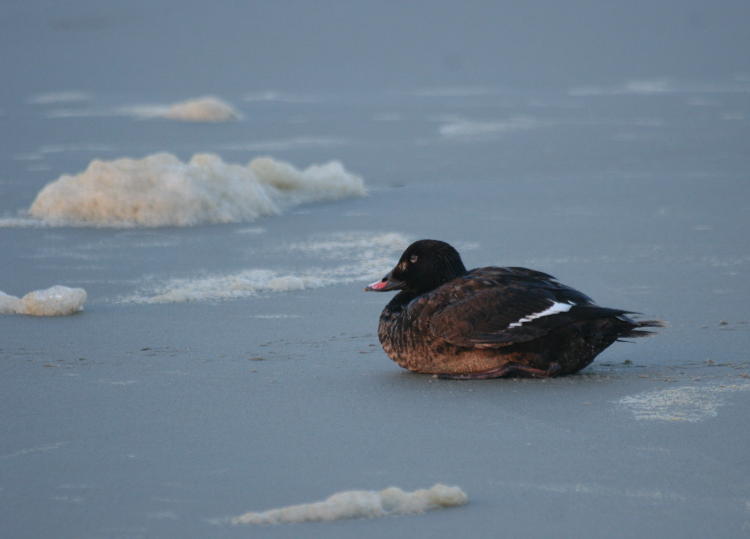
I didn’t recognize it, but referring to my Sibley Guide back home, I pinned this down as a white-winged scoter (Melanitta fusca,) just transitioning into adult coloration. Scoters are primarily coastal, so perhaps this is standard behavior for them.
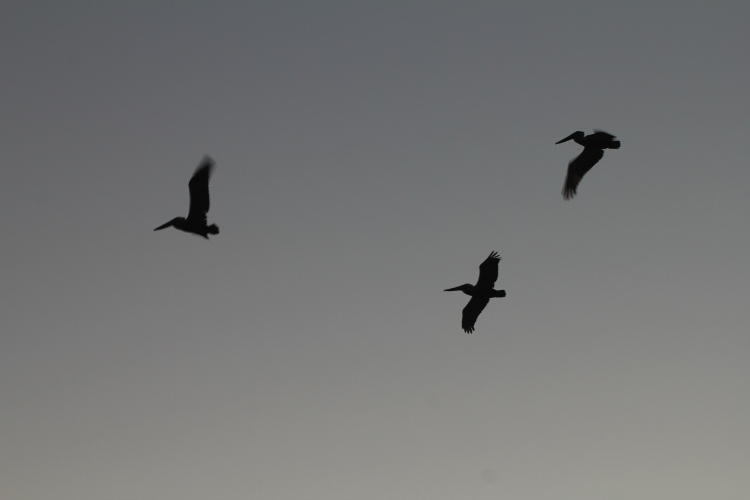
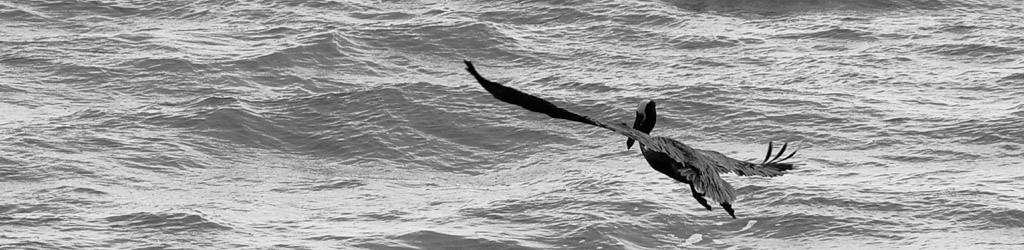
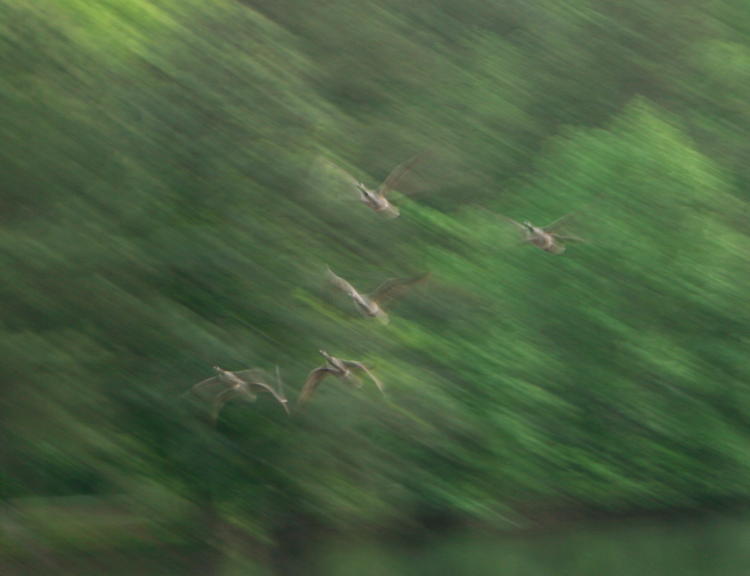
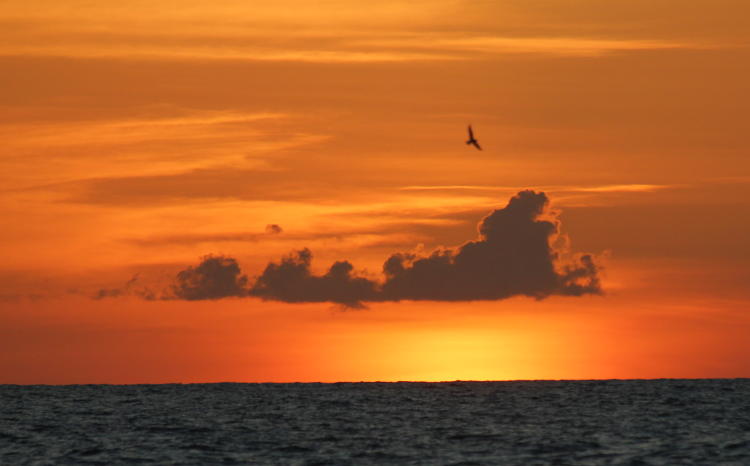
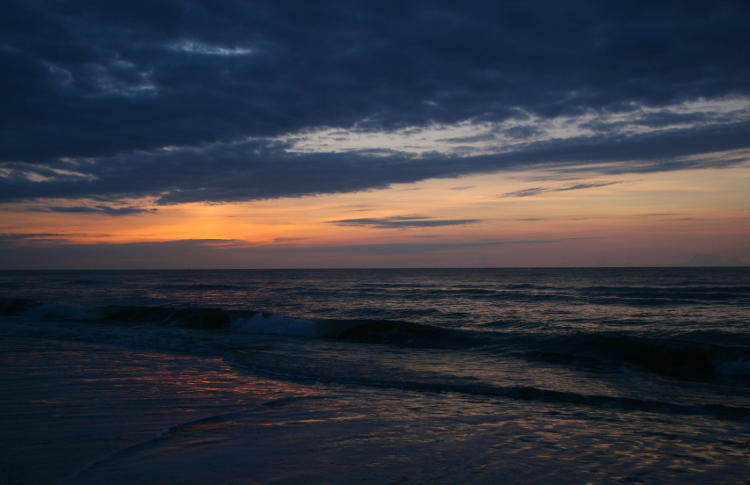
I mentioned wanting some decent brown pelican (Pelecanus occidentalis) portraits, and this was certainly not the area to pursue them in – they could be found, but few and far between. One evening as The Girlfriend and I were walking the beach failing to pick up shells, I saw a small flight heading our way against the post-sunset sky. I knew it would only be silhouettes, and the sky was almost entirely devoid of color, with the one exception being a high-altitude smear of clouds turned pink by the sun over the horizon. They were headed in the right direction, so I tracked them carefully and waited for them to get into the color.
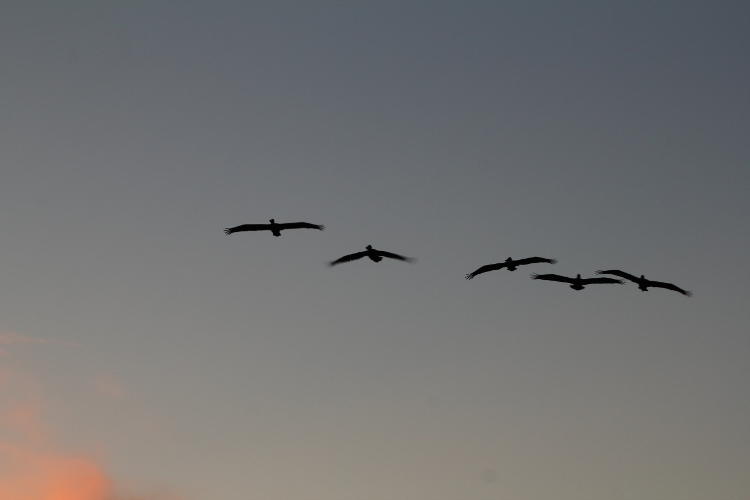
Only, right before they would have entered a nice background, they turned towards us together, and started backing in the air, slowing almost to a stall – almost as if they were trying to draw our attention. The problem was, this took them away from the only color in the sky, the edge of which you can see in the above pic.
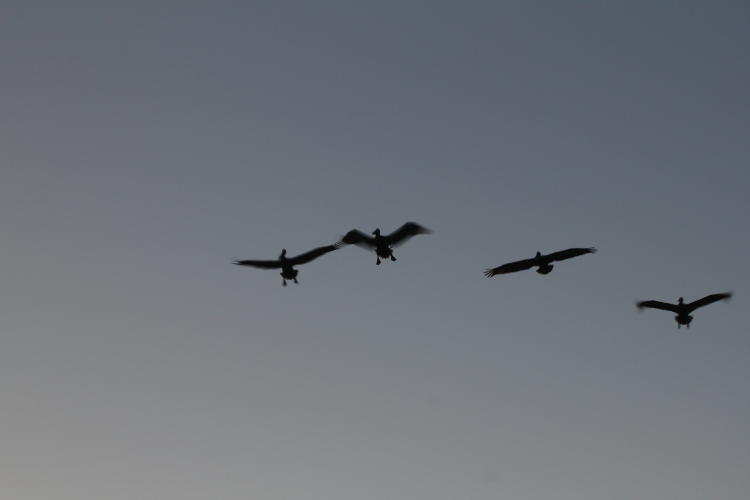
We have no idea why they changed direction and slowed, because they were a decent ways away from the water and couldn’t possibly have seen any fish or anything, nor was there any apparent difference in the landscape that might have drawn their attention. But having come to a near-hover overhead for a moment, they then turned and resumed their path – naturally now having passed well above the little bit of color that would have made the shot worthwhile. Thanks, guys.
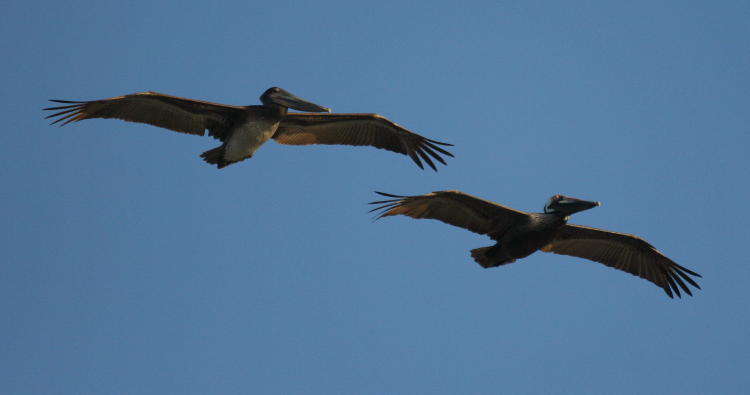
Eventually, a few mornings later as I was watching the excavation of the loggerhead nest, a pair passed overhead and gave me a few decent views. I would have liked the light to have been a little bit better, but this is what we have for now, and nicely detailed all the same.
Brookgreen Gardens provided a few opportunities on its own. One of the features within was a small zoo with local wildlife, and part of that was an aviary, primarily containing white ibis and black-crowned night herons (Nycticorax nycticorax.) Fully habituated to people, they were easy to photograph, which takes most of the fun out of it, but I did fire off a few detailed portraits just for the sake of it.
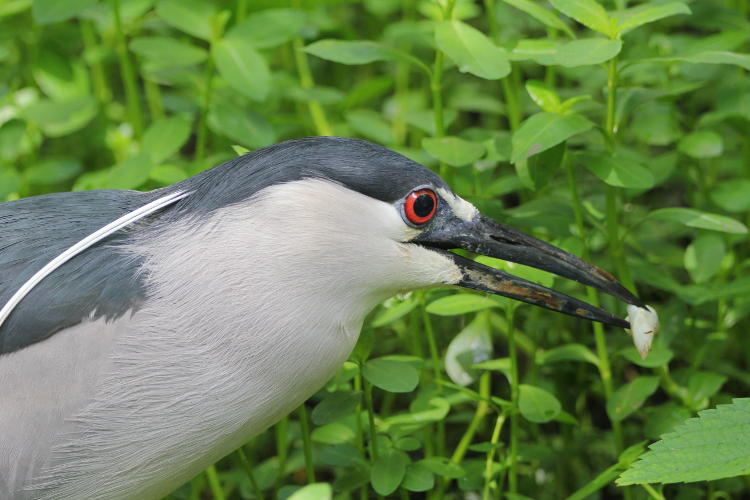
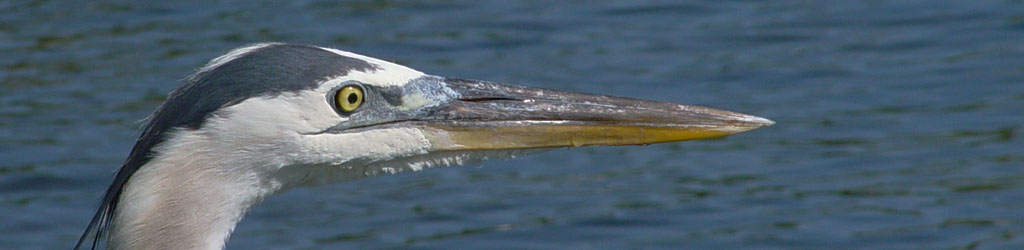
This isn’t even a decent capture of a capture, as it were, because the minnow it has was one of a dozen of so dumped in strategic locations around the aviary to feed the birds, so despite the heron’s careful stalking behavior, there was no chance of scaring this fish off. But I’m posting it for the detail, and after all, I already posted the one with the smooth panning technique, so…
Not to mention, I already have some nice closeups of the wild white ibis that used to visit our pond when I lived in Florida, and their beaks weren’t all muddy from rooting for shellfish.
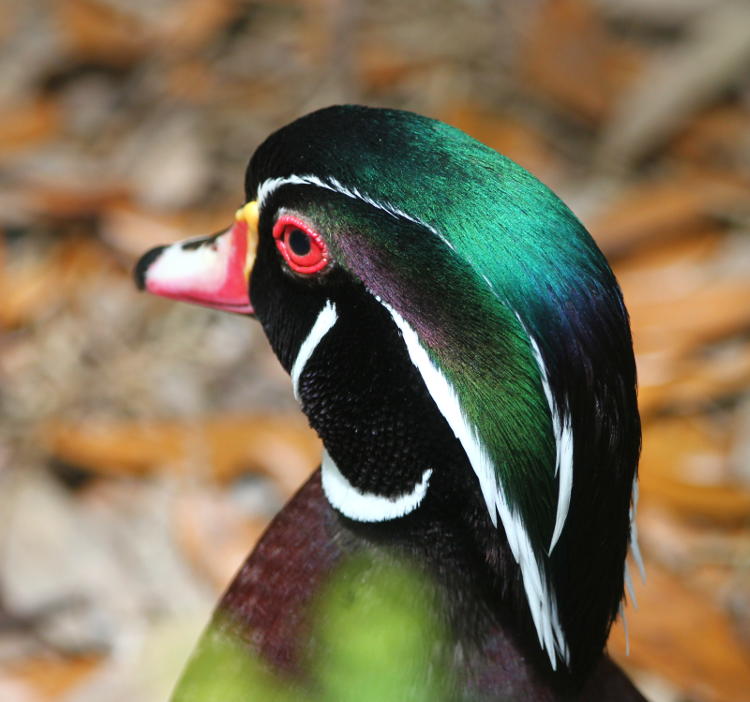
In another region was a duck habitat, permitting ridiculous closeups of the residents at times. Again, captive animals aren’t really an accomplishment, but you can use the opportunity to show off traits like the wonderfully iridescent feathers of the male wood duck (Aix sponsa.) At a botanical garden near home there is often a semi-habituated pair providing the occasional photo op, but wood ducks in the wild tend to be pretty secretive, and my goal remains to catalog the nesting and fledging behavior without such benefits. I’m not exactly sure why; it’s not like it drives up the value of the images, but we’ll call it ego and self-challenge and leave it at that.
But there were wild examples over the gardens as well.
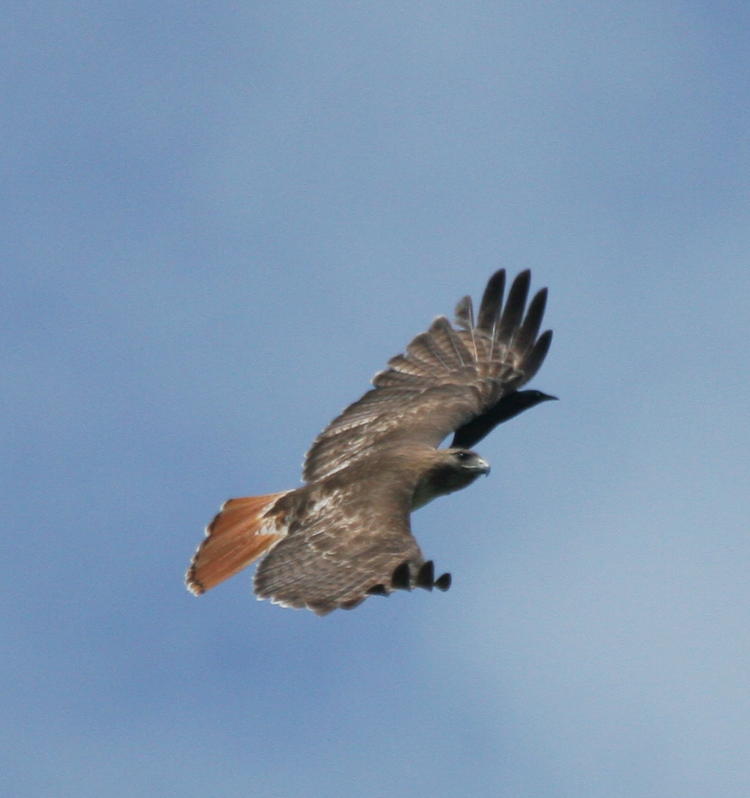
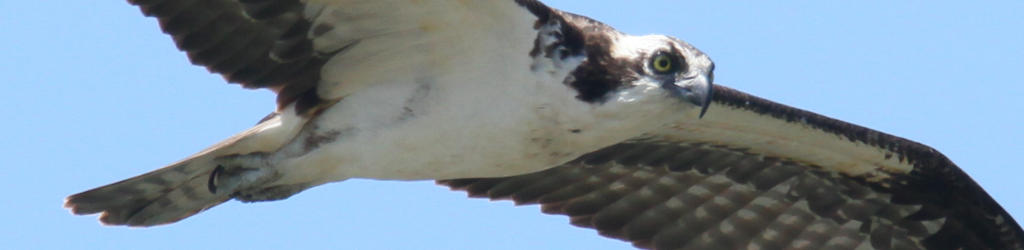
Wheeling overhead, a red-tailed hawk (Buteo jamaicensis) provided a few choice poses – and there’s a detail hidden here, visible if you look closely and know your bird anatomy. I’ll pause and let you figure it out.
Take your time.
Got it? I knew you would. Under the far wing is the silhouette of its harasser, a red-winged blackbird (Agelaius phoeniceus) that was none-too-happy about seeing a hawk in its breeding ground; in fact, there was a pair chasing the hawk, which was largely ignoring the smaller birds and was only riding the thermals over the park, as were some turkey vultures a little farther off. At one point, the blackbirds were joined by an American crow (Corvus corax,) all diving on the hawk as it circled.

It was a fun show, but as the hawk turned into deeper blue sky, I got a couple of nice portraits.
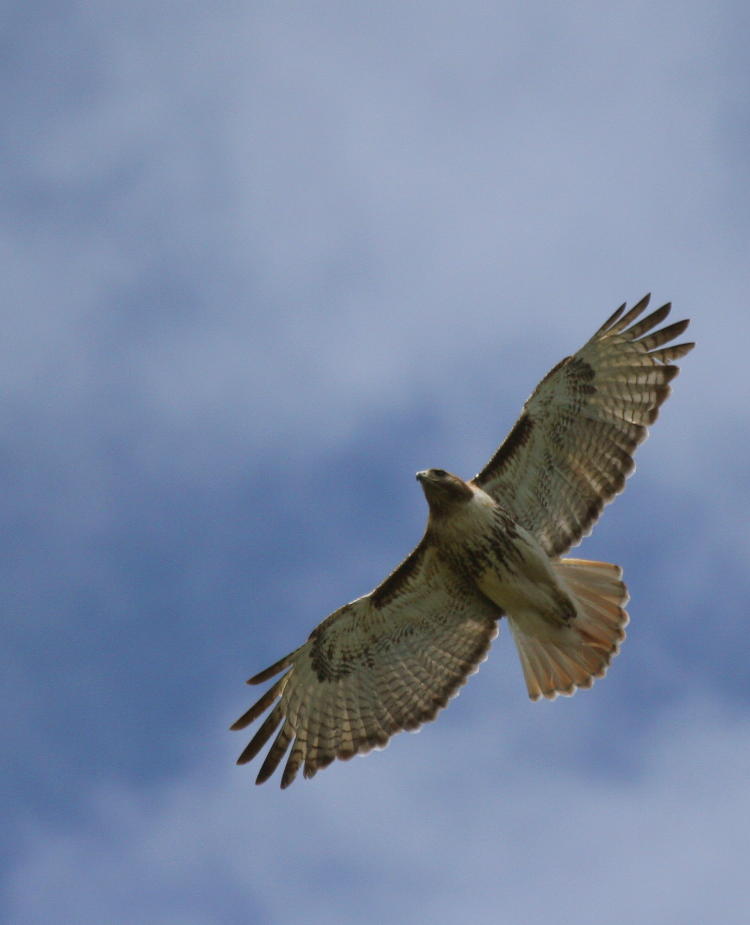
This is a fairly good guide towards identification, because they’re don’t all have the distinctive red tail, but they all have pale bellies with a band of darker speckles across the breast. And they’re big, among the largest of the hawks in North America. One more:
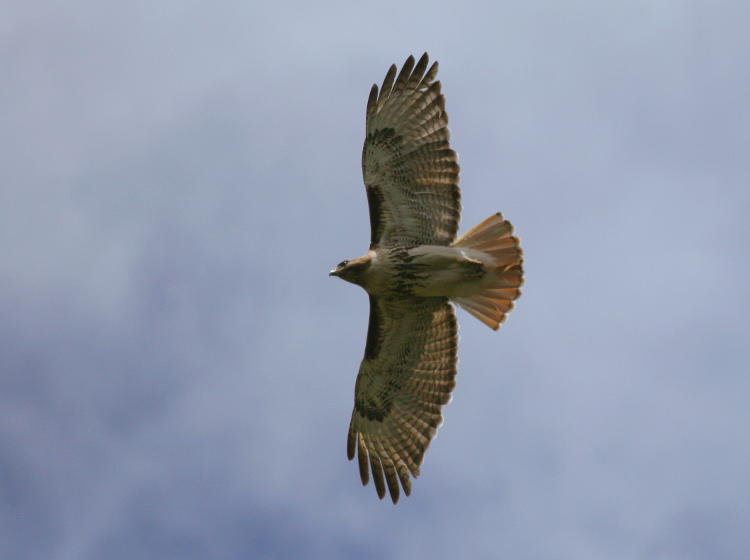
I include this one because I got the catchlight, that little reflection in the eye. Not bad for about 40 meters distant.
We now move on to Huntington Beach State Park, pretty much across the road from Brookgreen Gardens (and formerly part of the same family’s estate.) Lots of bird ops there.

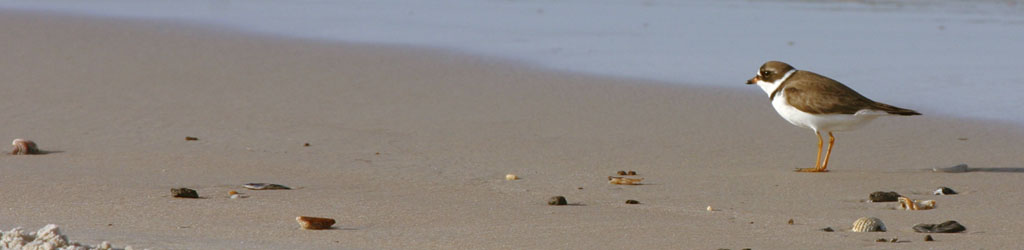
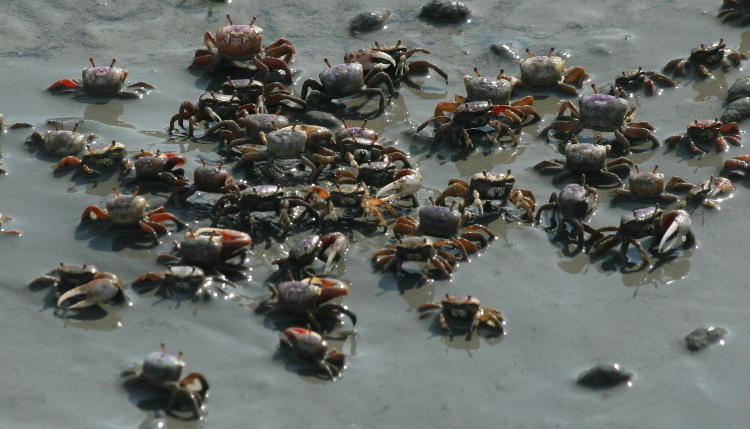
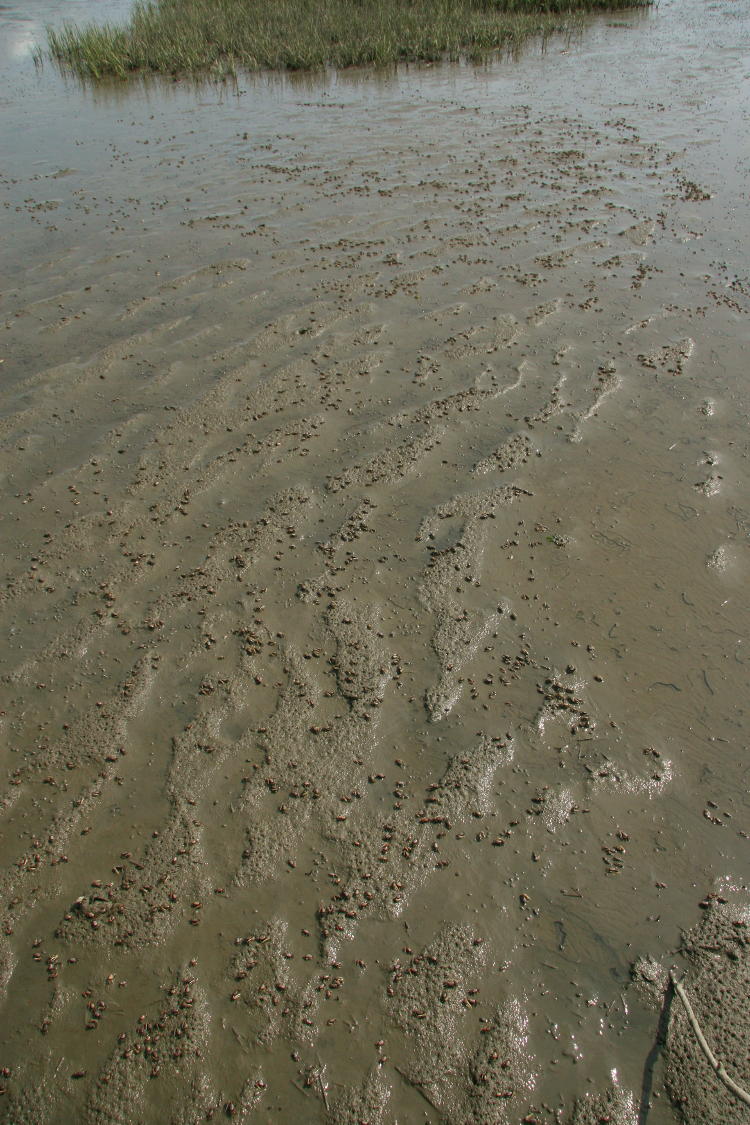
Near the mud flats that played host to the fiddler crabs, a few semipalmated plovers (Charadrius semipalmatus) foraged alongside sanderlings. While I recognized the birds, I didn’t really know until now where the name came from, and so didn’t endeavor to illustrate it then; it comes from their partially-webbed feet. But they are cute little birds, and quite small – just a little bigger than a wren. It’s easy to believe that the black-tipped bill, like the feet, is evidence of playing in the mud, but no, that’s natural coloration.
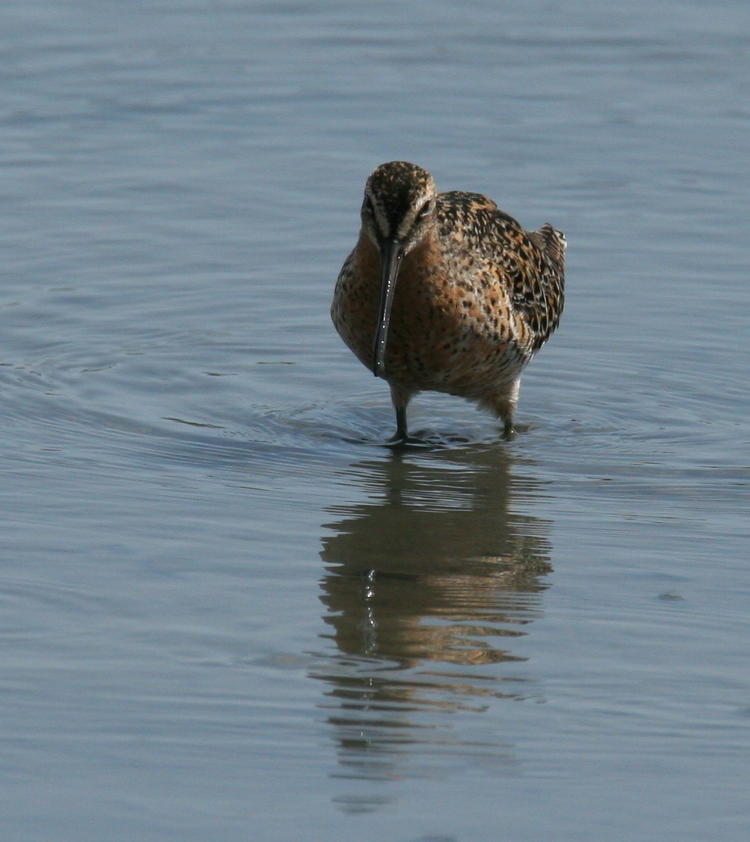
Very close by, as the water got a little deeper and revealed a different class of foodstuffs, some long-billed dowitchers (Limnodromus scolopaceus) tried to prevent me from getting a good angle, and almost succeeded entirely.
We saw some great egrets right off the bat, and as we followed the boardwalk out, there was a sign telling what species might be spotted; The Girlfriend asked me to describe what a tri-colored heron looked like. I provided this, but it was much easier to wait a few minutes later and point alongside the boardwalk to simply say, “Like that.”

Tri-colored herons (Egretta tricolor) are fairly distinctive in color and size, but much more coastal-oriented than great blue herons, so I don’t see them that often. This one was stalking, mostly unsuccessfully, along the edge of a channel, too close to be able to let the background reeds drop out of focus, and my timing was off so I caught this reed going right through the eye, as it were. I’m hoping it’s not too noticeable and just one of those things that I fret over, but feel free to tell me I’m wrong.
A little later on, it stepped further from the reeds and gave a better pose.
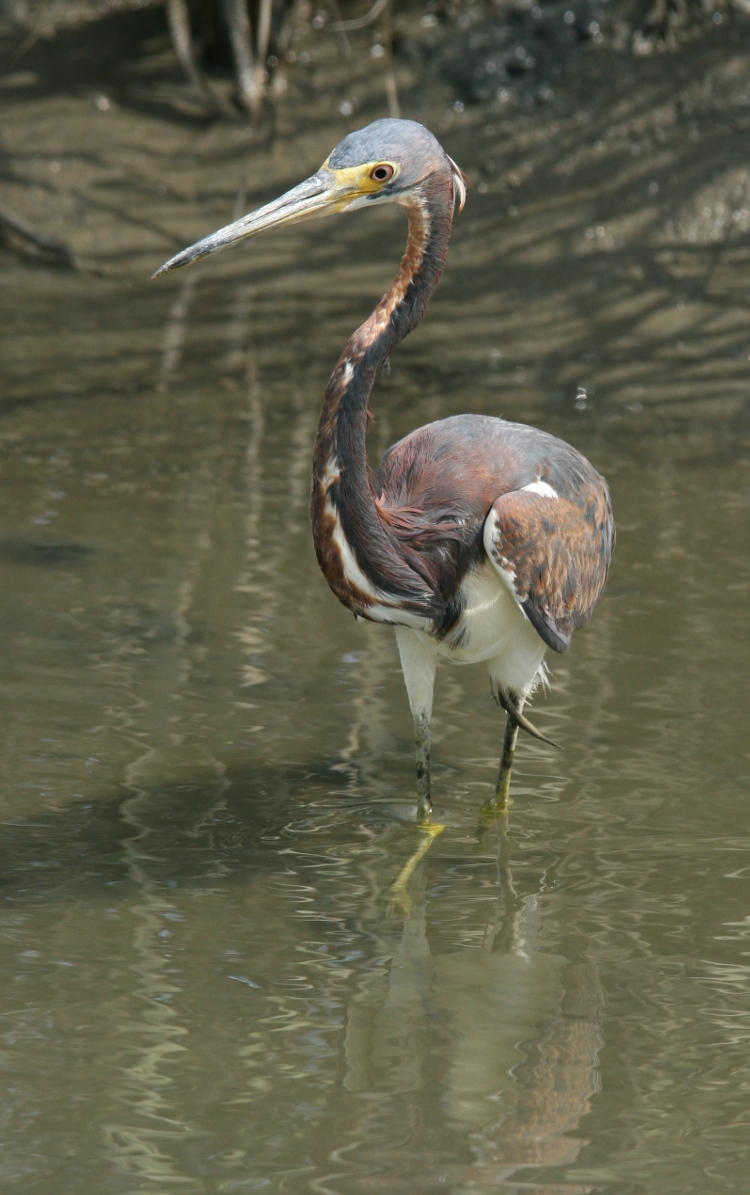
Their coloration makes them seem cross-bred, or transitioning from fledgling to adult, but this is what the adults look like – pretty cool, really.
Down at the end of the boardwalk, a double-crested cormorant (Phalacrocorax auritus) provided the best portrait I’ve gotten of the species, and among the top ten bird portraits that I’ve ever taken (judged by an independent, unbiased group of indifferent hyperactive schoolchildren):
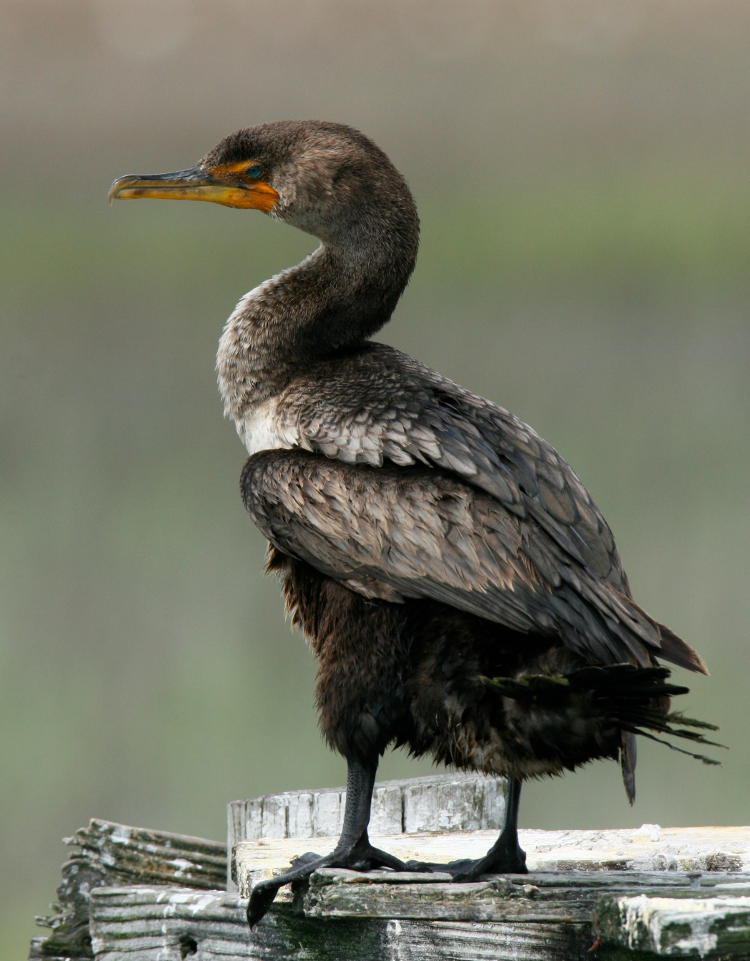
This one spent some time preening and fidgeting around, so while it obligingly remained where it was, catching the pose was a matter of patience and timing – nothing elaborate of course, but I’m happy with it. A little better light would have shown off those deep green eyes just a bit more, though.
If you’re looking for the double crest, don’t bother – it’s already gone. It’s a little paired ridge of feathers on the head only during breeding season, and I have yet to see it, myself. It’s hard to tell from the coloration, but this one might even be a juvenile, too young to have them yet.
Leaving the boardwalk, we passed a bird feeding station where we got our first look at painted buntings – gorgeous little birds, way too tropical-looking for this region, but unfortunately both hyperactive and unwilling to pause without a feeder blocking our view, so none of my images passed muster. So it goes.

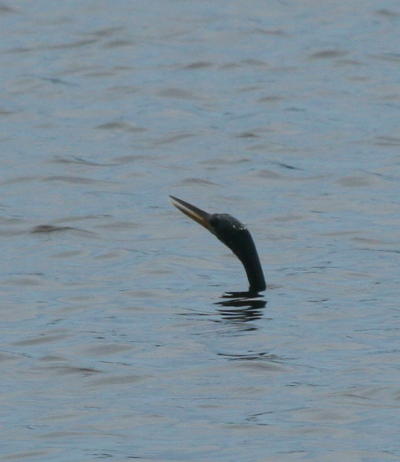 Out on the trails of the park, getting possessive over trees and scaring gators, we didn’t see too many birds, but I got a distant shot of an anhinga (Anhinga anhinga) drying out after a swim, more silhouette than anything. These birds are marvelous swimmers, remaining completely submerged as they chase fish, and I got a basic illustration as one (perhaps the same one, several minutes later,) surfaced a couple of times during its fishing. They come up just long enough for someone to know they’re not seeing things, but it can be pretty startling, especially if you don’t know the species, because there isn’t the faintest hint of the bird before or after – no splashes, swirls, or disturbances. My first encounter, probably twenty years ago, was almost exactly like the trash-compacter monster in the original Star Wars. Except without the tentacle attack…
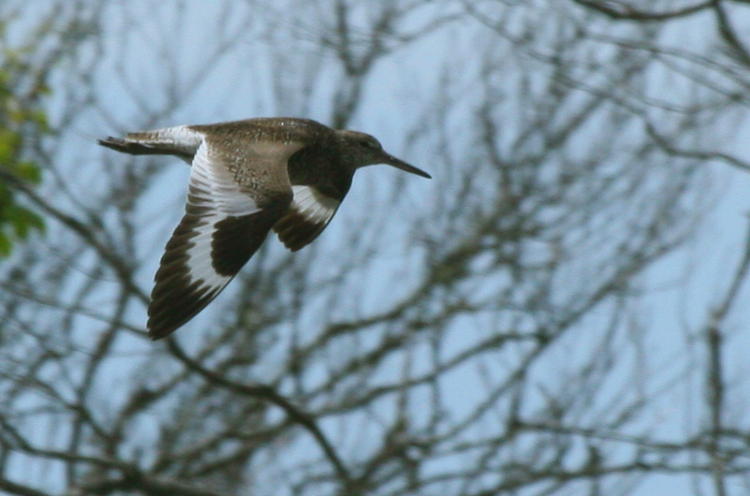
Looking out over the same brackish pond, I spotted a willet (Tringa semipalmata) cruising over the water and fired off a few frames. I would have credited this to the Tamron 150-600 with its Ultra-Sonic Drive and Vibration Control, but no, it was the unstabilized, 32-year old, noisy autofocus Canon 100-300 L instead. How it picked the bird out against that background, I don’t know, but do you hear me complaining?
At this point, we’re 21 pics in, and a long ways from done – this is probably gonna set a blog record for the most photos in a single post [actually, it tied], and I know it’s got the record for the most photos uploaded in a month. I could break this up to a second post, but naaah – I’m on a roll. So now, we go to the ‘local’ shots, meaning the birds found within the resort where we stayed.
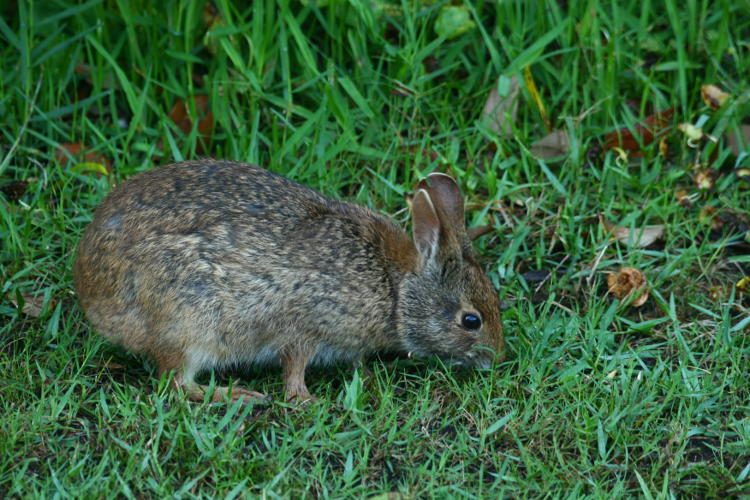
Near the marsh rabbit’s foraging ground, on two separate mornings, a red-bellied woodpecker (Melanerpes carolinus) actively sought a mate in a low tree right alongside the path.

I had initially taken it to be simply marking territory, given that this was early May and usually past breeding season, but then it revealed its nest opening, as well as getting some answering calls from an alleged female not far off, so I’m pretty certain this was breeding behavior. It was enough to make the bird none-too-concerned about how close I was, anyway.

Both days that I encountered it, I was returning from sunrise on the beach, and the sun wasn’t yet high enough to make it through the trees and I was working in dimmer light – I have lots of blurry frames, especially since woodpeckers are hyperactive and don’t tend to hold still, so between it and my own unsteadiness handholding a long lens, I’m lucky to have what I do. But at one point, I finagled a little different angle against the sky, and the bird held position for just long enough.
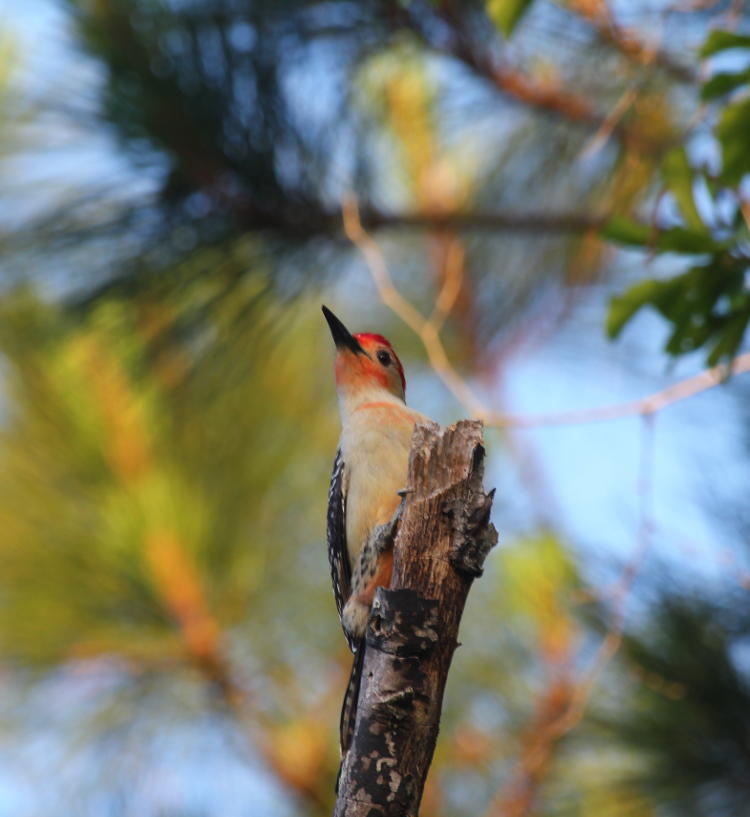
Certainly looks like he’s been overdoing the blush, doesn’t it? But presumably the females like it.
Most mornings I was catching sunrise alone, but coming back from viewing the loggerhead nest, The Girlfriend and I heard a curious sound from the thicket of trees bordering the path, which we knew formed a small barrier before a water channel. I didn’t recognize it, because I’ve never heard it before; it sounded faintly like a cougar’s growl, but from its location and position, I was fairly certain it was a bird. With some careful maneuvering and peering, I eventually located the culprit, which was a green heron.
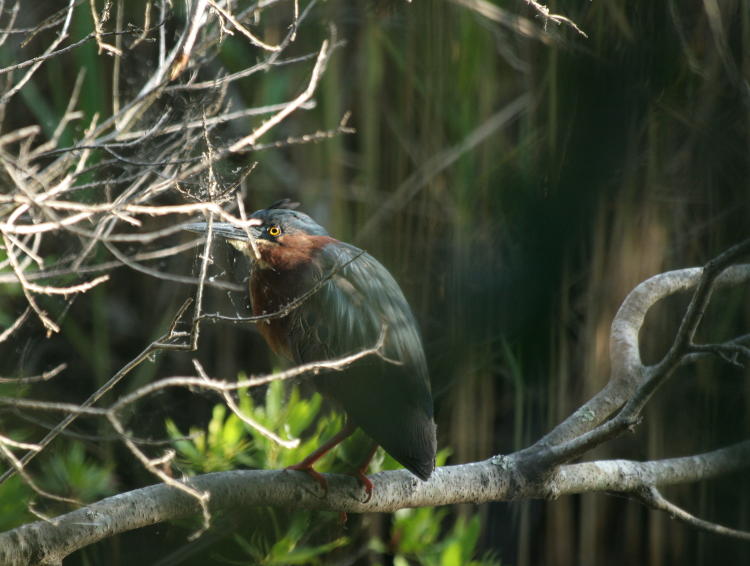
I only knew green herons from their alarm calls, which sounds a lot like a sneaker on a basketball court, so I was delighted to now add another to my knowledge (yes, I really should be doing more studying of bird calls – a friend of mine made me aware of this recently.) I know these as shy birds, about the size of crows, but this one was aware of our presence, through the little gap in the leaves, and didn’t care. This seemed to be a pattern in the resort, probably because the hunting was so good that the birds had gotten used to people being around.
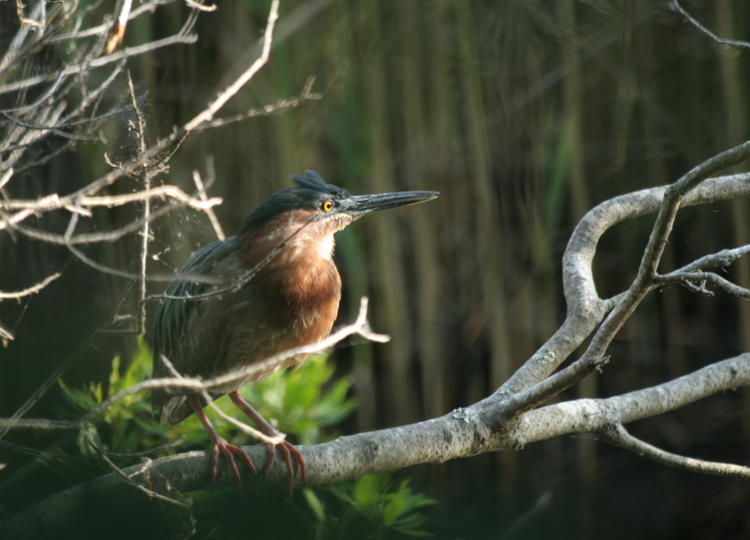
The dark foggy shadows around the edges are leaves close to the camera, well out of focus, giving an indication of how narrow my shooting window was, while the sun peeped through breaks in the trees for selective highlights, which the bird had luckily perched within. I could have done without that one damn little twig, but otherwise I’m not complaining, especially when the heron turned on its perch for a better view.
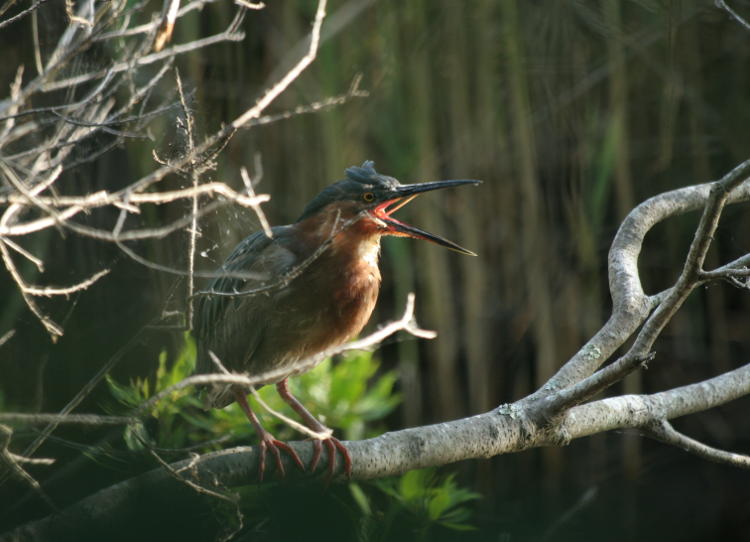
And then, it offered up its territorial call as we watched and I fired away. The Girlfriend and I were whispering to each other, but so close that I have no doubt the heron knew we were there, so I was pleased that it was so dismissive of us that it continued calling – most times birds will stop if they suspect it will draw more attention to themselves.
No no, not even done with the hour yet.
Just a little further along our walk, as we approached an inlet, I saw another bird cruise in and land, and we crept closer, hoping not to spook it. Eventually, we discovered that this stealth was wholly unnecessary.
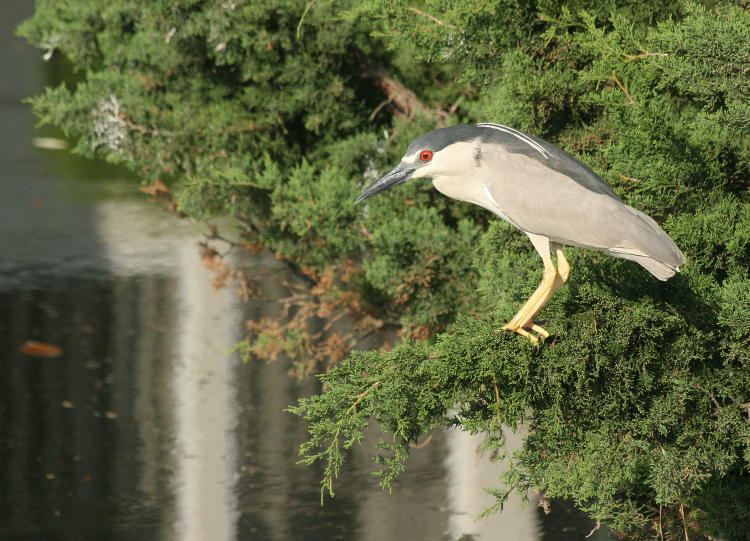
This little inlet came almost up to the road, with only a grassy knoll between it and the asphalt of the inter-resort drive, and that’s where The Girlfriend and I eventually ended up standing, and while we were backlit by the sun to some degree, this black-crowned night heron certainly knew we were there. Close examination of those brilliant red eyes showed that, occasionally, it was looking at us, but most often it was looking down at the water. We didn’t seem to be hampering its efforts at all.

Its perch was roughly two meters off the water, and we already knew countless critters could be found therein. So we waited to see what would happen.

It didn’t take long. The extending of the neck and the intentness and slight fidgeting told us the heron was getting ready to snag a fish.
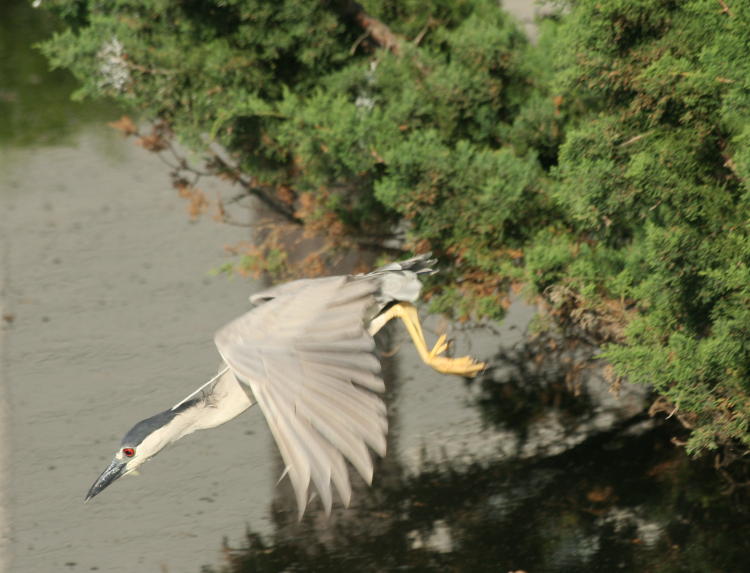
And in a flash, it launched itself down at the water, while I tracked it and fired off continual frames.
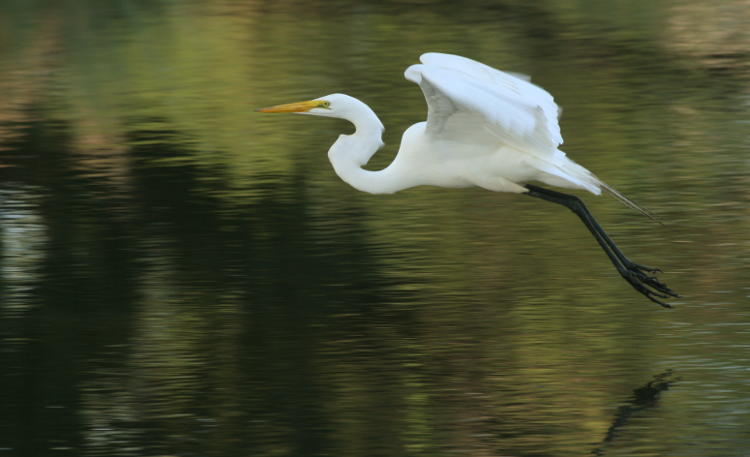
This seems as good a time as any to show that a great egret (Ardea alba) also considered this a prime spot, and came cruising in for a landing, again, while we stood there in plain sight. Really, a good place to spot birds.
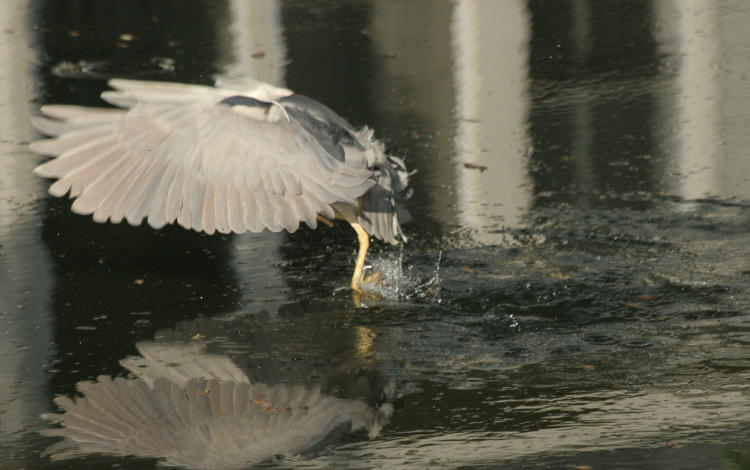
We return to our hero the heron, and its contact with the water in a strike that kind of surprised me, because I’ve never seen any of the waders strike with their feet – it’s always with the beak. However, this might have been a factor of the shallow water and its perch high above it, since other herons I’ve seen strike while standing in the water, which probably allows for a bit more control (and not, you know, spearing oneself into the bottom like a dart.) However, this was a miss, and the heron immediately looped back.

It landed and crawled deeper into the tree, perhaps wanting a little more shelter from our prying eyes, or maybe this was simply happenstance, since it could have flown to a different tree or even region easily enough. But I liked this portrait among the foliage.
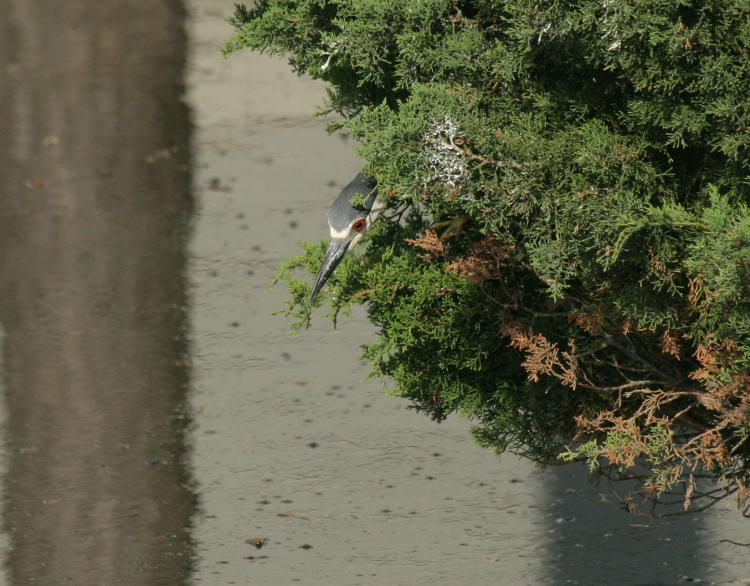
And in moments, it was back in position and watching the water. All told, we witnessed two attempts, and I a third after The Girlfriend had returned to the room because coffee; the night heron never did catch anything during this observation, but two great egrets and a great blue heron all appeared around this one little inlet that was part of a pond in the middle of the resort. On another day when I didn’t have the camera immediately at hand, I’m pretty sure that I saw a bald eagle cruise over almost the exact same spot, so, yeah, it’s for the birds.
That’s gonna be it for the featured birds from South Carolina, but let’s see, that’s thirty-five photos in this post, of seventeen different species, which is not all of the species seen or even photographed during this trip – just the ones that I felt good about featuring (and we all know how my judgment is.) I would say that’s an adequate showing, though. But what the hell, let’s do one more of our hero, because I’m liable to make this one a print someday (well, probably among others.) And while a couple of other photos might sneak in here or there at times, this pretty much marks the end of the push to feature the trip, and we’ll return to our regular content forthwith. Cheers!


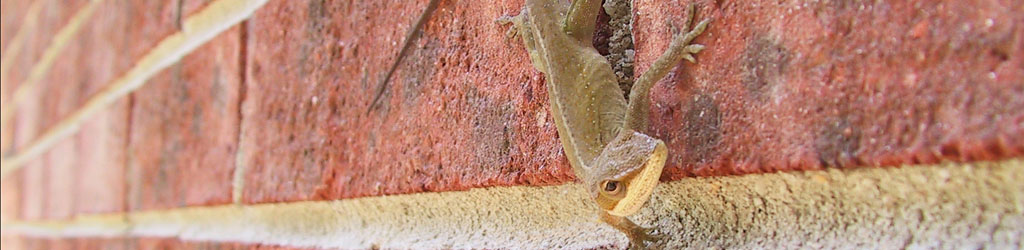
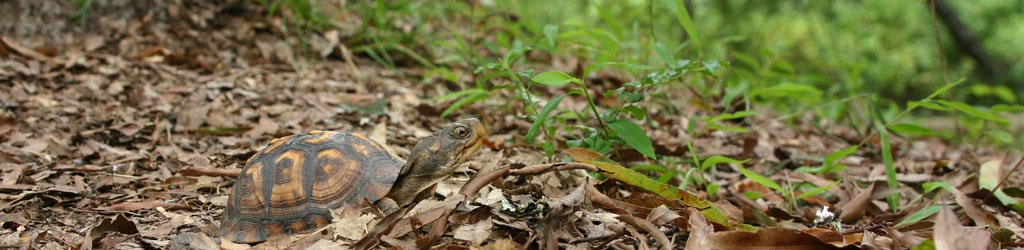
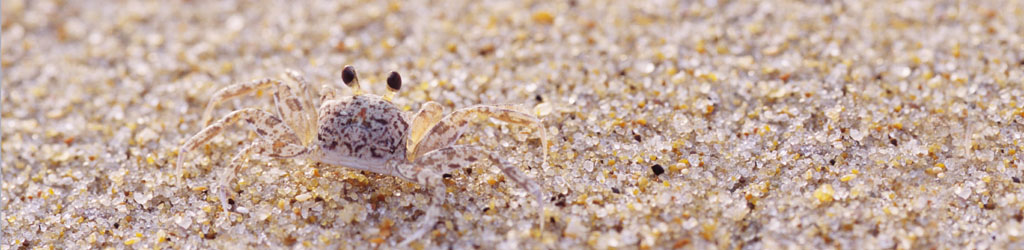
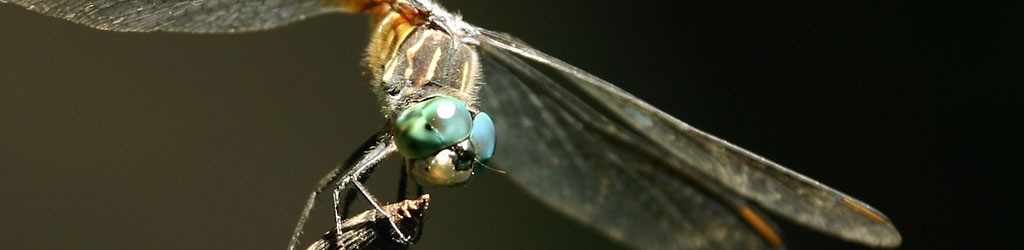
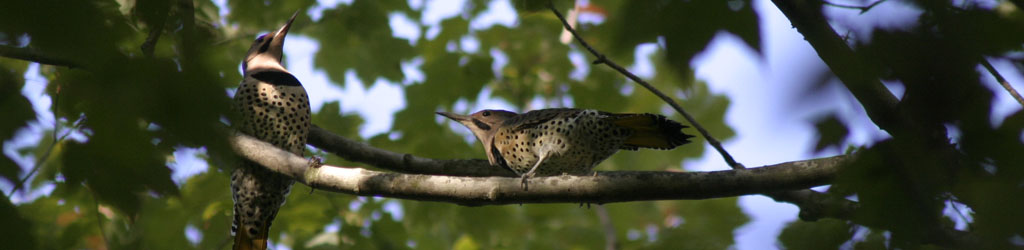
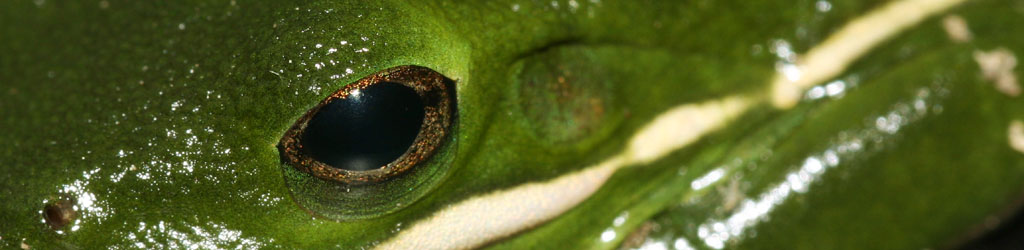
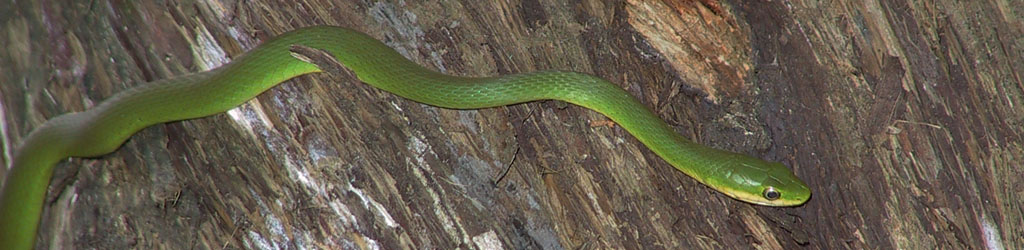
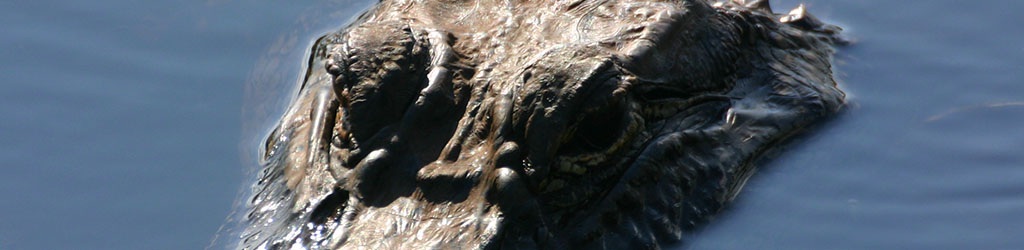
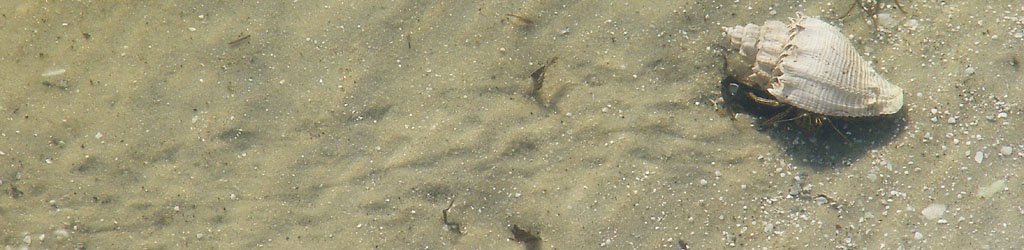
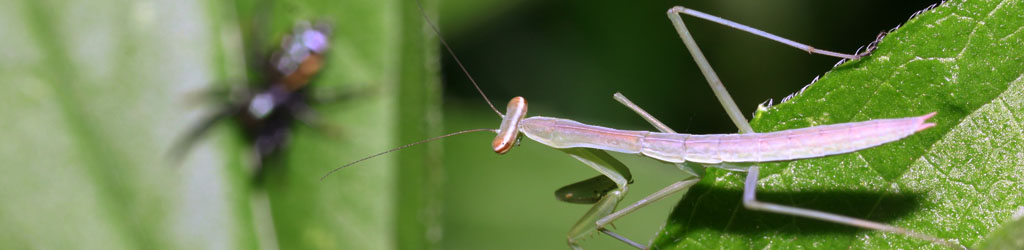
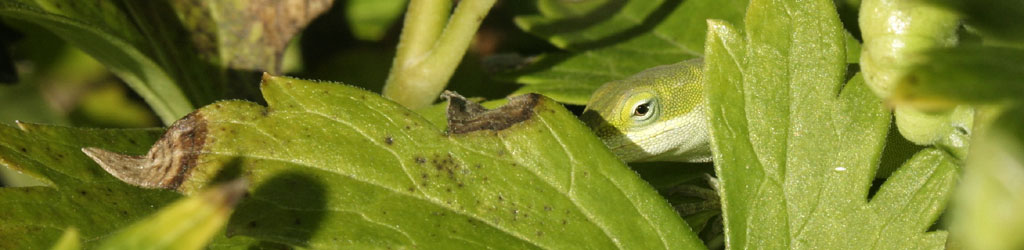
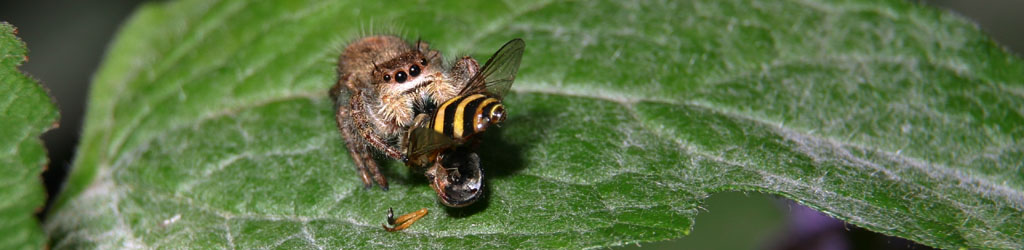
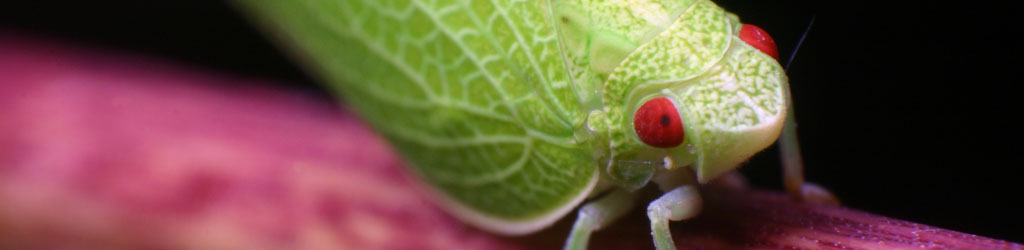
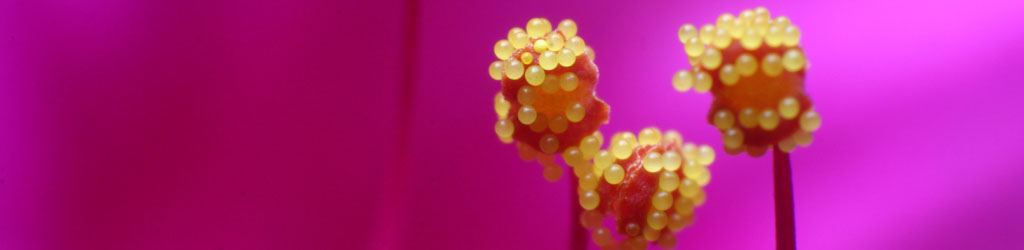
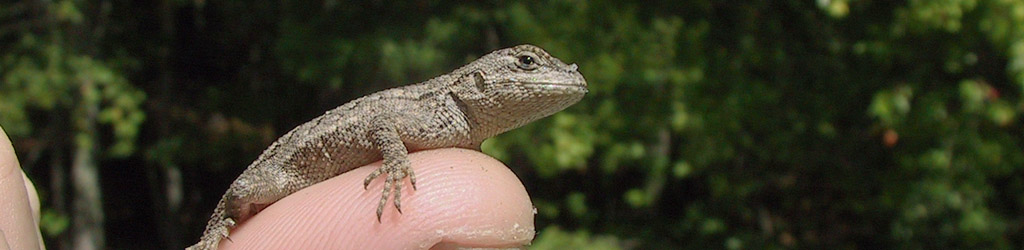

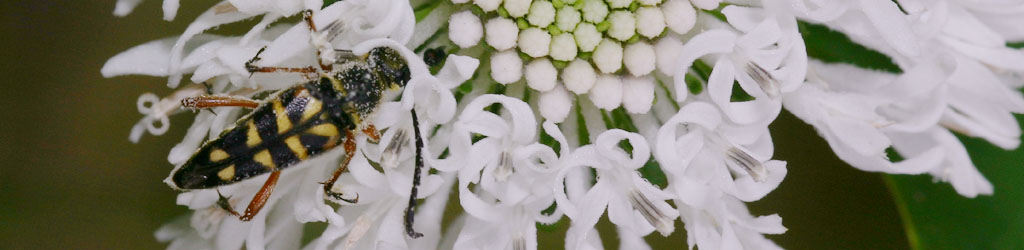
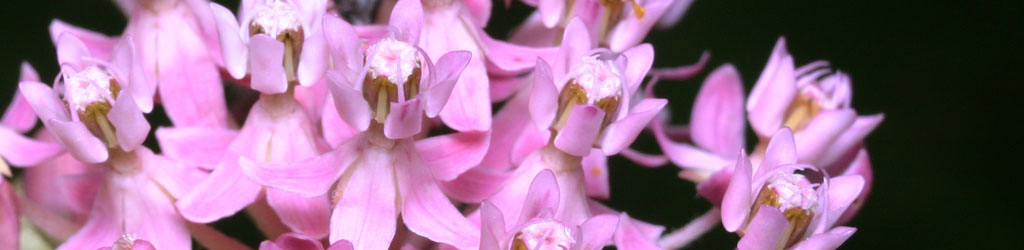
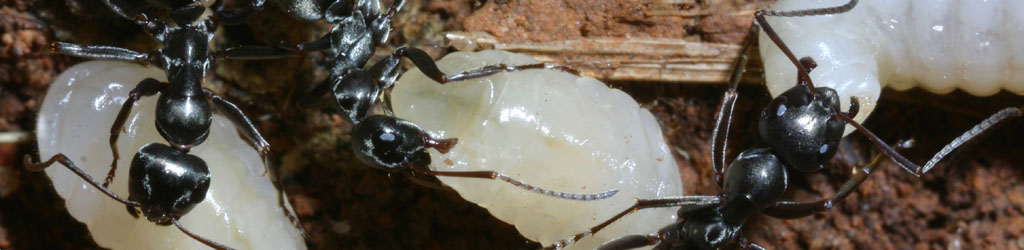
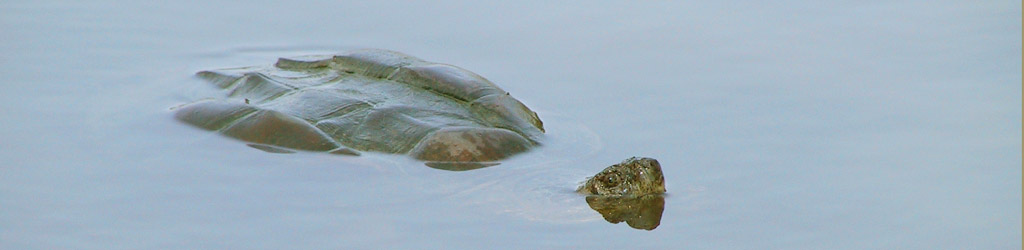
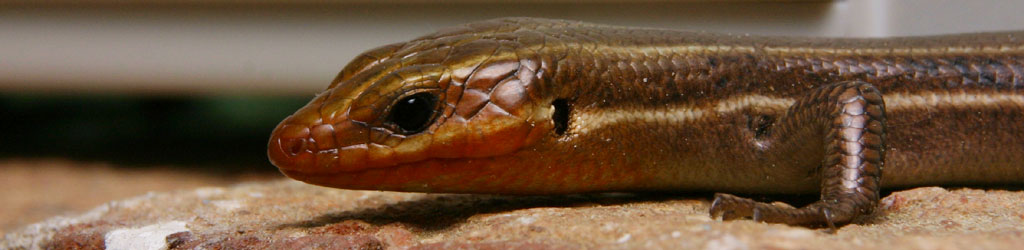
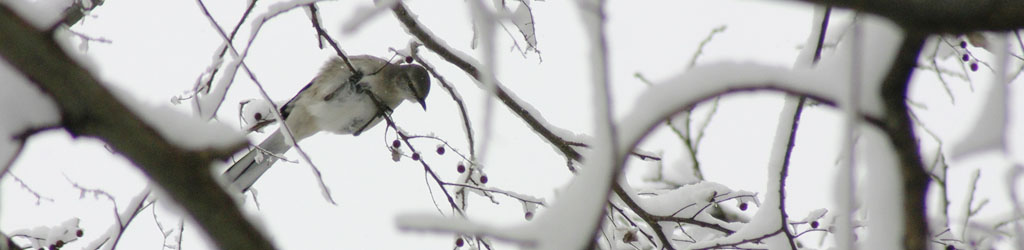
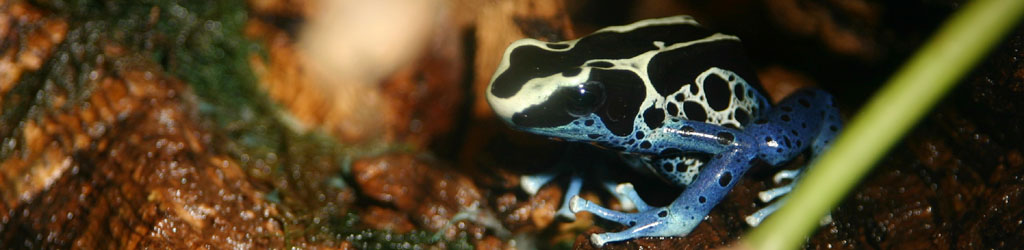
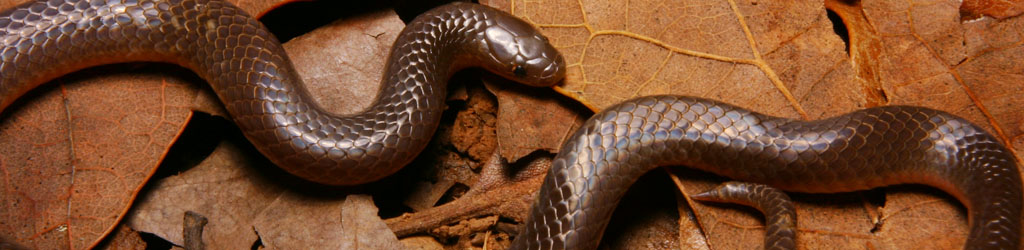
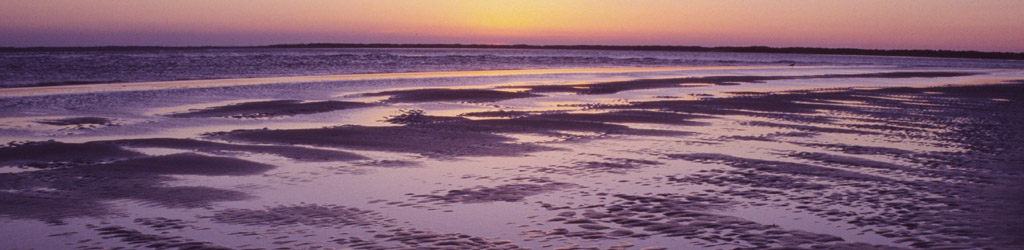
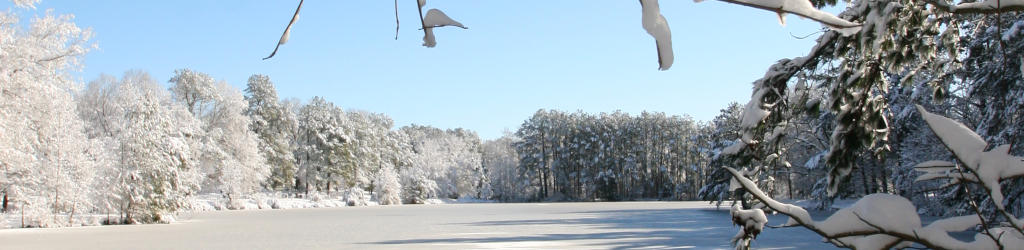
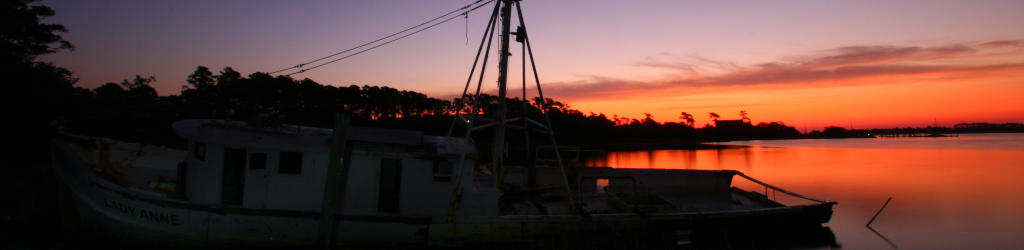
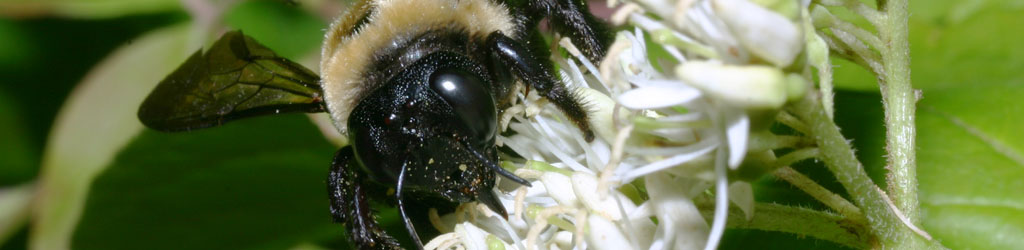



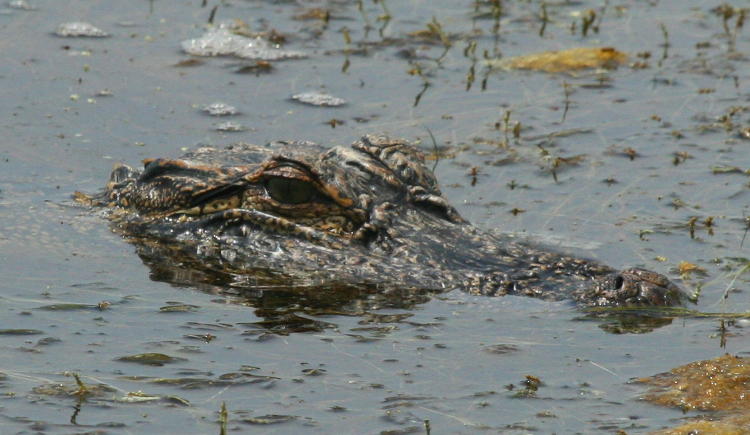
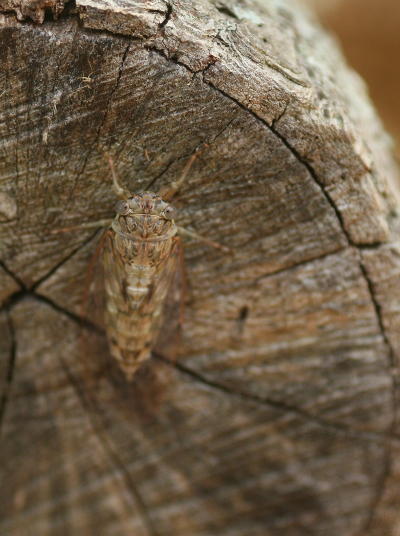 Now, despite taking advantage of an entirely different environment and class of subjects, I did not completely neglect my normal pursuits. On a cut-off stump not far from the previous two subjects here, The Girlfriend spotted what she initially took to be a moth, wonderfully camouflaged against the dry wood. But a closer look said otherwise.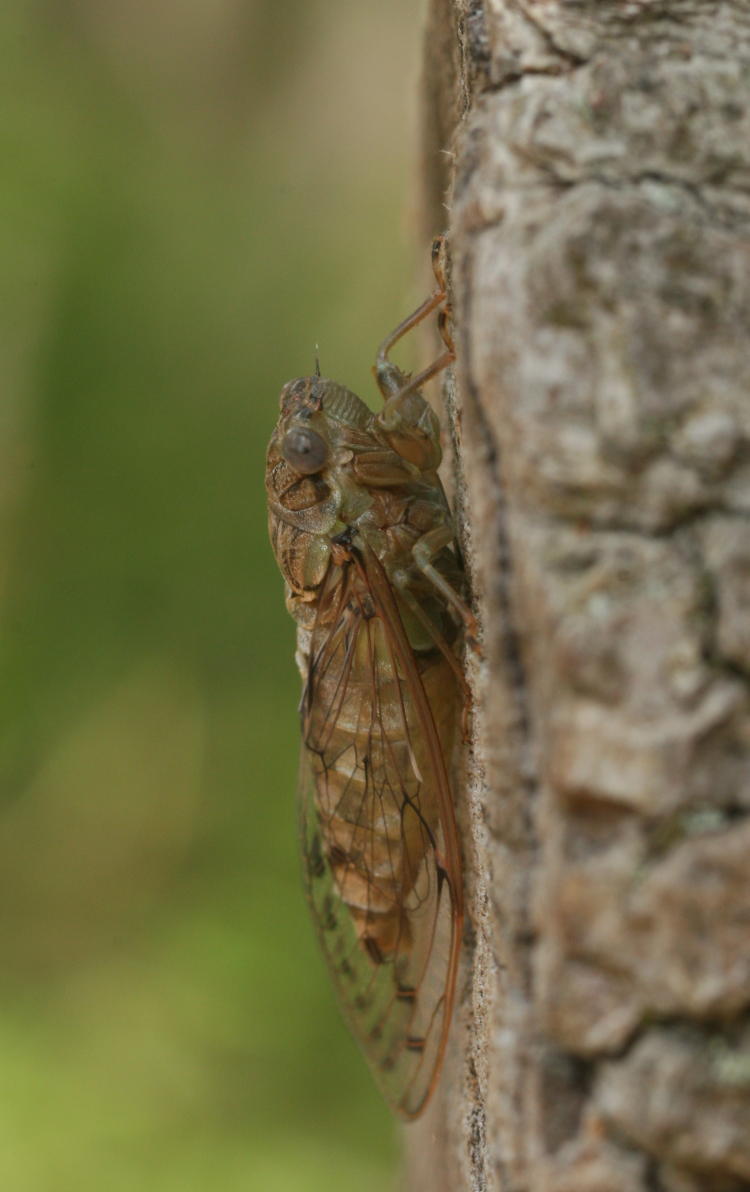
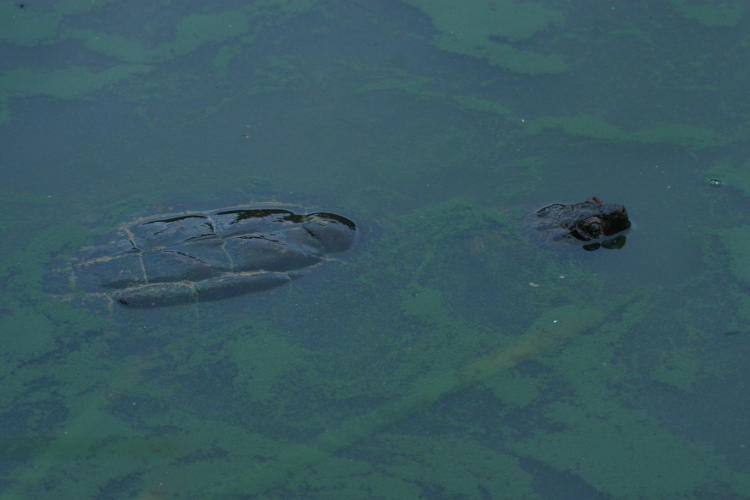
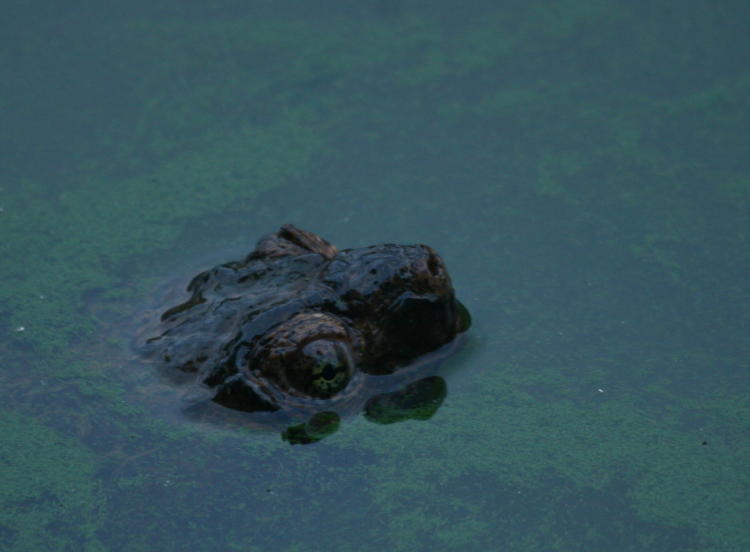
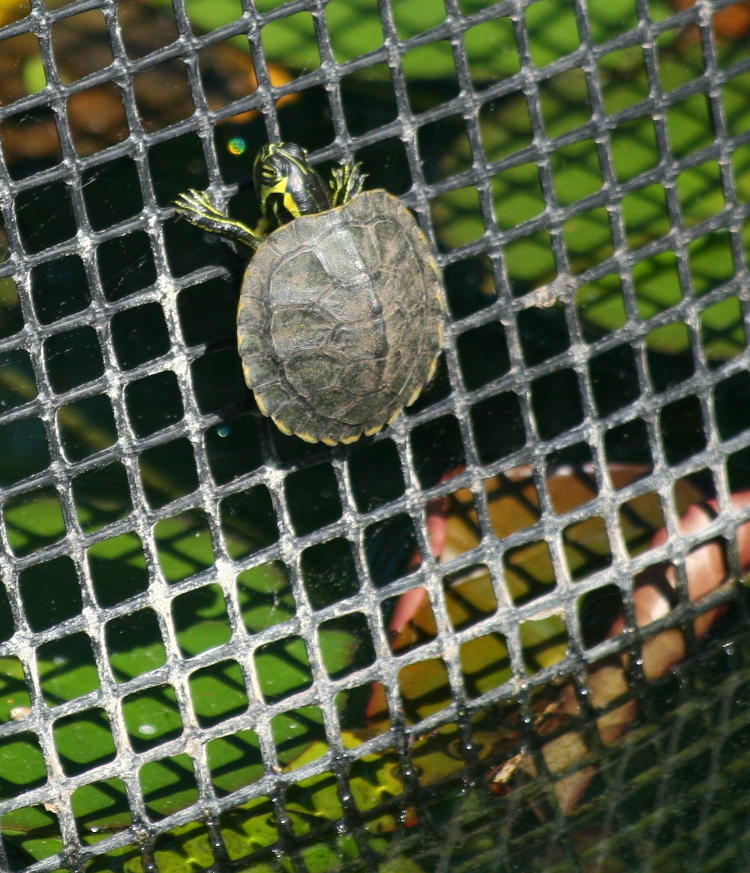 About to meet with a student in a botanical garden, I was just poking around and had to shoot this minuscule turtle, who seemed miffed that it was being excluded from the pond lilies within a net barrier. Actually, it’s much more likely that it was simply looking for a basking spot in a pool with few opportunities for such, but yeah, if you’re getting the impression of a toddler trying to scale the baby gate during a party among the grownups, I cant blame you.
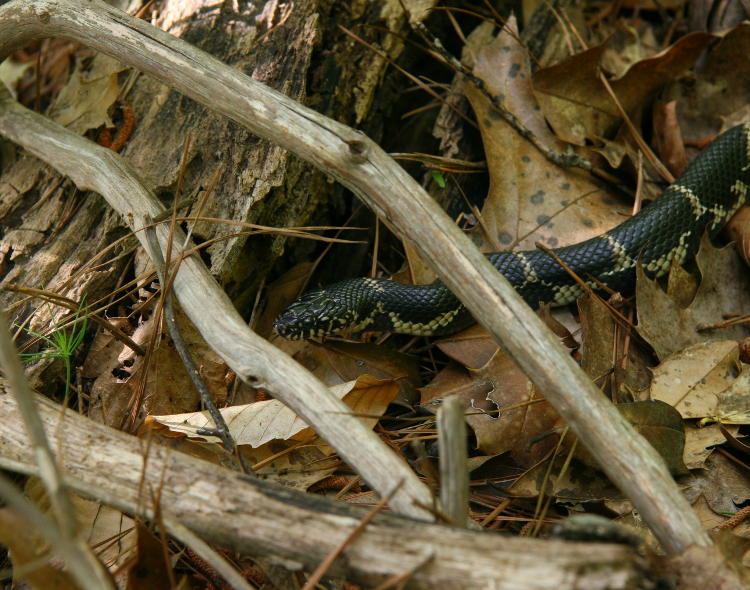
 The kingsnake actually came around in a broad curve, almost emerging from under a log at my feet (being literally 10cm from my sandals,) before it looped over top of the same log and slipped around the end into a hollow, where it disappeared and remained hidden, despite our waiting for a few minutes. I believe that, as we approached, we got between it and its sleeping spot, and so it had to take a circuitous route back home, as it were. Given the coloration (which works much better for hunting at night,) the species may be inclined to move slowly in daylight to avoid attracting attention, unless danger is distinctly imminent, and we were being quite innocuous ourselves. That’s my guess, anyway.

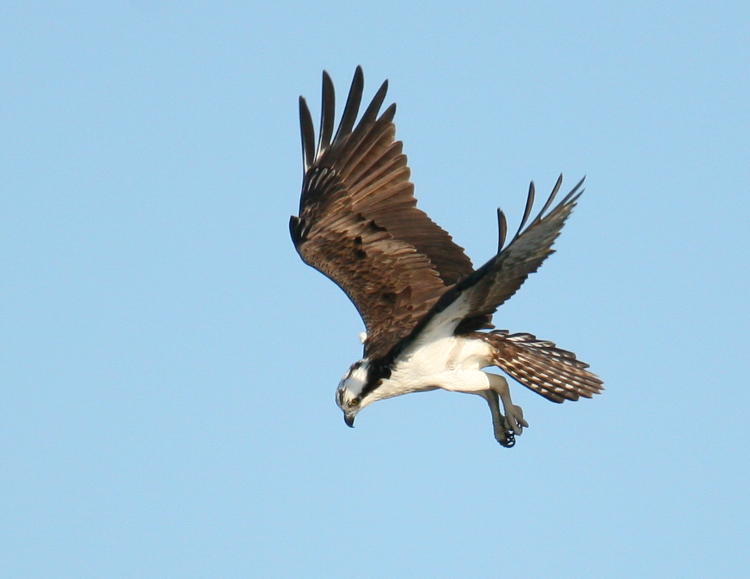
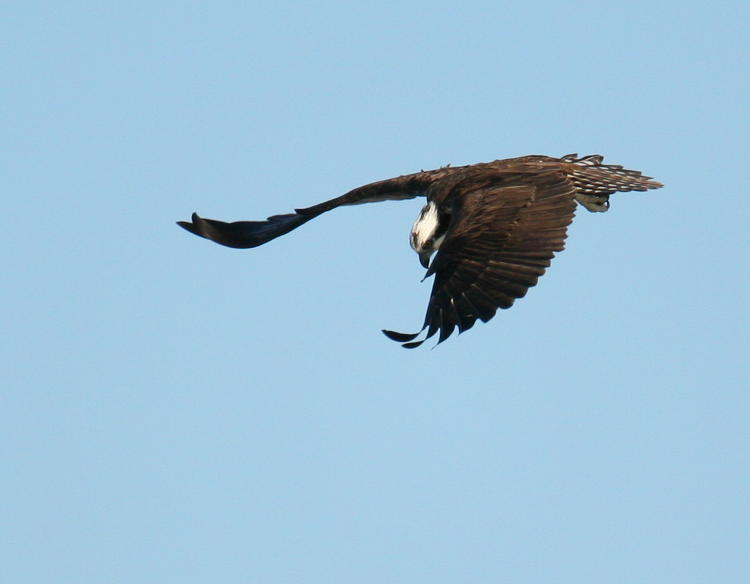
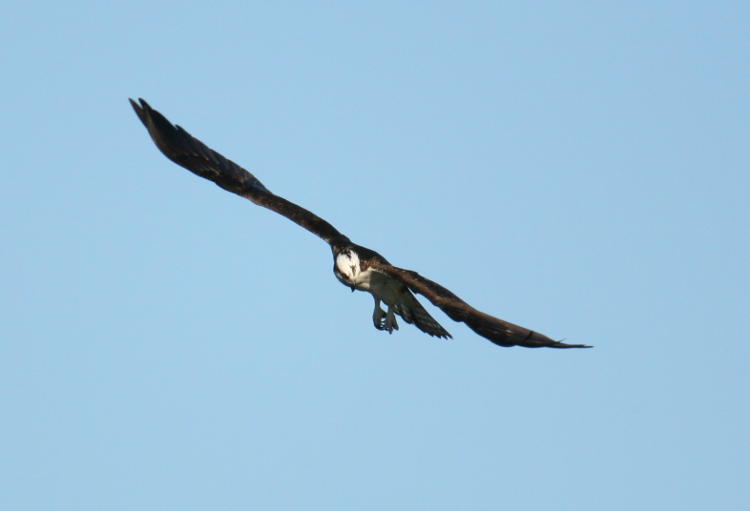
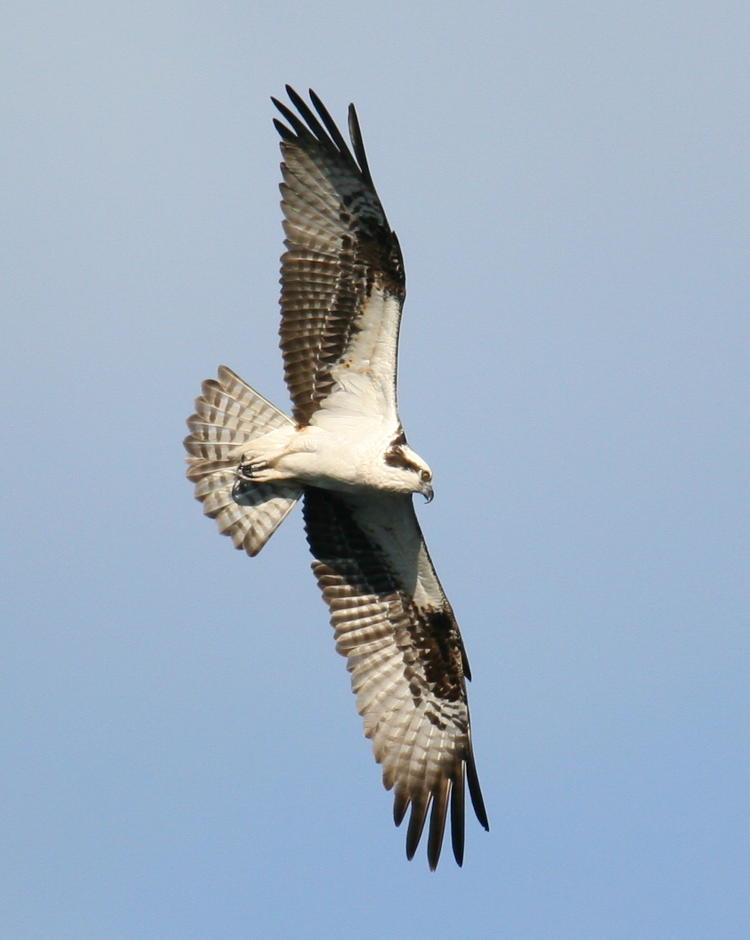
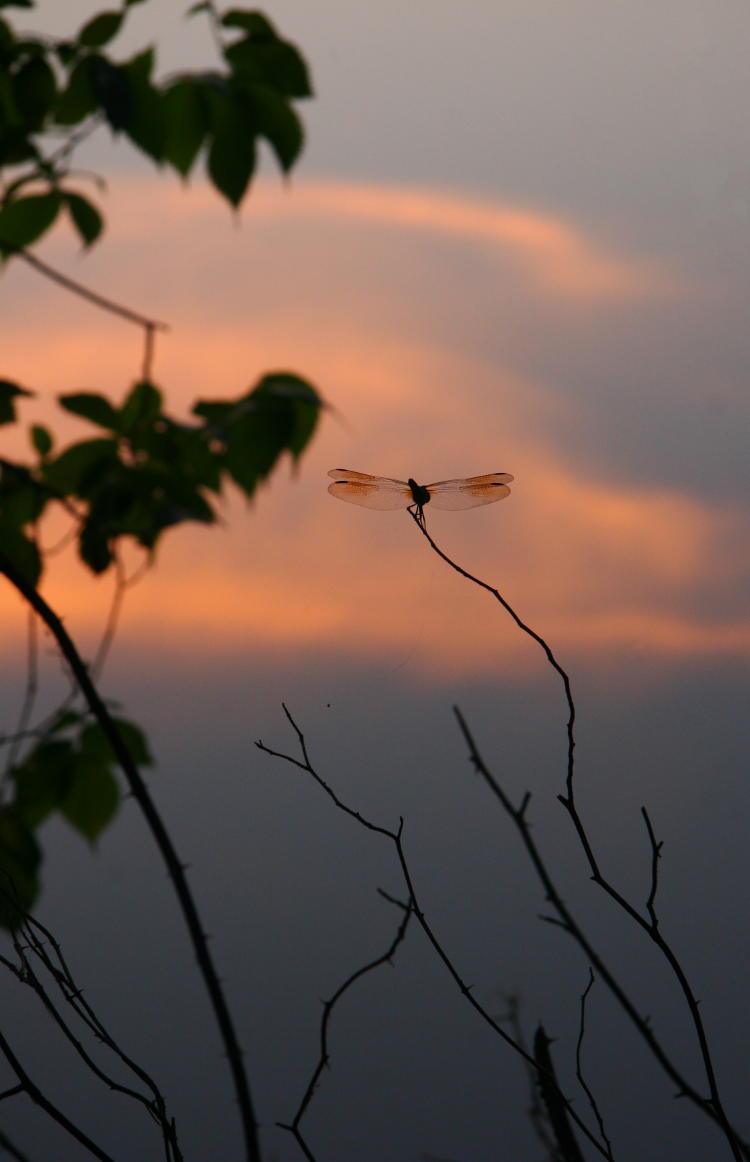
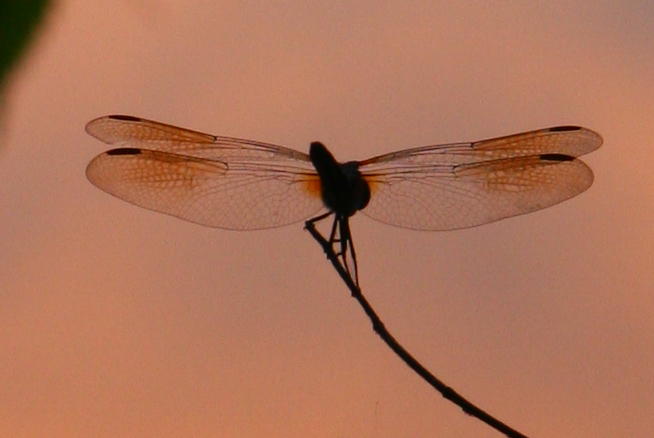
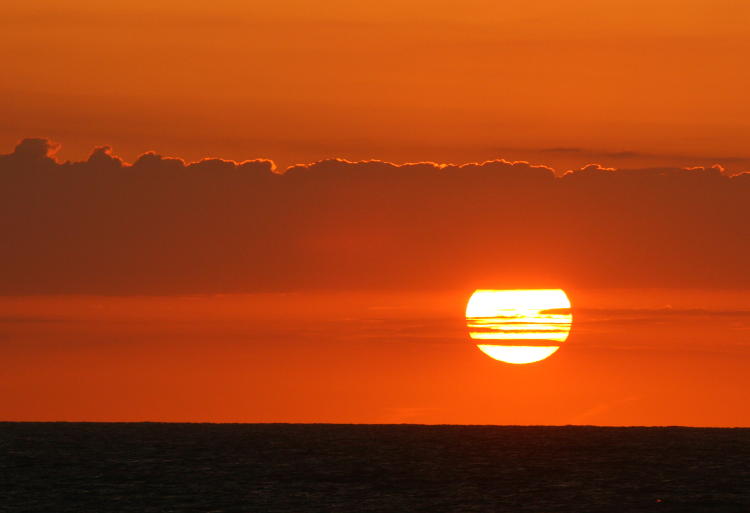
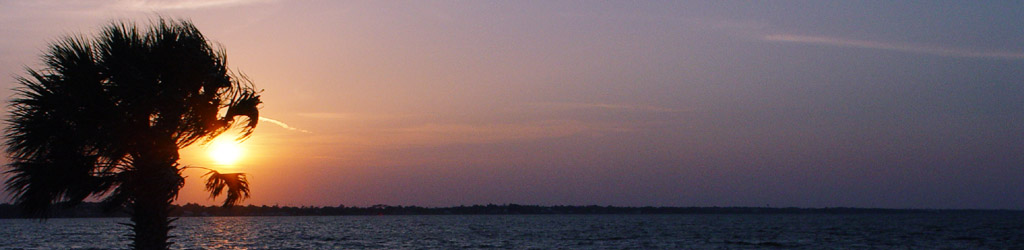
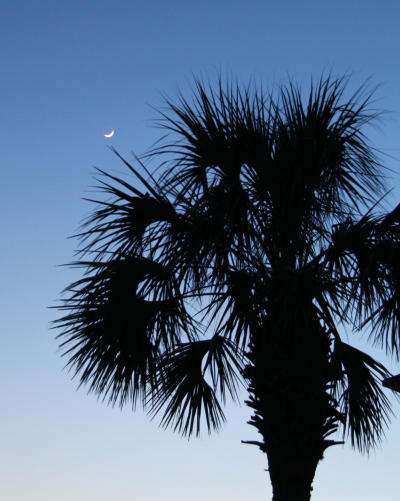 We now resume our adventures in coastal South Carolina, and if you’re at all familiar with the state, you know that it is symbolized, on license plates and numerous other materials, by a crescent moon over a palm tree; naturally enough, presented with the opportunity while there, I had to provide my own rendition.
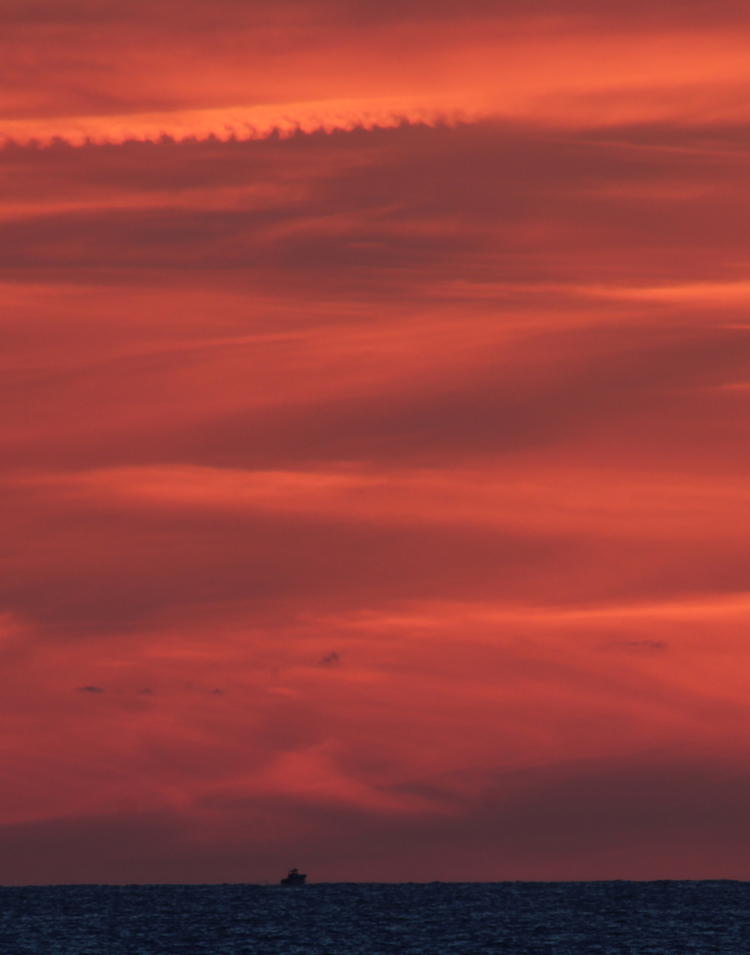
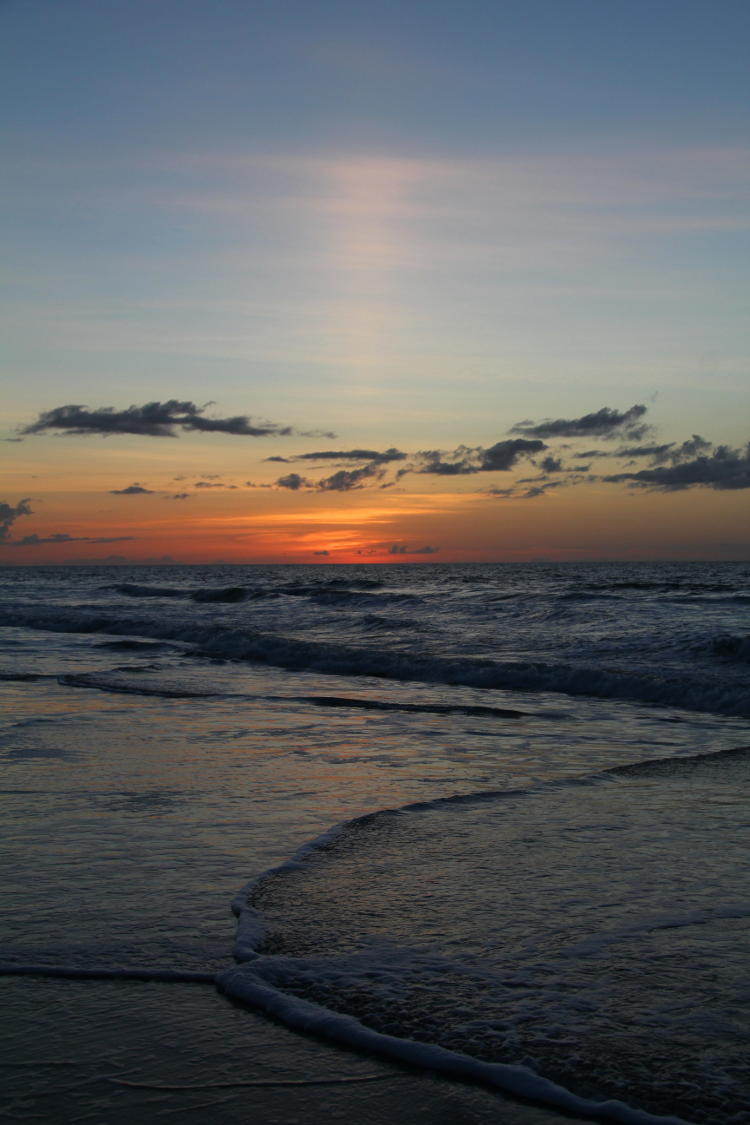
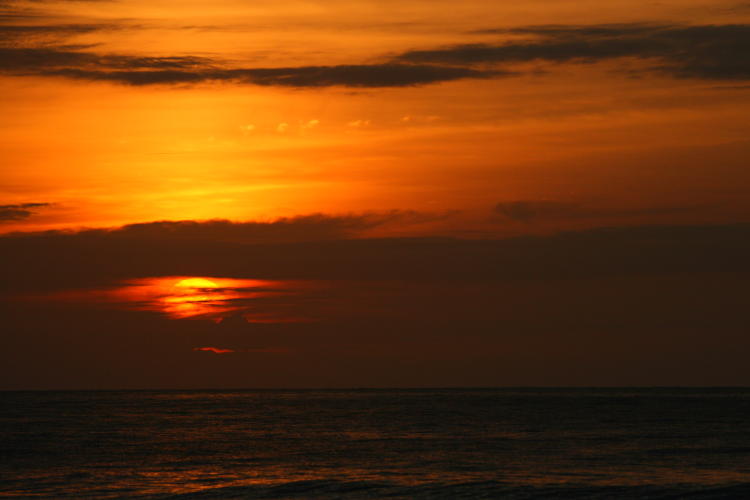
  The weather was notably clear for almost the entire week, which is good and bad; good for the opportunity for the flash, but otherwise it doesn’t produce much in the way of colorful skies and cloud patterns and all that. The first morning out there, I was standing ready with the Canon 100-300 L affixed, and dutifully fired off numerous frames as the sun peeked through. It looked green in the viewfinder, but the resulting photos didn’t support the idea very much, and I am forced to conclude that either my eyes interpreted it as green after seeing nothing but red-orange before, or the lens and exposure rendered it more yellow than it was. Call it a miss.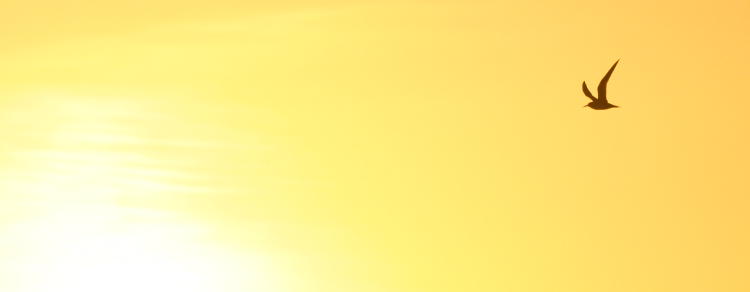
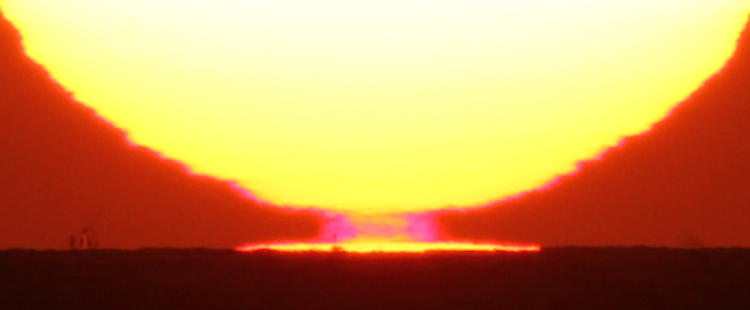
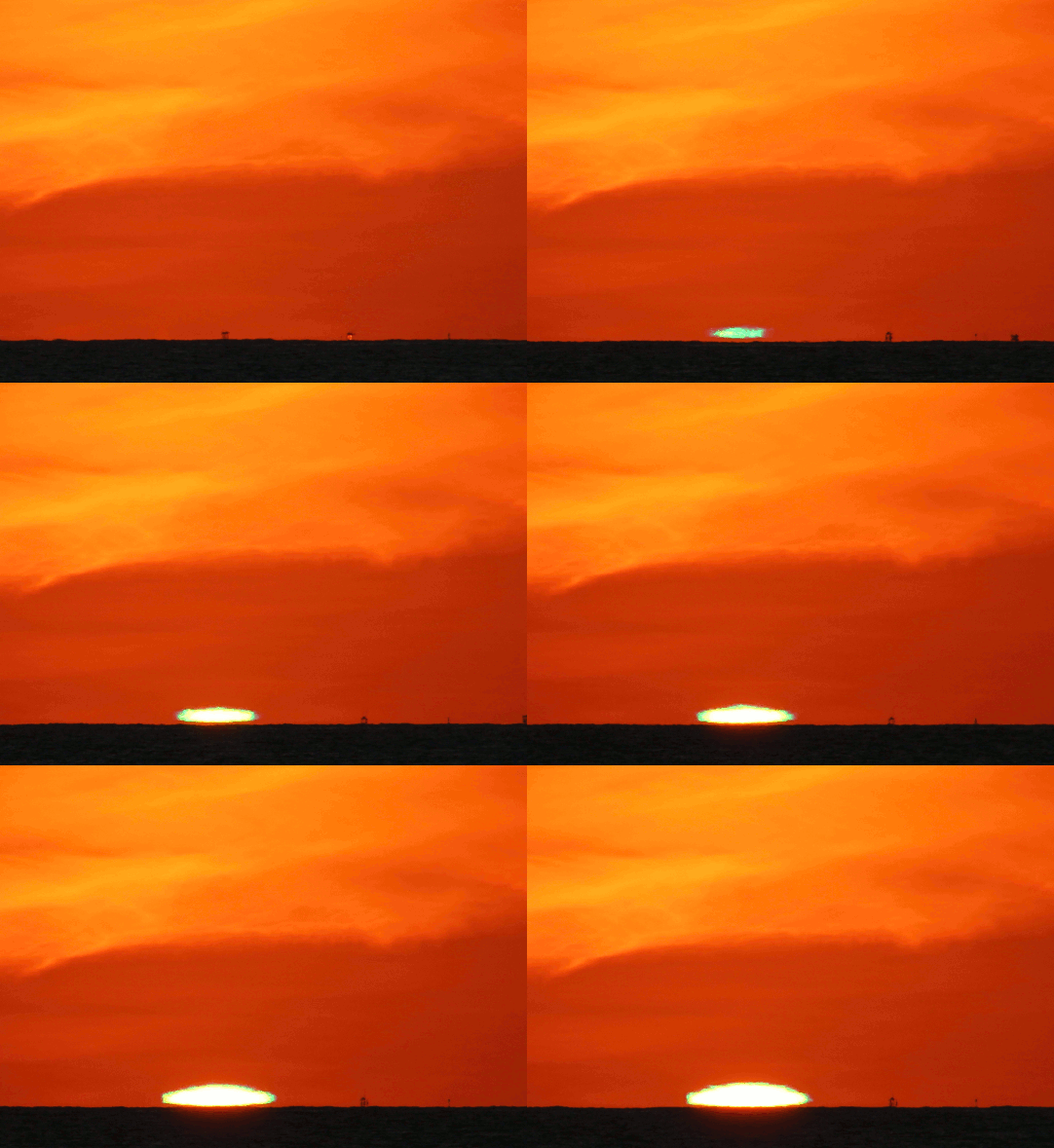 I don’t think anyone can deny it – that’s freaking green. This is significantly magnified of course, and I’m not sure whether or not anyone could have seen this by naked eye.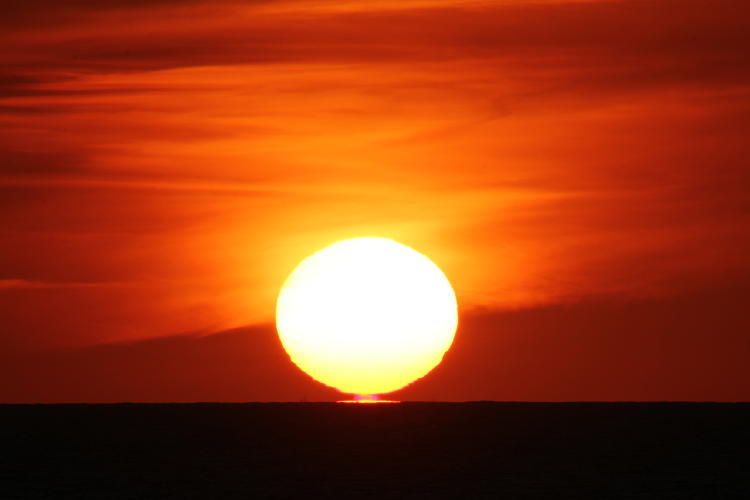









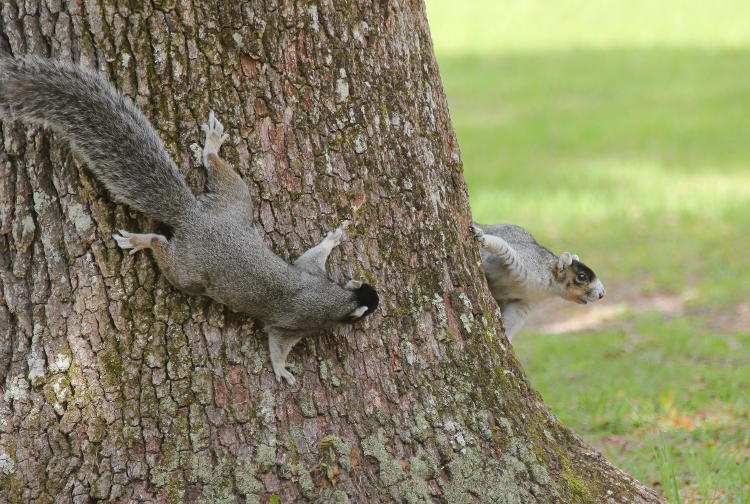
 It turns out that these were actually southern fox squirrels (Sciurus niger niger,) a species that I never knew existed, and there’s a wide variety of coloration, two of which are seen here. They were all over the place in Brookgreen, but I never saw one anywhere else, even in the state park that was adjoining the gardens. I liked their colors, especially the fawn-faced ones, which helped me to overlook that they were squirrels and still, like around here, a bit of a pain. In and of themselves, they don’t bother me, but they tend to overpopulate an area and do too much damage to, for instance, the eaves of the house and any mantis egg cases I’m patiently waiting to see hatch. We got our photos of them, for novelty’s sake, but will probably reclassify them mentally as ‘just another squirrel’ soon enough.




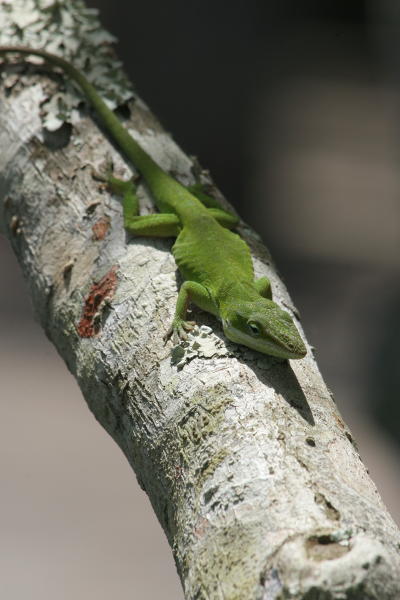 The other played hide-and-seek with me around a tree branch on two occasions spaced a few minutes apart, but this is the frame that won out over all the others. To the left is the entire frame, but below is a detail crop. Virtually all of the time, they appear matte and unreflective, yet the right sun angle will produce a hint of iridescence from the scales. That head is slightly smaller around than my little finger, just so you know.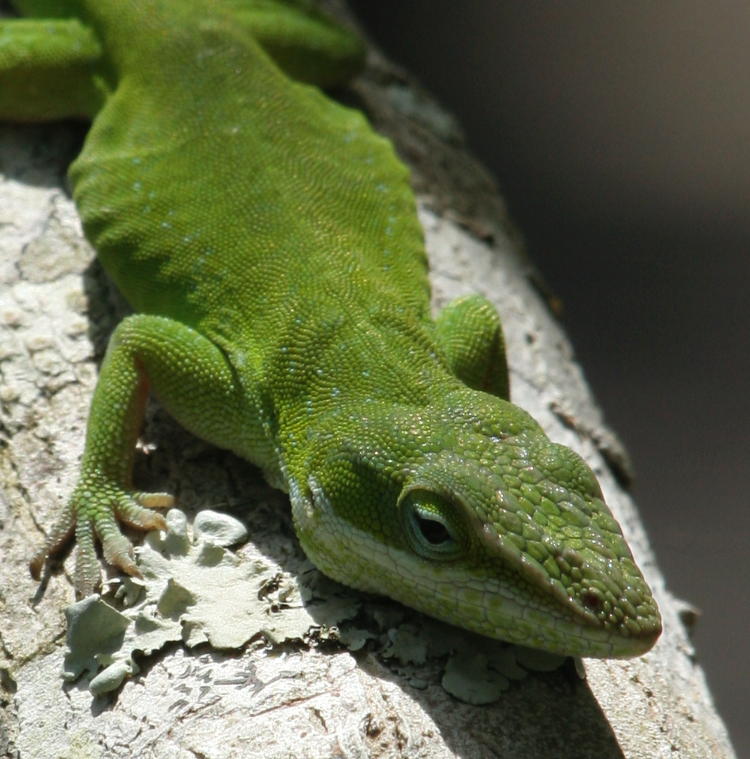



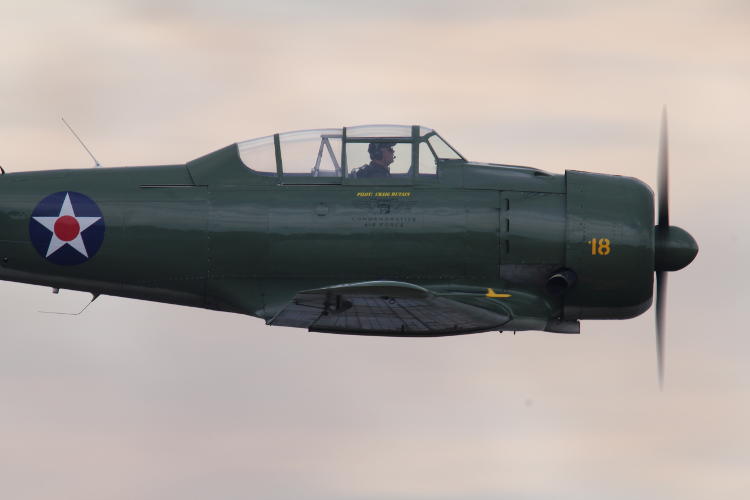

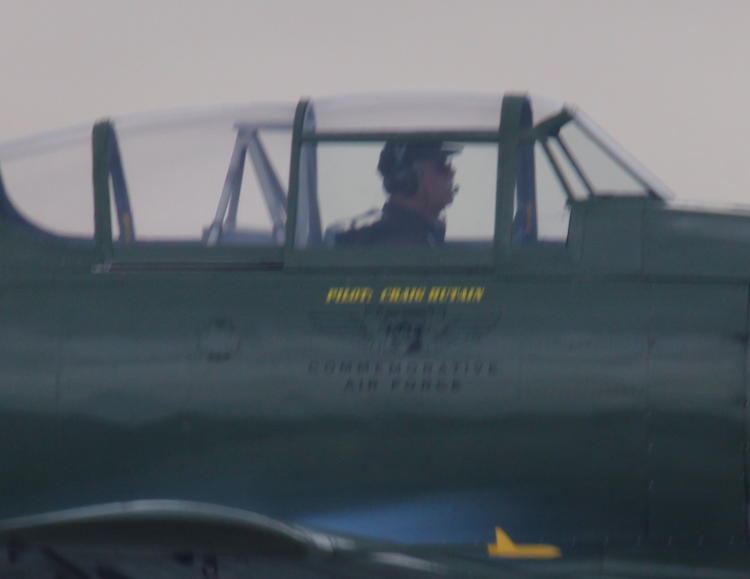


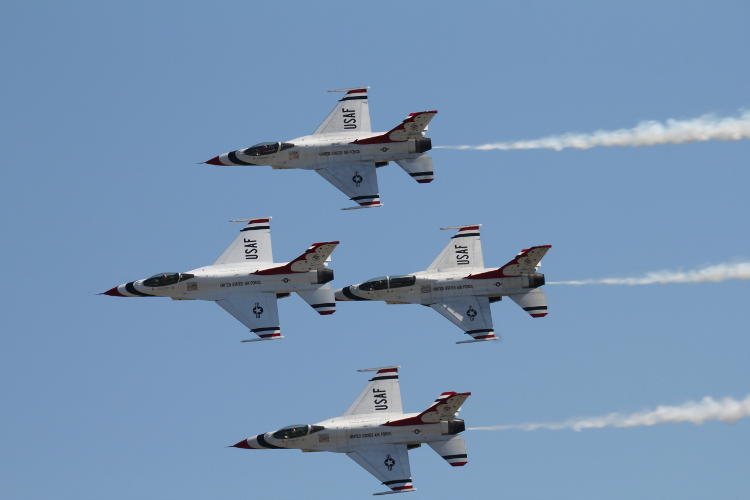
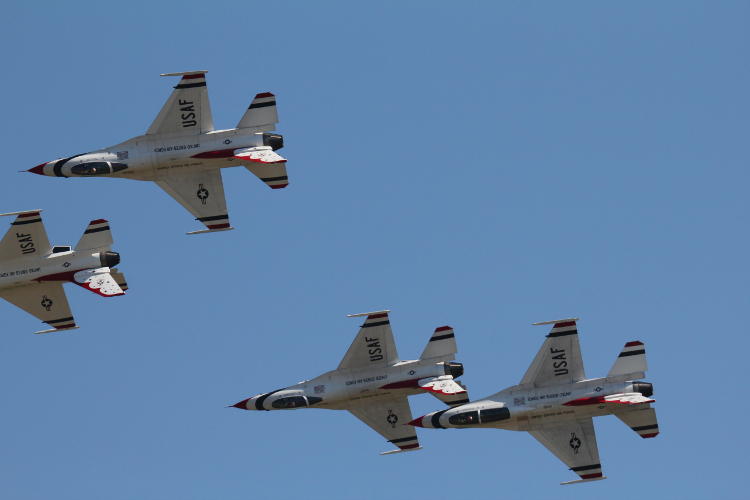

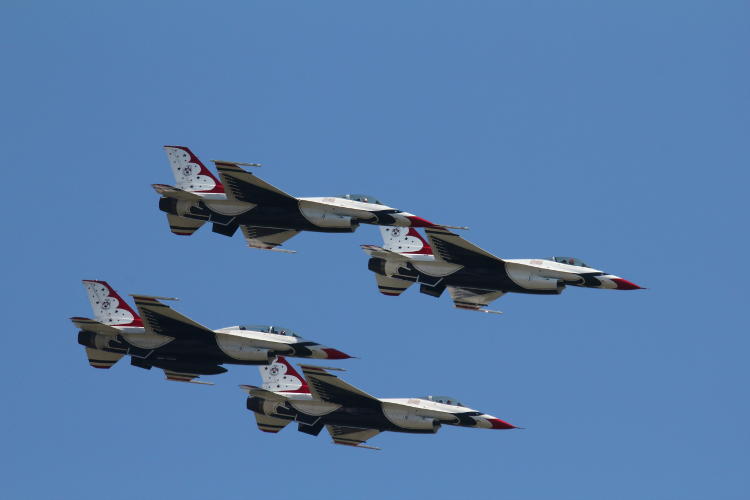
 The lead is top right of the image, and he’s the only one that watches where the flight is going. The others all watch the lead. Image top left is the right wing position, looking forward and left. Image bottom right is the left wing position, looking forward and right, while image bottom left is the tail position, looking at the flight lead above and ahead. There was, in fact, a tragic accident many years ago, during a practice session, where the flight leader suffered a control failure and was unable to pull up from a low-level pass; three other planes in formation followed him into the ground and impacted almost simultaneously.


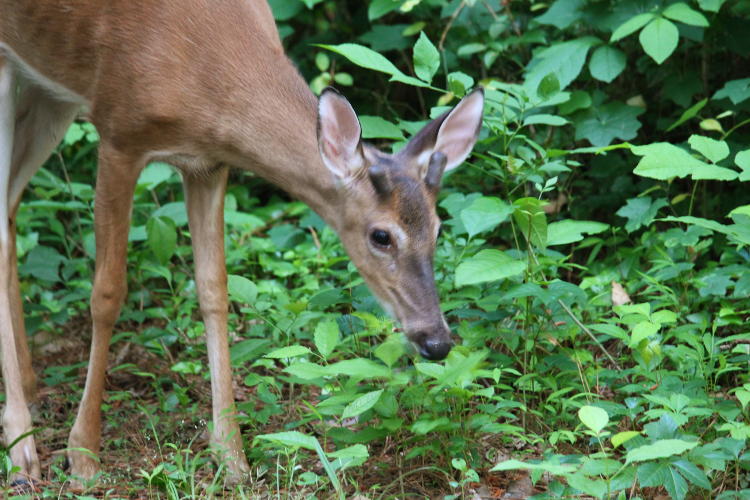

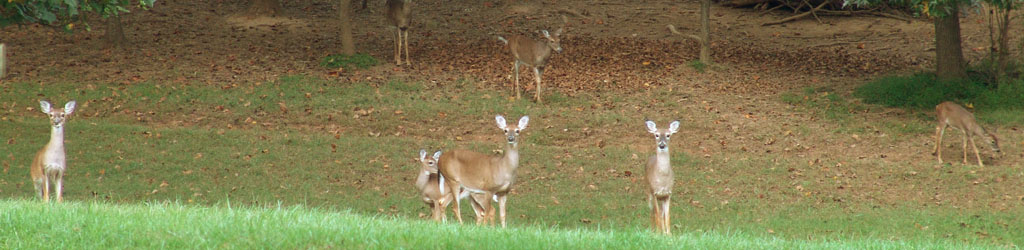
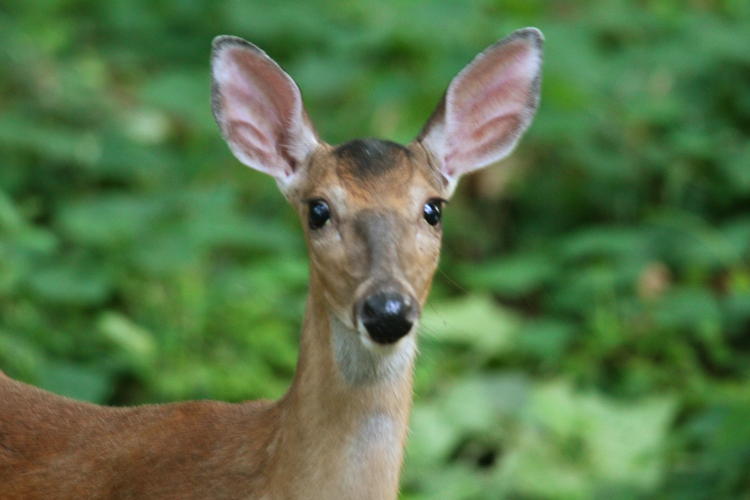 The first image at top was a buck, as can be determined by the stubby little horns – obviously, we’re talking pretty young here, and none of them were fully adult. The Girlfriend’s pet was a doe, seen here looking curiously at the source of the shutter sounds for a moment before resuming its stalking. Eventually, The Girlfriend waved her arms a little to spook off the deer, since it didn’t seem inclined to stop approaching the road despite her presence, and it (with some reluctance) hastened to join its departing siblings. I had thought that was the end of it, and resumed making noise in the back yard, but about 45 minutes later while I was grilling burgers on the deck, I realized that not only had they returned, one of them had entered the backyard and was foraging near the little pond – not quite as close as it had been to The Girlfriend, but then again I wasn’t standing silently by any stretch.