Was that a September, or what?

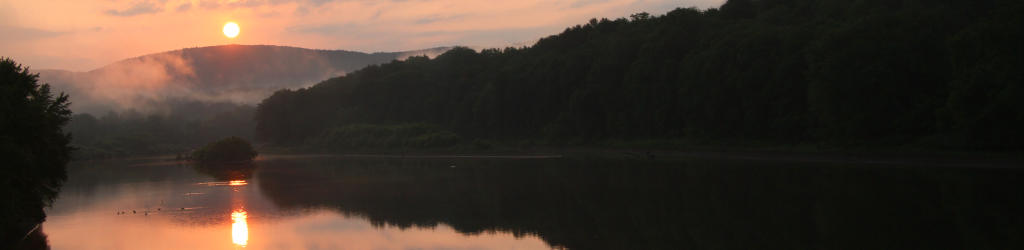
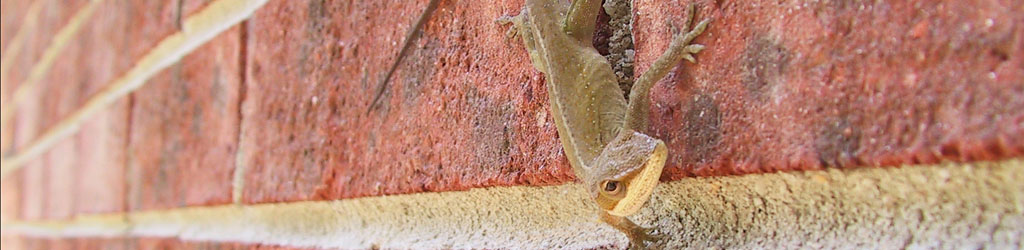
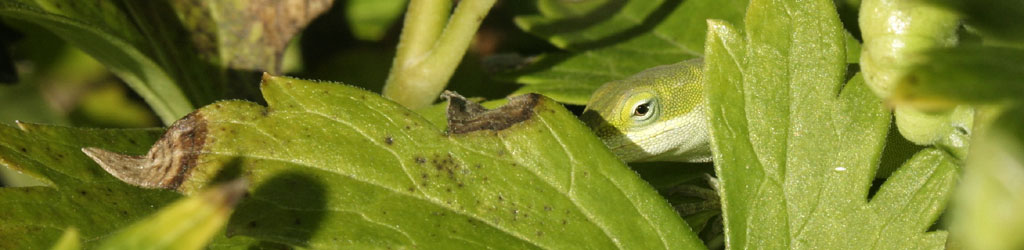
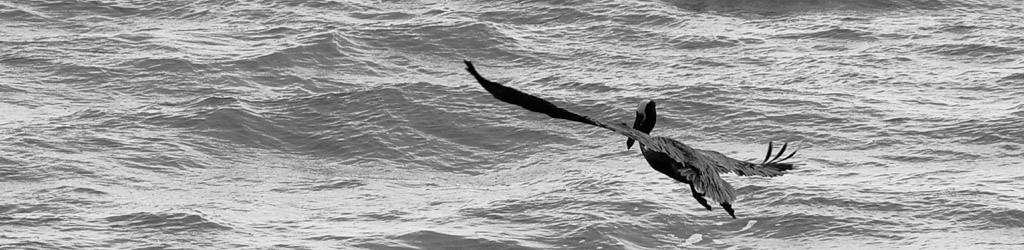
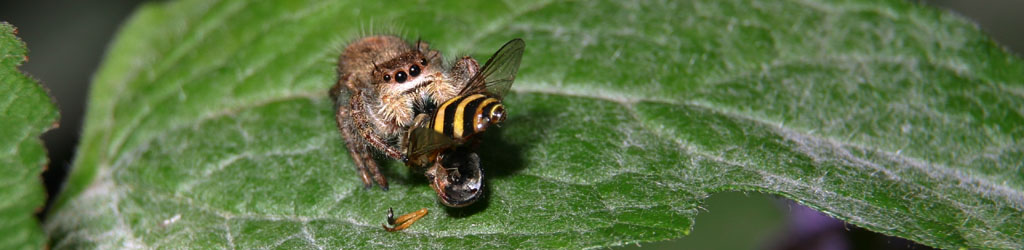
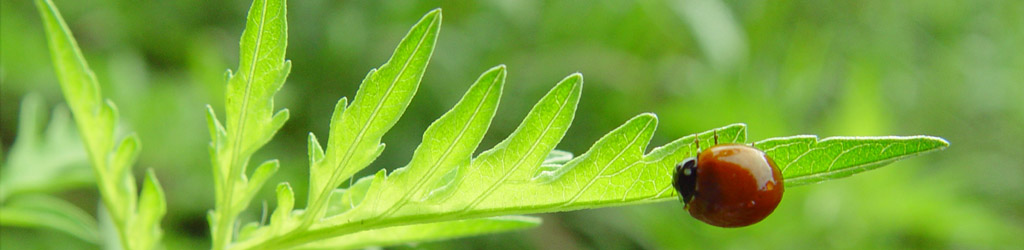
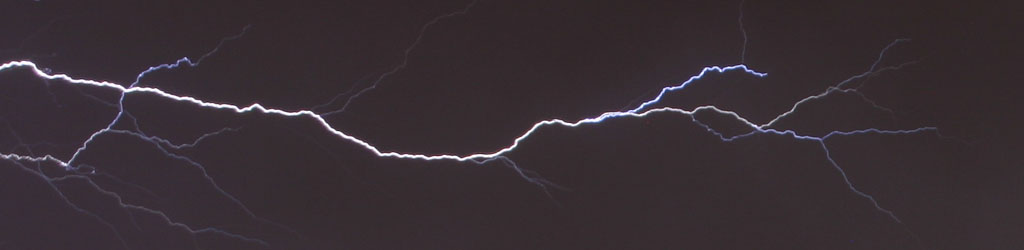
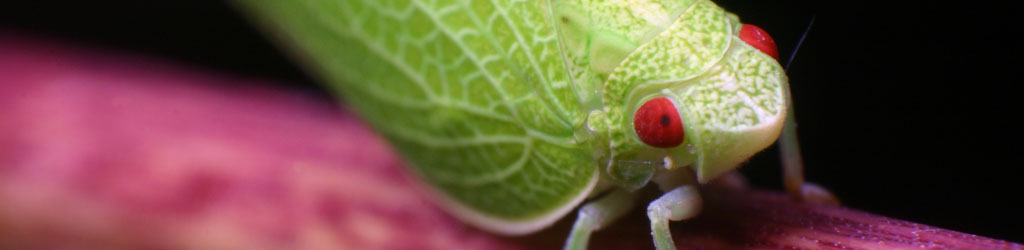
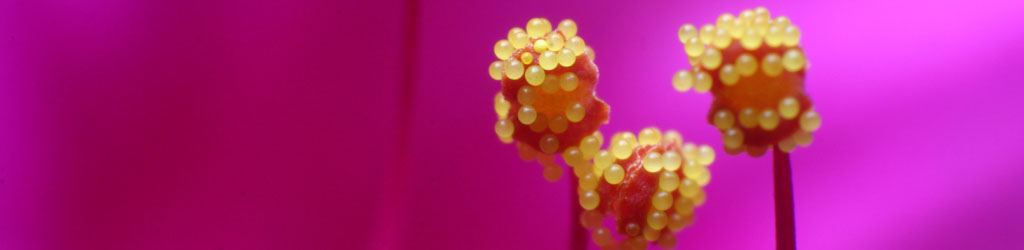
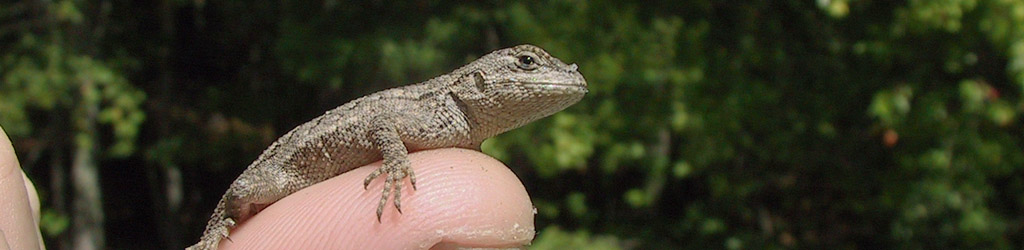
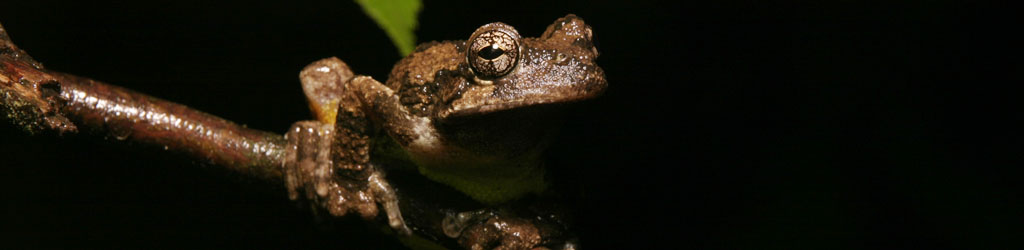
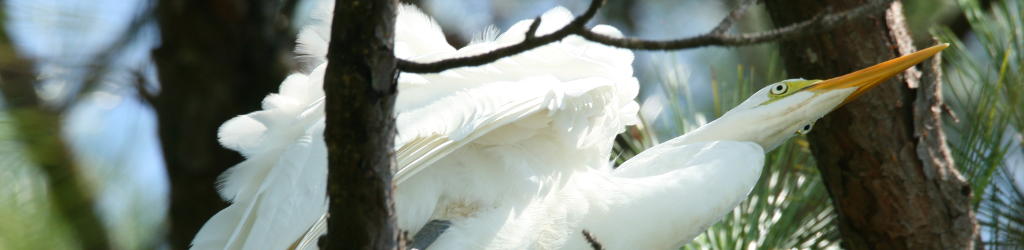
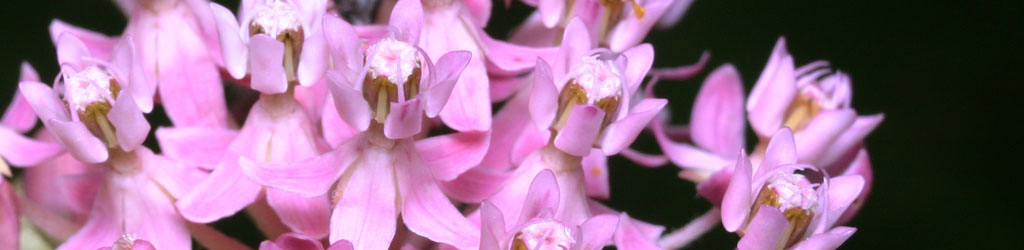
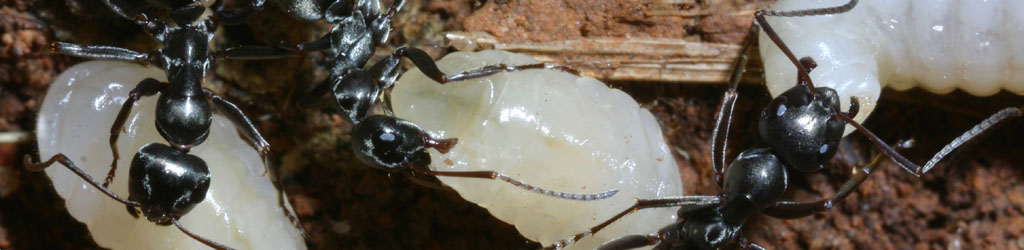
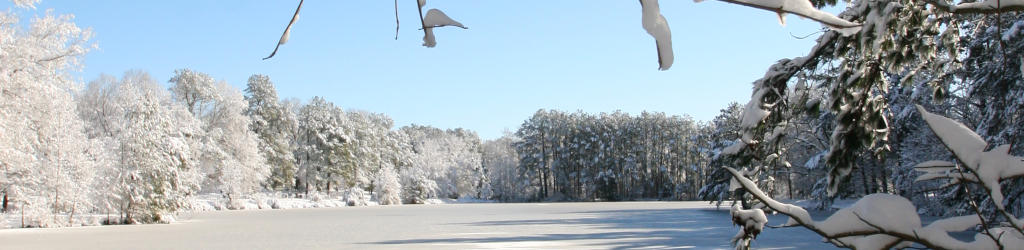
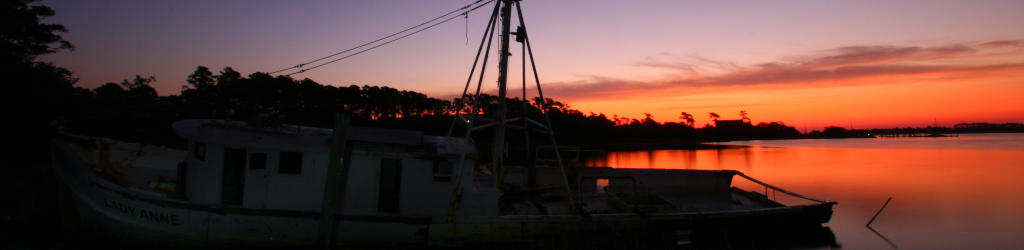
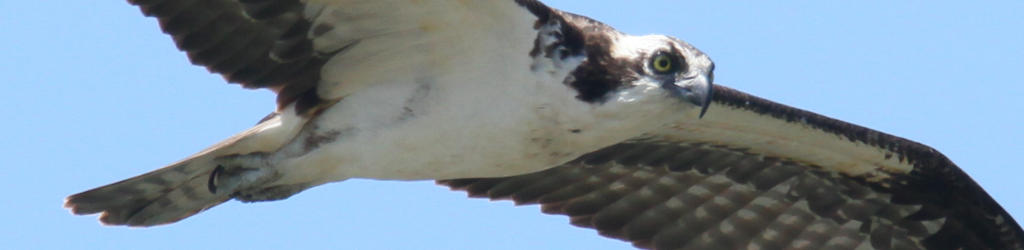
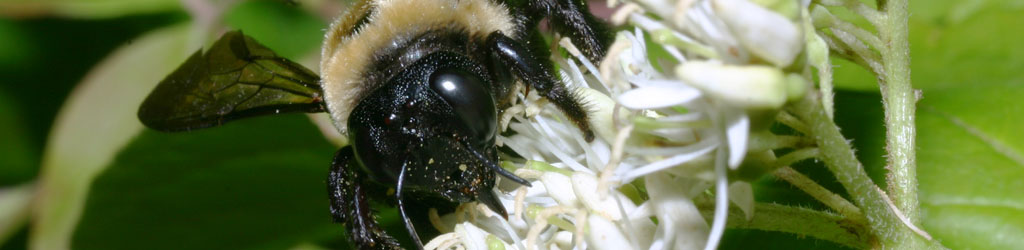
Somehow, these months keep ending, which someone should be looking into – I’m sure this isn’t a good thing. But while it’s happening, we’ll at least keep noting this occurrence (until we don’t, anyway) with the month-end abstract. The first was not actually intended to be an abstract as such, but it worked out quite well as one, plus it looks cool. Or at least I think so, which tells you more than you ever need to know about me.

closeup of feet of Carolina anole Anolis carolinensis sleeping vertically on twig
This was, naturally, while messing about with the new(ish) Sigma 180mm macro, and hopefully I don’t need to tell you what this is; it’s not like I’ve featured much else for the past few weeks. What I do need to tell you is how small this is, the frame spanning about 20-22mm vertically – that’s less than an inch for all the Murrikins that can’t handle metric. Meanwhile, just soak in all that scaly detail.

The second entry is the most recent, taken just before my self-imposed deadline for the abstract posts, which means this is actually posting late (not like anyone is sitting there refreshing the page at 1 AM in anticipation, but if you’re gonna set a schedule, you keep to it, right?)

green treefrog Dryophytes cinereus perched on gazing ball being cheeky
I don’t have to tell anyone what this is, either, and it’s more of a portrait than an abstract, except for the context. I’ve had a crystal ‘gazing ball’ for some time now, intending to use it when the landscapes or macro subjects were right, and decided to do some experiments tonight/this morning. This was an exercise in frustrations all by itself, which I’ll get into later, but while attempting to get a minuscule green treefrog (Dryophytes cinereus) to remain posed within the field of view of the ball, instead the little bugger leapt away everywhere, including onto the ball itself, and then had the nerve to wave at me cheekily while doing so.

That’s what fits the bill for the end of the month, anyway. I’ll be back later on with a few more pics, and to go into greater detail regarding these experiments. Just you wait.

Estate Find XXXIX (is late)

Actually, I was rather committed to not even having an Estate Find this week, both from not finding anything new and from having far too many other things taking up my time, but we’re pulling this one out in the last minute, kinda – it was shot in the early evening as we were rearranging things in the yard.

very young Copes grey treefrog Dryophytes chrysoscelis perched on stem of Brugmansia plant
Okay, sure, it’s simply a Copes grey treefrog (Dryophytes chrysoscelis) perched on the stem of one of the trumpet flowers (Brugmansia.) Big fat hairy deal. Except that it’s not any of those, but quite tiny – it unfortunately moved from its much more photogenic locale, nestled in like a bud at the base of the leaves, while I was getting the camera. However, I had The Girlfriend available to help provide scale:

very young Copes grey treefrog Dryophytes chrysoscelis perched on stem of Brugmansia plant, with fingernail for scale
Her finger is even smaller than mine, and we discussed how to determine that scale, but suffice to say, this is tiny, able to be mistaken for a small leaf or even a blob of mud easily.

Now, the other news, directly related, is that this was shot with a whole new (to me) macro lens, specifically the Sigma 180mm Macro f3.5 APO – a much longer reach, a little brighter view, and Sigma’s Hypersonic Motor focusing. This is a significant step up, operation-wise, from the Mamiya 80mm f4 macro (intended for the M645 line of cameras) that I’d been using before, something that I’d switched to many moons ago when my previous macro lens conked out, and stayed with because it was the sharpest damn lens I’d ever used. That one, however, began to suffer from severe stiffness in the focusing ring, and my attempts to correct this (over many months of messing about) were unsuccessful. All of the examples of the same model that I’d been finding available were either in rough shape with fungus or lens separation internally, or suffered from the same stiffness problem. So this was The Girlfriend’s present to me, and I’m hashing it out.

The biggest difference is, a much, much greater working distance to achieve the same magnification, which is nice. The HSM focusing is slick (the Mamiya was strictly manual since it dated from the 70s,) if a little twitchy, but that has a lot to do with the longer focal length and wider aperture, both of which reduce the depth-of-field when focusing – this means that it’s very easy to sway out of sharpest focus, which the autofocus has to keep up with. Even if I go manual, which will still occur (I just don’t know how often,) I have to work on being absolutely steady or, like always, tripping the shutter just as I drift into the ideal sharpness zone. There will be a learning curve, certainly.

It’s also heavy, twice the length of the Mamiya and a little greater in girth. I mean, who doesn’t want that, but it certainly drags on the arm when out wandering around, and I’ll be designing new grips for it.

The tests have been quite revealing, as well.

closeup of Carolina anole Anolis carolinensis to test Sigma 180 macro
One of the first test images taken, this is full frame, and of one of the little juvenile Carolina anoles (Anolis carolinensis) that have been so handy recently. Now let’s crop in tight:

tight crop of closeup of Carolina anole Anolis carolinensis to test Sigma 180 macro
This is at half-resolution, and you can see that even at f16, the edges of the eye are wandering slightly out of focus, but the detail on the scales atop the head is pretty damn good. Moreover, the color rendition seems somehow much more nuanced, potentially due to the advances in modern lens glass and design – I’m not 100% sure that I’m truly seeing this or if it’s simply an artifact of the camera settings and lighting, so more tests will be in order. You’ll be seeing more as we go along.

I have another example, but it’s not from this lens and so isn’t an example of that, but the new macro softbox instead:

softbox test of Carolina anole Anolis carolinensis and unidentified crab spider sleeping on dead twig
That’s with the exact same settings that I’d been using for years, and it’s actually too bright, meaning the softbox is doing a much better job of transmitting light. Actually, checking the EXIF info, the aperture is 1/3 stop smaller than my routine settings, so it’s even more light than I thought. I’ve been stopping down from the former f16 to f/22 at least, which helps increase depth-of-field.

[There’s a limit to this, however, which is discussed and illustrated towards the bottom of this page. Long story short: stopping down too far starts to soften the image again through diffraction around the edges of the aperture blades, so there’s always a limit, and you should experiment carefully to know how far you can go with your own lens. It’s usually safe to say that using the smallest aperture of the lens will actually work against you, though.]

Anyway, we have an Estate Find after all, and a little news, and more experiments and examples to come. Cool, right?

Not exactly annual

Kinda far from it, actually, but nonetheless, we have the return of Beware of Strangers Baring Gifs Day, with another fine selection of animated foibles, curiosities, and giggles. Once again, these were collected from various places online (mostly theChive.com) that were never the originator in the first place, so I can’t give credit where it is due unless any of the creators contact me. Now that MP4s are largely supplanting gifs (pronounced, “GON-door-kolls-for-æd“,) most of these won’t autoplay, or at least I’m not going to spend the time trying to figure out how to do it. You can handle it, I’m sure.

Instant regret. And a cleaning job.

gif of cat making mistake

This primate (I’m not exactly sure what species) is distinctly unimpressed with your stereotyping.


I would totally do this.


Actually, I would totally fuck this up. I just want to learn to do this…

Spoiling the mood in a hurry.


Nothing to add at all.


This guy’s got it going on.


The perfect setup – this guy will never have a bigger victory.


Rally drivers are a special breed.


When I first saw this, one person quipped, “It must be a school crossing.” Bravo.


I love it when people add their own touches to existing gifs/videos, especially when they’re this well executed.


“Hey, man, you headed south?”


This is how you forfeit your entire flying career.


Heyo! Fuckfuckfuckfuckfuckfuck!”


Just happy to be included.


Beagles, man.


Needed one here.


Mistake


Pull over if you’re getting tired (it can be contagious.)


Ominous (and too damn close.)


What. The. Hell?


The faces.


The face.


Seriously, his expression kills me.

Valuable lesson.


I’m going to use this opportunity to feature my own odd memory. I was probably about 10 years old, and my family was visiting somebody with a horse farm next door. I was warned about the electric fence and respected that, but bored while their conversation went on interminably, I plucked a long blade of grass, bent into an inverted V, and dropped this from a safe distance onto the fencing. Of course nothing happened, and I chided myself for expecting anything else – naturally it wouldn’t be so powerful to do anything like burning through the grass. I went to pluck the blade off, which was enough to ground it. In my spasms as the appreciable current coursed through my body, I saw the grass glow orange where it contacted the fence and burn clean through. Son of a bitch…

So well staged.


Another great combination.


It’s silly and juvenile to assign human expressions to other animals.


So helpful.


Annnddd wait for it…


I think that’ll carry us for at least another year. Cheers!

To make you appreciate what you have

It’s easy to take things for granted, so from time to time, it’s actually good for people to suffer a little just so they understand that their life isn’t normally bad at all, which is what today’s holiday is all about, since this is Now You Know It Could Be Worse Day. And humanitarian that I am, I’m prepared (well, not exactly, since this should have posted hours ago,) to help you fully appreciate what you have, because it’s time to inflict a little pain. Nothing nasty, no no, just a little groan-invoking, that low-grade headache that won’t go away fast enough, and all you have to do it sit back and let it happen. Well, after you hit ‘Play’ anyway…

Now, if that wasn’t enough to make you really happy with your life, I’m also prepared to come back and tell you all the fun that I had making this, because I’m that kind of guy. One way or another, you’ll learn to embrace life without, well, my help.

And not that I’d ever be the target of such inquiries, but this might well be enough to prevent you from asking about someone’s creative processes ever again. Just Mr. Magnanimous, aren’t I?

The previous version, by the way.

The video with the voiceover assistance of the grey treefrogs, which might also serve the same purpose as this one, depending on how you feel about snakes.

Walkabout recommends: The Hudsucker Proxy

Despite being a Coen Brothers film, with writing and direction assistance by Sam Raimi, I’ve found very few people familiar with this one, and it’s a shame because this is a great little story on its own, even if it doesn’t quite measure up to the more popular films that they’ve made. This also came out in 1994, at roughly the same time as Forrest Gump, which naturally eclipsed most other films that year, yet they have some distinct similarities between them and, for my money, this one has a better story and is more charming than Forrest Gump, with better characters and performances by far.

Cover art for 'The Hudsucker Proxy'The Hudsucker Proxy takes place in December 1958 in New York City, and bears the style and feel of the “rags to riches” films of that time period. Even better, it replicates many of the classic characters of the era, with no bad performances from anyone; Jennifer Jason Leigh as the fast-talking, streetwise journalist Amy Archer is simply fantastic, and listening to her rip off her dialogue (damn near monologues, most of the time) is delightful. Tim Robbins plays the lead as Norville Barnes, a naïve Muncieite newly arrived in the city and hoping that his new idea (“You know… for kids”) will propel him to success. Robbins has the face and voice for parts like this, but makes his transition to self-confident executive without quite leaving behind the naïvete, and he handles this adeptly. Paul Newman serves as the cynical and conniving Sidney J. Mussberger, the newly-appointed head of Hudsucker Industries who has to find a way for the board of directors to maintain controlling shares, and selects Barnes to fulfill this plot.

Story-wise, the film is decent, though variations of such plotlines abound. It becomes quite surreal at times, and it’s easy to forget that the film opened with a narration, and by the end we’re reminded that this is being recounted by a character within, so the more unlikely aspects are perhaps a factor of overzealous storytelling. Visually however, the Coen Brothers have recreated the era supremely well, with a nod towards exaggeration to enhance the aspects, from the Brazil-like mailroom to the towering wall of filing drawers in the executive antechambers. Mussberger’s massive and empty office speaks of excess without purpose, or even comfort, while the newsroom where Archer works is the classic beehive of typewriters and cigar smoke. There’s even the spinning overlaid text gimmick to illustrate Barnes’ overwhelming disillusion while seeking employment, but the montage of the manufacturing process is so period-perfect, visually and musically, that it’s almost startling. Cinephiles (of which I am not) are likely to see homages to other films and directors within – some of them seem to jump out at times.

There are also little hints of the hands of Fate, evinced by the windblown newspaper page that dances down the sidewalk to embrace Barnes’ legs – masterfully staged, that – and the ‘dingus’ that rolls away to fall at the feet of a particular little boy (one that possesses a hell of a lot more talent than I myself had at that age, since I could never get them to work at all.)

The music cannot be ignored, since it is perfectly matched to the era as well as the plot and visuals – one could listen to the soundtrack (or simply the end credits pieces) and know, within a decade, what period the film is placed within. Moreover, some of the themes toy with us, suggesting certain songs while still being original works for the movie, so full credit to composer Carter Burwell.

Both The Hudsucker Proxy and Forrest Gump have their oblivious main characters successfully wending their way among those more savvy, though Barnes is simply naïve and not mentally challenged, and both have the characters responsible for real-world accomplishments, in Hudsucker to a lesser (and more believable) extent. The humor here is more apparent though, not wry tongue-in-cheek commentary but a lovely satire of both the 1950s and the films therein, as befits the Coen Brothers. It’s immersive while at the same time a send-up, and vaguely reminiscent of certain Looney Tunes cartoons from the same era.

Where the movie shines the brightest is the dialogue, however, and it’s handled better than anything that Tarantino has produced. Quite a few interchanges are relentless, never mugging for the humor but snapping in the next gag without respite, and the best among them is Leigh, effortlessly spouting three times the verbiage of an ordinary conversation as her no-nonsense journalist, while still masking a level of insecurity, her voice at times reminiscent of Judy Garland. Watching Robbin’s character cut through this façade, wholly unintentionally, is certainly fun. The best achievement, though, comes from their first meeting at a lunch counter, entirely and dramatically narrated by two cynical cab drivers observing from across the diner. This simple variation is far more effective than filming the interaction ‘straight’ and highlights the absurd nature of Archer’s machinations recounted through the patois of the boroughs.

The casting is also flawless, right down to the two-second character appearances, but without subtleties, dancing on the line between character and caricature (also a Coen Brothers trademark); within a line or two, you know all you need to know about just about everyone in the film. Is this heavy-handed, or an aspect of the story being recounted from memory? I’m not sure it matters at all, since we’re not here to solve a mystery or fathom some deeper insights, we’re just along for the ride – the film is about entertainment, not introspection. And this is where it departs radically from Forrest Gump, because we’re not going to contemplate Barnes’ life or how major events surrounded him, we’re just going to see where his glass ceiling lies.

Will the city mold or break Barnes? Will Archer gain what she needs with her big story? Will Mussberger thank his tailor? It’s worth the 111 minutes of your time, not necessarily to find out, but just to see it play through.

Topic swap

There’s little doubt that I go through long periods where I’m photographing the same kinds of subjects – usually not intentionally, except insofar that I’m not making a specific effort to get more variety in. It’s been bugs, and frogs, and birds, and even aquatic macro at times; just recently it’s been the lizards and occasional other denizens of the property after nightfall, and this was partially because that was when I had the time and inclination to chase some pics. So today, when a red-shouldered hawk (Buteo lineatus) landed on a nearby dead branch and was calling enthusiastically, I took advantage of it. Full credit to the bird for staying put long enough for me to get the camera and long lens.

likely female red-shouldered hawk Buteo lineatus preening while perched on dead branch
Last winter we had a pair visiting regularly, at least one of which was routinely hunting right in the front yard, and they even began a nest in a tree in the back yard. But then shortly before laying season they abandoned it, and appeared to have picked a spot a few hundred meters further south out of sight to nest. All summer, it’s been largely quiet with only occasional visits, but now they appear to be starting up again. This one took a short break from its calling to try to clean out some old feathers, none too efficiently.

likely female red-shouldered hawk Buteo lineatus calling from perch on dead branch
The angle that I had was too close to directly into the light – this is over-exposed a full 2 stops over what the camera was metering for, which was the sky itself, the hawk being too small in the frame to affect exposure sufficiently (these are also cropped, of course.) You can see the stray feather still sitting there against the wing. These images also told me (again, not that I needed any reminder) not to base exposure compensation on what the LCD showed in the preview, because they looked too dark there, but I knew more than 2 stops would be excessive.

I was hearing another red-shoulder in the distance, which is not unusual since they routinely mark territory, but after a few minutes it started coming within a hundred meters. Rather than taking flight to challenge an interloper, this one remained in place but continued calling, the calls getting softer and more half-hearted, almost muttering, when the other drew close. As suspected, that one was the Significant Other, and soon came in for a landing.

likely male red-shouldered hawk Buteo lineatus coming in to land next to female on dead branch
Telephoto compression makes them look about ready to collide here, but there’s still a decent separation between them. I’m kind of lucky autofocus tracked as well as it did, because I shifted over to catch the new one approaching but didn’t frame well enough until he was quite close to the original – my view was largely blocked by trees in that direction.

likely male red-shouldered hawk Buteo lineatus taking perch on dead branch above female
And touchdown – yes, the first hawk probably really is ducking just to avoid getting slapped with wings or tail.

likely male red-shouldered hawk Buteo lineatus still calling as it gets settled above female on dead branch
Next frame in the sequence as I held the shutter down – you can see the new one is already sounding off again, even though the reunion meant that they both got a lot quieter and stuck to minor vocalizations from this point on.

pair of red-shouldered hawks Buteo lineatus perched together and surveying surroundings
I did get a nice portrait of the two of them, and this image shows the size difference well enough; it’s likely the female down below, the first one spotted, since they’re typically a little larger than the males for most raptors.

Now, is this the same pair that we observed through the winter? Can’t say for sure. Even if it is, I’m not even sure that they raised any young, but given their penchant for remaining a little further south until now, when the young should be off on their own and even chased away from the territory, there’s the tiniest indication, but that’s all; we never saw any sign of child-rearing or obvious juveniles.

Since they were staying put, and because we’ve had a history of the winter pair not being too disturbed by people nearby, I started moving across the yard to see if I could get a view from the sunny side. This required getting a bit closer, and before I managed to bring the branch back into view past the intervening trees, they took flight again – this could have been my doing, or it might simply have been when they decided to stop sitting around. They circled out over the pond a couple of times and gradually moved further off, and while I fired off several frames as they circled, autofocus wasn’t locking on very well, so this is the only truly sharp frame that I got:

red-shouldered hawk Buteo lineatus sounding off again as it circles in flight
Yep – sounding off again; red-shouldered hawks can be damn noisy raptors.

So, we’ll see what happens from here. While we were sorry to see the nest get abandoned in the early spring, soon afterword the wood ducks started descending on the yard in large numbers, which was a more than decent tradeoff. Back in May, one red-shoulder returned to the yard for a few days, apparently hunting the wood ducks, and actually killed one not too long after we knew it was hunting here.

red-shouldered hawk Buteo lineatus on ground after killing female wood duck
You can’t see its prey here, but we confirmed it was a female wood duck after I spooked it off – it later returned to take the carcass away. Naturally, this did not go over well with The Girlfriend, who took to clapping together a couple of wood blocks every time she heard a hawk nearby, a sound loud and sharp enough to keep them from the immediate area. The wood ducks, for their part, got a lot more wary, and we started putting corn down only at the very edge of the yard near the water, reasoning that the ducks could get over water much quicker and the hawk was less likely to try and snag one there, being unable to ground their capture (wood ducks are too large for a red-shouldered hawk to easily kill and carry off while in flight.) There were no other losses to our knowledge, but now we’ll have to see what happens.

[So okay, balance of nature and this is how things go, even hawks have to eat, but we were also creating a feeding station in the yard, so we were implicit in making the ducks more of a target. And yes, we like the ducks better – sorry, professional detachment doesn’t go that far. Sue us.]

Estate Find XXXVIII (XXXIIX)

Again, a slow week, so we have an intruder right into Walkabout Studios/Deep 13, which happens far too often, really. Some of them seem to sneak past the weather-stripping, and some are waiting just outside the door at night for me to open it, though why this seems such a magical place to them, I can’t say. They’re always captured and returned outside, but occasionally they are forced to do a photo session first, and this one was peculiar enough to merit that treatment.

species of false bombardier beetle Galerita
Despite never having seen the like before, I thought it looked a bit familiar, but I was also handling it with care since those are keepaway colors. The head, especially, stirred some distant memories, but it was of a species that I hadn’t identified then, either.

closeup of head of false bombardier beetle Galerita
The overall length was… well, the main part of the body was about 25mm, but it had two long whiplike appendages on the hind end that extended this for another 8-10mm.

I did an image search thing, then double-checked through BugGuide.net, and it appears this is one species of false bombardier beetle (Genus Galerita.) I’m familiar to a degree with bombardier beetles, despite never having seen one in person, since they’re an interesting species that I would love to capture someday – but very carefully, since their defense mechanism is quite exuberant and effective. This, however, did not seem right at all, save for the color pattern – the head is not a match, though it appears other species in the same Genus have closer matches.

What it most appeared like, the thing that sparked the memory, was this, from seven years ago:

unidentified aquatic larva
As you may notice, though, this is aquatic, and there’s no mention that the larval stages of Galerita spend any time in the water. But the shape of the head, the segmented body, and the pairs of legs confined to different segments is otherwise quite a close match. I’m no closer to identifying this one now than I was then, but they certainly seem related, if distantly. The heads are close, but have distinctive differences:

unidentified larva portrait
Most especially, my recent capture has a schnozz that this one lacks, but even the cluster of just a handful of ommatidia (eyes) is almost identical. Some centipedes have similar heads, but not as close as these two.

But really, that’s it this week. Almost had a meadow vole for you, but it was too quick to get under cover, and everything else you’ve seen before. I’ve been more buried in projects – need to go explore more.

An illustration

While the property has been overrun with bebby anoles, it’s also seeing more than its fair share (whatever that may be) of bebby frogs as well. This is a scale photo of one from the other night:

juvenile green treefrog Dryophytes cinereus perched on author's thumb
That is my left thumb. The sickly pink one, I mean, not the green one, and just now I realized I should have named the image, “greenthumb.jpg.” Too late now stupid.

Look at your thumb just to get an idea of scale. Not that this really helps, since this is not your thumb, which I would have used if you’d been here that night like you were supposed to be, but noooo. Anyway, if you’re some kind of construction worker, or a weightlifter, or Richard Kiel, my thumb is smaller than yours. On the other hand it’s slightly bigger, if you’re a child that’s not actually huge for their age, or some K-Pop star, or the worst POTUS ever, my thumb is bigger than yours. But if you’re a late middle-aged nature photographer that’s hopelessly mired in eighties music and has no one coming to their website, it’s probably a perfect match.

Not helping? Okay, let’s see, my thumb pad covers exactly four lines of text on the blog vertically, which probably only helps if you have your monitor resolution set the same as mine and mine is a custom setting due to how far I sit back from the screen. So, uhhh, my thumb gets snagged in three out of four scissors handles on the market – no, wait, that’s the right hand, never mind. If I hold it out at arm’s length, it’s the same width as the spine to The Sibley Guide To Birds, provided I lean back in my chair. It is smaller than a cartoon character’s thumb when they hit it with a hammer, though close to the lower end of the throb.

Ummm, its upward swipe motion is insufficient to unlock my smutphone one-handed, necessitating that I drop whatever I’m doing with the right hand. But if I make the ‘OK’ circle with it and my forefinger, the hole is way bigger than a quarter. People don’t seem to be able to see it when I’m trying to hitch a ride, though. It fits firmly up my ass when I should be cataloging photos or working on the car. Come to think of it (leave it alone,) not the best method either, since now you’re inclined to jam your own thumb up my ass to compare the fit.

Anyway, that should give you an idea, and from there, you can determine how small the frog is. Easy peasy.

Ahhh, that’s better!

Did the rounds tonight, counting how many juvenile Carolina anoles (Anolis carolinensis) I could find, and actually reached fifty this time, in fact, fifty-one. That one is shown below, doing its best to avoid being counted:

fifty-first juvenile Carolina anole Anolis carolinensis spotted for the evening, sandwiched between two camellia Theaceae leaves
While certainly not an overriding, driving desire, I felt compelled not only to break the previous record, but to reach the nice round number of fifty – and then started to (once again) ponder why. I haven’t done a semi-philosophical post in a while and I’m overdue, so strap in. And of course recognize that I haven’t the faintest education in any of this, so take it as it should be taken.

First off, I suspect there are a couple of motivations taking place in here. I’m convinced that we, humans, have a ‘puzzle drive,’ a desire to figure out why things are the way they are, to solve the puzzles, to reach a solution, and this is not only an integral part of how we became ‘intelligent,’ it even manifests itself in trivial manners because it’s so strong; this is why we play games and set nonsense challenges for ourselves and so on. It’s not hard to see where such a trait could spur us forward in our knowledge, and also easy to see that no other species seems to possess it anywhere near the extent that we do. But regardless of whether this exists or not, we do set arbitrary goals for ourselves, and my desire to reach 50 is an obvious aspect of this.

Then we ask, Why 50? Why not 47, or 53? Well, we can say, “round number,” and have done with it, but why do we even have the concept of a round number? So okay, we probably have the reliance on a base-10 numbering system because we have ten fingers, though ancient Roman cultures (I believe it was) had 6 and 12 as more ideal, ’round’ numbers, which is why we have 360 degrees in a circle and the timekeeping method that we do, so culture plays a part at least. And we appear to have an inherent grasp of multiples; 50 is “a hand of two-hands,” or five times ten, so it’s ‘complete’ to a certain degree. And yes, should I have been even approaching a count of one-hundred, you know damn well I would have been pushing hard to make that goal – I was already checking some esoteric regions of the yard for more hidden anoles, so I probably would have been circling every potential plant that I could find and wandering down into the swampy areas if I was nearing a hundred (not that this would have been likely to help much, since anoles aren’t really swamp-dwellers.)

Moreover, I can admit that once I reached fifty, there was a mental aspect of, Made it – everything after this is just gravy. Even though fifty-one is obviously better – but it wasn’t as neat as fifty. There’s definitely an aspect of round numbers and more pleasing goals that overrides the mere, “But this is a higher number,” aspect of our brains (I don’t think I’m alone in this, anyway.)

I can throw out things like ‘even’ (divisible by two,) and ‘multiples’ (divisible by other numbers, four or five or ten,) but all I’d be doing is referring back to some inherent desire to meet these, not explaining why there’s such a desire. And I’m not going to accomplish it now either, though I suspect there’s a certain mathematical portion of our brains, one that recognizes numbers and assigns more or less importance to them; there’s likely a connection between odd meaning “not divisible by two,” and odd meaning, “peculiar.” [Yes, I know any number is divisible by two, but then we get into ‘whole’ numbers and the meaning of that, and start contemplating cutting anoles in half…]

We can go more fundamental and simply examine counting, and knowledge of numbers larger than a handful (no pun intended but that word probably originated in that manner anyway.) I was pondering this as I was watching the wood duck broods on the pond; one had an initial brood of 12, that dropped to 11 and then I believe to 10, before we lost track of them as the young got older and more independent. Except studies by biologists and other sciencey people indicate that ducks cannot actually count that high, so was the mother even aware that her ducklings were reducing in number? This is assuming of course that she wasn’t telling them apart in different manners, by appearance or sound or whatever; she could easily know who was in her brood without being able to assign a number to them. Even so, plenty of animals might have useful reasons to count above three or four (the semi-universal numbers reached by most animals that can count at all,) and yet, can’t. Meanwhile, humans can count far better (so we believe) than anything else. Why is that? It’s not like our broods ever exceed three, and what else did we need to count, back during our development as bipedal, tribal, hunter-gatherers?

The first thing that comes to my mind is, counting and agriculture are pretty intertwined – I’m not sure you can have one without the other, to know when to plant and how long to wait and how long before you will have the season to plant again. There’s a little bit of a ‘chicken or egg?’ thing going on here, wondering which came first or if they necessarily had to develop at nearly the same time. There are also strong indications that numbers were the precursors to writing, simply to keep track of important figures, and there are efforts to determine how to use numbers to establish communication with intelligent extra-terrestrials, if and when we encounter them, because we can establish numbers through universal constants like atomic weights/abundances. It’s just going from there that becomes a bit tricky (understatement of the year.)

We can wonder about the ability to count to high numbers, and how it might have come about, what portions of the brain had to develop in what ways. There are numerous instances of people who lack certain fundamental emotions, or even the ability to feel pain, but before I’d started this post, I’d never heard of any instances where someone couldn’t actually count, or could only manage the smaller increments of many of the other animals. It would truly suck to have such a handicap, but maybe this is only a matter of perspective, since apparently there is at least one South American tribe that not only has no concept of any distinctions beyond one and two, they may be unable to develop it as well; this might be something that has to be instilled at a very young age, and we only think in multiples (‘a hand of two-hands,’ as mentioned above) simply because that’s how we’ve been taught to conceive of numbers. If you think about it, we can look at a small group of objects and say, “There are five treefrogs on the window,” but it doesn’t take many more than that before we can’t say without counting them, or at least having them in an order that makes multiples apparent, neat rows or whatever. So maybe we can only count in numbers of numbers? Meanwhile, the tribe is functioning just fine without higher numbers, except in encounters with other tribes that can use them, it seems.

I am also reminded of a simple experiment that Richard Feynman pursued, as he so often did. He was practicing timing himself accurately by counting in his head, and found that he could do it while reading, but not while conversing. Meanwhile, his friend had no difficulty with counting silently while conversing, but not while reading. Eventually, they determined that Feynman counted internally by hearing the sounds of the numbers as if reading them aloud, while his friend saw them as if watching a digital display. So how inherent is this, or is it entirely dependent on how and when we’re taught?

There’s also the idea of favorite numbers, which are not hard to explain: they usually have some significance in their connection to our lives or memories, like birthdays. But then, there have been large scale tests that show that some numbers are far more favored than others, though I don’t know if they’ve done these tests among different cultures or not. And curiously, while I have a faint preference for the day of the month of my birthday, the month itself is not favored in the same way, and I couldn’t begin to tell you why. Maybe my parents lied to me all those years ago…

But yeah, food for thought, to disguise the fact that I’m still posting about anoles, for fuck’s sake…

Odd memories, part 29

This one isn’t so much odd as appropriate, sparked by finding a comic gallery on Bored Panda the other day. On occasion, they feature a collection of webcomics from a single artist, and this time around it was Rosemary Mosco. I recognized the style quickly, because I’d been going to her site Bird and Moon for a while now – she’s a naturalist and educator and her comics present both useful information and wry humor. The one that sparked this post, however, was this one (used with permission) which I hadn’t seen before:

Bird and Moon GBHE comic by Rosemary Mosco
© Rosemary Mosco

It’s all relative, isn’t it? For instance, herons wouldn’t give the faintest shit about diamond rings (and neither should we, really,) but crows might like them. Some species of penguins also like rocks, but probably not diamonds – they’re impressed with the most round and perfect pebbles presented by suitors.

Now comes the odd memory part. Many years back I was firing off dozens of frames of the activities at Venice Audubon Society Rookery in Venice, Florida, one of the best birding spots in the world – this is not simply my opinion, since I haven’t been to enough to judge, but a broad consensus. Plainly visible in one tree was a great blue heron nest, a completed one since the female appeared to be actively sitting on eggs. Across the pond comes another heron, clasping in his beak a fairly large branch, and he alighted on the nest proudly with this new offering, even though the nest seemed perfectly complete and already in use. He proudly (so I’m assuming) attempted to place this in an ideal position in the nest walls, to be countermanded by a loud croak from the female. Chastened, he chose a different placement, with the same response. This went on for perhaps 15 seconds, a rather public argument accompanied by a bit of wing flapping, until the male resolutely took up the branch again and flew off, dropping it into the pond with a resigned air and continuing onward. The magic was gone.

[It’s easy to assign human emotions to other species, and most likely to be totally incorrect, though I think the altercation at least was hard to misinterpret: the branch was unwanted, for whatever reason – it might even have been because the male was supposed to be bringing back food. Of course, herons are one of the more harsh and noisy birds when they choose to be, and immediately before I started typing this, one chose to be right at the edge of the main pond, plainly audible through the open door to Walkabout Studios here. The Girlfriend’s Sprog could attest to this too, when she and her fiancé camped overnight on the edge of a lake and were awakened several times by herons loudly voicing their protests.]

I want you to note something subtle in the above comic, too: by the third panel, the feathers on top of the female’s head begin to rise, as well as her beak opening. It’s one thing to communicate emotions with trivial additions or changes to the drawing of humans, and quite another to do it with birds.

Thanks to Rosemary Mosco for permission to use this comic, and h/t to Bored Panda

1 4 5 6 7 8 322