

More to celebrate

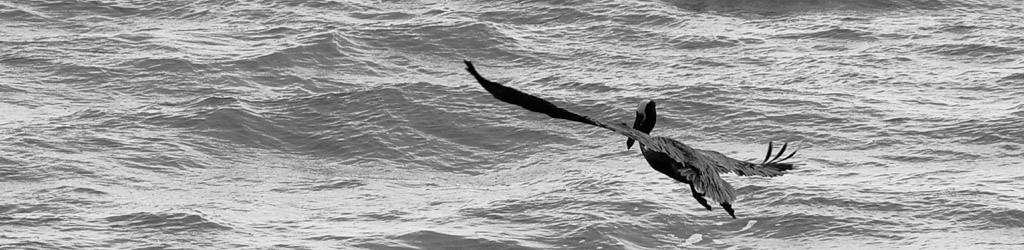
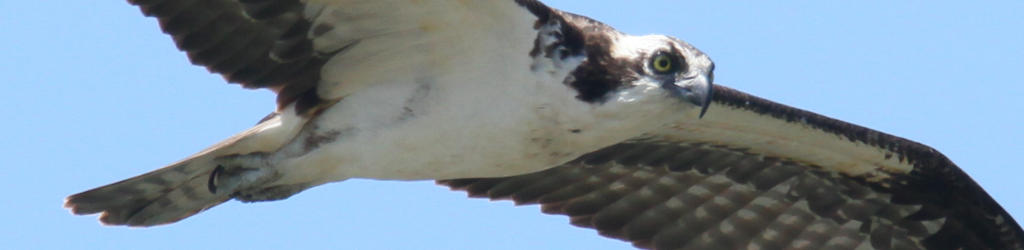
osprey Pandion haliaetus in dive
Tomorrow, February 22nd, is National wildlife Day – actually, one of two for the year, the next being September 4th. While I have a post lined up, it’s not exactly specific to the holiday, and had I planned better, I might have spent the day in a National Wildlife Refuge, but the nearest to me is Roanoke River NWR, a bit over two hours travel time, not to mention that it’s still a bit early in the season to have decent expectations for an outing. Given that wildlife is the primary focus of the blog and website, I can’t feel that I’m shirking my duties here. Nonetheless, I may sneak in a more local outing if I can, and the weather holds out.

Are there good ways to observe the holiday? That’s always a loaded question, of course – the typical answer is along the lines of, “raise awareness,” which is fine but incredibly vague, and effectiveness is up for grabs. Contributions to wildlife, conservation, or rehabilitation organizations of your choice are commendable, as is any kind of educational program, aimed at children or adults. Even just educating ourselves over different species, habitats, or ecosystems works fine, as far as I’m concerned, and I may have something along those lines as well.

I recently discovered that (as indicated at the linked site,) this particular date was chosen because it was Steve Irwin’s birthday, which gives me distinctly mixed feelings. This might surprise you, it might not, but I only watched a few scattered portions of ‘Crocodile Hunter’ and various other appearances by Irwin, and was never the least impressed. Credit where it’s due for getting a generation interested in wildlife, in a way, but I’m firmly of the opinion that there were much better ways of going about it. Irwin never displayed the least evidence of being a naturalist, and exemplified some of the worst habits towards wildlife that could be found this side of hunting shows. He was a character, riding the wave of popularity, and the inclusion of animals in his shows was considered ‘enough,’ though what positive impact this had remains to be seen – and what negative impact, as well. Respect for wildlife was never at the forefront, and even while ostensibly trying to illustrate the dangers of certain species, he generally did do by doing exactly what you should never do. Most especially, it made the various species performers in his own scripts, with little awareness that an aggressive response was and is distinct evidence that the animal is stressed enough to trigger it. This is as bad as some kind of ‘reality’ show where someone provokes fights with people on the street. What, exactly, is the point of that?

From a nature photographer’s standpoint, there’s always the desire to push the boundaries to see what kind of images can be obtained, but it needs to be emphasized: it often doesn’t take much to provoke a response, and even a minor one is interruption of a species’ habits. We tend to forget that no animals in the wild get regular meals, or automatically find safe places to sleep, and our interfering with this definitely has an effect – maybe minor, maybe not, we don’t know. While it’s impossible to remain completely unobtrusive in most situations, we should be endeavoring to spark as little response as possible.

On top of that, there’s our own safety to consider. We also tend to forget that we cannot interpret the mood and actions of most species with even slight degrees of accuracy; any animal may appear disinterested or blasé, up until they react, and by then it’s too late. I’ve spent a lot of time observing plenty of different species, and while I consider myself halfway-decent at it, I’ll be the first to tell you I only have a faint inkling of what they’re thinking. It’s best to always assume that any animal might decide that we’ve crossed the line at any time, and maintain safe distances and, where necessary, an escape route. Never go for a close approach, never feed an animal, and never assume that it’s all cool because we aren’t seeing any signs – wildlife isn’t in the habit of communicating with us.

That’s enough lecturing. If you can, do something appropriate and, for preference, something positive and effective. Wildlife, regardless of what it is and as vague as that title can be, is fascinating, and good to have around.

Rehab redux reload

It’s slow of course, and I have little to post about – some lens tests, if I can get motivated to do them – but it’s also approaching that time of year, and so I’m once again reposting something that originally fell into the ‘Amateur Naturalist’ category, but now with a new name while lacking any actual new content (thus, like most product upgrades anymore, because people have this Pavlovian thing about the word “upgrade.”) I’m reposting this because it may be useful to someone out there when they suddenly find themselves (or know someone) with injured or orphaned wildlife on their hands. Plus it drives my word count up with a cut-and-paste job ;-)

I used to work in this field a fair amount, both in administration of wildlife organizations and as an active raptor [birds of prey] rehabilitator, plus I served as wildlife adviser in several different situations. So I’m familiar with most of the more common reactions people have when they find ‘orphaned,’ injured, and ill wildlife. It’s hard to give enough useful information without trying to cover every situation or alternative, so treat this as an overview. One thing that I especially want to emphasize here is that there is an immediate emotional response in most cases, which tries to override the advice given by those who work in the fields, so be aware of it. There isn’t an ‘instinct’ we might have that applies to wildlife, and the rational mind is the part that needs to take control.

Additionally, the amount of folklore regarding wildlife is not just abundant, in most cases it’s ridiculously wrong. I’m not even going to say, “If in doubt…,” because you should doubt right off the bat, and consider that most of what you’ve heard is highly suspect. This means, contact someone who is supposed to know, and go with their advice.

Number one rule, and I can’t repeat this enough: Don’t try to raise wildlife on your own. Their diets are specialized, their needs varied and specific to the species, and their adult behavior dependent on how they’re raised. This isn’t the place for guesswork or experimentation. Even if they seem to be ‘doing well’ (like the viral video of the guy raising a baby hummingbird,) they may have developmental issues from an improper diet or exercise, or simply have imprinted on the wrong species, and you are in essence just prolonging the death of the animal. In the US, it’s illegal to raise any species without a specific permit, and songbirds are federally protected. It’s possible to obtain these permits, and quite frankly encouraged, because there are few places with enough rehabbers, but if you’re going to do it, do it right. More further down.

So, we’re about to enter baby bird season, and this accounts for a large percentage of wildlife encounters. I’ll dispel the first myth that touching a baby bird will cause the mother to abandon it. Utter hogwash, pure and simple – yet, I don’t always discourage parents from teaching this to their children, because it’s one way to try and get kids to leave them alone, which is a good thing. Better, perhaps, to teach them to leave them alone for the right reasons, which is to avoid interrupting their feeding schedule, or injuring them, or thinking it would be neat to have a pet robin. But returning to the myth, baby birds will occasionally fall from the nest, and it’s perfectly fine to return them to it, and in fact this is recommended.

It doesn’t always work, however. Some species will discard young that are not doing well, and some even kick their own siblings out – this is nature’s method of selecting the most viable offspring, as ruthless as we find it, and we’re not going to change it. Basically, if it’s a baby bird not ready to leave the nest (not fledged; we’ll return to this,) put it back. If it keeps coming out, there may not be much you can do.

Can’t reach the nest? Try to find a way, first. If that’s not possible, occasionally the parents will accept a substitute nest, such as a plastic berry basket with soft tissue as bedding – this should be placed as close as possible to the original nest, firmly anchored so it doesn’t come down. Observe the nest carefully, but from a safe distance, for 30-60 minutes to see if the parents have indeed found the substitute. If not, seek out a rehabilitator or wildlife official.

Abandoned nest? Maybe, maybe not. Once the eggs hatch, the parent birds go into feeding mode, gathering food constantly during daylight hours and stopping at the nest for brief periods to jam it down the gullets of their ravenous progeny. The 30-60 minute rule above is because waiting less may mean you’ve simply missed the brief feeding period between the extended gathering periods. Observation has to be done at a distance that does not alarm the parents – minimum is six meters (yards,) and more is recommended. Also, being low key is paramount, so take a seat (with binoculars, for preference) and remain still and quiet. Yes, it’s boring, but it’s for the health of the offspring, and if you didn’t care about that you wouldn’t be reading ;-)

fledglingsAs the nestlings become fledglings, they abandon the nest on their own in learning how to fly. This does mean that they’ll be found unable to fly, fluttering around at low level and even just sitting there staring at you. This is normal, and they should remain undisturbed. The parents are nearby, providing food and encouraging the flight attempts. Most bird species know enough not to give away their progeny’s locations to predators, or draw attention to themselves by moving a lot, so your ability to approach, or not being attacked by angry parents when you do so, means nothing at all. Again, observation is good here, as is knowing the calls of the species in question – the parents may be coaching their young towards them.

Now, telling the difference in ‘nestlings’ and ‘fledglings.’ A nestling is a baby bird that must remain in the nest for a while; they will have few feathers, or perhaps even odd ‘quills,’ which is what the feathers look like as they are growing out. Unable to support itself? Eyes not open? Nestling. Fledglings are the babies that are ready to learn how to fly. Their feathers will have good coverage with little to no stragglers or ‘stuffing coming out’ (the baby down.) One rule I always used over the phone was to ask if there were tail feathers – if there are, they’re about ready to fly. These are fledglings and should only be observed.

If in doubt, contact a rehabber/official. This is before doing anything else, save for getting it out of immediate danger. No food, no water, nothing at all. I can’t tell you the number of times I’ve heard people say, “We’ve tried giving it water and worms” – birds can aspirate the water if it’s not given the way the parents do (you’ve noticed the beak getting jammed halfway down the throat, right?) and only one species in North America eats earthworms. Again, folklore – ignore it and be safe.

Also, bleeding in birds is serious, no matter what. Birds have very thin blood that doesn’t coagulate easily, and they can bleed out quickly. Also note that those ‘quills’ of new feathers mentioned above have a blood supply for a while, and these can be broken and start bleeding as well. Time is important in such situations.

HappyOwletBaby raptors will tear you up – they know how to use the beak and talons very early (often on their siblings) and will not hesitate to protect themselves. And adult raptors will protect their young. This is where it’s best to leave it to the experienced.

And it may seem funny to have to say this, but baby birds do not look like their parents. Adult kestrels and screech owls, both diminutive raptors, are often considered “babies” when found by those not familiar with what a real juvenile looks like. Basic rule: if it has a smooth appearance and good coverage of feathers, it’s at least fledgling age, probably older.

What about mammals? This is a little different – mammals are generally not found away from their parents unless something has gone wrong. Most especially, if the youngster’s eyes aren’t open, they’re wet from the rain or dew, or if they’re cold or dehydrated, this is the time to contact someone. Test for dehydration by gently pinching up the skin over the shoulders or side in a ‘tent’ and releasing – if the skin takes more than a second to go back into position, this is dehydration.

Always use gloves. Juvenile mammals can certainly bite, and there’s an additional risk to this: rabies is active throughout much of North America. This is an invariably fatal disease once it passes a certain point (much more so than HIV,) so this needs to be taken seriously. It is not just the bite that can transmit it, but contact of an infected animal’s saliva with mucous membranes can introduce it as well, which means that picking up a damp animal and rubbing your eyes puts you at risk. Animals do not have to be showing symptoms to be infectious, and symptoms vary anyway. BE SAFE.

It’s not just rabies. Mammals are far more likely to introduce other zoonotic issues than birds – they’re enough like us that parasites (internal and external) and some viruses can be transmitted to us. Bringing them into the house may mean you just introduced fleas, lice, giardia, and so on into your home. You’ve been warned.

possumpeepingAlso, and it pains me to have to always say this, but cute does not mean safe. Any animal can defend itself. I have never been bitten by a raccoon, despite their aggressiveness, but I have a scar and a touch of nerve damage from a grey squirrel – one, moreover, that was raised in a house. Rabbits and mice can bite the hell out of you. Shrews even have a toxic saliva. Yes, I am trying to scare you – if you’re scared, you’re cautious, which is better than incautious.

In many cases, mammals about half of the adult size can be on their own without issues – they learn how to forage for their own food reasonably quickly. Again, the stillness thing doesn’t mean they’re lost – it may simply mean they’re trying not to attract attention. This is especially so for white-tailed deer fawns – they often curl up in the grass and conserve energy while mom forages, and will not move even when someone approaches – occasionally not even when picked up. Leave them be, and come back in a few hours. If they’re still there, that’s when you should contact someone.

Rabbits are notorious for abandoning the nest if it’s been disturbed, even with a full brood of young within. This is doubly hazardous because their nests are often in clumps of grass and can be inadvertently discovered by cleaning the yard. If it happens, immediately put everything back as it was, without touching the young, and place a few distinctive blades of grass across the nest opening (preferably something you can see from at least a short distance away,) then leave it entirely alone. Come back in a few hours and check to see if the grass has been moved. If it has, things are probably okay. If not, it may be time to check the warmth and hydration of the young. Contact a rehabilitator.

Again, trying to raise them yourself puts them at a high risk. This is especially true for rabbits, which are among the hardest mammals to raise in North America. I can’t count the number of people who have assured me that they did it once before, so “they know how to do it.” While this may be true, it ignores numerous things, such as how viable the released offspring were and whether they lasted longer than a month, whether they had developmental deficiencies because of improper nutrition, and even whether they had habituated to food or behavior that left them ill-prepared for their conditions. There is a shortage of rehabilitators, so believe me, if it was easy most people would be encouraged to tackle this on their own. The fact that not only is it discouraged, it is unlawful in most areas, should be a good indication that there’s something more to consider. And the welfare of the animal should take higher precedence than anyone’s ego.

Injured animals are extra dangerous. Yes, they may seem incapacitated or helpless, but you know what they say about appearances. One of my colleagues rashly checked an injured, near-comatose squirrel bare-handed, and it bit through her finger, joining its teeth together in the fleshy part of her index finger – I actually heard them grinding together. It then passed out without letting go. Animals in pain (even pets) often respond aggressively – they have no concept of your attempts to help them, and restraint can make them even more agitated. Deer can do vast amounts of damage by thrashing with their hooves, and the big waterfowl like herons and cranes can drive that beak into your face (and yes, they aim for effectiveness.) I really want to emphasize this, because the nurturing instincts are badly misplaced here, and extreme caution is necessary instead.

“There’s a nest of animals in my attic/crawlspace/walls and they need to be removed!” No. Most especially not when they’re raising young, which is most often when anyone notices them. Once the young are there, no further damage is going to be done to your house, because the parents are concentrating on raising their brood. Trying to relocate them is hazardous, both to the animals and to people in many cases, and pointless. Let them be, and in a few weeks the young will be old enough and move out on their own – about the only exception to this is bat colonies (more below.) Once there are no young to raise, the adult animals often leave on their own – nests are primarily for young – but they can also be encouraged to leave or stay out at that point. Squirrels are pretty bad about wanting to return to successful nest areas, and will even chew through wire mesh at times, but most others take the hint and find better places to live.

“But what about rabies?” Animals raising young, even in the eaves of your house, are not an especially high risk. Contrary to belief, rabies does not cause animals to leap suddenly out and attack people; those events are remarkably rare. While anyone should be quite cautious of any mammals that openly approach, living near them does not place anyone at special risk – you’re at greater risk of being killed by the tree near the house falling on you, and we won’t even talk about road risks. Like snake bites, most contacts with rabies vector wildlife occurs by people initiating the contact.

beaverspoor“Animals are doing damage to my property and need to be removed!” No. I can’t tell you how much this attitude annoys me, but that’s what a blog is for, right? Wildlife goes where the habitat is ideal, and pays no attention to humankind’s imaginary idea of “property.” First off, anyone should enjoy the opportunity to see behavior, something that is often hard to accomplish even when making the effort. If someone has wildlife around, chances are they aren’t in a high-rise apartment, which means they wanted to live with at least some vestige of nature visible; surprise surprise, it comes with other animals. While we might decry the damages to our gardens or landscaping, that’s part of the territory, just like road noise and power lines. Learn how to cope, and the ways to exclude animals from certain areas so we can have tomatoes. I’m sorry that a $500 tree was stripped, but no one should have planted something that was that appealing to the local species in the first place, and chances are, numerous appropriate trees had been cut down first so that the fancy landscaping could be put in its place (and I used to work for a landscaper, too.)

Trapping and removal is rarely effective. If there’s a habitat, someone else will move in. And wildlife populations have been shown through numerous studies to be fairly self-regulating; the issues come because habitat destruction by humans is not. We can put in housing developments much faster than the natural cycles of population reduction and management, and those displaced animals end up somewhere. They likely feel the same way about us – dread the point where they develop opposable thumbs.

But what about bats? Ah, the poor little guys! Much of our population considers them ugly and creepy, not at all helped by folklore and horror stories, yet bats are actually way cool mammals, and good to keep the insects down. But most species nest in colonies, and this does sometimes mean in attics, which can produce lots of guano (bat poop) and increases the risks of rabies exposure, primarily when one gets lost and ends up within the human spaces of the house. However, the damage that they can do is minuscule, since they do not dig or gnaw, and excluding them only takes 1/4″ hardware cloth (small-holed wire mesh.) Again, this should be done when no young are being raised, and should always be done with gloves and a breath mask (guano turns into dust easily and can be inhaled.) Should you find a bat in your house, contact your local animal control, since states differ on how they handle potential exposures.

I said I’d get to this: So you want to learn how to rehabilitate wildlife? Once again, this is actually encouraged, but like riding a motorcycle, it should be done properly and responsibly. If there isn’t a wildlife center or organization available in your area, contact your regional Wildlife Resource Commission office (for the US at least) to find out who in your area can train you, and most especially what permissions you need. In the US you’ll need at least one permit, possibly several. What you’ll mostly need is training, because any species requires a decent body of knowledge to tackle well – which also means pick a species, at least to start. Your local rehabbers can suggest a few, which might mean picking something you didn’t initially desire, but which is either easier to learn or presents the greatest needs within an area (and again, is this about you, or the animals?) Expect to spend a lot of time at it, since most animals need lots of attention – mammals may need feedings every four hours around the clock, and birds every 15-30 minutes during daylight (yes, I knew a songbird rehabilitator that kept baby birds in the desk drawers of her office.) And it’s almost certainly all coming out of your own pocket.

SquirrelFeeding
I feel obligated to say this, too: wild animals are not pets, and should not be raised as such. There are lots of reasons. The domesticated animals we have as pets, like cats and dogs and horses, have been bred that way for thousands of years and quite likely were chosen because they already had traits that assisted the process. Animals do not domesticate by simply raising them around people, and in many cases have behaviors that cause them to run afoul of our own (I mention once again the squirrel scar I bear, and will post that story later on.) Many animals also do not have diets that are easy for humans to replicate, meaning that they’re unlikely to thrive and may develop serious disabilities. But most distinctly, what we might imagine them to be like is rarely ever the case – they are highly unlikely to bond with humans in the slightest, and aren’t going to make good companions, do tricks, or even exhibit any appealing personality. They belong in the wild, and that should be your only goal.

Now, if the demands of rehabilitation are too much to contemplate, you can always volunteer with a local organization, and do rehabilitation on a rotation as your schedule permits. This helps prevent burnout and lets you have vacations and family emergencies. This also allows you to get involved without necessarily requiring the permits, because you can operate under the aegis of the organization and its own permits (which is how I worked with raptors, since my apartment would not fit the 15-meter flight cages required.) Still, expect to be dedicated to the job, even when it’s unsavory – cleaning cages and wounds, and even euthanizing injured animals, is a requisite part of it all. Not to mention how many species expect live or fresh food. If you’re thinking of cuddling fluffy bunnies, you’re not ready; rehab requires lots of ugly stuff, and very little bonding – they’re not pets, but wildlife, and need to be wild.

Or, simply donate money or materials. That works too, and is just as necessary – the nice thing about the subject is how nearly everyone can find a niche (provided they accept the reasonable expectations.) Despite such things as Wildlife Resource Commissions and the US Fish & Wildlife Service, there really isn’t money being put into wildlife rehab, especially not from a state or federal level. The vast majority of organizations run solely on donations and grants, and often even have to have veterinary services donated. Experienced workers are great, but donors are just as important, if not more so. Even people who can promote greater donations are important. Just about everything is grass-roots level, all of the time – the few exceptions are great, and demonstrations of what can be done, but not what you can expect throughout the field. Your help, whatever it is, will be appreciated.

A final note: find out, now, how to contact your local wildlife people. Before you find yourself with an injured owl on your hands. In some areas, it’s not self-evident or easy to find, and if it’s not a registered organization, you can forget about searching any telephone listings. Local animal control usually knows, and the 24-hour emergency vets. Often, 911 operators do not, and even local law enforcement may be stumped. A few minutes to get prepared can save a lot of hassle later on, and as I said, we’re entering baby season.

Hope this helps!

That story I mentioned

So in the wildlife rehab post recently, I mentioned a story about a grey squirrel and that I may explain it in detail later. That post was first made in 2013, then reposted in 2014 and again in 2021, and I am now getting around to relating that story; I figure eight years is enough to build the suspense…

At the time, I worked for a humane society that tackled a lot of projects, among them wildlife rehabilitation, and I was living onsite as a caretaker and bookkeeper for this expanded facility. Someone, some ‘member of the public,’ had brought to us an adult eastern grey squirrel (Sciurus carolinensis) that they had attempted to raise as a pet and finally gave up on as it was getting too aggressive. This is an exceedingly common result from such attempts, the primary reason why it is actively discouraged (and usually illegal.) Humans domesticated dogs and cats thousands of years ago, and yet they still have habits that we often wish they didn’t, because traits are usually dictated by genes over a period of millions of years; the traits of wildlife are not going to go away with a couple months of living in different conditions. How the animal views its surroundings and interactions is entirely different from how we do, and its expectations and simple habits are usually not something that we even comprehend. Witness the grey squirrels in several urban areas that became notably aggressive during this pandemic as their primary food sources all but dried up, and there are plenty of other stories of that type to be found. In short, don’t raise wildlife as pets – it will likely turn out entirely different than you imagine, and not in a good way.

This particular squirrel was, I think, about two years old and female (which is slightly better – males tend to turn a lot more aggressive a lot faster.) We had her housed in an outdoor cage in the woods that we used to acclimatize rehab patients to outdoor conditions before they were eventually released, what we called a ‘halfway house.’ They have shelter and food types largely commensurate with what they could find in the wild, but contact was minimal and they were otherwise exposed to the elements. My job was to provide the food and water and try to monitor her to determine that she seemed to be coping with this introduction to kinda-wild conditions.

For the first few days, she seemed fine, but then started getting notably agitated at my presence; I surmise that this was from not getting either the food types or the schedule that she was used to, but may also have been some anxiety over the temperature (it was summer, so nothing drastic) or possibly the presence of predators outside the cage at night. Whatever the reason, she began darting for the door as I opened it to put the food and water within, necessitating some gymnastics on my part, distracting her at the opposite end and moving fast while she was away from the door.

It only took a day before she figured this out. I put the food in one afternoon and slipped the door closed just before she hit the gap, watching her twitch her tail rapidly at this action. She was following me around the cage on the inside, clinging to the wire sides, and I did a quick dodge around the end to lure her down that way and put a nut in the wire for her to dig out. She was no fool, and when I darted back to the door with the water dish, even though I had it open for a bare second or so, she hit it flying from across the cage, bounced off the wire of the door, and landed on my shoulders.

She’d been a ‘pet,’ so I wasn’t at all alarmed at this, and knew better than to move suddenly or freak out or anything, and I just put the water dish down and then turned back to look at her in the attempt to coax her back into the cage. It was then that I became aware of a strange tugging sensation on my shoulder, the feel of something pulling on my back from within, and abruptly realized that she was biting the hell out of my shoulder. Somehow, she had nailed the nerve almost as soon as she started to bite down (I was already expecting her claws to dig in a bit so the initial sensations weren’t unexpected,) and thus the deep bite didn’t register anywhere near as painful as it should have been – and let me tell you, squirrels can bite. They gnaw through wood and nut hulls routinely. But the sensation of her teeth within the muscle of my shoulder registered nonetheless, and in a flash, I snatched her off my shoulder and flung her into the cage in one fluid movement, never giving her a chance to redirect her attention to my hand. She landed on the wire again and chattered angrily, but the door was already closed.

When I turned the attention to my shoulder, I found a decent amount of blood but not horrendous, and a noticeable puncture wound that it was exceedingly strange to feel with my fingertips yet be almost unaware of at the shoulder where the wound actually was. She had also put two distinct holes in my almost-brand-new favorite T-shirt that I’d gotten at the Carolina Raptor Center, for which I could never forgive her; it was the perfect shade of slate blue and had kestrels on it, a species I was particularly attached to. Little shit.

Within the next day or so, rather than risk further mishap, we elected to release her, figuring that at least she had the moxie to deal with adverse conditions, but there was little we could do to ensure she had all of the habits she’d need, and those traits were likely still present anyway. Meanwhile, I still have both the scar and the nerve damage: if you poke my shoulder with a sharp object at just the right spot, I will feel the pressure through the underlying muscle, but not the object itself. I should convince doctors to vaccinate me there…

But you know, while I’m here, I have two other rehab stories from the same time period, though granted, they speak nothing of the hazards of treating wildlife as pets. Well, mostly not.

In one case, we had a red-tailed hawk (Buteo jamaicensis) that had been orphaned and was near adult size. For a short period of time she was housed in a smaller cage within the barn, before she was moved to a flight cage as the final stage before release. Every morning I brought her mice, frozen but thawed to roughly ‘live’ temperature, and deposited them in her cage where she would seize them eagerly and turn her back to me to devour them, hunched over with wings slightly spread, a habit that I guessed was meant to protect her meal from siblings. She was completely fine with my reaching in the cage however, though I never let her get too used to this, but it was curious to see her disregard for this encroachment, and it worried me slightly. She needed to have a healthy distrust of humans, and especially not see them as food sources, but that would also be enforced in the next step, the flight cage.

One morning, with nothing out of the ordinary that I could see, I entered the barn to find her agitated, darting her gaze around and dodging on her perch animatedly. I watched this for a moment, unsure what caused it, knowing that I personally had done nothing different and could neither hear nor see anything amiss in the barn. After a moment, I went ahead and opened the door slowly, and introduced the mice.

She hopped across the perch and landed onto my wrist as it was extended with the mice, and clamped down with the talons, only momentarily. The thing was, one of these sharp and massive nails bit right into my wrist directly on top of that bump of bone on the outside (go ahead, look at it,) lancing down through the thin skin to the joint and cartilage. It was only a handful of millimeters, far less than the squirrel’s bite, but in exactly the wrong place, and this hurt like a motherfucker, easily one of the most painful things that I’ve ever felt (and I’ve had kidney stones.) It was the kind of injury that you wring your arm up and down madly, as if this would do anything at all, but you have no choice, and I treated her to a fine collection of expletives regarding her ancestry and sexual predilections. And yet, it barely even bled, but it throbbed like hell all day long.

And I still have no idea why this occurred. I can only guess that something, a fox perhaps, was sniffing around outside the barn not long before I came in, or another red-tail was sounding off very close by. Anything smaller and she would have been delighted at the prospect of a meal, so rats were out, and really, little else could have entered the barn. But I was a lot more circumspect with her feedings after that.

red-tailed hawk Buteo jamaicensis in rehab flight cage
Old, shitty negative, and probably not one of the mentioned patients, but a representative example anyway
We also had a couple of flight cages at the facility, and these were massive, wood-slat affairs, roughly 4 meters square on the end and 13 meters long, to allow medium-sized raptors to gain wing strength before release. For one of our red-tailed hawk patients (I’m fairly certain not my assailant above,) we wanted to ensure that they knew how to hunt, which was tricky – chances are, even with live prey within the cage, they wouldn’t do anything if they knew someone was nearby observing them. What I ended up doing was setting up a surveillance camera. This was the mid-nineties, so what we’d been donated was a full-size, shoulder-mount videocamera that held complete VHS tapes – you know, the size of a hardcover book. This was set up in the far end of the flight cage on a tripod, with a protective plastic bag (red-tailed hawks defecate horrendously, managing quite some distance at times.) I started the camera, then released a handful of live mice on the floor of the cage while the hawk was high above on a perch, and slipped out.

Later in the day I came back and collected the camera when the battery had run down, producing not quite two hours of tape, and brought it in to the VCR. After several minutes of virtually nothing at all to see – some slight fidgeting on the perch, because red-tails conserve energy and often sit observing for hours at a time – I began fast-forwarding through the tape, watching the slight jiggling and jerky movements of the hawk on the perch. And then, whoops!, a sudden flash of action off of the perch! I rolled it back and played it at normal speed, seeing the hawk suddenly drop into an alert pose with eyes fixed on the floor of the cage. Raptors often do this little head-bob-and-circle movement as they spot potential prey, trying for a clear look and getting the range, so it’s often obvious when they spot something. And in another moment, the hawk dropped from the perch to the floor of the cage, stayed down there for a minute or two fidgeting, then returned to the perch. The resolution was too low to determine that it actually held a mouse, but the actions of eating it were unmistakable. Success!

For a later patient, I created a small ‘wading pool’ for the mice, because the greater area of the cage allowed too many nooks for mice to disappear into, and so they were housed in a two-meter square pen with sides too high for them to jump out of. This patient (another red-tail) had been raised from a fledgling so we wanted to know it had the instinct to hunt on its own, and it sat high above me on a perch as I prepared the buffet. After releasing the mice within the pen, I stepped back for a moment to observe them, and the hawk slammed onto the floor within the mouse pen not two meters away from me. Red-tails have a violent attack mode, counting on their strong legs to halt their descent and on their body weight to often incapacitate their prey – there’s nothing delicate or graceful about it, and they don’t fly down to their prey, they plummet with little effort at arresting their speed. So the spectacle right in front of me was a bit startling. After only a moment, the hawk hopped to the edge of the pen with a mouse in its talons, regarded me stoically and without alarm from little more than an arm’s length away, then flew up to its perch to consume its meal. Well, fine – not worried about your hunting abilities at all.

Repost Redux: Amateur naturalism, part six

As we once again enter the season of baby animals (for most species, anyway,) I decided to repost something last seen seven years (and two days) ago, because it still applies – I should probably find a way to make this automatically post at this time. Anyway, let’s look into abandoned/orphaned/injured wildlife and rehabilitation.

I used to work in this field a fair amount, both in administration of wildlife organizations and as an active raptor [birds of prey] rehabilitator, plus I served as wildlife adviser in several different situations. So I’m familiar with most of the more common reactions people have when they find ‘orphaned,’ injured, and ill wildlife. It’s hard to give enough useful information without trying to cover every situation or alternative, so treat this as an overview. One thing that I especially want to emphasize here is that there is an immediate emotional response in most cases, which tries to override the advice given by those who work in the fields, so be aware of it. There isn’t an ‘instinct’ we might have that applies to wildlife, and the rational mind is the part that needs to take control.

Additionally, the amount of folklore regarding wildlife is not just abundant, in most cases it’s ridiculously wrong. I’m not even going to say, “If in doubt…,” because you should doubt right off the bat, and consider that most of what you’ve heard is highly suspect. This means, contact someone who is supposed to know, and go with their advice.

Number one rule, and I can’t repeat this enough: Don’t try to raise wildlife on your own. Their diets are specialized, their needs varied and specific to the species, and their adult behavior dependent on how they’re raised. This isn’t the place for guesswork or experimentation. Even if they seem to be ‘doing well’ (like the viral video of the guy raising a baby hummingbird,) they may have developmental issues from an improper diet or exercise, or simply have imprinted on the wrong species, and you are in essence just prolonging the death of the animal. In the US, it’s illegal to raise any species without a specific permit, and songbirds are federally protected. It’s possible to obtain these permits, and quite frankly encouraged, because there are few places with enough rehabbers, but if you’re going to do it, do it right. More further down.

So, we’re about to enter baby bird season, and this accounts for a large percentage of wildlife encounters. I’ll dispel the first myth that touching a baby bird will cause the mother to abandon it. Utter hogwash, pure and simple – yet, I don’t always discourage parents from teaching this to their children, because it’s one way to try and get kids to leave them alone, which is a good thing. Better, perhaps, to teach them to leave them alone for the right reasons, which is to avoid interrupting their feeding schedule, or injuring them, or thinking it would be neat to have a pet robin. But returning to the myth, baby birds will occasionally fall from the nest, and it’s perfectly fine to return them to it, and in fact this is recommended.

It doesn’t always work, however. Some species will discard young that are not doing well, and some even kick their own siblings out – this is nature’s method of selecting the most viable offspring, as ruthless as we find it, and we’re not going to change it. Basically, if it’s a baby bird not ready to leave the nest (not fledged; we’ll return to this,) put it back. If it keeps coming out, there may not be much you can do.

Can’t reach the nest? Try to find a way, first. If that’s not possible, occasionally the parents will accept a substitute nest, such as a plastic berry basket with soft tissue as bedding – this should be placed as close as possible to the original nest, firmly anchored so it doesn’t come down. Observe the nest carefully, but from a safe distance, for 30-60 minutes to see if the parents have indeed found the substitute. If not, seek out a rehabilitator or wildlife official.

Abandoned nest? Maybe, maybe not. Once the eggs hatch, the parent birds go into feeding mode, gathering food constantly during daylight hours and stopping at the nest for brief periods to jam it down the gullets of their ravenous progeny. The 30-60 minute rule above is because waiting less may mean you’ve simply missed the brief feeding period between the extended gathering periods. Observation has to be done at a distance that does not alarm the parents – minimum is six meters (yards,) and more is recommended. Also, being low key is paramount, so take a seat (with binoculars, for preference) and remain still and quiet. Yes, it’s boring, but it’s for the health of the offspring, and if you didn’t care about that you wouldn’t be reading ;-)

fledglingsAs the nestlings become fledglings, they abandon the nest on their own in learning how to fly. This does mean that they’ll be found unable to fly, fluttering around at low level and even just sitting there staring at you. This is normal, and they should remain undisturbed. The parents are nearby, providing food and encouraging the flight attempts. Most bird species know enough not to give away their progeny’s locations to predators, or draw attention to themselves by moving a lot, so your ability to approach, or not being attacked by angry parents when you do so, means nothing at all. Again, observation is good here, as is knowing the calls of the species in question – the parents may be coaching their young towards them.

Now, telling the difference in ‘nestlings’ and ‘fledglings.’ A nestling is a baby bird that must remain in the nest for a while; they will have few feathers, or perhaps even odd ‘quills,’ which is what the feathers look like as they are growing out. Unable to support itself? Eyes not open? Nestling. Fledglings are the babies that are ready to learn how to fly. Their feathers will have good coverage with little to no stragglers or ‘stuffing coming out’ (the baby down.) One rule I always used over the phone was to ask if there were tail feathers – if there are, they’re about ready to fly. These are fledglings and should only be observed.

If in doubt, contact a rehabber/official. This is before doing anything else, save for getting it out of immediate danger. No food, no water, nothing at all. I can’t tell you the number of times I’ve heard people say, “We’ve tried giving it water and worms” – birds can aspirate the water if it’s not given the way the parents do (you’ve noticed the beak getting jammed halfway down the throat, right?) and only one species in North America eats earthworms. Again, folklore – ignore it and be safe.

Also, bleeding in birds is serious, no matter what. Birds have very thin blood that doesn’t coagulate easily, and they can bleed out quickly. Also note that those ‘quills’ of new feathers mentioned above have a blood supply for a while, and these can be broken and start bleeding as well. Time is important in such situations.

HappyOwletBaby raptors will tear you up – they know how to use the beak and talons very early (often on their siblings) and will not hesitate to protect themselves. And adult raptors will protect their young. This is where it’s best to leave it to the experienced.

And it may seem funny to have to say this, but baby birds do not look like their parents. Adult kestrels and screech owls, both diminutive raptors, are often considered “babies” when found by those not familiar with what a real juvenile looks like. Basic rule: if it has a smooth appearance and good coverage of feathers, it’s at least fledgling age, probably older.

What about mammals? This is a little different – mammals are generally not found away from their parents unless something has gone wrong. Most especially, if the youngster’s eyes aren’t open, they’re wet from the rain or dew, or if they’re cold or dehydrated, this is the time to contact someone. Test for dehydration by gently pinching up the skin over the shoulders or side in a ‘tent’ and releasing – if the skin takes more than a second to go back into position, this is dehydration.

Always use gloves. Juvenile mammals can certainly bite, and there’s an additional risk to this: rabies is active throughout much of North America. This is an invariably fatal disease once it passes a certain point (much more so than HIV,) so this needs to be taken seriously. It is not just the bite that can transmit it, but contact of an infected animal’s saliva with mucous membranes can introduce it as well, which means that picking up a damp animal and rubbing your eyes puts you at risk. Animals do not have to be showing symptoms to be infectious, and symptoms vary anyway. BE SAFE.

It’s not just rabies. Mammals are far more likely to introduce other zoonotic issues than birds – they’re enough like us that parasites (internal and external) and some viruses can be transmitted to us. Bringing them into the house may mean you just introduced fleas, lice, giardia, and so on into your home. You’ve been warned.

possumpeepingAlso, and it pains me to have to always say this, but cute does not mean safe. Any animal can defend itself. I have never been bitten by a raccoon, despite their aggressiveness, but I have a scar and a touch of nerve damage from a grey squirrel – one, moreover, that was raised in a house. Rabbits and mice can bite the hell out of you. Shrews even have a toxic saliva. Yes, I am trying to scare you – if you’re scared, you’re cautious, which is better than incautious.

In many cases, mammals about half of the adult size can be on their own without issues – they learn how to forage for their own food reasonably quickly. Again, the stillness thing doesn’t mean they’re lost – it may simply mean they’re trying not to attract attention. This is especially so for white-tailed deer fawns – they often curl up in the grass and conserve energy while mom forages, and will not move even when someone approaches – occasionally not even when picked up. Leave them be, and come back in a few hours. If they’re still there, that’s when you should contact someone.

Rabbits are notorious for abandoning the nest if it’s been disturbed, even with a full brood of young within. This is doubly hazardous because their nests are often in clumps of grass and can be inadvertently discovered by cleaning the yard. If it happens, immediately put everything back as it was, without touching the young, and place a few distinctive blades of grass across the nest opening (preferably something you can see from at least a short distance away,) then leave it entirely alone. Come back in a few hours and check to see if the grass has been moved. If it has, things are probably okay. If not, it may be time to check the warmth and hydration of the young. Contact a rehabilitator.

Again, trying to raise them yourself puts them at a high risk. This is especially true for rabbits, which are among the hardest mammals to raise in North America. I can’t count the number of people who have assured me that they did it once before, so “they know how to do it.” While this may be true, it ignores numerous things, such as how viable the released offspring were and whether they lasted longer than a month, whether they had developmental deficiencies because of improper nutrition, and even whether they had habituated to food or behavior that left them ill-prepared for their conditions. There is a shortage of rehabilitators, so believe me, if it was easy most people would be encouraged to tackle this on their own. The fact that not only is it discouraged, it is unlawful in most areas, should be a good indication that there’s something more to consider. And the welfare of the animal should take higher precedence than anyone’s ego.

Injured animals are extra dangerous. Yes, they may seem incapacitated or helpless, but you know what they say about appearances. One of my colleagues rashly checked an injured, near-comatose squirrel bare-handed, and it bit through her finger, joining its teeth together in the fleshy part of her index finger – I actually heard them grinding together. It then passed out without letting go. Animals in pain (even pets) often respond aggressively – they have no concept of your attempts to help them, and restraint can make them even more agitated. Deer can do vast amounts of damage by thrashing with their hooves, and the big waterfowl like herons and cranes can drive that beak into your face (and yes, they aim for effectiveness.) I really want to emphasize this, because the nurturing instincts are badly misplaced here, and extreme caution is necessary instead.

“There’s a nest of animals in my attic/crawlspace/walls and they need to be removed!” No. Most especially not when they’re raising young, which is most often when anyone notices them. Once the young are there, no further damage is going to be done to your house, because the parents are concentrating on raising their brood. Trying to relocate them is hazardous, both to the animals and to people in many cases, and pointless. Let them be, and in a few weeks the young will be old enough and move out on their own – about the only exception to this is bat colonies (more below.) Once there are no young to raise, the adult animals often leave on their own – nests are primarily for young – but they can also be encouraged to leave or stay out at that point. Squirrels are pretty bad about wanting to return to successful nest areas, and will even chew through wire mesh at times, but most others take the hint and find better places to live.

“But what about rabies?” Animals raising young, even in the eaves of your house, are not an especially high risk. Contrary to belief, rabies does not cause animals to leap suddenly out and attack people; those events are remarkably rare. While anyone should be quite cautious of any mammals that openly approach, living near them does not place anyone at special risk – you’re at greater risk of being killed by the tree near the house falling on you, and we won’t even talk about road risks. Like snake bites, most contacts with rabies vector wildlife occurs by people initiating the contact.

beaverspoor“Animals are doing damage to my property and need to be removed!” No. I can’t tell you how much this attitude annoys me, but that’s what a blog is for, right? Wildlife goes where the habitat is ideal, and pays no attention to humankind’s imaginary idea of “property.” First off, anyone should enjoy the opportunity to see behavior, something that is often hard to accomplish even when making the effort. If someone has wildlife around, chances are they aren’t in a high-rise apartment, which means they wanted to live with at least some vestige of nature visible; surprise surprise, it comes with other animals. While we might decry the damages to our gardens or landscaping, that’s part of the territory, just like road noise and power lines. Learn how to cope, and the ways to exclude animals from certain areas so we can have tomatoes. I’m sorry that a $500 tree was stripped, but no one should have planted something that was that appealing to the local species in the first place, and chances are, numerous appropriate trees had been cut down first so that the fancy landscaping could be put in its place (and I used to work for a landscaper, too.)

Trapping and removal is rarely effective. If there’s a habitat, someone else will move in. And wildlife populations have been shown through numerous studies to be fairly self-regulating; the issues come because habitat destruction by humans is not. We can put in housing developments much faster than the natural cycles of population reduction and management, and those displaced animals end up somewhere. They likely feel the same way about us – dread the point where they develop opposable thumbs.

But what about bats? Ah, the poor little guys! Much of our population considers them ugly and creepy, not at all helped by folklore and horror stories, yet bats are actually way cool mammals, and good to keep the insects down. But most species nest in colonies, and this does sometimes mean in attics, which can produce lots of guano (bat poop) and increases the risks of rabies exposure, primarily when one gets lost and ends up within the human spaces of the house. However, the damage that they can do is minuscule, since they do not dig or gnaw, and excluding them only takes 1/4″ hardware cloth (small-holed wire mesh.) Again, this should be done when no young are being raised, and should always be done with gloves and a breath mask (guano turns into dust easily and can be inhaled.) Should you find a bat in your house, contact your local animal control, since states differ on how they handle potential exposures.

I said I’d get to this: So you want to learn how to rehabilitate wildlife? Once again, this is actually encouraged, but like riding a motorcycle, it should be done properly and responsibly. If there isn’t a wildlife center or organization available in your area, contact your regional Wildlife Resource Commission office (for the US at least) to find out who in your area can train you, and most especially what permissions you need. In the US you’ll need at least one permit, possibly several. What you’ll mostly need is training, because any species requires a decent body of knowledge to tackle well – which also means pick a species, at least to start. Your local rehabbers can suggest a few, which might mean picking something you didn’t initially desire, but which is either easier to learn or presents the greatest needs within an area (and again, is this about you, or the animals?) Expect to spend a lot of time at it, since most animals need lots of attention – mammals may need feedings every four hours around the clock, and birds every 15-30 minutes during daylight (yes, I knew a songbird rehabilitator that kept baby birds in the desk drawers of her office.) And it’s almost certainly all coming out of your own pocket.

SquirrelFeeding
I feel obligated to say this, too: wild animals are not pets, and should not be raised as such. There are lots of reasons. The domesticated animals we have as pets, like cats and dogs and horses, have been bred that way for thousands of years and quite likely were chosen because they already had traits that assisted the process. Animals do not domesticate by simply raising them around people, and in many cases have behaviors that cause them to run afoul of our own (I mention once again the squirrel scar I bear, and will post that story later on.) Many animals also do not have diets that are easy for humans to replicate, meaning that they’re unlikely to thrive and may develop serious disabilities. But most distinctly, what we might imagine them to be like is rarely ever the case – they are highly unlikely to bond with humans in the slightest, and aren’t going to make good companions, do tricks, or even exhibit any appealing personality. They belong in the wild, and that should be your only goal.

Now, if the demands of rehabilitation are too much to contemplate, you can always volunteer with a local organization, and do rehabilitation on a rotation as your schedule permits. This helps prevent burnout and lets you have vacations and family emergencies. This also allows you to get involved without necessarily requiring the permits, because you can operate under the aegis of the organization and its own permits (which is how I worked with raptors, since my apartment would not fit the 15-meter flight cages required.) Still, expect to be dedicated to the job, even when it’s unsavory – cleaning cages and wounds, and even euthanizing injured animals, is a requisite part of it all. Not to mention how many species expect live or fresh food. If you’re thinking of cuddling fluffy bunnies, you’re not ready; rehab requires lots of ugly stuff, and very little bonding – they’re not pets, but wildlife, and need to be wild.

Or, simply donate money or materials. That works too, and is just as necessary – the nice thing about the subject is how nearly everyone can find a niche (provided they accept the reasonable expectations.) Despite such things as Wildlife Resource Commissions and the US Fish & Wildlife Service, there really isn’t money being put into wildlife rehab, especially not from a state or federal level. The vast majority of organizations run solely on donations and grants, and often even have to have veterinary services donated. Experienced workers are great, but donors are just as important, if not more so. Even people who can promote greater donations are important. Just about everything is grass-roots level, all of the time – the few exceptions are great, and demonstrations of what can be done, but not what you can expect throughout the field. Your help, whatever it is, will be appreciated.

A final note: find out, now, how to contact your local wildlife people. Before you find yourself with an injured owl on your hands. In some areas, it’s not self-evident or easy to find, and if it’s not a registered organization, you can forget about searching any telephone listings. Local animal control usually knows, and the 24-hour emergency vets. Often, 911 operators do not, and even local law enforcement may be stumped. A few minutes to get prepared can save a lot of hassle later on, and as I said, we’re entering baby season.

Hope this helps!

Odd memories, part 21

This one still kinda startles me a little, but at the same time, it’s strangely vindicating.

Back in the early nineties, I had been working for a humane society for a couple of years at the most, and had gotten involved in wildlife rehabilitation and advice (as I’ve mentioned before, several times.) Back then I was quasi-knowledgeable about wildlife, but most of it really came from the people I worked with and the networking that I was doing – it was simply the nature of the job. And one aspect, that I kind of fell into (because I’d expressed a mild interest and no one else was doing it,) was getting involved in what we called the Beaver Project.

Yeah yeah, snicker all you want, get it out of your system. Where I lived and at that moment in time, there was a fair amount of activity from North American beavers (Castor canadensis.) My first encounter, which might have even occurred before I began working for the humane society, came one afternoon as I was walking along the banks of the creek that ran behind the apartment complex. Hearing some soft noises in the tall grasses, I crept stealthily closer, and happened upon simply the largest beaver I have seen in my life, easily three times the size of what most people imagine them to be (I was later to find out that they can continue to grow all of their lives, so this was likely an elderly specimen.) Memory is, of course, a volatile and untrustworthy thing, but I would estimate its weight at better than 18 kg (40 lbs) and overall length better than a meter (don’t even make me translate that for you.) Its head looked almost as big around as mine, and there I was, perhaps four meters from it. It soon became aware of my presence, which provoked the abrupt and alarming momentary pause in its mastication of some vegetable matter, ensuring that I wasn’t about to scold it or anything, before it resumed its meal without twitching from the spot. Eventually, as I watched, it turned casually and ambled down into the water, clearly not at all impressed with my hulking presence (which at that time scarcely massed three times its own.) I was to later learn that beavers, overall, are pretty damn mellow unless provoked, which is usually accomplished by dogs. People they generally don’t give a damn about.

Anyway, in the humane society, the purpose of the project was to inform people about how to help prevent beaver damage to their trees, try to alleviate flooding by beaver dams, and deal with a lot of public ire and misinformation. This was my first experience with the angry homeowner and the bandwagon effect – once an article ran in the paper, there would be countless “me toos” that escalated in scale until it was a positive epidemic, and of course it all came down to the humane society to do something about it because it was obviously our fault that the dam things existed here in the first place. Now, there was no epidemic, and for the most part only passing activity in a few select areas, and I know this because I’d been out to examine numerous reports and complaints. Mostly, it was people that had lost an expensive exotic sapling that they’d had planted while purchasing property on the edge of a lake or waterway – again, this must have been our fault. I have very little patience for such idiocy, really; if you want a natural vista or landscape or whatever, it comes with animals, because that’s where they fucking live. You can eliminate this entirely by living in a seventh-floor walkup in NYC if it bothers you that badly.

Before I oversell this injustice, let me clarify by saying that a lot of it was our doing – specifically, advocating for humane control methods and not trapping. A little background is in order. North Carolina is still largely backwater (No! Really?) and hunting and trapping gets a lot more attention than humane management or even just ignoring the critters in the state; the NC Wildlife Resource Commission was started entirely to maintain game lands and still keeps this as a primary focus, only reluctantly embracing the idea that maybe not everyone wanted to shoot something. And there was a peculiar law on the books: while beavers could be snare-trapped (usually by a barbaric little Spanish Inquisition castoff,) they could not be relocated, so even if you live-captured them in a humane trap, you weren’t allowed to release them again somewhere else, even onto parks or reserves or game land. The idea, so I was told, was that you were simply relocating the problem. Which is true enough, except for the bare fact that it if wasn’t homeowners’ land it wasn’t a problem anymore. But yeah.

At some point in there, we were contacted by a homeowner in Norfolk, Virginia, a few hours away by car. It seems that the same thing was happening there: an expensive plot of land newly-given over to housing, on the edge of a Norfolk River tributary, was seeing beaver damage and many of the homeowners were up in arms, demanding that the city do something about it. It became quite contentious, with advocates on both sides going at it hammer-and-tongs, and finally the city council decided to hold a hearing where everyone could present their case and they would make a decision. The reason we were contacted? We had an active humane program regarding beavers, and so they wanted someone from our organization to come speak at the hearing.

Now, let me paint the picture. I had been providing advice over the phone, and had helped with a couple of our public programs, which meant a total of 30 attendees or so. That, and a couple of school plays, rounded out my public speaking experience. But I imagined it was a relatively routine thing and, since there was presently no one else in the program that was available or experienced enough, our director encouraged me to go. The humane society had a vehicle that I could use, the homeowner who contacted us would put me up for the night, and so, when the time came, off I went.

There had been no time to plan much, and I intended to get as much information from my host as I could so I could address things directly. Meanwhile, I found out that the little meeting I had imagined was nowhere near accurate: there would be perhaps a few hundred people in a large auditorium, and the major TV news crews would be present. We would have five minutes to speak, no questions or back-and-forth, from a podium standing in front of the raised dais where the twelve council members sat. If you’re picturing this medieval judgment tribunal situation thing, I can say there were no robes and the scene wasn’t lit by guttering torches, but otherwise that’s accurate. Nothing like getting thrown into the deep end. I had, at my host’s urging, brought along a dress jacket at least, something suitable to be buried within.

Did I mention that I did not, in fact, have my speech written out? I had a lot of notes and odd-and-ends, and my own basic experience on hand, but nothing was rehearsed and I had no idea how long my scribbled notes would actually run when spoken. I was lucky enough, however, to be the second-to-last to speak, which allowed me to hear all of the cases being made before me, and so I was in the enviable position of being able to rebut these directly, and I actually wrote the entire speech up to a few minutes before I was to go on. When called upon, I stepped smartly to the podium, activating (so I thought) the microcassette recorder in my pocket to save my stuttering and rambling for all eternity.

And… it went without a hitch. For anyone that has actually listened to my podcasts, this is probably impossible to believe, but it’s true nonetheless. I might have stumbled over a word or two, but considerably less than some of the speakers, and nothing untoward or even memorable. I was still young and hardly an imposing specimen of any kind, much less what you’d expect from “an expert,” but it went amazingly well. I finished with about fifteen seconds to spare in my five-minute allotment, and regained my seat over a hearty thumbs-up from my host.

The last speaker was someone from a nationwide animal advocacy group based in DC (no, not PETA, or even in the same ludicrous ballpark – PETA really is a bunch of dipshits); someone with a hell of a lot more experience in the matters than I had, and well-used to public speaking. After we all finished, the council adjourned for a brief deliberation, while some of the speakers (including my host, but thankfully not including me – I have a face for radio) provided interviews for the TV crews. Not too long afterward, a couple of the council members approached the last speaker and I and asked if we’d be available to attend a small private meeting the following morning. We weren’t in a position to say no, really, after the effort we’d done to be there that night in the first place, so we agreed. I made the stupid mistake of confirming that I did have a place to stay, which meant I spent the night in my host’s spare bedroom rather than in a lovely downtown Norfolk hotel. Idiot.

The meeting the next morning was basically to reassure the council that trapping was pointless, and not something that the city needed to be spending its money on (especially since that trappers would have been charging $50 a head, and there was no assurance that this would actually accomplish anything nor that it would not be an ongoing expense – if you have a habitat, animals will use it, and the possibility of beaver populations perpetually coming down from further up the tributary was distinct enough.) The council elected to leave the matter up to the individual homeowners as, “what to expect when you live on the waterfront.” I have to say, it felt pretty damn vindicating.

After that, the guy from the nationwide organization and I had breakfast together, comparing notes and experiences, and he admitted that he was faintly chagrined to have to follow me, because I said virtually everything that he’d had planned. Which was great to hear, you betcha, but not terribly surprising; the information remains the same, and I pointed out that hearing two disparate sources reiterating the same info may likely have cemented the council’s decision, since most of the other speakers varied wildly on both expectations and the heinous damage that they claimed was being done. But overall, I still look back on this episode with a little disbelief – there were plenty of ways how, and plenty of reasons why, my speech could have gone awry, and it was by far the most public thing that I’ve done, even today. And yet, it helped with matters since, because I knew that I handled that well enough and so taking control of a wedding party or jumping onstage during a technical glitch stirred nothing in me more than a momentary nervousness.

By the way, somehow I never did trigger the cassette recorder when I thought I did, so I didn’t have any record of how it went other than my scribbled notes. Ah well.

Now, since I’m on the subject, I have to add part two.

Sometime after that, we’d received several complaints about flooding and so on along another creek in the area, one that we knew had the occasional mid-size beaver dam on it, because that was one of the projects I’d worked on; there are numerous methods of trying to ensure that beavers do not stop up too much of the water flow, all of them labor-intensive and none of them particularly effective – beavers detect water flow and try to stop it, because deep water is protection and access to their food plants. Wanting to determine the extent of the damming and the actual population of the rodents, we figured the best bet was to check out as much of the creek as possible, and this meant kayaking it. I’d done more than a passing amount of kayaking on our homebuilt models while back in NY, but did not possess one here, and so had to rent a whitewater performance kayak from the neighboring town. This craft was a far cry from what I was used to, which was a multi-person open-topped model where you could carry a small amount of cargo; instead, this was a seed-shaped needle of a craft with one of those skirts that you wrap around your waist and snap over the lip of the single-opening itself, to keep water out. This was the kind that you can eskimo-roll, a term that still exists even while “Eskimo” is being considered racist. Anyway, I had no idea how to, um, “E-word-roll” a kayak and wasn’t about to try it.

I want you to bear in mind that this was in February, so the water was still quite cold and not something that you wanted to splash about in. I endeavored to get into the kayak without setting foot in the water, finding in the process that these sport models are very laterally unstable, and also that the foot pegs pushed me up onto the seat back. This isn’t as egregious as it sounds, because the seat back rose all of six centimeters, I believe, but it was still uncomfortable. I pushed away from shore into the middle of the creek and started to turn.

Really unstable. Almost immediately the kayak decided on its own that we should E-word-roll, and turned turtle in a flash. I was in about a meter of water, not really the depth that you would make the attempt even if you were so inclined, and all I pictured was getting upside down without any knowledge of how to right myself and getting trapped within the kayak. Before I got fully horizontal on my way over, I’d slammed one paddle tip into the bottom, in an attempt to halt my inversion, and kicked madly out of the kayak and skirt. While this was happening I know I was uttering some desperate, unmanly, and extremely unintelligible sounds, even worse than when someone fishes their phone out of the toilet. It was over in seconds of course, and the water wasn’t remotely deep enough to pose a hazard even if I couldn’t swim (which I could,) but now I was soaked to the skin in 5°c weather.

Annnnddd that was it, wasn’t it? I’d have to go home and change, and still wasn’t sure how to handle this unstable piece of shit, and should probably just give it up and settle for hiking the creek edges as far as I could, some other day. As I mentally planned all of this, I got pissed off, and noticed that the wet clothes weren’t bothering me as much as I thought they would (though soaked, it was still a winter jacket, and of course a good mad-on does wonders for body temperature.) And at some point, while thinking about throwing the kayak back on top of the car, I noticed that the foot pegs were adjustable and set for someone about a meter shorter than I was. Eventually, I decided to give it another go.

Let me tell you, in those itty-bitty performance kayaks, center of gravity is important, and readjusting the pegs so I could sit in the seat improved the stability quite a bit – it was still quite tippy if I leaned at all, but manageable with just a little presence of mind. And so, I completed my mission, or what I could of it anyway, which was enough to answer all of the questions that I had. Because the dams that I encountered were feeble little things that didn’t raise the water level 30cm, while the water was perpetually stained orange from the ubiquitous Carolina clay, indicative of extensive runoff from areas where all the topsoil had been removed – the flooding wasn’t coming from the beaver activity, but from improper stormwater management from the nearby road construction efforts. Far too much of my journey was spent out of the kayak anyway, dragging it over snags and shallow areas because the creek wasn’t capable of supporting a single kayak’s passage, much less flooding out someone’s property, and a rise of a couple of handspans would have completely swamped the minimal beaver dams that I did encounter – the population couldn’t have been more than a dozen or so in a kilometer stretch. Certainly not an epidemic.

And the following year, I had the bandwagon effect confirmed, because then the papers had moved on to other topics and, while the beaver populations appeared unchanged from the year before, we received about 10% of the calls that we had previously. People are weird.

Doctor Domoore

Like many people – actually, a ridiculous number of them – I grew up with this idea of being a “friend” to the animals. I can remember, from a very early age, going on a camping trip and sleeping in a pop-up camper, wishing (now that I was out in nature) that a raccoon would slip into the camper and curl up on my back to sleep; this was my way of thinking that I was “in tune” with the animals.

It probably had a lot to do with how I grew up. My parents and grandmother (whom I never met) were some of the founding members of the local Animal Welfare Association and worked with wildlife rescue – in fact, one of our kayaks had an AWA identifier on it – and my older brothers were Boy Scouts and had plenty of tales of wildlife encounters; one of them raised snakes and picked up wild skunks for amusement. Without the obvious retribution, I might add. So while I was too young to participate in any such shenanigans, I was still immersed in the environment and mindset. I can remember, very distinctly, being along with my dad when he was out trying to spot an escaped flamingo in the marshy area of a local pond, in south Jersey where I grew up. He saw it and tried pointing it out to me, but at that time I had not yet been diagnosed with Ludicrous Myopia, and as he attempted to direct my gaze to the subtle pink shape moving at the waterline, all I could see in the dusk were the taillights of the cars on the road behind it; I was trying to figure out how flamingos could glow as brightly as that.

Later on in my adolescent years, I began reading nonfiction books about wildlife rehabilitation and encounters, such as the Durrell books and Frosty: A Raccoon to Remember. These started to give me a more realistic impression, that wild animals have their own habits and attitudes, for want of a better word, and these do not revolve around being buddies with people – even when they’re raised in a human environment. You don’t turn any animal into a “pet” just by getting them when they’re young. Sure enough, some animals can be habituated to view human contact as non-threatening, perhaps even beneficial, but this does not translate into domestication, which takes many generations. We’ve had cats and dogs for thousands of years now, and still find that they have specific behaviors that don’t disappear.

But it was funny. Far from being disappointed, I was fascinated by the aspect of working with animals, even when I recognized that I was unlikely to do so routinely, much less for a living. But soon after moving to North Carolina, I got involved with a local humane society that performed animal rescue services, including wildlife, and was soon immersed in wildlife rehabilitation. While I attended all of the volunteer workshops for the species that could be found in the area, I received specific training for raptors at a dedicated facility in the state, the Carolina Raptor Center outside of Charlotte. This allowed me to work with the injured birds of prey that came through our door, and I started noticing little details.

This very trait may owe its origin to the Doctor Doolittle stories by Hugh Lofting, which I read in my adolescence. The good doctor is taught how to ‘speak’ with many different species by his parrot, and (to Lofting’s credit) she indicated that most animals communicate through body language and behavior, rather than through sound – accurate to a degree at least, because while it serves a purpose of indicating mood and intention at times, it likely isn’t intentional or conscious; that’s just the way things are. However, after introducing this concept, Lofting appeared to have forgotten about it forever thereafter…

[Time out for a favorite but distantly-related rehab memory.] We had an adult American kestrel (Falco sparverius) in once, possibly from an encounter with a car but with no broken bones. Nonetheless, it was unable to fly, and for birds that depend on flight to obtain food, this is often a death sentence. It came to us in poor condition, probably not having eaten for several days, and we set upon bringing it slowly back up to speed; it has to be done carefully, because a full meal when the condition has dropped that low can simply kill the bird.

After a couple of days of fluids and blended proteins (a vitamin supplement and the soft parts of mice, yes, blended – rehab is not for the squeamish,) the little falcon should have been able to take solid food on its own, but it was refusing and being stubborn. I still worked the desk in the busy shelter and couldn’t devote a lot of time to the task, so I decided to take the bird home in a carrier and tackle the task there when time was more lenient. Kestrels are small for raptors, a little bigger than an American robin or thrush, and that evening I wrapped it firmly within a small towel, to immobilize the wings and talons while keeping the head and beak free. I had prepared several choice sections of mice on a small plate, and grasped one in a set of forceps and attempted to ease this into the bird’s beak. It remained just as stubborn and was having none of this, and I struggled with this task for quite some time – failing to notice that the towel was slowly loosening.

American kestrel Falco sparverius perched on cassette rack
Okay, okay, it looked back once
At one point the kestrel seemed to have gotten fed up (without yet having gotten a speck of food,) and seized the forceps in its beak, then shrugged fiercely and burst free from the towel. I remained calm and made no hasty moves, because it would be very easy to injure the bird trying to immobilize it, and it would be far better to let it escape into the apartment and capture it again than to try and subdue it when it was struggling. But the bird did not fly or hop off, or even attempt to leave; instead, now perched freely on the towel draped across my left arm, it wrenched the bit of mouse free from the forceps, then to my great surprise, bent down and slammed a talon down onto the fragment of meat, tearing off a portion and swallowing it without the faintest sign of this being extraordinary. Fascinated, I retrieved the forceps slowly and grabbed another mousepart, offering it to the falcon, which accepted it like I was its butler; in this manner it consumed a small but complete meal without any struggle at all. I was growing a little concerned, because the towel had slipped and the bird was now pinning down bloody mouse bits directly on the base of my thumb, but the imagined mistake never occurred and I remained intact. When it finished its meal, I quickly flipped the towel back over my patient and slipped it into the carrier with a minimum of fuss. From that point on the kestrel never looked back, and in fact performed its return to flight within a day or so in the same apartment.

At the same time as the raptor work, I was also close to the dog training programs, and learned how a lot of dog behavior ties in with the pack dynamic, the necessities of interacting with other dogs as part of the social structure that the canids have. This carries through into how a dog interacts with a family, and illustrates a blind spot that we humans often have: we like to think of other species in our own terms, like “friend” and even “obey,” failing to recognize that other species have their own interactive structures (or lack thereof) and see everything in those terms – a mutual blind spot, if you will. Seeing things from this pack perspective helps us to realize that, despite our best efforts at training, some things will fall outside of the reward and status structure that we use as training methods, such as when a squirrel appears. This is why I often smile indulgently when someone tells me their dog can be off-leash because it is on “voice-command” – there really is nothing that completely overrides some basic instincts, loathe as anyone might be to admit it.

Throughout this, I was building my photography skills and starting to do more and more wildlife photos. By now, I had come to realize how other species all have their own dynamics, reflections of the factors that are key to their survival. I would watch the seagulls competing over perches, and recognize which one was considered the ‘alpha male.’ I noticed that a lot of species could be approached obliquely, allowing someone to get closer as long as they did so on a diagonal. I had known for a while that the mere appearance of humans isn’t as disturbing as sudden movement but found, to my delight, that mimicking the species’ behavior could quell their distrust to some extent.

And I was involved in critical thinking, and studying evolution, and no small amount of philosophy of the mind. This was the latest of steps towards my current perspective, and hopefully not the last. Evolutionary psychology is the concept of how the behavior of species is dependent on the same selection that built their body structure, and how animals (including us) have predetermined importance, emphasis within the brains and emotions themselves, that reflect the survival pressures faced. As such, most species have no reason to be “friends” with humans in any way; if they have any social functions at all, it’s in support of their own species, because that’s what evolution favors. You see, we have the concept of friends because our tribal interactions were part of our development, group hunting and shared shelters and farming and so on; we thrived with an interactive and cooperative community. Some other species have variations, but they’re specific to their own needs, and rarely bridge the gap to a species other than their own, since there’s just no need. And this may apply especially to bridging over towards humans: we’re pretty good about hunting other animals as desired, and often don’t see much benefit towards mutually cooperative relations. While there’s a peculiar trait within us that fosters the idea that we may get a worthy companionship with species like dogs and cats, they do not necessarily have the same ideas; we cannot really say how they view us. But this little trait of ours becomes more than problematic when we apply it towards wilder species, thinking we’re in tune with bears or that if we’re non-threatening to the deer that visit the backyard that they’ll feed happily from our hands.

Which is where this whole post is going. With what little impact I have, my explanations and advocacy for more realistic expectations from wildlife, my pointing out behavioral traits to students and occasionally just passers-by when shooting in a public place, my efforts to rehabilitate animals without any belief or desire that they would even view the situation fondly (much less without terror or loathing,) I have become more of a “friend” to the animals than I imagined in my youth – this time defining it as a mutually-beneficial relationship. Because yes, I get something out of it as well, the fascination in working with other species, the good feelings from seeing previously debilitated animals released back into the wild, the pride in getting some shot that illustrates a trait or even just provides a mistaken impression of ‘personality’ or ‘mood.’ We should never expect to be buddies with another species, even when it can happen with domesticated animals – the wild ones have their own ideas of proper behavior, and will remind us of our mistakes, sometimes in very unfortunate ways. Anyone that I reach when I say, “Respect them, and maintain safe distances and responsible behavior,” becomes more beneficial to them than anyone who thinks they’re bonding in some selfish and naïve way.

When that kestrel up there was released, it flew to the top of a nearby telephone pole and perched there for about two minutes, producing the most complicated serenade that I’ve ever heard from a raptor, before flying off and vanishing into the distance. And by “serenade,” I’m being poetic but unrealistic: I have no idea what the purpose was, but I’m pretty damn sure it wasn’t intended as any communication to me – that’s not what bird song is for. Far too many people would have viewed it differently, and could have believed that I was being thanked, or perhaps even scolded for the captivity, but those are human ideas, and should go no further than us.

All aflutter

male tufted titmouse Baeolophus bicolor making a fussThis Saturday, May 13th, is National Migratory Bird Day, and I know that’s got you as excited as this guy here. I will be on the road at least part of that day, so I don’t know whether I’ll get the chance to do any appropriate shots or not – we’ll just have to see. But I figured I’d get a little head start on it, because I have the time today and a pair of semi-cooperative subjects.

Due to taking down a few of the damnable longneedle pine trees in the yard and my inherent laziness in selecting a new location for the birdhouses that had been affixed thereto, we only had one birdhouse mounted when nesting season rolled in, and it was occupied by a tufted titmouse (Baeolophus bicolor) family, despite my initial suspicions/hopes that it was a flying squirrel. At present, the young are hatched and growing both older and more noisy, at least when a parent arrives with food but, as you will soon hear, even when they’re not there yet. I could easily sit up on the back deck with the long lens and do a few shots as the parents came around, though they were aware of me and not in an approving way.

Both sexes take turns feeding the young so it’s not hard to get comparison photos – the male tends to be a lot noisier though. The day’s overcast and that area of the yard is usually in mixed shadow anyway, so I have a lot of blurred shots as the hyperactive birds moved faster than my shutter. I also missed the opportunity to get one of the parents removing feces from the box; the nestlings produce a lot of shit, but it comes out coated in mucus and the folks just snatch it up in their beak and carry it away (otherwise I think it would lift the roof off the box.) If you really want to see this though, let me know and I’ll do a doody stakeout.

male tufted titmouse Baeolophus bicolor with orthopteran meal
Like above, this is dad again, watching me warily before deciding I was holding still enough (despite the shutter noise) and popping down into the nest box. The tree is an American sycamore, but it’s not the one that the nest box is attached to, it’s just a neighbor with handy lower branches, since titmice like to pause nearby and scope out the surroundings before revealing where their vulnerable young are. Often the meals they bear are small and subtle, so I was glad to capture this one with a more prominent meal, an orthopteran of some kind, likely a young katydid. They also adore inchworms, which is fine, because those little larva do too much damage to plants that we’re trying to keep intact.

But I couldn’t stick to just photos – not when I have the little audio recorder. I tried one session where the recorder hung on the side of the tree a short distance from the nest box, but the audio was too faint, so I attached the lapel mic and poked it through a hole in the box.

female tufted titmouse Baeolophus bicolor on side of nest box
I had to include this image, both because it shows the position of the mic and because it seems like the female is eyeing it curiously; I’m pretty sure it’s out of her line of sight however. And it worked very well. The recording opens with the young inside responding to the adults outside – if you listen carefully you’ll hear their seemingly-distant calls (“distant” in this case meaning a handful of meters, still within the backyard.) And you should be able to tell when the male (with the meal you saw above) enters the nest. You might even pick out when he leaves if you’re listening closely.

Titmouse nest noises

And by the way, Wednesday May 17th is Endangered Species Day, of which titmice admittedly don’t count. Again, we’ll have to see if I can scare up some appropriate photos, but it will be a lot more challenging, partially from the very nature of it – they’re scarce if they’re endangered, duh!, so finding any of the North Carolina species on the list could be difficult. But you know I’m up to the task.

Revealed yet hidden

So, the image I am about to show you can be considered creepy by a lot of people, I suspect largely through social conditioning, but whatever the reason, I’m suggesting you get over it; the amount of information and fascination that can result is a lot more interesting and useful than shuddering and saying, “Ewwwww!” And it’s not all that bad anyway.

Several years back in the NC Botanical Garden, I spotted a curious spectacle supported high on the leaves of a local fern. This was in a protected area well off the boardwalk, and there was only so close I could get to it, and just one angle to work from, so this is all I have. It’s a nice illustration of natural processes, but possessed its own mystery.

small unidentified skeleton being cleaned by ants
As a moment’s examination will show, this is a cluster of ants cleaning the carcass of some small deceased animal, with just enough anatomical detail showing through in the remains. The forebody had since dropped to the ground or leaves below, and the few remaining bones up there were too scattered and obscured to provide any details. The whole frame isn’t more than 15 cm in length, so this is quite small. It was taken in August, so this doesn’t narrow down the choice of species too much – virtually everything is active in August.

I’m not a biologist, and my knowledge of the various species around here doesn’t extend to their skeletal structure very well, but I nonetheless hazarded a guess, for years, as to what the departed was. The pelvic girdle is what I was going on for my guesses, knowing that most birds would have a broader pelvis, and that long narrow structure seemed to tell me it belonged to a long narrow critter; I considered this very likely to be a green anole (Anolis carolinensis,) something that I’ve seen countless times within the garden. Any further bits that could be used for confirmation, such as the skull, feet, or tail, had all dropped away under the ministrations of the ants, but it seemed like the safest bet to me.

Until I got ready to post this photo, sitting in my blog folder waiting for the winter slow season, and I started trying to find illustrations of anole skeletons. I quickly discovered that my thoughts on the pelvis were wrong: anoles have very minimal pelvises, certainly not the elongated type seen in my photo. Scratch that idea.

The way the hind limbs were splayed brought another species to mind, and a search for that skeleton came a whole lot closer to the mark. Tree frogs (second specimen shown on that page, scroll down a little) have pelvic girdles of exactly that nature, which makes a kind of sense: it serves as the anchor for the strong hindleg muscles that propel their leaps. In my mind, it should have been wider since frogs are broader-bodied than anoles, but they’re really not – they just sit bunched up most of the time, yet when stretched out they’re pretty slim.

[By the way, one of these days I’m going to try out those oxidizing techniques shown on that page, because I’ve always wanted a preserved skeleton of something. We’ll just have to see what I find dead but intact.]

Which species of treefrog isn’t something that can be answered, I think, from the minimal remains – we have both green (Hyla cinerea) and Copes grey (Hyla chrysoscelis) treefrogs around here, and their body structures are very similar. And how the frog died in that position and didn’t fall from the swaying leaves – that’s another question, one I’m not even going to try tackling. It seems like the ants made quick work of it though, since I doubt it would have remained long there given any rains or stiff breezes. Just one of those curious finds, right place, right time.

Well, this certainly sucks

After attempting a couple of other techniques that weren’t working so well, I finally broke down and did it: I made myself a pooter.

PooterIf you are not familiar with entomology, you may have a variety of responses to this statement, including, “Congratulations – Al is a big boy now!” and, “Isn’t that a slang term for female genitalia?” But no, that’s cooter… actually, it probably could be either, since it seems anything can be a slang term for female genitalia if you say it right. Doesn’t matter, because that’s not what I’m talking about, and anyway, I wouldn’t make one. That’s… just…

A pooter, at times also called an aspirator if you want to be boring while being just as vague, is a simple bug collecting device, that works pretty much like a shop vac. Two tubes, one jar (let it go.) One tube goes into your mouth, with the other end feeding into the jar. The other tube comes out of the jar and is aimed at the arthropod you wish to collect. Bring that tube close to the subject, give a quick inhalation, and zip! The bug ends up in the jar.

The crucial bit of this is the bit of gauze or thin fabric over the opposite end of the mouth tube, the end within the jar – this acts as a filter so you don’t suck any bugs into your mouth. It may also slow down something nasty produced by the bug when it gets annoyed at being abducted, but don’t count on this – stink bugs and bombardier beetles should probably be avoided.

inside of pooter and transfer pooterIt works amazingly well, and takes very little inhalation to snag the target. I had used a larger mouth tube to be able to draw an insect all the way up the capture tube easily, but this really doesn’t seem necessary. I would recommend, however, ensuring that it’s easy to distinguish which tube is which, lest you put the wrong one in your mouth and a) mash your target bug against the gauze filter and think that you missed it, and/or b) end up inhaling a previous capture. Also, per the advice of someone else, the jar should be clear but not glass, just for safety’s sake.

There is no ‘valve’ on the capture tube to prevent insects from heading back up it, and none really necessary. Provided that the tube extends down into the jar a few centimeters, any flying insect that gets captured will almost never find the exit; they tend to stick to the sides, especially where they can see daylight, and not investigate something poking down from the ‘roof.’ The same design is used for various fly traps and it works quite well.

I even made a smaller version, nothing but a polyethylene pipette with the end of the bulb cut off and a bit of gauze inserted in the middle of the tube, kind of a glorified straw – this is for capturing flying specimens inside the big jar and transferring them to something else. Very gentle inhalation is used and maintained, which keeps the arthropod held against the gauze trap, and once the end in inserted into the new holding facility (say, a small terrarium for photography,) a slight exhalation expels the insect back out of the tube.

For bigger specimens, I just scoop them into a film can, and if I find something that won’t fit in a film can, those are collected at gunpoint.

Now, I made the pooter for a specific reason, and as I was working on the post, it paid off. So another is coming very soon, as soon as I get all the bits together. For now, something that doesn’t suck, in whatever sense of the word: at least one mantis, and possibly two, has moved back into the Japanese maple tree, and this one at least is showing signs of an impending egg sac, so I’m checking for progress periodically. We’ll see what happens.

pregnant Chinese mantis Tenodera aridifolia sinensis

Amateur naturalism, part six (again)

I admit to not applying myself to finding a new topic for the long-quiet category of amateur naturalism – if you could see me now, you’d know by my face how contrite I am. But baby critter season approaches, and so I am reposting this one from last year regarding injured and orphaned wildlife (and wildlife rehabilitation) in the hopes that it provides help to someone in need.

I used to work in this field a fair amount, both in administration of wildlife organizations and as an active raptor [birds of prey] rehabilitator, plus I served as wildlife adviser in several different situations. So I’m familiar with most of the more common reactions people have when they find ‘orphaned,’ injured, and ill wildlife. It’s hard to give enough useful information without trying to cover every situation or alternative, so treat this as an overview. One thing that I especially want to emphasize here is that there is an immediate emotional response in most cases, which tries to override the advice given by those who work in the fields, so be aware of it. There isn’t an ‘instinct’ we might have that applies to wildlife, and the rational mind is the part that needs to take control.

Additionally, the amount of folklore regarding wildlife is not just abundant, in most cases it’s ridiculously wrong. I’m not even going to say, “If in doubt…,” because you should doubt right off the bat, and consider that most of what you’ve heard is highly suspect. This means, contact someone who is supposed to know, and go with their advice.

Number one rule, and I can’t repeat this enough: Don’t try to raise wildlife on your own. Their diets are specialized, their needs varied and specific to the species, and their adult behavior dependent on how they’re raised. This isn’t the place for guesswork or experimentation. Even if they seem to be ‘doing well’ (like the viral video of the guy raising a baby hummingbird,) they may have developmental issues from an improper diet or exercise, or simply have imprinted on the wrong species, and you are in essence just prolonging the death of the animal. In the US, it’s illegal to raise any species without a specific permit, and songbirds are federally protected. It’s possible to obtain these permits, and quite frankly encouraged, because there are few places with enough rehabbers, but if you’re going to do it, do it right. More further down.

So, we’re about to enter baby bird season, and this accounts for a large percentage of wildlife encounters. I’ll dispel the first myth that touching a baby bird will cause the mother to abandon it. Utter hogwash, pure and simple – yet, I don’t always discourage parents from teaching this to their children, because it’s one way to try and get kids to leave them alone, which is a good thing. Better, perhaps, to teach them to leave them alone for the right reasons, which is to avoid interrupting their feeding schedule, or injuring them, or thinking it would be neat to have a pet robin. But returning to the myth, baby birds will occasionally fall from the nest, and it’s perfectly fine to return them to it, and in fact this is recommended.

It doesn’t always work, however. Some species will discard young that are not doing well, and some even kick their own siblings out – this is nature’s method of selecting the most viable offspring, as ruthless as we find it, and we’re not going to change it. Basically, if it’s a baby bird not ready to leave the nest (not fledged; we’ll return to this,) put it back. If it keeps coming out, there may not be much you can do.

Can’t reach the nest? Try to find a way, first. If that’s not possible, occasionally the parents will accept a substitute nest, such as a plastic berry basket with soft tissue as bedding – this should be placed as close as possible to the original nest, firmly anchored so it doesn’t come down. Observe the nest carefully, but from a safe distance, for 30-60 minutes to see if the parents have indeed found the substitute. If not, seek out a rehabilitator or wildlife official.

Abandoned nest? Maybe, maybe not. Once the eggs hatch, the parent birds go into feeding mode, gathering food constantly during daylight hours and stopping at the nest for brief periods to jam it down the gullets of their ravenous progeny. The 30-60 minute rule above is because waiting less may mean you’ve simply missed the brief feeding period between the extended gathering periods. Observation has to be done at a distance that does not alarm the parents – minimum is six meters (yards,) and more is recommended. Also, being low key is paramount, so take a seat (with binoculars, for preference) and remain still and quiet. Yes, it’s boring, but it’s for the health of the offspring, and if you didn’t care about that you wouldn’t be reading ;-)

fledglingsAs the nestlings become fledglings, they abandon the nest on their own in learning how to fly. This does mean that they’ll be found unable to fly, fluttering around at low level and even just sitting there staring at you. This is normal, and they should remain undisturbed. The parents are nearby, providing food and encouraging the flight attempts. Most bird species know enough not to give away their progeny’s locations to predators, or draw attention to themselves by moving a lot, so your ability to approach, or not being attacked by angry parents when you do so, means nothing at all. Again, observation is good here, as is knowing the calls of the species in question – the parents may be coaching their young towards them.

Now, telling the difference in ‘nestlings’ and ‘fledglings.’ A nestling is a baby bird that must remain in the nest for a while; they will have few feathers, or perhaps even odd ‘quills,’ which is what the feathers look like as they are growing out. Unable to support itself? Eyes not open? Nestling. Fledglings are the babies that are ready to learn how to fly. Their feathers will have good coverage with little to no stragglers or ‘stuffing coming out’ (the baby down.) One rule I always used over the phone was to ask if there were tail feathers – if there are, they’re about ready to fly. These are fledglings and should only be observed.

If in doubt, contact a rehabber/official. This is before doing anything else, save for getting it out of immediate danger. No food, no water, nothing at all. I can’t tell you the number of times I’ve heard people say, “We’ve tried giving it water and worms” – birds can aspirate the water if it’s not given the way the parents do (you’ve noticed the beak getting jammed halfway down the throat, right?) and only one species in North America eats earthworms. Again, folklore – ignore it and be safe.

Also, bleeding in birds is serious, no matter what. Birds have very thin blood that doesn’t coagulate easily, and they can bleed out quickly. Also note that those ‘quills’ of new feathers mentioned above have a blood supply for a while, and these can be broken and start bleeding as well. Time is important in such situations.

HappyOwletBaby raptors will tear you up – they know how to use the beak and talons very early (often on their siblings) and will not hesitate to protect themselves. And adult raptors will protect their young. This is where it’s best to leave it to the experienced.

And it may seem funny to have to say this, but baby birds do not look like their parents. Adult kestrels and screech owls, both diminutive raptors, are often considered “babies” when found by those not familiar with what a real juvenile looks like. Basic rule: if it has a smooth appearance and good coverage of feathers, it’s at least fledgling age, probably older.

What about mammals? This is a little different – mammals are generally not found away from their parents unless something has gone wrong. Most especially, if the youngster’s eyes aren’t open, they’re wet from the rain or dew, or if they’re cold or dehydrated, this is the time to contact someone. Test for dehydration by gently pinching up the skin over the shoulders or side in a ‘tent’ and releasing – if the skin takes more than a second to go back into position, this is dehydration.

Always use gloves. Juvenile mammals can certainly bite, and there’s an additional risk to this: rabies is active throughout much of North America. This is an invariably fatal disease once it passes a certain point (much more so than HIV,) so this needs to be taken seriously. It is not just the bite that can transmit it, but contact of an infected animal’s saliva with mucous membranes can introduce it as well, which means that picking up a damp animal and rubbing your eyes puts you at risk. Animals do not have to be showing symptoms to be infectious, and symptoms vary anyway. BE SAFE.

It’s not just rabies. Mammals are far more likely to introduce other zoonotic issues than birds – they’re enough like us that parasites (internal and external) and some viruses can be transmitted to us. Bringing them into the house may mean you just introduced fleas, lice, giardia, and so on into your home. You’ve been warned.

possumpeepingAlso, and it pains me to have to always say this, but cute does not mean safe. Any animal can defend itself. I have never been bitten by a raccoon, despite their aggressiveness, but I have a scar and a touch of nerve damage from a grey squirrel – one, moreover, that was raised in a house. Rabbits and mice can bite the hell out of you. Shrews even have a toxic saliva. Yes, I am trying to scare you – if you’re scared, you’re cautious, which is better than incautious.

In many cases, mammals about half of the adult size can be on their own without issues – they learn how to forage for their own food reasonably quickly. Again, the stillness thing doesn’t mean they’re lost – it may simply mean they’re trying not to attract attention. This is especially so for white-tailed deer fawns – they often curl up in the grass and conserve energy while mom forages, and will not move even when someone approaches – occasionally not even when picked up. Leave them be, and come back in a few hours. If they’re still there, that’s when you should contact someone.

Rabbits are notorious for abandoning the nest if it’s been disturbed, even with a full brood of young within. This is doubly hazardous because their nests are often in clumps of grass and can be inadvertently discovered by cleaning the yard. If it happens, immediately put everything back as it was, without touching the young, and place a few distinctive blades of grass across the nest opening (preferably something you can see from at least a short distance away,) then leave it entirely alone. Come back in a few hours and check to see if the grass has been moved. If it has, things are probably okay. If not, it may be time to check the warmth and hydration of the young. Contact a rehabilitator.

Again, trying to raise them yourself puts them at a high risk. This is especially true for rabbits, which are among the hardest mammals to raise in North America. I can’t count the number of people who have assured me that they did it once before, so “they know how to do it.” While this may be true, it ignores numerous things, such as how viable the released offspring were and whether they lasted longer than a month, whether they had developmental deficiencies because of improper nutrition, and even whether they had habituated to food or behavior that left them ill-prepared for their conditions. There is a shortage of rehabilitators, so believe me, if it was easy most people would be encouraged to tackle this on their own. The fact that not only is it discouraged, it is unlawful in most areas, should be a good indication that there’s something more to consider. And the welfare of the animal should take higher precedence than anyone’s ego.

Injured animals are extra dangerous. Yes, they may seem incapacitated or helpless, but you know what they say about appearances. One of my colleagues rashly checked an injured, near-comatose squirrel bare-handed, and it bit through her finger, joining its teeth together in the fleshy part of her index finger – I actually heard them grinding together. It then passed out without letting go. Animals in pain (even pets) often respond aggressively – they have no concept of your attempts to help them, and restraint can make them even more agitated. Deer can do vast amounts of damage by thrashing with their hooves, and the big waterfowl like herons and cranes can drive that beak into your face (and yes, they aim for effectiveness.) I really want to emphasize this, because the nurturing instincts are badly misplaced here, and extreme caution is necessary instead.

“There’s a nest of animals in my attic/crawlspace/walls and they need to be removed!” No. Most especially not when they’re raising young, which is most often when anyone notices them. Once the young are there, no further damage is going to be done to your house, because the parents are concentrating on raising their brood. Trying to relocate them is hazardous, both to the animals and to people in many cases, and pointless. Let them be, and in a few weeks the young will be old enough and move out on their own – about the only exception to this is bat colonies (more below.) Once there are no young to raise, the adult animals often leave on their own – nests are primarily for young – but they can also be encouraged to leave or stay out at that point. Squirrels are pretty bad about wanting to return to successful nest areas, and will even chew through wire mesh at times, but most others take the hint and find better places to live.

“But what about rabies?” Animals raising young, even in the eaves of your house, are not an especially high risk. Contrary to belief, rabies does not cause animals to leap suddenly out and attack people; those events are remarkably rare. While anyone should be quite cautious of any mammals that openly approach, living near them does not place anyone at special risk – you’re at greater risk of being killed by the tree near the house falling on you, and we won’t even talk about road risks. Like snake bites, most contacts with rabies vector wildlife occurs by people initiating the contact.

beaverspoor“Animals are doing damage to my property and need to be removed!” No. I can’t tell you how much this attitude annoys me, but that’s what a blog is for, right? Wildlife goes where the habitat is ideal, and pays no attention to humankind’s imaginary idea of “property.” First off, anyone should enjoy the opportunity to see behavior, something that is often hard to accomplish even when making the effort. If someone has wildlife around, chances are they aren’t in a high-rise apartment, which means they wanted to live with at least some vestige of nature visible; surprise surprise, it comes with other animals. While we might decry the damages to our gardens or landscaping, that’s part of the territory, just like road noise and power lines. Learn how to cope, and the ways to exclude animals from certain areas so we can have tomatoes. I’m sorry that a $500 tree was stripped, but no one should have planted something that was that appealing to the local species in the first place, and chances are, numerous appropriate trees had been cut down first so that the fancy landscaping could be put in its place (and I used to work for a landscaper, too.)

Trapping and removal is rarely effective. If there’s a habitat, someone else will move in. And wildlife populations have been shown through numerous studies to be fairly self-regulating; the issues come because habitat destruction by humans is not. We can put in housing developments much faster than the natural cycles of population reduction and management, and those displaced animals end up somewhere. They likely feel the same way about us – dread the point where they develop opposable thumbs.

But what about bats? Ah, the poor little guys! Much of our population considers them ugly and creepy, not at all helped by folklore and horror stories, yet bats are actually way cool mammals, and good to keep the insects down. But most species nest in colonies, and this does sometimes mean in attics, which can produce lots of guano (bat poop) and increases the risks of rabies exposure, primarily when one gets lost and ends up within the human spaces of the house. However, the damage that they can do is minuscule, since they do not dig or gnaw, and excluding them only takes 1/4″ hardware cloth (small-holed wire mesh.) Again, this should be done when no young are being raised, and should always be done with gloves and a breath mask (guano turns into dust easily and can be inhaled.) Should you find a bat in your house, contact your local animal control, since states differ on how they handle potential exposures.

I said I’d get to this: So you want to learn how to rehabilitate wildlife? Once again, this is actually encouraged, but like riding a motorcycle, it should be done properly and responsibly. If there isn’t a wildlife center or organization available in your area, contact your regional Wildlife Resource Commission office (for the US at least) to find out who in your area can train you, and most especially what permissions you need. In the US you’ll need at least one permit, possibly several. What you’ll mostly need is training, because any species requires a decent body of knowledge to tackle well – which also means pick a species, at least to start. Your local rehabbers can suggest a few, which might mean picking something you didn’t initially desire, but which is either easier to learn or presents the greatest needs within an area (and again, is this about you, or the animals?) Expect to spend a lot of time at it, since most animals need lots of attention – mammals may need feedings every four hours around the clock, and birds every 15-30 minutes during daylight (yes, I knew a songbird rehabilitator that kept baby birds in the desk drawers of her office.) And it’s almost certainly all coming out of your own pocket.
SquirrelFeeding

I feel obligated to say this, too: wild animals are not pets, and should not be raised as such. There are lots of reasons. The domesticated animals we have as pets, like cats and dogs and horses, have been bred that way for thousands of years and quite likely were chosen because they already had traits that assisted the process. Animals do not domesticate by simply raising them around people, and in many cases have behaviors that cause them to run afoul of our own (I mention once again the squirrel scar I bear, and will post that story later on.) Many animals also do not have diets that are easy for humans to replicate, meaning that they’re unlikely to thrive and may develop serious disabilities. But most distinctly, what we might imagine them to be like is rarely ever the case – they are highly unlikely to bond with humans in the slightest, and aren’t going to make good companions, do tricks, or even exhibit any appealing personality. They belong in the wild, and that should be your only goal.

Now, if the demands of rehabilitation are too much to contemplate, you can always volunteer with a local organization, and do rehabilitation on a rotation as your schedule permits. This helps prevent burnout and lets you have vacations and family emergencies. This also allows you to get involved without necessarily requiring the permits, because you can operate under the aegis of the organization and its own permits (which is how I worked with raptors, since my apartment would not fit the 15-meter flight cages required.) Still, expect to be dedicated to the job, even when it’s unsavory – cleaning cages and wounds, and even euthanizing injured animals, is a requisite part of it all. Not to mention how many species expect live or fresh food. If you’re thinking of cuddling fluffy bunnies, you’re not ready; rehab requires lots of ugly stuff, and very little bonding – they’re not pets, but wildlife, and need to be wild.

Or, simply donate money or materials. That works too, and is just as necessary – the nice thing about the subject is how nearly everyone can find a niche (provided they accept the reasonable expectations.) Despite such things as Wildlife Resource Commissions and the US Fish & Wildlife Service, there really isn’t money being put into wildlife rehab, especially not from a state or federal level. The vast majority of organizations run solely on donations and grants, and often even have to have veterinary services donated. Experienced workers are great, but donors are just as important, if not more so. Even people who can promote greater donations are important. Just about everything is grass-roots level, all of the time – the few exceptions are great, and demonstrations of what can be done, but not what you can expect throughout the field. Your help, whatever it is, will be appreciated.

A final note: find out, now, how to contact your local wildlife people. Before you find yourself with an injured owl on your hands. In some areas, it’s not self-evident or easy to find, and if it’s not a registered organization, you can forget about searching any telephone listings. Local animal control usually knows, and the 24-hour emergency vets. Often, 911 operators do not, and even local law enforcement may be stumped. A few minutes to get prepared can save a lot of hassle later on, and as I said, we’re entering baby season.

Hope this helps!

1 2 3 4