I’m sorry, this December has expired

Already? But yes, December is shuffling off to Buffalo (I don’t even know where that ancient phrase is from,) and thus we have the end of the month abstract. Somewhere. I just had it – must’ve put it down for a second when I needed both hands. Maybe it’s in the bathroom…

Ah, yes, here we go. Salud!

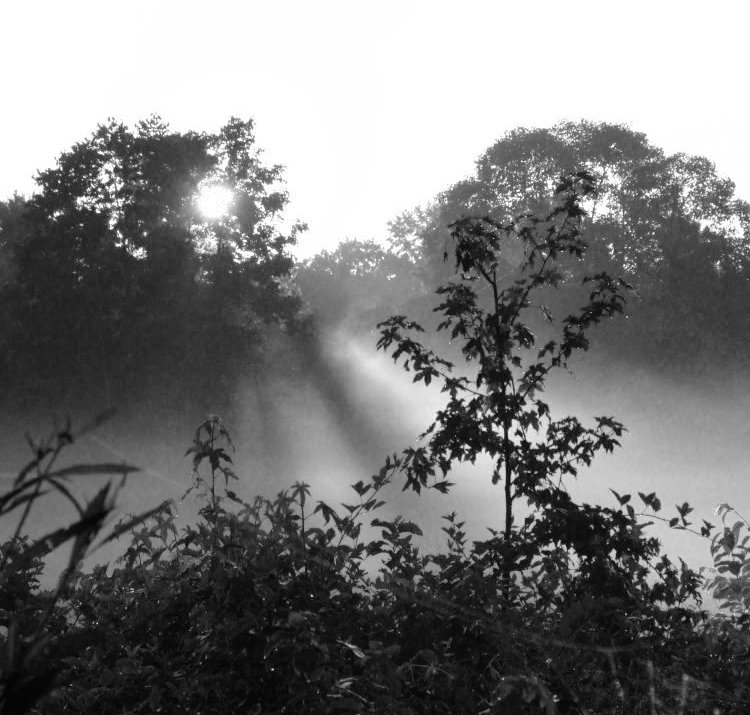
I ain't telling
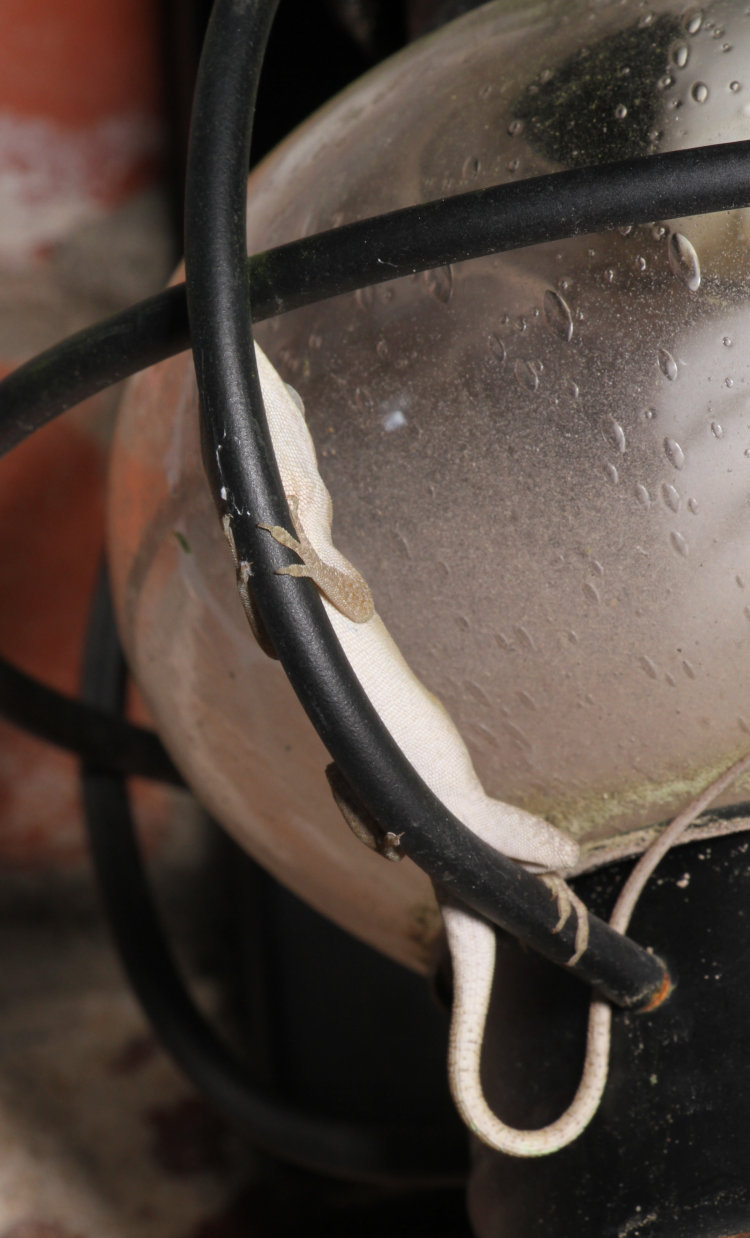
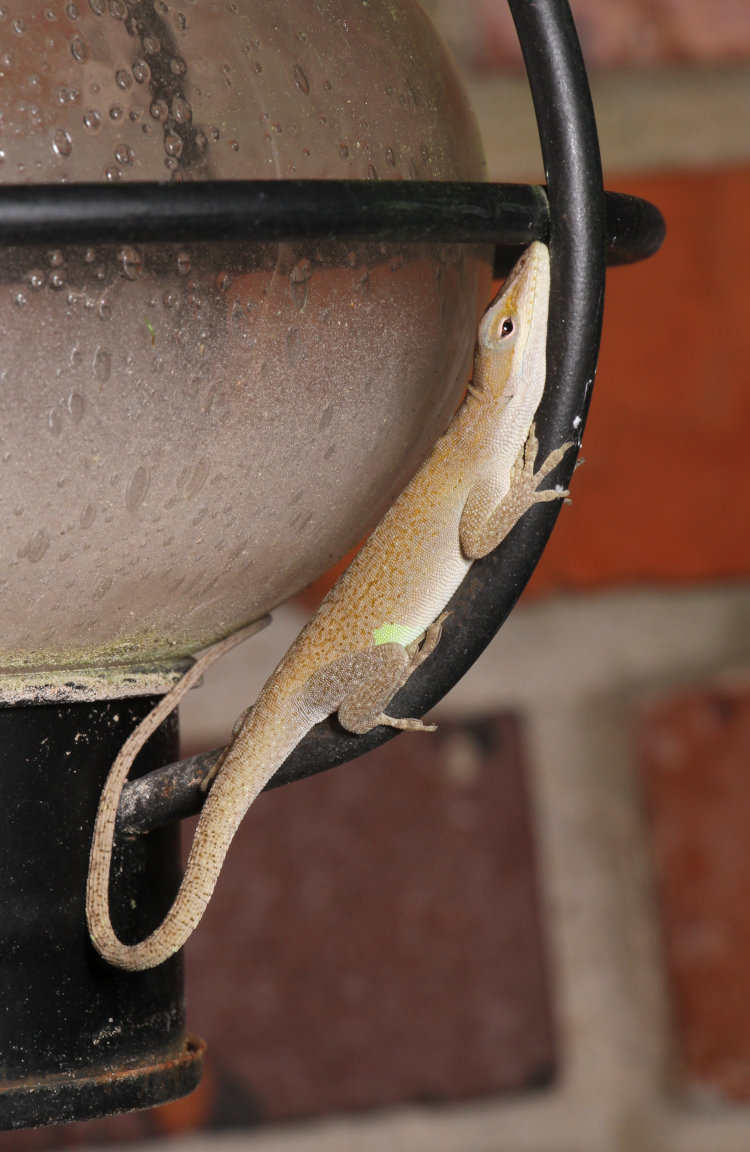
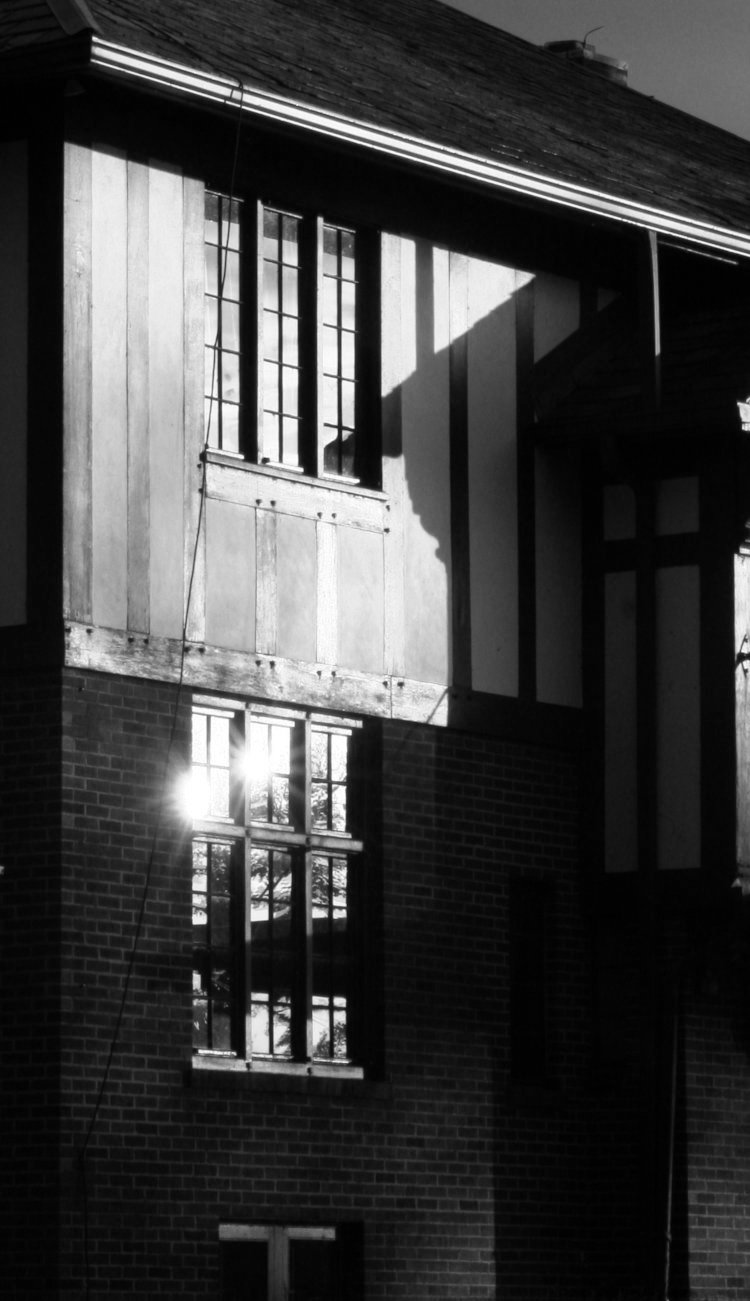
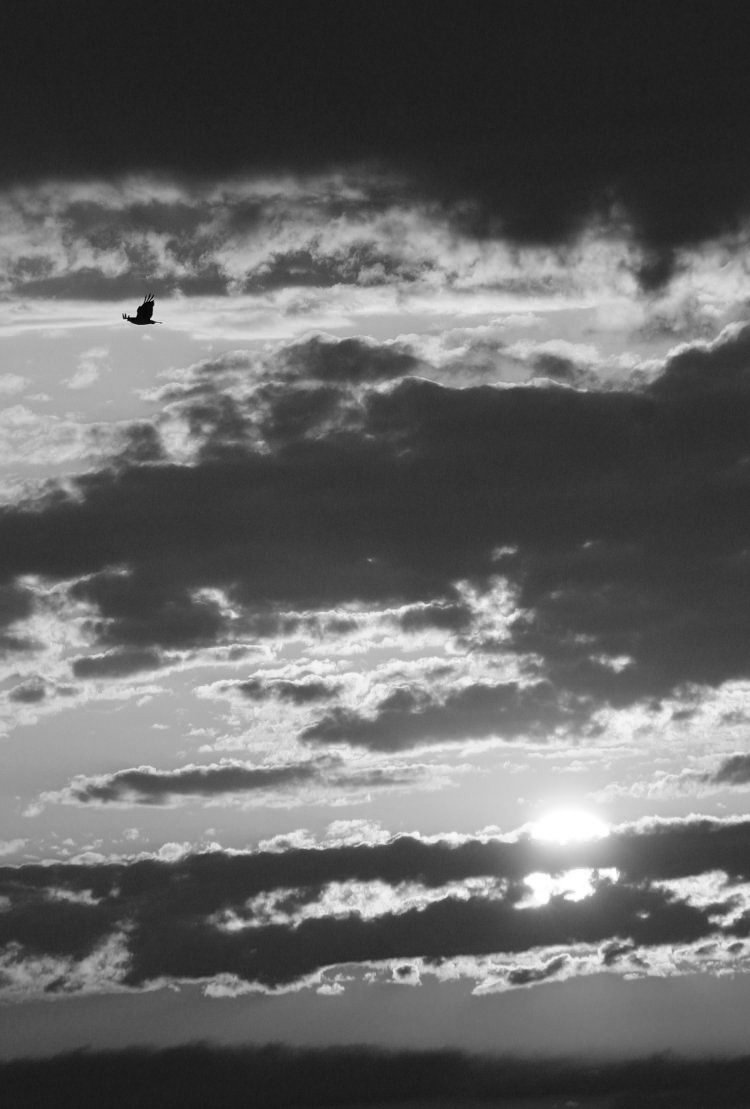
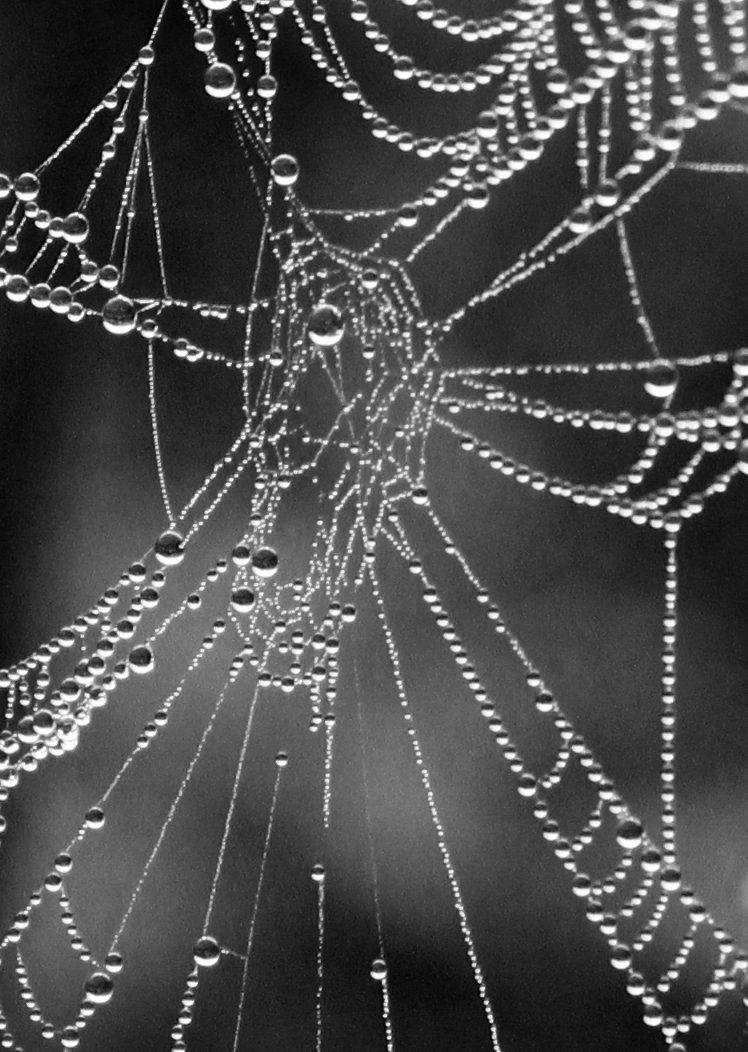
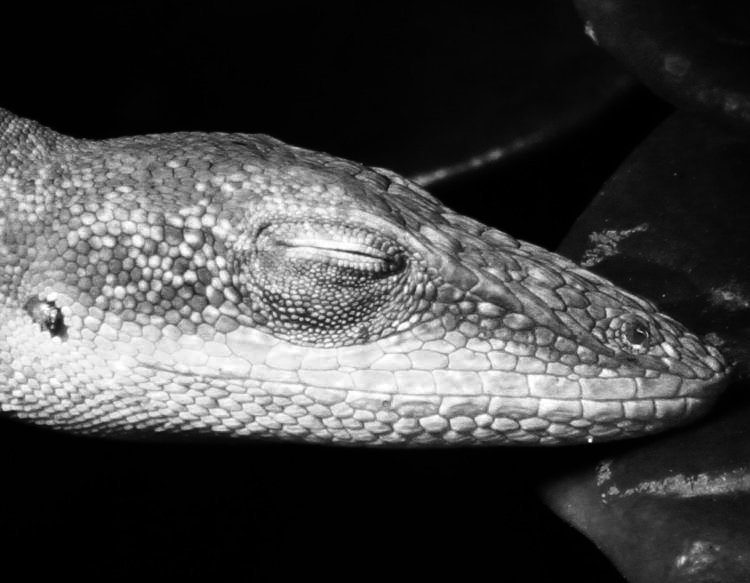
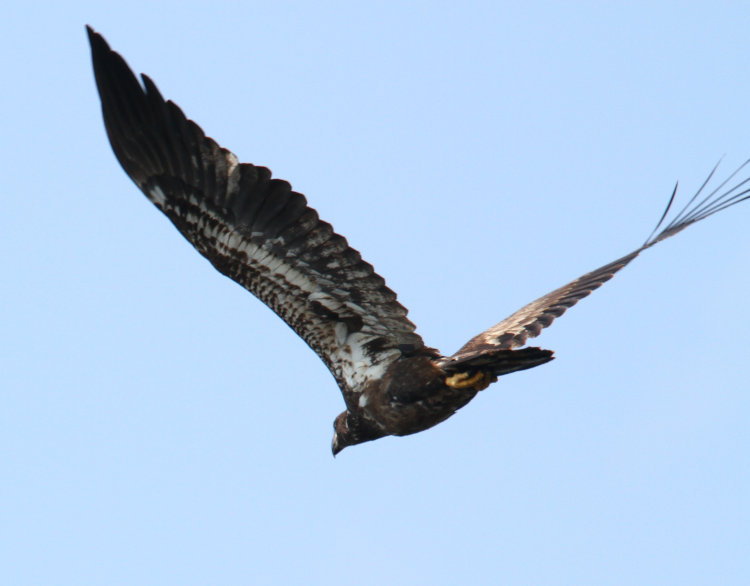
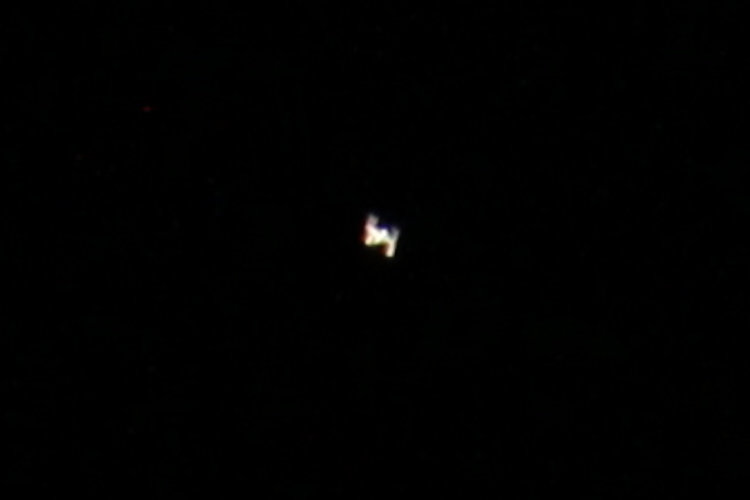
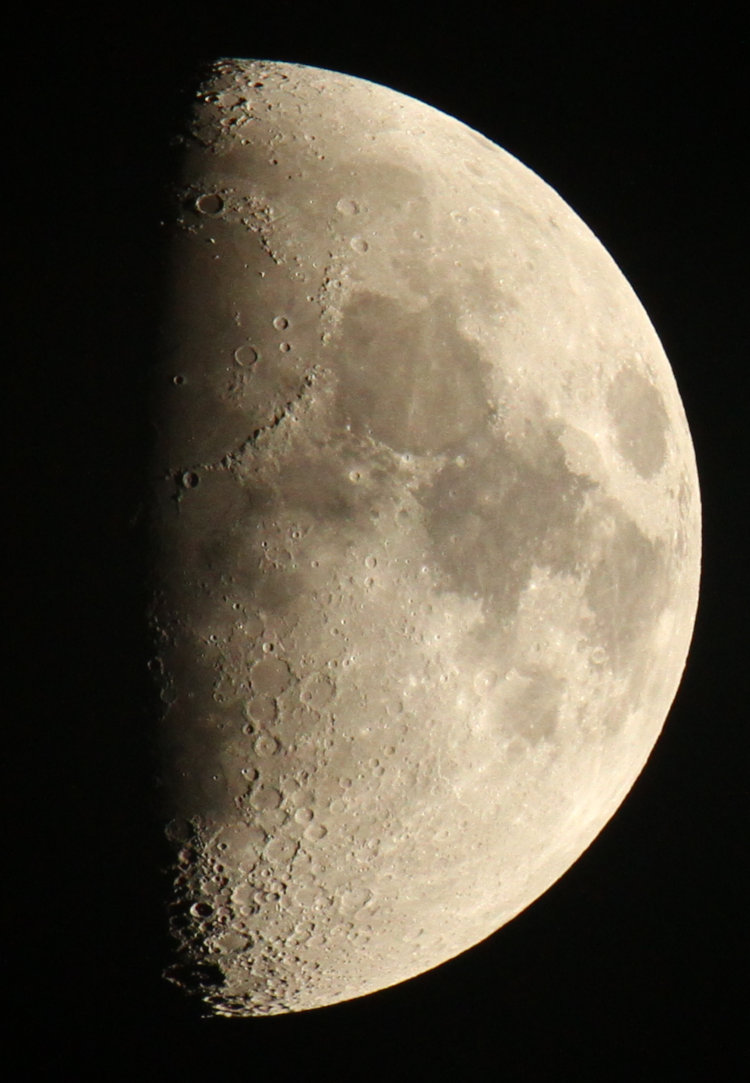
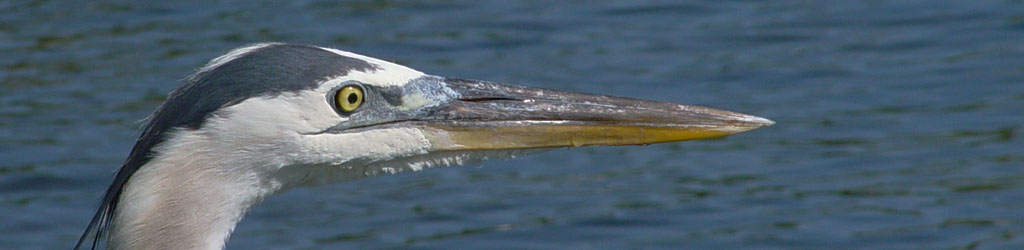
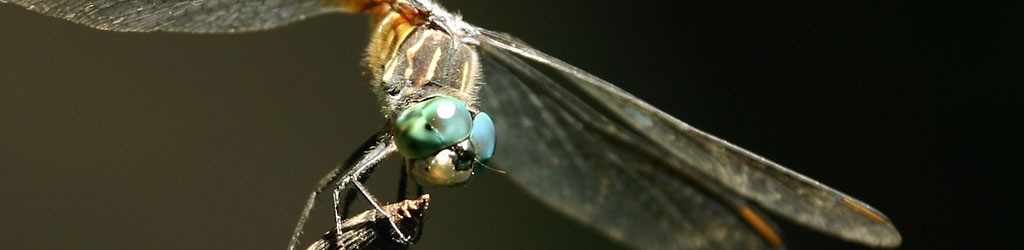
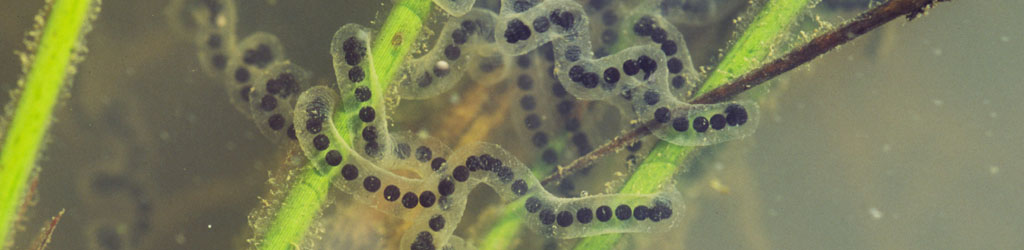
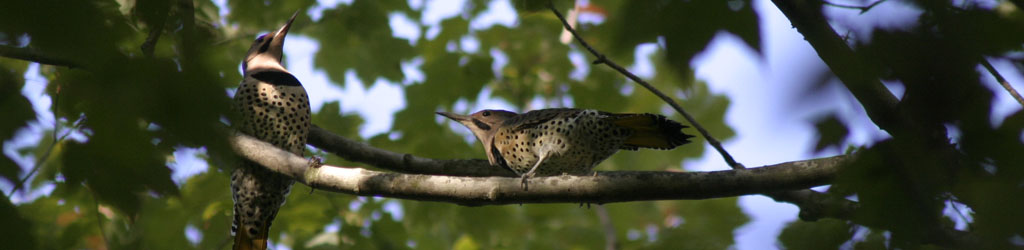
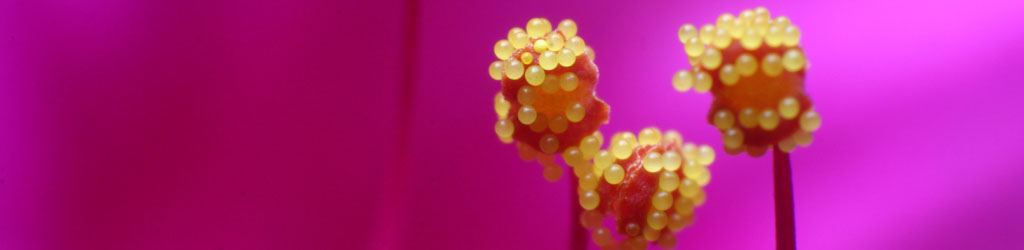
Is that abstract enough? I wasn’t really thinking of abstracts in the few sessions where I was shooting this month, so I fudged it with this one, but I think it fits the definition, anyway. Now, fartsy? Well…

I’ll be back later on and tell you what you’re looking at, if you’re so pathetic that you can’t figure it out. But c’mon, the context is there, clues from previous posts, and everything. No sweat, is what I’m thinking.

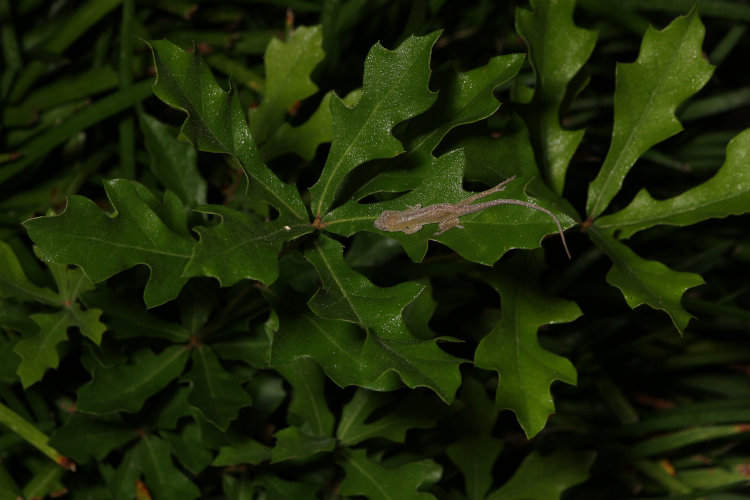
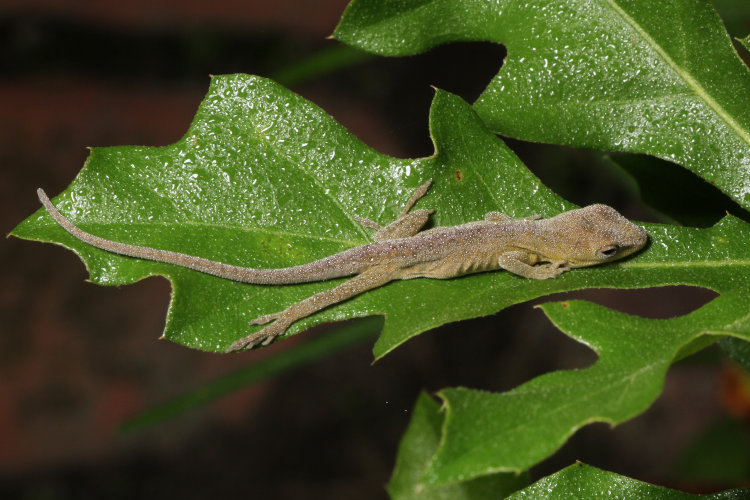
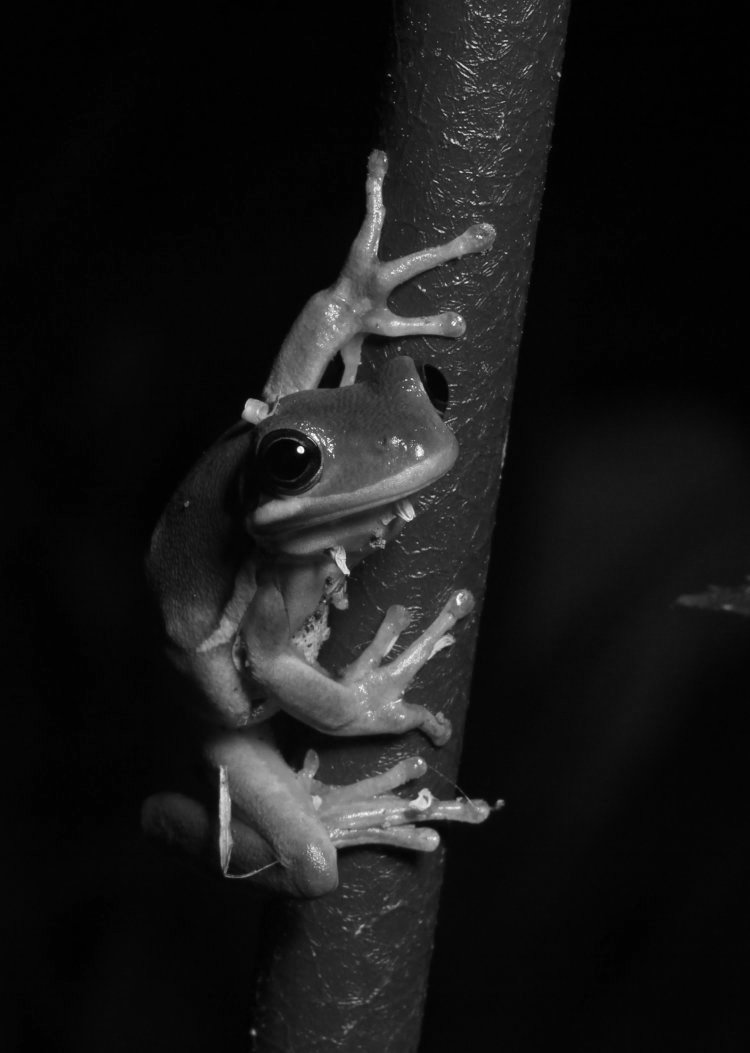
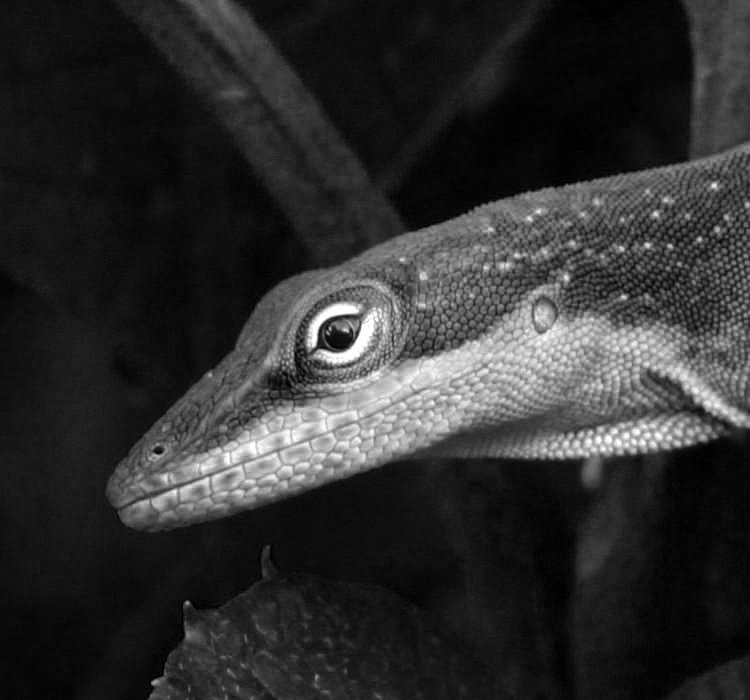
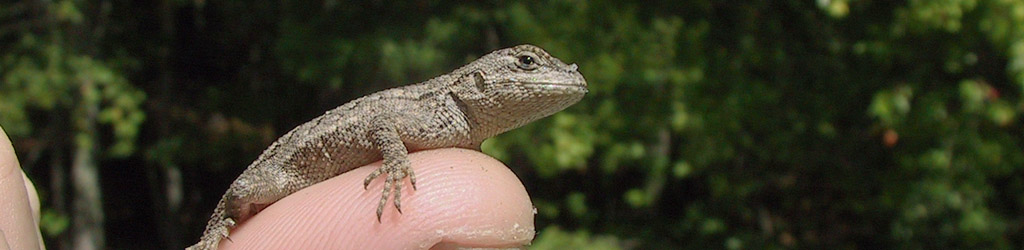
Since it’s also the end of the year, I should have another, but nothing new presents itself, so we’ll revisit my favorite abstract from this year. This surprises no one, I’m sure.

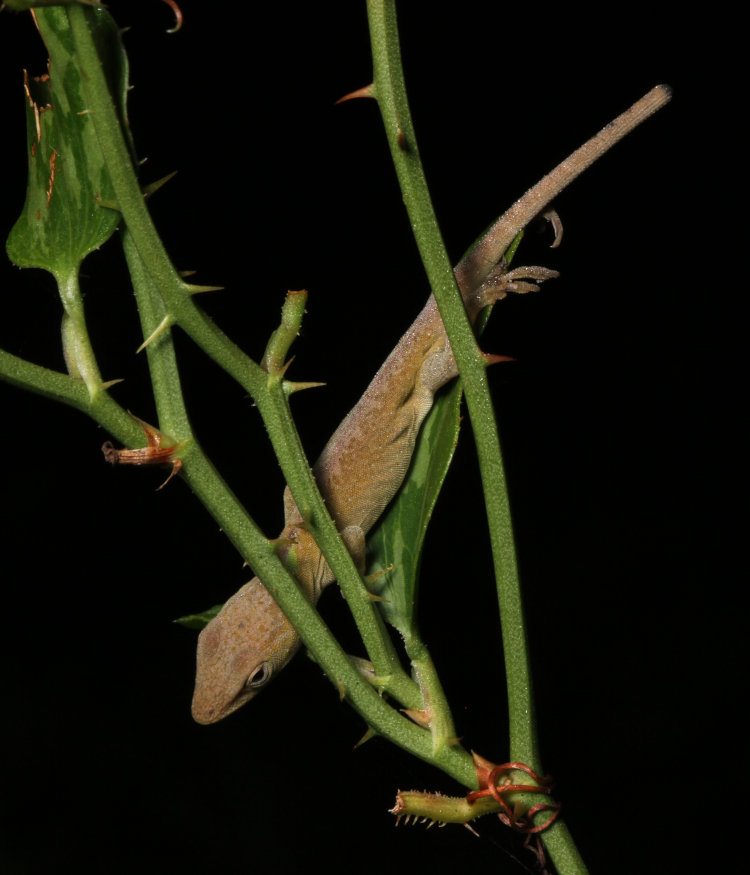
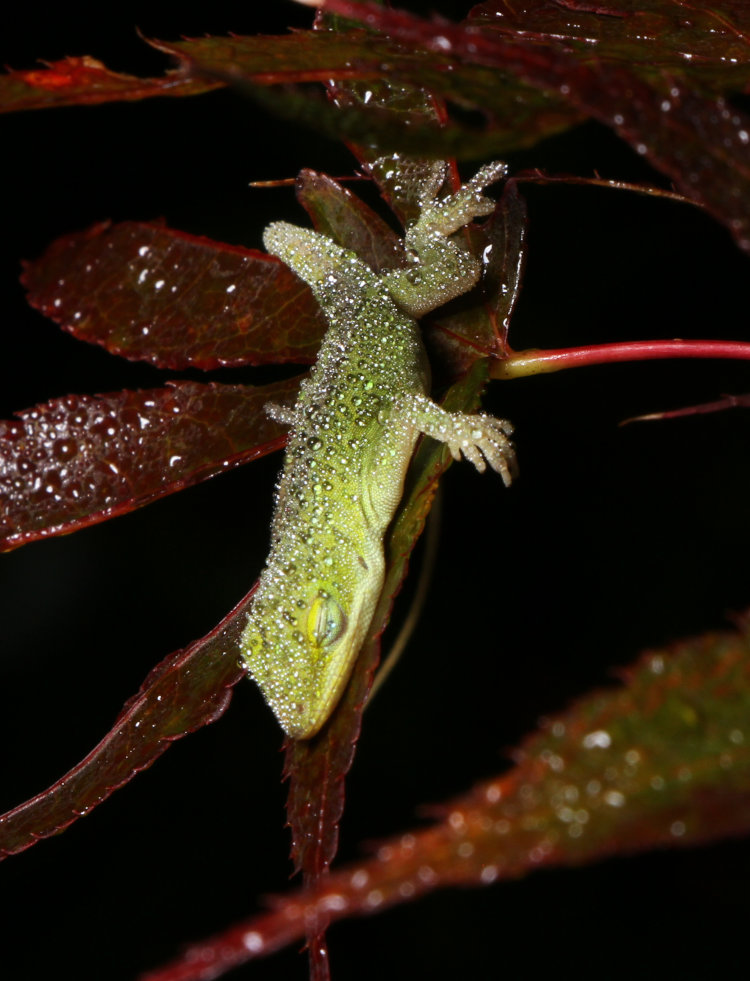
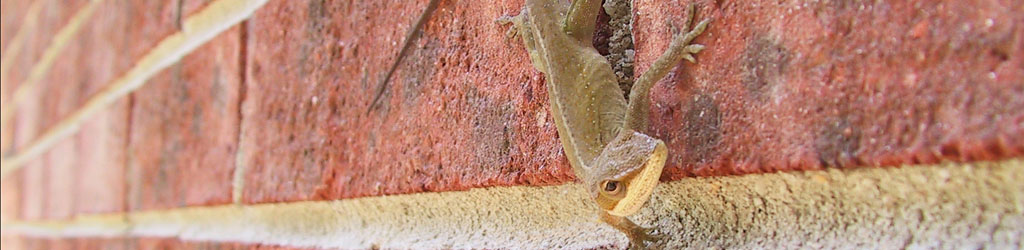
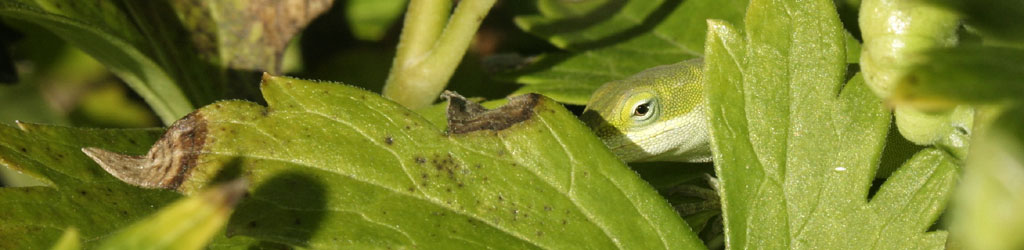
very young Carolina anole Anolis carolinensis just visible from under leaves of gardenia bush at night
It’s not too late to order an extra-large print of this for the holidays, you know. I mean, it won’t arrive in time for anything this year, but there’s never a point where I stop taking money.

I’ll probably be back later on today, but just in case I don’t make it (because my scheduling for the past several weeks has gotten wrecked numerous times,) have a great new year!

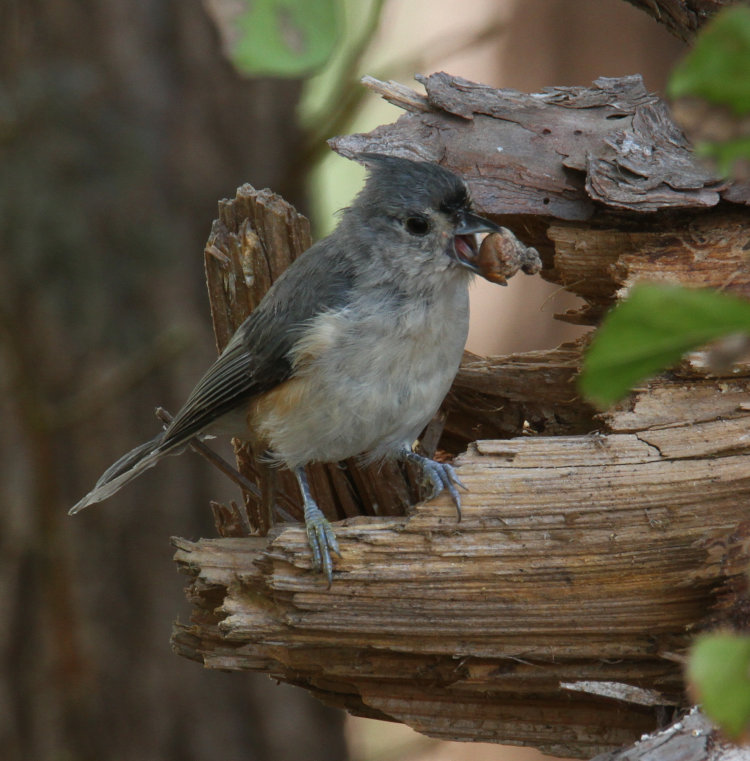
Mixed effort

The trip we just took, for only a couple of days, was down to Beaufort, North Carolina, a coastal town nestled among a cluster of barrier islands. It’s typical for coastal, tourist-oriented towns: quaint, lots of shops, fancier restaurants, and various activities aimed at tourists. Among the latter were ferry trips out to some of the barrier islands, and among those destinations is Shackleford Banks: not quite 13 kilometers long and 1.5 at its widest, undeveloped and part of the National Park Service protected areas, largely because of the horses. The island is home to a colony of wild horses, a breed known as Banker horses (Equus ferus caballus) that have been there for many decades, rumored to have come ashore from Spanish shipwrecks – if true, this would make them present for at least two centuries, but documentation about the island is scarce so the origin of the colony is questionable. Still, they’re entirely feral, one of the few places in the US where you can find wild horses.

We went into this trip with the idea that actually spotting them might be tricky, especially with a long island for them to hide within, and I was mentally prepared to not see any, or only at a great distance, and it is with some retrospect amusement that I recall evaluating the occasional mound of horse feces we came across for apparent age, trying to determine if it had been deposited recently. Within the first half hour, we spotted our first horse in the distance, as indicated in yesterday’s post. And then another.

pair of wild horses on Shackleford Banks, NC
This is with the long lens, and I wasn’t judging the distance at the time but estimate it now at a little over a hundred meters. We had no idea how wary they’d be, and approached carefully.

pair of wild horses in small valley on Shackleford Banks, NC
Visitors are warned to avoid close approaches or any contact, since the horses might consider it a threat, and of course no feeding is allowed. But there are numerous ferry trips taking visitors out there every day, so the horses are also acclimated to the presence of people. Thus, they kept a wary eye on us but otherwise went about their own business, which if you know horses at all means simply grazing.

trio of wild horses on hill on Shackleford Banks, NC
I missed an opportunity here, when the horse in the back appeared over the ridge striding purposefully and dramatically, looking more regal than this, and I couldn’t ever time it so all three were looking at us simultaneously, but so it goes. We only did the one trip that lasted for just a couple of hours, meaning opportunities were a little limited. Not to mention that the sky remained resolutely overcast, though not darkly – occasionally the glowing ball of the sun could be discerned through the cover. The temperature was right on the border of uncomfortable; being on the ocean, the wind was near-constant, though broken a little by the terrain, and we were experiencing slightly warmer than typical winter temperatures for this region, a little better than 12°c.

The terrain deserves a mention since it’s a barrier island and thus mostly sand, within which only certain plants can grow at all. It’s hilly, though – not hugely, but more than I would have expected, and so it was possible to suddenly discover a horse only a handful of meters away as you crested a hill or rounded a bend. Between the wind, Atlantic storms, and constant churning of hooves, it’s loosely packed, and so tramping around up and down hills took more effort than most hikes – not terribly strenuous, but certainly stretching out the leg muscles. And the food available for the horses, at least in the immediate region, was what you see here: long coarse beach grasses well past growing season. And juniper bushes, which to the best of my knowledge horses can’t eat. How they managed through the winter, I can’t say, though I imagine the park service might provide supplemental food, and we were told that birth control was administered to limit the number of breeding females.

At one point we heard some soft whinnying in the middle distance, and as we were starting along one of the trails that meandered across the island in that direction, another horse appeared bearing towards us, so we respectfully gave it room. It passed with barely a glance, then paused not too far from the others on the hill and gave out a couple more whinnies – unfortunately, autofocus was being balky at that moment.

small wild horse giving whinny on Shackleford Banks, NC
To appearances, this one wanted to join the others on the hill, though my experience with horse behavior is not exhaustive (or even adequate.) The larger horse up highest immediately took notice of this ‘request’ and stood staring at this new arrival.

larger wild horse staring at new arrival, Shackleford Banks, NC
The attention was unwavering, and shortly thereafter, it became clear that this really was the stinkeye, because the larger one in the back chased the smaller, foreground one off – not energetically, but sufficiently; the little guy was not welcome here.

Due to shooting against the sky so often, I was constantly trying to remember to adjust exposure compensation depending on where I was aiming, which could change at any time, and didn’t always remember; it probably would have been much worse with a sunny day. Briefly, the exposure meter in the camera judges the light in the frame but doesn’t know what it sees, and that the sky, for instance, is supposed to be that bright, so when shooting against the sky, compensation needs to be set to keep it bright. But with the dark juniper bushes as a background, it’s unnecessary. And of course, when something interesting is happening, you want to simply aim and shoot and not mess about with settings. My advice: one of the control dials on your camera should always remain set to adjust exposure without additional buttons or menus. And then, always keep it in mind.

pair of wild horses grazing on Shackleford Banks, NC
All of the horses were the same chestnut color, though with variations in mane and face, all had thicker winter coats, and all had the shorter, stockier bodies more reminiscent of ponies, but I believe this is typical; the long-legged, lean and sleek horses that we’re used to have been bred for riding and racing, while this is not an ideal body for surviving in the wild.

It’s funny – I wouldn’t spend more than a few minutes photographing any domestic horse, and even then I’d be watching for something either compelling or portrait-oriented, so all of the frames that I took here were only due to the knowledge that these were “wild,” and that title is up for grabs; were they truly feral, or more acclimated than not? Do non-acclimated horses even exist anywhere anymore?

wild horse pawing at sandy turf while grazing, Shackleford Banks, NC
This one was pawing at the turf, if I can call it that, trying to stir up something within, but I couldn’t determine what might be there to dig up. I also never discovered where they got their fresh water from; channels on the island indicated that the two waterpools we found were flooded by saltwater periodically, so I’m supposing there were catch basins elsewhere for rain that the horses could drink from. I find it unlikely that there might be a spring or something, given the island’s position and composition.

wild horse with long grasses dangling from mouth, Shackleford Banks, NC
By the way, all of these were taken with the 150-600mm lens – to begin with, because we were at a notable distance, but also to avoid close approaches. However, several times I had to shorten down quite a bit because we were pretty close; this one was at 273mm, while the horse getting the stinkeye above was at a mere 150mm.

I also played with more evidence of their locale.

wild horse against driftwood and shoreline, Shackleford Banks, NC
None of them came near the beach while we were watching, though some hoofprints along the foliage line could be found. So this had to be arranged through a saddle in the sandhills – not framed as well as I would have liked, but it suffices for now. We’ll return some day, perhaps before the end of next year.

I’ll close with another fartsy shot, shamelessly tweaked a little for better color and contrast. Simple, yet expressive of the conditions, and yes, the hills really were that steep, though I doubt the tallest topped 10 meters. I’m curious what it looks like in the spring and summer, and also whether these were typical viewing conditions or if we had a lucky day – we saw at least fifteen separate horses, near as I can judge, but between their wandering and ours, there may have been more repeats in there than I thought.

enhanced image of wild horse along steep hill, Shackleford Banks, NC
More photos, of other stuff, will be along shortly.

Half again

Yes, today is that very special day, but only right here in this imaginary, electron-supported environment known as the blogoblob, because it’s the 15th anniversary of the first post on Walkabout. Imagine that! And this is the 2,750th post therein, which is why this past month or so has been overtaken by dross. I regret nothing (well, except that one post – you know which one,) because at the very least it provided some content in what would otherwise have been a very quiet month. I can hear you blathering your ill-informed opinion in the background and I am pointedly ignoring you…

It would be nice to say that I had something special and captivating to put up here, but that’s a lie – instead, we have a podcast, I believe the first in exactly a year, which was for the 2,500th post. This one is about a more scientific, critical-thinking topic however, sparked by several posts over on Universe Today, but most specifically, “Why Don’t We See Robotic Civilizations Rapidly Expanding Across the Universe?” by Matt Williams. It’s not a short one, so get comfy before hitting ‘Play’ – you’ll be too captivated to even pause it for a bathroom break.

Walkabout podcast – Alien Artificial Intelligence

[By the way, I tried a new ‘noise gate’ setting to cut out the intakes of breath and so on, which did a fine job and eliminated a lot of work, but was perhaps too aggressive and truncated the ends of some sentences as well, especially ‘S’ sounds, so I apologize – next time (a year from now?) should be better.]

Once again, I urge you to check out the originating post, because they referenced several publications where a lot of this has been addressed; mostly, I was responding to the artificial intelligence aspect, but also the robotic explorer idea. I will openly admit that this all is 95% speculation, and not only on my part, because we really cannot judge what any extra-terrestrial species might be like, what motivates them, and so on. Feel free to point out the flaws that I missed, however – I’m game.

Other posts that examine artificial intelligence:

The road’s longer than it looks

On the horizon

Other select posts regarding extra-terrestrial intelligence:

None of this looks familiar

Homey don’t play that

Let’s hope they’re cute

I feel I should let you know, by the way, that 15 years is a Blog Mitzvah, and while I know most of you can’t be here in person to celebrate, there’s that Tip Jar over there on the sidebar to show your appreciation for all this astounding content and insightful prose. It’s so much easier than sending a card.

Cheers!

Free to good home

empty winter branches blocking sunI’ve been meaning to do more cleaning of the blog folder, which is where I stash images prepped for posts before they’re actually uploaded, and on occasion I decide against them, for one reason or another; I end up not writing the post, or the narrative (such a grandiose word for this shit, isn’t it?) goes in another direction, or something along those lines. I often leave them in the folder with the idea that they might come in useful further down the road, and occasionally this happens, but not often, and I finally decided to clear out the junk drawer, as it were, and simply deleted a lot of them.

A handful of them, however, were still interesting enough to post (says I,) though a few had been sized for the olden days, when vertical compositions were often ‘less than column width’ as seen here. I largely stopped doing this because a) it made the images seem too small in the layout, and b) it requires having enough text alongside not to introduce big gaps into the pages, and I would often end up trying, nay, endeavoring to creatively lengthen, expand, or elucidate to maintain balance – not like I need any help at all being wordy. Anyway, I called this one “Chiaroscuro” after the artistic concept, which means, “bright darkness” – I know, what’s a peasant like me doing trying to use or even understand fancy cultural terms? Beats me, which is probably why it sat there unused for so long…

sun peeking through snow-covered trees following a blizzardThere’s also the idea, with half-column images, that they should face ‘properly’ with the text – this one leans leftish, so it should be to the right, while the one above is the opposite. This could also make for juggling the posts a bit, because at times I’d end up with vertical images that all leaned right and I couldn’t alternate like this. Does it make the slightest difference to anyone? Probably only me, but at least it shows that some thought goes into these posts, even if, again, we’re using far too elaborate a word to describe the guttering candle within my brain.

I’m not absolutely sure and I’m not going to go searching right now, but I think this one dates from before the blog was actually started and is on slide film. We had a wicked blizzard for this latitude and I was effectively snowed in, so this came from traipsing around in the woods adjacent to where I lived. It had been a heavy, thick, wet snow that adhered to everything, piling up as much as a few centimeters even on thin branches, a real winter wonderland kind of thing – but of course I couldn’t get to anything more photogenic than this.

Has this been enough space?

How about now?

immature katydid on rain-splattered flower
I ended up using the monochrome version of this some time back, so the color version just sat around. It does illustrate something that I often struggle with, which is/are botanical subjects with less-than-perfect petals or leaves, little ugly spots that distract attention away from both the subject and the overall mood – and which disappeared when converted to monochrome. But the colors remain nice, and those antennae were damn sharp…

American alligator and its reflection in one of the aquariums
There was a thematic purpose to this image, but I’ve long since forgotten what it was. I like the symmetry – look at that lovely pattern right in the center of the image – but there are a few too many distractions, like that pole thingy in front. Maybe I’ll crop the original tighter, make things bigger, and revisit this later on…

ginger lily with hidden occupant
Just a nicely-shaped ginger lily from the botanical garden, even if there are some old petals down near the bottom. I was trying for some misdirection, though, and I don’t think it carried as well as intended. Here’s the follow-up anyway:

green lynx spider on ginger lily
Imagine, though, that the flower was viewed as normal, so a handful of centimeters across nestled in among the cluster of leaves. The green lynx spider here was certainly very subtle unless you were paying close attention to the things that ‘didn’t ring true,’ like those little threadlike legs dangling over the top, and then you realize she’s there.

I’m not exactly sure what the little hairs/spikes/daggers on the legs accomplish, save for making them look badass. I don’t think natural selection really works that way but, you know, maybe…

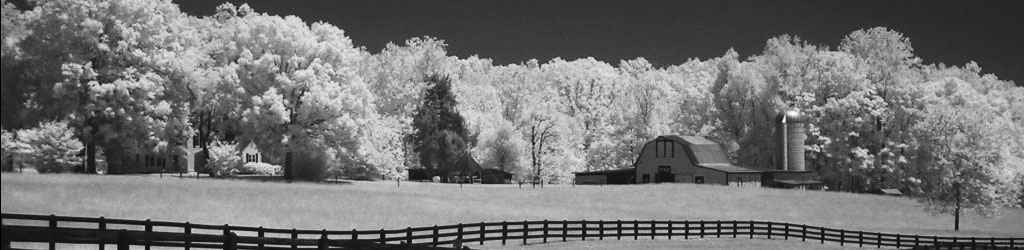
old outbuilding in infra-red
This is in infra-red, from back in 2007 when I was on that kick. While I liked the way the tree rendered here, the rest of it seems a little… discordant, maybe? Just not quite cutting it, and thus decided against for the various B&W posts that have come since.

unidentified insect larva, possibly early caterpillar
I was busy with other subjects when I ran across this little guy, and did a quick shot with the intention of coming back when I wasn’t busy and tackling it in earnest, but it was gone on my return. I’ve never seen anything like it before or since (this dates from 2021,) and this tight view from low enough allowed a hint of the legs to come through – I’m pretty sure it’s a larva, and I suspect a caterpillar of some kind, but I haven’t tried searching it out either. The blue comes courtesy of the rain barrel, of course, and the water drop gives some indication of size.

pair of North American beavers Castor canadensis foraging together in neighborhood pond
Much as I liked this image, I think I used something very similar for the thumbnail display of the accompanying video when I posted about the beavers last year, so this was an unnecessary duplicate, and no thematic reason has occurred since.

And finally,

red lacewing Cethosia biblis rendered in monochrome channels
I threatened to do this a couple of weeks back when I posted the color version, and you have now discovered this was no idle bluff – if you were caught unawares, you have no one to blame but yourself, though the Republican party can be used too because they never get tired of whining about persecution. Not just converted to monochrome, but through selective color channels – this is the Green and Blue channels in a specific ratio (I think 40% opacity in Green, but don’t quote me on that.) This allowed for the best balance of contrast in the wings while making the head and thorax bright.

So, that cleared out a few, while you know what tomorrow is, right? Shouldn’t be too hard to figure out…

Living in the past XXIIX or XXVIII

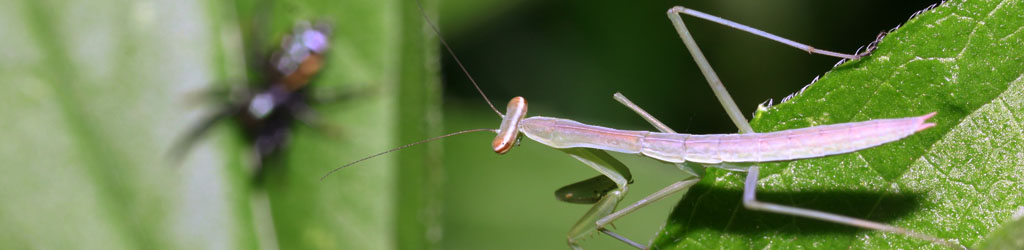
newborn Chinese mantis Tenodera sinensis on calla lily blossom
We’re into 2016 now. The Girlfriend loves calla lilies and we’ve had them a couple of times, but they never seem to last more than a year or two. Still, while this one was blossoming, I got extraordinarily lucky in that a newborn Chinese mantis scampered around the bloom while I was there, and I got several frames. This one in particular became an art print and was displayed in the one gallery showing that I’ve had (so far, anyway – more are planned, because I intend to get into this more conscientiously.) I was attempting not to be too “buggy” in my choices, but figured this one was acceptable. And based on some of the feedback that I received, I could probably get away with more, though it certainly depends on the venue. Is it feasible to do an entire line of arthropod fine art prints? Will photographers one day arrange their own galleries of insect art because of the trend started by Denelsbeck? Do I even know what fine art is? You can come up with your own answers to these, which likely won’t agree with mine and yet will prove to be far more accurate…

Enjoy the day

So I have determined that the biggest disconnect between theory and practice, a disturbingly vast gulf, is my ability to wrap presents. You just do this, and this, and then this, right? Yeah, and then I end up with something that looks like the faux presents that have been under the tree in a run-down mall for the past thirteen years…

Anyway, it’s about 1:30 AM right now, and I think this is as close as I’m gonna get to being ‘ready’ – it should be more, but it’s not. Still, we will have good food and family over (just a handful) and we’re all pretty mellow anyway. It’ll be fine.

[Did you hear that, Fate? I said fine. That’s not a challenge.]

Right now, I’ll feature George Hrab, a musician and critical-thinker, the host of the Geologic Podcast (that has nothing to do with geology, but you’ll figure it out) over on the sidebar there. Or right here, if you prefer. This is his holiday song, written quite some time back I think, but the sentiments are solid and inarguable.


While I should add more, I’m too scatterbrained to tackle it at the moment. So I will wish you all a Happy Holidays, Season’s Greetings, and Be Mellow and Imperturbable. Enjoy the day, regardless of how you view it.

Cheers!

christmas lights and reflections

Tripod holes 52

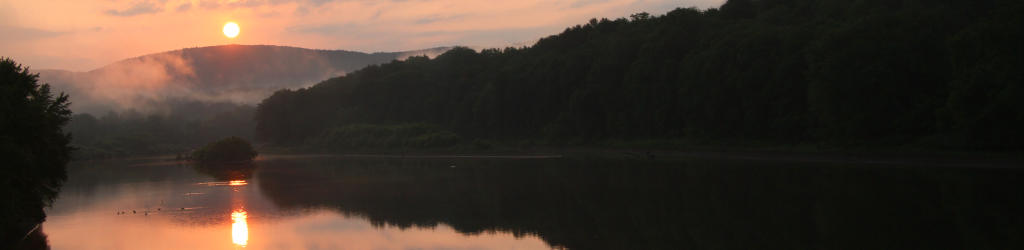
moody sunset skies over Imperial River, Bonita Springs, Florida
N 26°20’19.30″ W 81°48’17.66″ Google Earth location

This one isn’t so much to show you a great place for photos, though it may work in that regard; most of the appeal is the sky though, which can occur anywhere. More, this was another of those self-challenges that I get up to, seeing if I can pinpoint a location that I visited just once in passing.

I’m pretty sure that this was on my birthday in 1999, during a tour of Florida while I still lived in NC. The common evening thunderstorm had rolled in while I was eating dinner at a Perkins Restaurant, and initial memory told me that it was in Fort Myers, but as I thought about it I recalled it was in Bonita Springs, the city a little south of Fort Myers where I was staying, because it was much cheaper while still being relatively convenient to Sanibel Island. The rain hammered, the thunder crashed, and I stalled over dinner, not wanting to go out in it, but it soon passed (as it usually does,) and I hopped into the car to head north. Immediately, the sky cleared into a moody collection of scattered clouds lit by the setting sun, and I figured I’d have to do something about it. The city wasn’t a good place, and I was hoping for a nice natural-looking area between Bonita Springs and Fort Myers, when I saw the bridge ahead and a turnoff almost immediately on my right, possibly marked with signs for a boat launch. I swung the car quickly into the parking lot, hopped out at the ramps, and hastily set up some frames.

I’m still unsure how I feel about this one. I like the colors, and how the cloud line matches the tree line, and even how the gentle ripples accentuate rather than disturb the reflection. But I also feel that it could have been stronger, had more of a focal point of something. No birds saw fit to pass through and give me something to work with, and the light was changing and fading rapidly, so this is what I had to work with. But I have indeed done better, by any objective measure.

Years (decades, really) later, I endeavored to pin the location down. I knew I was sticking to Rt 41 instead of the faster but far more boring I-75, and I knew the orientation of the river and ramp. It didn’t take long. Moreover, I even located the restaurant, not a kilometer due south at the major crossroads there – it’s now an Aqua Seafood Steaks and Raw Bar, but go into Street View and it’s still a Perkins. And if there remained any doubt in my mind, looking at one of the other frames that I took then settled it just ducky.

moody sunset skies over dock on Imperial River, Bonita Springs, Florida
These were taken only minutes apart, but you can see how the sunlight has left the clouds now. More to the point, that L-shaped fishing dock is more than distinctive enough – with a few measurements and perhaps a little math, I could pin down to within a meter where I was standing on the other, straight dock.

But I can’t recall what table I was at for dinner. Getting old…

Tripod holes reject

motion-blurred night exposure of city lights from landing aircraft
As the title says, this one was in consideration for a Tripod holes entry, because I could almost pin down right where it was taken – just, not quite. And I had other images that worked better anyway. But here’s the scoop.

It was November 2003 and I was returning to Florida on a flight from North Carolina, and we were on final approach to Melbourne International Airport, so these are the city lights of Melbourne. I knew which approach we were taking, and that blank rectangle in the middle there is pretty distinctive, so I thought I should be able to use that (and the line of the major road that stretches diagonally on the right side, almost certainly South Wickham Road,) to pin down a precise location. A rectangle without lights would likely be either an unlit parking lot, an empty field or lot, or a very large building. But despite my best efforts, I couldn’t pin it down; other areas should have been either just as blank or had more lights, things like that. So it’s only a curious abstract image not helped at all by the motion blur during the longer exposure needed to even capture the lights. It’s on slide film, by the way, so no EXIF info to check and see what the shutter speed actually was.

Less than ten minutes before this, however, I knew we were on descent though I had no idea what our altitude was, because there was nothing to be seen below us at all and it was a distinctly clear night. This had me convinced that we were approaching the airport from the east, because that would be from out over the Atlantic Ocean; Melbourne International only has east-west runways, with approach direction determined by the prevailing winds, so an approach from the west would be over the center of the state which should have provided plenty to see below. And then confusingly, I saw a small cluster of lights in the midst of total darkness, wondering if it was a fishing fleet before realizing that it was a crossroads – we were over central Florida after all (this might actually have been Deer Park.) I can’t emphasize enough how few lights there were to be seen, which really drove home the fact that much of central Florida is swampland and farms, too wet to consider making even small towns within. Sure, the coastal cities, and even most of the coastal small towns, are pretty urbanized and crowded – but get outside of them and almost immediately you’re all by yourself.

Human-wise, anyway – there are always reptiles of some kind close at hand.

Living in the past XXVII

submerged autumn leaf with glitter trail sparkles
An abstract from 2015, one that came out very well – this is not bragging (well, much,) but recognition that the odds played out in my favor. The reflections are all from the sun on rippling water, so each of those sparkles was only there for a millisecond in time – it would be easy to have too many clustered together, or too few, but the line meandering up the frame works well, and the two on the tips of the leaf are a great touch. Meanwhile, since the exposure was set automatically and was compensating for that reflected light, the darkness of the water and the leaf itself could have been distinctly different, but here it provides a ghostly quality. I’ll take credit for knowing that a smaller aperture would produce the starbursts better, but I’ve known that for decades – it’s not exactly an advanced trick. But all that said, it deserved to be seen again.

1 48 49 50 51 52 325