Room for one more

I had this in the back of my head for a few days, just as I’ve done for several years prior, when I remember to check that is (which is infrequently.) But the setting moon was going to be just 1.1% illuminated this evening, right after sunset, and the sky was crystal clear, so I elected to try again.

[Wow. That last was five years ago – I wouldn’t have said that much time had passed.]

I was out in a great location for visibility, being able to see within a couple of degrees of the astronomical horizon, which is essentially what you’d see out over the ocean – my visibility wasn’t that good, but close. And when I knew it should be coming into visibility, I fired off a wide frame just to see if it could be spotted later on in editing, because I hadn’t seen any sign of it yet.

twilight sky after sunset with tiny crescent moon making first appearance
And indeed, it could be. See it there? This is shot at 150mm, the widest setting for the Tamron 150-600, and I made sure to include the streetlight for reference. But if you’re not seeing it, there’s this different crop of the same image:

tiny crescent moon making first appearance, long crop
That’s the whole height of the frame, so you should be able to go back and locate it in the original above it, but I admit it’s very very faint. Not long after taking this frame, I found the crescent in the binoculars and the with the long lens, this time at 600mm, and began firing off frames.

tiny crescent moon against twilight sky after sunset
Venus was up already, so I was using that, and passing airliners, to attempt to focus tightly, thought this one is probably just a hair off. But I like the color.

After a few minutes, I decided to try the 2x teleconverter for some frames, though to be honest, the edge that it provided was only to make things bigger in the frame, because it wasn’t likely to resolve things any better and increased the risk of both slower shutter speeds, and greater susceptibility to camera shake, reducing the quality.

tiny crescent moon with 2x teleconverter
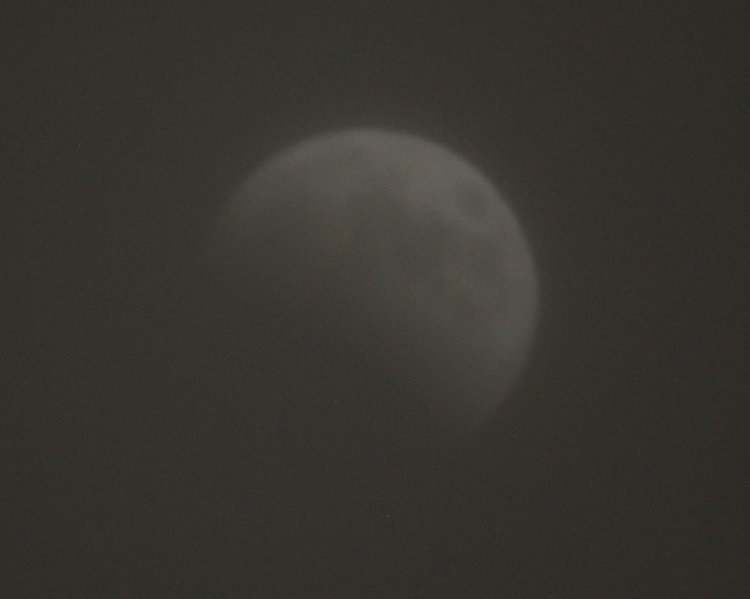
And then of course, there’s atmospheric distortion, which I wasn’t likely to get past – North Carolina always has a certain higher background level of humidity, except on very rare occasions, and even when the sky looked totally cloud and haze free, the banding visible near the horizon meant that distortion was going to be a factor – this was as sharp as it was going to get, especially since such crescents are only going to be found right down near the horizon because they’re otherwise overwhelmed by the sunlight and atmospheric scatter of that. Still, the barest hint of the lunar disk is becoming visible at this point, as the earthshine was showing through the darkening sky. It shows better a short while later:

tiny crescent moon and bare hint of lunar disk against twilit sky after sunset
Sunlight is still hitting most of the Earth that faces the moon at this point, and that’s reflecting off of the lunar surface back down to us; it’s actually close to as bright as it can get. But locally, the sky was catching too much sunlight bouncing through from over the horizon, so the earthshine wasn’t becoming visible until those light levels had dropped far enough.

It was getting quite close to setting at this point, already well below what I would have been able to see at any other shooting location that I’ve tried this within.

tiny crescent moon approaching horizon above traffic signals
These are the traffic lights for the low drawbridge that crosses the river that I was shooting across, and I’m amazed that they came out this distinctly, since they were only silhouettes to me standing there. I realized that I really didn’t want the moon setting against traffic signals, so I shifted my position along the river edge a short distance, but had too little time to get picky.

tiny crescent moon setting over trees and traffic on bridge
I had attempted a few longer exposures to try and bring up more earthshine detail, but the wind off of the river and the lowering light levels were conspiring against me and those pics are being discarded. Here, we actually have the drawbridge barriers and passing traffic in the scene. The last images that I took, with the moon disappearing into the trees, were also far too shaky and not what I wanted, so this is the end as far as I’m concerned. But it was worth the effort, and The Girlfriend was along for the ride this time and got to see it through the binoculars as well. Nice little short excursion, and allowed me to squeeze in even more pics and a post for the end of the month.

Now, I actually have a goal to capture the moon illuminated by less than 1%, but .9% is probably going to be the absolute minimum I could accomplish, if that. It would mean the moon is even closer to the sun, and thus more embedded in twilight while being dimmer, so it’s a very fine edge, and the last couple of times that I tried, the humidity was too great. Meanwhile, the conditions are actually sparse, because there are only two days a month that it’s possible: the day before new moon, when it would occur just before sunrise, and the day after where it appears after sunset like this. Yet not every new moon presents these conditions, because orbital mechanics dictates that those narrow periods may be more or less illuminated, and that crucial .9% period occurs elsewhere on the planet. But I’ll keep trying.

A new record!

nineteen turtles sharing the same tiny island to bask
The turtles outdid themselves today, and I wasn’t going to pass up the opportunity to post another photo. There’s nineteen of them on this little tussock, now known to us as “Turtle Island,” because of course. And there’s even room for more if they’re careful (which they often are not.)

Near as I can tell, these are entirely eastern painted turtles (Chrysemys picta picta) and yellow-bellied sliders (Trachemys scripta scripta) – the smoother, smaller, and flatter ones are the painteds.

Don’t believe me (about the count, I mean)? Here’s a version annotated with red dots for the heads:
nineteen basking turtles with their heads marked
While I was getting these frames, there were at least four more on the bank of another tussock island, a couple on various small logs, and at least five large ones that could bask in the shallows near the channel to the bayou portion of the pond. And this says nothing about the ones not yet out of hibernation. We gots a lotta toitles, is what I’m saying.

One of these days I’ll get around to posting the video of them jockeying for position, taken a couple weeks back. Not as many as here, but the competition was amusing.

Estate Find IX

This week’s find we credit to The Girlfriend, who discovered this little spud right outside the front door, of all places.

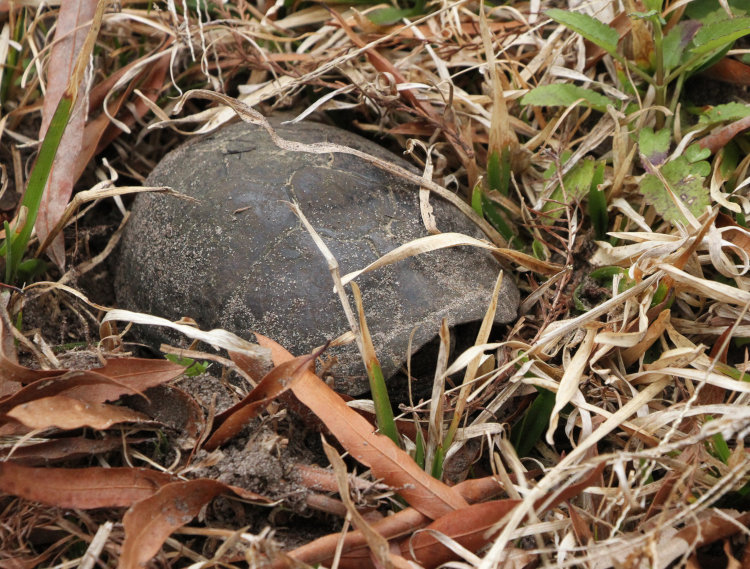
likely eastern mud turtle Kinosternon subrubrum in front yard
This is, most likely, an eastern mud turtle (Kinosternon subrubrum,) but truth be told, there is a fair amount of variability in markings that cross over with the striped mud turtle, especially in North Carolina where the striped mud turtle is not striped. Given that, I’m not worried about someone looking at these pics and pronouncing me utterly wrong.

likely eastern mud turtle Kinosternon subrubrum in photographer's hand, front view
This is average size for them, and in fact, I don’t think I’ve seen an adult varying from this by even ten percent – I always liken their appearance to hand grenades. I originally considered this a musk turtle (also colloquially known as a ‘stinkpot’) based on the pungent urine that it produced, which still lingers on my hand as I type this, but there’s a detail that rules this out.

likely eastern mud turtle Kinosternon subrubrum in photographer's hand, plastron view
While I don’t openly encourage handling of wild species, I don’t condemn it as ‘interfering’ or anything, since it’s trivial (especially compared to the hazards that they face routinely,) and in cases such as many turtle species, it’s the only way you’ll determine identifying characteristics. The musk turtle has only one hinge to its plastron, not allowing the legs to be fully protected, so this shows that it’s not that species at least; the head is to the right, but you can see the secondary hinge that closes off the hind legs. It also partially demonstrates that mud turtles are kind of like a cross between box and snapping turtles – handling should be done circumspectly, but that’s true of any species; don’t do it if you don’t know what you might be in for (or are offended by your hands smelling rank.)

likely eastern mud turtle Kinosternon subrubrum barely peeking from shell
The turtle was remaining reclusive, and even when put down, it extended its snout only far enough to see that I was still there. I popped the flash to fill in those shadows a little, but the eye is still not really visible.

So I let it be, while pulling up a lawn chair a short ways off and waiting…

likely eastern mud turtle Kinosternon subrubrum outwaiting the photographer
… for quite some time – over a half-hour, and this is as far as the turtle peeked out, determining that I still lurked nearby. I amused myself with other pics that I could get from my seat, some of which you may have already seen (I work on these posts in odd order sometimes,) which likely didn’t help because I was aiming the long lens in multiple directions and was obviously not just some lawn decoration, so the turtle stayed put. I eventually went indoors to do some other things, but came back out about 20 minutes later to find the turtle gone, though it didn’t take a lot of searching to find it again.

likely eastern mud turtle Kinosternon subrubrum heading out across the yard
It was heading purposefully across the yard, out in the open, but stopping to nose down into the ground litter from time to time, eventually emerging again and moving on to another spot to repeat the performance. I’ve since learned that mud turtles are largely but not entirely aquatic, hibernating on land a very short ways underground, in spots with lots of leaf litter but often with at least a hint of sunlight, so they can feel when the days get warmer. That would appear to be what this one was doing – it was quite a nice day, but it’s not expected to remain that way and the turtle might have been looking for a new hibernation spot, though why it was out now, I can’t say. Curiously, you can see some dried algae adhering to the shell, which if my sources are correct, may have been there since before it entered hibernation last fall.

likely eastern mud turtle Kinosternon subrubrum re-emerging from testing burrows
The yellow-bellied sliders and eastern painted turtles in the pond are active as soon as it gets marginally warm, and will be out basking on sunny days, but the mud turtles would seem to have a more seasonal schedule and possibly shouldn’t have been active yet. So is this an anomaly, or is the schedule not that specific? Don’t know, but it’s this week’s find regardless. And now I have to go wash my hands again

Go, and sin no more, February

… and spell your name right.

It’s the end of the month, natch (does anyone say “natch” anymore?) and so we are beholden, through the ancient rituals of this here blogareenie, to feature an abstract image of some kind, far too often a quite poor one. But we’re a little bit better off this month, because we have this:
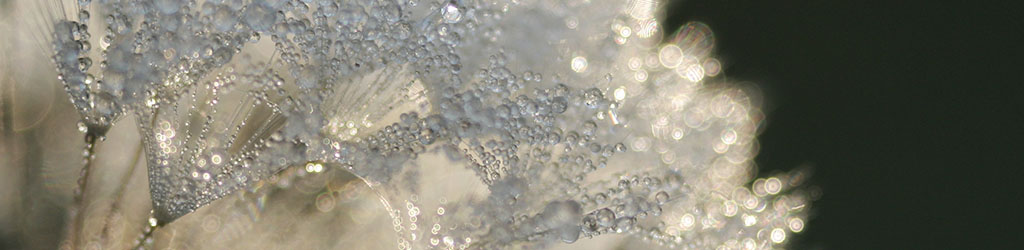
lossa bright colorful sparkles
I’m not going to tell you what this is – you have to figure it out for yourself. I will say that this is not as-shot, instead edited in GIMP, but a very simple edit. It came out far better than anticipated, with lots more sparkly bits, and who can resist those?

[Only tangentially related, but over two decades ago when working as a ‘stringer’ wedding photographer, I attended a wedding planner event put on by one of the photographers I worked with, a married couple. Right before the doors opened, the wife scattered glitter with abandon all around the studio. I was careful to remain out of the line of fire and didn’t even set my camera bag down on any such adorned surfaces, but that wasn’t sufficient, and I was finding glitter in my bag for years – just the occasional little sparkle from the depths when the light was right, but goddamn, that shit gets everywhere. I’m pretty sure I have that same bag stashed away upstairs, and I bet if I did a careful examination of the nooks and creases, I’d still find some. The sparkles seen above, however, are well and truly gone.]

I’ll be back later on and tell you what this is, if you really need me to.

Couple more

Just for giggles, since I got an eclectic selection today, some of which are going to appear tomorrow morning.

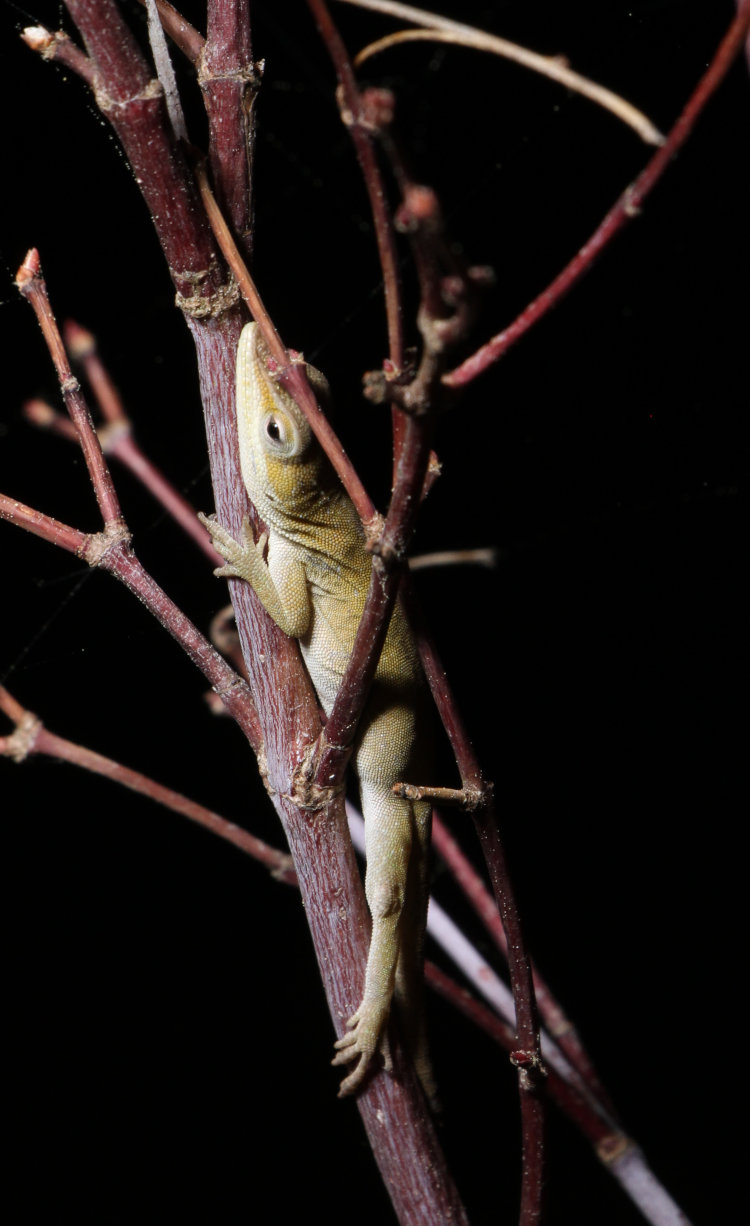
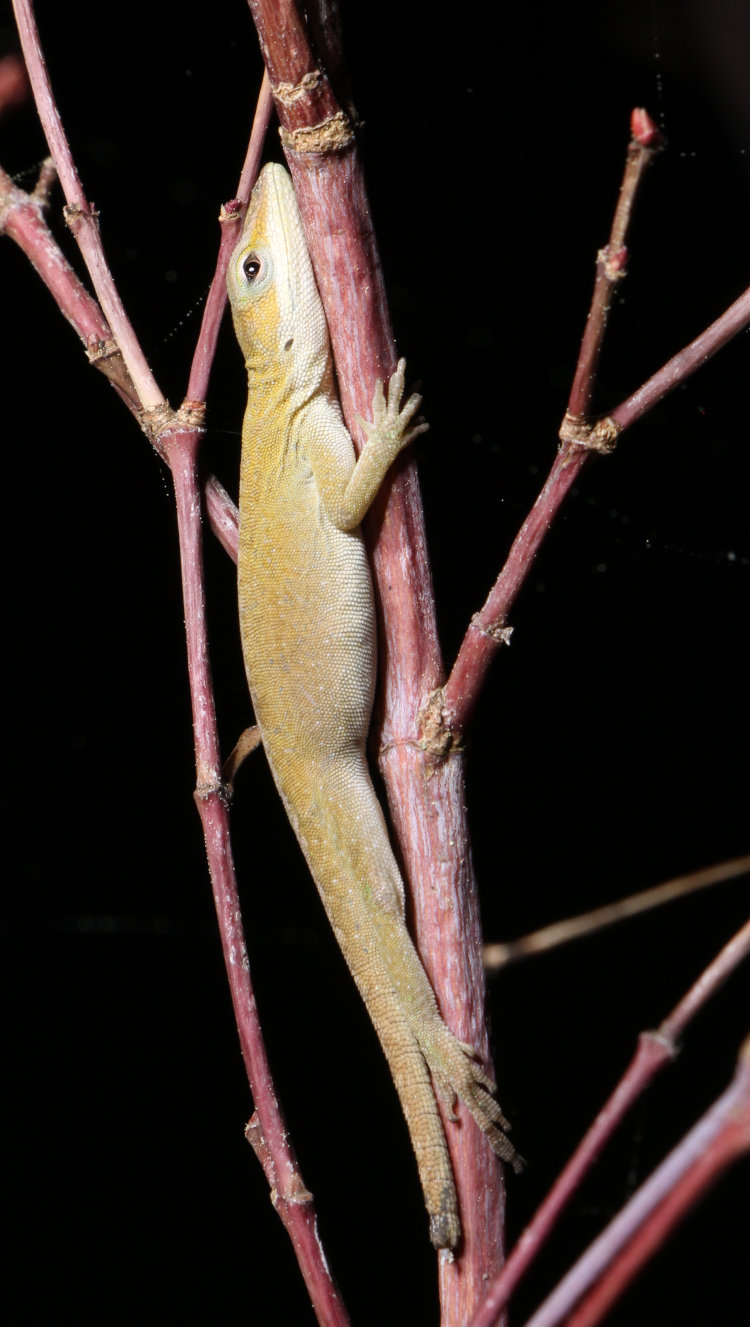
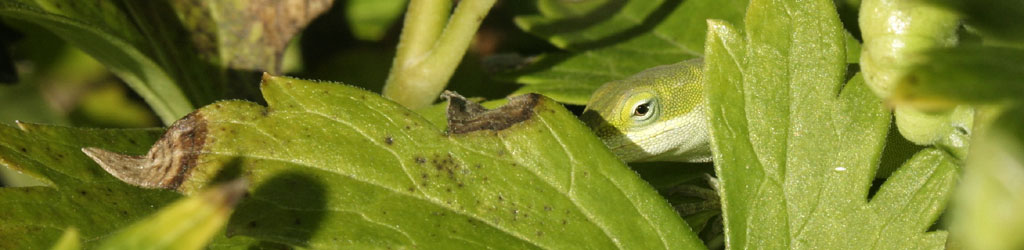
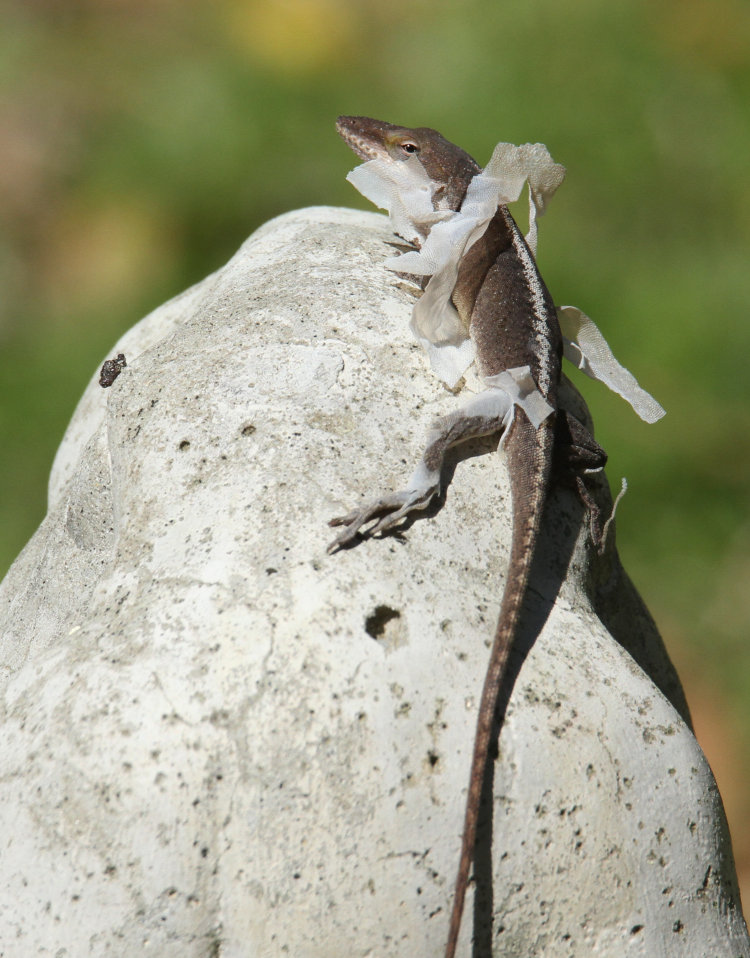
The day was quite warm, nice spring weather, and the Carolina anoles (Anolis carolinensis) knew it of course.

pair of Carolina anoles Anolis carolinensis hanging out on lamp post
This is the post for the lamp alongside the front walk, which continues to host many anoles both around the base and within, as you can see here – the hole used to be for a ‘hitching post’ crossbar that long since vanished, but the main post is hollow for the electrical wiring so they have a nice place to hide. And don’t ask me what that lump is. I was shooting these while waiting for more developments on the Estate Find front, which you’ll see shortly.

And near the bird feeders.

two-frame gif of likely yellow-rumped warbler Setophaga coronata atop balancing lawn decoration
When I saw how similar these two frames were, I had to make a gif (pronounced, “al-JAF-fee”) from them, but this opened up another 20-minute search to determine for sure what the bird was, because I do that. And I’m still not sure, but I think it’s an immature yellow-rumped warbler (Setophaga coronata) – the color variation is this species is ridiculous. From other photos I know it has the yellow rump, and the white eye ring, but only the faintest hint of other markings that are ‘typical.’ In other words, it could fit within the variations, but I’m not sure other species won’t be a closer match. While calls are one of the most dependable methods of identifying birds, naturally none of them want to audition their song while I’m watching. But who cares? It’s a cocky little bird – leave it at that.

A good sign or bad?

These photos are absolute crap, and I apologize – they would have been discarded (or indeed, never taken at all) if it weren’t for what they show. But shooting at an oblique angle through double-pane glass will do that, though I had no other options. I consider myself lucky to have witnessed this, as brief as it was, and this was actually the second time – the first occurred when I didn’t have the camera in hand.

A few days back now, The Girlfriend and I noticed that a pair of the wood ducks were quite close to the new nest box, and appeared to be eyeing it speculatively.

pair of wood ducks Aix sponsa underneath nest box on pond
This was some fifty meters distant, and I knew if I ventured outside at all I’d spook them off – there was no place where I could observe without being seen, and wood ducks have damn good eyesight.

But we didn’t have to wait long.

female wood duck Aix sponsa launching herself towards nest box while male watches
Without further preamble, the female launched herself at the opening, and I was ready.

female wood duck Aix sponsa reaching mouth of nest box
While the first image is a few seconds before the rest, the remaining five were all on the three-frames-per-second rate of the 7D, taking place over less than two seconds (the 7D has a high-speed, eight FPS mode but I rarely use it and if I’d thought to switch it here, i might never have gotten the action.)

female wood duck Aix sponsa hovering momentarily outside opening of nest box
Both times that I witnessed this it was the same: the female did not enter the box but hesitated at the opening for the barest moment, just enough to see inside and nothing more. The first time, I thought she might have had trouble gaining a purchase, though wood ducks have sharp toenails on their webbed feet for exactly this reason, and the nest box was built to specifications.

female wood duck Aix sponsa turning away from nest box after momentary inspection
According to the lore, wood ducks often take over abandoned nest cavities of woodpeckers, presumably the larger ones like the pileated since the openings of the others are likely too small, so perhaps they routinely do a quick check to ensure that the spot is unoccupied. My preparation for the cavity was only to put in a bed of Spanish moss, since I figured they’d like that better than the suggested wood chips, and there’s plenty of it around.

female wood duck Aix sponsa splashing down next to male after checking out nest box
And like before, after this ever-so-brief inspection, the two moved on without further concern. So now of course I’m wondering: Did it not pass muster? Is this typical, and they’ll be back? We have not, to appearances, entered mating season for the wood ducks, though I can’t be sure about that since they’ve been routinely paired since we first started seeing them. The mating season for the mallards seemed pretty obvious, though brief, and since that time it looks like only a single pair has been visiting (though they recognize when we’re putting out food and draw closer with only token discretion.) This is our first time observing wood ducks so we’re out of our element, and can only continue to observe and see what happens. But we’re remaining optimistic.

Not his best side

It’s been a couple of weeks now since I got these shots, having set them aside for a writeup, and I’m finally getting to it now. Don’t judge. Or judge all you want, because I’m not paying attention anyway.

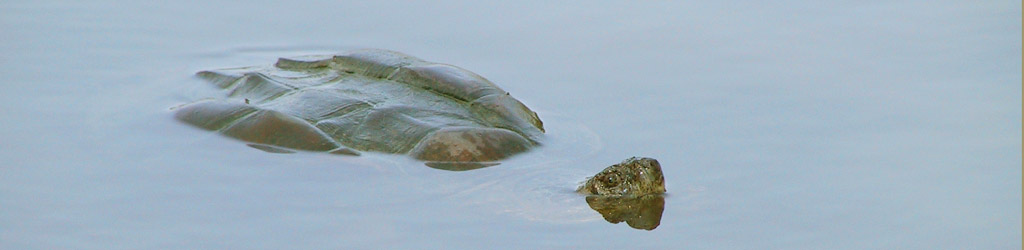
While alongside the creek that forms the east edge of the property, I noticed a large yellow-bellied slider (Trachemys scripta scripta) drifting in the water, and notably, not diving at my approach. I took the opportunity to fire off a few frames of course.

yellow-bellied slider Trachemys scripta scripta floating on creek surface
Despite the fact that it was turned in my direction and I was creeping closer, unable to do so silently with all the ground clutter, the turtle remained resolutely in place. I passed the point where it should have been completely aware of my presence, and still it remained, floating placidly. This was too suspicious, and I made it a point to examine the photos closely once I had unloaded the card. Here’s a closer crop of this same frame:

yellow-bellied slider Trachemys scripta scripta closeup showing damaged eye
Yep, the turtle was at least sight-impaired on that side, but likely completely blind there – I can’t vouch for the other side because it never turned that way.

Curiously, the blind spot on half of its field of view did not prompt the turtle to try and compensate by turning its head; it apparently lacked the reasoning ability to piece this together. Moreover, the noise of my approach, coming quite close, was also not enough to spark its flight response, even though I would have thought they’d at least work together. So while it appeared suspicious of the noise and was indeed oriented towards it, because it did not see any danger, it was not convinced that danger was actually present.

There are plenty of turtles in our pond, and there’s no question that they’re sight-oriented: we don’t have to be very close at all before they abandon their basking spots for the safety of the water. I would have though that their hearing was a significant factor in this too, but now that I’m thinking about it, it doesn’t seem to be – it only tells them where to look for danger. Yet, they also have very specific things that they’re watching for too, since I’ve observed them basking on logs as the ducks passed within a meter and not caring in the slightest. Today I had the kayak out on the pond for the first time (properly, anyway,) and while the sliders all abandoned their basking spots, one little turtle on a small branch allowed the kayak to get within two meters before it decided that this might be a hazard and went for the water. Whether this was because it was also unable to see the kayak, I cannot say, because I wasn’t close enough to see it in detail, but I’ve previously approached a turtle from the water level (snorkeling) and it was quite unconcerned until I got very close, so perhaps it also depends on circumstances? Water residents = probably okay? I’ll have to do more observations.

Sorting finds n+11

I’d put off this sort a little too long, especially since I’m getting new pics pretty much daily, so I had to slog through over 1,700 images this time – it took a while. But naturally, I ran across a few to feature that I hadn’t immediately put to a blog post, and here we are.

unidentified sparrow in profile
This… is a sparrow. I think. What species of sparrow, I cannot say – see previous sentence. The problem is, I’m not too familiar with the little songbirds, and plumage varies with season and location, and this is an odd angle anyway, but if I had to bet, I’d simply say song sparrow (Melospiza melodia) because they’re quite common. We’re not here for that, so stay focused; we’re here for the lovely detail in the feathers, which is faintly annoying. It’s annoying because I just got through discarding a hell of a lot of wood duck photos because focus wasn’t tight enough, and I have this from a casual shot one day. Of a sparrow. I think. This is a tight crop at almost full-resolution, so focus was on for this one. Figures.

male and female mallards Anas platyrhynchos foraging in backyard pond
The light and the focus were working for this pair of mallards (Anas platyrhynchos,) foraging in the backyard pond. Considering the shooting angle, I was fairly close to these two (even though this is a tighter crop,) and so it might actually be the pair that is getting habituated to us fairly quickly, having taken their cue from the Canada geese – two pairs of geese and one pair of mallards now come up to the banks, and sometimes much closer, when they hear us out there with the cup of corn. It’s quite entertaining.

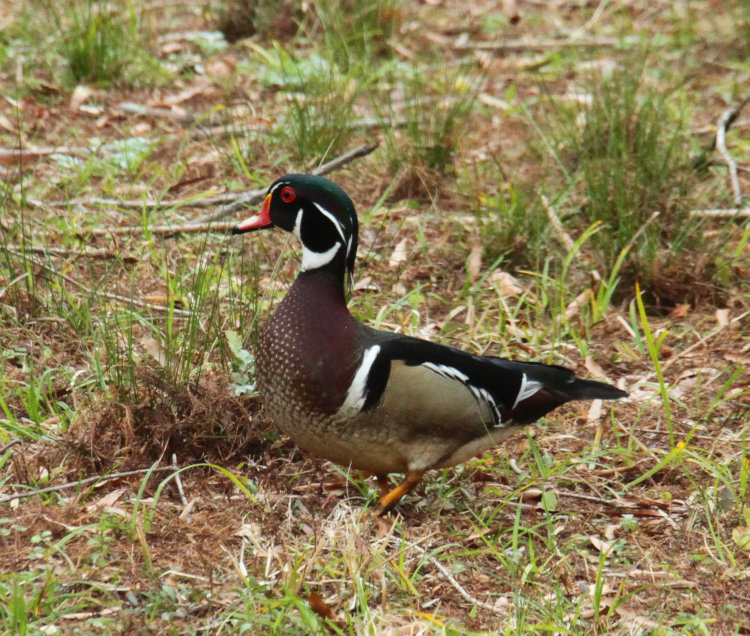
male wood duck Aix sponsa and female mallard Anas platyrhynchos swimming together in backyard pond
One of the sharper wood duck photos that I have, which is an accomplishment because they still maintain their distance assiduously. The male is in the back, the female in front – except that’s not a female wood duck, but a mallard instead; compare the schnozzes. No hanky-panky going on to my knowledge – they just hang out together semi-frequently, and the ‘spouses’ of both were sitting just outside the frame. Of course we have an annoying weed cutting across the frame, but that’s partially my fault because I haven’t gone out and whacked down the stuff around the edges of the pond. Compared to how it was late this past summer, though, this is superb visibility, and I’ll have my work cut out for me to maintain clear views to the water’s edge this spring. Donations of weed trimmer cord are greatly appreciated.

And finally,

pond ice suspended from overhanging tree branches after they straightened back up
I initially saw this from a significant distance across the pond and wondered what the hell it was, because it hadn’t been there a couple days earlier, and it seemed too big (a half meter or more) to have been blown in with the wind or something. Eventually I determined that it was ice from the surface of the pond. The freezing rain storm had overloaded many smaller trees and caused them to dip quite low, and the subsequent freeze caught these branches in the ice atop the pond. As the thaw was occurring, the branches were no longer so burdened and straightened back up, in a few cases carrying with them some sheets of ice from the surface. It was quite bizarre and we probably won’t have the conditions to repeat it too often.

As I’ve said, I’ve been shooting frequently, so more will be along anon. Patience.

Estate Find VIII-ish

Just a couple of additions from early this morning – the Estate Find posts are written a day or two beforehand so I can keep to my schedule, but this morning had good conditions so I extended it a bit.

I woke up a little before sunrise, when I really should be waking up but I’m usually up too late the night before (or earlier that same morning,) so it often doesn’t happen. But I looked out at the clear sky and knew I had to do something, and as the sun began climbing from beneath the horizon, the first opportunity presented itself.

ice-covered bare American sweetgum Liquidambar styraciflua tree catching the first orange rays of the rising sun
As much as this looks like something from the early spring, this is the sun just catching the ice-covered top branches of an American sweetgum (Liquidambar styraciflua,) and I realize as I insert this that it’s “LiquidambAr” and not “LiquidambEr” as I’ve probably typed it before, so ignore all the previous incorrect renderings of the scientific name. The sunlight was only this orange for a few minutes and went through yellow to white pretty quickly. I did a bunch of upper-branch photos as it progressed, and even tried to frame the half (“third-quarter”) moon in with the glittering ice, but the sun angle wasn’t optimal to produce that and all I got were a couple of faint sparkles. But as I was getting breakfast, a thought occurred to me before I’d gotten too far, and staged a simple photo:

backlit hot mug of tea steaming on snow-covered surface
The breeze, which didn’t even feel present, was just a hair too strong most of the time and the steam from my tea was laying out almost horizontally, but I was ready when it shifted. Came out well for a spur of the moment composition.

The one I really like, however, is this one:

ice-covered Japanese maple catching the morning sun from behind with multi-colored sunbursts
This is only a tight crop of a larger frame, with no other editing – the colors really were like this. You just have to find the right angle, and shoot at a small aperture to get the starbursts, of course. This’ll be a print soon.

Estate Find VIII

back yard with Japanese maple coated in ice
Another winter storm rolled in this week, but less severe than predicted – what we ended up getting was sleet and freezing rain, enough to coat everything but not much more than that. Not long after sunrise the sun had broken through the clouds, but soon afterward the sky became solid overcast and remained that way until just before sundown – I had gotten out before that occurred and snagged a few frames, so those are our Estate Finds this week.

ice-covered branches of Japanese maple against blue sky
The conditions, save for the sun, remained the entire day since it barely peeked above freezing, and walking around outside could not be done stealthily at all, since the grass was covered with a thin layer of frozen beads, the sleet that had then frozen together under the freezing rain, and it was downright noisy to walk around, but not slippery.

pink camellia Theaceae blossom under coating of ice
The pink camellia (Theaceae) bushes out back were not quite up to the task, and the tops bent nearly double under the weight of the ice, which produced a curious effect.

ice-coated leaves of camellia Theaceae bent over from the weight, with icicles extending horizontally
No, the frame is not flopped – this was exactly as the branches appeared, overburdened with ice; the pink variety does not seem to have sturdy branches. The trunk of a tree out on a small island in the pond did worse, though, snapping sometime after the storm, though it was already leaning way out with poor balance and appeared to have some rotten sections anyway. But the other varieties of camellia were holding up fine.

variegated blossom of camellia Theaceae peeking out from under icicles
Yes, almost exactly the same spot as previously, though not the same blossom – they only last a couple of days. The white varieties started blooming recently and they’re holding up well too, though somehow they only had half as much ice even though they were only a handful of meters from the others. Go figure.

balancing yard decoration with significant icicles
As you can see, the grass wasn’t even fully covered – not a lot of precipitation, and presumably the air got warmer in the higher altitudes to permit the sleet to turn to rain, but it was too cold down at the surface. Made for some nice decorations, anyway.

samara of Japanese maple tree under coating of ice against sun
We return to the Japanese maple for the last two shots, because it was the most photogenic as well as being backlit by the sun. This was not one of the many that we brought with us in the move, but one that was already present on the property, a lovely twisted old thing. Looking forward to seeing it leaf out in the spring.

And finally,

closeup of ice-covered branches of Japanese maple with sunbursts and refractive ghosts
This is a tighter crop of a larger frame to concentrate on those details, because of course. We get ice storms only every five years or so, often without nice sunlight afterward, so I was glad to have the opportunity. And two decent storms in a winter is pretty rare for this latitude, so you bet I’d take advantage of it. Neither of us had to be anywhere and we could just stay home and keep the fire going, so it worked for us.

1 39 40 41 42 43 342