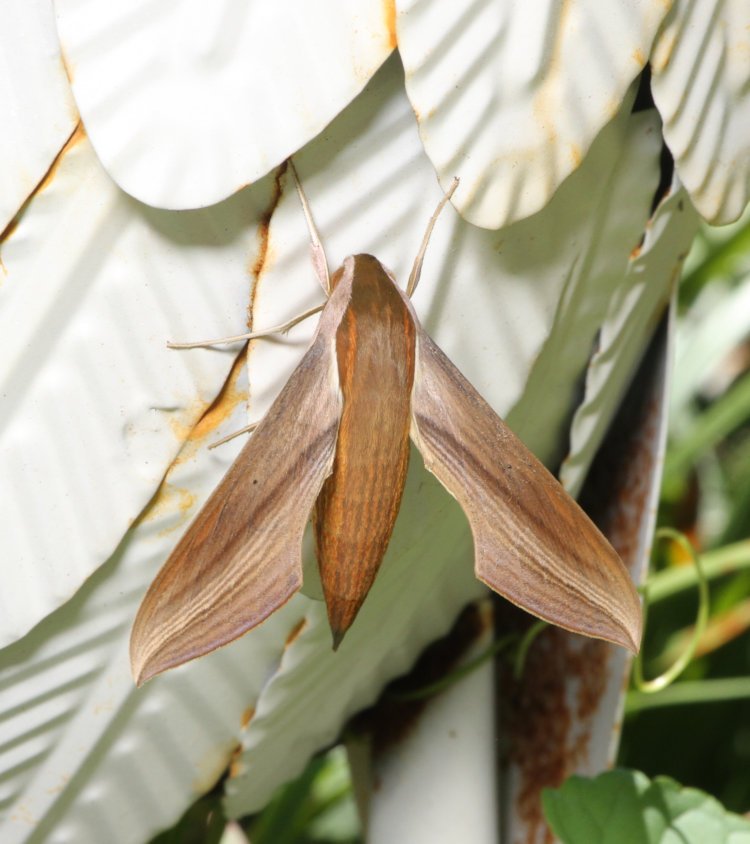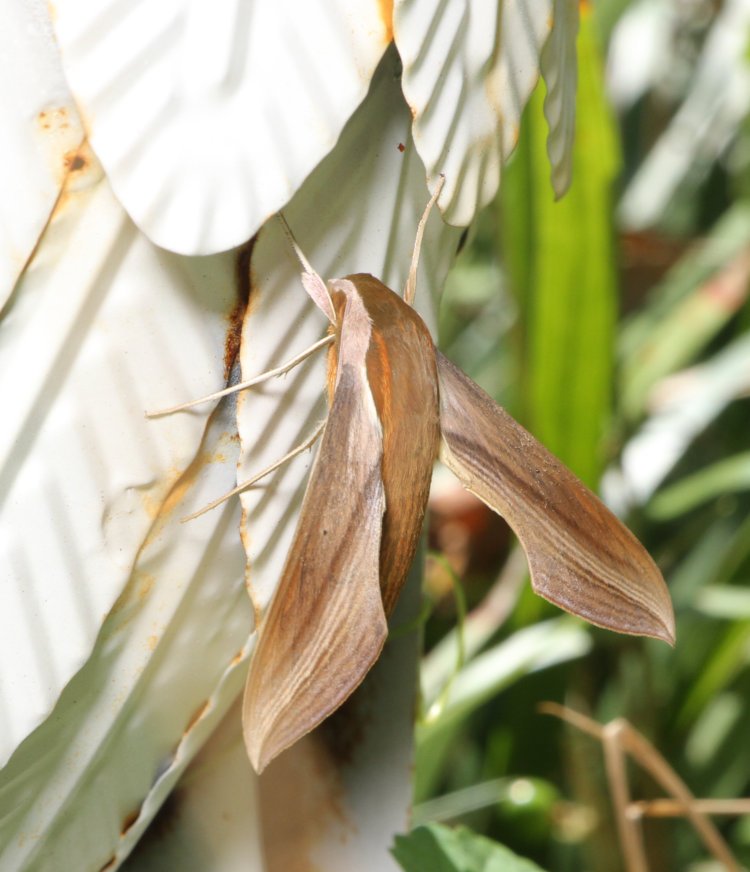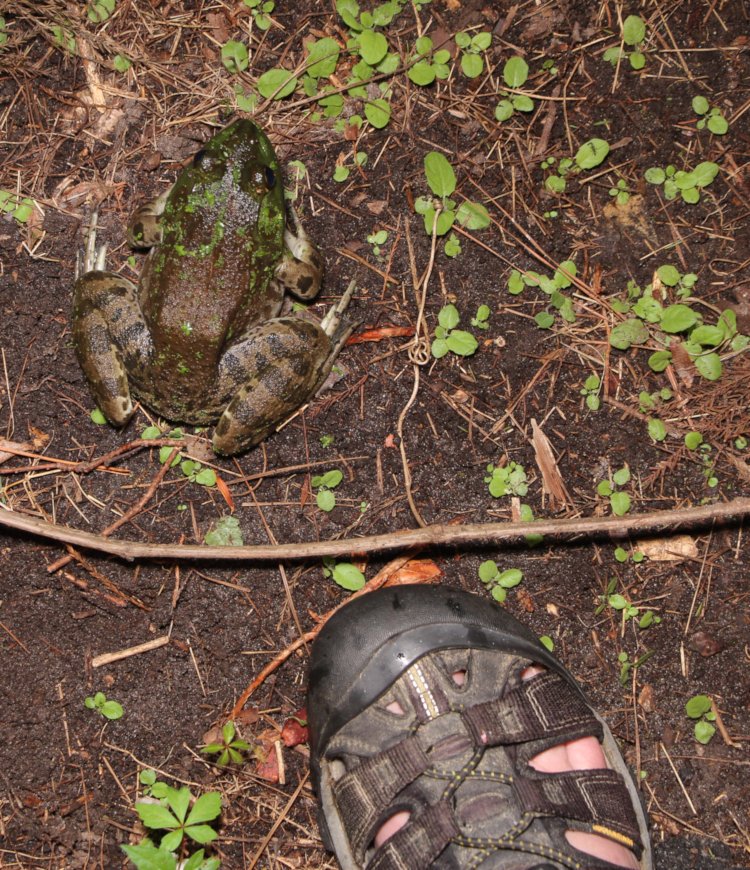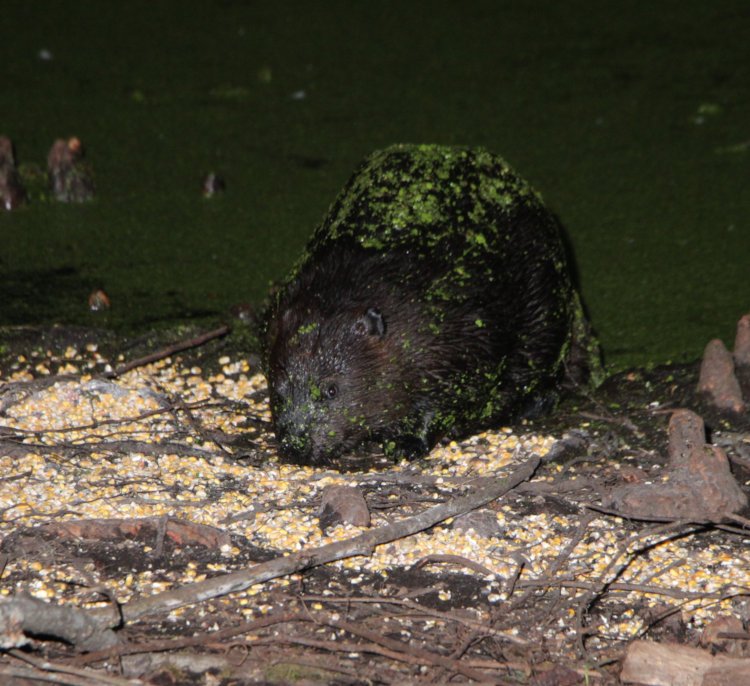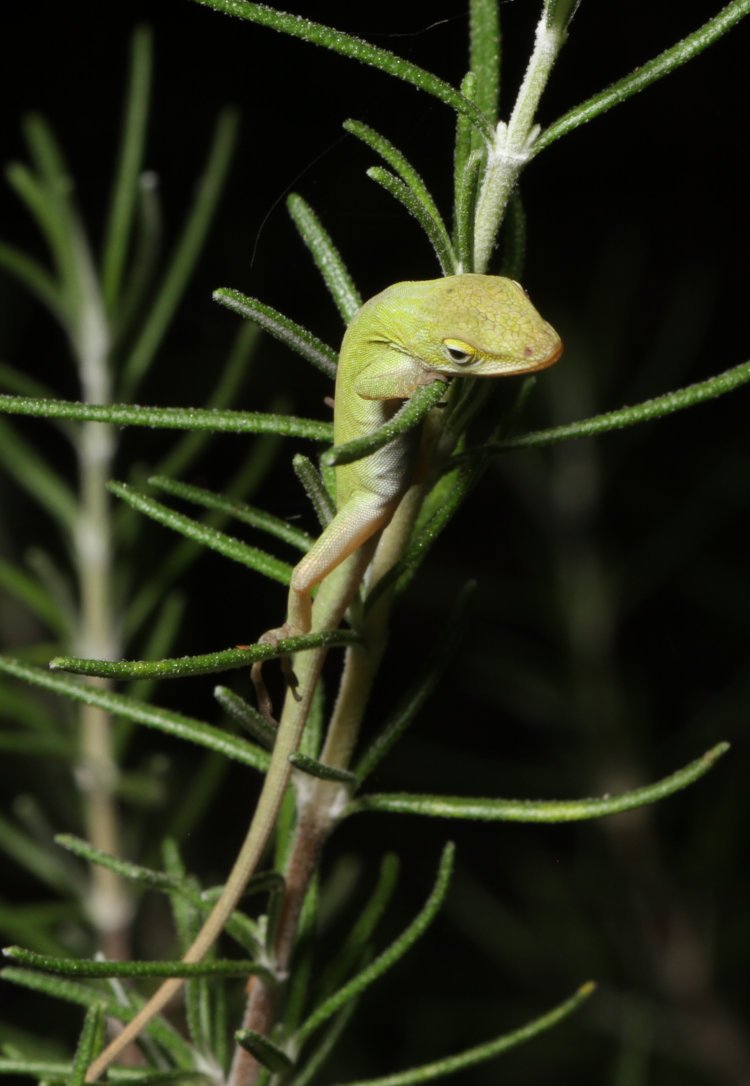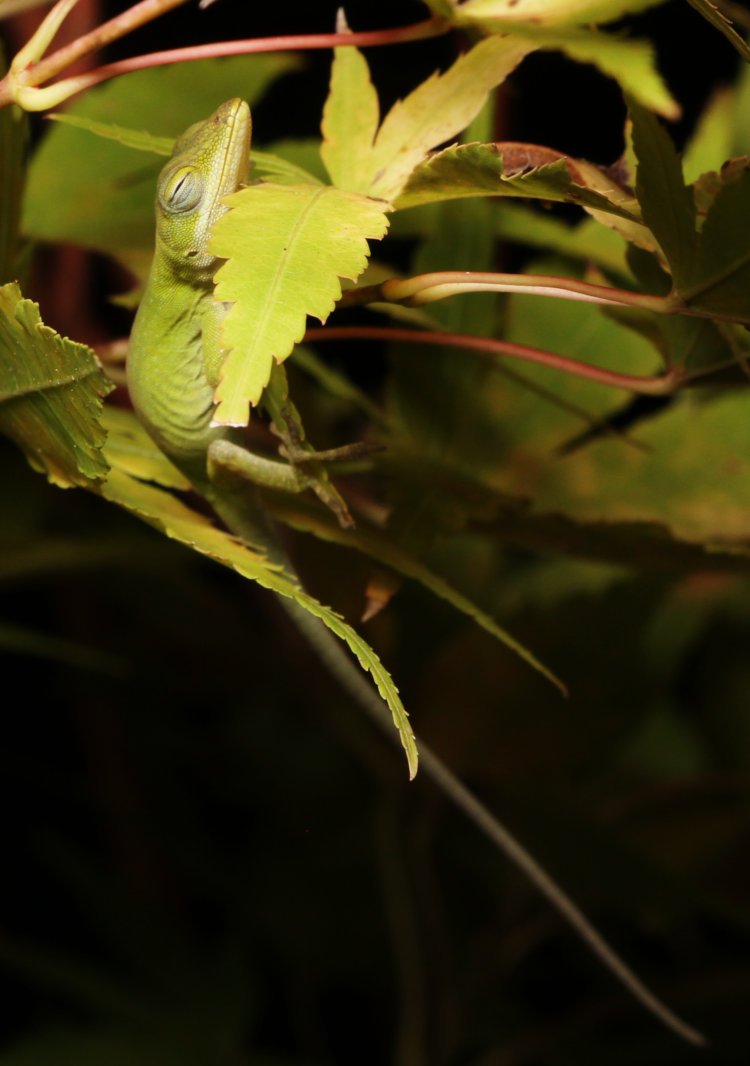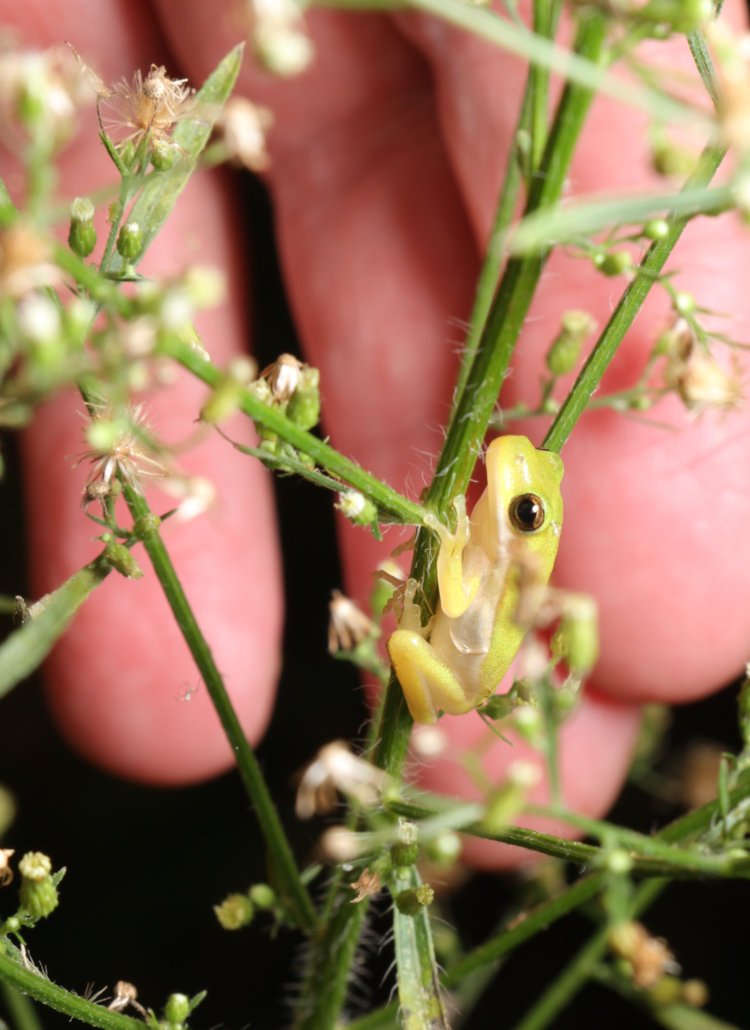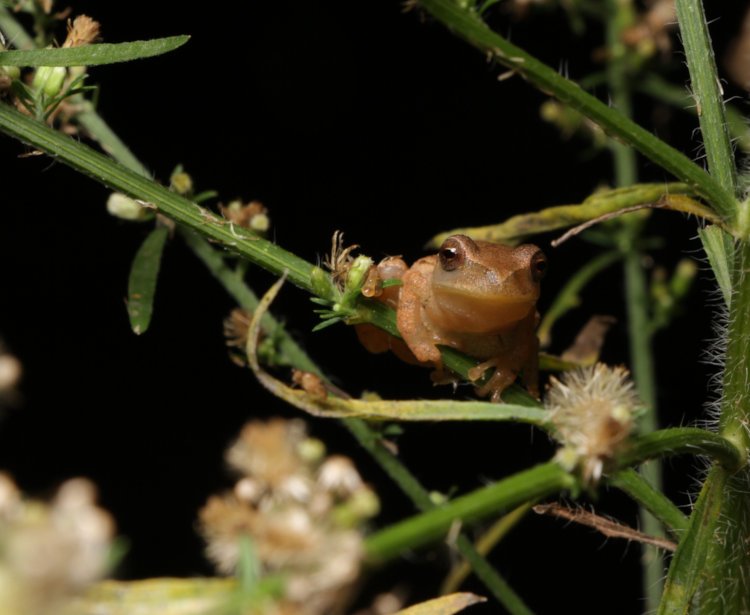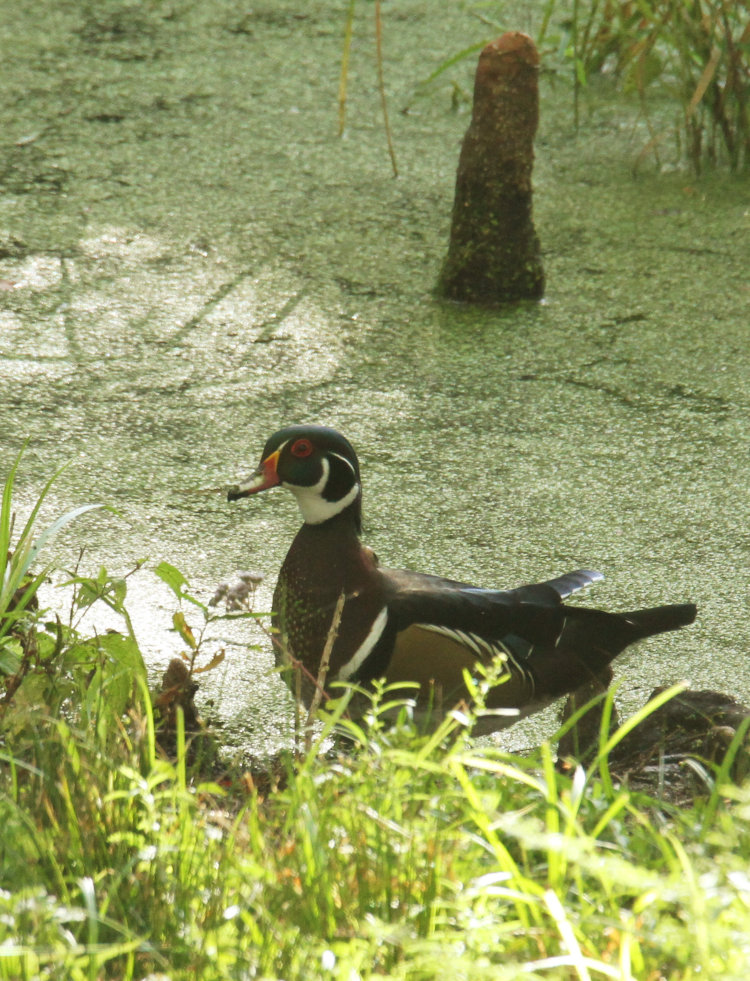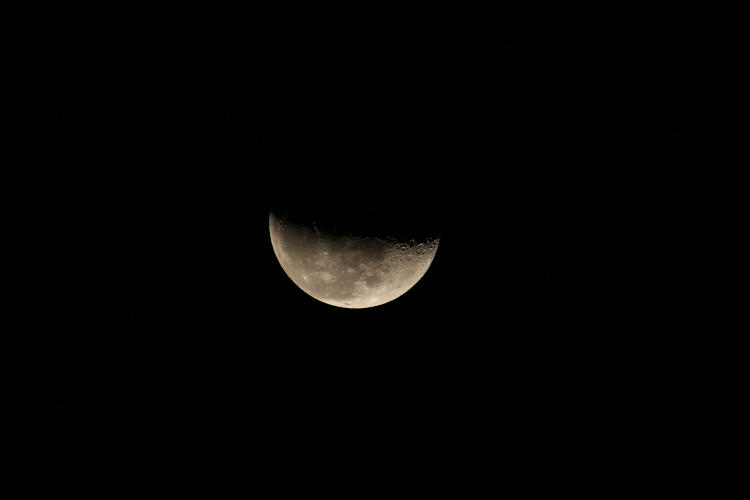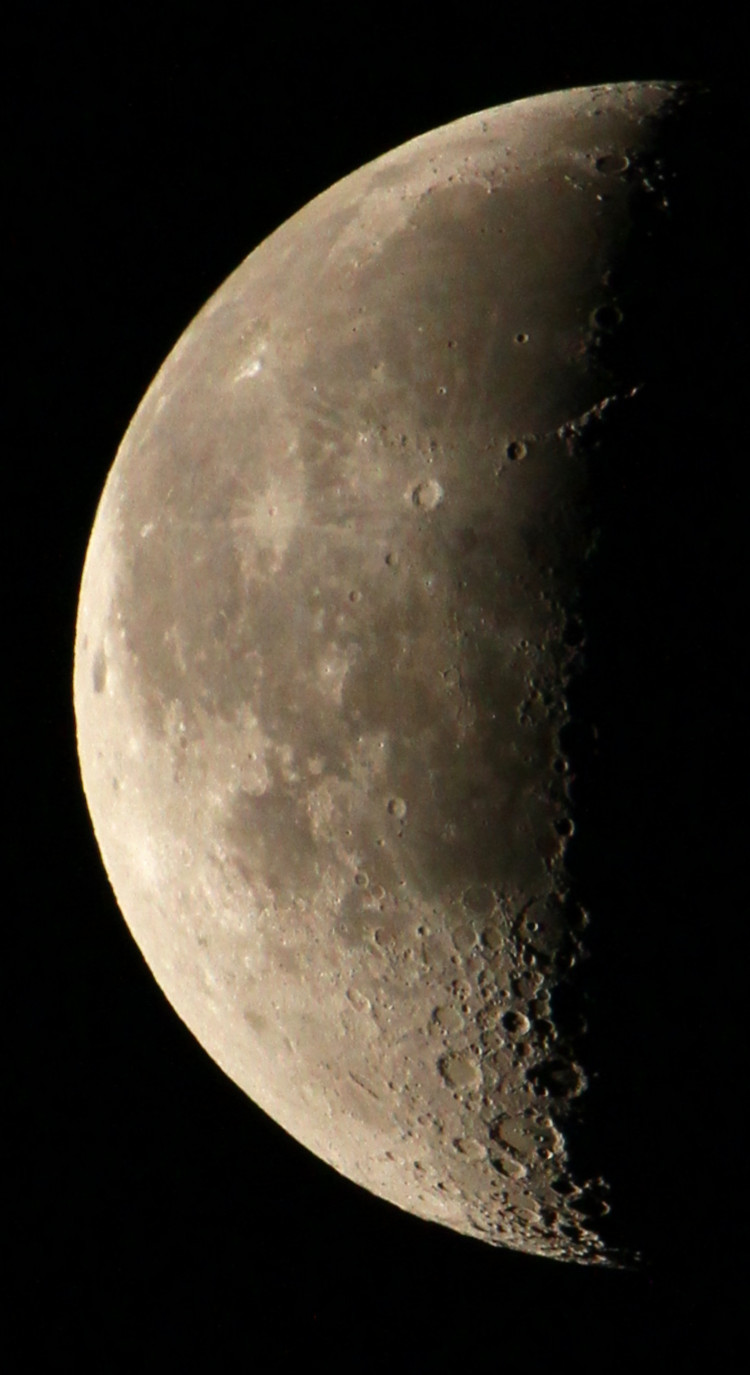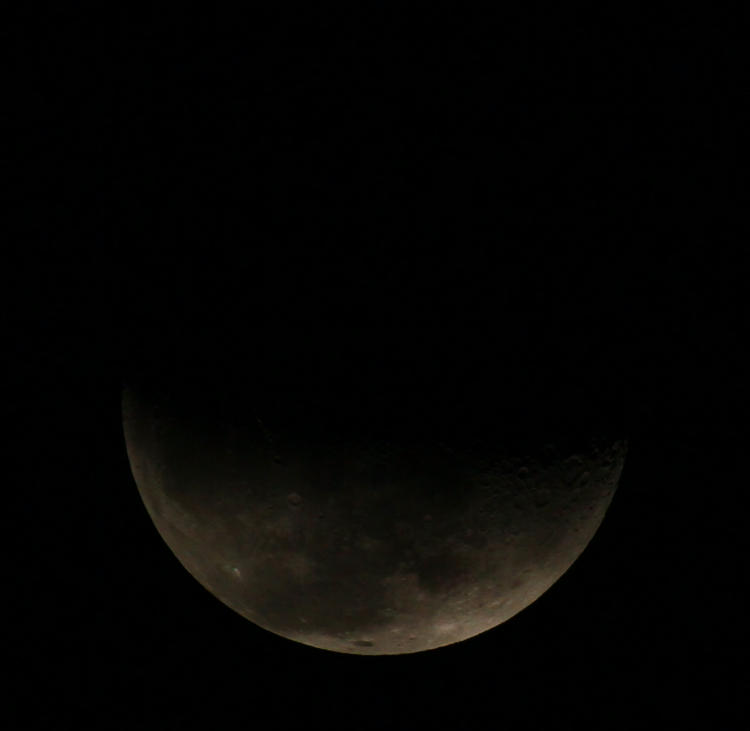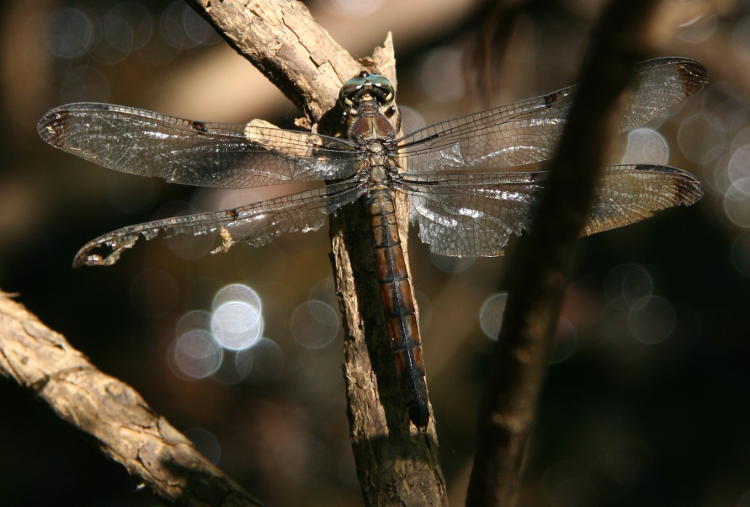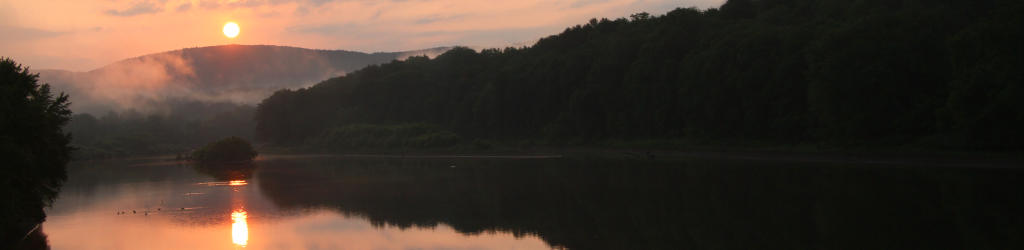
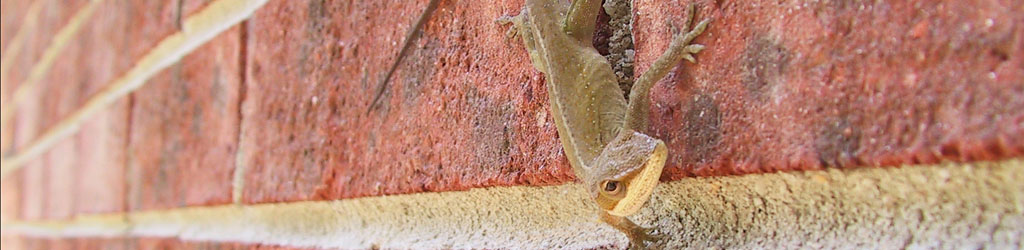
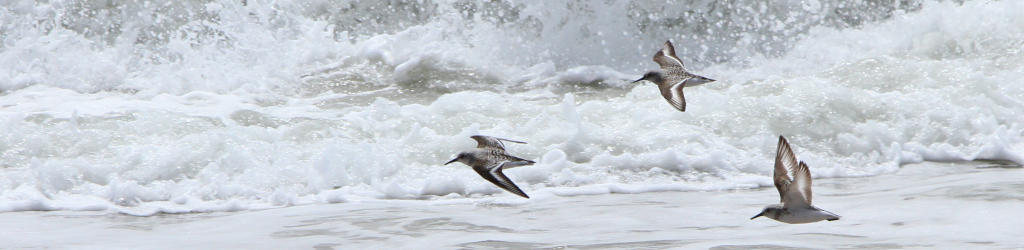
Ha! You thought we were done with these just because it’s been a few days? I still have plenty of random images in the blog folder, so they’ll go on for a while yet.
This came from better than two weeks ago, when the heatwave was still ongoing and the rains had just started to appear. One evening as the sun lowered, it highlighted some odd cloud shapes that I tried to capture, though the reduction of contrast in-camera meant the shapes didn’t show up very well. I only showcase these two frames to show that, due to the very hot and humid air reacting with the camera lens (which had been sitting in the air-conditioned house up until a few minutes before,) the lens kept fogging up; I would clean it, and it would return. So quickly and impressively that these two frames were taken only two seconds apart. Granted, converting this into an animated gif (pronounced, “gee-YER-mo”) did a job on the resolution and color registers – someone needs to make a better animation standard.
Worse, something that I’ve been dealing with for weeks, the viewfinder fogs up quickly too, especially if I keep my eye to the viewfinder, either tracking a subject or waiting for it to do something photogenic. Then I’m often trying to determine if it’s the viewfinder or the lens or sudden onset of old age that’s making my vision so blurry.
Another holiday is upon us, and while I could celebrate it most days with a little effort, this time I have a nice example picked up yesterday (well, not literally, that’d be gross) to use. Yes indeed, it’s Nature Boi Detective Day, when we sit down and try to determine what produced some particular tableau found out in the wild someplace. This has come under attack from the moment it was conceived of course, for being both gender and age specific as well as unfriendly to urban dwellers, until it was pointed out that “boi” isn’t a real word so the definition of it can’t be used for tirades, plus we still have Mothers’ Day so go fuck yourselves.
All that out of the way, let’s take a look at what we’re going to evaluate today, shall we?
This was found near the edge of Jordan Lake during a student outing yesterday, though I used my sandal as the initial scale and this allowed me to paste in a digital one for reference. While this is obviously the aftermath of one animal being consumed by another, it’s not exactly clear whether this is feces after being washed out by hard rains, or the casting of some larger bird. It has the look of a typical owl or hawk casting, but a) it’s quite big, and b) those bones are pretty damn big to be swallowed whole. Some vertebrae can be seen in there, a few ribs it looks like, plus several smaller bones that I can’t place right now. I’m almost certain that I’m seeing both a femur/humerus (single long bone) and a tibia/fibula or radius/ulna pair (two longer bones together,) both in excess of 50mm in length, so this is much larger than a rat, which the vertebrae help confirm.
But given their position in the casting, especially smaller bones entangled in hair, while not laid out in rough skeletal form, this isn’t simply an animal that died there – this was digested. Yet those leg bones are whole and within the scat, so they appear to have been swallowed whole.
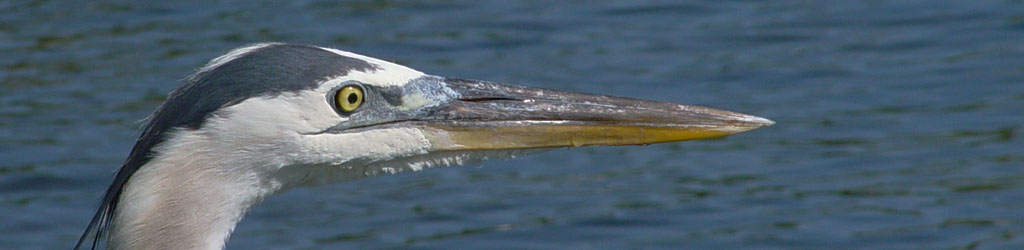
Given the size, it would appear to be at least a small rabbit in size, but I’m more inclined to say it was adult, while the color of the hair within points more towards opossum – I can’t say that I’ve dissected either but the proportions seem correct to me. Except that, nearly everything that I can think of that would tackle something that size (fox, coyote, wolf, hawks, owls,) is unlikely to eat their prey whole, and the meat would be stripped from the larger bones rather than swallowing them. Great blue herons will swallow their prey whole and they will indeed tackle some mammals – I watched one take a small muskrat once – but this seems both large and not a typical choice of meal for them.
So I’m leaning towards coyotes or wolves, though I’m not sure any wolves have ever been spotted anywhere near here – coyotes, however, are definitely around. Would a coyote swallow the legs of an opossum or similar-sized mammal whole? It seems awkward (and perhaps a little dangerous) but possible I suppose, and I don’t know enough about their eating habits to weigh in on this usefully. I did not start digging through the scat (again, I was with a student,) so I can’t vouch for the coarseness of the hair nor whether tail bones could be found, which might have helped determine what species this had been, though not what species had consumed it.
Feel free to weigh in if you have any input at all – it is still the holiday after all, and even if you’re late I promise not to turn you in.
So, here’s how my thinking goes sometimes. I have a few images largely unrelated to other things that can thus be in a short post, and was considering when to put them up. These kind of things serve as a buffer between longer, info-heavy posts, and I do have one of those coming – but I also have the Profiles of Nature post tomorrow, and that does the job too. And I’m also trying to keep the post count higher, but no one knows why.
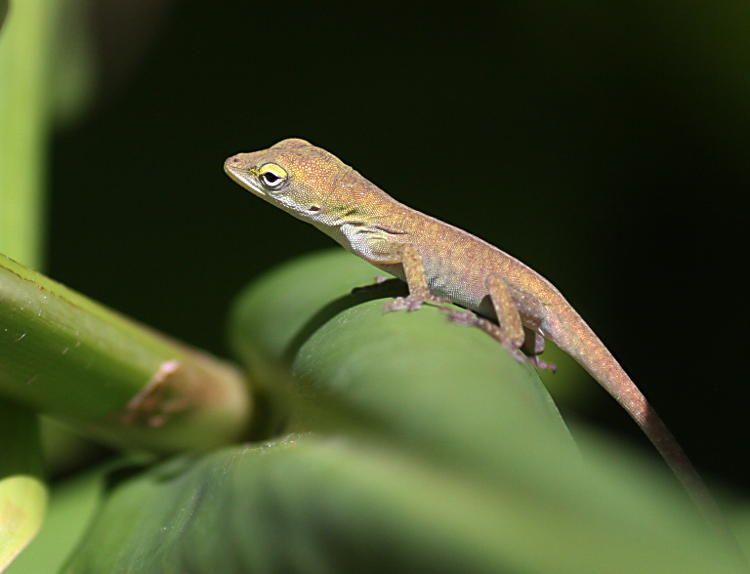
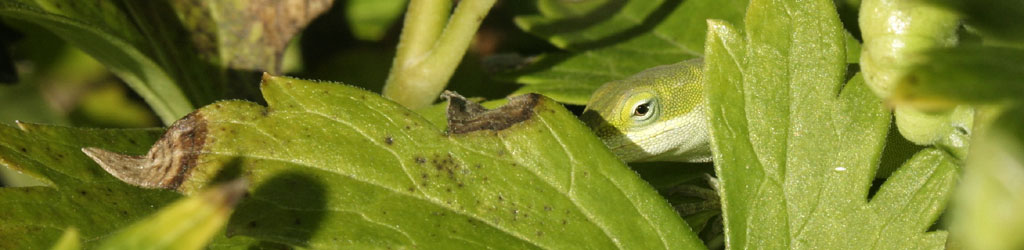
Meanwhile, yesterday while entering the greenhouse, I spotted a green Carolina anole (Anolis carolinensis) on the tree just overhead. I’ve been encouraging them (mentally, mostly) to proliferate in the yard, but generally there’s the barest proof that they exist and that’s it. Returning with the camera, the lizard was nowhere to be seen, naturally. An examination at night by the headlamp yielded no sign, nor did this morning’s check.
Then I went out on the front steps to fill a couple of watering globes for the basil, sitting there for several minutes since they’re slow to fill. All set, put the pots back where they were, turn to the side, and a meter away on the balloon flower I find this.
Since this is the opposite side of the house from the one I spotted yesterday, I’m 99% certain it’s a different one, so that means at least two in the yard, which is good – not the goal, of course, but a start. Most likely it was there the entire time I was filling the globes, being inconspicuous and waiting for me to get the hell out of Dodge. It remained long enough for me to scamper in and get the camera (no, I did not have it in hand, again, stop rubbing it in and making me feel bad,) and lean in for several frames, while generally the only motion it made was with its eyes, scanning the area ensuring that its paths of escape remained clear.
Of course I played with the framing while the anole was holding still. The splash of color was right there, so incorporating it more strongly just took some repositioning.
And closer.
This one, however, needs a tighter examination. Even handheld in natural light, the Mamiya 80mm macro performs pretty damn well (I’m certain all the praise that I heap upon it has caused a run on the used lens market, from all my avid readers,) and there’s a detail that I wanted to bring attention to.
This is not quite full resolution, and focus was ever-so-slightly off from perfect, but I wanted to point out the ear hole there to the left, where you can see inside of it. Considering that this is 2mm across at the most, I’m pleased.
Plus the mosaic nature of their skin deserves plenty of attention, even if they do tend to go heavy on the eye-shadow.
(If you go back to the version above, which is full-frame, you may notice a little hair on the anole’s chin, which I shamelessly removed for the closeup. There – I said it, and I’m proud.)
But since we’re here, we’ll have a look at the ‘buffer’ images that I’d already had prepared.
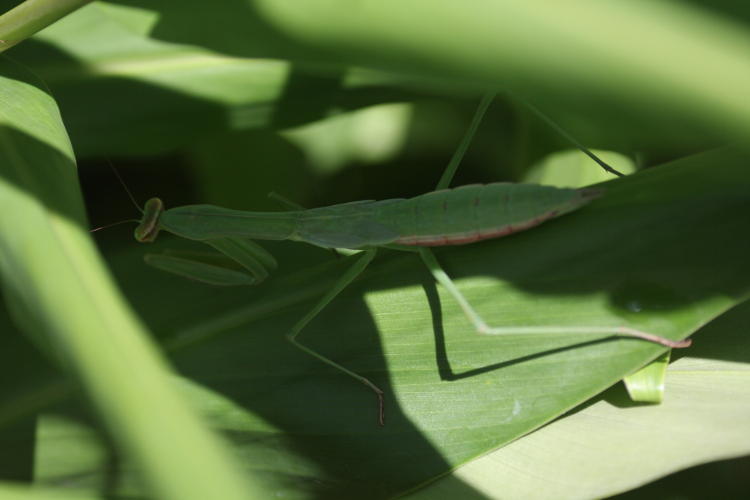
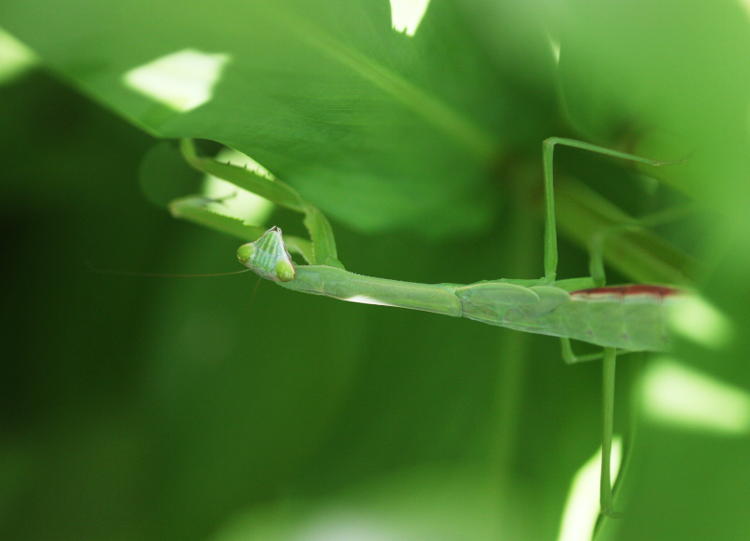
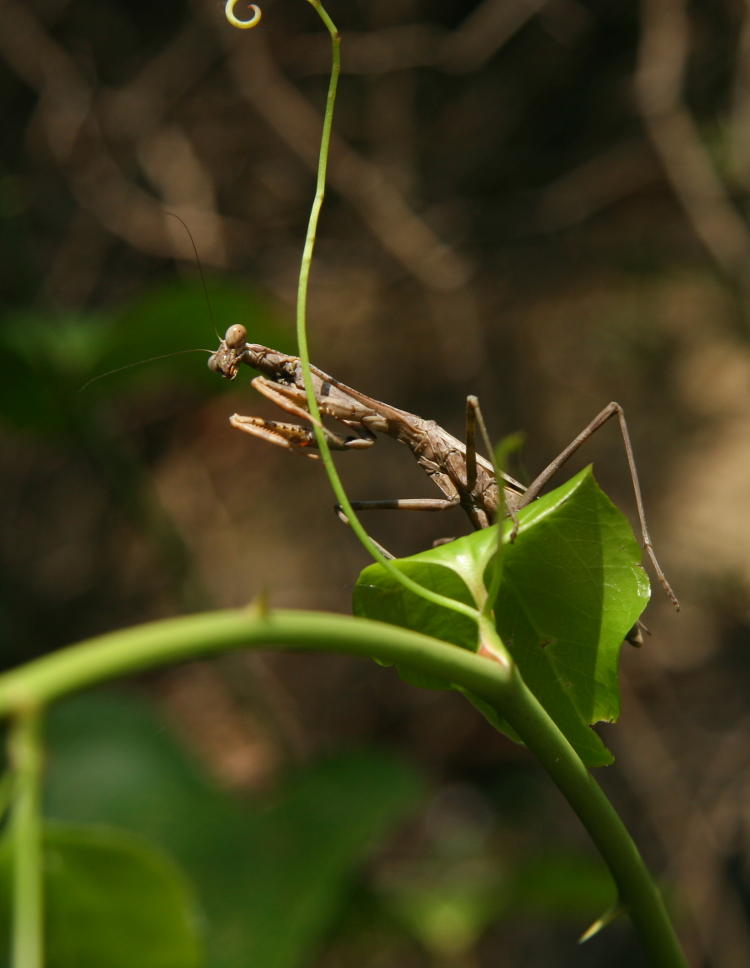
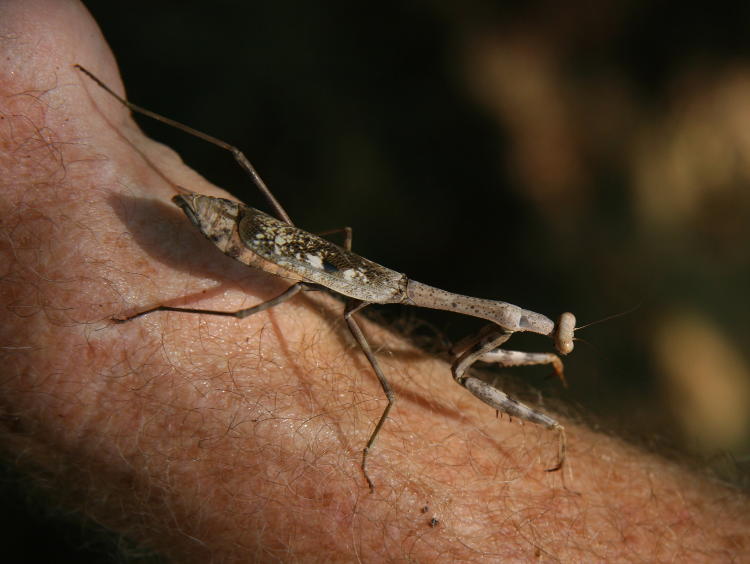
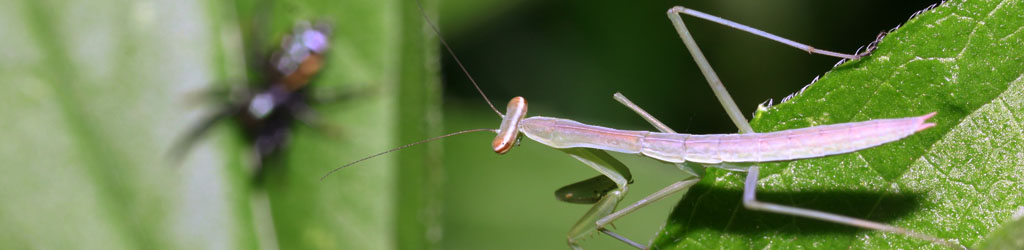
There’s been a Chinese mantis, probably about the same length as the anole, hanging out on the plants of the front porch area, most recently seen about three meters from the anole on the other side of the steps. I think they’d ignore one another, the anole preferring smaller insects like ants and the mantis tackling stuff a little bigger, but not lizard size, though at some point I may be proved wrong. This was a nice detail shot, though.
The same one served as my subject yesterday for some video work. I occasionally go around and mist the thicker plants in the yard during the hottest weather, because the various species enjoy the opportunity to get a drink, and the mantids are often very demonstrative of this, coming up directly into the spray, even gathering more with their forelegs by waving them in the air, then settling down to slurp it off of their legs and the leaves themselves. So I found this one and set the camera on tripod with a good view, before activating the video and then hosing the misting sprayer over the mantis. Who very kindly… did not do a damn thing. Ingrate.
In the pond in the backyard has been a six-spotted fishing spider (Dolomedes triton,) but every time I went out with the camera in hand to try for pics, she was nowhere to be found, and then, days later, I’d find her again. At least two green frogs share the pond, and I know they wouldn’t hesitate to scarf her down, so I kept wondering if she’d met that fate. Finally, the other night I went out with the headlamp and snagged some tight shots, but first, yesterday’s.
This was in daylight, shot with the on-camera flash since I wasn’t carrying the macro rig (I know, shut up,) but then as I drew closer she vanished under the water as they do. This led to my fetching the macro tripod and setting up at the pond edge for video work, so I could get her emergence in motion, as it were. Her first reappearance was before the video had started, and she quickly dove back under again, so judging that timing as ‘typical,’ I waited a couple of minutes before I started the video again, to save memory on what would certainly be a motionless surface. As it was, I didn’t save much, because there’s still seven minutes of video before she pops back up again. I’ll save that until I have some clips of them catching food or something.
But that night that I mentioned, the spider was up on the leaves of the lizard’s tail plant above the water, so I could get a nice portrait angle, and made the most of it.
It was the dark conditions and the headlamp that allowed me to get this close, since the spider likely had no idea what I was – she certainly dove under when I was a lot farther off during the daylight, which may also be why I’d go periods of time without seeing her, since she’d spot me before I spotted her. Yeah, I know, but count ’em – eight eyes versus four, so she has the advantage.
And I think that resolves the post timing dilemma, anyway.
With the heavy rains a few days back, the flowers in the NC Botanical Garden were producing more than adequate nectar, and when the Inscrutable Mr Bugg and I visited on Thursday, the pollinators were having a field day, as they say. I mean, not the pollinators – they tend to be closed-mouthed, or really no-mouthed-at-all – but, you know, the they they. Which is to say, someone other than us, possibly wholly imaginary. And pollinators almost always have a field day, since that’s where their food is, where they reproduce, and all that. We’re not getting anywhere with this paragraph, are we? And by that I mean the royal we, which basically means I bear sole responsibility for making this horrendous mess.
Anyway, we got a lot of photos during the outing, and one collection of which is going to serve to illustrate a new macro photography post – but that is not this one. This one is simply showing off several different species doing the same damn thing. Lotta proboscises… probosci… mouth siphons to be seen here. Above, an unidentified skipper provided a lot of detail but an over-exposed flower, I suspect because Bugg’s flash went off at the same time that I tripped my own shutter, but I can’t vouch for that. I also can’t vouch for the species, but this is not through lack of trying;BugGuide.net has 373 pages of photos for just the grass skipper subfamily, and I’m not even sure that I was right in selecting that one. I’d gotten past 150 pages before I said, “Screw it,” and continued with this post; I could always submit what I have for identification, but I don’t have detailed fullbody shots and anyway I’m not gonna.
[Okay, so, I put “skipper” into the tag field and WordPress popped up previous instances of the tag from my own blog, among them being “silver-spotted skipper,” so I checked the post where that appeared, and I’ll be damned if it doesn’t look like a match. And that species isn’t a grass skipper (subfamily Hesperiinae,) but a dicot skipper instead (subfamily Eudaminae,) so you know this means I should have checked my own posts first. Geezzz. Anyway, this is likely a silver-spotted skipper (Epargyreus clarus.) That was better than 45 minutes for one photo – this is not promising to be a fast post to produce.]
Having learned my lesson (which was not to try and learn what anything is,) I present only the aesthetics of this image and not the details. It’s a buzzy thing on a plant. Deal with it.
But if you’ve ever tried it, you know that most carpenter bees, especially with flowers this small, are not holding still very long at all, moving quickly from blossom to blossom, to say nothing of the swaying of the stalks in the breeze and the swaying of the unsteady photographer for no reason at all. Combined with the very short depth-of-field of the typical macro magnification, this makes such images fairly hit-or-miss; timing can play an important role, as can taking a lot of images hoping to nail one in sharpest focus, but I’m not showing you that whole collection of misses. I’m showing you this successful one so you can marvel at my precision and amazing skills. If you look close, you can see that the focus on the wings, the legs, and the sides of the body and head are all sharp, largely because they were all in the same plane, with a couple of blossoms coming in there too. Other blossoms show how short the focus range really is – had the bee been facing diagonally from the camera, the effect might not have been as distinctive.
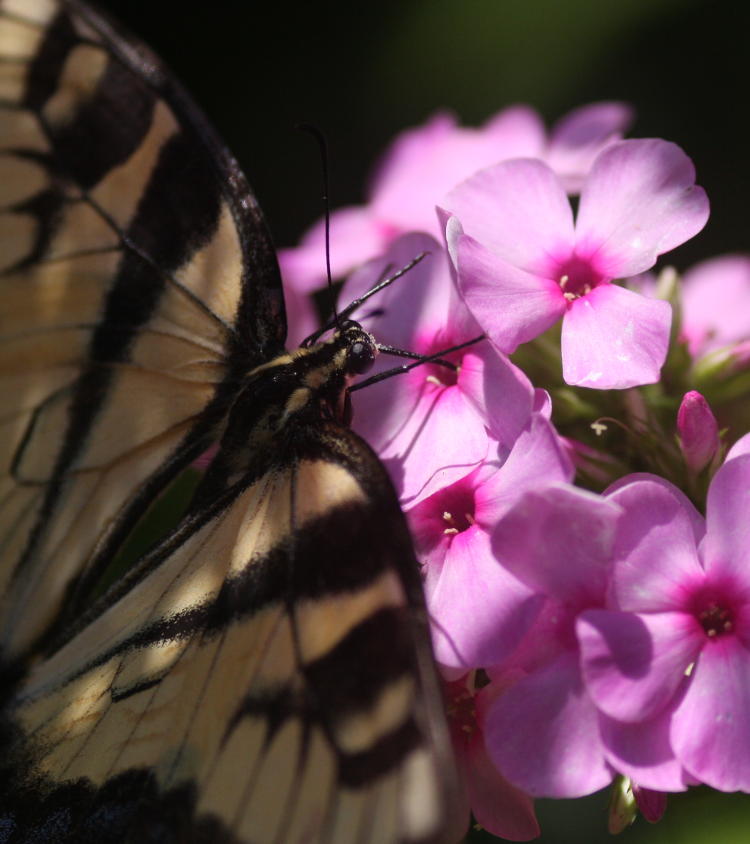
There were several patches of phlox (what I believe to be Phlox paniculata, which goes by so many common names it’s ludicrous,) and these were a huge favorite of the sphinx moths, the hummingbird mimics. To all appearances, I captured at least two different species, but it actually takes close examination of the resulting photos to tell – they’re far too hyperactive to be able to distinguish on the fly.
The pale forelegs and the red underside of the abdomen likely peg this as a hummingbird clearwing (Hemaris thysbe,) and you can see that the hind legs aren’t in contact with the flower at all – the moth is hovering, only braced by the forelegs, and maintained this position for two seconds or less. Believe me, I have plenty of photos that I missed; it’s more a matter, upon returning and unloading the memory card, of seeing if I managed to get any clear shots. Overall body length might have been 30mm – slightly smaller than the ruby-throated hummingbird that the moth mimics, but apparently not so much that any predators could tell the difference.
A couple more to illustrate.
This is the full frame, showing what I captured as a different species, a snowberry clearwing (Hemaris diffinis) provided a nice profile shot (instead of the typical dorsal view, when they actually came into the clear in the first place.) But now we’re going to go in close for the detail.
I am not going to dismiss the role that luck plays in getting images like this, but I will at least aver that it is not all luck, demonstrated very simply by the plain fact that I shoot subjects like this alongside other photographers fairly frequently, and almost always get more keepers than they do. In cases like this one, it was also a matter of finding the key parts to focus upon (such as the proboscis here) and being able to trip the shutter right as they came up the sharpest. I wasn’t trying to adjust the focus ring and sure as hell wasn’t going with autofocus (and couldn’t anyway, since this was the strictly-manual Mamiya 80mm macro lens,) so this meant adjusting focus with the camera’s position instead, leaning in or out as needed. It takes practice, but it can be worth it.
By the way, I’m fairly certain this was an aperture of f4, since I was shooting by natural light without a flash unit, which shortens depth-of-field even more. Notice that the abdomen is already going out of focus, and the flower petal under the tip of the proboscis is very soft. It’s easy to believe the blur of the wings is from their movement, until you notice how distinct the wing veins are; they’re not moving much at all in the brief shutter speed – 1/2000 second – so the softness is primarily from short focus depth. I’m pleased with it.
Even more telling – of what I don’t know – is that, after quite a bit of searching, I eventually spotted a tiny crab spider on one of the blossoms. This was a vindication of sorts, since I know crab spiders like those flowers as ambush grounds, yet wasn’t finding them even though I was looking hard. However, the spider was perfectly motionless, on a blossom that wasn’t driven much by the wind, and not one of eight frames is anywhere near sharp enough to use. Yes, I really do wonder how the hell I managed to screw that up. But you know I’ll take the sphinx moths over the crab spiders any day.
And one last one, as the same moth left that particular cluster of flowers.
Not quite as sharp as the last, but not bad, and I like how the proboscis is already curling up into travel position (or, you know, whatever you want to call it – I’m sure entomologists have some technical term that applies.) This is cropped, but not quite as much as the previous; I was in the exact same position after all. Also, there’s enough detail captured here to see the differentiating details of the species, in this case dark legs and a black underside to the abdomen. The dark background fooled my exposure meter towards overexposing the shot a little, but there was no way I was going to play with compensation in the mere seconds that I had, and the backgrounds were widely varied as the moths flitted about haphazardly.
Oh, and I’ll mention again: you can pick a particular cluster of blossoms to ‘stake out’ and lock focus onto, waiting for the pollinators to come into your composition and feed from those flowers, but it typically doesn’t work. As a species, we tend to be meticulous and methodical, but pollinators (and even hummingbirds themselves) work almost at random, or at least driven by factors that are not immediately apparent to us, and remaining locked-in on any given spot usually means you’ll miss a decent shot only centimeters away. It’d be nice if it worked, but in years of doing this I’ve had it happen maybe three times. Just follow their progress and hope for decent compositions and focus.
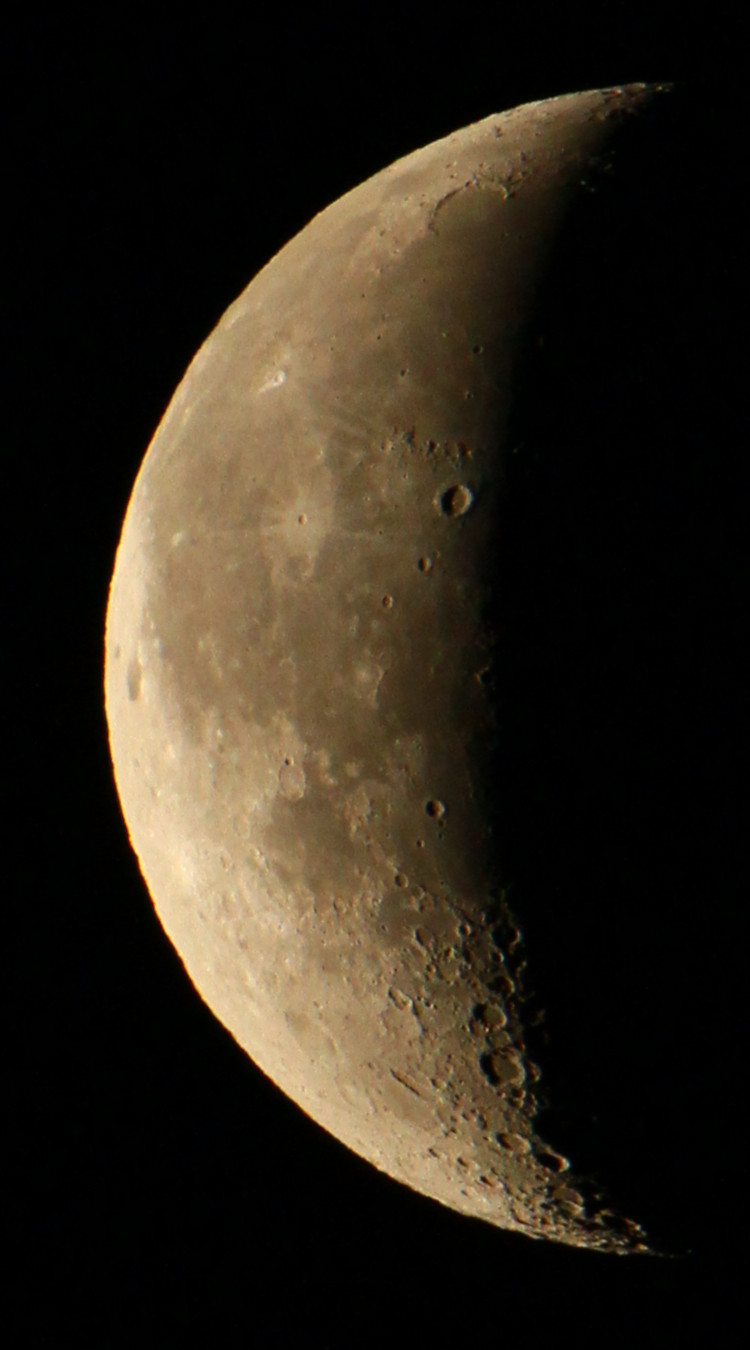
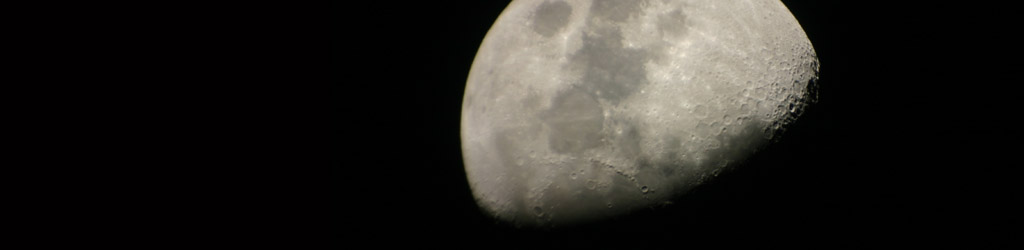
It’s been a while since I’ve made the attempt myself, but the moon conditions at least are almost ideal now. Over the next few nights we’ll be near-peak for two different meteor showers: the Delta Aquarids and the Alpha Capricornids. All too often, the moon is too bright for good viewing, throwing excessive light across the sky (especially in humid climes like here,) but we’re in a waning crescent phase right now, meaning the moon won’t even rise until the early hours of the morning, and then it’ll only be a thin slice.
It’s not hard to set your camera for these, but different techniques yield different results. I’ll provide a few pointers (even though what I’ve caught so far has been abysmal.)
1) Pick the darkest region you can find, of course, as far from light pollution as possible. There is a ‘radiant’ for each storm where the meteors tend to originate, but in my experience it’s always been a loose tendency, and meteors might be found in any direction. If you have darker skies away from the radiant, you may have better luck aiming that way.
2) ISO no higher than 800, but 400 or less will keep the digital noise down.
3) Full manual settings, aperture between f5.6 and f11, B[ulb] for the shutter. Camera on firm tripod of course, as low as you can reasonably get it just for stability, especially if it’s breezy or windy. A remote release helps keep you from disturbing the camera when opening and closing the shutter. Moderate focal length, from 35-80mm, will give you a broader section of sky, increasing your chances of capturing one, while hopefully not reducing it so much in the frame that it’s barely discernible. Manual focus too, locked carefully onto a bright light source as far away as possible, like a radio tower beacon or something – they’re easier to make out in the viewfinder than stars, though usually at the same effective distance.
4) Relatively short exposure times, because the Earth is turning and this will render star trails for longer exposures. How short? Well, there’s no good guide, because a lot of it depends both on your focal length and how close to the equatorial plane you’re aiming – that’s where the most apparent motion takes place. The longer your focal length, the more noticeable star motion will be. Aimed near the poles (like north or south,) you can get away with exposures perhaps as high as a minute, but near the path that the sun and moon take across the sky, ten seconds is probably maximum. Don’t get me wrong, star trails are cool, but they can also muddy up the frame enough that lesser meteors become almost invisible.
5) Find a comfortable position near the camera that allows you a good view skyward; this generally means at least leaning back a bit, but lying almost horizontal tends to be the most comfortable. And dress for inactivity, i.e., a little warmer than you might have thought.
6) Just keep firing off frames. You’re going to discard a lot. But the less time you spend with the shutter closed, the more chances you have of capturing a meteor.
7) If you’re lucky enough to capture a brilliant fireball, make sure you don’t re-aim the camera for at least a few frames afterward, and go for some much longer exposures for following frames. Some fireballs actually leave an infinitesimally faint trace of their passage in the sky for minutes afterward, and subsequent frames may reveal it, and possibly even its movement across the sky.
I hope this helps. Have at it, and if you capture anything, drop me a line, or make a comment here. Good luck!
Ha! Just to show the scope and breadth of my photographic talents, and to rebut all the naysayers (myself among them) who said I can’t do “cute,” I present to you a visitor yesterday evening – well, actually a resident, since we’ve been seeing it for a couple of weeks now. I had nothing to show the scale of this eastern cottontail rabbit (Sylvilagus floridanus,) but let’s just say it was a little bigger than palm-sized, less than half the body length of an adult. We’ve seen it numerous times in the front yard, primarily at dusk, and I have a suspicion that it lives in the thick phlox under the Japanese maple right outside the front door. In this case, it was sitting just at the edge of our front walk, less than three meters from the door. I was shooting handheld with the 100-300 L in the dimming light, through the storm door glass, so sharpness suffered a little due to this. Give me a break; I’m not experienced in chasing cuddly subjects and my skin wasn’t crawling at all, which was disconcerting.
Upon first sighting it I froze, knowing that I was in plain sight to it through the full-length glass panel, but after calling The Girlfriend over, I got the camera and started firing off shots, otherwise remaining mostly still. Previous encounters with this one has told us that it’s not terribly shy, and in time it resumed its evening meal, selecting samples of the various plants that grow in the edges of the front planters. The yard looks unkempt in these images, and it probably could be better, but bear in mind you’re seeing a small section where the exuberant phlox gives way to the lawn, with a handful of various plants competing under the taller stems. The bright green leaves seen in the first images are actually a decorative sweet potato in a pot alongside the door, which has a tendency to stretch excitedly in all directions in an attempt to take over the front steps. You’ve seen it last year, of course. Meanwhile, pine needles are everywhere because pine trees suck but we have not yet eradicated all of them from the property.
While we were watching, Little Girl went up to the door and looked out for a bit but failed to spot the rabbit sitting so close in front of her; this wasn’t particularly surprising, given that at the time the bunny was remaining motionless, blending in pretty well with the background, and I already know Little Girl’s vision is less than optimal – she pretty much needs motion to lock in on a target. A few minutes later on after the cat had wandered off, the rabbit had assured itself that we were presenting no danger and continued foraging, sampling several different things including the sweet potatoes themselves.
Now, you surely recall the tale of the fox’s visit, and are asking me if this was the escapee. I honestly don’t know, though that one appeared to be at least slightly injured, but there’s been enough time for it to heal. However, there was another development that told us this one was tempting fate, since about two weeks ago I found evidence of a capture sitting atop a tree stump (like I said, not all of them yet.) In the side yard, only a dozen or so meters from the foraging grounds of my disturbingly fluffy subject above, sat the remains of another juvenile rabbit, almost certainly a victim of the fox given the tight cluster of remains and the lack of overhanging branches right there – otherwise I might have suspected a hawk or owl. You’ll see a hind leg to the left, and a bare jawbone at lower right.
Given the general nonchalant nature of our resident bunny, we’re concerned that it will suffer the same fate, and in fact it had vanished for a few days and had us wondering, before reappearing two evenings ago. I suppose I could get in the habit of storming over and making a lot of noise every time I see it, to reinforce its flight instincts a bit, but I’d almost certainly end up sleeping on the couch if I did, so…
This post marks a particular milestone for the blog, as it is my first use (actually, in my entire life) of the word, “farraginous.” Which spellcheck doesn’t even have listed, so that guarantees that I’m sounding like a pompous ass. But I’m not going to make anyone have to look up the word to see what it means just to understand a simple blog post, so I’ll helpfully say that it’s defined as, “consisting of a farrago.”
Anyway, we’re just going to go through a handful of relatively recent photos, most of them obtained during student outings – no real theme or message, I just can’t let Jim hog all the bandwidth.
This is the oldest photo among the lot, taken back on May 4th (Star Wars Day if you celebrate that in your culture) – I just never found a good excuse to post it. The insect seen here really is that colorful – it’s not a trick of the flash or anything, but it primarily appears in a certain nymph stage and will become more muted as the insect nears adulthood. This is a Florida predatory stink bug (Euthyrhynchus floridanus,) and they’re often seen in clusters, as this one was, but they’re shy and the rest of the gang dispersed to the other side of the post quick enough that I only have a couple of group pics from the encounter; this one, carrying their shared prey of a click beetle, was reluctant to discard the meal and too encumbered to escape the camera quickly. Probably about 10-12mm in length here, and seen just this once. If you want better details on that proboscis, I’ve covered it before (with another species.)
On the same evening that I found the adipose caterpillar featured here, I spotted a Copes grey treefrog (Hyla chrysoscelis) perched on a water reed in the ditch by the road, and did a quick shot. I’ve featured these enough times on the blog that I can type their scientific name from memory, like the Chinese mantids, though it’s virtually guaranteed that I’ll mispronounce it if I tried. The rules, if there are any, for Latinized (which is a slightly different process than Martinized) scientific names are beyond my vast intelligence, but I know the trick that I was taught in kindergarten – “sound it out” – is completely worthless when it comes to these. And I suspect this is done on purpose, so biologists and their ilk can quickly tell when a poser like me happens along. “Did you hear that? The doofus said, ‘kriss-o-SKELL-us,’ instead of, ‘shay-OFF-kay-eye‘ – what a total kanye…”
By the way, I think I have a buttload of these as tadpoles in the backyard pond right now (the frogs I mean, not biologists,) courtesy of the amorous pair seen here. They may be featured soon.
Speaking of frogs…
I had initially identified this as a leopard frog, but that goes to show you that you should (or at least, I should) always check a decent guide before posting. This is actually a pickerel frog (Lithobates palustris,) which attracted attention on the side of the Eno River during an outing with the Immutable Mr Bugg, then paused and pretended that I couldn’t see it. It may appear again in a little bit, since I have a post planned on the awkward positions one gets into for certain perspectives that nevertheless often pays off. The image has lost a little at this resolution, since the eye and skin detail came out wonderfully sharp in the original file. Order a print and you’ll see what I’m talking about.
Just some sunflowers that we came across, and using a short depth-of-field to go a bit fartsy.
I had spotted this ailanthus webworm moth (Atteva punctella) in the foreground, busily raiding these flowers, and was trying for a particular perspective since the conditions were right. You see, the dark patches on its wings are actually bright iridescent blue when the light hits them properly, and I was trying to capture this effect, but it could only be seen at a specific angle and the moth wasn’t holding still in the slightest. As I was trying to hold focus and snag an illustrative position, the bumblebee landed and came blundering straight up to the moth, so the ominous-looking capture here was more luck than design. The moth, by the way, was far less discomfited by the intrusion than you might imagine, largely ignoring the much-more-massive bee. If it was a bee…
So this one’s a little odd (like that never happens here,) but bear with me. Something like 12 years ago I shot a particular tree stump in Jordan Lake in a couple of fartsy compositions, using the Canon Pro 90 IS. I had remembered it being in a particular location and thought the stump had long since been washed away, but then I recently encountered this one, displaced by a few hundred meters from where I thought I’d shot those. It’s possible I wasn’t remembering the precise location correctly (hey, I’m old, it happens, I shit myself twice while typing this ridiculously long post,) so I took a pic to compare them. Result: inconclusive, since 12 years of erosion might have produced that effect, and there’s nothing specific I can say about the shapes. Looking at the other frames that I took that day, the angle of the background details seems to support the idea of the stump being in a different location. So if it is the same stump, I have to say it’s damn tough wood…
[Seriously, I do pointless challenges like this from time to time, don’t ask me why.]
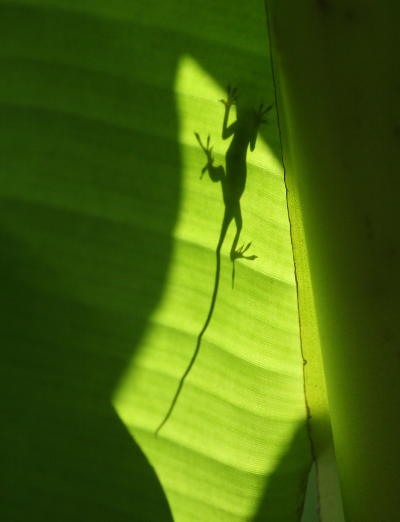
I was thinking of using this one for the month-end abstract, but I have a better one in mind, so I can use this here. I liked it not just for the silhouette and the sharpness of the details (if you look close you can see some dark spots where the feet touch,) but also for the little gap in the leaf that betrays the butterfly’s wing pattern, the tiniest bit of complementary color. I would have liked to have had the eyes peeking through that gap, but that’s a composition for another time.
And I probably shouldn’t admit it, but there’s also an extra detail in this one that was wholly intended. I know it’s there and my eyes go straight to it, but I’m not sure how subtle it is (or isn’t) to everyone else…
I’ll close with this, as a Blackhawk helicopter cuts across the sky during a sunset shoot. It never got into the really dramatic colors and clouds, those being in a pretty narrow region of the sky, but I think it works okay as it is. And I can’t help wondering what their view was like.
If you’ve ever wondered where they get the water to make those colorful freezer pops, it’s Yellowstone National Park. This is the ambiguous “berry” pool.
Actually, I think this is from copper, but I could be wrong. Either way, there are enough minerals in the waters of the park to -… I can’t think of a good analogy, but there are a lot. Yellowstone has water that you have to chew. It’s all brought up by the geothermal activity in the region, a mantle plume of molten material that comes a lot closer to the surface than most other areas of the world, save for active volcanoes. Or, maybe not.
By the way, geologists have said that there’s a potential eruption building under the park, and the entire area is actually higher in elevation than it was a few decades ago. It’s even visible here – doesn’t this look closer to you?
Just a quick note along a neglected blog topic, but the next few nights will host two meteor showers: the Delta Aquarids for tonight and tomorrow night, and the Capricornids for tomorrow and Thursday. Since discontinuing the blog calendar, I moved some of the events over to my personal calendar as a reminder to post reminders.
While I have witnessed countless meteor showers, I have photographs of virtually nothing – somehow, it’s just never worked out. And it’s not likely to now, either; between the scattered clouds and humidity right now, and the proximity to city lights, I’m not going to have very good conditions to even see anything, much less photograph it. However, maybe some of you out in better locales will have better luck – Jim, I’m looking in your direction.
Part five-point-one? Aren’t we up to fourteen now? Well, yes, but part five needed revisiting. Okay, it didn’t need it, and to be frank, it’s probably one of those things that will be debated for a long time – but here’s my attempt to reduce this as much as I might by introducing a pertinent factor. As you no doubt recall, Composition Part 5 was about the Rule of Thirds; 5.1 is going to be about applying some critical thinking to it.
The basic premise of the (non)Rule of Thirds: Split your intended photo, what you see in the viewfinder before you actually take the photo, into thirds, both horizontally and vertically, superimposing a tic-tac-toe board across the frame. Your main focal point, the most eye-catching part of the image (which often is the eyes of the subject) should fall on one of the lines or, preferably, right on the intersection of two of them, one-third in from either side. This is much better than centering your subject, which people have a tendency to do. I redefined it differently in my earlier post, keeping the rough gist but denying the mathematics of it.
I was recently led to a post from several years ago where another photographer laid out the close relationship with the Fibonacci Sequence, and there he overlaid the mathematical spiral onto several of his existing images. Some of them appear to fit amazingly well, and others… not so much.
Now, no insult intended towards Jake Garn, but the Rule of Thirds and the whole idea of both Fibonacci and Phi is more likely what we consider, in critical-thinking circles, confirmation bias. Photography and critical thinking? Of course I had to post about this! Confirmation bias is the process of producing a hypothesis of any kind, then finding evidence that supports it, but only evidence that supports it. Counting the ‘hits’ and not the ‘misses,’ in other words. It can be seen all over the place, from global warming denial to folk remedies (my grandmother swears by these.) And the concept of Phi as a natural ratio originates way back in the halcyon days of ancient Greece, where people were philosophers before philosophy was cool – don’t you love the idea of a hipster in a toga? They still weren’t silly enough to drink soy mochafrappies, however. One of the concepts that got its start then was that everything could be explained mathematically, and in fact mathematics ruled physics. Don’t take this to mean that mathematics is necessary to comprehend physics, which it is; what I mean is that math was physics, and perfect ratios and geometry were what the universe was all about. You’d think that Pi, with its neverending decimal extension, would have broken them of the idea, but that’s the nature of confirmation bias: such things are ignored.
Anyway, in their quest to understand why we might prefer asymmetrical compositions (and architecture and so on) over perfectly symmetrical, equal all sides from the middle, they arrived at the Golden Ratio [angels sing briefly], explained and illustrated here. This is all well and good, and interestingly, close similarities to it can be found many places in nature, but mathematics and nature maintain a distant neighborly acquaintance at best. Anyone can take a large number of images that people find compositionally strong, lay out grids across the photos, measure the key elements, and produce a set of numbers that will have an average. However, this average is not a magical number that will tell you a “perfect” photo, just like any average will not be the quintessence of anything. While we could probably see some distinct tendencies, which might help a little in deciding how to compose an image, there is a marked difference between tendency and rule.
This image completely wrecks the idea of thirds or Phi, but includes the whole spread of the arms and recognizes the faint tendency for them to point to the right, implying water flowing in that direction, so space is given on that side to let them waft freely.If mathematics were what we responded to in images, then if we found images that departed from the Golden Ratio or Rule of Thirds by, say, ten percent, they would be ten percent less likely to be popular, right? Someone would almost always choose an image that hewed exactly to the numbers over an image that was slightly off, right? But the mistake goes back to that original mistake centuries ago, in thinking that mathematics is magical rather than just a way of comparing one thing to another. Photos are largely emotional, instinctual, and subconscious; the reaction people have to them is because of the associations with the elements therein. As I said before, using an off-center subject places it within a setting or scene – but that setting has to be reasonably complete for it to be strong. If we put the main person right smack in the ‘proper’ location in the frame, but cut off a tree or other person with the frame’s edge, it will probably be much weaker than if we place the frame’s edge in a natural break between elements, even if it means moving the main person away from the optimum location. What we’re seeing is not ratios at all, but discrete ideas – the tree, house, the curve of the street or river, and so on. Include enough of these to provide the right idea to the viewer, use the frame’s space wisely, and don’t try to get all scientific about it. Much as we might like hard and fast rules so we don’t have to make a decision every damn time, they won’t work.
What the Rule of Thirds does, I suspect, is to get people away from focusing solely on the subject and start them thinking about the scene, setting, surroundings, and some other S-word to round out the alliteration. We have a wicked tendency to see only a small facet of our surroundings when we choose to, paying attention solely to one person or subject, and too often take photos that reflect that. But a stronger image typically (not always) gives us some context – context that the person holding the camera knows was there subconsciously, but the viewer will not get unless we include it within the image. This would make the Rule of Thirds (Fibonacci, Phi) a really crappy way of communicating this.
This is the first time I've cropped this image into a vertical, precisely for this post. While the moon might be close to the point that the Rule of Thirds would indicate, the cropping is more to accommodate the one branch of the tree seeking the corner, and not cutting off the higher contrast spot of moss in the upper right. That's how to use the frame.To me at least, an even stronger compositional “rule” is to use the frame wisely. I’m very fond of working the corners, which can even be seen in the B&W tidal pool image that I used in the previous post on thirds – the edges of the water stay within the top and bottom of the frame, making the pool an important aspect of the whole image. If I’d gone in closer and cut those edges off, the viewer is forced to believe that these were less important than the reflection in the water, which is about the only other thing that captures attention. Yet that’s certainly not strong enough by itself, and really is only a point of contrast which helps make the scene more dynamic. For the image at right, the original is much more centered, so even though the branches lean a bit to the left, the mosses on the right side help maintain the balance. But when cropping it to vertical (I can’t believe I never thought to try this before,) the balance is taken away and the emphasis of the branches leaning left is heightened, so the framing now reflects that.
And if you were on your toes, you noticed that the ‘flow’ to the sides of both of these images brings you into the text, not away from it – that’s another little trick that I actually use quite often, as do editors. It’s subtle, but it implies the importance of the text. Not that it needs it, of course.
So while there’s some compositional aspects that bear consideration, there’s also the underlying lesson that approaching things from the wrong angle can be misleading and counterproductive. Photography often benefits from the specific avoidance of structure, rather than the application of it. Most especially, it is not scientific or mathematical, but emotional and associative instead. Trying to reduce it to rules is more of a square-peg-round-hole situation. This applies to many other aspects of life, too, where we desire some reliable guidelines or shortcuts in a process and instead produce something that’s inaccurate as often as it is useful (and the only way to tell is to have some other standard of determining usefulness, which we should have stayed with in the first place.) There’s even a quick lesson in logic, where you might be able to take a lot of examples and create an average, but using the average as a goal is misunderstanding what an average is. Sometimes we need the extremes, the variety, and the rare appearances.
Even thinking that math can explain some constants, or some particular aspect of the universe, is generally playing both sides of the fence. Math is exact; being off by a few percent means that we’re no longer dealing with Phi, or any other mathematical expression. So we really can’t resort to a specific ratio and then say, “somewhere around there, anyway” – either it is or it isn’t. And considering the sheer number of instances where it cannot be applied without significant fudging, but people like the images (or architecture or design or whatever) anyway – especially those cases where applying it actually makes things less appealing – the only rational conclusion is that the concept is corrupt in its very nature. There’s little point in settling for something imprecise because it’s better than nothing, when we can attempt to understand what really is at work and gain so much more from it.