





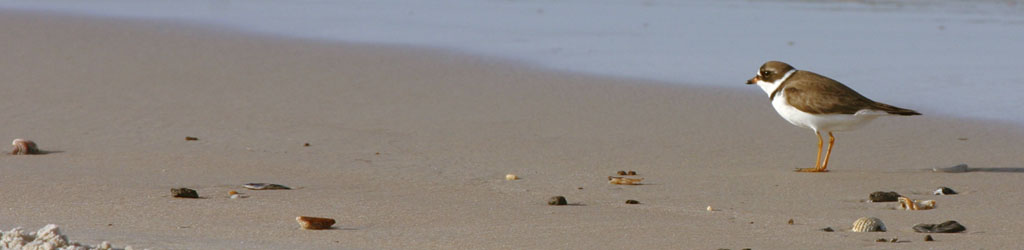
Curiously, the activity around Walkabout Estates has been greatly reduced, and I haven’t been shooting much – we’ll see what happens for tomorrow’s outing. Right now I just have a handful of images from today’s patrol.
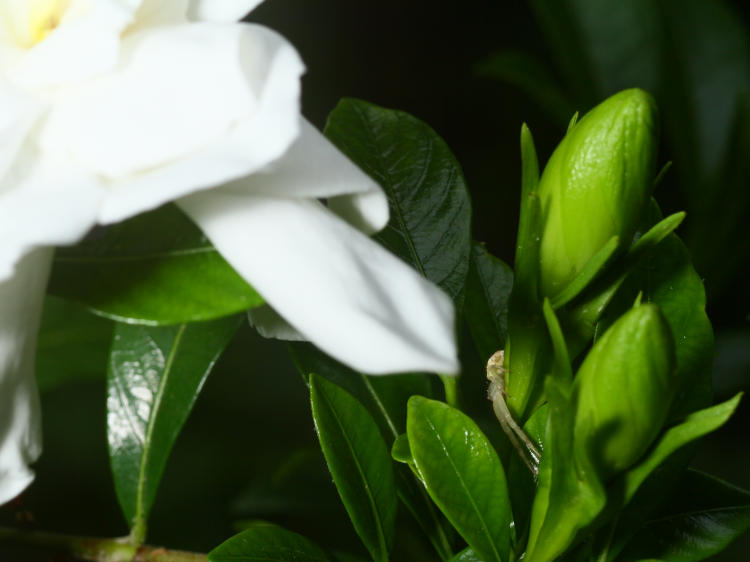
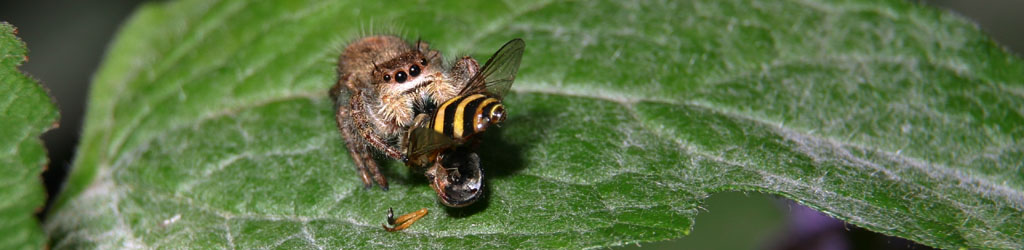
The gardenias out back have been budding madly, threatening a prominent display when they eventually come into bloom, but it’s been taking a while. The first finally opened yesterday, and as I was checking it out I spotted the little guy here, who I cannot credit with any smarts at all. There is only one flower open for all three bushes, and it’s right there, but Brainiac here decides to hang out on an unopened bud. The spider (an unidentified variety of crab spider, genus Thomasidae) was also being very shy and kept moving to the blind side of the bud as I leaned in for pics, and my attempts to flush it back around to a visible spot worked not quite long enough to lock focus, so this is all we have. For now.
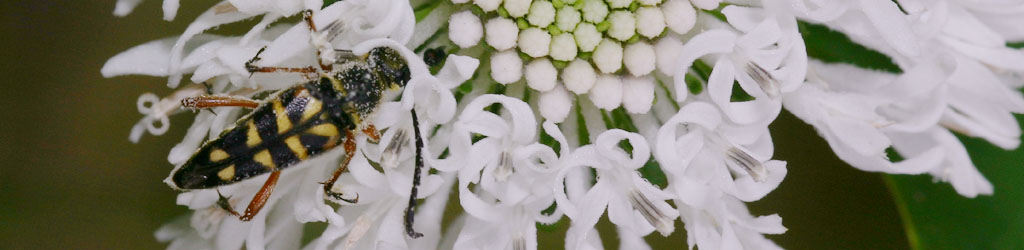
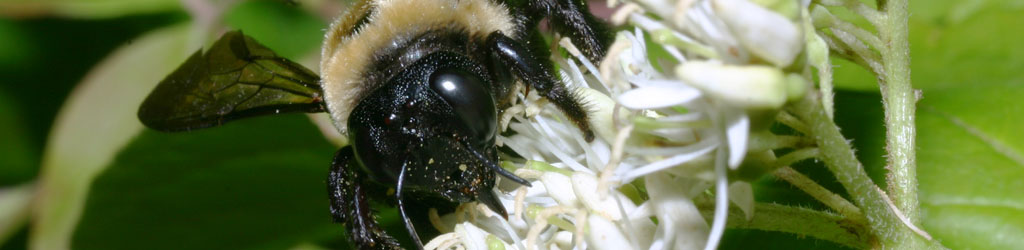
The lizard’s tail (Saururus cernuus) plants in the pond are not only doing well, they’re exuberantly in bloom right now, and I took a moment to capture a pollinator on one bloom.
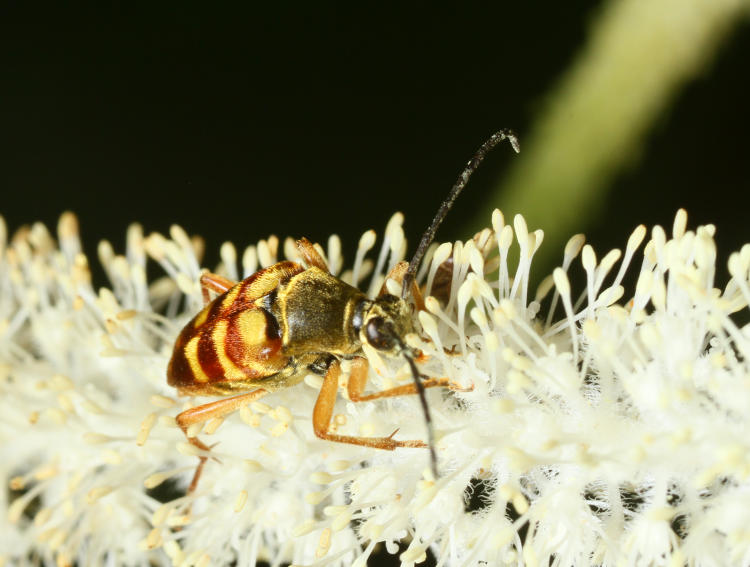
I’m identifying this as a banded longhorn beetle (Typocerus velutinus,) but stand to be corrected – BugGuide.net was being balky as I checked this. We have loads of them around right now, mostly on the oak-leaf hydrangea flowers, but this is the first detail pic that I’ve gotten – I think. My own database is way behind so I can’t be sure of that.
So, a brief story. This past winter The Girlfriend and I decided we needed some ginger lilies, because they’re big and cool-looking and the anoles seem to adore them, and come spring we sought them out from a local greenhouse, obtaining a pot with several stalks; ginger lilies (genus Hedychium – I honestly don’t know what variety we have) grow from rhizomes, a common ‘root,’ and will multiply through the spread of the rhizomes. On breaking up the rhizomes for multiple plantings, I accidentally broke off one of the stalks, so I popped it into a jar of water to see if it would sprout roots on its own. It did, and soon got transplanted into a pot, then a few weeks later it got planted alongside the backyard pond, right by the lizard’s tails.
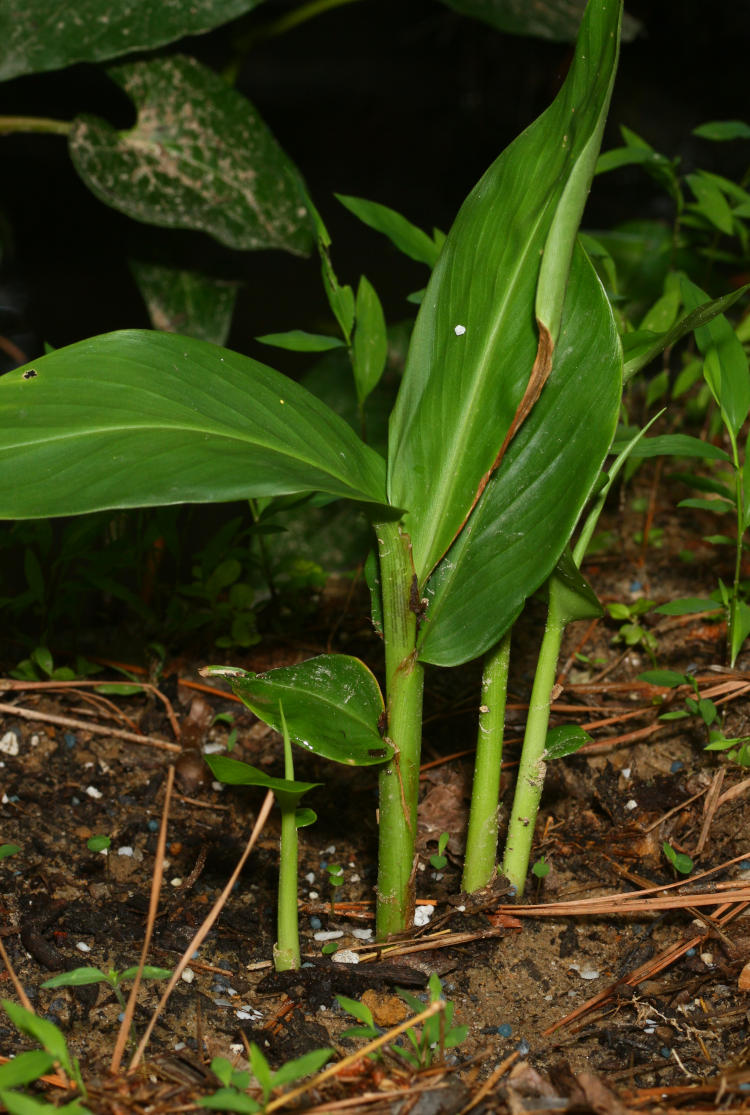
I was quite pleased to find yesterday that this broken-off stalk was now four stalks, so apparently it’s doing just ducky. This is about the height of the original plants when we got them, the largest of which is now above my waist – they’ll get a lot bigger.
And finally, the return of a Walkabout staple.
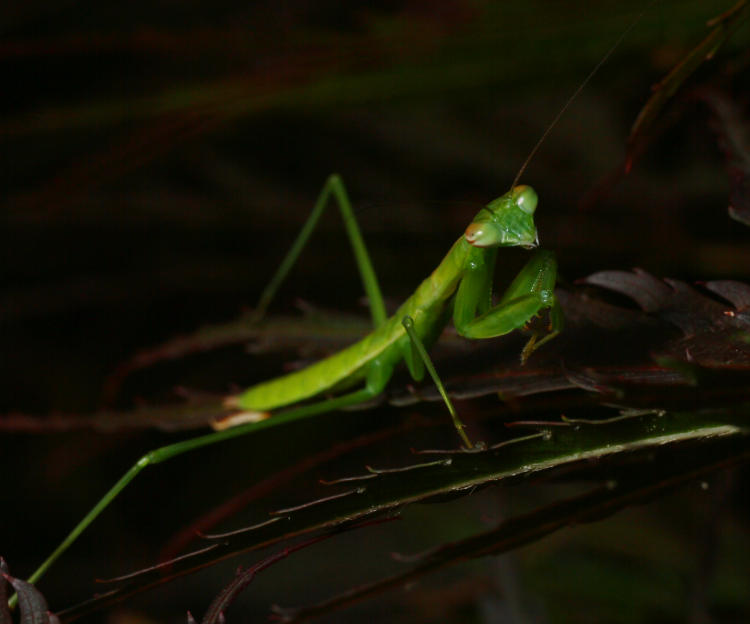
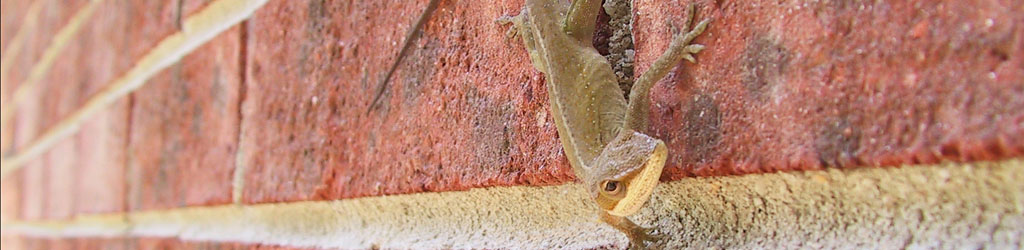
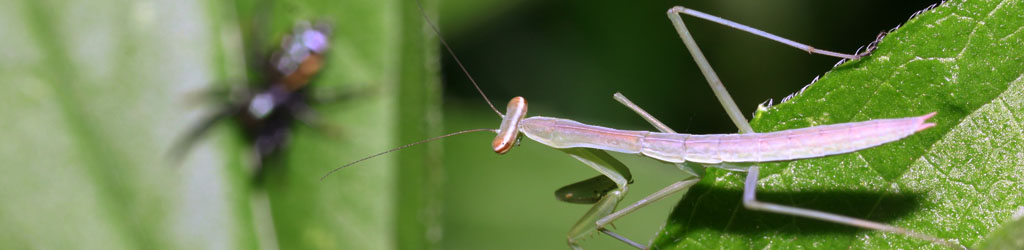
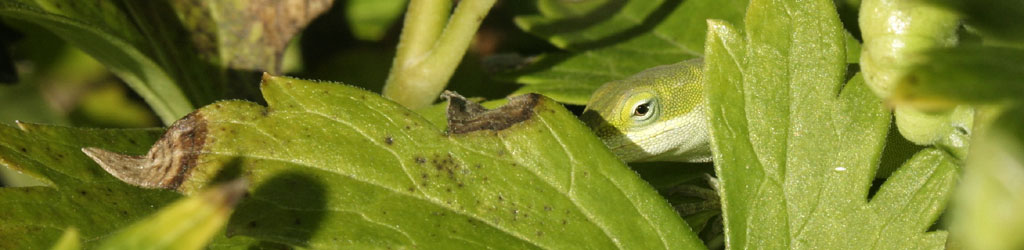
I’d almost written off the Chinese mantids (Tenodera sinensis) since their inauspicious start and immediate disappearance this spring, but slowly some are making appearances in various areas, including this one beginning to be routinely found on the Japanese maple by the front porch. The number of lizards on the property has likely tripled, so the risks to these guys have expanded commensurately, but the anoles at least seemed to have gotten a lot scarcer – I’m surmising that mating season is past and they’re now being more secretive – so who knows how this will play out? I’ll keep an eye on it all, of course.





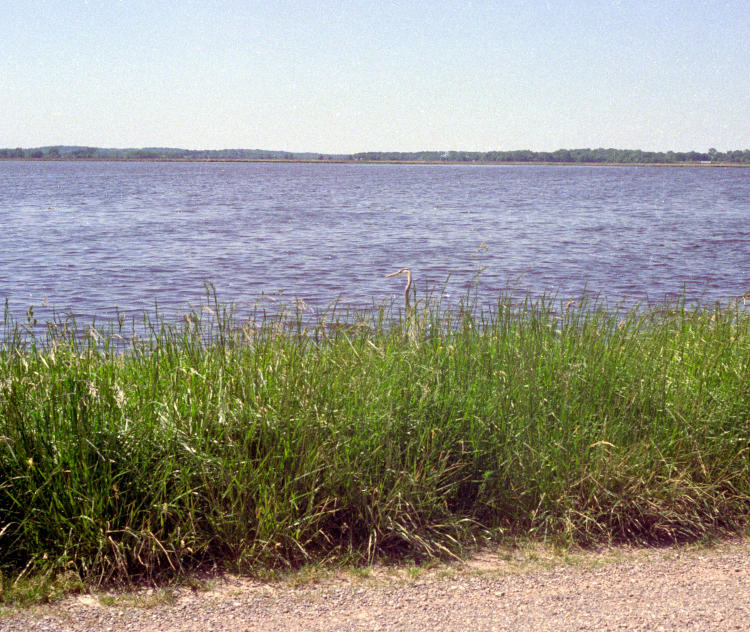
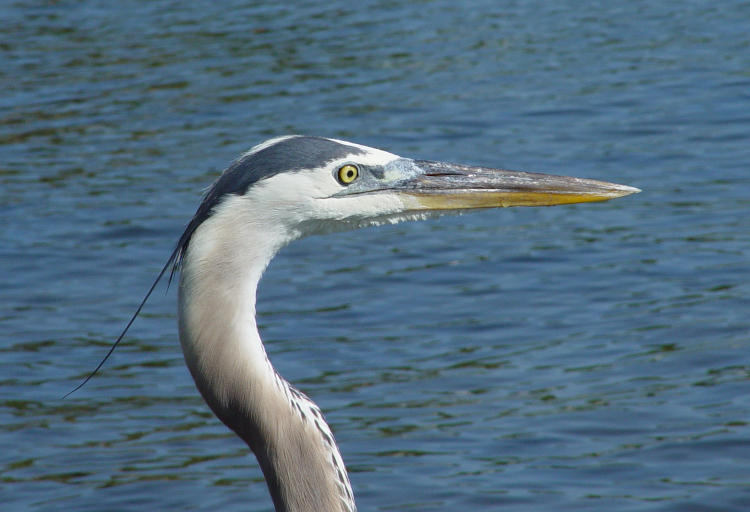
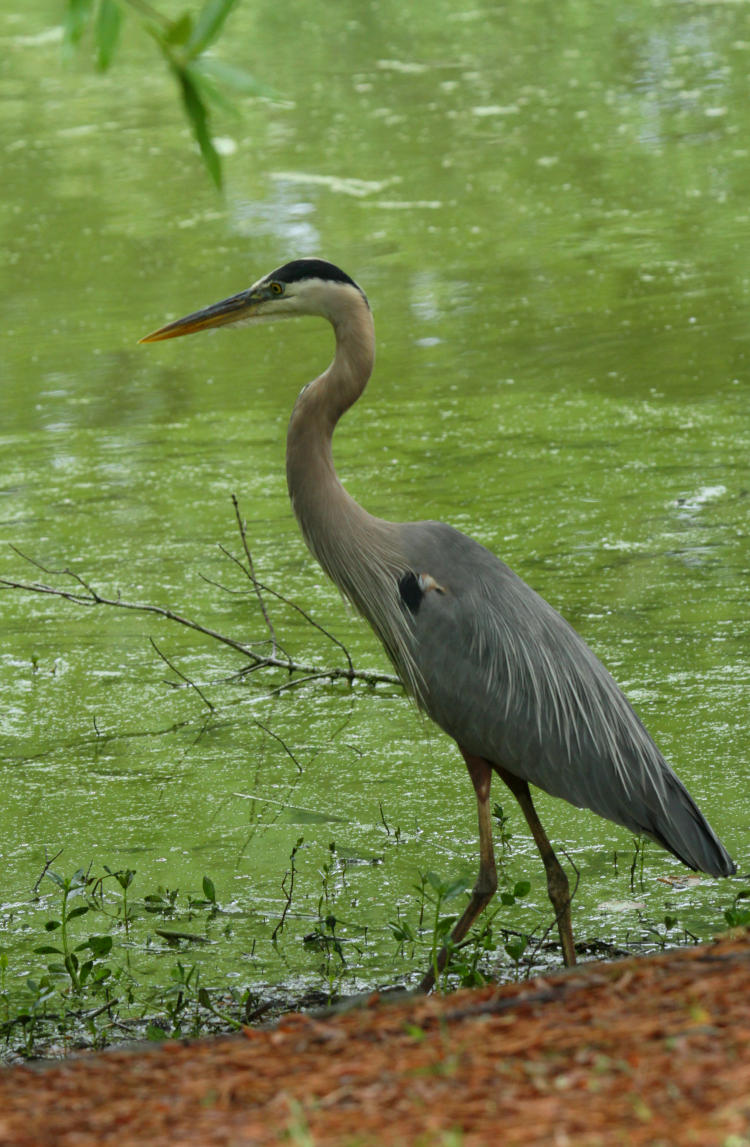
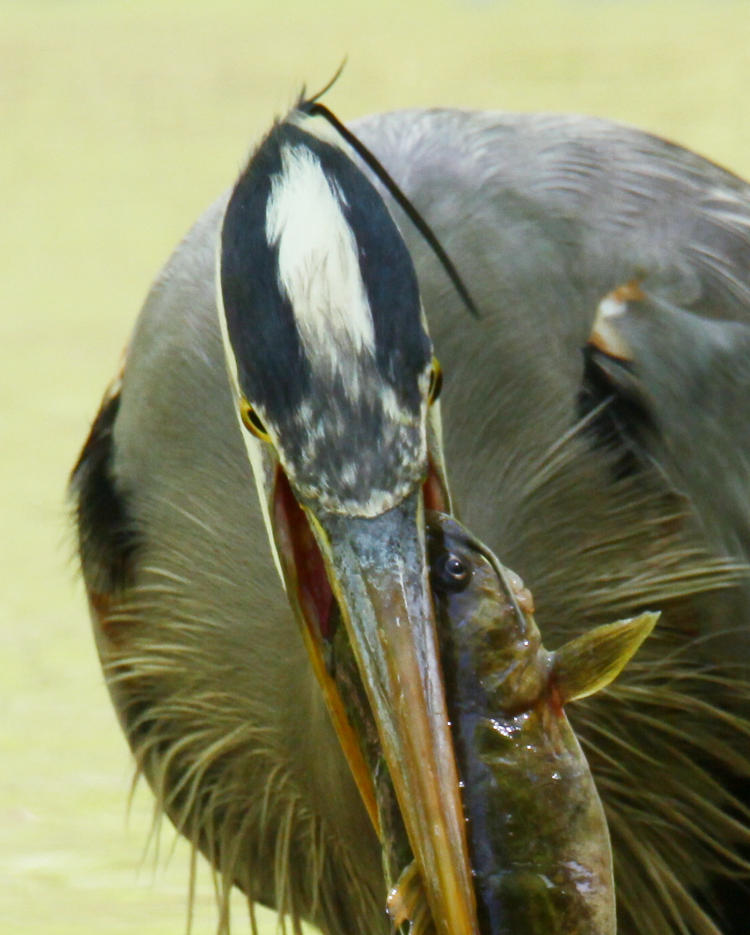
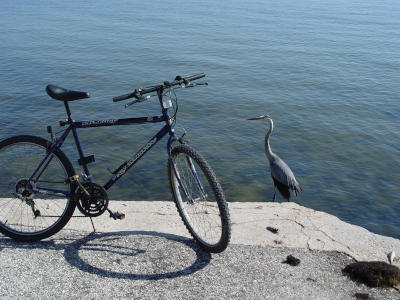 Herons can be found all over the US, but Florida is the only place I’ve found them so habituated to people that they allow ridiculously close approaches. Both images here were taken with the borrowed Sony F717, with a maximum focal length equivalent of 190mm – which doesn’t mean a lot anymore, but about 4x the Wittnauer’s lens. That would have been nowhere near enough to make this much difference, so the primary improvement came from the bird itself, and I included a wider-angle shot showing my bike – the heron really was close. A lot of fisherfolk in Florida use live bait, which herons have learned they can steal, so they’re often in close proximity if the pickings look good. On another day, in the same location, I snagged








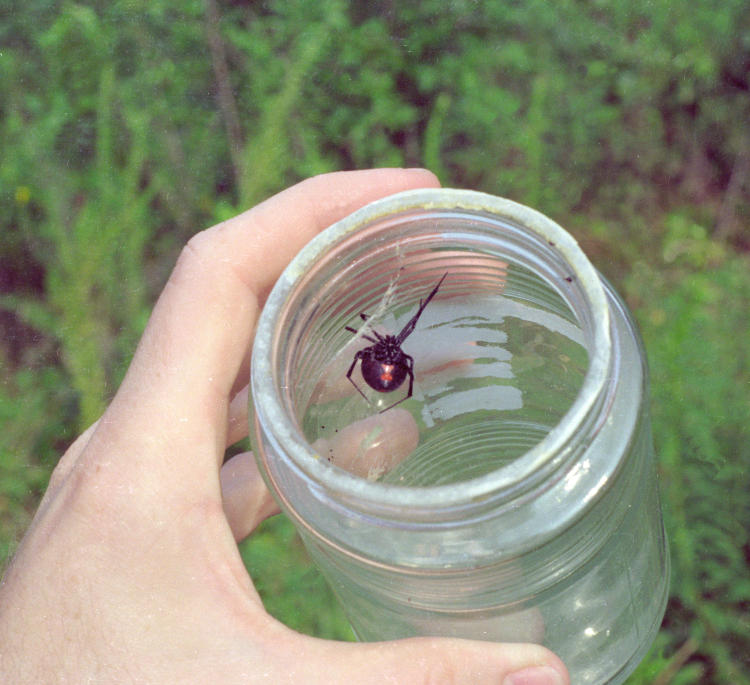


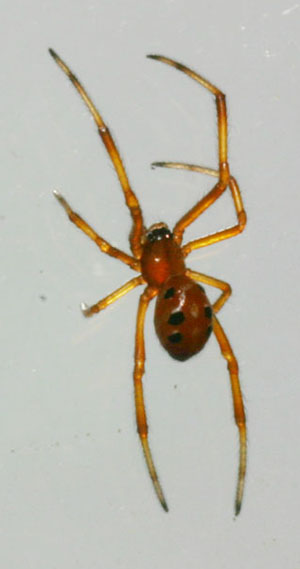 The photo at right is the oldest from my blog folder, sized for a post it never made it into years ago; I can finally clear it out (into the ‘Uploaded’ folder now, so not really saving any harddrive space with a lateral move.) This is what a newborn black widow looks like, though again, not sure if northern or southern. This was one of the last stragglers that I discovered having hatched from the sliding door, thankfully outside the apartment, though where all the rest (dozens, if not hundreds) got to I couldn’t say. But yeah, they go through a radical color change into adulthood, and the juveniles have some