
More of the shit I get up to

Back in 2015, I raised a question, or at least, pointed out that an answer could be determined, based on the details visible within a photo shown therein, reproduced in more detail below:

crescent moon by Union Station, Nashville, 1991
This was a photo that I took, with my cheesy little camera and crappy print film, while on a training seminar to Nashville, Tennessee, and in the post, I claimed that the date could be determined just from the details within the photo.

Which I did: November 9th, 1991. Maybe.

Okay, not all of that was from details within the photo, though I maintain that it could have been. Maybe. Given some more sources of info, anyway. But here’s how I arrived there.

First off, I knew it was 1991, because I bought a souvenir there that a psychotic girlfriend stole in 1992, and in 1990 I’d just moved to NC and wasn’t even working for the place that sponsored the trip. And I knew it was late in the year since one of the taller buildings was advertising ‘Visit xmas Village’ by leaving the lights on in certain offices at night. That’s about the extent of the information that I contributed through personal recollection, and I’m not sure these couldn’t have been determined from the photo. For instance, the clock tower is missing the statue of Mercury atop it, which pinned down at least a bracket of certain years.

Screenshot from Google Maps of Union Station, Nashville, TNThe shooting location was determined through Google Earth, confirmed through Google Maps Street View (normally, you could do this through Google Earth too, except that the latest versions don’t work in Linux, and Street View won’t work anymore on the older version that does work on Linux.) Most especially, the angles of the various points on the façade pinned down the spot on the sidewalk, within maybe a handful meters or less, which led the next step.

In Google Earth, the shooting angle and the compass direction of the moon could be determined from this latitude and longitude (222°, give or take – notice how the moon lines up directly above that chimney-like peak.) The clock reads 5:17, obviously PM from the afterglow towards the west, and Nashville is on Central Time.

I could not determine for sure the height that the moon was above the horizon, because I could find no info on how high that clock tower is, which would have given me the elevation of the moon. Eventually, I found a full height photo of Union Station (from ground to above the clock tower) with someone in the photo for a reference, and in GIMP translated the pixel position in rough length/height references. Very rough estimate: the clock sits 34 meters up.

Back to Google Earth. Measurement of the clock from my shooting location was about 147 meters. Some simple calculations (done with an online right-angle calculator, though, because my math skills are untrustworthy) gave an elevation for the moon of 13°. That info carried over into Stellarium, where I could input the location (including ground altitude) and the time, then begin sliding days back and forth until the moon got into the right position.

No day was a tight match, but this was not unexpected. Using Google Earth and Google Maps, with the Streetview function, to pin down the shooting location has some slop, especially since the vehicle producing their photographs obviously wasn’t on the sidewalk where I was, and there’s a bit of wide-angle lens distortion from their photos. The same can be said for the aerial photos – change the dates on any given location with taller buildings and watch the positions shift depending on how far they were from the camera axis. Significant changes in distance produce only trivial changes in apparent angle, and of course, my tower height measurements were pretty off-the-cuff. But November 9th has the moon at 222° compass bearing, just over 15° elevation, and that’s the closest I can produce for that particular time of day (perhaps the most accurate part of all this) and location. I feel comfortable with it, at least until I can get anything more accurate to work with. November 9th of 1991 was a Saturday, which fits with the three-day seminar as well.

Anyway, that was two hours of sleuthing for no good reason, other than to see if I could do it with the tools at hand.

Waited too long

Early this morning, what I still consider “last night,” I was getting bleary but knew that I might have a shot at the moon after about 1:30 AM, so I hung out until it would have risen above the horizon, which around Walkabout Estates is fairly high – there are trees all over the place. As I said a couple of days ago, in two days the sun would be setting on Tycho, and thus I’d have my chance to get sunset (instead of sunrise, two weeks hence) on the central peak. On cue, I gathered the long lens and tripod and went out to the front lawn, where there’s a narrow window when the moon is visible down the road before it enters the neighbors’ trees. The moon was there, burnt orange, but partially obscured by clouds and, as I watched, disappeared within. Nertz.

I waited it out though, and lo! it reappeared, nice and clear for at least a few minutes. Still orange and very dim, so I boosted ISO, went wide open (which is f6.3 for the Tamron 150-600,) and fired off a number of frames, using mirror lock-up with at least two seconds of delay, usually longer. The dimness did not help my manual focusing, but there were still enough details visible that a few of the frames were critically sharp.

orange waning crescent moon with no light on Tycho's central peak
This is right after 2 AM, and the detail is fine (this is admittedly full resolution) – enough to show that I was too late. The deep crater down low on the terminator is Tycho; see that point of light on the peak in the center of the crater? Yeah, me neither – the sun had already set low enough to no longer illuminate the peak. If you’d been standing on that mountaintop, you would only be seeing the pink afterglow in the sky above the moon, no vestige of the sun itself anymore. Okay, no, you probably wouldn’t see anything more than a faint haze of pale light hugging the horizon, from the tiny bit of dust orbiting the moon, since it takes atmosphere to produce anything more. But yeah, I should have been out there sooner.

In all reality, the sun may have set for that peak hours ago, long before it would have been in sight for my longitude, since a lunar day is nearly a month long – I don’t have software slick enough to pin it down that tightly. And that’s okay – it’s a quest partially because it is difficult to time correctly. And partially because I’m weird and have some peculiar obsession over it. After all, I got sunset on Maurolycus, which is where the In Crowd vacation; Tycho is for poseurs and the riff-raff.

On a whim, I went out just now, while typing this (well, I paused and left the computer behind in the office,) to see what the moon looked like now, at 11:30 AM – you know, to make the post really quality. And it looks far worse than this pic, because we’re somewhere between hazy and overcast right now and they ain’t no damn thing to see. But I made the effort, and that counts, right?

Squeezing one in

I thought I might get a few last photos up from the NY trips, but then when out in the yard watering plants, I saw some potential video opportunities. Some of these clips have been attempted before and never panned out, but this time luck was with me.

Note: The voiceovers are off the cuff (obviously,) but this also means that I can occasionally forget something, like the fact that the first subject had vanished before I returned with the misting can and the camera (which I mentioned,) so I flushed it out with a quick spray of mist over the area where it had last been seen (which I’d forgotten to mention.) This was sufficient; it popped back into sight at the prospect of getting a drink, and so I could get the video I was after.


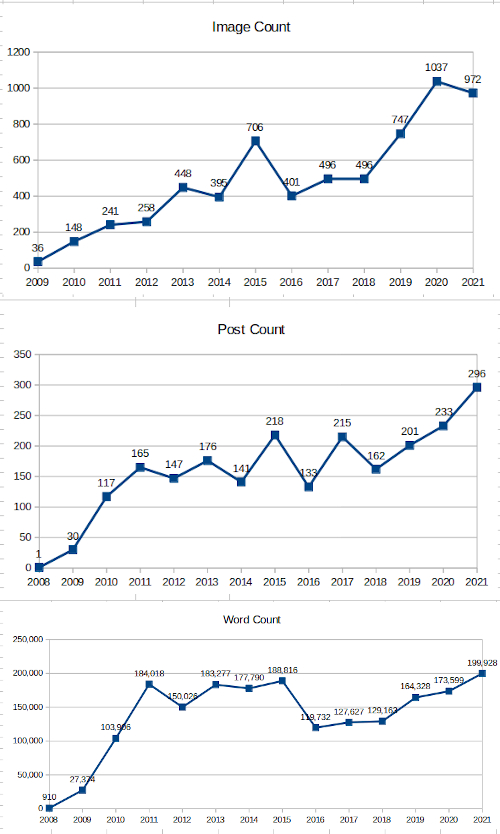
This puts me one closer to the half-ass goal I’ve had since the beginning of the year, which is a post for every day. I don’t know why I keep this in the back of my mind, because I know it’s not gonna happen and I’m already well behind, but the week I was away and didn’t even have time to line up some posts ahead of time motivated me to ‘catch up,’ and so this month contains (as of now) 28 posts – not bad, really. I’m curious to see where the year will end up, since my free time tends to fluctuate, but at least I’m feeling a lot more comfortable with the video editing – dog knows why.

I also had a goal of a podcast per month, annnddd, we’re presently at five, so… yeah. I like to think the videos fill in, and they take the same amount of effort even though they’re much shorter. I’ll leave the evaluation of my performance up to you (the nonexistent reader/viewer/listener.) But you know, they say money is a great motivator…

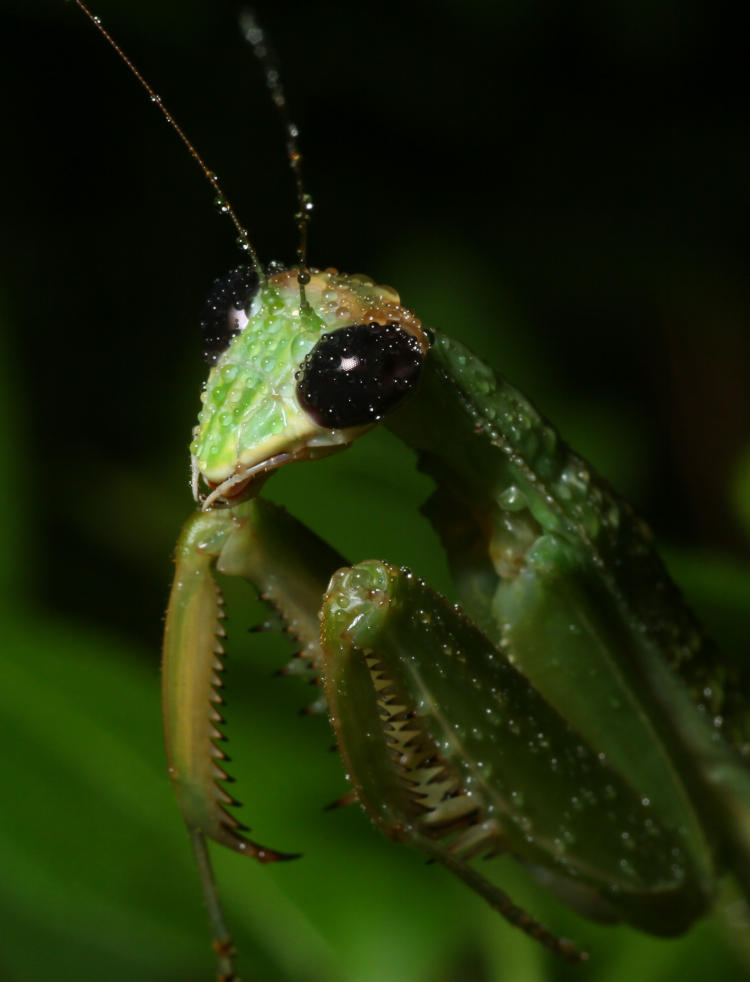
Chinese mantis Tenodera sinensis in short depth-of-field

July to me?

Another long, eventful month to wave toodle-oo to, and so we have the month end abstracts. And all three were shot within the month, so, good on me? I guess that depends on how good the photos actually are.

twisted tree bark in closeup
From an outing early win the month with the Unforeseeable Mr Bugg (who it appears is not dead,) this was one of the few images worth keeping – at least by my standards, and that word is used with almost cavalier abandon. I might have had to tell you what this was if it wasn’t for the little bit of lichen in there.

Moving on.

dewy spider web seen edge on at sunrise
One thing that I regretted not doing on the first NY trip was checking out a walking trail in Montezuma National Wildlife Refuge, and after dropping The Girlfriend off at the airport the morning of my last day there on the second trip, I realized it was my last chance. Not a lot to see, but the low sun and the still-present dew made this pop out, and I cropped tighter to draw attention to the scribbled detail.

And finally,

willet Tringa semipalmata peering from reeds in Montezuma National Wildlife Refuge, NY
I’d somehow missed this one when doing the post about the refuge, and better pics will be along eventually, but I liked the nature of it here, so it’s a late addition to the lineup. This is a willet (Tringa semipalmata,) and there were at least a couple of them lurking about – this one got chased off soon after by a territorial rival. Yes, of course this was manual focus – autofocus would have just freaked out and gone on a vandalism spree until tackled by numerous police officers.

All right, August, let’s see what you have for us…

Are you kidding me?

I’d seen the skies looking quite clear yesterday evening, the first time in days, so I thought I’d try for the meteor storm, and early this morning (like a little after midnight,) I drove down to Jordan Lake, the best night sky spot in the area, to see what I could see.

The first thing was, the humidity was very high and the haze had rolled in, so only stars of higher magnitude were visible anyway, but what I was hoping to get weren’t the little, typical ‘shooting stars’ but a bolide, a nice fireball or at the very least, a brilliant, larger example – those would come through despite the haze.

On the first frame, I had the custom function of Long Exposure Noise Reduction set to ‘Auto,’ so it activated itself for the 800 second (13 minute, if you don’t know metric) exposure. Don’t do this; the noise reduction process can take as long as the damn exposure does, so I spent quite a while simply waiting for that to finish, unable to take any more exposures of the sky during that period, nor even turn the damn thing off in anticipation of the next frames.

time exposure of night sky with in-camera noise reduction
It gets rid of sensor noise, but that’s a lot faster to do after the fact, and it didn’t significantly reduce the blotchiness of the night sky otherwise, which you’ll see in a second. And playing with the menu during the process might have been responsible for the bit below.

higher-resolution inset of night sky time exposure with trail anomalies
This is almost a full-resolution inset, and you can see that the color speckling is still present. This is ISO 400, by the way, so not particularly prone to this – any higher ISO setting would be progressively worse. But note the star trails themselves, and the little squiggle off to one side. I would put this down to tripod vibration in the stiff breeze, or even bumping the tripod, except that this doesn’t make sense. First off, in the length of exposure, vibration of any kind would be too minimal to register, taking place over the period of a second or two at most, and the stars would have barely moved across the frame in that time. Second, it displaces only to one side and returns right back to the original path, like the tripod was bouncing against the ground, prevented from going further to the right than it had been. For gaps to appear in the paths, ones that left squiggles behind, the tripod would have had to have moved that way very slowly, at least over ten seconds – and then returned to exactly where it was. In other words, horseshit. I can find no other reasoning than the process of noise reduction itself.

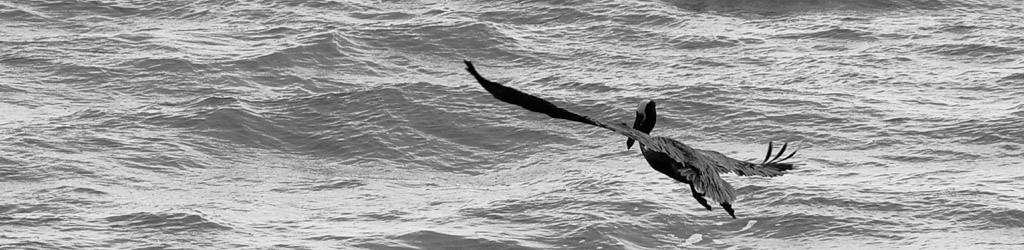
I shot several exposures, in some cases while watching the same area of sky, and in others watching all over the place. I caught a small flicker that might have been a meteor, out of the corner of my eye, but little else (I did see a bird going over quite low, though, an ominous dark and silent shape against the sky, but I couldn’t tell you what it was for sure – vulture, heron or eagle in size, anyway.) For one ten-minute frame, I attached the Tamron 10-24mm lens at 10mm for a wide field, aiming towards the plane of the ecliptic solely to show the diverging curves that occur, though the wide field can still distort the trails unrealistically anyway. But while that one was going, I saw a distinct meteor cut right across its field of view. Cool! I finally had one that I knew was a meteor, and knew it was within the frame.

Except, when I got back and unloaded, it really wasn’t visible.

wide-angle long exposure of night sky showing diverging curves
The meteor was not dim, showing quite clearly against the stars, so it was at least their magnitude, and had a noticeable trail, not short – though it would have been reduced by the wider field of view. By my reckoning, it should have appeared in the upper left side of the frame (pretty damn close to the radiant of the alpha Capricornids as it were.) You can see some blotching up through just left of center, which does correspond to the position of the Milky Way at the time, even though I couldn’t make it out while there. The best I can say is that the meteor was aligned largely with the star trails and can’t be differentiated easily from them, though I’ve viewed the entire frame at full resolution and haven’t been able to find it. You may be looking at the one bright streak at upper left and thinking it’s too bright and too long, but here it is at full resolution:

full resolution inset of wide angle starfield
I didn’t directly measure it against its dim neighbors, and I’m not sure I could get an accurate length off of them anyway, but it’s damn close. And the distinct uniform brightness along the entire length isn’t a good sign, nor being that precisely parallel to the others. No, that’s a star. Maybe, at some later point, I’ll find the evidence that I was sure I captured, but who cares? It certainly wasn’t what I was after no matter what.

The moon had risen right around the time I’d arrived at the lake, but remained behind trees from my vantage, and wasn’t bright enough to make more than trivial contributions to the brightness of the haze, but upon returning home, I had a good view of it and decided not to waste the entire morning.

waning gibbous moon showing sunset within Maurolycus
That prominent crater down low on the terminator isn’t Tycho (which is off directly to the left of it, with the prominent ray pointing to it,) but Maurolycus, and yes, that’s sunset on the central peak – I could just barely discern this in the viewfinder, which told me that I was getting focus close. Still, I tweaked focus for every frame, knowing that critical sharpness is more a matter of chance that what can be determined through the viewfinder screen. White balance is set to Sunlight, so this is the color that was showing through the haze.

Maybe in a couple of days, I’ll aim for sunset on Tycho too, because why stop obsessing now?

*    *    *

Unrelated, but I’d mentioned waiting on a car window mount for a camera, which would have come in handy for this past trip to NY (well, both of them, though I hadn’t ordered it until after the first one.) After seventeen days in Greensboro, it finally left that facility (having been scanned as ‘leaving’ three times over two days) – only to arrive as a damaged, empty box. The staff and management at the Greensboro USPS Distribution Center is completely, utterly incompetent – this has been going on for years. Worse, the Inspector General knows about it, has audited multiple times, and it still goes on. Fucking hell, guys.

Profiles of Nature 30

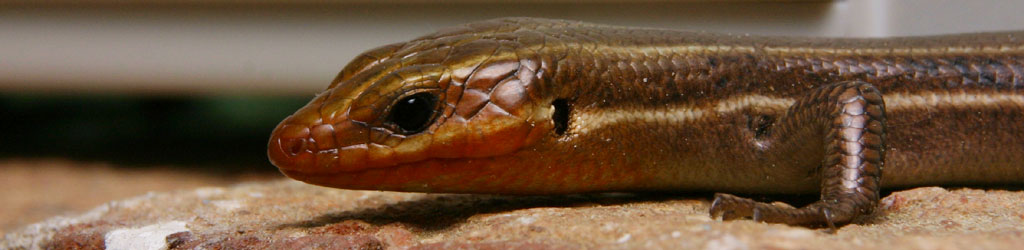
eastern fence lizard Sceloporus undulatus Boaz peering out from foliage
Now, at least, the numbers are back where they’re supposed to be, and should remain that way provided The Manatee doesn’t show up again. This week we get to meet Boaz, which is a feat in itself since Boaz is goddamn sick and tired of fame already; he’s actually a peacock, but this is the disguise he dons to try and avoid the papparazzi, which obviously didn’t work and simply started lots of distasteful rumors concerning his sex life and skin care. He came to fame in a very roundabout way, which means through England, and really only wanted to reach his fans through his music, requiring him to put little notes in his record jackets and drop them in various locations around town; the switch to MP3s really put a crimp in this. Boaz’s talent is unparalleled, or at least it might be if we could figure out what exactly this is supposed to mean; it doesn’t intersect with anything? Is that good in some way? We’re lost on this. It’s like saying something is unprecedented: it was previously unprecedented perhaps, but now that it’s occurred it’s a precedent itself, right? Anyway, Boaz just wants the media to leave him alone, but now that he’s admitted this publicly, everyone wants to know how it’s coming along. Plus his rants are really damn funny. He has a gambling addiction, and has bet very large sums of money on the claim that he’s immortal, having failed to think that one through but, if you’re gonna do it, at least this way involves the lowest losses and the greatest ire among his heirs, so win-win. His gym equipment is unparalleled. Boaz admits that is favorite air molecule is that one there. No, not that one; there. Look where I’m pointing, you moron…

Does the calendar still show a week next week? Then we will return.

New York: The raptors II (On the Move)

Yeah, it’s a terrible movie reference, but you weren’t expecting better anyway so get over it.

The second trip to central New York netted a whole selection of new raptor photos, but unfortunately not as much video as I’d hoped for or intended to get – kinda. I went up there with no particular plans, given that it wasn’t a vacation or shooting trip, but when the opportunities seemed to present themselves and I thought, Hey, this might make a cool video, it didn’t pan out very well (for the raptors, anyway.) There will be some clips in a little bit, but the still photos are plainly better.

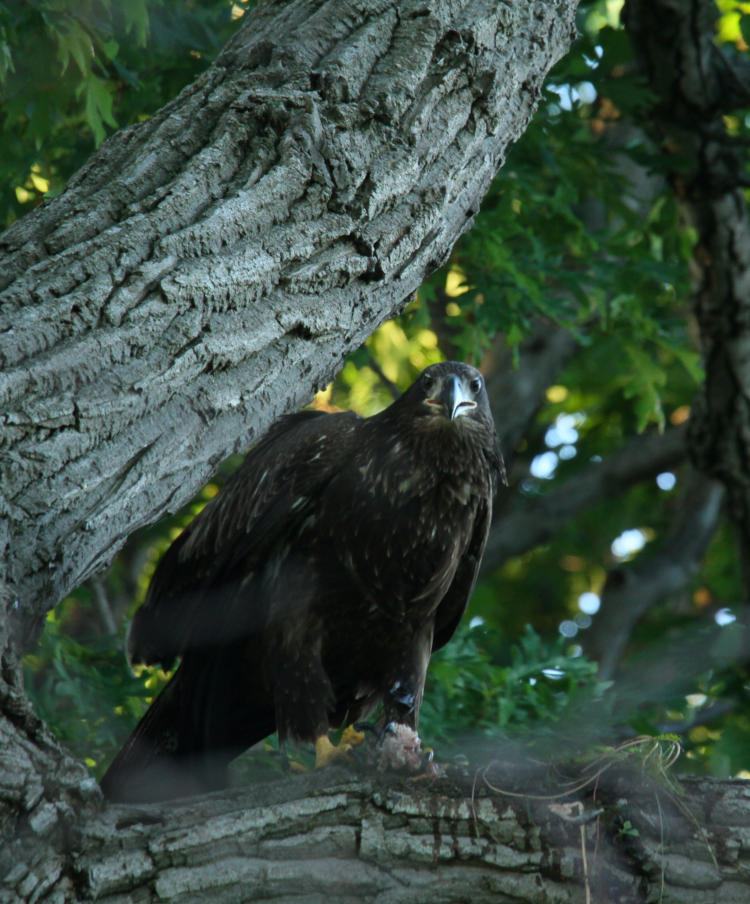
First off, the nice views of a juvenile bald eagle (Haliaeetus leucocephalus) from the first trip were a pretty good indication that this one would be better, coming as it did later in the fledging period as the young were hunting on their own. While out early one morning and actually on the phone with a friend (worked best for both of our schedules,) I had to beg off of the call when a pair of juveniles decided to play tag almost directly overhead. Okay then.

two juvenile bald eagles Haliaeetus leucocephalus chasing one another overhead
Too young to breed and late in the season anyway, plus the fact that there was no aggression being shown, leads me to believe these were siblings just out ‘playing,’ wheeling in big circles in a lazy manner. But they were only two dozen or so meters in the air, so within easy sight – I had to back off the zoom setting to keep them both in the same frame.

two juvenile bald eagles Haliaeetus leucocephalus in close proximity
Unfortunately, I somehow missed dialing in exposure compensation for some of these, which kept the sky blue but rendered the eagles as little more than silhouettes, and the early-morning sun was still somewhat behind them from my angle.

But they were being remarkably cooperative, since I have ten consecutive frames with both of them in the photo, completely unprecedented; quite often, even when a pair of birds are flying together, getting them both in the frame requires sharp timing. These guys were my buds.

juvenile bald eagle Haliaeetus leucocephalus cruising low overhead
Now I’ve got the compensation on, so you see what it does to the sky, but at least you can see the eagle – this is at 600mm now. The highlight on the beak indicates that the sun is pretty much due right, not high at all.

Both our bedroom and the foyer windows looked out over not just the cove, but the dead tree on the lakeshore (purposefully retained because it serves so often as a perch,) and thus we could see how often it was occupied. One day, this was by another juvenile eagle, quite possibly one of the same ones as above, given that they were only a few hundred meters away from this spot. Then again, the area is loaded with eagles and it’s an ideal fishing ground, so who knows?

juvenile bald eagle Haliaeetus leucocephalus perched in rainy conditions
It was raining off and on most of this day, so the raptors were largely remaining perched, and while the eagles normally don’t like close approaches, this one was being patient and I was endeavoring to remain nonthreatening: pausing frequently, gazing all around with a casual air, and otherwise looking like an adolescent boy at the beach trying not to stare. It seemed to work, in that I drew quite close, provoking a little visible discomfort from the eagle and the first indications of wanting to fly off, but it never did.

juvenile bald eagle Haliaeetus leucocephalus looking wet and stoic
I suspect the rain had a lot to do with it; it was just too annoying to take flight and chance getting the underfeathers wet too, so the eagle tried to put up with me unless it was absolutely certain that it would have to flee. Given that we left it alone soon afterward, we did our part in conditioning it to tolerating people nearby (The Girlfriend was out there too, but purposefully hanging back to lessen the stress on the bird – she knows.)

The ospreys (Pandion haliaetus) were even more active, and effortless to see much of the time. This is one in the same tree, on a much better day.

osprey Pandion haliaetus perched in dead tree
I was purposefully playing with exposure compensation for these shots, to see what rendered better – the goal is to have both the details from the bird and some sky color, and the truth is, without resorting to tricks like ‘high dynamic range’ (which is basically digital compositing,) you’re usually going to take a hit on both to have the best frame. The above is with a full stop over-exposure, but bear in mind, the camera doesn’t know how bright the sky should be and typically sets exposure for a middle level anyway. Thus compensation is not really overexposing by that much, but rendering the light closer to the way it actually was.

osprey Pandion haliaetus turning its back to the wind
This is only 1/3 stop overexposure, probably closest to reality in these conditions – osprey back feathers are pretty deep brown. You can see that the neck feathers are standing up in the stiff breeze off the water, but osprey neck feathers tend not to lie flat very often to begin with – not sure why.

This dead tree sits just off the end of the dock, and on more than one occasion, a perched osprey ignored us as we passed underneath to go out onto the dock, sometimes giving a little territorial cry but otherwise being cool. It was good to see.

Twice, we watched an osprey in territorial dispute with an eagle, which was fascinating.

osprey Pandion haliaetus just after slashing at juvenile bald eagle Haliaeetus leucocephalus
Osprey on the left, having just blown past the juvie eagle on the right, taking a slash as it did so. Ospreys are smaller and much faster and more maneuverable than eagles, so the eagle was largely relegated to defensive moves, and not much at that, but the osprey also knew, should the eagle actually make purchase with one of those talons, that might be all she wrote. Meanwhile, I was just endeavoring to maintain tight focus and keep them framed during the close passes.

osprey Pandion haliaetus diving on juvenile bald eagle Haliaeetus leucocephalus
I’m not complaining about this one at all; I consider it enormously lucky to get both in the same frame with such expressive poses. Not to mention that it shows the size disparity more accurately; the previous photo caught the eagle edge-on and minimized its mass a bit. I also can’t vouch for how old the osprey is, but that looks like adult coloration, while the eagle appears to be first year, thus, newly encroaching on the osprey’s territory. This might have been the same eagle as the earlier visit and post, and certainly not any of those shown above, even though it was in the same airspace that the wheeling pair had been.

juvenile bald eagle Haliaeetus leucocephalus fending off aggressive pass from unseen osprey
This is what I typically get when two birds are interacting, with one just out of view, but I can’t deny the expressiveness, and it’s possibly The Girlfriend’s favorite frame.

The eagle, for its part, just wasn’t taking the hint, and the osprey eventually gave up, though the same thing was repeated the next day in nearly the same location. I didn’t have the camera anywhere close by at the time (we were helping with some of the work out at the Gatsby mansion,) and so it was just a viewing experience, but it was easy to see just when the wheeling flight paths of the two birds would intersect, and the osprey definitely made some solid contact. Did it manage to penetrate the eagle’s feathers and do any injuries? I haven’t the faintest, but again, the eagle was unconvinced.

I mentioned earlier my regret in not getting any of the osprey platforms that dotted the roads, perhaps every kilometer or so, but this time around, the young were big enough to be seen easily, and so I corrected my oversight.

osprey Pandion haliaetus and twwo fledglings sitting in nest platform at sunrise
We drove past this particular nest constantly, and I thought at one point that we’d missed the young fledging out and leaving the nest, but another day later it was clearly occupied again. That’s one of the adults on the lookout perch, the juvies in the nest, and they deserve a closer look.

juvenile ospreys Pandion haliaetus sitting on nest
Given that these are ‘teenagers,’ I’m attributing those eyes and overall appearance to sneaking out last night to attend a party with friends. But maybe I’m reading too much into it.

[Honestly, the juvies’ eyes are always red, and while it wasn’t terribly cool that morning, it was humid as hell so they were likely trying to dry out. You’ll see more shortly.]

This was one of those ‘planned but missed’ video opportunities. I’d just dropped The Girlfriend off at the airport for her flight home and arrived back at the Gatsby mansion right at sunrise, so despite my lack of sleep, I set out in this ideal light to see if the young wanted to demonstrate any flying practice for their adoring fans. Alas, they were resolutely uncooperative.

Immediately before, on the long driveway from the mansion, I passed another osprey perched directly over the driveway, and stopped for more pics, advancing slowly, while the osprey viewed me with distaste but considered me too minor to worry about.

osprey Pandion haliaetus at sunrise with meal
The reason for this is there, if you look closely: it already has a fish that it’s munching on. Let’s have a slightly better look.

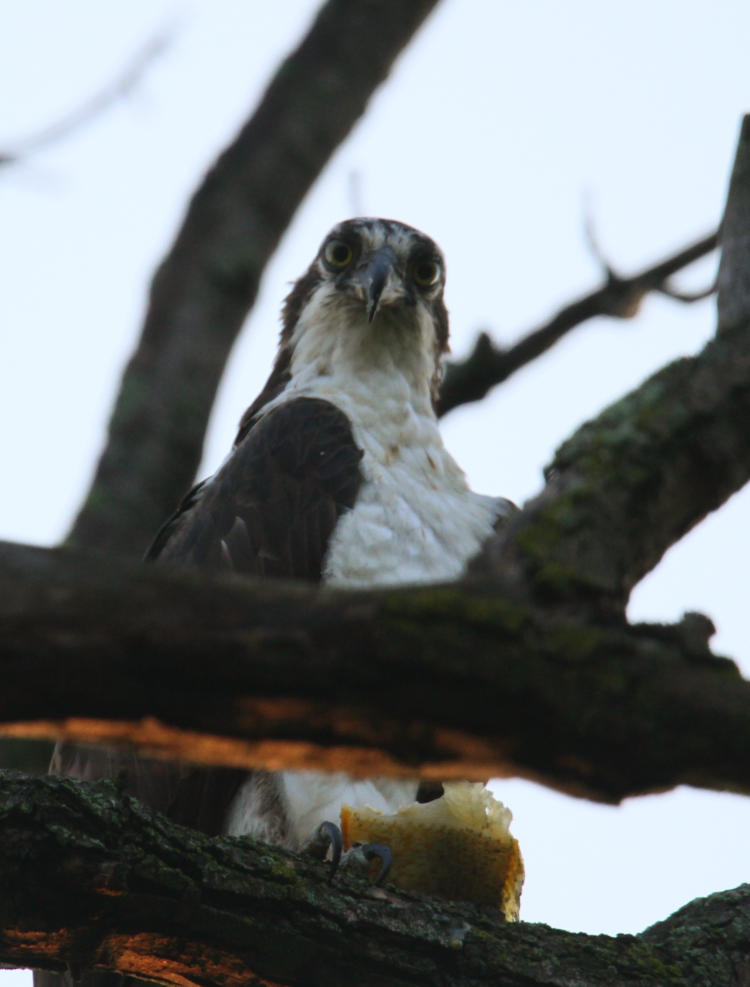
osprey Pandion haliaetus looking down on photographer with disdain
I don’t think I even saw the fish until about this point, and I’m pretty sure that I was shooting through the open sunroof now. But that expression! And the bird never moved, allowing me to do a few frames when I’d passed beyond it and now had the sun at my back, kinda – note the orange light on the tree limbs. Those frames were fine, but nowhere near as good as this shot.

One day while driving on the outskirts of town, I spotted a bird perched on a wire and braked hard, bringing the car to the shoulder, because it looked like a peregrine falcon and I’d never seen one in the area (or indeed, anywhere outside of captivity.) Cornell University, at the opposite end of the lake, has a comprehensive raptor program (potentially the source of the numerous osprey platforms – I never did determine this,) and had one of the first captive breeding programs for peregrines, so seeing one wasn’t out of the question. But no, it was a case of misidentification.

two views of red-tailed hawk Buteo jamaicensis perched on wire
This is merely a red-tailed hawk (Buteo jamaicensis,) very common in the area and exhibiting their typical behavior. But those facial markings aren’t typical, and you can see the ‘mustache marks’ that, driving past at 90 kph, made me suddenly think it was a peregrine. Look at the photos here (which is Cornell’s own site), and you may forgive me. Probably not.

Now let’s get to the video, what there is of it.


Nothing great, but not through lack of trying. For most of these I was even using the tripod, the shotgun mic, and the ‘dead cat’ wind guard – fully prepared. Just, without the cooperation of the subjects.

With the exception of a small handful of photos, I think that covers the main subjects that I wanted to feature from this past trip. So we’ll close with an osprey again, giving its overall opinion of all these damn people on its lake. Ah well.

osprey Pandion haliaetus defecating exuberantly

No one needed to know

So, here’s how my thinking goes sometimes. I have a few images largely unrelated to other things that can thus be in a short post, and was considering when to put them up. These kind of things serve as a buffer between longer, info-heavy posts, and I do have one of those coming – but I also have the Profiles of Nature post tomorrow, and that does the job too. And I’m also trying to keep the post count higher, but no one knows why.

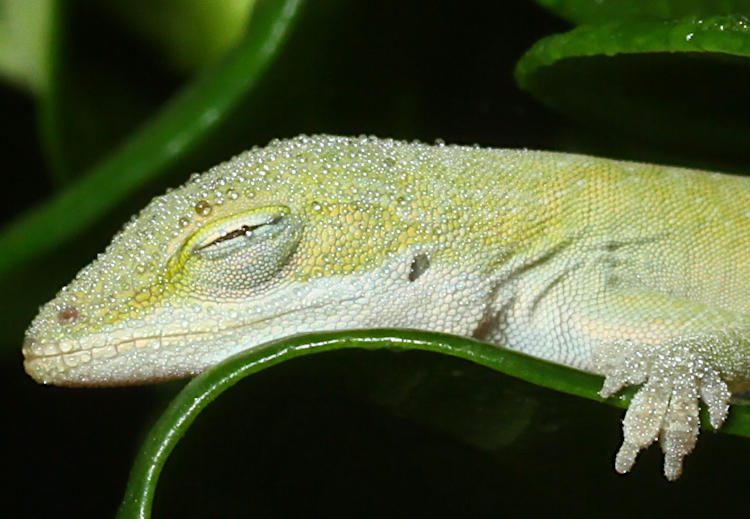
Meanwhile, yesterday while entering the greenhouse, I spotted a green Carolina anole (Anolis carolinensis) on the tree just overhead. I’ve been encouraging them (mentally, mostly) to proliferate in the yard, but generally there’s the barest proof that they exist and that’s it. Returning with the camera, the lizard was nowhere to be seen, naturally. An examination at night by the headlamp yielded no sign, nor did this morning’s check.

Then I went out on the front steps to fill a couple of watering globes for the basil, sitting there for several minutes since they’re slow to fill. All set, put the pots back where they were, turn to the side, and a meter away on the balloon flower I find this.

Carolina anole Anolis carolinesis perched on balloon flower Platycodon grandiflorus
Since this is the opposite side of the house from the one I spotted yesterday, I’m 99% certain it’s a different one, so that means at least two in the yard, which is good – not the goal, of course, but a start. Most likely it was there the entire time I was filling the globes, being inconspicuous and waiting for me to get the hell out of Dodge. It remained long enough for me to scamper in and get the camera (no, I did not have it in hand, again, stop rubbing it in and making me feel bad,) and lean in for several frames, while generally the only motion it made was with its eyes, scanning the area ensuring that its paths of escape remained clear.

Caolinra anole Anolis carolinensis posing on balloon flower Platycodon grandiflorus
Of course I played with the framing while the anole was holding still. The splash of color was right there, so incorporating it more strongly just took some repositioning.

And closer.

Carolina anole Anolis carolinensis being cooperative
This one, however, needs a tighter examination. Even handheld in natural light, the Mamiya 80mm macro performs pretty damn well (I’m certain all the praise that I heap upon it has caused a run on the used lens market, from all my avid readers,) and there’s a detail that I wanted to bring attention to.

closeup profile of carolina anole Anolis carolinensis showing ear
This is not quite full resolution, and focus was ever-so-slightly off from perfect, but I wanted to point out the ear hole there to the left, where you can see inside of it. Considering that this is 2mm across at the most, I’m pleased.

Plus the mosaic nature of their skin deserves plenty of attention, even if they do tend to go heavy on the eye-shadow.

(If you go back to the version above, which is full-frame, you may notice a little hair on the anole’s chin, which I shamelessly removed for the closeup. There – I said it, and I’m proud.)

But since we’re here, we’ll have a look at the ‘buffer’ images that I’d already had prepared.

Chinese mantis Tenodera sinensis in profile showing underside of throat
There’s been a Chinese mantis, probably about the same length as the anole, hanging out on the plants of the front porch area, most recently seen about three meters from the anole on the other side of the steps. I think they’d ignore one another, the anole preferring smaller insects like ants and the mantis tackling stuff a little bigger, but not lizard size, though at some point I may be proved wrong. This was a nice detail shot, though.

The same one served as my subject yesterday for some video work. I occasionally go around and mist the thicker plants in the yard during the hottest weather, because the various species enjoy the opportunity to get a drink, and the mantids are often very demonstrative of this, coming up directly into the spray, even gathering more with their forelegs by waving them in the air, then settling down to slurp it off of their legs and the leaves themselves. So I found this one and set the camera on tripod with a good view, before activating the video and then hosing the misting sprayer over the mantis. Who very kindly… did not do a damn thing. Ingrate.

In the pond in the backyard has been a six-spotted fishing spider (Dolomedes triton,) but every time I went out with the camera in hand to try for pics, she was nowhere to be found, and then, days later, I’d find her again. At least two green frogs share the pond, and I know they wouldn’t hesitate to scarf her down, so I kept wondering if she’d met that fate. Finally, the other night I went out with the headlamp and snagged some tight shots, but first, yesterday’s.

six-spotted fishing spider Dolomedes triton sitting in backyard pond
This was in daylight, shot with the on-camera flash since I wasn’t carrying the macro rig (I know, shut up,) but then as I drew closer she vanished under the water as they do. This led to my fetching the macro tripod and setting up at the pond edge for video work, so I could get her emergence in motion, as it were. Her first reappearance was before the video had started, and she quickly dove back under again, so judging that timing as ‘typical,’ I waited a couple of minutes before I started the video again, to save memory on what would certainly be a motionless surface. As it was, I didn’t save much, because there’s still seven minutes of video before she pops back up again. I’ll save that until I have some clips of them catching food or something.

But that night that I mentioned, the spider was up on the leaves of the lizard’s tail plant above the water, so I could get a nice portrait angle, and made the most of it.

six-spotted fishing spider Dolomedes triton in closeup
It was the dark conditions and the headlamp that allowed me to get this close, since the spider likely had no idea what I was – she certainly dove under when I was a lot farther off during the daylight, which may also be why I’d go periods of time without seeing her, since she’d spot me before I spotted her. Yeah, I know, but count ’em – eight eyes versus four, so she has the advantage.

And I think that resolves the post timing dilemma, anyway.

Closer than meteors

… in more ways than one.

On this recent trip, we had one good electrical storm come rolling in with plenty of warning, and being on the open lake meant that we could see it in the distance while approaching. Ah, the perfect opportunity to get lightning that would normally be hidden by ‘the horizon’ of trees, buildings, and basketball players! Except that it was before sundown, so time exposures were out, and video would be required, like the previous trip. So be it.


Unfortunately, what the video shows is largely the sum total of visible strikes, which were not that visible at all, before the encroaching storm meant we had to get the hell off the dock (this time The Girlfriend was out there too, and urging us most urgently to get out of the storm.) We made it back to the Gatsby mansion with only the barest hint of rain hitting us, though the wind was again so fierce that the tripod wasn’t going to be standing on its own.

Having seen how many lightning bolts were hidden by the rain, I wasn’t expecting much as the storm rolled in around us, and by now it was almost fully dark; time exposures were possible, but only from indoors through a window, and I considered it pointless. Then, as we looked out the bedroom window, a brilliant forked bolt like an inverted bare tree split the air right across the cove from us, perfectly framed straight out, and I thought, Well, maybe…

I set up on the landing halfway up the stairs, same view out over the cove but without screens. The place is old and has latticed windows – real ones, none of this plastic insert crap – which would have to be part of the framing within the shot. So would all of the old spiderwebs, because this was a place on the lake and come evening time the bugs were plentiful, not to mention that the window was unreachable from the outside except for a bucket rig. So be it.

As expected, many of the bolts were hidden by the now pouring rain (the same rain that created the fog from the previous post, a day later.) Some, naturally, fell outside of the camera frame, because lightning is perverse and anti-social.

lightning through window of Gatsby mansion
And of course, the moment I moved the camera to a different position because the lightning was showing a definite tendency to be over there, it stopped showing up over there. See above about perverse and anti-social.

lightning through window of Gatsby mansion
The orange glow towards the bottom, by the way, was the downstairs foyer light reflecting from the glass – we could have turned it off but then we wouldn’t have seen what we were doing, because the purple light from the lightning was only a few milliseconds in duration, spread a minute or so apart; it would have made moving around very slow going.

In time, I managed a few okay frames, nothing exciting, just proof of concept really. It would have been far better to have a wider field of view, but no window provided it and we would instead had to have been outside without any adequate overhang.

lightning through window of Gatsby mansion
Yep, that’s the dock we were just on, with the far side of the cove beyond, though as the storm approached we were facing 90° off to the left, which was west.

Below is probably my favorite, cropped down a little to give more of the haunted house vibe.

lightning through window of Gatsby mansion
What would have been ideal (he says long afterward) would have been to have someone standing in a hooded robe down there in the foyer, just off to one side and subtle enough to escape initial attention. I’ll have to remember to pack my monk’s robe for the next trip…

[By the way, some friends met us out there and got a tour of the entire house during normal daylight hours, and told us they got this unshakeable spooky feeling from the whole place, almost foreboding. Neither The Girlfriend or I got the faintest hint of this the entire time, just finding the place historic and rustic, and I’ve slept there alone several times now. But then again, you wouldn’t really expect me to get that kind of feeling.]

The most impressive bolt, however, should have been better.

I was between frames with the remote release in hand, about to open the shutter again, when a massive and blinding bolt lit up the entire sky. Reflexively I jammed the shutter button down, which would often be too late to capture anything, but this was one of those intense bolts that keep flashing in the same spot repeatedly, and I knew I was capturing it in camera. As it faded, it left behind what I am surmising was superheated air or plasma, a dotted line in the same path as if the bolt had dissolved into tatters. We were stunned at the spectacle, and knew it was remarkably close. I quickly closed the shutter, knowing I needed no additional exposure for the foreground or anything, and chimped at the image on the LCD (yup, you missed it again, Buggato.)

enormously bright and bleached out very close lightning strike through window of Gatsby mansion
Son of a bitch…

This was the exact same settings as the other frames, except this was only a four-second exposure while the others are all over twenty. I’ve even slammed the settings over in GIMP to see if any vestige of the bolt can be brought up, but nada – the exposure went way off the scale of the camera.

As another point, you see the details on the inside edges of the window moldings? Yeah, there was no light in there, so all of that came from the light of the bolt itself, reflecting off of the interior of the foyer – which was all dark wood paneling. Some of the longest exposures show a faint orange glow from that downstairs light, but for this one it all came from the bolt itself.

And one more thing to show you.

animated gif comparing two frames to determine how close the lightning wasThis is two consecutive frames taken without moving the camera, cropped in tight to show some particular details. In the bright frame, the arrow points out the bleed from extreme overexposure along the edges of the window frame, giving a strong indication that this was precisely where the bolt crossed the frame. While in the dark frame the arrow is pointing out the lights and horizon line of the opposite side of the cove. Meaning the bolt was down at least to that point, perhaps below it.

That means the bolt hit, at its farthest point, immediately on the point of the cove, but more likely on the water within, closer to us. The cove is a mere 600 meters across, so that’s the maximum distance. I can believe it, from the intensity of the light and the close-following blast of thunder. Had we been outside during that, we probably would have shit ourselves.

But yeah, by all rights I should have a better image than this. I feel cheated.

New York: The ungulates

white-tailed deer Odocoileus virginianus fawn signalling half-heartedly
Considering how often and in how many places we saw the species, I’m a little surprised that I don’t have more photos, but then I remember the circumstances most times. At the Gatsby mansion where we stayed in New York, the property was absolutely loaded with white-tailed deer (Odocoileus virginianus,) but they remained a bit spooky and tended not to stick around when spotted (Ha! ‘Spotted.’ Didn’t expect that one, did you?) In fact, the vast majority of times we sighted them, like above, while on the long and remote driveway that led to the place, which meant I was driving and the long lens wasn’t even attached – the camera was within reach most times, because I’ve learned a little over the years, but it would mean changing lenses, opening the door slightly, and leaning out to have a clear view; don’t ever try shooting through the windshield. This one was in good light and pausing to evaluate the curious blue threat approaching slowly up the drive, so I snagged a few frames, including here as it flicked its tail in consideration of fleeing.

As I look at this, I realize these were all the same day, but some four hours later, after snagging some shots of a really red sunset, we looked out along the big fields of the property and discovered a young buck, antlers still in velvet as they developed, stalking within the growing fog.

white-tailed deer Odocoileus virginianus buck, about six points, looking at photographer from developing fog
The light was falling rapidly and I was pushing the absolute limits of handholding a 600mm lens and getting reasonably clear frames, large aperture, boosted ISO, and image stabilization notwithstanding – there are a lot of discards among these.

It moved on, not fully trusting me, but after a handful of paces, it stopped again to browse in an area that showed the fog better.

white-tailed deer Odocoileus virginianus buck browsing in low-lying fog
The fog was courtesy of a fierce storm a day earlier (we’re getting to that,) which left the grounds oversaturated and broke loose about half of a walnut tree worth of limbs to deposit in the big lawn, which The Girlfriend decided to start gathering up after the deer wandered off; naturally I had to join in. I can’t recommend tackling something like this in muggy conditions, with a loaded camera bag and large lens case that both want to swing forward every time you stoop down – we were soaked in sweat and humidity within minutes, but the lawn looked much better.

1 119 120 121 122 123 332