Finger Lakes: The scenery
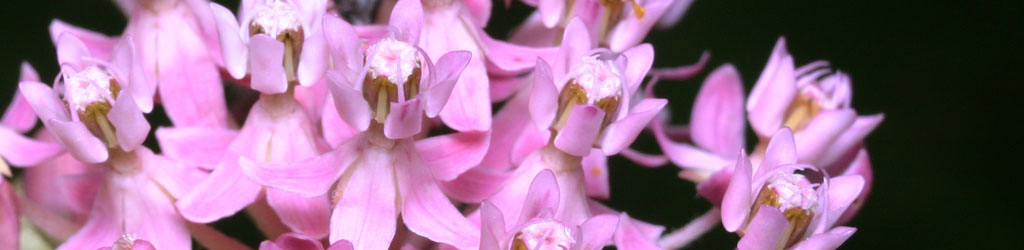
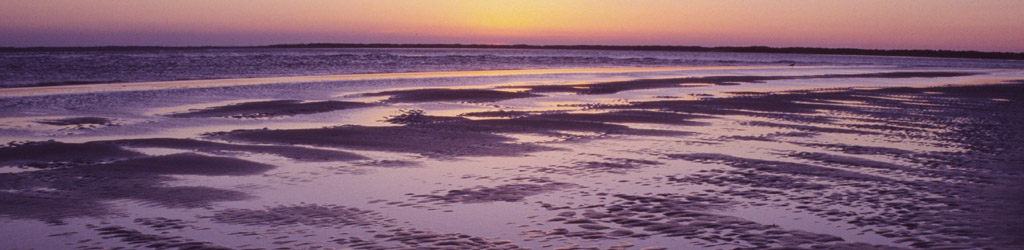
broad view of water in Cayuga Lake
Now we come to the scenic images of the region of central New York that I visited – wow, about a month ago now. That’s disturbing. I had a couple of things planned for this trip, and most of them I got to, and some I didn’t. The image above is a small reminder of one that I didn’t, which was snorkeling in the lake. As I said in the podcast, I’d started snorkeling in Cayuga Lake in the summer months of my late adolescence, and only managed to indulge sporadically after that – a whole bunch while I lived in Florida, but otherwise I had gone years at a time between short sessions since I left New York in 1990, mostly since North Carolina waters are really poor choices for this. The image illustrates the difference to a small extent: clear, shallow, with a varied bottom, and plenty warm enough at this time of year, though it usually took until late May before it reached a comfortable temperature, often later than that. Unfortunately, the one time I had set aside during this trip as perfect for a dip, the wind had come up and the water turned choppy, poor conditions to attempt it.
However, this was relatively minor, and I accomplished a few other things. One of which occurred, I think, on the very morning that this photo was taken, and that was to hear the ‘Lake Guns’ or ‘Seneca Guns’ again (even though this was Cayuga and not Seneca Lake.) The full story is here, but in short, something about the lake produces distant, single booms, like artillery rounds a long ways off, and I would hear them occasionally when out walking at night, back when I lived there. On this morning, I heard two spaced about ten seconds apart – but I can’t be absolutely sure that I heard the brontides, as they’re called. Before, I’d always hear them late at night, maybe up to 1 or 2 AM, when virtually nothing existed that would make any sounds at all, but on this visit they occurred just after sunrise, leaving the possibility that I was hearing some kind of human or industrial activity. It’s unlikely, because no such sounds are heard throughout the day and anyway it’s far from being an industrial region or anything of the sort, plus they were exactly the same as I remembered: a single thump, from very far away, aimed southwest down across the lake. And they still don’t know what causes them.

Another goal that I achieved was a trip back to Watkins Glen, since I hadn’t been since 2006 and hadn’t done it justice then, due to poor light conditions. But let me explain. The Finger Lakes of central New York were all glacially cut, with the glaciers finally receding about 11,000 years ago, so they exist in gentle valleys which makes the area quite scenic. In places, the glaciers ripped through deep beds of shale, making areas of steep cliffs along the lakes, and these occasionally produce waterfalls. Watkins Glen State Park is one such area, on neighboring Seneca Lake, only the river that cuts through it has been etching a deep groove in the rock for thousands of years, and it created a lovely gorge that now sports bordering pathways. It’s not a strenuous hike at all, and provides great views of the cascades and waterfalls that are still shaping the gorge.

tourists at Watkins Glen, New York
It was a fairly busy day when my host and I were there, which is a mixed blessing: people can provide scale to the images, but too many makes it appear crowded and ‘touristy.’ On my previous visit, people were scarce because the day was drizzly and chilly, but then again, the light was poor for the same reason, so ‘ideal’ conditions can be tricky to obtain.

By the way, the Glen is reshaping itself fairly rapidly. Shale is brittle, but most especially, water can get into cracks and freeze in the winter, expanding and breaking away chunks of rock routinely, which are swept downstream and serve to scour away other surfaces in passing. The relative age of certain pools and cascades can be guesstimated by how smooth the sides are; the smoother the edges, the longer the pool has been in place. Eventually, the lip under any given waterfall breaks away, causing the cascade to ‘step back’ and leaving the rounded edges of a former turbulent section still sitting downstream.

juxtaposition of smooth and rough surfaces at Watkins Glen, New York
Near the entrance to the park is an educational display, and within the exhibits sits a comparison between a painting done in the 1800s and a recent photograph of the exact same spot; the changes in the river’s ‘steps’ are plainly visible, and highlight how quickly the landscape changes.

I had to note with some wryness how verdant the area is, because sheer rock walls were nonetheless covered in most areas with lush botanical life, making me wonder why it’s so hard to get plants and a decent lawn established in our yard, but then again, we don’t have a significant river cutting through it, so that’s probably a factor. But yeah, it was a decent time of the year to hit the park, anyway.

abundant plant life on walls of Watkins Glen, New York
Places like this are done to death photographically, of course, and it’s hard to get something truly unique, especially when people that live nearby can visit any time they like, but I still made the occasional fartsy effort, like when I aimed straight down from one of the bridges at a fern that grew from the wall directly above a cascade.

ferns about cascade in Watkins Glen, New York
And no, the position of the leaves among the water highlights was not coincidental, thank you very much. Give me a little credit.

I’ve remarked before, more than once, that the region is pretty damn good for fossils, and the place where I’d stayed was a great example. Some of the retaining walls and such were built with rock quarried only a few hundred meters away, and among those were a truly stunning number of fossils. These are all very old, like 416 million years, which is before land plants even had leaves (respiration basically took place through pores on the stems,) so what you’re seeing here is very rudimentary sea life, more molluscs and corals and so on. Trilobites can be found, if you look carefully, but this trip involved no time for fossil-hunting, so we have grab shots of quarried rock alongside the lake.

local central New York stone showing countless fossils
I neglected to include anything for scale, but this is not a small rock – the face you’re looking at is at least 30cm high by over a meter wide, and the stone weighed well over a hundred kilos. Darwin’s first publications were in the middle 1800s, basically introducing the idea of evolved life forms to the world at large, so I have to wonder what people thought of such fossils before that time. Some, like the precursors of scallops, were reasonably recognizable, but others like trilobites and, I imagine, just about everything in these rocks, bore no resemblance to any species that could be found. But then again, worldwide communication was just starting at about the same period, so before that most people just weren’t very knowledgeable about any species other than the local fauna, and potentially didn’t wonder about it much – they simply weren’t aware that there were no living species, anywhere, that resembled these.

distinct layer of fossils in local central New York stone
I admit that most fossils are fairly subtle and can be overlooked if you’re not paying a lot of attention, but these kinda jump right out at you. This also illustrates a typical trait, which is that fossils tend to be found densely only in narrow layers, and not throughout any given rock; evidence of the rare confluence of events that provide the conditions to even fossilize organisms in the first place. In most cases, just like now, dead species never got preserved, instead decaying away, but at times something happened to seal them in bacteria-free conditions that never eroded away until well after the mineral exchange took place.

And for scale, the little rounded ‘cup’ just right of center in the frame would comfortably seat your fingertip, being about 15mm across or so. But don’t ask me what it is, or looked like when alive.

flowers, vines, and accommodations
Just a brief break, being fartsy with the place I was staying at on the lake – that’s my room in the background. I didn’t ask for permission to use any images of the place, and it’s private property, so this is all I’m going to show (and all that I can legally – I’m very big on permissions and respecting rights.) When I say “Gatsby mansion,” I may be overstating the case a little, but it’s definitely estate-sized, and built around that period – gorgeous, and desperately in need of becoming a wedding reception hall or something similar. The shower for the master bedroom has ten shower heads in it – no, not like a gym, but like a car wash, sluice someone down in seconds. I think the living room alone has the same floor space as the entire house here. And as I said, right on the east side of Cayuga Lake.

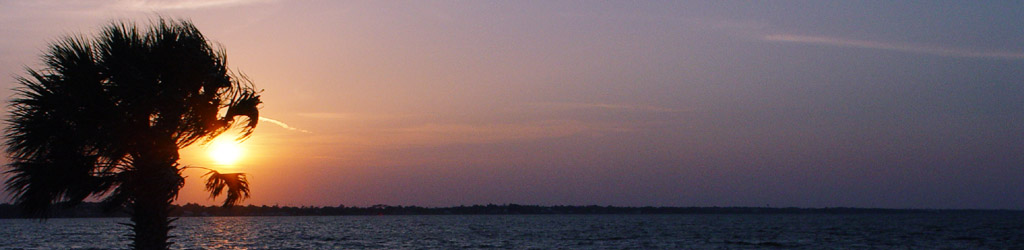
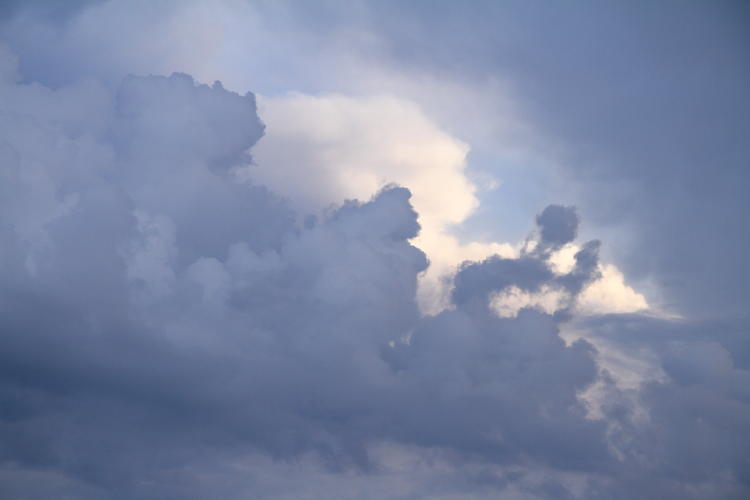
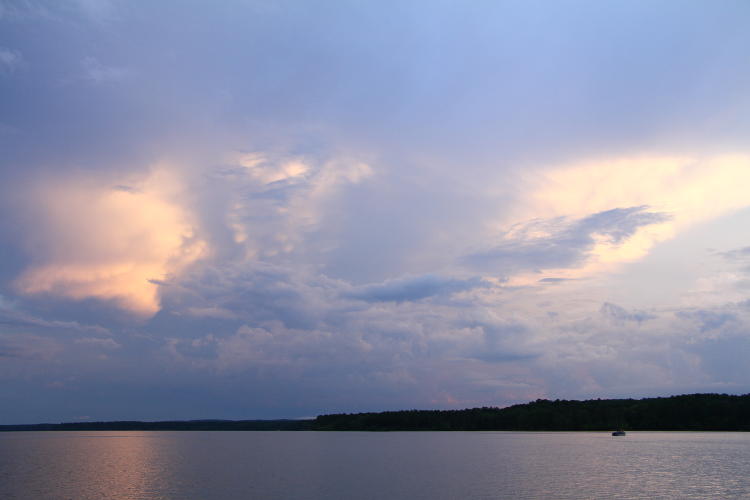
Which means I was in a good location for sunsets, and I took full advantage of this, helped by the fact that central New York is pretty damn good about producing them.

sunset with torn clouds on Cayuga Lake, New York
Where I sit now in North Carolina, the skies have too much of a tendency to be perfectly clear when the sun lowers, even if the clouds might have been interesting all day, and clear skies are boring for sunsets. You need something to color the light, and to capture and reflect it, as seen above. Granted, this often occurs because it rains much more frequently in NY than NC, and in comparison, it tends to be gentle but lasting rains, rather than the sudden torrents that Carolina and Florida get. My old rule was that, if the meteorologists reported 60% chance of rain in NY, that meant it would rain 60% of the day. It rained at least twice while I was there for only four days, but not too long either time, so it was mostly clear weather, and of course a bit cooler than down here. And even the clear skies still produced a little bit of interest when the sun went down.

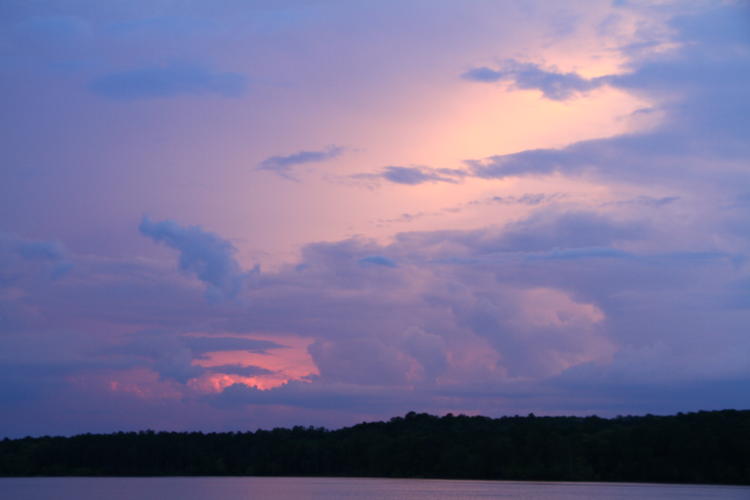
deep-colored clear sky sunset over Cayuga Lake, New York
I include these two photos, taken a few minutes apart, to illustrate the difference in coloration that occurred. This happens pretty often at sunrise and sunset, but it’s so subtle to our eyes that we rarely notice a thing, so it’s not a bad idea to keep shooting the ‘same’ thing if you’re making the effort in the first place.

color change within a few minutes during sunset over Cayuga Lake, New York
Have I made you want to visit yet? You should, at least in summer or fall, because it’s a wonderfully scenic area and pretty mellow, and most of it is fairly rural so the driving is actually smooth and easy. On the way to Watkins Glen, we were passing through Mennonite country – think Amish if that helps – which meant the occasional horse-and-buggy on the roads. And notably, there is not this horrific aversion to putting shoulders on the roads like there is in NC.

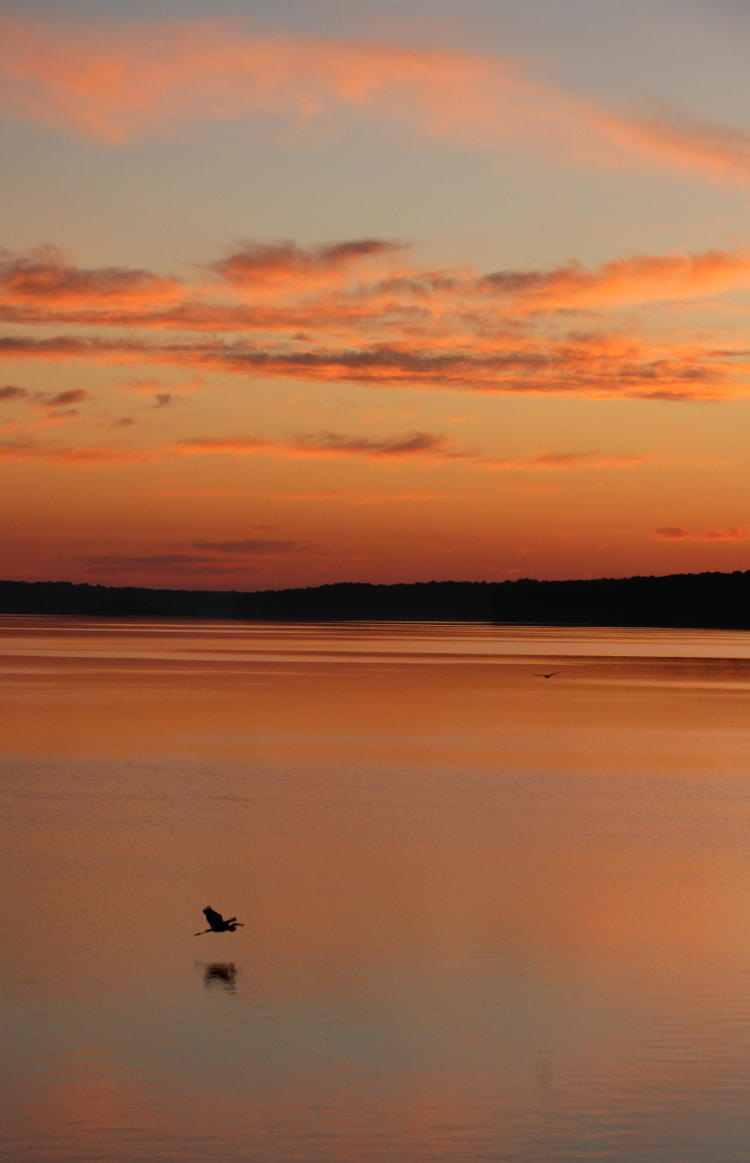
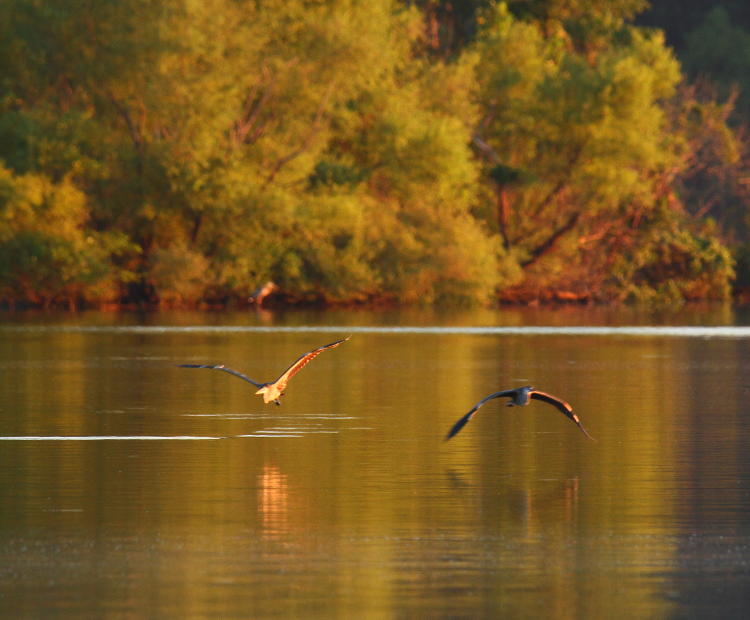
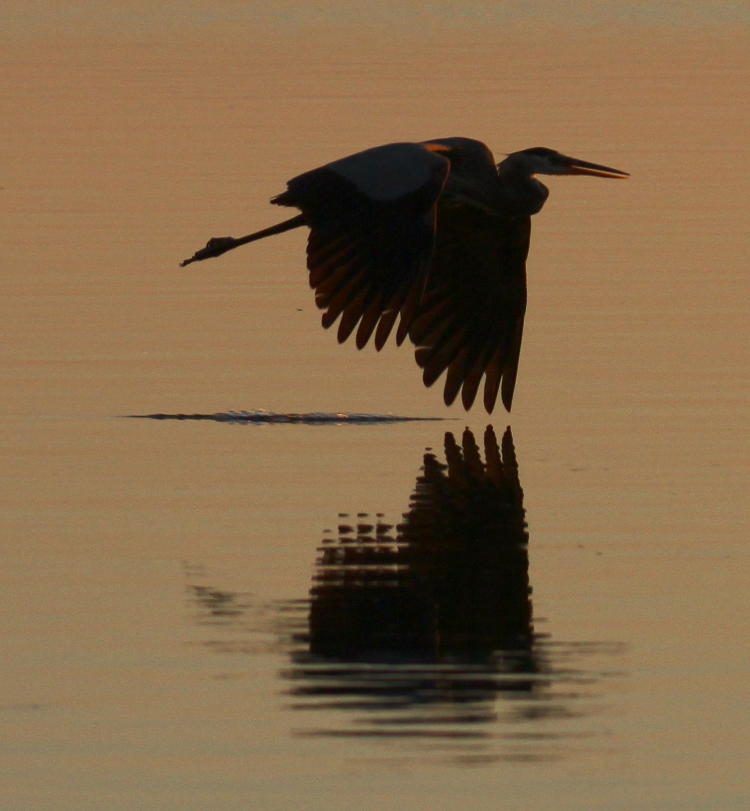
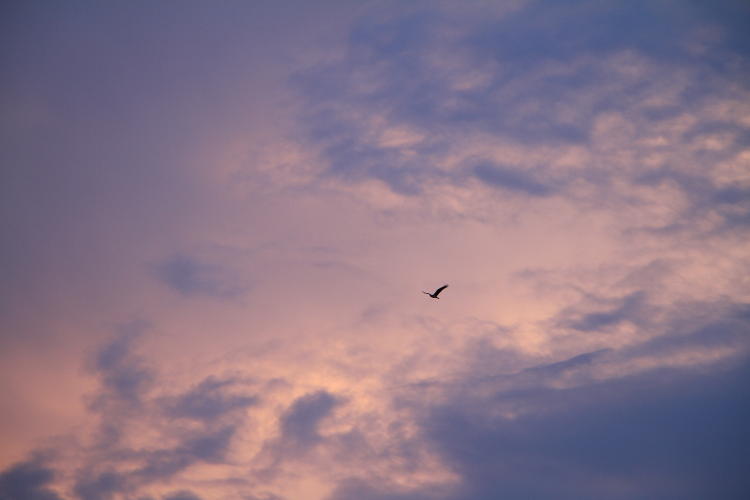
I’ll close with one last sunset pic, tightly cropped to make it fartsier. You recall me mentioning the uncooperative herons in the previous Finger Lakes post, the ones that cut across the very dock I was standing on while my back was turned? They flew around the point and landed on the shore nearby, just out of sight, so I stalked them. Before I could get close enough, they took off again – really, much spookier than around here – but I managed to lock focus on one as it wheeled past again, crossing the glitter trail of the sun; it was the only frame that had tight enough focus. I can live with it.

great blue heron Ardea herodias against setting sun on Cayuga Lake, New York

Just a little update

wheel bugs Arilus cristatus getting it on, I think
These are wheel bugs, so named because of that big cogwheel-like thing on their back, and seriously, don’t ask me what purpose that serves. But do you know what they’re doing?

They’re making a third wheel!

Okay, that was terrible, I admit it, but you already know that I can’t resist (don’t you like how I always make comments like that [and this], as if this blog has a following? I have an active fantasy life.) Plus the fact that wheel bugs actually produce a shitload of eggs at a time, so a more accurate comment would be about a third through 237th wheel. But what really happened was that I was going to include this image in the Latest Images gallery, but decided the caption was a little too long and unwieldy, which is what the blog is for. So here we are.

Which is a very left-handed way of saying that I finally updated the Latest Images gallery, after it sat dormant for [very embarrassing length of time redacted]. And part of the reason that I even got around to this now is that, I really have way too many images that I intend to feature here, and too little time to tackle them – so much so that they may be stretching into the winter. Which might be okay, given that I often have too little to post then, so I guess a backlog now is perhaps useful to some degree. Plus, you can be sitting home during an ice storm and hearing me complaining about the sweltering temperatures…

Anyway, I decided to dump some of the potential-post images into the Latest Images gallery and clear out the folder a little, but there are still quite a few left that deserve more than a brief caption, so the advantage was minimal, I think. It did not help that I noticed some html formatting errors which appeared here and there in the site while doing this, and that I had not updated the page on Composition posts in [another embarrassing period of time redacted]. They were bugging me, so they’re all fixed now, but it didn’t improve my posting schedule at all.

So basically, even if it seems like I’m not posting a lot, it’s due to time constraints and not a lack of photographic efforts or topics. Just be patient – you’ll get your money’s worth.

Finger Lakes: The animals

I have a serious number of images from my trip up to the area where I grew up, which is the Finger Lakes region of central New York, but haven’t had a lot of time to write anything up about them, so I decided to split the posts into two and make them relatively brief. For me, anyway – this might mean upwards of five-thousand words or so, but you should already know that this is what the site is like, and the “TL;DR” crowd have long since scampered away up their own ignorant asses, so…

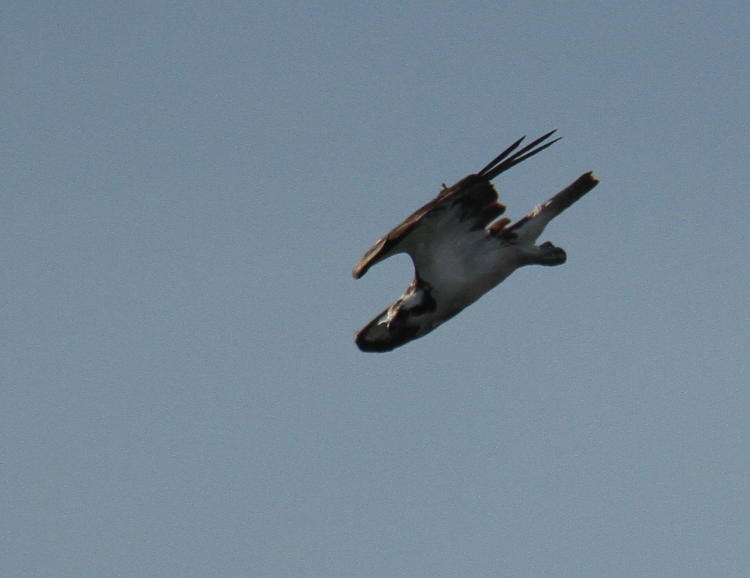
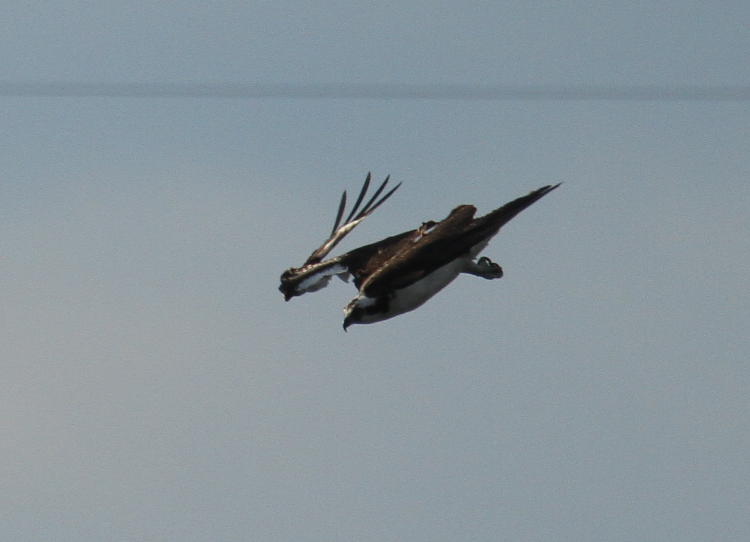
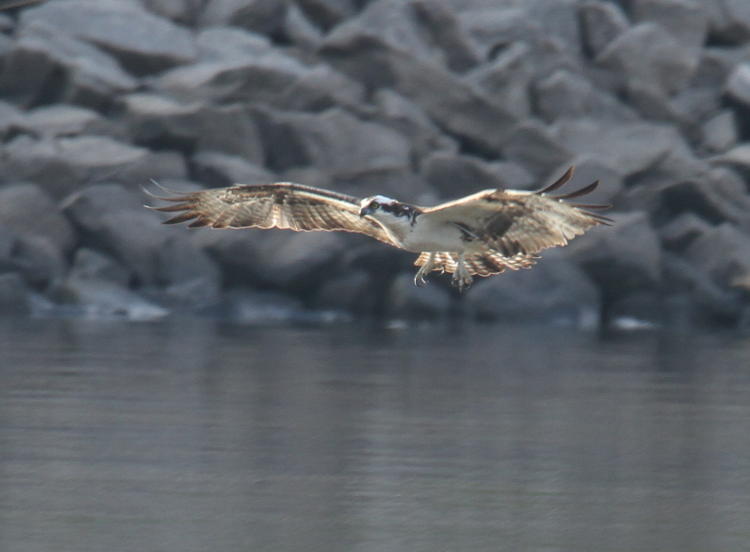
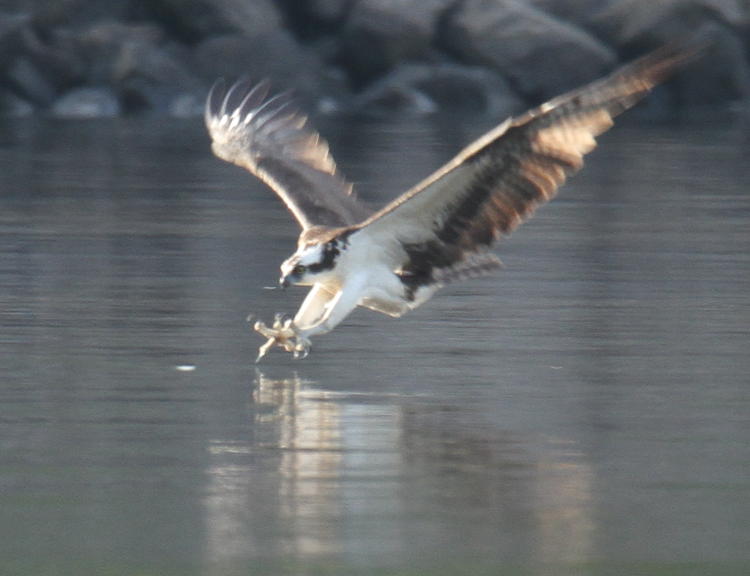
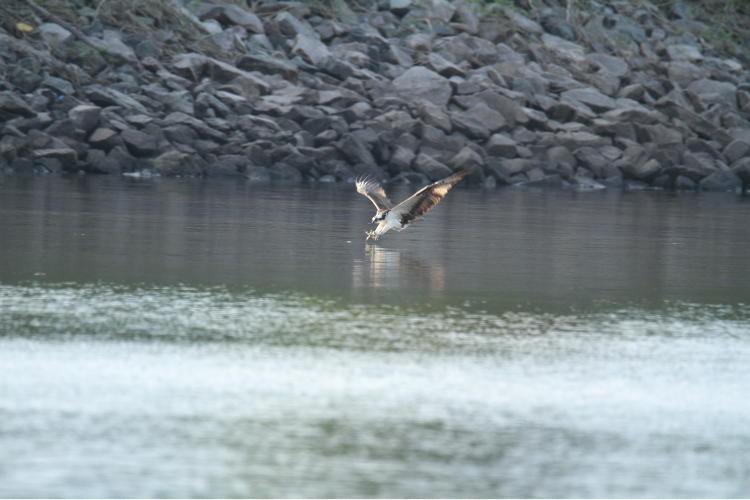
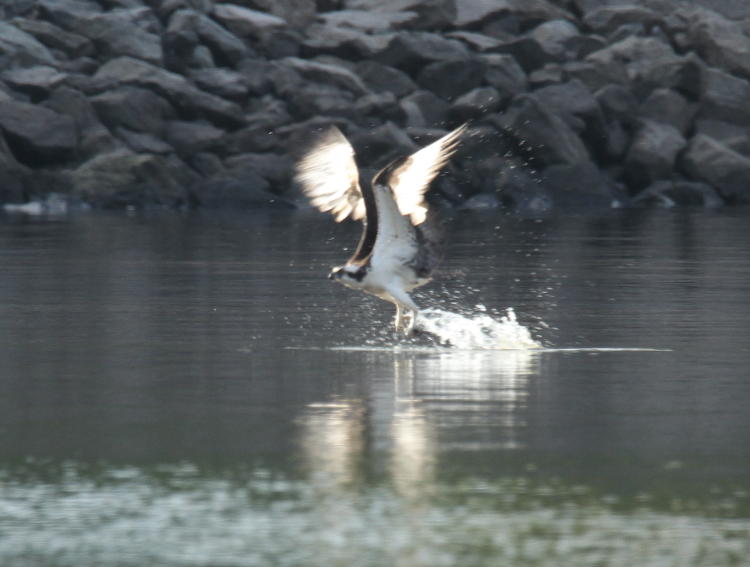
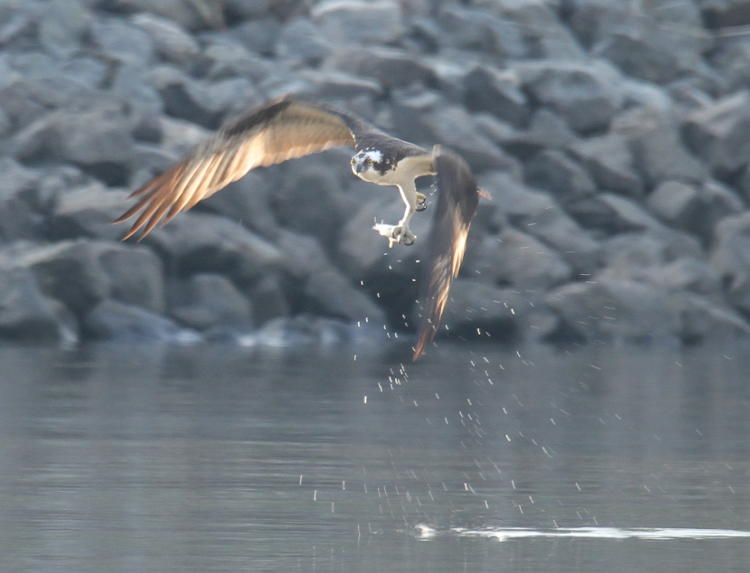
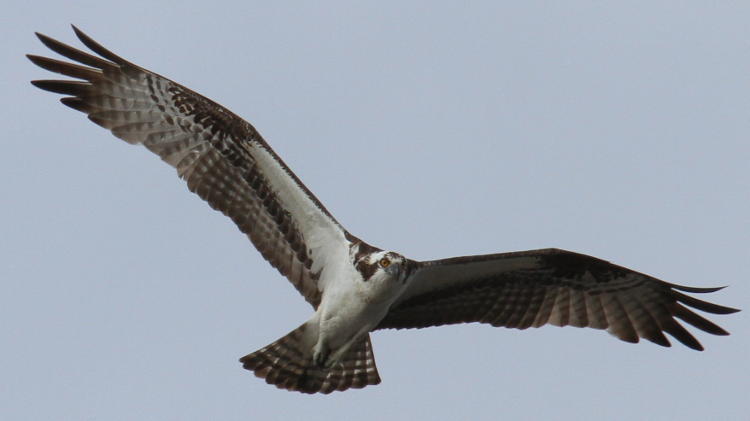
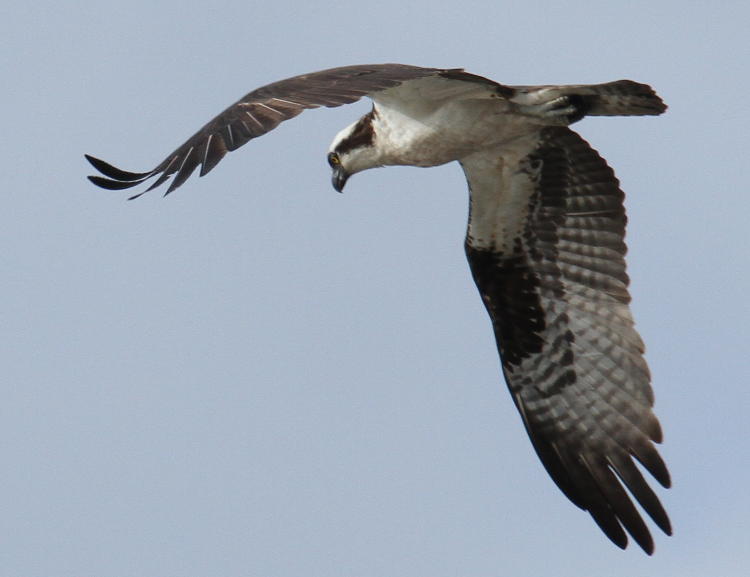
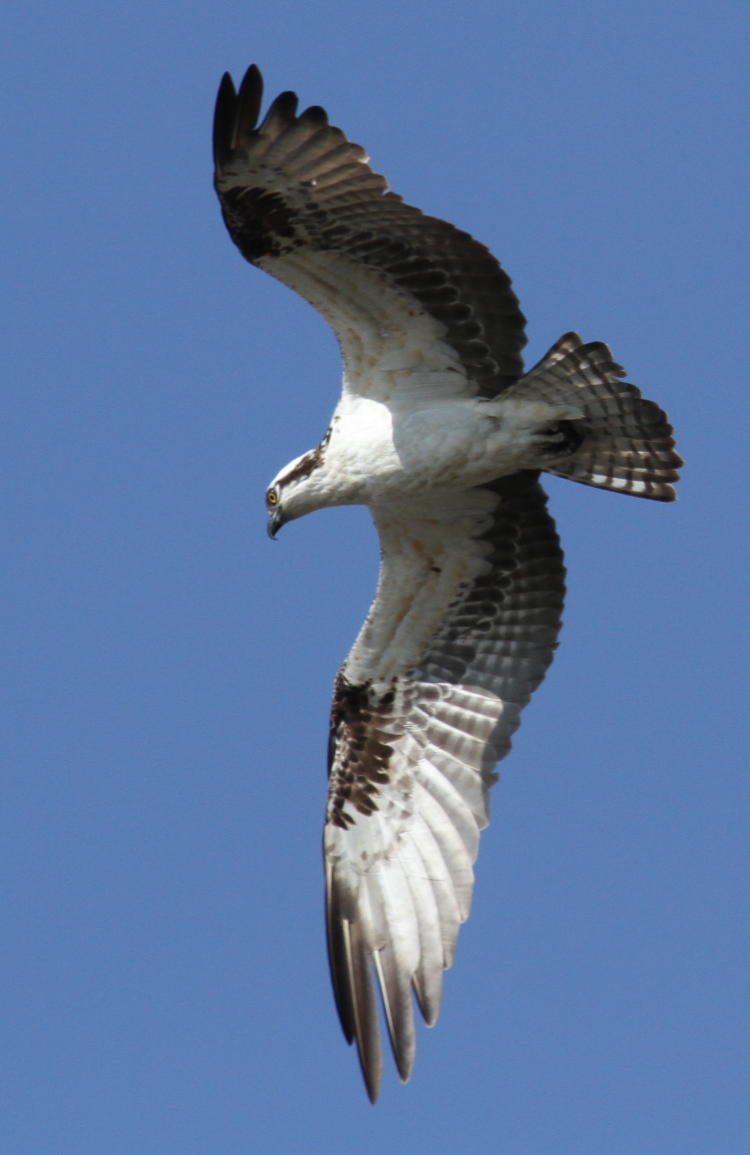
This post, as the title says, is going to be dedicated to the animals that I encountered – nothing too exciting, and certainly nothing exotic, but I also only spent a handful of days there in the first place. One of the reasons that I was up there (among several others) was that my brother had been sighting bald eagles quite close at an estate where he worked, the aforementioned ‘Gatsby Mansion’ in the holiday post. The owners were extremely kind in allowing me to stay there, so I was able to check out the conditions at all hours of the day, and since it sat right on Cayuga Lake (only about ten kilometers south of where I used to live,) there remained a variety of things to see. Unfortunately, only one eagle made a brief appearance early one morning, keeping just below the treeline and thus obscuring any decent view, and the other birds in the area were being almost as shy. While I watched several osprey (Pandion haliaetus) well over a hundred meters off, I was never able to get anything too close, and thus nothing too impressive – this is despite the fact that there was a sizable osprey nest on one of the chimneys of the very house that I stayed in, but we were well past nesting season and I was told it was probably last year’s nest anyway.

osprey Pandion Haliaetus perched in tree over lake
I was staying on the east side of the lake, on a cove, so the best views of the birds came at sunset as the sun was low and almost right behind me. I would have thought that the fishing done by osprey would take place long before sunset, as the higher sunlight was able to penetrate the water significantly, but they proved me wrong several times as I watched them diving while the sun was invisible over the horizon, so their eyes are far better than I originally gave them credit for. One, perhaps the same as seen above, cut across the cove and eventually alighted in a tree in the yard, during the twilight after sunset, and I was able to stalk up and get a few dim frames before it took off because of our presence.

osprey Pandion Haliaetus being semi-cooperative
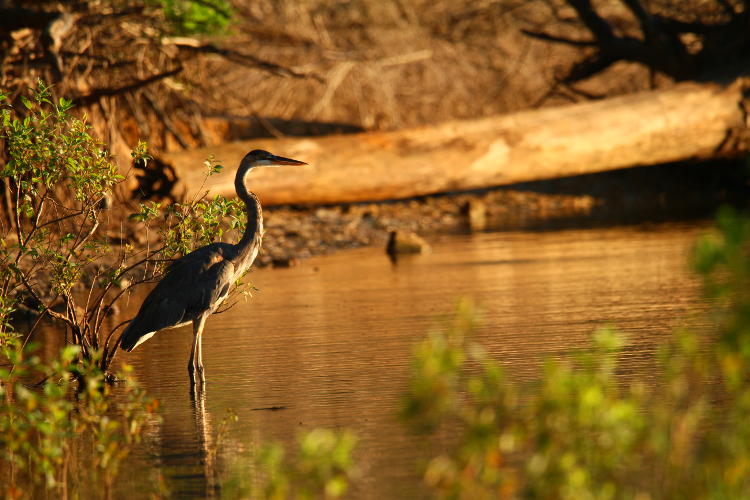
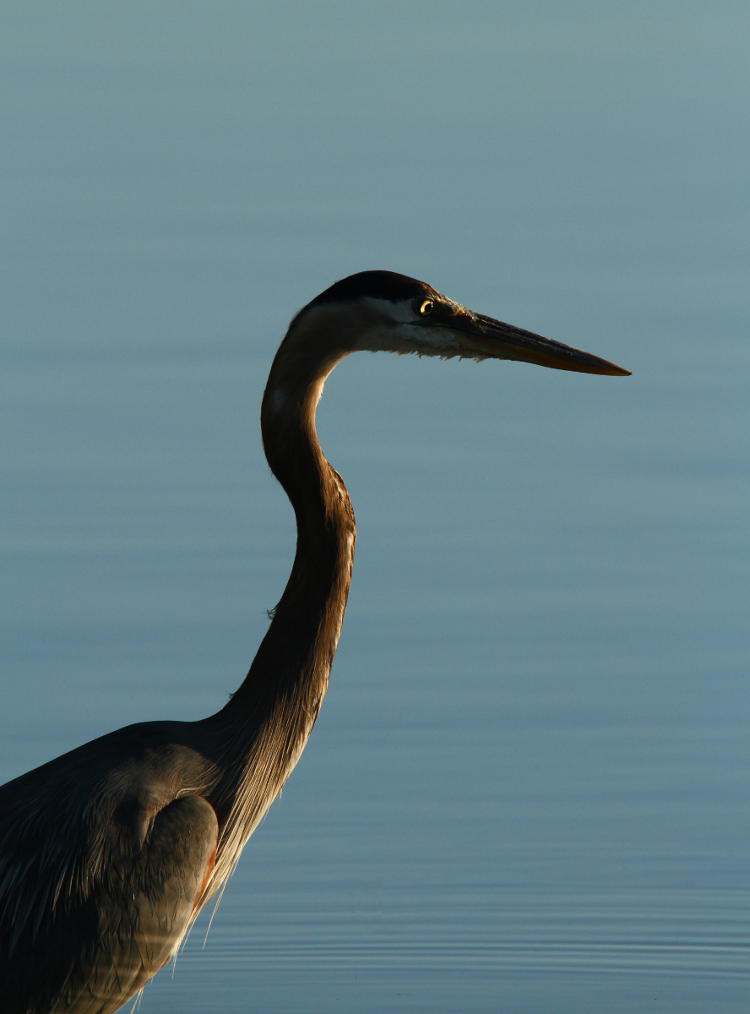
The great blue herons were being even less cooperative and slightly perverse, since a pair of them flew over the base of the dock that I was standing on while my back was turned getting the last rays of the sun, and my hasty turn failed to get any worthwhile photo in the dim light, though a couple of minutes later I snagged a decently-fartsy pic that will appear in the second post. We were also visited by a pair of common terns (Sterna hirundo) that were actively fishing within the cove, but again, in crappy light at a great distance, and what I have is pathetic – my identification of the species only comes from having gotten much better details shots of some about 20 klicks north in Montezuma Wildlife Refuge a few days earlier.

probably common tern Sterna hirundo immediately after capturing a fish
My street cred as a nature photographer was taking a serious hit with these birds, let me tell you. Above, the tern is rising from the water just after catching a sizable (for the bird, anyway) fish, while below, I caught a curious composition as the tern shook itself in the air, a few moments after climbing from the water, to rid its feathers of excess water. I probably should have just been shooting video, since the low resolution is more acceptable there, but then again, I’ve already demonstrated how I am with tracking a moving subject. And we wouldn’t have these little water droplets hanging in the air like that ‘Cathy’ comic strip…

probable common tern Sterna hirundo shaking water free from its feathers after a fish capture
unidentified fish leaping from waters of Cayuga Lake in early morningI feel a little better about the next morning, when the sunrise was largely obscured by clouds, as I snagged a fish jumping from the water. After the first two jumps, spaced well over a minute apart, I started ‘stalking’ the fish with the long lens since there seemed to be a weak pattern: between 50 and 200 seconds apart, getting a little further offshore each time, but within a ten-degree arc or so. I think I got this at the fourth jump, and I wasn’t so lucky with subsequent ones, but given the brief nature of the subject I’m cool with this, as tightly cropped as it is. Naturally, I want to get such images in better light within a useful and scenic setting someday.

Meanwhile, on the same morning a flock of Canada geese (Branta canandensis) cruised low enough that I could frame them against the brighter water without losing them in the darkness of the trees.

Cananda geese Branta canandensis flying low over lake at sunrise
Out investigating the property one morning, I spotted some movement on a nearby tree, and followed it up by eye as I crept closer by foot. Initially, the thin tail and the muted overcast light made me think that I might have actually found a northern flying squirrel, a species that I have yet to see, but eventually I determined that it was an American red squirrel (Tamiasciurus hudsonicus) instead, something that I have seen before, but not for the past three decades since I left NY.

Amercian red squirrel Tamiasciurus hudsonicus viewing the photographer with grave suspicion
American red squirrels are very small, just a little larger than a chipmunk and so about a third or less the size of the common grey squirrels visible everywhere, both of which (with poor tolerance) shared our yard when I was growing up. I witnessed a territorial dispute once, with a grey taking off in hot pursuit of a red across our yard, blindingly fast, until the red pulled an abrupt 90° turn in complete disregard of the laws of physics, causing the grey to overshoot by a solid two meters before it realized that it was no longer pursuing the intruder, but that was much too late to resume its chase. Personally I was impressed with a turn that should logically have given the squirrel an aneurysm…

The white-tailed deer (Odocoileus virginianus) were by far the most cooperative, as there were several families living on a large parcel of untouched land, so they were reasonably mellow; it’s a shame that there are only a few billion deer photos out there (well, there’s a few billion bald eagle photos as well, but I haven’t added those to my stock folders yet, so…)

white-tailed deer Odocoileus virginianus doe and fawn
I saw one family – buck, doe, and twin fawns – a few different times, and my brother told me they were common around the property, but for this session they were nicely colored by the setting sun.

white-tailed deer Odocoileus virginianus buck with velvet antlers
The buck distinctly showed the velvet of the developing antlers in anticipation of rutting season in the fall.

white-tailed deer Odocoileus virginianus family taking cover
Eventually, they decided our approach in my brother’s car was a little too suspicious, and they fled – but not far, since we spotted them again within the hour and not a hundred meters away.

Earlier, I’d watched another doe and fawn crossing the lengthy driveway as I’d driven back in, and slowly approached while aiming the camera out the window, letting the car drift forward without benefit of steering or looking, hoping that it wasn’t heading towards the ditch. But it was necessary to try and get the obscuring bracken free from both of their faces for the shot.

white-tailed deer Odocoileus virginianus doe and very young fawn
This, by the way, is only an 85mm focal length – they were just a handful of meters off the driveway. Would have been nicer if the osprey or eagles had been so complacent…

And I close with a more typical offering from me, the first morning that I was there after it had rained at sunrise. Some of the bushes were liberally strewn with spiderwebs, to catch all of the mayflies and midges that the lake produces and the flowers and berries attract – at times you could actually hear the bushes hum from all of the activity. But here a long-jawed orb weaver (genus Tetragnatha) takes shelter alongside some unidentified berries, and I’m even doing it a disservice showing it at this resolution. because the eyes are quite distinct. Drop me a line and a few bucks and I’ll send you a print suitable for framing and displaying proudly on your living room walls.

long-jawed orb weaver Tetragnatha hiding among berries

Storytime 36

new kitten looking vaguely suspicious
This week’s entry is perhaps only part one of an ongoing story – nobody’s really sure yet. We’ve been playing it by ear.

It started almost two weeks ago when I went into work in the evening to block off some days for students and such. There was a handwritten note on one of our delivery vehicles informing us that there was a kitten up on the spare tire underneath the car, so I got my flashlight and checked it out carefully, seeing nothing. I thought the note might have been hours old or better, since the car wasn’t used at all that day, and didn’t think a lot of it other than vowing to keep my eyes open. But as I was leaving myself, I spotted the kitten underneath the same car and the saga began.

I’ve had a lot of experience with feral and semi-feral cats, meaning those that have acclimated, fully or in part, to living in the wild despite being a domestic species; two of my cats, for years, had in fact started out as feral kittens that never fully tamed down to truly domesticated – one of which would still hiss at me at times when I entered the room without warning. I spent years reassuring her, kindly and gently, that everything was okay, each time it happened, and receiving less-than-acceptance in return – usually she just cried forlornly at me as if I had threatened her. Then one day, intent on doing something and entering the room to this antisocial greeting, I merely said exasperatedly, “Oh, give it up, I haven’t killed you yet” – and she immediately calmed down. I’d discovered, by accident, that my placating behavior was stressing her out more than my normal bluntness.

Anyway, back to the kitten. I immediately called The Girlfriend and asked her to bring cat food and a carrier (we live far too close to where I work,) and while waiting for her to appear, I watched the kitten with some coworkers, talking softly to her from a distance and getting the very-reassuring sign of a raised tail; she wasn’t fully feral and recognized people, even as she distrusted us. When The Girlfriend arrived, we set up some food near the car, with the open carrier nearby, and sat back to watch what happened. In short order really, we’d coaxed her pretty close with food, got her used to our presence, and then trapped her in the carrier with far less effort than I’d ever expected (I was actually trying to dig up some kind of string or wire from my car to pull the carrier door shut once the kitten had ventured within, when The Girlfriend simply crept up from the blind side of it and gently pushed the door closed.)

Back home, we let her out onto the screened porch, separate from the other cats, provided food, water, and a litter pan, and let her settle in for the night. Since I wasn’t working the next day, I could venture out to try and socialize her, and within a couple of days she had become completely trusting and more than a little enamored of people – again, perhaps.

new kitten being mellow
She’s only about eight weeks old, without a full set of teeth yet though fully weaned, and while not exactly hyperactive, it’s safe to say she has the short-attention-span thing going on; she’s started to fall asleep in my lap at least six times, only to suddenly startle herself awake, at no provocation whatsoever, and find something else to do (she’s managed to drift off once, though.) She adores her various toys, and does like having restrained wrestling matches with me.

new kitten wrestling with author
I call this one, “I’m crushing your skull,” but I don’t know how few people will get that reference…

The big question remains now: Are we keeping her? And this mostly revolves around whether the other cats will accept her or not. Coincidentally, it was Labor Day weekend eight years ago that started that whole story and eventually brought them into the house, but their age and the fact that this is another female throws the whole thing into question. We’re not sure how well, if at all, they’ll accept a newcomer.

I predicted that Little Girl would be easier to convince than Kaylee, but so far, Little Girl has been a lot more reserved and reluctant…

new kitten attempting to win friends with Little Girl
… while Kaylee has been showing far more interest than I had given her credit for:

new kitten and Kaylee making first overtures
It probably helps that they have complementary coloration. But it also helps that the kitten is remarkably imperturbable, treating warning hisses as momentary setbacks and not at all shy about greeting the others.

A small note here: If you’re faced with introducing a new cat to established ones, it works a whole lot better to let the new one have a room of its own for a few days, and introduce the established cats into that. To them, this puts them into the new cat’s territory, which dulls their protectiveness and makes then feel slightly out-of-place so they’re less aggressive/defensive. There might still be confrontation, but much less than if you simply drop a new cat into their home.

I am reminded of a circumstance, many years back in my late teens, when we had a young cat that had been retrieved from the middle of traffic and had become established in our house for several weeks; the other cats simply avoided him, so he learned to play on his own. Then we found another, a female, slightly younger and thus a good playmate age, but he wanted absolutely nothing to do with her, even as she was desperate to make friends. The slightly older cat adored wrestling through a quilt that was draped over the upstairs banister rail, fighting mock-fiercely with the amorphous thing (usually my hand) behind the thick fabric, and she discovered this on her own, by accident. They would have fantastic wrestling sessions until one of them would inadvertently peek around the edge and provoke the older male to hissing in defense. This lasted all of three days until he got over it, whereupon they trashed the house each night in their enthusiastic free-for-alls.

Anyway, we’ll see how it goes from here.

Yet you control it!

I admit it: I not only had a lava lamp, relatively recently, I plan on getting another pretty soon. I’m not at all into recreational substances or even strong painkillers, but I happen to like watching the fluid flow defined by bright glowing colors, and it’s a nice way to relax. I stumbled across another by accident, many years back when on a whim I outlined my office ceiling with a multicolored christmas light string; leaning back in the office with just those illuminating the room, I’d become mellow surprisingly fast. This later carried over to the house here when we did the same for the screened porch, and The Girlfriend agrees – it’s a soothing atmosphere, for whatever reason.

Anyway, if you’re the same way, or even want to find out if you are, then go to this WebGL Fluid Simulation and drag your mouse pointer around. It’s even better than lava lamps, because it doesn’t heat up the room and you don’t have to wait and see what random thermodynamics produces. You can also open the controls at top right and mess with the parameters to your liking.

WebGL Fluid Simulation screen capture
I suppose it’s possible that the site, I dunno, psychoanalyzes you based on your subconscious mouse movements and sells this information to the Republicans, but that’s okay, because they wouldn’t know what to do with real information anyway. Have at it.

Podcast: Too much driving

… but, hey, with good reason at least.

As you might have been able to tell from several hints in the past few posts, I recently took a long road trip up north, specifically to Ohio and New York, and engaged in various activities while thereins. Some of it really was photo-related, but some of it was family-related, and some of it was simply blowing off steam – I can’t necessarily call it ‘relaxing’ (see previous podcast,) but it was worthwhile nonetheless. It was easier to relate it through my manic and untrained harpy-screeching, and so here it is:

Walkabout podcast – Too much driving

A few related links:

Go Ape! Treetop Adventure – this is the one we did, but there’s another much closer to Walkabout Studios in central NC, and that may be featured here later on.

Cedar Point in Sandusky, Ohio – But if you have the faintest interest, the link is probably superfluous to you.

Montezuma Wildlife Refuge – We go way back – like, 30 years before this pic even.

Watkins Glen State Park

But while I’m at it, at left is the first drop on Steel Vengeance, taken from the vantage point of the queue to get onto the ride – you can get even closer than this, but we blew through the best view between trains, since the line was moving pretty well at that point.

And I’ll embed a video (not mine) below for the first-person experience. The mic without a wind screen is kinda annoying, but Cedar Point’s official video lacks riders or even park attendees, so this has more atmosphere.

And Maverick – the photo here was taken on a flip-phone back in 2006 when it was under construction (I believe my friend actually took this, since I didn’t have a cell phone then.) I visited the park at least twice after it opened and never got the chance to ride it, so this year was actually my first time, after it was already old enough to pay adult prices at the movie theater. Sheesh.

And I’ll include a video of this one too, also not mine. Most of the videos that I found were from cameras with rotten iris control, meaning there was several seconds of ‘blindness’ after the tunnel, so this one wins the lottery.

Below is Millennium Force’s first hill, with the train stopped pretty much exactly where we’d been.

train stopped on Millennium Force roller coaster at Cedar Point, Ohio
And you can find a video of Millennium Force here, if you like.

On the day that I drove from Ohio to New York, the weather was clear and pleasant – up until I actually reached the region where I’d grown up. It very quickly clouded over and became lightly overcast, pretty much as I entered Montezuma Wildlife Refuge, so the light conditions were far from ideal. But you work with what you get, especially when you don’t have as much opportunity to choose your visits.

great egrets Ardea alba squabbling in shallow pool
I’m used to great egrets (Ardea alba) being a shore bird, with the occasional rare appearance in this area of North Carolina, so seeing a flock of them inland at the refuge seemed peculiar, but hey, I’ll take it. There was a lot of squabbling going on, lots of territorial disputes as they crowded together in the center of a very shallow pool, but apparently this was prime real estate to them, with an easy commute and good schools. Ha! Get it? “Good schools,” because they’re fish-eaters and fish-… oh, never mind.

common tern Sterna hirundo skimming water in flight
There was a flock of common terns (Sterna hirundo) there as well, and I tracked one as it flew low over the water, occasionally skimming the surface with its beak. I wasn’t sure if it was drinking or after little critters near the surface, but it still made a nice shot (tightly cropped, I admit – the distance was pretty significant.)

By the way, this was, after much digging through the Sibley Guide, determined to be a common tern by the dark wedge visible on the underside of the wings near the tips – that’s more than just a shadow that you’re seeing.

Meanwhile, out on the main road but still within refuge property, a number of large nests atop high-tension electrical towers showed the occasional sentry.

osprey Pandion haliaetus in likely eagle's nest on electrical tower
That’s an osprey (Pandion haliaetus,) which I’d never seen around Cayuga Lake back when I’d lived there (early seventies through eighties,) but were now visible all over the place. The nest, however, is awfully damn big for an osprey, and I suspect it’s actually a bald eagle’s nest from previous years. Especially since we’re now well past nesting season, and it was likely only being used as a perch or eating spot.

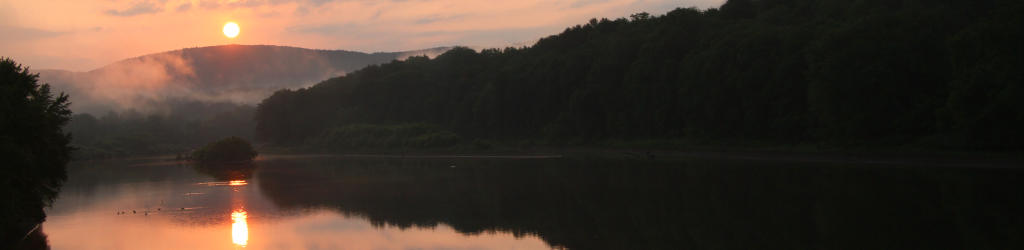
This is long enough right now, and I’ve got a lot more photos from the trip to feature, so I’ll simply close with one of the sunsets from Cayuga Lake that I witnessed while there. I have to admit, I saw a lot better skies in just a few days than I’ve seen in weeks or more around here – the weather and cloud conditions in New York lend themselves better to sunsets than do those in North Carolina, it would seem. But since this is probably because there are a lot more rainy days, I suppose I’ll take the good with the bad where I am.

dramatic clouds at sunset over Cayuga Lake
[A quick observation: to me at least, it appears as if the sun is physically breaking through the cloud deck here, and the clouds visible below it are actually farther away than the sun is, an amusing thought.]

Podcast: Off on a rant

This is actually the first of two – both are already finished, but we’ll see how quickly I post the second, since there are incidentals that go along with the audio. This one, however, requires no illustrations and was largely done so I could do the second without rabid frothing sidetracking – that means this one is entirely rabid frothing sidetracking by itself. What fun!

If you’re looking for photo tips or encounters, you’re out of luck. If you’re looking for deep philosophical insights, go fish. If you’re looking for bad language and pet peeves, however, I got you covered, fam (whatever the fuck “fam” is supposed to mean – I don’t use these except as open mockery of dumbass trends.) And so without further ado (whatever the fuck “ado” is supposed to mean, but I can assure you none was harmed in the making of this podcast,) we proceed:

Walkabout podcast – Off on a rant

By the way, a couple of things that I forgot:

  • North Carolina drivers typically only use a turn-signal to try and excuse them cutting you off – apparently, to them that blinking light makes it permissible to perform an unsafe lane change and shove directly in front of you because they never bothered to pay attention to the last two kilometers of “Lane Ends” warnings. If it helps: when the lane is not adequately clear, you wait until it is. Sorry, but you’re not that important.
  • I live among three college towns, and try desperately not to ever drive among campus. Why? Because for some reason, students are encouraged to cross the roads any damn time and place they see fit, and traffic stops dead every time this occurs. Students are not automatic red lights for drivers – if a car is coming, it is actually illegal (in every state that I’ve seen) to walk in front of it. It’s got to do with stopping distances and the chance that the driver is looking in another direction. And you see, there’s this crazy thing about “right of way” – even if you have the law on your side, there’s not a court in the universe that’s going to rule in your favor hard enough to bring you back to life, or heal your shattered skull or mangled spine. It’s weird that way. And I’m terribly sorry that someone’s going to be late for class because they got up too damn late (and we all know why) – what, the college docks pay for that, right? Gives written warnings? Students lose their class over it? You can see how sympathetic I am to students (who are, you know, supposed to be better educated…)
  • I really am going to get a large-print decal across the top of my windshield that says, “Get in your fucking lane!” It’s that goddamn prevalent around here.
  • Anyway, that’s my therapy for this week. Join us next week for my views on clamshell packaging, and product glues that are stronger than the materials they’re gluing…

    Auf wiedersehen, August!

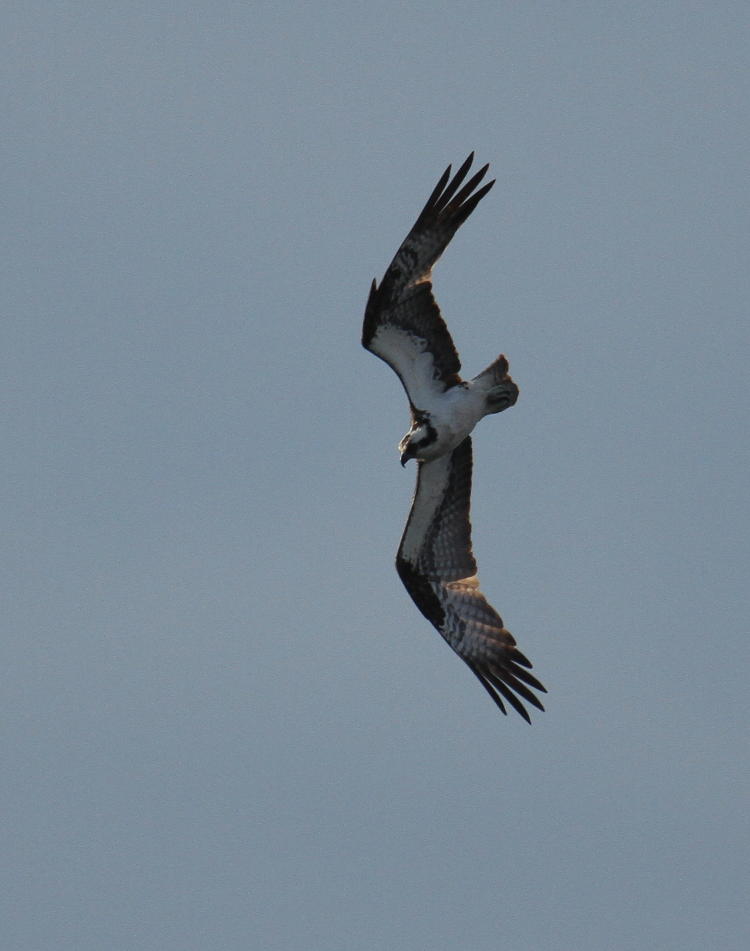
    osprey silhouette in bad light with image stabilization
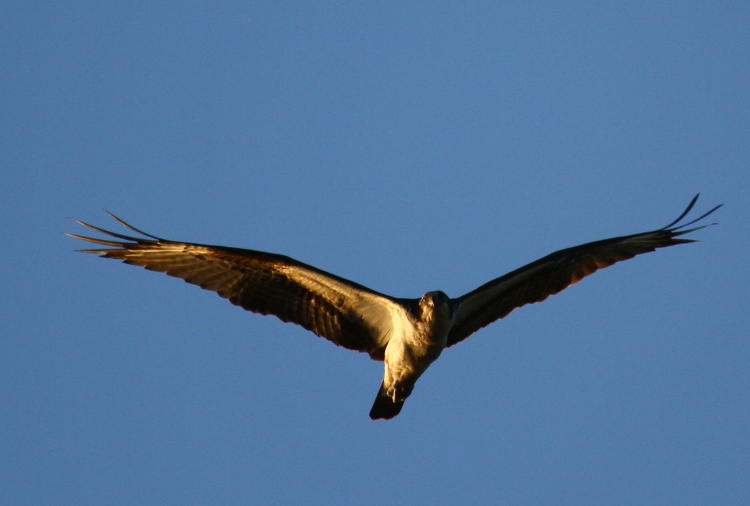
    So for August, we’ll have two month-end abstracts, and you can pick your favorite. Both were from central New York, a day-and-a-half and about five meters apart – well, my shooting position at least. The osprey (Pandion haliaetus) above was cruising past in the distance after sunset, with the light low enough that the shutter speed was too slow, yet the lens stabilizer did its best, producing several overlaid images. And no, I did not convert this to monochrome – the sky really was that colorless, at least in this particular section.

    Below, a bit more color, even if it’s a little too similar to other month-end offerings that I’ve posted. I actually shot a couple of frames during the trip solely for their abstract value, but really didn’t like them very much, so we’re falling back on this one. I don’t consider it weak as such, just not as creative or different as I should be producing. Ah well.

    raind-laden lily pads on Cayuga Lake
    Aw, now, hang on a second. I think this one needs the channel/contrast treatment. Let’s see, let’s see…

    same image in high-contrast monochrome
    Yeah, that’s not too shabby. Or at least I don’t think so…

    Seriously, what?

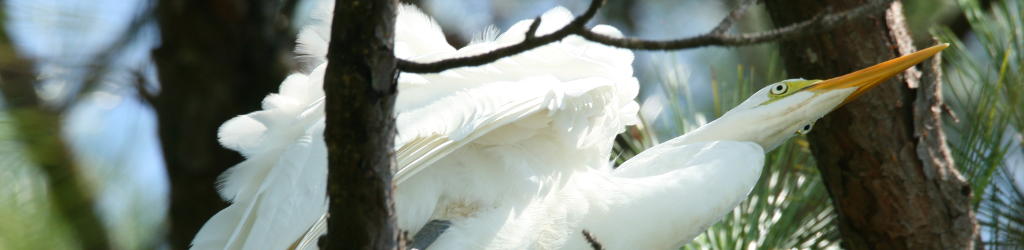
    great egret Ardea alba from below
    I just realized that, a year ago, I posted a pic of a great blue heron seen from the underside as it perched in a tree above my head, and I had the image above sitting in the blog folder waiting on my chance to make a post, so I couldn’t let this go by. Is this the start of an annual routine? Well, I guess we’ll just have to see how often such a thing occurs…

    This is instead a great egret (Ardea alba,) a shade smaller than the great blue, but not noticeably, and once again, on the shores of Jordan Lake – just, like, kilometers away from the spot where I captured the heron. But this one was being unbelievably cooperative after it landed in the tree over my head, so I took full advantage of it – more pics will be forthcoming. Right now I have to post this to make the anniversary, or I’m in deep trouble. Somehow.

    Storytime 35

    likely little brown bat Myotis lucifugus perched on tree
    One day four years back, I was checking out the neighborhood pond and noticed something slightly odd about a tree at the head of one portion of the trail; it seemed to have some dry leaves adhering directly to the trunk, which of course is not where you typically see leaves hanging. Had it been anywhere else, I likely would have passed it by without even noticing, but this was right at eye level and warranted a closer look. As you can see, it wasn’t leaves at all, but a bat clinging to the trunk at midday – identification is tricky when working from the limited photos that I obtained without disturbing the critter, but I suspect this is a little brown bat (Myotis lucifugus.)

    This find was curious, because the area plays host to plenty of bats, but they do not generally roost in exposed places like this, and I have never seen one at such a low height since. The risk of rabies is high enough that I did not disturb it, even though I’ve had my shots (no, really – I used to work in animal shelters and rehabilitating wildlife, so it was recommended,) and since the behavior was atypical, that was potentially another indication because infected animals often act differently. I did several natural-light shots from different vantages and left it alone.

    I actually like bats – they’re delightfully creepy-looking, but distinctive in nature and fun to watch on summer evenings as they wheel over the pond or street in search of insects. The Girlfriend does not share my enthusiasm, especially not when I engage in a favorite past-time, which is tossing small stones into the air just as they’re approaching to watch them follow the descending object down in a tight spiral, eventually determining (by sound, it seems) that it is not actually a nutritious insect – at this point they are often just over head height. One night out in the open lawn near the pond and not even trying to draw one nearer, one passed so close by my ear that I heard its soft chittering in passing.

    From time to time I endeavor to get a photo of one in flight, which understandably is a challenging pursuit. I’ve succeeded a couple of times, without producing anything impressive; one time can be found here, while another can be seen below, taken under a highway overpass in Florida when I was experimenting with B&W film.

    unidentified bat caught by flash
    To capture this one, I set up under a bridge that was a known haunt, and you could even smell their presence since guano has a distinctive odor. It was ridiculously dark, so I locked the shutter open and tracked the movements of the bats with a low-powered flashlight, triggering the flash unit when one passed within the camera’s field of view; I actually caught two in this frame. Focus is just a shot in the dark, as it were, so this didn’t turn out as badly as it could’ve.

    My most memorable experience came at dusk, decades back, while my cousin and I were tossing a Frisbee back and forth. The light had dropped almost too low when he sent a smooth and flat toss my way, and about halfway to me, a bat fell in behind the Frisbee and followed it closely, giving the disk the appearance of towing a pair of fluttering leaves in its wake. I just watched it pass open-mouthed, since the Frisbee spanned about the same as the bat’s wings, which would make it weigh roughly four times the mammal’s own mass; what the bat could possibly have been thinking I can’t imagine. And as I type this, I’m wondering why I’ve never gone out since with a Frisbee and a video camera to try and repeat this experience. Looks like I’ve got something to try tonight…

    1 163 164 165 166 167 327