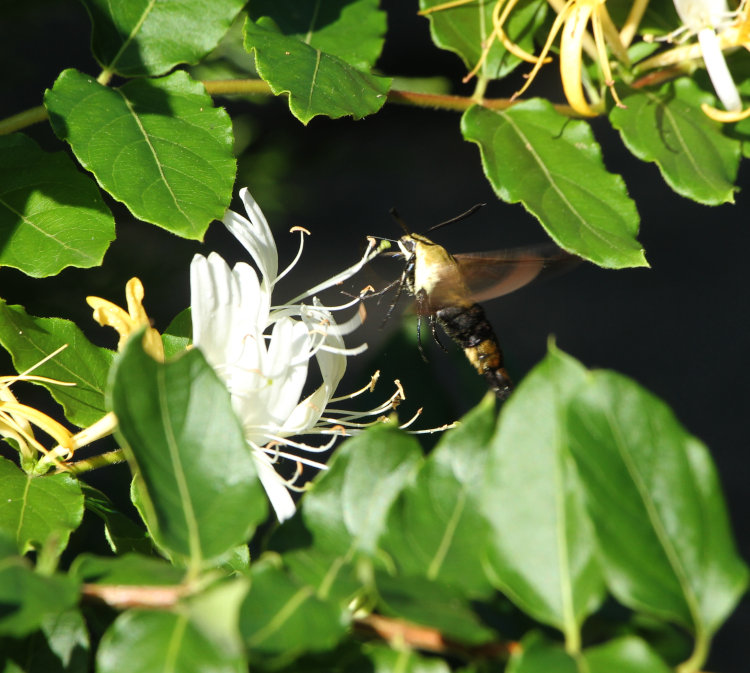
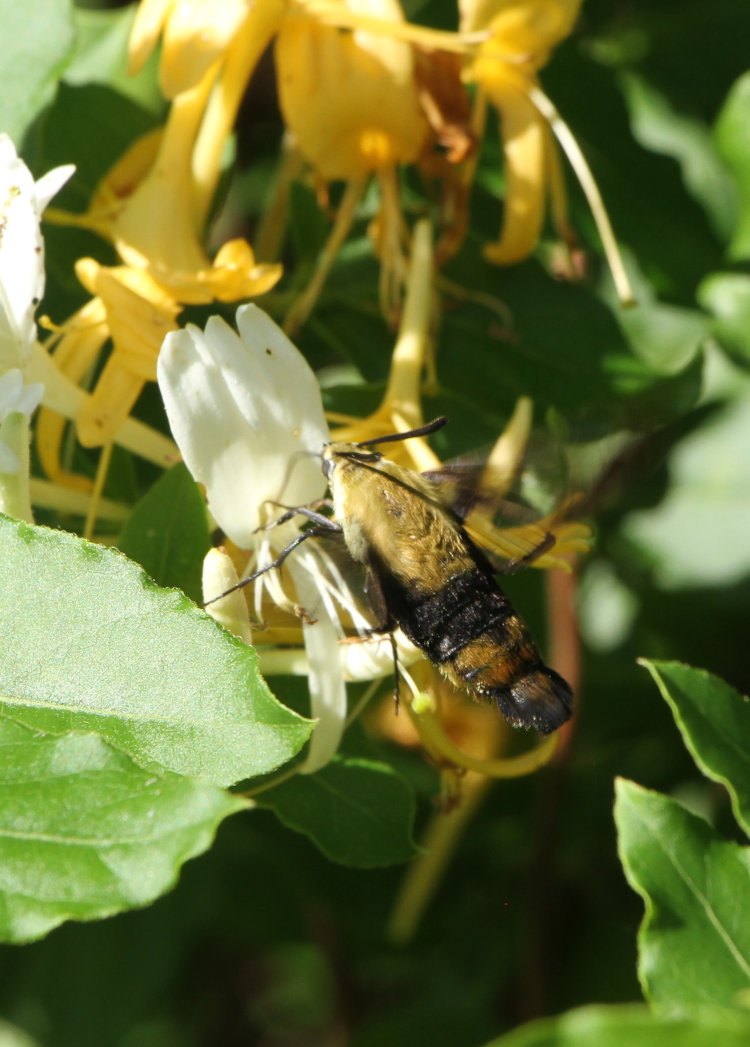
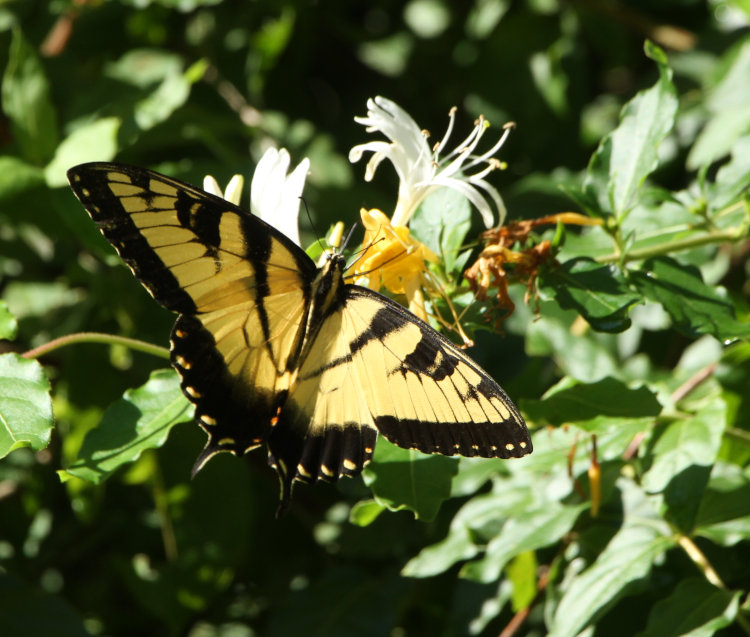
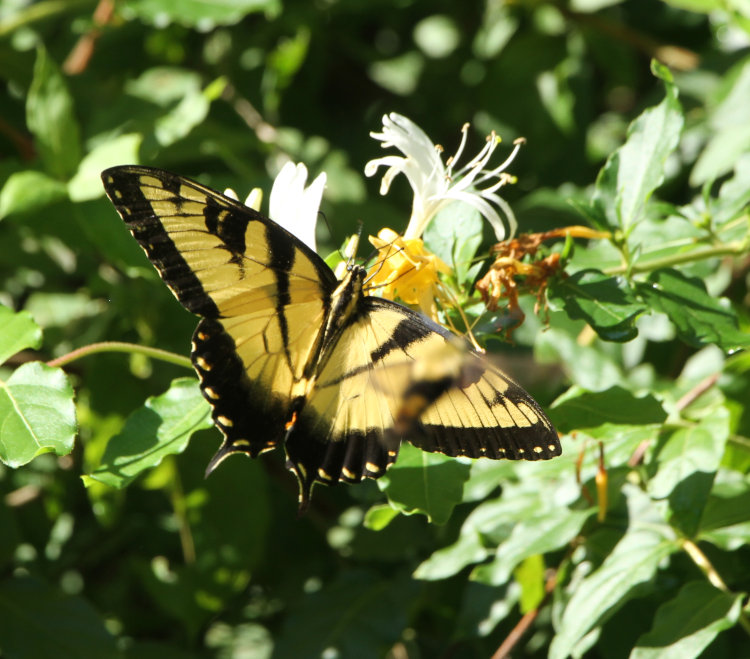
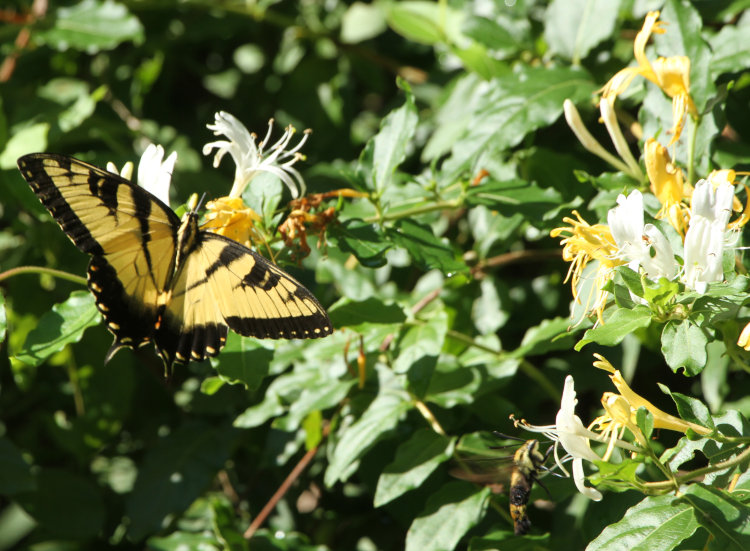
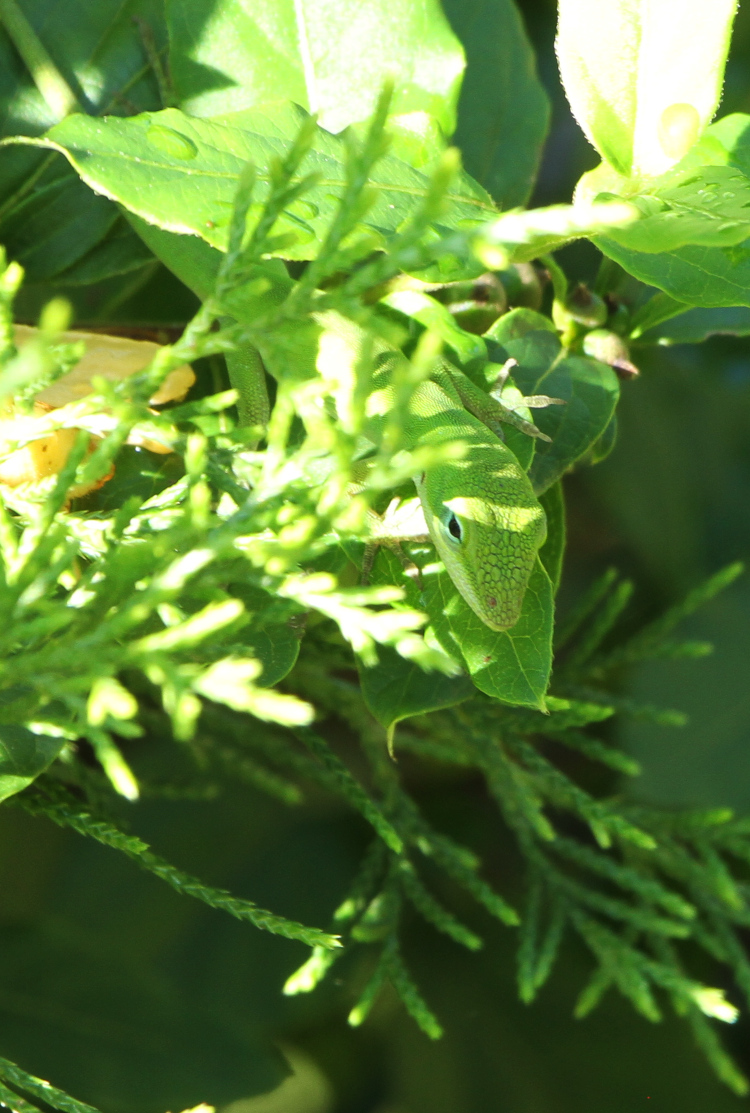
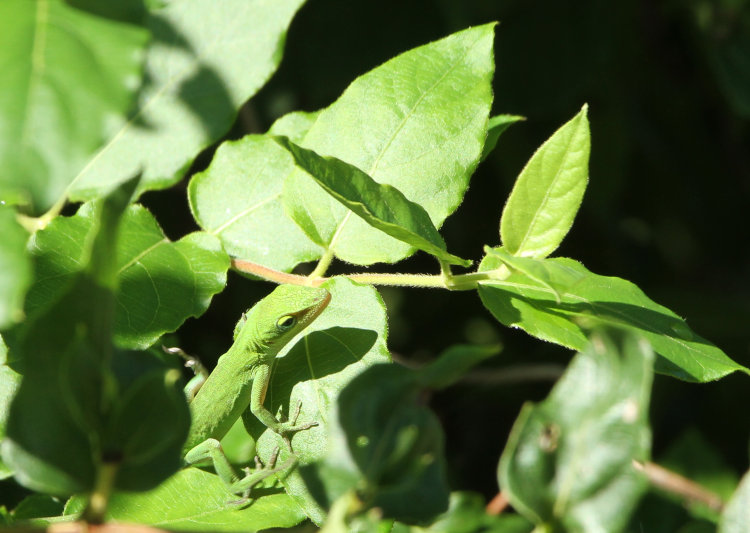
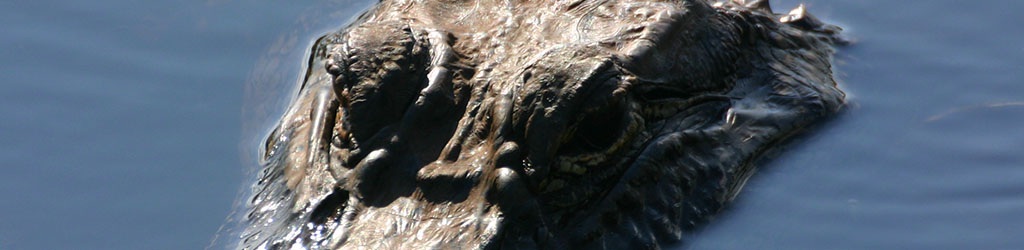
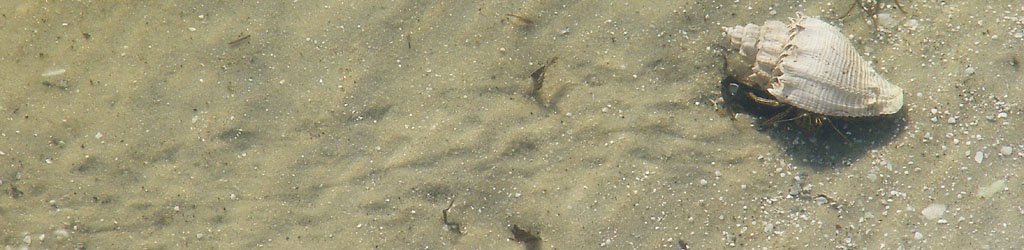
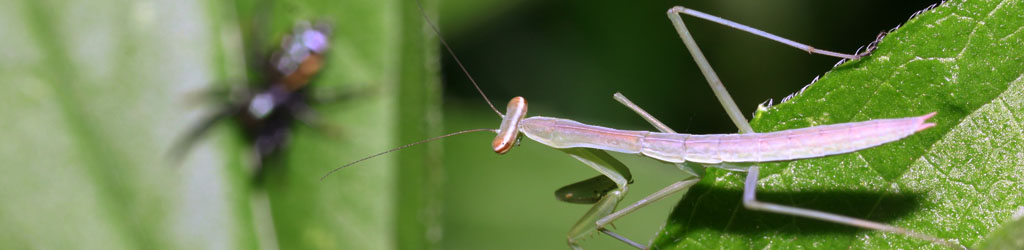
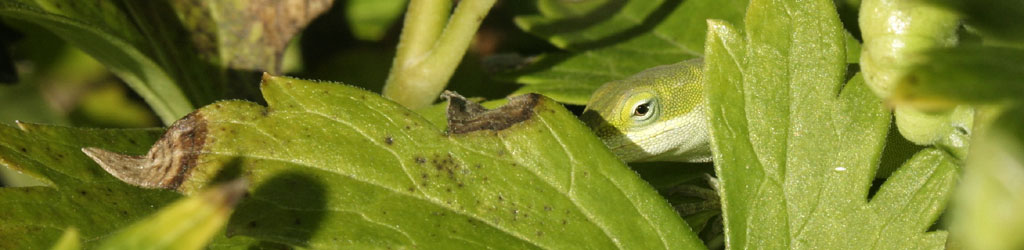
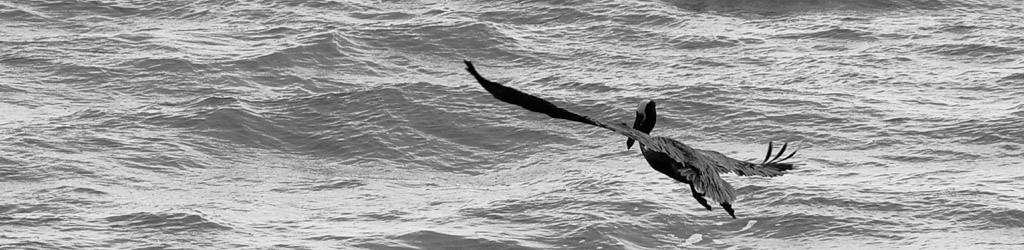
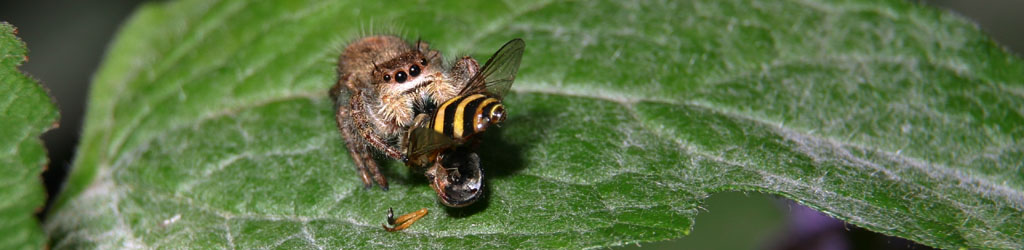
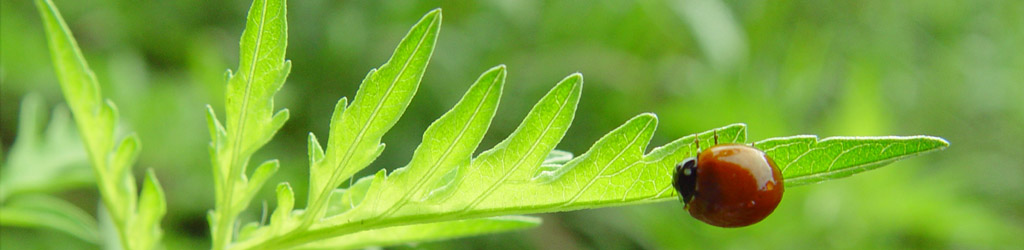
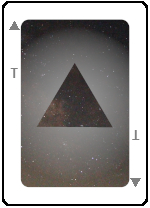
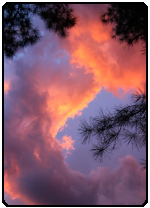
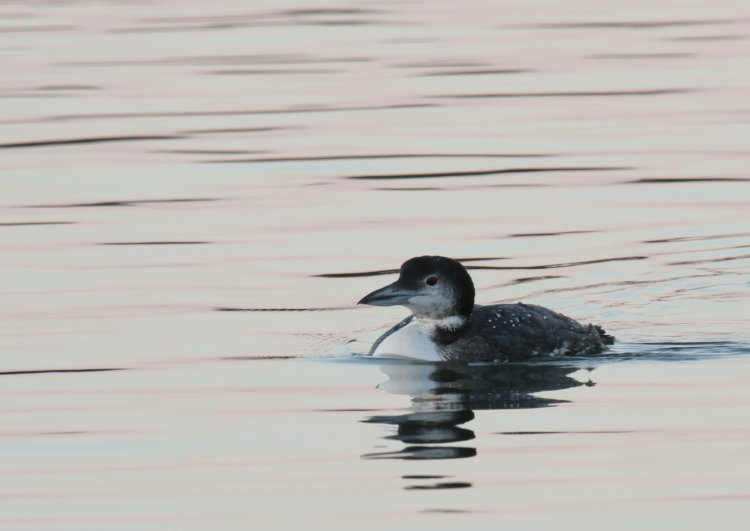
Well, it is rut season…

… but I’m doing what little I can to avoid being too deep into it. Meaning we’re going to briefly lean away from the same subject matter for a little bit (meaning, “a post,”) before we go right back to the same rut again. So here are the, um, other subjects from yesterday’s trip to the lake.

As we (meaning the Irascible Mr Bugg and I) walked form the parking spot down to the beach access, we could hear the chorus frogs sounding off in a drainage ditch, another sign of spring, though as we got closer, naturally the sounds stopped. We paused, searching for the source and knowing full well that chorus frogs are notoriously good at remaining hidden. This one was not quite as accomplished, however:

green frog Lithobates clamitans peeking from under grass at edge of ditch
Not any of the local chorus frog species, but a green frog instead (Lithobates clamitans,) which makes it about three times the size while still not large – chorus frogs are tiny. I wasn’t even sure of the species identification on this one, given our view, until I got back home and examined the frames closely, but you can even see here the dark line shadow running down the back from behind the eye, delineating the telltale veinlike ridge that the species has. It certainly was not sounding off with the chorus frogs, because their call is distinctly different.

The entire time we were out shooting, we’d be hearing a belted kingfisher (Megaceryle alcyon) chattering madly in their manner while racing around not too far away, but never even got the faintest glimpse of it, and I finally got frustrated enough to try and track it down. Eventually a pair made an appearance, but still in such a way that clear views were not available, not at all helped by the light conditions of the day, and so this was the best that I got as one flitted past:

likely male belted kingfisher Megaceryle alcyon shooting past
One of the species that I’m still trying to obtain a decent portrait of, yesterday was certainly not the day – but I got dem spots on the tail at least. That’s not much consolation, to be honest.

But I’ve still had better luck than with the next.

pie-billed grebe Podilymbus podiceps in moderate distance under poor light
This is a pie-billed grebe (Podilymbus podiceps,) a species that I’m starting to become mildly obsessed with. I’ve seen them several times now, and not once well enough to obtain any images that weren’t shit. It’s always been at least 30 meters off (these are both cropped) and often in poor light, and they’re notably shy waterfowl.

pie-billed grebe Podilymbus podiceps too far away
The size doesn’t help, because they’re about half the size of an average duck, or less, and will dive under if they feel the least bit threatened. There was a pair on the lake yesterday, but they soon moved further off, despite my assurances that I’d make them stars.

I had better luck with the next two, though.

tufted titmouse Baeolophus bicolor regarding photographer from above
While chasing pics of the “others,” a few tutfted titmouses (which I think is the correct pluralization, but Baeolophus bicolor anyway,) lit into the trees nearby, briefly, but one was close enough and waited long enough for me to rack the focus back in from waaayyyy out there in “other” territory, though it wasn’t quite cooperative enough to show off the namesake crest of feathers atop its head. It’s one of the many hyperactive little birds in the area that make faint little noises and can go completely unnoticed if you’re distracted by virtually anything. While the next are often hard to miss.

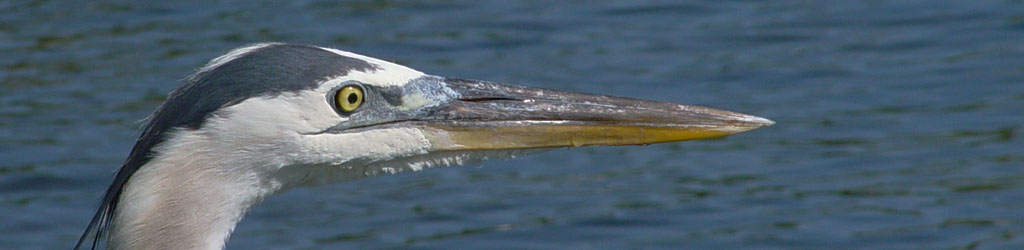
great blue heron Ardea herodias herodias is flamboyant pose
Yeah, I’ve got enough pics of great blue herons (Ardea herodias herodias,) but the pose, sharpness, and rendition of the background were nice enough to warrant another appearance – I think they look a little bit better in low contrast light, actually. And I had to check just now, but that bright spot isn’t a leg band, just some white-tipped feathers in the tail.

And finally,

Bartlett pear or Williams pear or Williams' bon chrétien pear Pyrus communis in full blossom
In the US and Canada, these are known as Bartlett pear (well, the blossoms thereof,) while elsewhere it might be Williams pear or Williams’ bon chrétien pear, but Pyrus communis anyway, a European cultivar. They’re among the first trees to blossom out in the early spring, vying with the redbuds, found in numerous places as wild species though it doesn’t appear that they started that way. I’ve never seen them bear fruit and it may be that, like apples, they cannot unless they go through a decent cold spell, but at least they’re a nice indication that winter is being ushered out the door. We might have to get one in the yard here at Walkabout Estates.

But this means that, very soon, we’re back to too many pics of a species you’ve seen enough of already. Don’t touch that mouse.

Just once, part 10

likely male prothonotary warbler Protonotaria citrea hanging upside down with spider prey
This week we have one that’s no surprise, because I rarely see birds like this – the brilliant yellow ones (or red, or any bright color really) tend to be few and far between around here for some reason. This one was trying its hardest to remain out of sight as well, flitting among the dense undergrowth on the edge of Jordan Lake, and this represents one of the few times it was mostly unobscured. It’s (likely) a prothonotary warbler, (Protonotaria citrea, and yes, that’s spelled correctly – don’t ask me why there’s an ‘H’ in the name but not in the name.) I may only have gotten this shot because the bird had captured a spider and so wasn’t as inclined to diddle around hyperactively in the foliage. This has also been shot at 600mm and further cropped.

I’ve never been much for songbirds and, with the exception of the most common ones, always have to look them up after obtaining photos – forget about memorizing calls. Even putting nest boxes up on the property has been hit-or-miss. Give me the big birds any day.

More vernal indicators

This is the 30th post beginning with “More” – just so you can keep track. You never should have lost count in the first place.

But as I said in the previous post, there are more signs that spring has arrived, and I present a few. Plus some extras – that’s called a “loss leader,” to rope you in.

first blossom of 2024 on the almond tree
We must start off with the first open blossom on the almond tree, the one self-started from a discarded almond in the compost pile twelve years ago. Last year it did better than ever before, but that was because I started using the deer repellent spray well before there was anything for the deer to munch on; it seems that their periodic browsing was stunting the growth of new branches, so when they never got the chance to clip off the new buds, the tree did several times better. Last year we even had almonds developing, though something stripped them from the tree before they were ripe – likely a squirrel. It would probably fare a lot better if it were far more than a meter or so in height, but we’ll see how it goes this year.

Neither of the next two are really signs of spring, any more than the daffodils, but we’re including them to be perverse.

cluster of flowers and buds on rosemary bush
These are the flowers of a rosemary bush, and they’ll appear sporadically at different times of the year, but I think we’ve been able to see some (among the three bushes we have) all winter long. Two of the bushes are showing rather large dying patches while the rest of them thrives, and we’re not sure what this is, but there has been no changes of conditions that we’re aware of. It might be due to mole damage of the roots, or it might be a blight of some kind; when we first moved here and tried to establish new rosemary plants to replace the huge one that we’d had to leave behind, there were none to be found anywhere, something apparently killing off the new plants even in nurseries. So we’re just keeping an eye on them right now, not sure that there’s anything that could be done regardless. There remain plenty of healthy branches to use for any cooking that we’re doing.

blossoms of paperbush Edgeworthia chrysantha seen against sky
These are the flower clusters of a paperbush (Edgeworthia chrysantha,) and they break out even earlier than daffodils, being a late winter bloomer – these have been around for a few weeks now, but appear to be peaking right now. They always face downwards, so this perspective required lying on my back to shoot directly upwards against the sky. Don’t ask me how they pollinate.

But speaking of pollination…

huge cluster of buds on Key lime Citrus × aurantiifolia trees in greenhouse
As we determined last year, the lime trees that The Girlfriend had obtained in the spring really were Key lime (Citrus × aurantiifolia,) and they produced just enough fruit last year to make an excellent pie; this is one of the two budding out madly in the greenhouse. It’s not quite warm enough yet to feel comfortable moving them out, but maybe within the next couple of weeks. In the meantime, I’m liable to be pollinating these myself while they’re in there, which worked amazingly well for the lemon trees last year. They’re dripping wet because we’d had a horrific hatching of aphids in there, and I’d just blasted them off with a strong water spray, prior to treating the leaves and buds with something that may repel the aphids. If even half of these germinate, we’re gonna have a shitload of limes.
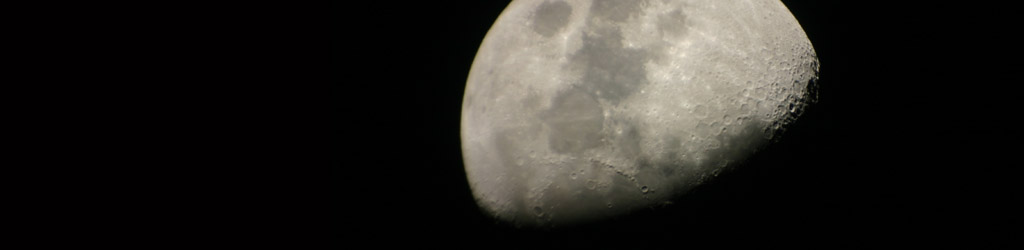
The trees had grown so well last year, in fact, that after starting from something not half a meter tall, they’d grown well over two by the time we had to put them into the greenhouse for the winter. Since the greenhouse is slightly less than two meters at the tallest, this meant a little trimming was in order, and the lime trees told me what they thought about that:

clusters of new branches sprouting from below pruned tips on Key lime Citrus × aurantiifolia tree in greenhouse
You can see the pruned ends, and the myriad new branches sprouting out beneath them – like the flowers above, this is far from the only example too. They appear quite happy with the greenhouse, but not nearly as happy as the avocado trees. One of those was begun on the deck last year but has doubled its size since moving into the greenhouse, while three others started indoors in a window plant rack and were moved to the greenhouse when they were getting too tall for the rack. The first has leaves that are close to 25cm in length.

And finally,

Carolina anole Anolis carolinensis basking atop telephone utility box on side of hosue
I spotted this Carolina anole (Anolis carolinensis) on the wall but it scampered for cover, though after a short while it had climbed atop this telephone junction box to bask, and allowed me a much closer approach. Curiously, this is within a meter or two of the regular haunt of the other that we’ve seen already, which was initially found at the same time today – that’s pretty close proximity for aggressively territorial reptiles, so I’m surmising that they’re opposite sexes. No sign yet of my fork-tailed buddy from last year (who might be the same one from that video in the previous link,) but it’s still early yet.

So while it’s not safe to consider spring firmly established, things to photograph are starting to show up, and we can be pleased with that. They’ll appear here soon after, um, they appear here – you know what I mean.

Let no one tell you otherwise

Yesterday was officially the first day of spring – I could have let you know yesterday, but it would have been very late yesterday (like an hour ago,) and only if I’d scrambled, which I wasn’t inclined to do. But regardless of equinoxes and calendars and whatever silly flower someone might prefer, we have the only dependable guide to the start of this season, to wit:

first green treefrog Dryophytes cinereus of the year
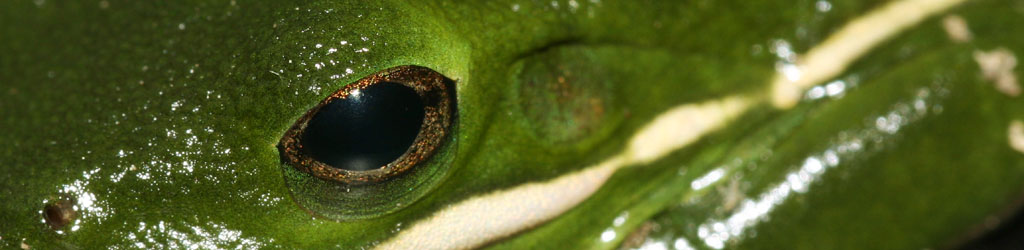
Yep, that’s the first green treefrog (Dryophytes cinereus) of the year on Walkabout Estates – one, mind you, that was not in the greenhouse or otherwise disturbed from its habitat, but had ventured out on its own from whatever faintly sandy locale it had overwintered within. Though I admit to editorializing with my choice of images, because it was largely looking alert and bright-eyed – I snagged this frame here as it closed its nictitating membrane (the third, clear eyelid) over its eye, possibly because it wasn’t too happy about the bright headlamp first damn thing in the season. Nonetheless, this is about right – it’s presently 15°c out there right now, having been a few degrees warmer during the day.

I took a look around for others, preferably one in a natural setting and not perched on the sun umbrella, but saw none. I did see a resident of the backyard pond, though that’s no big deal – they’re visible the moment it gets above, like, eight or ten degrees c.

small juvenile American bullfrog Lithobates catesbeianus sitting at surface of backyard pond
This is likely the same juvenile American bullfrog (Lithobates catesbeianus) photographed earlier – see? And I saw another, smaller frog, that submerged before I could approach closely enough for a positive ID – it might have been another bullfrog, or more likely, it was a green frog, which are typical residents of the pond. I’ll keep trying, and keep you posted.

That water looks terrible, doesn’t it? I actually cleaned a lot of stuff out of the pond in the fall, but the winter deposited tons of junk into it, yet the algae bloom is relatively recent – perhaps the fault of the residents, perhaps not. We certainly had a hell of a lot of rain in the past couple of days and I would have expected a significant turnover of the water therein, yet here we are. Once it’s consistently warm enough that I’m not disturbing the frogs as they’re trying to semi-hibernate in the mud at the bottom, I’ll clean it out again.

And one more spring picture, which seems to be cheating a little but then again this is par for the course here.

new leaves sprouting from potted Japanese maple in greenhouse
This is the new growth erupting from one of the potted Japanese maples in the greenhouse, the same one seen here. I know what you’re saying, that it doesn’t count because it’s in the greenhouse, but this is where it always winters and so it remains a distinct harbinger of spring. There are other signs outside of the greenhouse, and I’ll be back within a few days to illustrate those – but these leaves look the coolest when they first open up.

Some leftovers

Just a few images from the last outing to Jordan Lake – the post regarding that was overrun with sequences from the eagles, so we’ll just squeeze in a couple here.

trio of airborne double-crested cormorants Nannopterum auritum stacked together
While it’s easy enough to find double-crested cormorants (Nannopterum auritum) flying individually, they tend towards flocking in gooselike V-formations, but never seem to climb too high. So it’s easy to photograph them stacked together in total disregard of personal space, looking like an acrobatic stunt in the process of failing. Granted, it’s only the compression of a telephoto lens and they’re comfortably far enough apart, but I don’t need to tell you that…

The species is quite active at the lake at this time of year, and flights of them were passing overhead frequently. In that particular spot, there is a narrow land bridge between a small pond and the lake proper, which provides a decent view of the small ‘bay’ of the main lake that the eagles like, but for reasons unknown, the cormorants greatly prefer crossing this right there as their highway when traveling west, and they can pass directly overhead. It’s a gap in the taller pines nearby, certainly, but they also have to clear the road causeway just a little beyond, while a few hundred meters to the north, there’s a much larger opening with the same conditions. It could simply be that some particular ‘lead’ cormorant chose this spot one time, and it’s become a habit for everyone that was following ever since, but I’ve been seeing it for years now.

Another pair that used the highway:

pair of double-crested cormorants Nannopterum auritum cruising overhead
This is at 600mm and cropped significantly, but I’d estimate their distance at roughly 50 meters. It was getting towards sunset and they were largely facing in that direction, so the light worked, and while autofocus didn’t quite nail it tightly, it did pretty well for subjects not centered under the AF spot and rapidly approaching, as we see when we crop even further:

pair of double-crested cormorants Nannopterum auritum passing overhead, tightly cropped
Yeah, could be better, yet not only seeing the green eyes but the evidence of pupils and catchlights as they passed is halfway-decent, at least. Believe me, I’ve had enough images that never even got close in such circumstances.

And one more expressive one of the eagles:

pair of bald eagles Haliaeetus leucocephalus conversing on dead tree
The lower one, with the wings still spread, had just landed, and they were calling together as they do, though for what purpose I cannot say. This is the same pair that we’ve been following, obviously not antagonistic nor territorial towards one another, so the best I can say is that they’re confirming their identities to one another – don’t be too confident in that appraisal. But it made for a nice pose anyway.

Boy, do I feel better!

What?I’ve been dreading the arrival of this day, but now that I’ve unloaded it all, this huge weight has lifted from my mind. Not that you need to be told, but today is ‘Fess Up Day, the day when we reveal some secret hidden deep within the recesses of our hearts, festering away, and thus unburden ourselves for improved mental health. Or set ourselves up for a week or more of derisive abuse. One or the other.

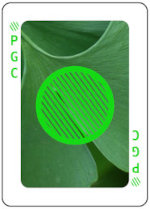
So among the many heinous and unspeakable things that lurk within, I’ve chosen to address this thing from nearly 13 years ago, when I did a book review of Paranormality by Richard Wiseman. I always tried to do something innovative and appropriate with the book covers in my reviews, though I’d purchased this one as an e-book. Eventually I decided upon a very subtle, but hopefully quite topical, treatment for the cover, which appears here to the right. Don’t see what I’m referring to? Well, keep looking at it for at least eighteen seconds.

Here’s the deal. Wiseman created several illustrative videos that accompanied the book, and part of his signature quirks within was a burst of static as a transition, perhaps reminiscent of the movie Poltergeist. So I figured I’d have to include this with the cover, but with a creepy addition, so briefly that no one could get a really clear view of what was there, but should have been able to get an impression, once they noticed it. And with the text right alongside, they should have at least caught the burst once, peripherally, while reading and hopefully kept watching for it again. The thing was, I popped this on two people that I know, and neither really saw something curious within the static, so I extended the period very slightly – again, I didn’t want more than a fleeting impression. No one has ever commented on the image since its been up, but then again, no one comments anyway. I’d get the impression myself that the readers are just as fleeting, but of course that’s ludicrous – this is undeniably quality content here.

To create this, I needed an appropriate image to start with, to subsume into the static and almost obscure it, and so I needed a model with proper attire. This is what I settled on:

Not the best modelWell, okay, I didn’t have anyone else handy that would fit the bill, nor did I possess a coarse cowled monk’s robe – go figure. And I had to play with the lighting for a bit to get the nice deep shadows – if I remember right, this is taken in the bathroom with a flash unit attached to the curtain rod of the shower. What needed little help was the brow shadow, because a family trait is abnormally deep eye sockets. Then, it was a simply matter to triplicate the frame with different static filters for each, and lay each in for about 40 milliseconds of the animated gif (pronounced, “GNO-cchi.”) The static and the brevity of the appearance would disguise the towelly nature of the wardrobe. It also disguised the potato nose, which the light angle only served to highlight here, but doesn’t everyone notice such things about themselves? I’m sure everyone I know is used to it, and by, ‘used to it,’ I mean, ‘tries to avoid looking at it entirely.’ I do the same, so who am I to judge?

I really liked the effect and considered it perhaps the most appropriate cover that I’d featured, given the subject matter of the book, and it likely took less time to perpetrate than at least one other. But I knew I’d eventually have to cop to the hoax, and the holiday kind of demanded that I do it now.

But while we’re here, I thought I saw something in the original image, and adjusted the light curves to see if I was right:

one cranky ghostBoy, that’s a rather dyspeptic expression, isn’t it? I think that’s how fundamentalists imagine atheists always look, and in my case they’re probably not terribly far off, but really, I was just trying to angle my head forward enough to create the correct shadows. Though I now know I could potentially gain some extra income from laxative commercials…

You’ve overstayed your welcome, February

Despite purchasing the extended plan like an idiot, February has now come to the end of its warranty period, and so as it starts to suddenly make a terrible noise and leave an ominously-stained puddle beneath, we turn to see what abstract image will play it off stage. Why, it’s… this:

feather and reflection in still water
I did no alterations to this one other than cropping it tighter – otherwise it’s exactly as captured. Probably not exactly as seen, however, since I don’t think I dialed in any exposure compensation for the bright water, so it’s probably a little darker than it appeared in person. It’s really just a grab shot as I saw it nearby, which makes it even better. Nothing but a body feather with downy base, floating on its own reflection in the water – though why I called it a leaf in the filename after I cropped it is beyond me. Probably just force of habit (go ahead – count up all the month-end abstracts that contains leaves; it’ll take a while.)

But because of the extra time to work on it (not really,) we have another! And this one I did consider in the running for this slot as I took it. Occasionally, things go according to plan.

spider in web backlit by post-sunset twilight
I called this one a raccoon in the filename, so obviously I wasn’t quite myself when editing. It took a few tries to pin down focus just right, since this was not with the macro lens, but I got a sharp frame for my efforts. The sunset colors didn’t really pan out this session (surprise surprise,) yet I was able to make something from them anyway. No one is quite sure what, but it’s something.

Just once, part 9

six-spotted green tiger beetle Cicindela sexguttata portrait
This is one that I find a little surprising, in that it’s only appeared once here, and probably not a whole lot more often in my stock either. This is a six-spotted tiger beetle (Cicindela sexguttata,) and they’re not only fairly common, they’re obviously quite easy to spot – chances are, if you live in most of the eastern US and spot something bright iridescent green, it’s one of these guys. Granted, they’re hyperactive and spooky, rarely letting a close approach happen, and I do recall that I had to crawl up to this one carefully to get this portrait with the macro lens, and even then considered myself lucky to have pulled it off. But this was also just shy of nine years ago, and I would have thought I’d have the opportunity to snag more in that intervening time, but here we are.

I would also think that the bright coloration is a ‘keepaway’ signal, something memorable that goes along with a nasty defensive mechanism so birds and other predators create quick associative memories after an encounter: “Okay, that wasn’t fun! Note to self: avoid the shiny green ones,” Except that I find no mention of defensive traits, so either those jaws are even more capable than they appear, or there’s another purpose to being so easy to spot. I will also note that their style of movement is not unlike some species of wasps: agile and quick to fly, but also kind-of stop-and-go movements on the ground, and a lot of predators recognize prey and not-prey more by their behavior than appearance.

While some indication of size might be determined by the short depth-of-field here (meaning high magnification,) I can simply tell you that the species runs 10-15mm in body length, which seems about right to my memory – I didn’t get any measurements at the time, and I’m quite sure that it wouldn’t have stood happily for me sliding a paper ruler into the frame.

Enough with the eagles

2nd year juvenile bald eagle Haliaeetus leucocephalus cruising overhead
Mr Bugg and I had another outing to Jordan Lake yesterday, because we’re both intrigued about what might be happening with the eagle pair. The above image is not one of the pair, but a 2nd-year juvenile that nonetheless came much closer than any of the others, and thus provided a better image to open with. What follows will be from much greater distances.

Immediately upon arriving, we could see one of the adult bald eagles (Haliaeetus leucocephalus) hanging out on the dead tree near the osprey nest, and so we kept our eyes on it, as well as the immediate area, and sure enough, the second of the pair soon made an appearance. Neither of them was inclined to get within several hundred meters though, so every image that we could obtain had them very small within the frame.

Eventually, one of them skimmed out over the lake and dropped low over the water, and we soon witnessed some hunting behavior. Unfortunately, the weather conditions appear to have caused a body of warmer air to be hovering directly over the lake surface, and this was enough to badly distort all images that were obtained so close – these will not be impressive, but we’re concentrating on the behavior right now anyway.

adult bald eagle Haliaeetus leucocephalus diving on jumping fish
The bright spot over the the right is a fish jumping; the eagle was already making its approach when this happened, but it appeared to be homing in to that exact spot.

adult bald eagle Haliaeetus leucocephalus contacting fish that just jumped
The eagle is about to make contact with the water in a typical “running grab,” while you can see the residual splash from the fish.

adult bald eagle Haliaeetus leucocephalus in water after snagging fish
But the running grab obviously didn’t work and the eagle splashed down, much like osprey do; this was the first I’d seen this happen, but the remaining images might hint at why.

adult bald eagle Haliaeetus leucocephalus clearly struggling with large fish that it caught
By naked eye, the eagle was only discernible as a white spot that was easy to lose, occasionally flashing as it thrashed about, struggling with the fish that remained out of sight below the surface.

adult bald eagle Haliaeetus leucocephalus clearly struggling with large fish that it cannot raise from the water
Even, at times, mooning us as it raised its tail high during the struggle. At no point did it even begin to flap its wings in an attempt to take off.

adult bald eagle Haliaeetus leucocephalus still unable to raise fish from water
I checked the timestamps: it was over four-and-a-half minutes that the eagle sat in the water struggling with its capture. I lamented not having the tripod with me to lock the camera onto and shoot this as video, but the distortion wasn’t apparent in the viewfinder – the video would have been nigh-worthless anyway. But some time soon after this frame, the eagle rose from the water; I wasn’t looking right at it at the time (that’s a long time to keep a heavy lens trained on a stationary object,) but I suspect it was because a couple of hydrofoil surfers were drawing too close, perhaps not even aware that there was an eagle there. So I only realized it as I saw the eagle circling back in the same area. Which is where it gets even more interesting.

adult bald eagle Haliaeetus leucocephalus making another run on fish in water
I compared the background trees (largely cropped out of these frames so you’re not just looking at specks,) and I’m pretty certain the eagle, now airborne, is closing in on the same area where it had struggled with the fish – you can just make out the orange spots of the extended talons if you look closely. What I think is happening here is that the eagle decided that raising the fish wasn’t working, and it took off and circled around to make a running grab at it instead, perhaps hoping that the speed and established lift would be enough.

adult bald eagle Haliaeetus leucocephalus grasping and trying to raise fish from water while flying
It’s got ahold of something now, but the distortion and distance were too much to resolve details.

adult bald eagle Haliaeetus leucocephalus almost pitching into water while trying to raise fish
Maybe it’s just from freezing a moment in time, but it certainly looks like the eagle is pitching over from the weight and drag of the fish. This is supported by the next frame…

adult bald eagle Haliaeetus leucocephalus abandoning fish as too large to carry back home
… because there’s the eagle letting it go, the residual splash still faintly visible. To all appearances, the eagle snagged a fish too big to actually carry – which is pretty big indeed. I thought I was witnessing this last year with an osprey, but that one did indeed manage to get airborne, though its climb out was slow and labored.

adult bald eagle Haliaeetus leucocephalus approaching another in tree after abandoning fish
Having had enough with its hunting efforts, the eagle headed back empty-taloned for the dead tree where the other had been perched patiently – not the same dead three near the osprey nest that they’d been favoring, but one not far away. Again, this is at a great distance, so it was only after seeing the images at home that I pieced together what likely happened.

adult bald eagle Haliaeetus leucocephalus apparently attempting to alight on branch with another eagle
Because the limb that was in use as a perch wasn’t very big, but the returning eagle seemed to think it could hold the both of them, and there was a momentary struggle/altercation…

pair of adult bald eagles Haliaeetus leucocephalus both abandoning branch after near collision
… which dislodged both of them – probably not the best way to return home to the spouse after failing to procure food.

[I say ‘spouse’ but the relationship isn’t exactly clear, to me anyway. They obviously hang out together, and the repeated behavior and preference for certain perches, and the area overall, seems to indicate that we’re seeing the same pair each day. But why aren’t they nesting?]

I lost track of who was who in that tussle, and so I tracked one now heading over to the favorite dead tree without knowing which one it was.

adult bald eagle Haliaeetus leucocephalus drying feathers while perched in dead tree
That one took a perch, much as the stationary one had before, but after a few minutes (by the timestamps, this is seven minutes after dislodging,) this one began to exhibit drying behavior, leading me to believe it as the one that had been fishing instead. I kind of had it in my mind that the female was remaining perched while the male hunted, partially because this is the kind of thing that happens when courting, for many species, but I can’t vouch for whether or not eagles behave this way, and there’s no dependable method for determining sexes.

Later on, they took off and eventually, one lit onto the tree holding the osprey nest again, perching close to but not on or within the nest. and after a while, the other approached again.

adult bald eagle Haliaeetus leucocephalus approaching another perched alongside osprey nest, both calling
I like this frame for the expressiveness of it, both appearing rather antagonistic, but they’re simply calling exuberantly to each other, audible even at our great distance. I don’t know who’s making the approach here, but it was with much greater grace than the previous attempt at least, and nobody got their feathers ruffled.

pair of adult bald eagles Haliaeetus leucocephalus enjoying domestic life alongside osprey nest
And they remained there together until shortly before sunset at least, when we knew there would be no more interesting behavior and wanted to try for the sunset on another portion of the lake anyway (a spit of land blocks the westward view from this area, but it’s good for sunrise.) Here, one of them appears larger than the other, often an indication of the female among raptors, but I’m not exactly sure this isn’t due to the one on the left hunching slightly with its tail raised higher.

So far, seeing activity in this area has been dependable, and the pairing seems established as well – here’s hoping that it continues, and even better, that they set up a nest nearby. The osprey are coming due for reappearing in the region – they seem to migrate south for the winter while the eagles stay put, and my first image of an osprey last year was March 7th. Will any osprey attempt to return to that nest, or is it now eagle territory (even when they aren’t yet inclined to use it for anything?) Only time, and more visits, will tell.

At the same time, I have to ensure that I’m not getting in a rut, and make some excursions to other wildlife areas as well, get a little variety in. Maybe we need some more nutria

Pop Park

That’s right, boysengurls, another holiday has emerged from wherever holidays go where they’re not here – Des Moines, perhaps – and so we welcome it with open source and a glad bag, because it’s MacArthur Muzik Day, which means that we must work at least three quotes from the lyrics of Pop Muzik or MacArthur Park into our conversations today. Nor can we simply blurt them out – they must make at least some sense in the context of the conversation. If you get a strange look, you obviously didn’t try hard enough.

Should someone recognize the lyric that you used and remark on it, you are obligated to touch your finger gently to their nose tip, smile coquettishly, and say, “Ta, sir!” (even if it’s a woman.) Do not fail to do this, because if they realize you’ve neglected this response, they are allowed to dictate what you have for lunch for the next week; the grocery store won’t sell that many cans of Spaghetti-Os with Franks for the rest of the year.

Should someone respond with the lyrics that follow in the song you chose, you must both do the ostrich mating dance together for at least thirty seconds – sound effects are optional though. Don’t look at us like that – we didn’t make this stuff up.

And should the conversation go on as normal without any recognition of something amiss, you are encouraged to brag about it here, as long as you don’t get too cocky. Yes, that’s in the rules too.

To offer this gentle reminder (though we can’t imagine why you’d need it,) we provide the lyrics to the two songs for which the holiday is named:

MacArthur Park, by Richard Harris

Spring was never waiting for us, girl
It ran one step ahead
As we followed in the dance
Between the parted pages and were pressed
In love’s hot, fevered iron
Like a striped pair of pants

MacArthur’s Park is melting in the dark
All the sweet green icing flowing down
Someone left the cake out in the rain
I don’t think that I can take it
‘Cause it took so long to bake it
And I’ll never have that recipe again, oh no

I recall the yellow cotton dress
Foaming like a wave
On the ground around your knees
The birds like tender babies in your hands
And the old men playing checkers
By the trees

MacArthur’s Park is melting in the dark
All the sweet green icing flowing down
Someone left the cake out in the rain
I don’t think that I can take it
‘Cause it took so long to bake it
And I’ll never have that recipe again, oh no

There will be another song for me
For I will sing it
There will be another dream for me
Someone will bring it
I will drink the wine while it is warm
And never let you catch me
Looking at the sun
And after all the loves of my life
After all the loves of my life
You’ll still be the one

I will take my life into my hands
And I will use it
I will win the worship in their eyes
And I will lose it
I will have the things that I desire
And my passion flow
Like rivers through the sky
And after all the loves of my life
Oh, after all the loves in my life
I’ll be thinking of you
And wondering why

MacArthur’s Park is melting in the dark
All the sweet green icing flowing down
Someone left the cake out in the rain
I don’t think that I can take it
‘Cause it took so long to bake it
And I’ll never have that recipe again
(Oh no, oh no)

And:

Pop Muzik, by M

(Pop, pop, pop muzik)
Get up, get down
(Pop, pop, pop muzik)

Radio, video
Boogie with a suitcase
You’re living in a disco
Forget about the rat race
Let’s do the Milkshake
Selling like a hotcake
Try some, buy some
Fee-fi-fo-fum
Talk about pop muzik

(Shoobie-doobie-doo-wop)
I want to dedicate it
(Pop, pop, shoo-wop)
Everybody made it
(Shoobie-doobie-doo-wop)
Infiltrate it
(Pop, pop, shoo-wop)
Activate it

New York, London, Paris, Munich
Everybody talk about pop muzik
Talk about pop muzik
(Pop, pop, pop muzik)

Sing it in the subway
Shuffle with a shoe shine
Mix me a Molotov
I’m on the headline
Want to be a gunslinger?
Don’t be a rock singer
Eenie, meenie, miney, mo
Which a-way you wanna go?
Talk about pop muzik

(Shoobie-doobie-doo-wop)
Right in betweenie
(Pop, pop, shoo-wop)
Eenie, meenie
(Shoobie-doobie-doo-wop)
Right in betweenie
(Pop, pop, shoo-wop)
You know what I meanie
Hit it!

Now you know when to say
(Talk about) Talk about pop muzik
(Pop, pop, pop muzik)

All around the world
(Pop, pop, pop muzik)
Wherever you are
(Pop, pop, pop muzik)
Dance in the street, anything you like
(Pop, pop, pop muzik)
Do it in your car in the middle of the night
(Pop, pop, pop muzik)
La-la-la-la, la-la, la-la, la
(Pop, pop, pop muzik)
La-la-la-la, la-la, la
(Pop, pop, pop muzik)
La-la-la-la, la-la, la-la, la
(Pop, pop, pop muzik)
La-la-la-la, la-la, la
(Pop, pop, pop muzik)

Dance in the supermart
Dig it in the fast lane
Listen to the countdown
They’re playing our song again
I can’t get “Jumping Jack”
I want to hold “Get Back”
Moonlight, muzak
Knick knack, paddy wack
Talk about pop muzik

(Shoobie-doobie-doo-wop)
It’s all around you
(Pop, pop, shoo-wop)
They want to surround you
(Shoobie-doobie-doo-wop)
It’s all around you
(Pop, pop, shoo-wop)
Hit it!

New York, London, Paris, Munich
Everybody talk about, mmm, pop muzik
Talk about pop muzik
Talk about pop, pop muzik
(Pop, pop, pop muzik)

Now, listen
Talk about (Pop, pop, pop muzik)
Talk about the fever
(Pop, pop, pop muzik)
Do you read me? Loud and clear
Hit it down (Pop, pop, pop muzik)
Hit it down, oh no! (Pop, pop, pop muzik)
Oh no! Oh, talk about
(Pop, pop, pop muzik)

See? Shouldn’t be too hard, so jump in! We’re looking forward to hearing your accounts!

1 50 51 52 53 54 331