That story I mentioned

So in the wildlife rehab post recently, I mentioned a story about a grey squirrel and that I may explain it in detail later. That post was first made in 2013, then reposted in 2014 and again in 2021, and I am now getting around to relating that story; I figure eight years is enough to build the suspense…

At the time, I worked for a humane society that tackled a lot of projects, among them wildlife rehabilitation, and I was living onsite as a caretaker and bookkeeper for this expanded facility. Someone, some ‘member of the public,’ had brought to us an adult eastern grey squirrel (Sciurus carolinensis) that they had attempted to raise as a pet and finally gave up on as it was getting too aggressive. This is an exceedingly common result from such attempts, the primary reason why it is actively discouraged (and usually illegal.) Humans domesticated dogs and cats thousands of years ago, and yet they still have habits that we often wish they didn’t, because traits are usually dictated by genes over a period of millions of years; the traits of wildlife are not going to go away with a couple months of living in different conditions. How the animal views its surroundings and interactions is entirely different from how we do, and its expectations and simple habits are usually not something that we even comprehend. Witness the grey squirrels in several urban areas that became notably aggressive during this pandemic as their primary food sources all but dried up, and there are plenty of other stories of that type to be found. In short, don’t raise wildlife as pets – it will likely turn out entirely different than you imagine, and not in a good way.

This particular squirrel was, I think, about two years old and female (which is slightly better – males tend to turn a lot more aggressive a lot faster.) We had her housed in an outdoor cage in the woods that we used to acclimatize rehab patients to outdoor conditions before they were eventually released, what we called a ‘halfway house.’ They have shelter and food types largely commensurate with what they could find in the wild, but contact was minimal and they were otherwise exposed to the elements. My job was to provide the food and water and try to monitor her to determine that she seemed to be coping with this introduction to kinda-wild conditions.

For the first few days, she seemed fine, but then started getting notably agitated at my presence; I surmise that this was from not getting either the food types or the schedule that she was used to, but may also have been some anxiety over the temperature (it was summer, so nothing drastic) or possibly the presence of predators outside the cage at night. Whatever the reason, she began darting for the door as I opened it to put the food and water within, necessitating some gymnastics on my part, distracting her at the opposite end and moving fast while she was away from the door.

It only took a day before she figured this out. I put the food in one afternoon and slipped the door closed just before she hit the gap, watching her twitch her tail rapidly at this action. She was following me around the cage on the inside, clinging to the wire sides, and I did a quick dodge around the end to lure her down that way and put a nut in the wire for her to dig out. She was no fool, and when I darted back to the door with the water dish, even though I had it open for a bare second or so, she hit it flying from across the cage, bounced off the wire of the door, and landed on my shoulders.

She’d been a ‘pet,’ so I wasn’t at all alarmed at this, and knew better than to move suddenly or freak out or anything, and I just put the water dish down and then turned back to look at her in the attempt to coax her back into the cage. It was then that I became aware of a strange tugging sensation on my shoulder, the feel of something pulling on my back from within, and abruptly realized that she was biting the hell out of my shoulder. Somehow, she had nailed the nerve almost as soon as she started to bite down (I was already expecting her claws to dig in a bit so the initial sensations weren’t unexpected,) and thus the deep bite didn’t register anywhere near as painful as it should have been – and let me tell you, squirrels can bite. They gnaw through wood and nut hulls routinely. But the sensation of her teeth within the muscle of my shoulder registered nonetheless, and in a flash, I snatched her off my shoulder and flung her into the cage in one fluid movement, never giving her a chance to redirect her attention to my hand. She landed on the wire again and chattered angrily, but the door was already closed.

When I turned the attention to my shoulder, I found a decent amount of blood but not horrendous, and a noticeable puncture wound that it was exceedingly strange to feel with my fingertips yet be almost unaware of at the shoulder where the wound actually was. She had also put two distinct holes in my almost-brand-new favorite T-shirt that I’d gotten at the Carolina Raptor Center, for which I could never forgive her; it was the perfect shade of slate blue and had kestrels on it, a species I was particularly attached to. Little shit.

Within the next day or so, rather than risk further mishap, we elected to release her, figuring that at least she had the moxie to deal with adverse conditions, but there was little we could do to ensure she had all of the habits she’d need, and those traits were likely still present anyway. Meanwhile, I still have both the scar and the nerve damage: if you poke my shoulder with a sharp object at just the right spot, I will feel the pressure through the underlying muscle, but not the object itself. I should convince doctors to vaccinate me there…

But you know, while I’m here, I have two other rehab stories from the same time period, though granted, they speak nothing of the hazards of treating wildlife as pets. Well, mostly not.

In one case, we had a red-tailed hawk (Buteo jamaicensis) that had been orphaned and was near adult size. For a short period of time she was housed in a smaller cage within the barn, before she was moved to a flight cage as the final stage before release. Every morning I brought her mice, frozen but thawed to roughly ‘live’ temperature, and deposited them in her cage where she would seize them eagerly and turn her back to me to devour them, hunched over with wings slightly spread, a habit that I guessed was meant to protect her meal from siblings. She was completely fine with my reaching in the cage however, though I never let her get too used to this, but it was curious to see her disregard for this encroachment, and it worried me slightly. She needed to have a healthy distrust of humans, and especially not see them as food sources, but that would also be enforced in the next step, the flight cage.

One morning, with nothing out of the ordinary that I could see, I entered the barn to find her agitated, darting her gaze around and dodging on her perch animatedly. I watched this for a moment, unsure what caused it, knowing that I personally had done nothing different and could neither hear nor see anything amiss in the barn. After a moment, I went ahead and opened the door slowly, and introduced the mice.

She hopped across the perch and landed onto my wrist as it was extended with the mice, and clamped down with the talons, only momentarily. The thing was, one of these sharp and massive nails bit right into my wrist directly on top of that bump of bone on the outside (go ahead, look at it,) lancing down through the thin skin to the joint and cartilage. It was only a handful of millimeters, far less than the squirrel’s bite, but in exactly the wrong place, and this hurt like a motherfucker, easily one of the most painful things that I’ve ever felt (and I’ve had kidney stones.) It was the kind of injury that you wring your arm up and down madly, as if this would do anything at all, but you have no choice, and I treated her to a fine collection of expletives regarding her ancestry and sexual predilections. And yet, it barely even bled, but it throbbed like hell all day long.

And I still have no idea why this occurred. I can only guess that something, a fox perhaps, was sniffing around outside the barn not long before I came in, or another red-tail was sounding off very close by. Anything smaller and she would have been delighted at the prospect of a meal, so rats were out, and really, little else could have entered the barn. But I was a lot more circumspect with her feedings after that.

red-tailed hawk Buteo jamaicensis in rehab flight cage
Old, shitty negative, and probably not one of the mentioned patients, but a representative example anyway
We also had a couple of flight cages at the facility, and these were massive, wood-slat affairs, roughly 4 meters square on the end and 13 meters long, to allow medium-sized raptors to gain wing strength before release. For one of our red-tailed hawk patients (I’m fairly certain not my assailant above,) we wanted to ensure that they knew how to hunt, which was tricky – chances are, even with live prey within the cage, they wouldn’t do anything if they knew someone was nearby observing them. What I ended up doing was setting up a surveillance camera. This was the mid-nineties, so what we’d been donated was a full-size, shoulder-mount videocamera that held complete VHS tapes – you know, the size of a hardcover book. This was set up in the far end of the flight cage on a tripod, with a protective plastic bag (red-tailed hawks defecate horrendously, managing quite some distance at times.) I started the camera, then released a handful of live mice on the floor of the cage while the hawk was high above on a perch, and slipped out.

Later in the day I came back and collected the camera when the battery had run down, producing not quite two hours of tape, and brought it in to the VCR. After several minutes of virtually nothing at all to see – some slight fidgeting on the perch, because red-tails conserve energy and often sit observing for hours at a time – I began fast-forwarding through the tape, watching the slight jiggling and jerky movements of the hawk on the perch. And then, whoops!, a sudden flash of action off of the perch! I rolled it back and played it at normal speed, seeing the hawk suddenly drop into an alert pose with eyes fixed on the floor of the cage. Raptors often do this little head-bob-and-circle movement as they spot potential prey, trying for a clear look and getting the range, so it’s often obvious when they spot something. And in another moment, the hawk dropped from the perch to the floor of the cage, stayed down there for a minute or two fidgeting, then returned to the perch. The resolution was too low to determine that it actually held a mouse, but the actions of eating it were unmistakable. Success!

For a later patient, I created a small ‘wading pool’ for the mice, because the greater area of the cage allowed too many nooks for mice to disappear into, and so they were housed in a two-meter square pen with sides too high for them to jump out of. This patient (another red-tail) had been raised from a fledgling so we wanted to know it had the instinct to hunt on its own, and it sat high above me on a perch as I prepared the buffet. After releasing the mice within the pen, I stepped back for a moment to observe them, and the hawk slammed onto the floor within the mouse pen not two meters away from me. Red-tails have a violent attack mode, counting on their strong legs to halt their descent and on their body weight to often incapacitate their prey – there’s nothing delicate or graceful about it, and they don’t fly down to their prey, they plummet with little effort at arresting their speed. So the spectacle right in front of me was a bit startling. After only a moment, the hawk hopped to the edge of the pen with a mouse in its talons, regarded me stoically and without alarm from little more than an arm’s length away, then flew up to its perch to consume its meal. Well, fine – not worried about your hunting abilities at all.

Too cool, part 47: ze frank is back

I’ve already seen at least two other websites that have featured this video, so I’m slow, but we already knew that. Still, it was too good not to feature, a fine mix of information, illustration, and humor – because it’s by ze frank of course. I’m never sure how to capitalize or separate that…

Anyway, if you haven’t seen it (or even if you have,) take a gander at True Facts: Deception in the Rainforest


Zebra mosaic Colobura dirce displaying curious patternJust so you know, while the more extreme examples in the video are often only found in the rainforest, all of these traits and defenses can be witnessed the world over, including right here in North Carolina; you’ll find more of them if you take some time to closely examine the plants and ground around you, though you’ll have a lot better luck if you wait a little longer when spring gets its ass in gear. A handful of these can be seen at the Butterfly House in the Museum of Life & Science in Durham.

Certainly, I’d like the opportunity to witness and photograph some of the more exotic species myself, and such a trip is still on the bucket list, but drawing closer. Yes, it could potentially be offensive to contribute funds towards such an endeavor, implying that I couldn’t afford a trip on my own, but I’m fairly thick-skinned and would make the supreme effort of taking such cash (or plane tickets) in a gracious spirit, because I’m that kind of guy. I would even share my experiences here, so you’d be benefiting countless others all at the same time.

And credit where credit is due:

David Weiller

Thomas Marent

Thomas Hossie

neira Dan

Yero Kuethe

Luisa Mota

Tom Sherratt

Douglas Yanega

chrysalis of possible red-spotted purple admiral Limenitis arthemis astyanax
This is a chrysalis, right on the wall of our house here at Walkabout Estates, likely of a red-spotted purple admiral (Limenitis arthemis astyanax.) So, you know, always examine bird shit closely…

Profiles of Nature 9

Dyeing poison frog Dendrobates tinctorius "Itch" doing pushups
This week, we meet Itch Diddli as he either practices placing his handprints on the Hollywood Walk of Fame, or pees on the ferns – we’re not exactly sure which, and it might be both. Itch hasn’t actually done any modeling yet, so all of his anecdotes are imaginary; even then, they’re kinda boring. He tried moving to a small town in rural Iowa to help speed his discovery by a top agent, because that was a way cooler backstory, but that hampered his ability to brag of hanging with Jones and Miller at a loft party, since there were no loft parties or even lofts, so he moved to New York and just counted on being able to say that he was discovered in Iowa. Unfortunately, he moved to Binghamton, believing this was near SoHo, and keeps trying to find the crosstown train. His favorite story, that actually bears a smidgen of truth, is about getting beat up when asking Sting (so he thought) for an autograph, which might have gone better if the woman hadn’t been having such a bad day. His primary hobby is giving the worst possible advice to schoolchildren, though he doesn’t know this yet. Itch lists the city he’d most like to live in as, ‘Eurasia,’ and his favorite Crusher Run is 3/4″.

We’ll be back next week – just you try and stop us! No, no, just you – not all of you, that’d hardly be fair now…

Repost Redux: Amateur naturalism, part six

As we once again enter the season of baby animals (for most species, anyway,) I decided to repost something last seen seven years (and two days) ago, because it still applies – I should probably find a way to make this automatically post at this time. Anyway, let’s look into abandoned/orphaned/injured wildlife and rehabilitation.

I used to work in this field a fair amount, both in administration of wildlife organizations and as an active raptor [birds of prey] rehabilitator, plus I served as wildlife adviser in several different situations. So I’m familiar with most of the more common reactions people have when they find ‘orphaned,’ injured, and ill wildlife. It’s hard to give enough useful information without trying to cover every situation or alternative, so treat this as an overview. One thing that I especially want to emphasize here is that there is an immediate emotional response in most cases, which tries to override the advice given by those who work in the fields, so be aware of it. There isn’t an ‘instinct’ we might have that applies to wildlife, and the rational mind is the part that needs to take control.

Additionally, the amount of folklore regarding wildlife is not just abundant, in most cases it’s ridiculously wrong. I’m not even going to say, “If in doubt…,” because you should doubt right off the bat, and consider that most of what you’ve heard is highly suspect. This means, contact someone who is supposed to know, and go with their advice.
Number one rule, and I can’t repeat this enough: Don’t try to raise wildlife on your own. Their diets are specialized, their needs varied and specific to the species, and their adult behavior dependent on how they’re raised. This isn’t the place for guesswork or experimentation. Even if they seem to be ‘doing well’ (like the viral video of the guy raising a baby hummingbird,) they may have developmental issues from an improper diet or exercise, or simply have imprinted on the wrong species, and you are in essence just prolonging the death of the animal. In the US, it’s illegal to raise any species without a specific permit, and songbirds are federally protected. It’s possible to obtain these permits, and quite frankly encouraged, because there are few places with enough rehabbers, but if you’re going to do it, do it right. More further down.

So, we’re about to enter baby bird season, and this accounts for a large percentage of wildlife encounters. I’ll dispel the first myth that touching a baby bird will cause the mother to abandon it. Utter hogwash, pure and simple – yet, I don’t always discourage parents from teaching this to their children, because it’s one way to try and get kids to leave them alone, which is a good thing. Better, perhaps, to teach them to leave them alone for the right reasons, which is to avoid interrupting their feeding schedule, or injuring them, or thinking it would be neat to have a pet robin. But returning to the myth, baby birds will occasionally fall from the nest, and it’s perfectly fine to return them to it, and in fact this is recommended.

It doesn’t always work, however. Some species will discard young that are not doing well, and some even kick their own siblings out – this is nature’s method of selecting the most viable offspring, as ruthless as we find it, and we’re not going to change it. Basically, if it’s a baby bird not ready to leave the nest (not fledged; we’ll return to this,) put it back. If it keeps coming out, there may not be much you can do.

Can’t reach the nest? Try to find a way, first. If that’s not possible, occasionally the parents will accept a substitute nest, such as a plastic berry basket with soft tissue as bedding – this should be placed as close as possible to the original nest, firmly anchored so it doesn’t come down. Observe the nest carefully, but from a safe distance, for 30-60 minutes to see if the parents have indeed found the substitute. If not, seek out a rehabilitator or wildlife official.

Abandoned nest? Maybe, maybe not. Once the eggs hatch, the parent birds go into feeding mode, gathering food constantly during daylight hours and stopping at the nest for brief periods to jam it down the gullets of their ravenous progeny. The 30-60 minute rule above is because waiting less may mean you’ve simply missed the brief feeding period between the extended gathering periods. Observation has to be done at a distance that does not alarm the parents – minimum is six meters (yards,) and more is recommended. Also, being low key is paramount, so take a seat (with binoculars, for preference) and remain still and quiet. Yes, it’s boring, but it’s for the health of the offspring, and if you didn’t care about that you wouldn’t be reading ;-)

fledglingsAs the nestlings become fledglings, they abandon the nest on their own in learning how to fly. This does mean that they’ll be found unable to fly, fluttering around at low level and even just sitting there staring at you. This is normal, and they should remain undisturbed. The parents are nearby, providing food and encouraging the flight attempts. Most bird species know enough not to give away their progeny’s locations to predators, or draw attention to themselves by moving a lot, so your ability to approach, or not being attacked by angry parents when you do so, means nothing at all. Again, observation is good here, as is knowing the calls of the species in question – the parents may be coaching their young towards them.

Now, telling the difference in ‘nestlings’ and ‘fledglings.’ A nestling is a baby bird that must remain in the nest for a while; they will have few feathers, or perhaps even odd ‘quills,’ which is what the feathers look like as they are growing out. Unable to support itself? Eyes not open? Nestling. Fledglings are the babies that are ready to learn how to fly. Their feathers will have good coverage with little to no stragglers or ‘stuffing coming out’ (the baby down.) One rule I always used over the phone was to ask if there were tail feathers – if there are, they’re about ready to fly. These are fledglings and should only be observed.

If in doubt, contact a rehabber/official. This is before doing anything else, save for getting it out of immediate danger. No food, no water, nothing at all. I can’t tell you the number of times I’ve heard people say, “We’ve tried giving it water and worms” – birds can aspirate the water if it’s not given the way the parents do (you’ve noticed the beak getting jammed halfway down the throat, right?) and only one species in North America eats earthworms. Again, folklore – ignore it and be safe.

Also, bleeding in birds is serious, no matter what. Birds have very thin blood that doesn’t coagulate easily, and they can bleed out quickly. Also note that those ‘quills’ of new feathers mentioned above have a blood supply for a while, and these can be broken and start bleeding as well. Time is important in such situations.

HappyOwletBaby raptors will tear you up – they know how to use the beak and talons very early (often on their siblings) and will not hesitate to protect themselves. And adult raptors will protect their young. This is where it’s best to leave it to the experienced.

And it may seem funny to have to say this, but baby birds do not look like their parents. Adult kestrels and screech owls, both diminutive raptors, are often considered “babies” when found by those not familiar with what a real juvenile looks like. Basic rule: if it has a smooth appearance and good coverage of feathers, it’s at least fledgling age, probably older.

What about mammals? This is a little different – mammals are generally not found away from their parents unless something has gone wrong. Most especially, if the youngster’s eyes aren’t open, they’re wet from the rain or dew, or if they’re cold or dehydrated, this is the time to contact someone. Test for dehydration by gently pinching up the skin over the shoulders or side in a ‘tent’ and releasing – if the skin takes more than a second to go back into position, this is dehydration.

Always use gloves. Juvenile mammals can certainly bite, and there’s an additional risk to this: rabies is active throughout much of North America. This is an invariably fatal disease once it passes a certain point (much more so than HIV,) so this needs to be taken seriously. It is not just the bite that can transmit it, but contact of an infected animal’s saliva with mucous membranes can introduce it as well, which means that picking up a damp animal and rubbing your eyes puts you at risk. Animals do not have to be showing symptoms to be infectious, and symptoms vary anyway. BE SAFE.

It’s not just rabies. Mammals are far more likely to introduce other zoonotic issues than birds – they’re enough like us that parasites (internal and external) and some viruses can be transmitted to us. Bringing them into the house may mean you just introduced fleas, lice, giardia, and so on into your home. You’ve been warned.

possumpeepingAlso, and it pains me to have to always say this, but cute does not mean safe. Any animal can defend itself. I have never been bitten by a raccoon, despite their aggressiveness, but I have a scar and a touch of nerve damage from a grey squirrel – one, moreover, that was raised in a house. Rabbits and mice can bite the hell out of you. Shrews even have a toxic saliva. Yes, I am trying to scare you – if you’re scared, you’re cautious, which is better than incautious.

In many cases, mammals about half of the adult size can be on their own without issues – they learn how to forage for their own food reasonably quickly. Again, the stillness thing doesn’t mean they’re lost – it may simply mean they’re trying not to attract attention. This is especially so for white-tailed deer fawns – they often curl up in the grass and conserve energy while mom forages, and will not move even when someone approaches – occasionally not even when picked up. Leave them be, and come back in a few hours. If they’re still there, that’s when you should contact someone.

Rabbits are notorious for abandoning the nest if it’s been disturbed, even with a full brood of young within. This is doubly hazardous because their nests are often in clumps of grass and can be inadvertently discovered by cleaning the yard. If it happens, immediately put everything back as it was, without touching the young, and place a few distinctive blades of grass across the nest opening (preferably something you can see from at least a short distance away,) then leave it entirely alone. Come back in a few hours and check to see if the grass has been moved. If it has, things are probably okay. If not, it may be time to check the warmth and hydration of the young. Contact a rehabilitator.

Again, trying to raise them yourself puts them at a high risk. This is especially true for rabbits, which are among the hardest mammals to raise in North America. I can’t count the number of people who have assured me that they did it once before, so “they know how to do it.” While this may be true, it ignores numerous things, such as how viable the released offspring were and whether they lasted longer than a month, whether they had developmental deficiencies because of improper nutrition, and even whether they had habituated to food or behavior that left them ill-prepared for their conditions. There is a shortage of rehabilitators, so believe me, if it was easy most people would be encouraged to tackle this on their own. The fact that not only is it discouraged, it is unlawful in most areas, should be a good indication that there’s something more to consider. And the welfare of the animal should take higher precedence than anyone’s ego.

Injured animals are extra dangerous. Yes, they may seem incapacitated or helpless, but you know what they say about appearances. One of my colleagues rashly checked an injured, near-comatose squirrel bare-handed, and it bit through her finger, joining its teeth together in the fleshy part of her index finger – I actually heard them grinding together. It then passed out without letting go. Animals in pain (even pets) often respond aggressively – they have no concept of your attempts to help them, and restraint can make them even more agitated. Deer can do vast amounts of damage by thrashing with their hooves, and the big waterfowl like herons and cranes can drive that beak into your face (and yes, they aim for effectiveness.) I really want to emphasize this, because the nurturing instincts are badly misplaced here, and extreme caution is necessary instead.

“There’s a nest of animals in my attic/crawlspace/walls and they need to be removed!” No. Most especially not when they’re raising young, which is most often when anyone notices them. Once the young are there, no further damage is going to be done to your house, because the parents are concentrating on raising their brood. Trying to relocate them is hazardous, both to the animals and to people in many cases, and pointless. Let them be, and in a few weeks the young will be old enough and move out on their own – about the only exception to this is bat colonies (more below.) Once there are no young to raise, the adult animals often leave on their own – nests are primarily for young – but they can also be encouraged to leave or stay out at that point. Squirrels are pretty bad about wanting to return to successful nest areas, and will even chew through wire mesh at times, but most others take the hint and find better places to live.

“But what about rabies?” Animals raising young, even in the eaves of your house, are not an especially high risk. Contrary to belief, rabies does not cause animals to leap suddenly out and attack people; those events are remarkably rare. While anyone should be quite cautious of any mammals that openly approach, living near them does not place anyone at special risk – you’re at greater risk of being killed by the tree near the house falling on you, and we won’t even talk about road risks. Like snake bites, most contacts with rabies vector wildlife occurs by people initiating the contact.

beaverspoor“Animals are doing damage to my property and need to be removed!” No. I can’t tell you how much this attitude annoys me, but that’s what a blog is for, right? Wildlife goes where the habitat is ideal, and pays no attention to humankind’s imaginary idea of “property.” First off, anyone should enjoy the opportunity to see behavior, something that is often hard to accomplish even when making the effort. If someone has wildlife around, chances are they aren’t in a high-rise apartment, which means they wanted to live with at least some vestige of nature visible; surprise surprise, it comes with other animals. While we might decry the damages to our gardens or landscaping, that’s part of the territory, just like road noise and power lines. Learn how to cope, and the ways to exclude animals from certain areas so we can have tomatoes. I’m sorry that a $500 tree was stripped, but no one should have planted something that was that appealing to the local species in the first place, and chances are, numerous appropriate trees had been cut down first so that the fancy landscaping could be put in its place (and I used to work for a landscaper, too.)

Trapping and removal is rarely effective. If there’s a habitat, someone else will move in. And wildlife populations have been shown through numerous studies to be fairly self-regulating; the issues come because habitat destruction by humans is not. We can put in housing developments much faster than the natural cycles of population reduction and management, and those displaced animals end up somewhere. They likely feel the same way about us – dread the point where they develop opposable thumbs.

But what about bats? Ah, the poor little guys! Much of our population considers them ugly and creepy, not at all helped by folklore and horror stories, yet bats are actually way cool mammals, and good to keep the insects down. But most species nest in colonies, and this does sometimes mean in attics, which can produce lots of guano (bat poop) and increases the risks of rabies exposure, primarily when one gets lost and ends up within the human spaces of the house. However, the damage that they can do is minuscule, since they do not dig or gnaw, and excluding them only takes 1/4″ hardware cloth (small-holed wire mesh.) Again, this should be done when no young are being raised, and should always be done with gloves and a breath mask (guano turns into dust easily and can be inhaled.) Should you find a bat in your house, contact your local animal control, since states differ on how they handle potential exposures.

I said I’d get to this: So you want to learn how to rehabilitate wildlife? Once again, this is actually encouraged, but like riding a motorcycle, it should be done properly and responsibly. If there isn’t a wildlife center or organization available in your area, contact your regional Wildlife Resource Commission office (for the US at least) to find out who in your area can train you, and most especially what permissions you need. In the US you’ll need at least one permit, possibly several. What you’ll mostly need is training, because any species requires a decent body of knowledge to tackle well – which also means pick a species, at least to start. Your local rehabbers can suggest a few, which might mean picking something you didn’t initially desire, but which is either easier to learn or presents the greatest needs within an area (and again, is this about you, or the animals?) Expect to spend a lot of time at it, since most animals need lots of attention – mammals may need feedings every four hours around the clock, and birds every 15-30 minutes during daylight (yes, I knew a songbird rehabilitator that kept baby birds in the desk drawers of her office.) And it’s almost certainly all coming out of your own pocket.

SquirrelFeeding
I feel obligated to say this, too: wild animals are not pets, and should not be raised as such. There are lots of reasons. The domesticated animals we have as pets, like cats and dogs and horses, have been bred that way for thousands of years and quite likely were chosen because they already had traits that assisted the process. Animals do not domesticate by simply raising them around people, and in many cases have behaviors that cause them to run afoul of our own (I mention once again the squirrel scar I bear, and will post that story later on.) Many animals also do not have diets that are easy for humans to replicate, meaning that they’re unlikely to thrive and may develop serious disabilities. But most distinctly, what we might imagine them to be like is rarely ever the case – they are highly unlikely to bond with humans in the slightest, and aren’t going to make good companions, do tricks, or even exhibit any appealing personality. They belong in the wild, and that should be your only goal.

Now, if the demands of rehabilitation are too much to contemplate, you can always volunteer with a local organization, and do rehabilitation on a rotation as your schedule permits. This helps prevent burnout and lets you have vacations and family emergencies. This also allows you to get involved without necessarily requiring the permits, because you can operate under the aegis of the organization and its own permits (which is how I worked with raptors, since my apartment would not fit the 15-meter flight cages required.) Still, expect to be dedicated to the job, even when it’s unsavory – cleaning cages and wounds, and even euthanizing injured animals, is a requisite part of it all. Not to mention how many species expect live or fresh food. If you’re thinking of cuddling fluffy bunnies, you’re not ready; rehab requires lots of ugly stuff, and very little bonding – they’re not pets, but wildlife, and need to be wild.

Or, simply donate money or materials. That works too, and is just as necessary – the nice thing about the subject is how nearly everyone can find a niche (provided they accept the reasonable expectations.) Despite such things as Wildlife Resource Commissions and the US Fish & Wildlife Service, there really isn’t money being put into wildlife rehab, especially not from a state or federal level. The vast majority of organizations run solely on donations and grants, and often even have to have veterinary services donated. Experienced workers are great, but donors are just as important, if not more so. Even people who can promote greater donations are important. Just about everything is grass-roots level, all of the time – the few exceptions are great, and demonstrations of what can be done, but not what you can expect throughout the field. Your help, whatever it is, will be appreciated.

A final note: find out, now, how to contact your local wildlife people. Before you find yourself with an injured owl on your hands. In some areas, it’s not self-evident or easy to find, and if it’s not a registered organization, you can forget about searching any telephone listings. Local animal control usually knows, and the 24-hour emergency vets. Often, 911 operators do not, and even local law enforcement may be stumped. A few minutes to get prepared can save a lot of hassle later on, and as I said, we’re entering baby season.

Hope this helps!

We’re out of February already? I just went to the store!

Yes, it’s the end of the month, so the dreaded abstract is knockin’ at the door. Sooner or later we’re gonna have to either let it in, or set the dogs after it. Personally, I’m in favor of the latter, and you’re about to see why.

pair of Canada geese Branta canadensis in blurry dispute
As it was, I had enough trouble finding things to shoot without working on the fartsy, abstract angle, so what we have here is a cropped portion of a frame that will probably be discarded anyway, back when the Canada geese were being fussy, and I know that doesn’t narrow things down in the slightest, but what I’m referring to is the time I was firing off frames as they did so. It wasn’t enough on its own, so I kicked saturation off the scale to give it some unwinterlike color; it’s still not enough, but at least it’s a little trippy for those who partake in mind-altering pharmaceuticals.

But even I am embarrassed by that, so we’ll have a bonus, nearly four years old now, from one of the beach trips.

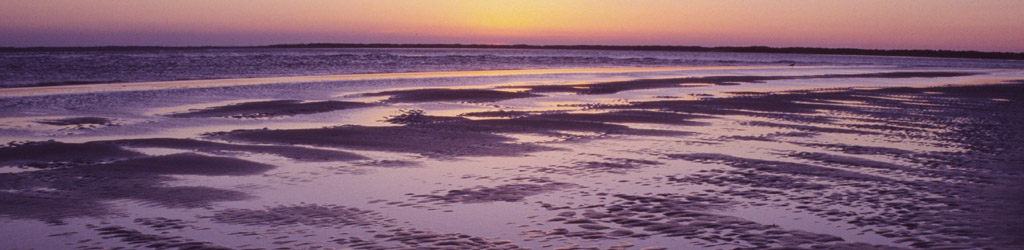
drainage trails among shells on beach at sunrise
This is a little more like it, even though it’s craven cheating. And while it’s not hard at all to tell what we’re looking at, the distinct shadows almost seem to impart greater depth to it, as if we’re looking at an entire landscape from a notable distance above. I suspect this is because we almost never see sun so low that it can produce long shadows from tiny objects, so our minds (well, mine, anyway,) tell us they must be bigger. Or am I overworking it?

A little bit

On an outing this past Wednesday, we found just a wee bit to photograph, mostly since the day had warmed considerably and this sparked a little activity. Not a lot – it’s still winter, so don’t go getting your expectations up, but at least there’s a smidgen to post that isn’t about being young and stupid, or old and cranky. Lucky you.

red-shouldered hawk Buteo lineatus enjoying the sun, maybe
We were paying no attention to the trees, and would have missed this red-shouldered hawk (Buteo lineatus) entirely if it hadn’t vented a call as we were nearby. It sat still long enough for us to affix our long lenses, then took flight immediately afterwards, switching to another perch in much lousier lighting only fifty meters off. But it’s that season, and the behavior of remaining fairly close was suspicious, so I began looking around carefully. Sure enough, there was a nest not too far from where it had originally been perched, but at this distance and angle I couldn’t be sure if it was a hawk’s nest or perhaps a grey squirrel’s.

unidentified, but possibly red-shouldered hawk's nest
I took a few frames in the hopes that close examination might show someone peeking over the lip, and I tried circling it to a better vantage, but the density of trees wasn’t allowing it, and I never saw any signs of occupants, so right now this remains unidentified. Something to try and keep an eye on, but this was in a park a dozen kilometers or so away, so it won’t be frequent checks. I’ve got a couple of promising nests right nearby to concentrate on, anyway.

Even the songbirds were scarce, though being out at midday might have had a little to do with it, since they like dawn and dusk better. A Carolina wren (Thryothorus ludovicianus – seriously, stick with the common name and don’t hurt yourself) posed nicely just long enough for me to unzip the camera bag, then moved to a spot with worse light and background, but I fired off a few frames anyway, because winter.

Carolina wren Thryothorus ludovicianus not quite posing
Annnddd for living, moving subjects, that was almost it. We’re getting close to the old and cranky thing again.

The frequent rains had flooded the banks of the river in places, and created a lot of mud. In one such puddle was clear evidence of a recent visit, but of course this took place in the dead of night and not in the live of afternoon while we were there.

tracks of North American raccoon Procyon lotor in shallow mud puddle
These are the tracks of a North American raccoon (Procyon lotor,) which was likely checking out the water, as they do, for fun edible stuff – not like it was going to find anything in this minimal puddle. But elsewhere, there were some pickings, for both raccoons and nature photographers. This was largely determined by the creaking calls, heard while we were still a short ways off and halting as we got close. However, a lot of close examination eventually turned up the vocalists, taking advantage of the warmer day (which may not yet herald spring, but they tend to get an early start regardless.)

barely submerged upland chorus frog Pseudacris feriarum posing in open
I had initially identified the call as coming from an American toad, but I was wrong! Instead, it proved to be upland chorus frogs (Pseudacris feriarum,) much smaller and about a hundred times more adept at remaining camouflaged and hidden, this photo notwithstanding. This was because I had spooked one from its cover at the edge of the water and it went a little further out into the puddle in a spot lacking stuff that it could get under, so it held still instead and counted on camouflage, not realizing that the common orange clay of North Carolina wasn’t matching the frog’s own coloration. They’re stupid, is what I’m saying.

pair of upland chorus frogs Pseudacris feriarum almost hidden in shallows
This image is a little more accurate representation of their habits, but still makes it seems like they wouldn’t be that hard to spot. However, the one on the left (you didn’t miss that one, did you?) would simply duck under that leaf as soon as anyone drew near, doing so again as we were getting the shots, and most times they sit right up against clumps of grass or leaves and appear as nothing more that a mud lump. Given that their maximum body length is about 30mm, it’s usually more than effective.

Their calls, by the way, are way out of proportion to their size; you really expect to see something a lot bigger than this, and standing at the edge of a pond or basin (or a mere ditch, as this was) when they start calling again, it’s almost confusing how distinct they sound, perhaps right there, and yet you can see nothing.

upland chorus frog Pseudacris feriarum peeking from water for portrait
This one was way too cooperative, but were we complaining? Having been spooked into the water, it peeked back out again after a few minutes, and our slower movements weren’t enough to chase it down again. The clump of grass and the bubbles help give an idea of scale: smaller that the treefrogs that I find so often, and way smaller than American toads. For some reason they’re not that common in my immediate surroundings (like within walking distance,) so I don’t have easy access to them to capture their life cycle, but perhaps I can find a key spot not too far away, because they’re common enough in the general area. We’ll just have to see what happens.

Well, okay, you’ll have to see – I’m gonna have to be actively searching. Typically this is anything from puddles to decent ponds, within or very close to wooded areas, so I at least know what to be looking for. You’ll know of my success, or lack thereof, soon enough.

Oh that’s sneaky

So as I said last year, I was endeavoring to photograph a Chinese mantis creating an egg sac, or ootheca, and never managed it. Actually, in all my years of chasing hexapods, I’ve done it just once – one lousy frame. Last fall, I had a likely candidate in the form of an obviously pregnant female (she said so on her FronsBook page, so I never had to ask or assume,) hanging out on the Japanese maple, but saw, and found, nothing. As the year waned and the leaves fell, I examined that tree minutely, and there is no ootheca on it – several bagworm moth chrysalises, but no mantis eggs. And none to be seen on the property anywhere else.

Over the winter, then, I began gathering oothecas out in the North Carolina boondocks as I came across them, but wasn’t finding many. I had two, up until an outing with Buggato this past Wednesday where I gathered three more. That’s enough, though they were all Chinese mantises (Tenodera sinensis) and so far no Carolina mantises (Stagmomantis carolina) – I’m still looking to add one or two of those if I find any.

But today, I elected to mount all of those found and place them in the yard for spring. They overwinter quite well, but should have the rains at least, so it was time to get them out. I went around to the old locations and collected the previous year’s mounting sticks to use again.

In explanation: mantids attach their egg sacs with a strong adhesive ‘foam’ that hardens into a husk, akin to that expanding insulation foam stuff you can get, and they always do this on the stiff stem of a hardy weed, or the small branches of a tree. When I collect them I keep a decent length of this supporting structure as well, and tie the far ends of this to a loose branch of my own, with the string well out of the immediate environs of the sac; this way, it all looks natural for photos, and I can place them in areas that I can easily (more or less, anyway) access for photos while providing a good habitat for the bebbies. Most of last year’s were still in place, so I opted to reuse them.

Gathering one branch from the front yard a few meters from the Japanese maple, I noticed that its ootheca was still intact, which happens often enough; they’re pretty hardy and may last for a few years before disintegrating. Though I thought I’d removed all of the old ones so I could easily tell when a new one was present.

You can see this coming, can’t you?

egg sac ootheca of Chinese mantis Tenodera sinensis on small tree in front yard
So close that it was even slightly adhered to one of my planted branches, an egg sac had been sitting right under my nose for months – I undoubtedly walked past it several times thinking it was the old one that I’d never removed. Worse, she placed it on an unidentified sapling that I had been about to remove as unwanted in the yard – gotta stay for a while now.

The evidence for this being the same mantis that I saw last year (linked above) is fairly high, though not conclusive – she was seen before and after depositing on a tree maybe four meters off, the only mantis that I’d spotted in the yard for quite a while. However, there’s enough cover that others may have been around and I simply missed them, though I won’t ever admit that here. The proximity to the location of the old one was mere centimeters; do they try to return to the site of their birth? There’s little reason to believe this, since breeding adults have wings, but there may be some genetic prod towards it given that the area is a successful habitat (obviously, if she survived to reproduction) – or there may be no prod at all, and it’s just a matter of happenstance anyway. Regardless, I have plenty of oothecas to watch, and perhaps shoot video of.

Completely different person

I’ve got a nice head start on the holiday today, which can serve as a reminder for others to produce their own contributions. People have a tendency to forget, perhaps conveniently, that February 26th is Remember The Dumb Shit That You’ve Done Day, but I’m happy to contribute because I figured, Why not? There’s no one reading anyway. True enough, it may well affect my job prospects at some point in the future, but then again, it’s right here under the ‘Ask an atheist’ banner and posts regarding my tastes for Duran Duran, so how much worse could it get?

The timeframe is the early 90s. Directly behind the apartment complex where I lived meandered a creek, but, you know, a respectable one, six to eight meters across? I’m going from memory, and we all (all none of us) know how that is, but bigger than a drainage ditch and smaller than the Mississippi, to give you the ballpark. I used to wander on trails alongside quite often, and at one point noticed with curiosity that a few thick, tough grapevines actually climbed into trees overhanging roughly the midpoint of the creek.

Now, you should know that I grew up watching reruns of Tarzan, the 60s version with Ron Ely and Manuel Padilla Jr, and thus heavy vines were the sole means of crossing the jungle without stepping in Cheetah poo. This meant that, as I eyed these vines on the banks of the creek, I pondered whether, cut free at the base, they would serve as this very mode of transportation. It was idle, never-gonna-happen thinking – up until one day, I found that a beaver had gnawed through the base of a prime vine and it now hung freely out over the middle of the water, but with a fallen log stretching within reach. That’s a sign, that is.

Coincident with this was being out with my cousin and a friend, and (despite all being in our late twenties) you know what happens when you get a group of boys together. This idea had to be tested, and there was no argument that I was going to be the one to test it.

I scampered out on the log, fetched the now-hanging end of the vine, and brought it back to the shoreline for firm footing. We all eyeballed the distance, and I tugged on the vine to determine that it really was deeply anchored high overhead in the branches. It all looked feasible, and I prepared for the launch.

Pause here while we deal with reality, and the bare fact that vines only have to hold their own weight, without the addition of an albeit (Hah!) ridiculously skinny nitwit, and anchor only among branches, not knotted around thick boughs like an OSHA-overseen climbing rope would have been. Yes, TV really does prompt kids and even immature adults to believe silly things. We have the recipe all laid out now.

I drew back, I kicked off, I swung…

… and I MADE IT! All the way, smoothly, and only getting my ass wet since I hadn’t gripped quite high enough on the vine, but I scrambled triumphantly up the opposite bank to the cheers and laughter of the other two, who I must admit still declined the honor themselves. It’s hard to describe the manic feeling of success and amusement, and naturally I wished there had been more witnesses. We never thought to photograph this, because of course the initial odds of success were not encouraging, and who wants to document getting dunked in a muddy creek?

But the vine was still there…

The following day we returned, armed with two cameras. Again, early nineties: no smutphones, no video cameras (those existed, but were too expensive for any of us to purchase for such occasional use.) I had my trusty Olympus OM-10 I believe, and my cousin had some point-and-shoot jobby. Our friend went to the landing bank with my camera while I once again snagged the vine and girded my loins or some such rot.

the author preparing to do something foolish for the second time
Yes, that’s really me, though I’ll deny it if anyone I know asks, while my unrecognizable cousin is backing me up from a safe location. But we already knew it would work, so this was just for the record. I remembered to take a higher grip to keep from getting wet. And with assurances that the cameras were ready, I kicked off.

the author realizing the folly
This is pretty much the exact time that I knew something was amiss, because the branches, so sturdy the day before, began to relinquish their hold on the upper reaches of the vine, allowing it to slip downwards. Again, it’s hard to describe the feeling, but OhFuck works well enough I suppose.

Bunched up as I was, just able to clear the water had the vine remained steadfast, the extension of a meter or so was enough to plunge me almost completely into the creek. It was still early spring, so not really swimming weather, but I never let go of the vine and could use it to help haul myself out of the water; the fallen log that had allowed me to snag it in the first place now gave me a way to get out without slogging to the bank. No cheers this time, but they were kind enough to maintain the laughter at least.

the author regretting nothing
The reason that I have no qualms about posting this here is that no one who knows what I look like now would ever believe that I once looked like this. Oh, no, that’s some other Al Denelsbeck, I could say dismissively. It’s a ridiculously common name. And they, looking at that flat belly, full head of hair, and not-at-all-dashing-or-sophisticated smile, would readily believe it.

And yes, those pipecleaner arms were still capable of holding me firmly to the vine; it was the vine that failed to keep up its end of the bargain, apparently having never watched Tarzan to know what was expected of it. Meanwhile, on seeing these for the first time, The Girlfriend remarked that I hadn’t managed to lose my glasses even with the dunking, a cheap shot (but accurate.)

I believe it was the same span of days when we discovered a swinging rope, a proper one, strung out on another section of the creek; this one was obviously not intended to facilitate crossing, but only to deposit someone out into a deeper expanse of the water. As I said, not really swimming weather, but we still decided to try it out, just electing not to let go on the far end, but swing back to shore again. This went without mishap save for one exception, when our friend (I’ll call him ‘Vic’ for convenience, because who the hell is named Vic anymore?) lost a bit of momentum during an odd maneuver and was in danger of stalling out over open water. While he was still barely coming within reach, I stretched out to try and draw him back in and, through his spinning and my flawless aim, managed to sock him squarely in the jaw – it was an accident, I swear. I still vividly recall his head rocking back – and then he burst into laughter (see pipecleaners, above.) It was that kind of weekend.

*     *     *     *

Oh, hell, while I’m here. This all reminded me of a similar story, from many years previous. The same cousin mentioned above has a brother, by a curious fluke of genetics also my cousin, and back when I lived in New York and they lived in New Jersey, I would go down for visits. Their immediate neighbor had a climbing/swinging rope out behind their house, bordering a small patch of woods. Once, idly screwing around as adolescents do (we were middle school age, if I recall,) I was swinging on said rope, which had been there for years, and heard a couple of telltale pops up near the anchor point. I immediately dismounted and peered up at the top, noting that it was stained darker at the knot; it was beginning to rot away. Cousin 1 witnessed this, but Cousin 2 was elsewhere at the time, and later on when we saw him, we warned him about the failing rope.

Fast forward to the next day, when Cousin 1 and I were not too far from this rope, and Cousin 2 came barreling around the corner towards us. Veering off at the last second, he hit the hanging rope at full speed and swept up into the air even as we were reminding him of the danger. The rope could have parted right at the highest stress point near the end of his arc, hurling him up and out into the woods, but it held just long enough to shed all of his momentum, whereupon it gave way completely and dropped him without ceremony flat on his back from roughly three meters up – it was quite a sight, punctuated by his tortured whimper a moment later. We ended up half-carrying him back to the house for triage, where he was determined to be only bruised, in both body and ego. But yeah, how badly we needed action cams back then.

Profiles of Nature 8

newborn Chinese mantis Tenodera sinensis hiding among azalea blossoms
This week we’re getting acquainted with Mordecai, part of our Street People series, candid slices of urban blighted hellscape. Mordecai is a member of the “Mants,” a gang that holds sway over the Azalea Bush On The Right, and takes no shit from anyone; he’s been known to spray-paint trite, unoriginal designs onto walls where the cops can’t see him if anyone even rolls their eyes at his manner of dress, that’s how badass he is. He’s proud to tell anyone that he doesn’t care what they think. Frequently. But when we got him to open up a little, we found that he’s actually quite talented, adept at bending paperclips back into original shape and not getting his crotch wet when he does the dishes. In his youth (well, more youth,) he persevered until he memorized the titles of every Schoolhouse Rock short, which certainly took a lot of Saturdays. Among his pet peeves he lists, “Putting the knife edge-side out on a place setting,” and, “People that pay any attention at all to personal trivia.” Mordecai is wont to inform listeners that, when the shit was going down, he was right in the middle of it, not realizing that this is all usually meant figuratively. His favorite spin is 32h.

Join us next week – you made it this far, you might as well find out if it really can get worse!

1 129 130 131 132 133 329