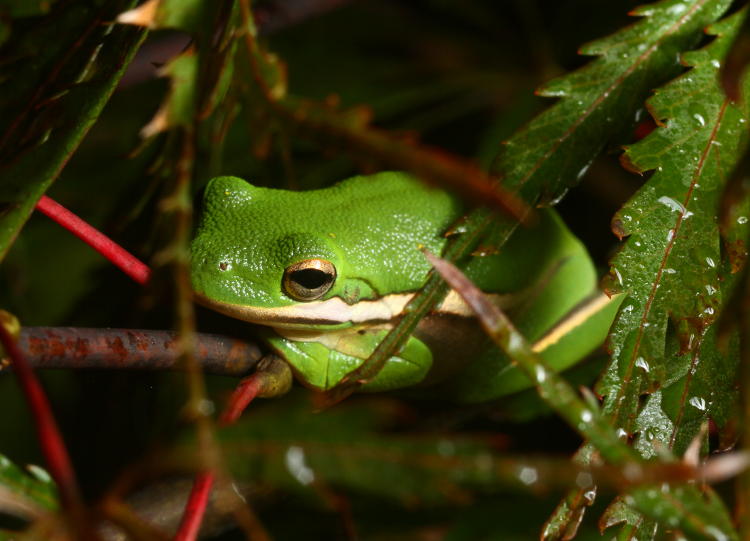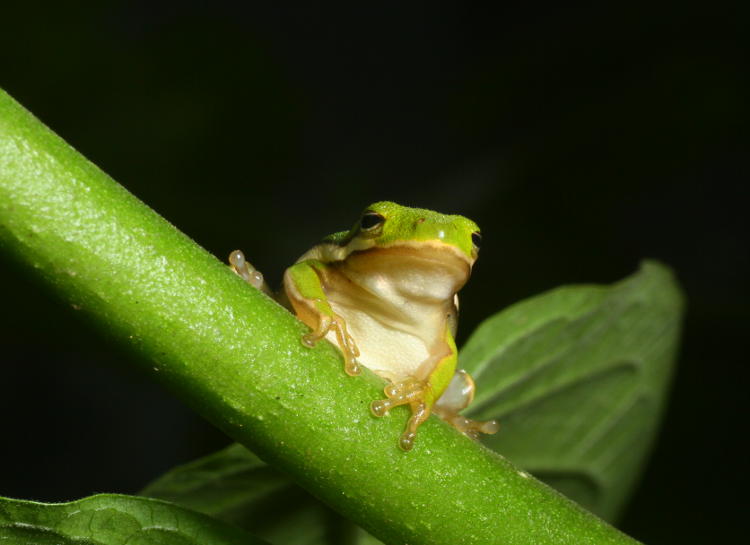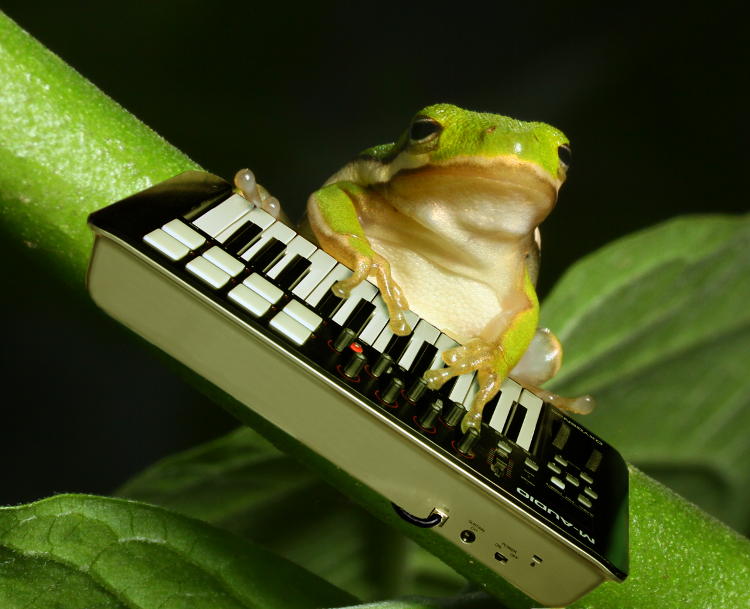


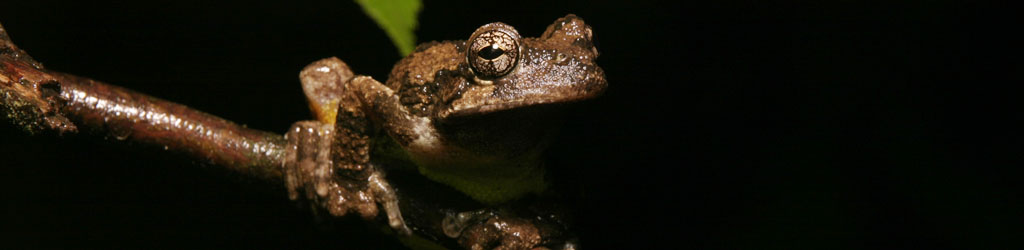
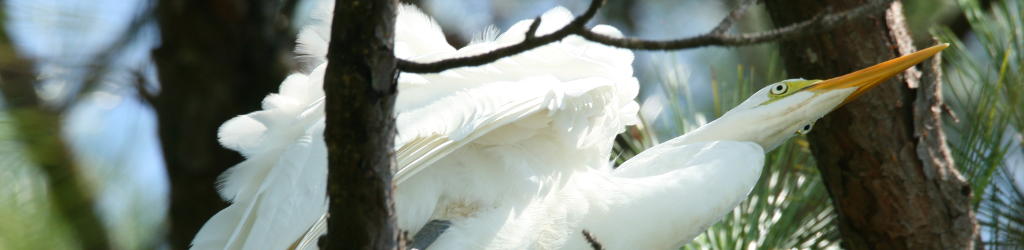
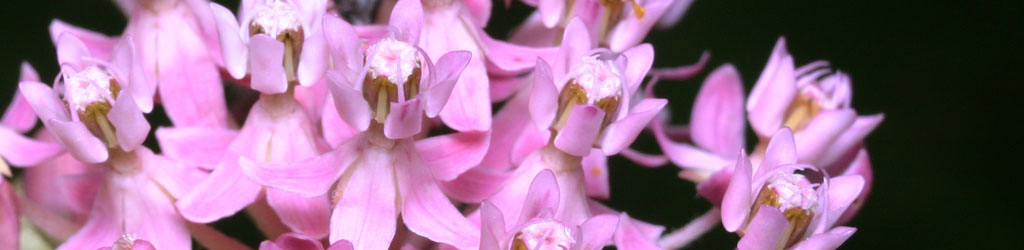
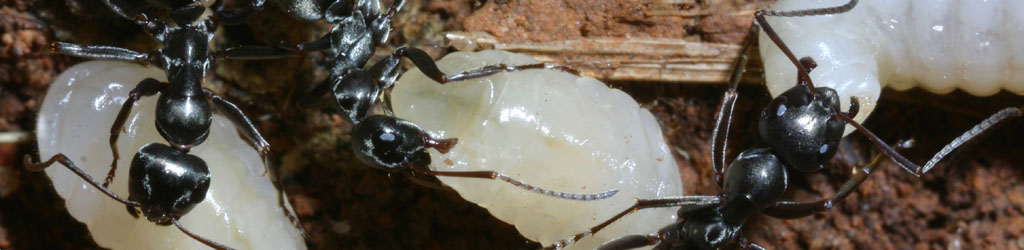

Always with the lizards and pollen

Yeah, I know: trite, trite, trite. But if I didn’t post my latest efforts, someone might believe that I was avoiding such subjects, like some kind of hipster. And I’m far from having a manbun, believe me.

So, briefly, we’ll review some of yesterday’s photos – some from the botanical garden, and some from the sprawling estates of Walkabout Studios.

The NC Botanical Garden reopened recently, and The Girlfriend and I did a brief tour yesterday to get back into the swing of things. On the previous trip, taken the last day it was open, we’d witnessed no small amount of reptile drama; this one was a bit less active, but we likely saw the same black rat snake as earlier (same size, in almost the same location,) and just a few lizards.

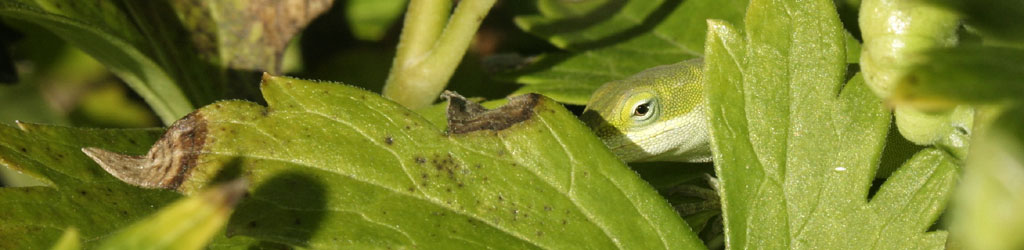
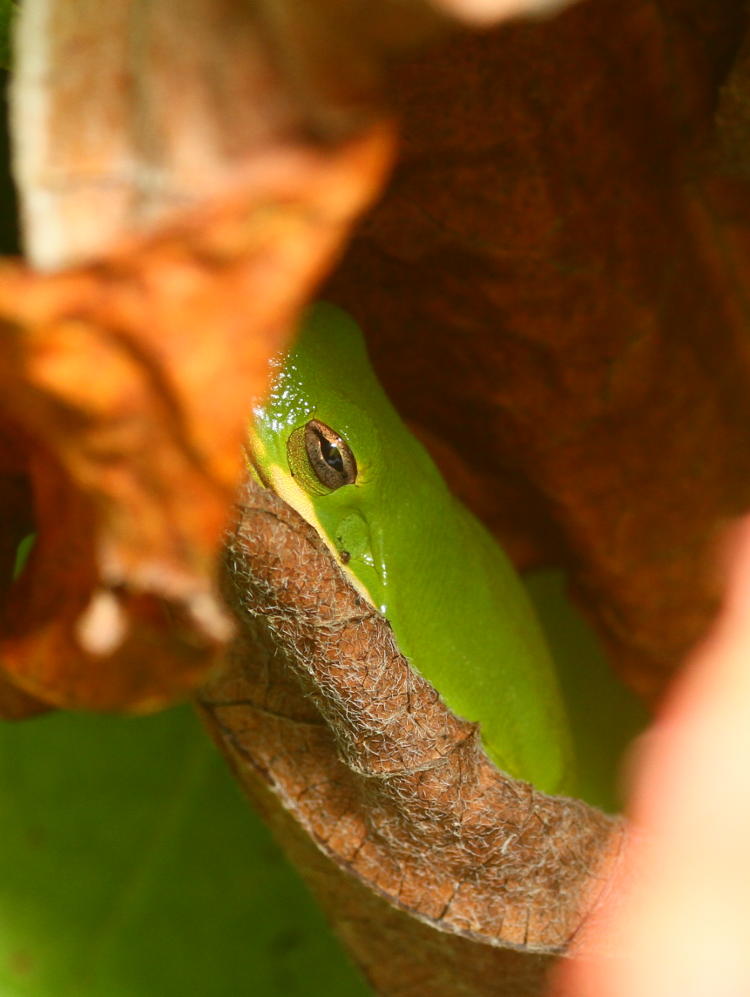
large ornate eastern fence lizard Sceloporus undulatus hiding within foliage
I spotted a couple of eastern fence lizards (Sceloporus undulatus) that went for cover immediately, but this one paused within the foliage and I was able to lean in and get a little detail. It had the most vivid markings that I’d ever seen, and was pretty large as well; I wish I’d been able to get a clearer shot, but the defocused foliage is a nice effect, and at least I know where to find the lizard again. Maybe.

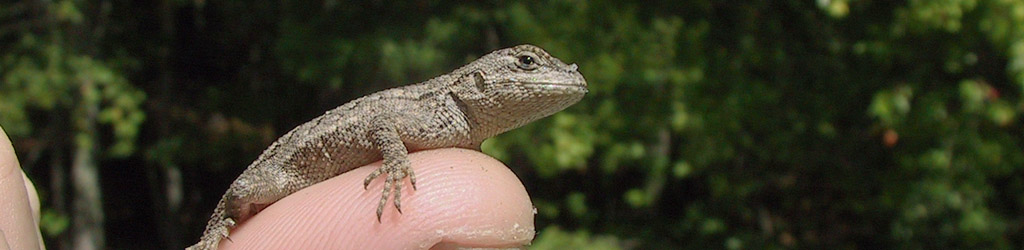
While in another part of the garden, a very small juvenile Carolina anole (Anolis carolinensis) might have avoided my attentions entirely if it had held perfectly still, rather than leaping to a new perch as I approached, but fine – if you ask me to take a picture, I’ll do it. And I’ll spare you The Girlfriend’s reaction to it, partially because I couldn’t do it justice in print and also because I can’t get my voice pitched that high. Suffice to say, she found it cute.

juvenile Carolina anole Anolis carolinensis perched on thin reeds
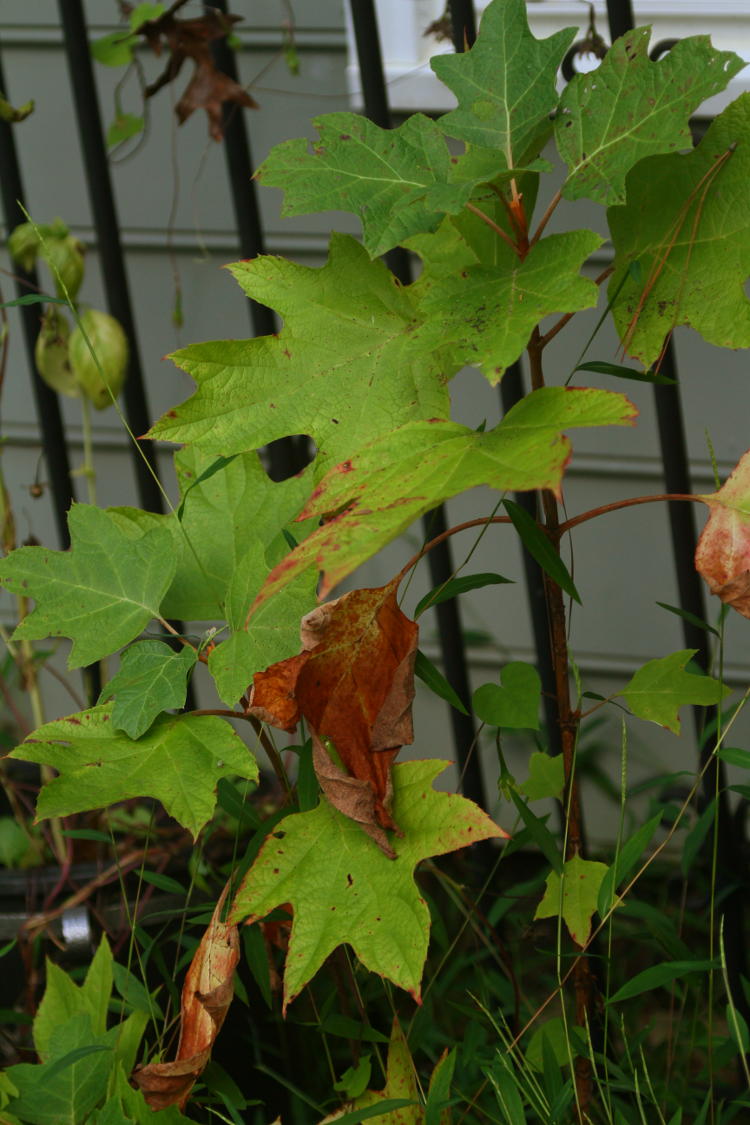
This might have been a shade bigger than the one I spotted (only once) on our property, but not more than that. It could hide in a nostril, is what I’m saying. Let’s have a full-length look, as it moved to the oak-leaf hydrangea only centimeters away.

juvenile Carolina anole Anolis carolinensis perched on oak-leaf hydrangea Hydrangea quercifolia leaf
Ya gotta love the pleasant blend of coloration. I need to paint my car like this…

Back home late in the evening, I checked on the flower pots out back and noticed that a few of the four o’clock flowers were opening. It’s been a while since we’ve seen these. Naturally, I had to go in close to get that vivid yellow pollen against the red petals.

pollen of four o'clock Mirabilis jalapa flower in tight closeup
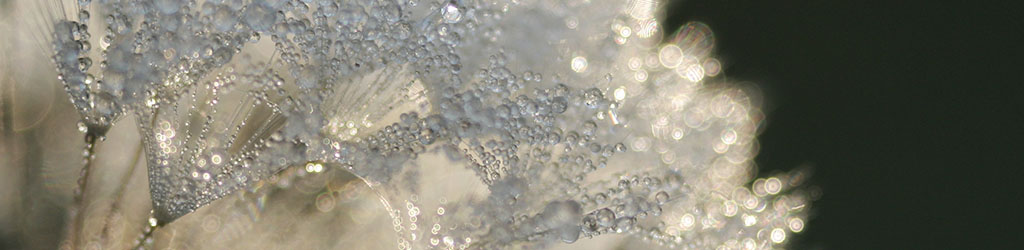
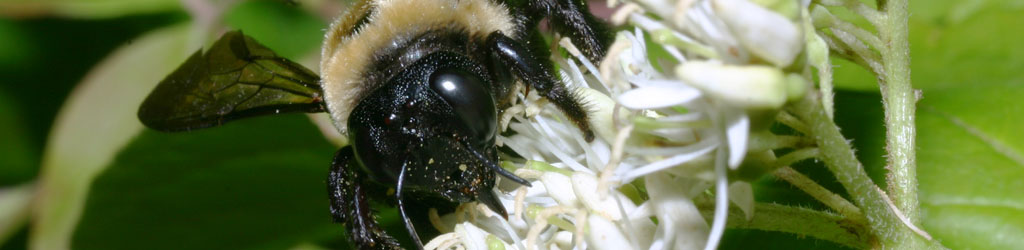
These colors and shapes are so distinct, they ended up in the rotating header images at the top of the page, though my previous strain was considerably more pink. Capturing them isn’t easy, because the magnification has to be high, which means the focus range is extremely short, and the vibrations of the flower on the thin stems, not to mention my own typical wobbling in position, means sharp focus occurs in fractions of a second. Still, perseverance pays off; let’s go in closer.

pollen of four o'clock Mirabilis jalapa flower in tight closeup
This was taken with the reversed 28-105mm lens, and if you’ve been paying attention to the posts when it appears, you’ll know it can do some wicked magnification. But if not, I can provide a bit of scale, because truth be told, I’d forgotten myself how small the pollen is, so I made it a point to do something illustrative.

four o'clock Mirabilis jalapa flower against fingertips for scale
At some point, I intend to collect some pollen from both these and the morning glory blossoms, and get them under even higher magnification, either the microscope or the lab scope that I finally created a decent mount for, because the pics I have hint at some details I’d like to see better. We’ll see how soon they appear, I guess.

But how? Part 27: Not even the start

We’ve long departed the question format and are now delineating how many ways religion is merely a sop to ego and wishful thinking, and this one is perhaps the most distinctive evidence of that trait. So let’s look at how proving the existence of (a) god would barely even be a start.

I’ve encountered a lot of rationales behind believing in the existence of god – and the vast majority of believers seem to think that this could only be a singular thing, no recognition of the myriad gods throughout history and presently across the globe, no attempt to distinguish any in particular. With no exceptions that I can bring to mind, all of these were far from what we could charitably call, “robust;” most were so flimsy that they wouldn’t even make it to a standard arraignment, things like, “Everything must begin someplace,” and, “I had a vision,” and, “This many believers can’t be wrong,” and the latest that I’ve heard, “It’s impossible for all of this to happen by chance.” Yet I’m not here to point out the pathetic nature of these ‘proofs’ for an omnipotent being (even when this aspect really should be highlighted frequently,) nor that proving an omnipotent being is actually impossible. Instead, we’ll make a huge and unwarranted assumption that any given one really can serve as proof, and move on to the key topic, which can be characterized simply by saying, “And?”

Let’s take the latter argument first, the one saying that such things couldn’t happen by chance (again, impossible to prove in any way, but we’ll assume that it has been.) This establishes nothing more than a non-chance factor, which could be as simple as a new law of physics, or extra-dimensional interference, or yes, even a directed and sentient being. And everything in between. Choosing any one, or even ruling out any given aspect, would take a lot more evidence, some very specific proofs. When people started noticing how well the coastlines on both sides of the Atlantic seemed to fit together, as well as the similarity in both geology and fossil finds on opposing continents, and first proposed the idea of continental drift, the immediate response was, “But how are continents supposed to move?” While intriguing, the concept wasn’t considered very useful until this method of movement was not only proposed, it was proven to be taking place currently – this took no small number of interconnecting bits of evidence. Imagine, if you will, trying to establish the difference between a new law of physics and a dimensional rift, for something that happened nearly 14 billion years ago.

Or let’s assume that we’ve proven that a ‘vision’ was something more than imagination – somehow, I’ll let you hash out the details. How, exactly, would we know who or what it was? How could we trust anyone’s assurance that it was the virgin mary and not isis, or izanami-no-mikoto, or tiamat? I mean, none of them had their appearance recorded in any verifiable way, and none of them spoke English. We’d best be producing something a lot better than, “female” – especially if we want to convince the followers of all other religions. But for something useful, the message had better be pretty specific to account for all of the ways such a thing could be interpreted – which should not be outside of the powers of any supernatural being of course. It’d be pretty pathetic, really, for any such message or vision to have any vagueness whatsoever.

It gets far, far worse. No religion, no scripture, no faith, that I’ve ever come across is not rife with varying interpretations, multiple versions, different sects, and countless disputes, some of which get quite bloody. Oh, you’ve established that the christ story really took place? Well, is it the catholic god, or the protestant god? This isn’t a trivial distinction, since not only do they have wildly different accounts of afterlife and redemption, it remained a bone of contention between England and Ireland up until very recently. Even in the very early days of christianity (like within the first century,) there was a rift and disagreement over whether christ was a human with divine influence or a wholly supernatural being, something that scripture (no matter what version) fails to address entirely.

And the choices are not limited to only two – they may, in fact, be extremely difficult to count. I’ve said before that there’s more evidence for every religious person’s concept of god to be different from all others, rather than for any consistency even within a local church, so for religion to be of any guidance, pinning down these details is actually paramount. What are this being’s actual views on abortion? Especially given that it’s not actually spoken of anywhere within scripture. Is eating shellfish really a damnable sin? Are women really just baby-makers? And what’s with the huge disconnect between the creation stories and every last bit of physical evidence that we have? What kind of game was being played here?

Further, imagine now trying to convince muslims, and buddhists, and even jews, that they’re all wrong and this particular sect, whatever it is, is the correct one. I mean, you’ve got the evidence, right? So there’s no chance of abject denial, or pushback, or any further holy wars and conflict? I’ve long said that just having religious people agree on only one religion, even the broader interpretations, would be a start towards proving the existence of a god, and that’s because overcoming simple human nature in this manner would be a superhuman feat. So sure, prove me right.

It gets even worse, because all this, so far, has assumed that at least one of our concepts of a god and its intentions is correct, while it remains distinctly possible (especially given the huge variations in religious thought across the globe) that none of them are, and we’d have to determine what, exactly, are the thoughts and goals of this supernatural being. None of the collections of scripture that we have are very comprehensive in that regard, usually far less so than we believe, since churches and priests and so on have been filling in the gaps and ‘interpreting the metaphors’ for centuries now; most christians, for instance, are unaware that hell receives no mention whatsoever in the old or new testaments, and remains a concept cribbed from the Mesopotamians. So there really should be a lot of legwork to determine what this god’s intentions for mankind are.

And that’s assuming that any communiqué that we receive is trustworthy, regardless of whether we feel comfortable with having a god that matches any of our previous descriptions. If we’re brutally honest with ourselves, many of the scriptural accounts are of beings too petty to put faith in, often demanding ego-stroking, and too often displaying a rather cavalier attitude towards its own previous pronouncements and ‘plans.’ Who’s to say that what we receive is actually truthful? Science fiction, at least, has made recognition that mere mortals may bear little to no significance to any being that can create at will, and let’s face it, we’re pretty damn petty ourselves, not really displaying a lot to be proud of. We could simply be a casual pastime, an experiment, or even the project of a sadist. How are we to know?

So yeah, the questions! There are millions of them, just regarding the proper interpretations of vague scripture all by themselves, to say absolutely nothing about the ones not covered or even hinted at. And then, then, you have the billions that would arise over the very existence, structure, and processes of a supernatural being itself, of enormous interest to the scientific community as well as the merely curious, or for that matter, everyone that is not simply looking for validation in their personal choice in the first place. And all of the Why questions? The purpose of it all, the rules of the game, the definition of evil (much less the necessity,) the processes of afterlife, and on and on and on. If you imagine the number of things we would have to study about any form of extraterrestrial life that we might actually encounter, multiply these exponentially for a supernatural being or force. To start.

This highlights something that I’ve pointed out numerous times before, and that’s the idea that real information, useful knowledge, isn’t about mere self-indulgence, but serves to advance us, improve our lives, enrich us, and so on. It answers questions even while posing more, but most of all, it gives us something to work with, something that predicts and explains and forms a building block for even more improvement – this describes virtually every scientific achievement that we’ve made over the centuries, even the ones that took decades to show their value. Just finding out, for example, that chocolate is the most popular ice-cream flavor can lead to questions about how and why, and what functions this provides within humans to become this way, maybe what areas of the brain it triggers, and so on. The bare fact of chocolate’s popularity is, by itself, of little use.

The kind of people that find some simple factor is acceptable as evidence of any kind of god are only seeking gratification, and to be sure, when it’s as vague as “god,” anyone can and will interpret that to mean their own; well, hooray for that tidbit. That puts us no closer to finding the True™ path than before. And in fact, when it comes to providing guidance for humans, to get along, to achieve peace, to improve ourselves and our culture – the one thing that all religions can agree is their primary value – this puts us even further away from it, promoting false confidence in “the way” rather than inducing any actions to actually find it.

Which introduces another telling aspect. Atheism, for instance, doesn’t have anything at stake: there’s no penalty for the wrong belief, other than what humans end up doing to themselves in the names of such beliefs (which is significant enough, to be sure, and where secular humanism picks up the reins.) But most religions across the globe are pretty adamant about the penalties of incorrect faith, of following false idols, or even just ignoring key tenets while following the correct ones. With this kind of danger hanging over their heads, consequences that may involve reincarnation as lesser beings all the way up to everlasting torment, you’d think that the search for exacting evidence, the support for the one proper path, would be absolutely paramount in the minds of the religious; they simply cannot afford to be wrong. And given many of the scriptural accounts of what happens when a god is displeased with humans – even if we (rashly) consider these to be only metaphorical – the consequences may go well beyond the strictly personal, so any and all individuals bear the responsibility of ensuring that they’re absolutely correct.

Thus, the criteria for evidence should be exceptionally demanding, shouldn’t it? In fact, it may become never-ending, but at the very least, anything that is open for interpretation, that could be mistaken for chance, that might apply to a range of the world’s deities (or a new law of physics, or extra-dimensional interference,) wouldn’t be anywhere near enough, and would likely not be considered evidence at all. If it can be questioned, it’s not sufficient – we can’t afford to screw up.

Given that this is hell and gone away from what we actually see from a very large percentage of religious folk, we can only wonder what they do believe, and/or what they’re hoping to accomplish when settling on their specific faith. But it’s safe to say that the benefit is minimal if not nonexistent.

Of course, I have to put this here:

I feel I should clarify

The lead image for the previous post, the infra-red-yet-kinda-beige one? Well, there was no intention of making it match the background color of the blog; I was just tweaking the color register away from the washed out blue-grey of the original file, and found that I liked it as a bit richer than sepia tone. The photo editor of course does not have the same background as the blog, and there was nothing to compare it against, and as I was proofing the post before scheduling it to appear, I wasn’t really paying attention to that aspect because I was looking over the text for typos and syntax errors (not that I was correcting them, mind you.) The photo was already done so it was out of my mind.

One could argue that I subconsciously aimed for a matching hue, which could be true: it’s not only very close to the color we settled on for the repainting job mentioned in that post, it’s also within a shade or two of the color that I painted my own bedroom in, back in New York in the eighties (yes they had color paint back then.) Then again, you can imagine the same image in a blue or green register and realize that they just wouldn’t work as well, and strictly monochrome was a little too boring. I’m not even defensive over the choice – I just wanted to say it wasn’t intended to match, and honestly, it doesn’t, it’s just close.

I don’t care if you don’t believe me.

On this date 34

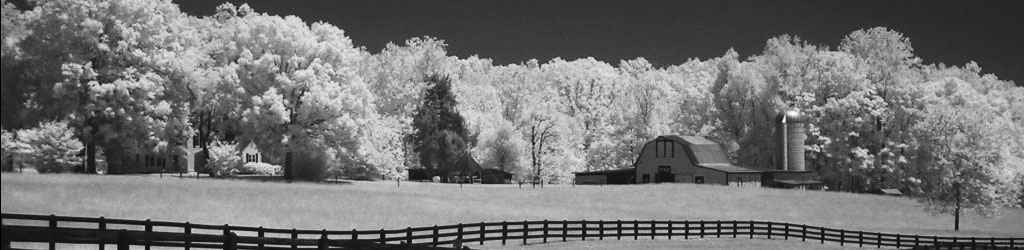
Blue Ridge mountain outcrop in infrared
It’s funny – just a couple of days ago, I realized that I hadn’t posted anything since the previous On This Date post, and was worried about that. Guess I filled in the gap…

Anyway, our first entry is from 2006, one of the few trips that I’ve taken to the Blue Ridge Mountains. This time, I was playing with infra-red photography with the Canon Pro-90. It didn’t originally look like this, however; the in-camera effect is monochrome in the faintly purplish range, and much lower contrast, so this has been altered, playing with the color registers. I kinda like it.

By the way, see that shadow on the road? That’s a car passing during the one-second exposure necessary for infra-red. If you look even closer, right at the height of the road’s edge, you’ll see that it had its running lights on. Such composition!

Following, we have another trivial curiosity. All three of the images below were back-to-back in the spreadsheet that I created for this: 2008, 2012, and 2013, all from the Arthropods folders – just, not the same folder, because I have over 22,000 digital arthropod images. But still sequential when you start with the month and day…

trio of images of dragonfly, mantis, and mantis with green lynx spider
Isn’t that veird?

I must also note that 2012 was easily the most productive when it came to arthropod images, because I amassed 6,693 for that year alone – and those are the keepers. Nary a bug in North Carolina went unphotographed…

Finally, we have an entry from just last year, which allows me to pin down exact dates of last year’s events, since I took this while my brother and I were doing a brief outing before putting him on a plane back up to New York.

great egret Ardea alba preening in tree canopy
I’d done a vacation trip to Ohio and New York, and driven back down with my brother to enlist his help in painting the living room/stairs/upstairs hallway – due to the curious design of this house, they’re all contiguous, so it was a major job involving high walls and vaulted ceilings. The Girlfriend still enthuses over the improvement, so we’re good.

Oh, the pic? Yeah, it’s a great egret (Ardea alba) in a tree overhead, letting me get a lot of cool frames, among them this one. The birds are simply falling over themselves to have their pictures taken by me. Now, if I could only get them to think about the clutter, and perch in better locations…

Building slowly

silhouette of green heron Butorides virescens in typical perch on log
Despite some modest success recently, I’m still pursuing the green herons (Butorides virescens) at the nearby pond. They remain as secretive and shy as ever, but I’m slowly finding ways to subvert this, so the collection of photos is growing.

A state of affairs I’ve been able to exploit has been that one heron, at least (there are several, with no way to tell them apart yet,) has taken to hunting from a snag within fairly easy view of shore. Of course, the heron has an easy view of me, too, so I have to move in slowly and take advantage of the times when it’s hunting, thus less aware of closer approaches. The green herons seem to suffer from inattention blindness, or perhaps focusing too intently, because when they’re looking like the frame below, you can approach them a lot closer than normally.

green heron Butorides virescens posed on snag
The pond is quite active with tiny minnows, so the herons have plenty to feed on, and it’s usually not a long wait for some action. This was approaching sunset, with the sun almost directly behind the heron – not ideal, but whatcha gonna do?

green heron Butorides virescens watching water intently
I thought I had a great opportunity for a fish capture here, but after a few moments the heron turned around and began hunting on the other side of the log. Spoilsport.

green heron Butorides virescens making strike at minnow
At least I was ready when the strike occurred – which still can be hit-or-miss, both from the heron’s standpoint and from the photographer’s. The strikes happen so quickly that timing is somewhat up to chance, not at all helped by shooting from the shady side and thus losing the shutter speed advantage that brighter light would bestow. Still, this one isn’t ruined by motion blur, so it could be worse.

green heron Butorides virescens with successful capture
But the position meant the little minnow that the heron captured remained hidden behind the log most of the few seconds it was even within the bird’s beak, and when it wasn’t, it was moving. So, yes that’s a fish, but no, I’m trying for better than that.

green heron Butorides virescens with head almost hidden
I happened to like this one for the barely visible eye, which was actually intentional on my part (while the heron was once again hunting on the far side.) These are all shot at 600mm, by the way, and cropped tighter afterward, because I still can’t get terribly close. One of these days I’ll pace it off for accuracy, but right now I’m estimating it at 12-15 meters off. I at least took a seat on the ground for these, gaining a little stability.

green heron Butorides virescens beginning stalk
Much as it might look like the same conditions, this is actually the morning a few days later, with the light coming from the right direction – when it wasn’t shielded by clouds. So much for planning.

green heron Butorides virescens adopting striking pose
Still fishing on the far side, but at least I had a good view and a semi-comfortable position to remain in. So I was more than ready as the pose and intensity told me a strike was likely to happen any second. This happens frequently, but then the fish goes deeper or moves off, and the heron relaxes again. Not this time, though.

green heron Butorides virescens super-extending neck during strike
Hazzah! Damn, that looks painful, but it illustrates how much neck remains hidden in those feathers most of the time.

green heron Butorides virescens with successful capture
Success! So you know, the heron will retain such captures for a few seconds on average, quickly juggling it into a head-down position to be swallowed easily (lots of fish have spines on their dorsal fins to prevent otherwise.) In moments, it’s gone. On occasion, it takes a little longer though.

In fact, it was watching this, and thinking about the sequence at that link, that made me go out this morning with the macro-tripod in the hopes of catching such a thing on video. Alas, it was not to be today. I spotted the heron on this same snag initially, but realized that I forgot the ground pad; the rain has been recent enough that I’d be soaking through my pants by sitting on bare ground, and while I’ve done this, I prefer to avoid it when I can. In the few minutes it took me to return, the heron had moved on, likely spooked by someone walking their dog up to the shoreline nearby. I circled the pond and spotted two close together, but in the typical cover conditions where no clear view is forthcoming, plus I was standing upright and leaning out on the very edge of solid footing to get the shot below. Not the kind of conditions to try shooting video within, even if the heron had deigned to hunt instead of staring at me suspiciously. Another time.
green heron Butorides virescens peering out from semi-concealment

Frog Monday

Posted with a nod to the Inestimable Mr Bugg, who told me weeks ago that he was going to do his ‘Frog Friday’ topic for August, but then apparently the server lost his posts until recently. Meanwhile, I waited on my various frog pics so as not to upstage him, and now appear to be copying him instead. Ah well.

Our first is the most recent, a peculiar portrait that I couldn’t pass on.

green treefrog Hyla cinerea hiding in ant trap
“What the hell am I looking at here?” I hear you say, and normally I’d let you figure it out for yourself just for using profanity, but fuck it, I’m feeling generous. Because of ant raids, I’d constructed a little ant trap on the hanger for the hummingbird feeder on the back porch, a simple device from a plastic bottle that retains water around the wire so ants cannot cross; it’s been there for years now. After heavy rains the other day, I was up on a stepladder cleaning out a clogged gutter, glanced over and saw the bare hints of this individual (which is a green treefrog, Hyla cinerea,) so of course I needed the photo.

After this, I reached in there carefully to see if I could nudge it into better view, and it panicked and leapt out of the bowl in one great arc, landing on my camera lens – for obvious reasons, I could not get a pic of this (because it would have required using my phone, and you know how I feel about that kind of bullshit.) Anyway, it was transferred over to the porch railing without further drama.

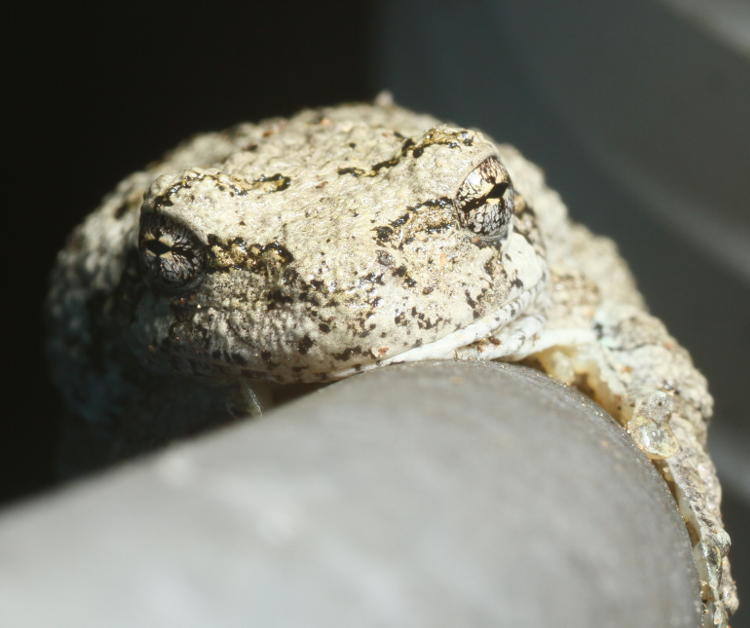
juvenile Copes grey treefrog Hyla chrysoscelis on tomato plant
Back at the beginning of the month, I found this tiny little guy perched like a jewel on the leaves of one of the tomato plants by the front steps – it’s a juvenile Copes grey treefrog (Hyla chrysoscelis,) and is slightly larger than a Japanese beetle in size (which puts it less than 1/4 of adult length.) I’ve kept a wary eye out ever since, but have never spotted it. This isn’t too alarming, because the number of places in the immediate vicinity where it could find cover are great, but still…

We’re going to be alternating greens here.

green treefrog Hyla cinerea calling at night
This one’s even older, coming from the beginning of June, but another green treefrog was calling on the edge of the nearby pond one night – you can see the half-inflated throat pouch and the fully-inflated belly, which will switch places during the active call. I liked this one, however, for the placement of the hind foot, clasped against the belly like that; added oomph to the call, is what I’m guessing. I hope it worked in helping to find a mate – evolving clever frogs would be fun to see.

How about something more ominous?

Amercian bullfrog Lithobates catesbeianus looming from darkness because of mis-aimed flash unit
I have plenty of photos where a mistake was made, or something didn’t turn out as planned, and I usually toss them during the sort. But occasionally, an unintended effect comes up and makes me keep them, and this is one example. I’d forgotten that the flash was aimed for a different subject, and as I corrected it after this frame, the American bullfrog (Lithobates catesbeianus) disappeared, but the under-exposure gives it a nice looming quality. Plus the framing lends a little idea to the size of the specimen, which was appreciable: it would have overlapped my open palm easily, and could swallow a mouse. I’d love to be able to catch one eating something (or indeed, any of the various frog species here in some kind of action,) but even getting close to them requires stalking at night with bright lights to dazzle them, and then they’re too sensitive to impending danger to act naturally. Maybe someday I’ll figure out how to accomplish this.

And our last green treefrog. For now.

young adult green treefrog Hyla cinerea perched on edge of birdbath
This one was perched on the edge of the birdbath in the front garden one evening, so I quickly got a few frames before it moved on. It would be easy to believe that the treefrogs are fond of ponds, birdbaths, and other water sources, but in truth, they’re only used for laying their eggs, and otherwise treefrogs inhabit a fairly dry environment, despite their need to remain moist. They’re usually not out in the rain, but may emerge soon afterward, seeming to prefer post-storm conditions for mating. So no, this guy wasn’t swimming in the birdbath – it just happened to be a handy spot on its nightly perambulations. This was roughly half adult size, so about as big as the top joint of my thumb, and seems to be hanging around the front area, which I’m doing nothing to discourage – except [ahem] that I keep looming into their faces and firing off bright lights. But we’re maintaining a lot of plants and even light sources to attract insects, offsetting the negative aspects more than adequately, I hope. The numbers have noticeably increased, so we’re not doing anything too wrong.

Vanguard

closeup of morning glory Convolvulaceae blossom
Yes, it’s been postless around here for a few days – just one of those weeks, when the time and the desire to post were not coinciding. That’s changing a little, so right now, we have a single image to lead the way, with more to come, hopefully tonight, but within 24 hours anyway. That single image is of the first blossom from my morning glory seeds, planted late in the year but doing well now; it was a variety pack, so I had no idea what would actually erupt, but I’m pleased with this color, at least.

Doing a quick search on the scientific name for the flower, I found that there are a lot of varieties, and the taxonomy is in flux anyway, so we’re just going with the family of Convolvulaceae for this. Which answers a barely-smoldering question in the back of my mind for decades, since when reading the Durrell books, from time to time he would refer to the convolvulus flowers decorating his boyhood home, and I always passed those by vowing to look them up someday – now I don’t have to! “Sit unmoving on your ass long enough, and it’ll all come to you,” I always say…

Always with the drama

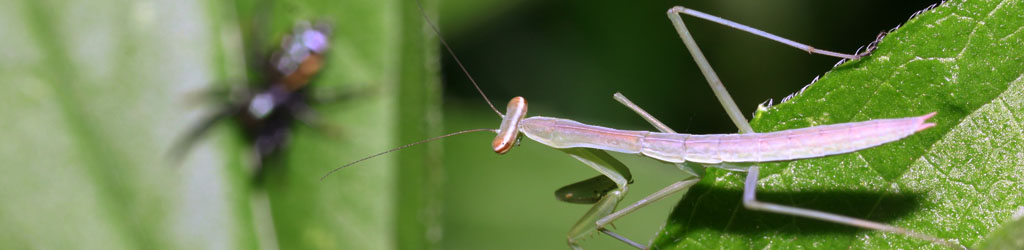
Carolina mantis Stagmomantis carolina on black night butterfly bush Buddleia davidii
As the Chinese mantises have been molting into final instar, which means reproducing adult phase, they have abandoned the plants with smaller leaves and hiding spots, relinquishing them to the smaller, later developing Carolina mantises (Stagmomantis carolina.) And of course, among the prime choices for these are the butterfly bushes (Buddleia davidii,) which produce plenty of pollinator-attracting flowers all summer long. The Black Knight variety, the biggest and healthiest in the yard, hosts two such mantids of slightly different size, which I photograph occasionally. They’re both small enough to hide among the leaves easily, and better camouflaged than the Chinese mantids, so spotting them is occasionally challenging – except when they perch against the blooms themselves.

Coming back from stalking the green herons at the nearby pond the other day, I stopped by the bush and was rewarded with the appearance of a skipper, a family of butterfly with distinctive ‘X’ wings – there are too many species alike in appearance to pin this one down, but this might be a fiery skipper (Hylephila phyleus) – or it might not.

possibly fiery skipper Hylephila phyleus on sparse blossoms of Black Night butterfly bush Buddleia davidii
I didn’t have the macro lens affixed and had no time to change much of anything, so I was shooting with the 18-135 on autofocus – not bad, but not ideal, and a little prone to focus wandering when you get circumstances such as… but let’s not get too far ahead.

Once the skipper switched from one of the bigger bloom clusters to this barely-adequate one, it attracted some attention, from someone that I’m sorry to say I missed entirely – until it appeared in the frame.
possibly fiery skipper Hylephila phyleus being stalked by Carolina mantis Stagmomantis carolina on butterfly bush Buddleia davidii
One of the Carolina mantises was making its move, and I watched with delighted anticipation, camera ready. Actually, I should say we watched, because The Girlfriend had joined me at this point and was witnessing it too.

possibly fiery skipper Hylephila phyleus being stalked by Carolina mantis Stagmomantis carolina on butterfly bush Buddleia davidii
Perhaps it knew that skippers don’t wait around long, perhaps it was inexperienced, perhaps it’s simply the manner of Carolina mantids, but this one was moving in surprisingly fast, since I’ve seen Chinese mantids stalk insects with glacial slowness. It was clear we didn’t have long to wait.

possibly fiery skipper Hylephila phyleus being stalked by Carolina mantis Stagmomantis carolina on butterfly bush Buddleia davidii
Unfortunately, even with the aperture at f8, the depth was short and my focusing point in the viewfinder was falling between the two, with no time to correct it – the strike was imminent. I just kept shooting, twitching the camera to try and get the best focus.

possibly fiery skipper Hylephila phyleus being stalked by Carolina mantis Stagmomantis carolina on butterfly bush Buddleia davidii
The distance separating them was now less than 20mm, and the skipper seemed to notice the mantis, because the wings changed position. We’d gone from a mantis stalking an oblivious butterfly to a race to see who would react the fastest.

Carolina mantis Stagmomantis carolina striking at already-departed skipper
It was the skipper, flitting away in a fraction of a second even as the mantis struck, leaving the frame entirely. The action pose here just seems to indicate that mantids are clumsy and slow – it would have been nice to at least have a blur from the butterfly in here, but no.

Carolina mantis Stagmomantis carolina pausing after missing strike at meal
And the mantis paused there for a few moments, allowing us to try and fill in its thought processes with what we imagine it must be feeling, even though the chances are great that it’s feeling nothing but a natural instinct to hold still in case the butterfly reappears – or even to hold still because that’s what they do most of the time anyway. Regret, frustration, even a resolve to learn from this and do better next time? Not likely. There is quite likely some emotion-analog going on in there, the kind of thing that makes arthropods pursue their survival, and while we may speculate that it’s rudimentary (because their brains are exceedingly simple and they really don’t need anything too sophisticated, so natural selection would steer away from anything less efficient,) there’s also no way we’re likely to really know, either. Meanwhile, I missed a capture sequence that I’ve been after for a while, and will continue to pursue. Maybe next time it’ll be video…
On this date 33

We’re cheating a little here, but I said to myself, Why upload images that are identical to ones already uploaded? Which I’ve said a few times in the past, digging through the blog media library, but in this case, I’m sending you to a page in the main site gallery, because this black racer was taken on this date in 2008.
We go a little fartsy for 2011, with a tiny jumping spider all alone in the big jungle, or at least on the grape vines on the fence.

unidentified jumping spider on grape vine
The flatulence continues the following year, with a single frame of a female ruby-throated hummingbird (Archilochus colubris) failing to hold still at the feeder.

female ruby-throated hummingbird Archilochus colubris showing motion blur at feeder
Granted, it was a pretty slow shutter speed at 1/8 second, so many subjects could blur in that time, and hummingbirds can move a lot in much shorter time spans – I’ve had one start to fly off from the sound of the mirror slapping up, and while I was seeing it perched when I tripped the shutter, what I captured was it leaning back with the wings raised. But yeah, I am still reminded of those tippy drinking bird toys from my youth with this image.

jagged ambush bug genus Phymata beginning to show color changeWe have to have a callback in here, because you’ve seen this jagged ambush bug (Phymata) two weeks ago, as it was two weeks younger – or at least, I think it’s the same one. It’s really hard to tell arthropods apart in the best of circumstances, and much harder when there are chances for multiple individuals and you don’t see them every day. For the same date, I have photos of one that is distinctly different in color, and if I recall correctly, much bigger, but then again, a couple of decent meals and a molt can produce drastic changes, so who knows? I’ve said it before, but if anyone knows a method of easily distinguishing individuals, especially without contact, let me know. Maybe some kind of laser DNA plotter or something…

The next year, we have an entry from two different categories at the same time: Reptiles/Amphibians and Arthropods.

juvenile green treefrog Hyla cinerea with unknown insect on head
In 2014, we’d moved to the new (current) place, and I found a nearby pond that had large patches of pickerel weed, which attracted its share of pollinators and treefrogs. I have been unable to identify the parasite that adorns this green treefrog (Hyla cinerea,) and it may not even be a parasite, but simply a midge that found a handy perch. The frog certainly doesn’t seem too concerned.

In 2015, we have possibly the smallest snail that I’ve ever photographed.

tiny unidentified snail on misty leaf
tiny unidentified snail on author's fingertipYes, that’s my own fingertip over there to the right. This one’s so cute (the snail I mean,) it seems like it should have its own children’s book or animated special. Now, it may be hard to imagine what kind of adventures a snail could get up to, but then again, the same might have been said about a freaking sponge, so…

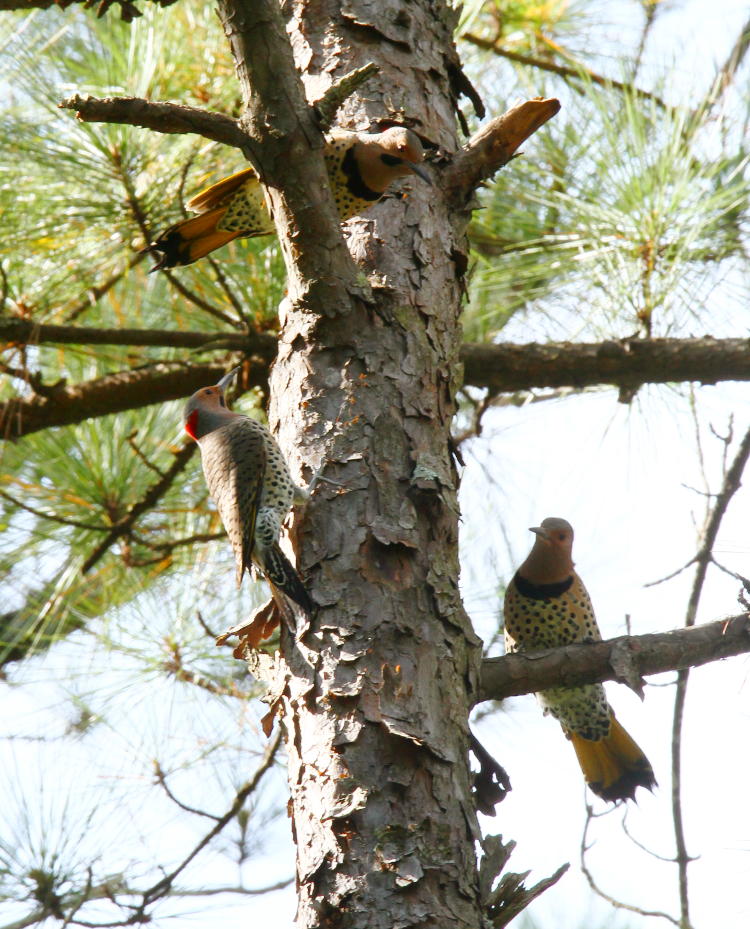
And far be it from me to abandon a tactic too quickly, so for the final images, we’ll refer to this post from last year; all of the bird photos therein were taken on this date a mere year ago, while I was in New York. Which probably means I should polish off the last of the Pennsylvania Dutch Birch Beers that I purchased while up there…

Another alert

In the next couple of nights, the Perseids meteor shower is supposed to be peaking, and of course, I say this with a certain fatalism, because my personal history of meteor showers is pretty disappointing: one fantastic shower, when I was unable to capture anything on film, and then quite a few absolutely dead nights when I was more than adequately prepared to snag images of them. Still, nothing will be seen if we don’t try, right?

I figured the announcement needed some kind of image, but I don’t have any – not the kind of illustration I should, anyway. But then I remembered what I’d gotten last time around, a curiosity that I discovered entirely by accident. And so I edited together a small animated gif (pronounced, “SHON-reh”) that shows what I found. That includes a bonus!

animated gif of time exposures of night sky
So, these are four exposures of the southern sky, hoping a meteor would cross the frame, and almost full resolution at that, so ‘zoomed in’ quite a bit. Ignore the bright, stationary dots; those are sensor noise that I didn’t bother to edit out. All of the streaks running diagonally, upper left to lower right, are stars, streaked by the Earth’s rotation in the roughly-one-minute exposures. But the single streak running upper right to lower left is something else. I’d initially thought I captured a couple of very dim meteors (these are very small in the full frame,) mostly because to even see them, the frame has to be magnified significantly and thus I have to scroll around to see details, and never realized that they were close to the same positions. In preparing this animation, I found I had four in sequence, and thus we’re looking at some kind of satellite, one not moving very fast and not reflecting a lot of light; chances are it’s some old rocket booster, or even a bit of debris.

But then, as I was finalizing the animation, I found the other, a dim little dot moving vertically right smack in the center of the frame. It barely shows movement in the one-minute exposures, so it’s got a long orbit, and pretty much a polar one.

At some point I may attempt to pin down what these are, since I have the day and times, and a rough indication of direction, but for now, I’m trying to post this to alert my legion of readers to the Perseids shower, and this has already taken enough time to produce, so that little research project will wait a bit longer.

Shit. In previewing the post right before approving it, I found another – look at the purple dot at bottom left.

1 138 139 140 141 142 323