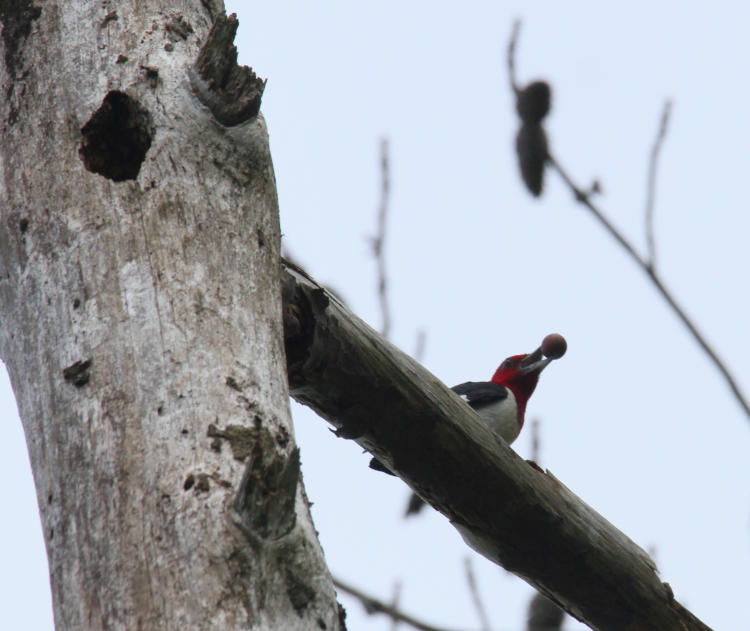
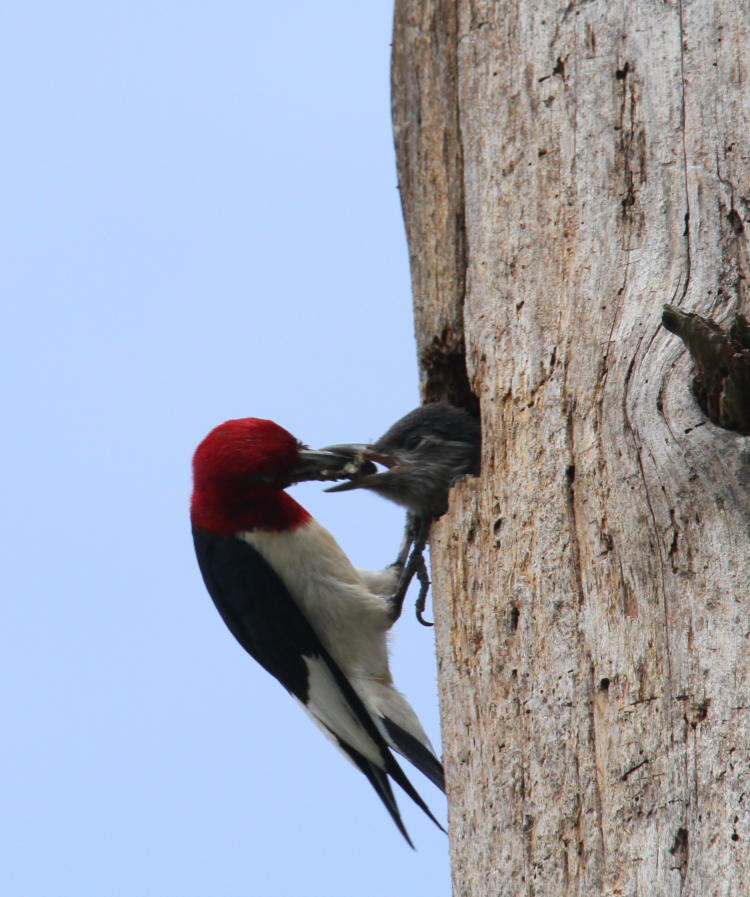
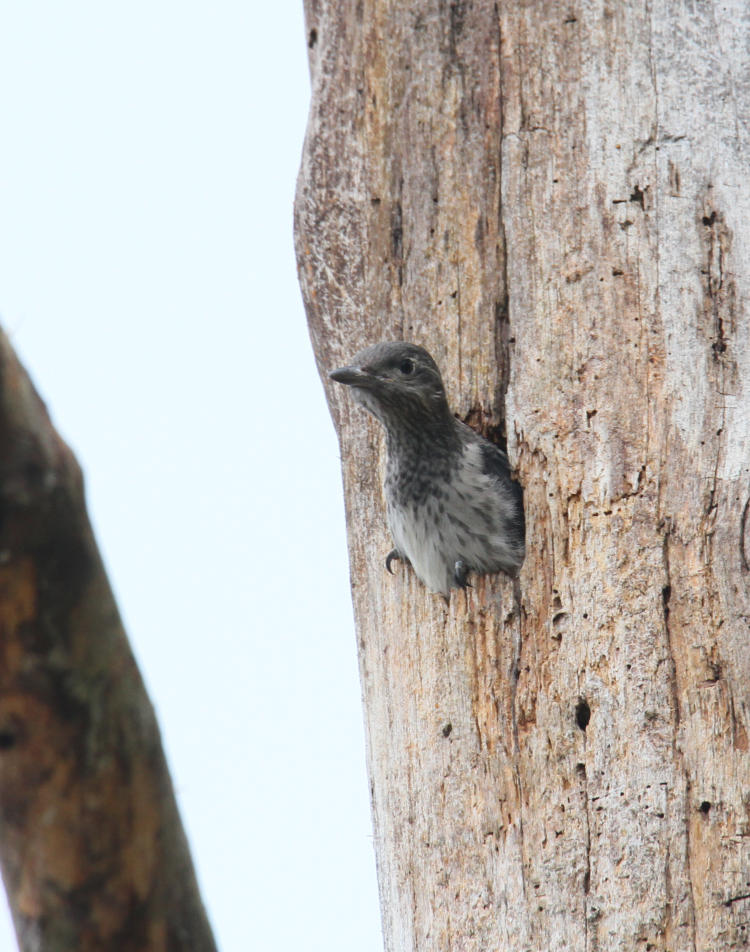
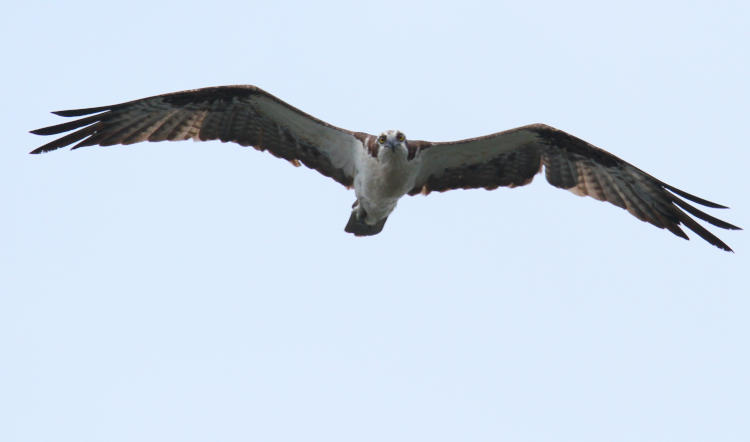
Visibly different, part 10

“So, Al,” you ask, eyeing me shrewdly, “why do so many of your initial Visibly Different images come from Florida? Is this, like, a thing with you?” But I scoff loudly, because it is no more a thing with me than holding imaginary conversations is. There are three reasons why comparison images start off from Florida, really. The first is, I took several annual trips to Florida in the early days of shooting slides, trying to build up my stock because publishers would not consider negative/print images, so a lot of early stuff reflects this. Second, Florida was (and remains) much, much better for producing subjects of interest than North Carolina, so by a significant margin, the ‘keepers’ that I have favor the state. And finally, I have a couple of binders full of negatives, but for obvious reasons these are harder to skim through and so I haven’t done it too often. But I hear you, and will remain aware of your concerns. Perhaps not responsive, but aware.

Anyway, this one, at least, is a negative, even when it’s from Florida:

small American  alligator Alligator mississippiensis floating in hidden pool
This was my first wild alligator photo and dates from May, 1994. Friends and I were biking through JN ‘Ding’ Darling National Wildlife Refuge on Sanibel Island and, on a whim, I stopped to get a better look through some obscuring foliage at a small pool, delighted to find this American alligator (Alligator mississippiensis) just chillin’ therein. It’s a notably small one, probably a little over a meter in length, so hazardous to guinea pigs but not a lot else. Still, our travels up to that point had given me no opportunities to see any, so I was pleased with the find and really, the photo didn’t turn out too badly, even with the leaves trying to block the photo.

But I’ve had a few more opportunities since then.

American alligator Alligator mississippiensis lazing in Savannah National Wildlife Refuge, South Carolina
In fact, I possibly have a few hundred gator photos now, the vast majority of them wild subjects, but this one remains among my favorites. It dates from 2013 and isn’t a whole lot bigger than the specimen at top, but I was closer and using a longer lens. This was in the Savannah National Wildlife Refuge in South Carolina, but really, within spitting distance of Savannah, Georgia, and on the Savannah River that separates the two states anyway. The refuge can be brimming with alligators and remains the best place to see them in my experience, but on this date they weren’t quite as active. Still, this little guy allowed me to exploit an angle that made the most of the lighting and reflections from the water, and produced something more dramatic than a simple portrait (it actually serves as the background image on both of my tablets.) I was able to shoot from the other side of the head too, getting more direct sunlight on it, but for the mood and the contrast, this one wins easily. The largest difference in my knowledge and techniques between the two was simply working the subject, examining how may different ways it could be portrayed, and while the first didn’t really allow me the opportunity, I know I may not have taken it had it been present – it’s something that I picked up in the intervening years.

Something to note, however, is that in both images, hints of the submerged bodies can be made out under the surface if you look closely. They were both taken in swamps, but ones with significant water exchange so clearer than you might have imagined.

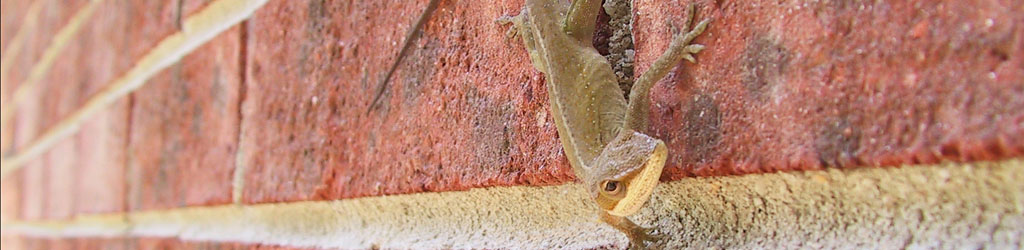
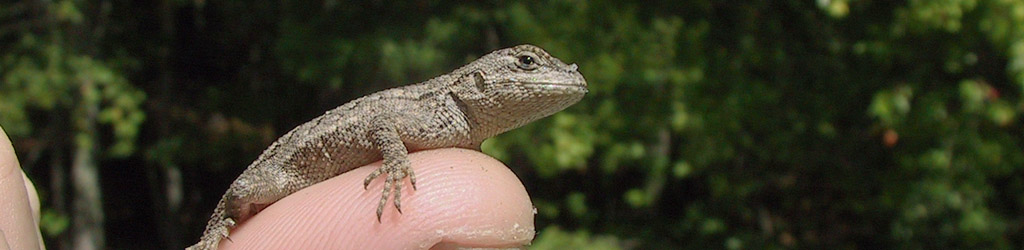
Meanwhile, North Carolina provides no such subjects, or at least, I’ve seen no evidence of them save for the two residents that hang out in the waters around the USS North Carolina out at Wilmington. This isn’t saying a lot, because giant prehistoric lizards don’t exist for most of the country, indeed most countries the world over, but the point is, I’m not finding anything even remotely compatible without serious traveling. NC does have hellbenders, surprisingly large salamanders out in the mountains, but they’re hard to find and have resisted my few attempts at spotting them, and locally, the largest lizards don’t even amount to the length of the heads of the two subjects above. The one below, an eastern fence lizard (Sceloporus undulatus,) is perhaps the largest that I’ve found and might be able to take a small mouse, measuring close to 5cm across the abdomen. Woo, scary.

eastern fence lizard Sceloporus undulatus in action pose

A brief comparison

Just a couple of pics while it’s still slow.

I finished up sorting the other day (which is going through the folder of recent images, discarding those that fail to pass muster, and then moving the keepers into appropriate folders to locate them again easily,) and as usual, I pulled out a couple as curiosities, these being both the same subject. We’ll start with January’s.

Chinese grape holly Mahonia lomariifolia flower spray bursting out from snow cover
Coming back from a brief visit to the neighborhood pond following the one snowstorm we received (so far) this year, I stopped to do a few frames of the ornamental Chinese grape holly (Mahonia lomariifolia) that decorates the sign for our housing development on the corner. The flowers had started early and their spikes were protruding from the snow cover rather fetchingly, I thought. This was already posted back then, and I’d forgotten that, so I’m just reposting it here again and not the slightly different version prepared just for this post. As I said, this is a comparison, and it dates from January 22nd.

Because here’s the same plant on February 3rd:

European honeybee Apis mellifera visiting flower of Chinese grape holly Mahonia lomariifolia in early February
During one of those warm spells, I’d gone up close in passing and realized that the European honeybees (Apis mellifera) had wasted no time in getting out and finding some nectar – quite impressive, because I don’t think I’ve ever seen them out so early. We’ve had several frosts since then, so they presumably went back in grumbling, and who knows if the flowers they pollinated would be viable through that? But hey – February honeybees, can’t knock that.

I’m not proud

The other day, I did finally get out to accomplish something, and successfully too, but I’m not really counting it as winter activity – I’ve definitely done better. The temperature got amazingly warm, and so I ventured out again in search of mantis egg cases (oothecas) to prime the property for spring. Of course, I had the camera equipment along, just in case, but subjects remained few and far between. I was out in some meadow/scrub land, looking for the tall stiff weeds or small saplings that the Chinese mantids prefer to place their eggs upon, which put me within hearing of a downy woodpecker, a red-shouldered hawk, a barred owl, and one of the accipiters – this was the only one that I caught a glimpse of, and it was only briefly as it flew deeper into the nearby forest, so I couldn’t tell if it was a sharp-shinned or Cooper’s hawk, but from the alarm call it was one of those.

The only thing that I did see, other than some boring sparrows, was a northern mockingbird (Mimus polyglottos,) which was spotted in a pile of pruned branches very close by and was disinclined to fly off, instead appearing very interested in the deeper shadows of the woodpile.

northern mockingbird Mimus polyglottos in woodpile
It did not appear to be an ideal spot for a nest, even if it’s the season, because the pile was too easily accessible to foxes and raccoons, but perhaps it was in search of materials, or I’d spooked it from a feeding spot. Either way, I did a few frames and let it be.

A little further on, examining the streambanks netted me this monster:

American bullfrog Lithobates catesbeianus basking on stream's edge
That’s an American bullfrog (Lithobates catesbeianus,) and a big one – larger than my fist. Credit to my stalking skills in even getting the image, because I managed to get the camera out while standing fairly close in plain sight, snapping off this one frame before some other hiker passed behind me and spooked the frog into the water. Slow movements count for a lot.

egg case ootheca of Chinese mantis Tenodera sinensisAnnnnddd that was about it, really – still not much going on, and no scenery to speak of. But I said I was successful, and I was, finally locating a spot that had an entire cluster of egg cases in a very small radius. These were all Chinese mantis (Tenodera sinensis) cases, and I’d been through quite a lot of territory before I found these curiously close together. I was also looking for Carolina mantis eggs, but saw none; they’re much smaller and more subtle, so much harder to spot at a distance, plus if I’m any judge, the populations locally are far lower. But the Chinese oothecas had me wondering, because I’d been in virtually identical areas and all I found were old examples, clearly at least a year old and in some cases much older. Then to find better than a half dozen all within spitting distance (my own – I don’t think mantids spit) had me considering, again, if adults return to the same location as they hatched to produce their new egg sacs. Mantids live out their entire life cycle within six to eight months, so there’s no chance of multiple egg cases, but is there an instinct to return to a successful site? I had the suspicion previously when a new ootheca appeared in almost the exact location as an old one here at home, and this cluster (in an area demonstrably devoid of other examples) strengthened that suspicion slightly.

I did a frame of this, by the way, because it illustrated something that I’ve never seen. Mantids are good about finding long-lasting weeds or small trees to place their sacs upon, something that won’t be knocked down in the winter storms, but this was the first I’d ever seen one use a cluster of thin reeds; there were plenty of other, better choices within a short distance too, but I won’t pretend to know the mind of a mantid. I collected six and brought them home, setting them up on natural ‘stakes’ in various prime locations to start watching in the next month – April to May seems to be the ideal time, but there’s a big spread in hatching dates. I’m suspicious that, as warm as it’s been this late winter, the hatchings will be early, but we’ll see what happens. This brings my total at Walkabout Estates to eight now, with only one being found here, though two of the recently collected ones are possibly old. And I’m on top of things with new seeds for the spring, including tomato seedlings already started and several things in the greenhouse, so I’m not being that lazy. Cardinal flowers are, as threatened, planned for this spring, and The Girlfriend and I will be going out to pick up some ginger lilies when the season is right – they seem to be a favorite of many species, not the least of which are the Carolina anoles. Getting there, getting there.

Down a notch

Man. I thought I was so slick…

So, one of the things that I’ve started doing again in my spare time is model kits. It’s something I used to do in my younger days and slowly got away from, then many of my materials dispersed. But I still had the interest, and a handful of kits awaiting my attention; part of the holdup was simply that I’ve gotten too particular about accuracy now, wanting to do it right and thus getting bogged down in detailing. Recently, though, I dug out a couple of kits (and purchased a couple of others) and started getting into it more as the photography subjects were scarce.

Presently, I’m working on a model of the ‘Special’ helicopter from Blue Thunder – don’t laugh, it’s a cool movie and a decent kit in a good scale (most aircraft are available in 1/48 and 1/72 scale, too small to do a lot with, but this one is 1/32.) And I tackled the cockpit with gusto, getting into the nitty-gritty of the instrument panels and even adding a video console that was missing from the kit, but visible in the ‘Behind the scenes’ stills from the movie – yes, this is the kind of thing avid builders do, hush. Pleased with how it came out, I did a few macro photos of the cockpit before final assembly, when it’d be much harder to see under the canopy glass. As I discovered before with one of my christmas projects, I really shouldn’t do this. Under the Mamiya macro lens and decent lighting, my detailing job leaves a lot to be desired.

detailed cockpit of Blue Thunder Monogram model kit
It may not look too bad here, but that’s because I’m not going in at full resolution. And won’t be. This is all you need to see. All the little spots where the paint overlapped the proper borders or the engraving looks shitty, they can remain indiscernible.

In my defense, this is pretty small – those blocks on the underlying mat are 1/2″ square (12mm,) making the entire cockpit just 7cm in length and the main instrument panel, top right, is 2.5cm (1″) wide – in other words, I could fit two of these on my smutphone face, and I have a smaller smutphone (I’m big enough to admit it.) Now you know why I don’t like smaller scales. And from an average viewing distance, it looks fine to me. That console towards the rear of the cockpit is entirely scratchbuilt, from sheet polystyrene, and so is the fire extinguisher.

But yeah, just… back behind the barriers, please.

Visibly different, part 9

I realized that, while many of the photos I have set aside for this topic are of birds and thus I was trying to space them out, so far I’ve only featured one bird for the topic, so I better start using some of them.

wood stork Mycteria americana shot through car window
This week, our opening image comes from Florida in September 1999, and is the first wood stork (Mycteria americana) photo that I obtained – I hadn’t even seen one on multiple earlier trips, except perhaps at too great a distance to identify. A little trivia: herons and egrets fly with neck retracted, all tucked in, so their shape in the air has a small point to the front with the legs trailing out behind, while wood storks fly with neck fully extended and appear as a cross – makes it easier to differentiate. That, and the black tips and trailing edges of the wings, very distinctive. I may not have known these at the time of this sighting though, so as I said, I might have seen one without being sure of it. Anyway, this one was near the roadside, and I pulled over and shot from the car out the passenger window, which is why there’s a dark grey blur across the bottom of the frame. I don’t recall trying to get out of the car and there are no further slides of it in the file pages, so either I never attempted, or I did and the bird flew off. I’ve known for decades that many species will ignore cars but immediately respond to someone getting out of one, and may simply not have tried. Or traffic might have prevented it. Or I was stupid. I don’t know.

Anyway, we now jump ahead nineteen years, to a trip to Jekyll Island, Georgia.

wood stork Mycteria americana in surf on Jekyll Island Georgia
Quite a bit closer now, and much more detailed, plus I have a whole gallery of images just of this individual alone. Little credit to the equipment; the first was probably shot with the Canon 75-300, the basic non-stabilized model, while the second was shot with the Canon 100-300 L, also unstabilized, but optically superior. The primary difference was just the opportunity: in Georgia, I was in an area where the stork knew it could snag easy meals from the surf conditions (and also possibly from the fisherfolk who were there for the same reason,) and so the birds were accustomed to closer encounters because of their greed, gluttony, sloth, and probably a few other deadly sins that nonetheless helped them survive quite well – funny that.

Yet, I like the color register of the first image far more, and I’m putting this down to the coloration of the individual rather than the difference between slide film and digital image. Just have to keep trying to get a combination of the detail of the latter and the colors of the former, I guess. And that means more trips south, because the species doesn’t appear here in central NC. But then again, I need little motivation to go further south – mostly just the opportunity.

I think we should see other months, February

“It’s not me, really, it’s you. I just… I just don’t see any future with you.”

And that means it’s time for the end of the month abstract. What have we got for that?

funky ass leaf
It’s a leaf. Where would you be without me to provide this kind of precise information to you?

Honestly, I don’t know what it is, because I’ve never seen it identified, though I’m pretty sure it’s not native, given as how I’ve only seen this in the butterfly house of the Museum of Life and Science. And I’ve done better before. But even this is ‘before,’ since February was such a loser that it didn’t even provide any decent abstracts, and I had to go archive for this one; it was taken six years ago, yesterday. Seriously, we’re much better off without February.

But we’ll keep its number in our phone, just in case…

Why is this still here?

Starting to catch up on a few tasks here and there, and went into the image stock folders on the magic meme box (what some stodgy people call a ‘computer’) to see how much needed to be cleaned up in there. And realized that I still have a ‘Facebook’ folder with a handful of images in there.

You may have noticed the anti-social media widget over there on the sidebar, and if that wasn’t enough, I’m not shy about disparaging it, all of it, when the subject comes up; I consider Facebook the worst. So why do I even have a Facebook folder?

Well, because at one time I did have an account. It was started primarily to research some stuff for the place that I worked for at the time, figuring out how to actually use an account and what affect it had. This was back in 2008 I believe, and so I created my own page and played with it for a while. I didn’t do a whole lot with it at all, partially because Facebook outright stated they could do what they wanted with any photos that I posted, to which I wasn’t agreeable in the least, and so I posted few images. And partially because I wasn’t finding anything to actually do with it. I had my site, I had started blogging, and social media added nothing to that (or indeed, to anything.) Once I left that place of employment, I deleted the account – that was twelve freaking years ago.

And yet, the folder with ten images within sits here still. But in a coincidence that stretches credulity to the breaking point, today is Delete Your Fucking Facebook Horseshit Day, which had previously escaped my attention. And so away it goes! Long overdue, but anyway…

California sea lions Zalophus californianus at NC Zoological Park in Asheboro, NCAll of the photos therein have appeared elsewhere, either in the blog or the main site, save for two. One of those is at right, a shot of a pair of California sea lions (Zalophus californianus) taken at the NC Zoological Park in Asheboro – I got lucky with the timing and poses while at the undersurface viewing window, and the muted colors complement one another pretty well. Nothing great, but for once the glass wasn’t half-obscured with smudges and ice cream and all that, one of the worst things about trying to shoot at zoos: they rarely clean the glass (especially on the far side.)
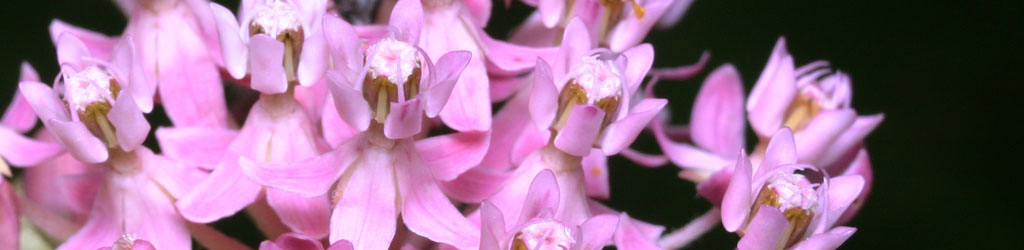
The other, bearing no copyright mark, may never have been posted at all – I’d just prepped it for eventual use. Taken January 1st, 2010, I did a lot of playing around with the light of the moon at various locations, and decided to compose this one when back home and looking up at the holiday lights strung along my balcony railing.

full moon and defocused holiday lights
Now, a variation of this has appeared for the first ‘On This Date’ post, two years ago, but I don’t think this version has been published anywhere else before. Does that make it an NFT? I don’t know, I’ve never understood the concept, but I’ll be happy to take large amounts of money from you and call it whatever you like – I’ll even delete this post afterward and avow never having seen it before if that helps. Once the check is cleared, of course – no, I do not accept cryptocurrency, or even dogshit; call me old-fashioned.

Anyway, enjoy celebrating the holiday! It goes without saying that this is not an annual holiday, because you already deleted it all today, so what’s the point of celebrating it again next year? Toss it all, stop worrying about what other people think, stop reading stupid and pointless horseshit, and enjoy yourself!

Happy Two’sday

It’s 02/22/22 (or perhaps 22/02/22 if you’re unAmerican) which makes it Two’s Day, or maybe only Twoday – who knows? – and so, to celebrate something totally meaningless, we have two versions of a photo for you to consider. To subvert the entire idea, you can only pick one as your favorite.

This one I’ve had sitting in the blog folder for, gosh, it’s been eight years! Except I decided twoday to use a bigger version in honor of the number 2. I also took two dumps this morning, so you know I’m into it (and fiber.)

pair of Canada geese Branta canadensis on ice
Just so you know, I titled this one, “My god I’m gorgeous,” when I created it, and it was back to back with the one seen here, originally titled, “My god I’m not.” Neither got used in posts around that time, but now they both have, so all is right with the world.

And so, the second version, playing with color channels again:
same image in Blue channel only, with contrast adjustment
This is only the Blue channel now, with Red and Green being deleted, but I also boosted contrast selectively, which brought out the textures much better. Normally the Blue channel is the worst choice when doing this, but in this case it was clearly the winner. I also got a little lucky with the setting, because the gap in the background trees meant both geese were faintly ‘highlighted’ in the reflection of the blue sky, which became enhanced here. The ice was smooth enough in the right location to provide a reasonably unobscured reflection of the foregoose too, so, yay.

Yeah, you know what? We have to do two photos with two versions twoday. And in like vein, we’ll stick to two colors.

pair of Caribbean flamingos Phoenicopterus ruber in greyscale
Yeah, I know, it seems sacrilegious to feature American/Caribbean flamingos (Phoenicopterus ruber) in greyscale, but we’ve seen them in color before (or at least I have) and RGB is three colors, which we’ll feature 11 years from now – or maybe not, because there is no March 33rd. But we’re not letting it go at that of course.

pair of Caribbean flamingos Phoenicopterus ruber in combined Green and Blue channels
We’re back to channel clipping, only this time it’s two channels, Green and Blue – Blue was a bit two dark, Green two low on contrast, so this is Green on top with 37% opacity to make it absolutely perfect – no buts, now. Though go ahead, pick your favorites without any influence from me.

And just now I realized that I should have posted this at 22:22. Maybe I’ll post it a second time tonight…

Visibly different, part 8

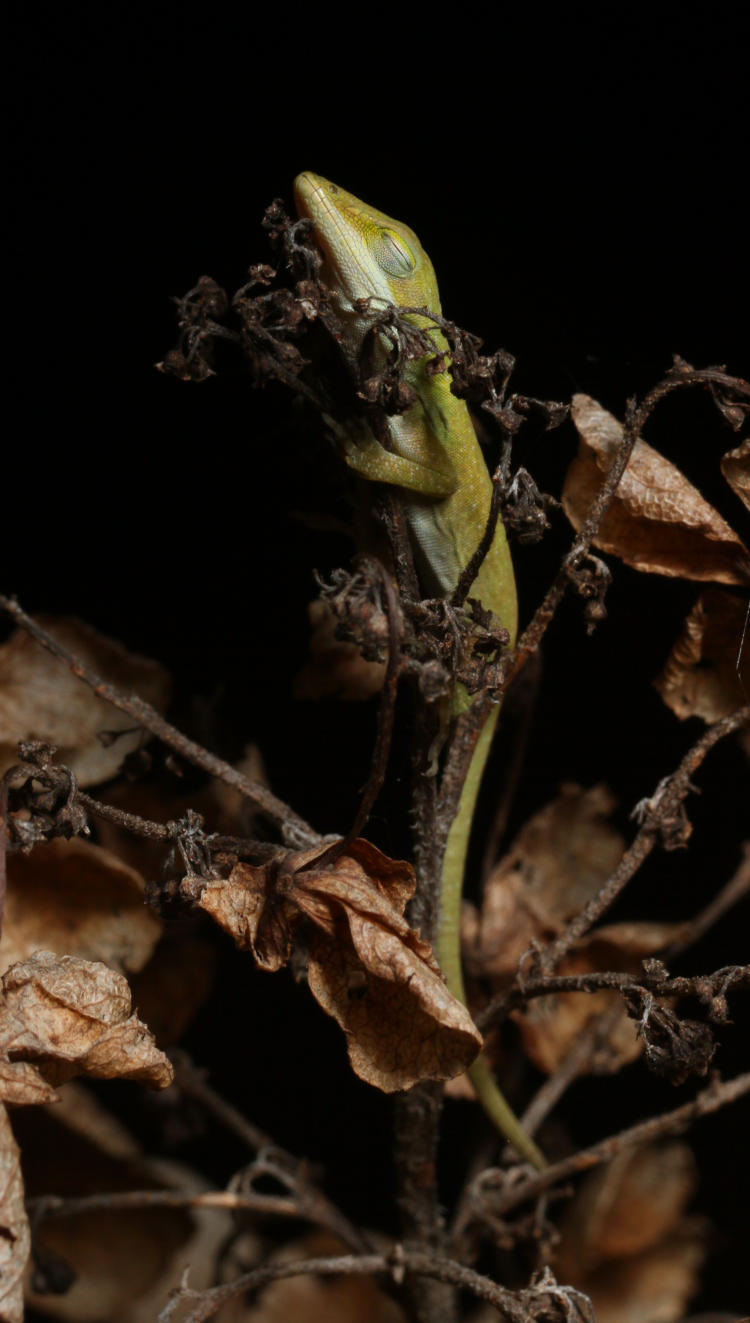
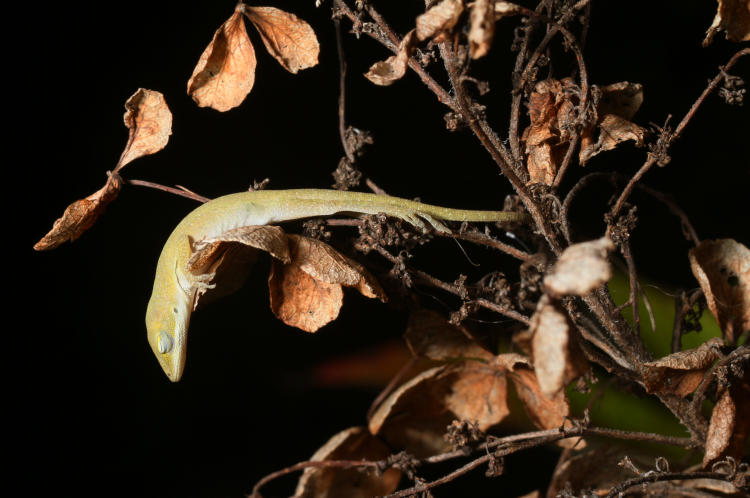
Carolina anole Anolis carolinensis on dried palm leaves in Florida
Our opening entry for the day comes from 1999, someplace in Florida – I can’t remember the exact location, but I think it was the JN “Ding” Darling National Wildlife Refuge on Sanibel Island. I still lived in North Carolina then (the first time around) and was seeing almost no lizards of any kind locally, so I took the opportunities that presented themselves while doing a photo tour of Florida. And when it comes to lizards, the opportunities do present themselves (for best effect, read that in a southern woman’s drawl.) This Carolina anole (Anolis carolinensis) was known as a green anole back then, and wasn’t trying its best to blend into the foliage, so I shot a little wide to make more of a scene from it. I could have been closer, but it was already aware of my presence and very quickly scampered for better cover. Still, this is quite possibly the first images of a Carolina anole in my stock, and it took years before I was even seeing one in NC.

Now we jump forward to 2021.

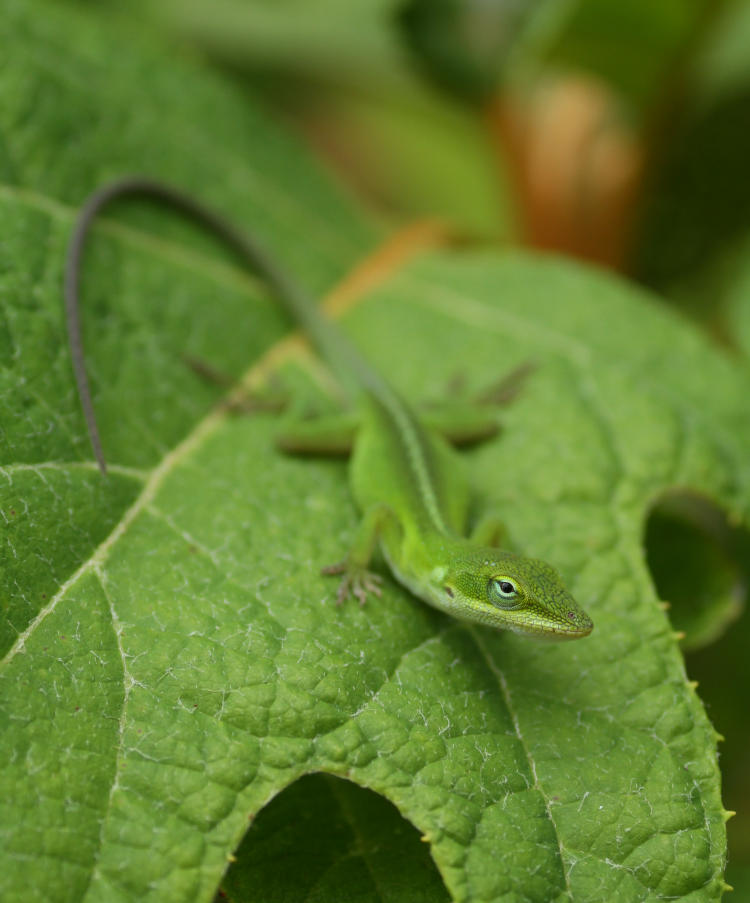
Carolina anole Anolis carolinensis being cooperative
Not just in NC now, but right here at Walkabout Estates, in fact right alongside the front steps in a potted plant. I’d been delighted the year before to see one here, because I’d been hoping to get them established, and last year demonstrated that they certainly seemed to be. This is full frame, like the one above it, so you know no matter what lens I was using, I was close.

The notable differences between these two occasions? Not a lot, really: better stalking ability, certainly, but I can’t even credit the latter image to paying more attention to the sounds around me, because I believe the former image was obtained by hearing the anole, while the latter hadn’t moved a muscle even as I was sitting next to it. Mostly, I can credit this to the passage of time and the opportunities that can accumulate through that, with a slight nod towards the wonderful performance of the Mamiya 80mm macro lens, my workhorse for images of this nature now.

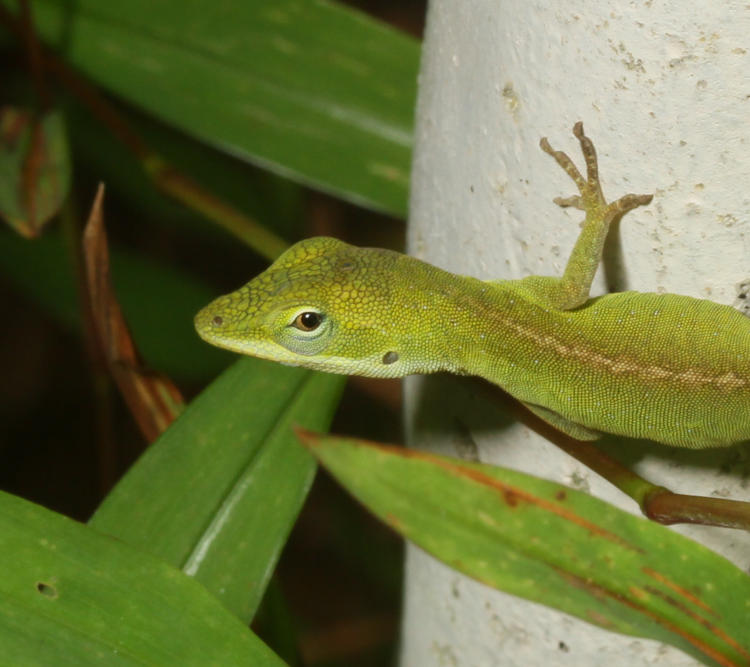
Last year was excellent for anole images, such as this outing, but my favorite remains the one below, once again at Walkabout Estates, though three times as far from the front door (meaning five meters) as the previous. This is indeed cropped tighter, but the anole was tiny, a newborn last year, and frequented the front garden – in this case it was snoozing on a rose leaf. I was delighted, as you might imagine.

close crop of Carolina anole Anolis carolinensis covered in dew

You’re a slacker, McFly

That’s not how the line actually goes, but it services anyway. I’ve had these photos, and this subject, for nearly two weeks now, with nary a post in there, and just didn’t do a damn thing with them. Nor did Doc Brown show up to save me.

Now, there is a little backstory, but let’s start at the beginning. I went down to Jordan Lake while the temperature was nice just to see what I could find, and I was pleased to spot a bald eagle (Haliaeetus leucocephalus) cruising along in the stiff wind. Only I was still using manual focus from other tests, and hadn’t gotten it quite pinned down for those shots.

adult bald eagle Haliaeetus leucocephalus peering down at water
This is cropped tighter, so the original was much smaller in the frame – I’m not that bad at focusing. In case you’re wondering why it looks a little odd, the eagle has its head cocked to the right, either peering down at the waters below for fish, or wondering about the moon above – I can’t say for sure which.

But what this fostered was whether or not there was a focusing screen with better resolution, or indeed if the focusing screen in the Canon 7D was even interchangeable. So I started a little research, and determined that it was, and that someone even made a split-image microprism screen for it. I figured I’d try that out.

Split-image screens are the old method of precise focus, back before autofocus was even a thing, and I’d used them constantly on my Olympus bodies. When seen through the viewfinder eyepiece, in the center is a circle with a line through it, which are actually tiny lenses angled against one another, so lines that cut across the split circle would actually be offset if out of focus, and only line up properly when they were fully focused. Outside of that sits a microprism ring, which renders out-of-focus subjects into larger dots. Between the two, you can usually pin down precise focus.

As I determined once it arrived and I did another test run down to the lake, however, was that this was as bad as I remembered it. Using glasses as I do, it means that my eye sits a little further from the viewfinder than without, and also has a narrower ‘sweet spot.’ Split-image screens do not work well with what’s called a ‘high eyepoint,’ and having my eye even a little out of dead center meant one half of the split-image simply went black – I couldn’t even maintain this if I concentrated, because following a subject with the long lens was enough to shift the camera/eye combo out of alignment far enough. I quickly replaced the old focusing screen.

[Two quick notes in here, because the questions are kind of raised above. First, autofocus is not in the least affected by the focus screen, since it takes place through the reflex mirror, at least for DSLR cameras, and additionally, any viewfinder confirmation lights come through the mirror as well; changing the screen introduces no problems with these. Second, changing the focusing screen naturally varies from camera to camera, but for every example that I’ve found so far, it’s a trivial operation, taking a couple of minutes at best with simple tools. Always check for your particular camera first, but don’t be daunted by the idea of opening up the camera – it’s typically very simple.]

great blue heron Ardea herodias on dock
Nonetheless, autofocus was still performing as it had – which is to say, reasonably accurate, but still fooled on occasion (and in the case here, while I had exposure compensation dialed in for the bright lake surface, it should have been even higher.) I still have a couple of options for adjusting AF with the Tamron 150-600 lens – one in the camera, and one (at least) in the lens itself, performed with a little doodad called the Tap-In, which I possess but have not used yet. The idea was to hash out the various options that I had and come back to post the changes and results, but I haven’t done that yet. Partly because the temperatures dropped again and I simply didn’t feel like going out – that sounds wussy I know, and probably is, but my sinuses don’t cope with cold dry air too well and it feels like getting stabbed in the face, so I avoid this unless I’m really dedicated.

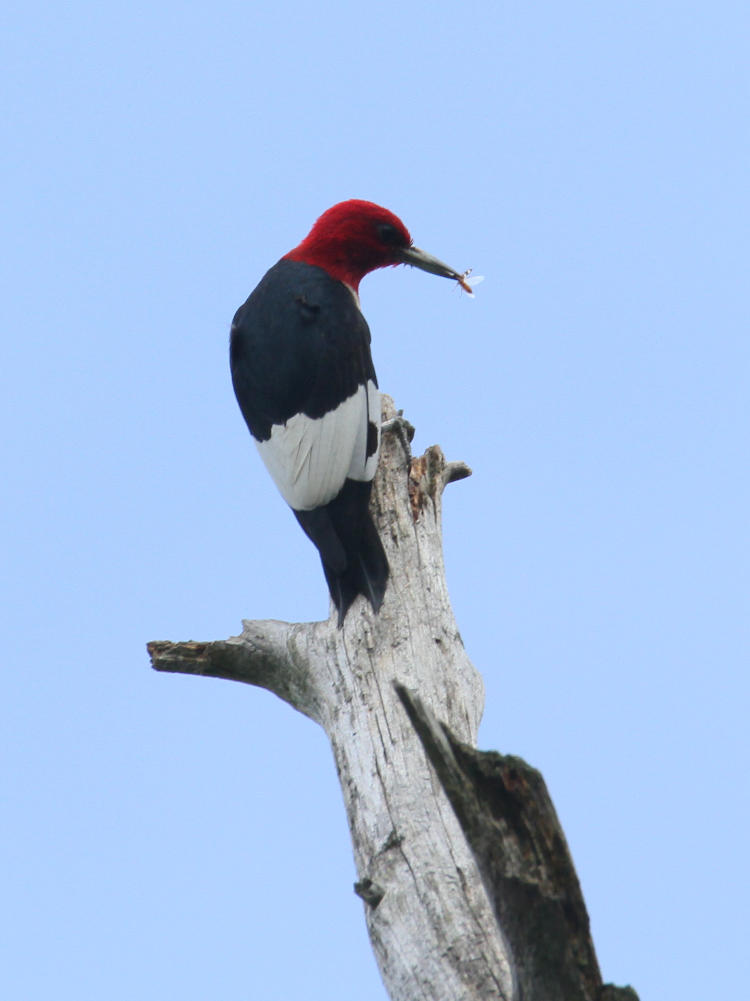
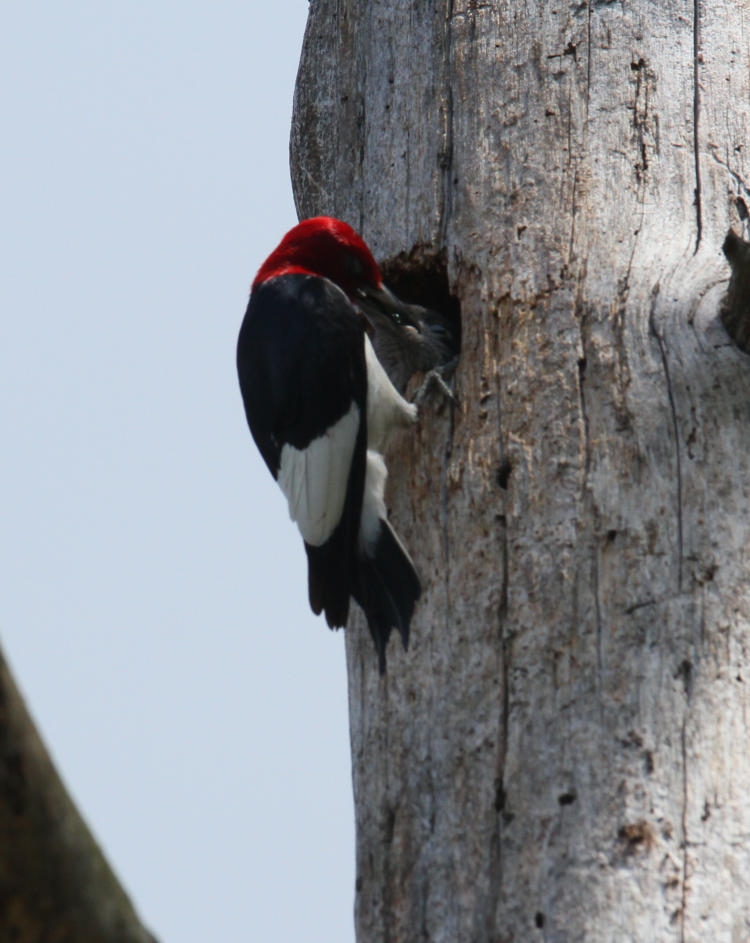
red-headed woodpecker Melanerpes erythrocephalus on trunk
But there’s also the bare fact that, no matter what I do, there may be only minimal improvement, and this illustrates why. Most of my subjects occur at significant distances against cluttered backgrounds, and autofocus modes aren’t too specific. I’m usually using Canon’s ‘AI Servo’ mode, which is best to track moving subjects, but it also gets fooled by not holding the focus indicators bang-on with smaller subjects, very easy to do with the weight of the long lens – I simply twitch too much. If I shift even a hair away from perfectly centered in the focus point, the lens can try to ‘track’ the background clutter instead, and if this occurs when I’m trying to snag specific behaviors (like a diving osprey,) the AF can be off at the crucial moments – very annoying. And this says nothing about wanting to compose an image by not having the subject dead-center in the frame, so the key focus point – which is moveable – has to be set for that composition, and this isn’t instantaneous, usually requiring three to five button pushes to accomplish. All that said, refinements are still taking place.

But while out there for the first tests, I shot a few other subjects.

pale daylight moon detail
The waxing gibbous moon was almost overpowered by the brightness of the sky, but I went for a tighter crop here for drama, liking how the details faded into the blue. This is again manual focus, but much better on the mark this time.

I was also out checking on some progress, planning for the spring birthing season. Last year I’d realized that I inadvertently captured a nest in one frame, and had to pin down where it was and if it was possible to get closer. This is the one from last year:

adult bald eagle haliaeetus leucocephalus perched above remains of nest
Followed by my views a couple weeks back, looking for activity while triangulating on its position:

possible bald eagle Haliaeetus leucocephalus nest showing no occupants or activity
Still there, and still in good shape, though no sign of occupancy or any work being done on it. I did determine that I could get much closer, having a decent view through an easy-to-reach gap in the trees, so here’s hoping that it gets occupied this year, by either an eagle or an osprey family.

I also went further down to check out the osprey nest that I’d been photographing last year:

missing osprey Pandion haliaetus nest
… and found it missing entirely. I wasn’t sure if something had collapsed, so once I got back I compared it to last year’s photos, such as this:

osprey Pandion haliaetus standing on nest in better light
Actually, it doesn’t look different at all, save for the missing nest, but there was probably a fork out the back out of sight supporting the nest, and this may have broken off in the interim. Or the nest may simply have aged out and collapsed during a storm. It’s a shame though, at least from a photographer’s standpoint, since it had excellent visibility and access – about the only thing I could have asked for is being a little lower to allow a better view within. It remains to be seen if anyone will attempt to reconstruct a nest here, but I’m not holding my breath. I should get out and do more scouting as we enter nesting season, to try and find more sites to observe.

I’ll close with another version of the cormorants seen earlier, a tighter crop, because focus this time was quite sharp, and the green eyes can easily be made out even as they cruised past roughly fifty meters off. I’m good with it.

pair of double-crested cormorants Nannopterum auritum cruising past showing green eyes

1 104 105 106 107 108 333