I forgot…

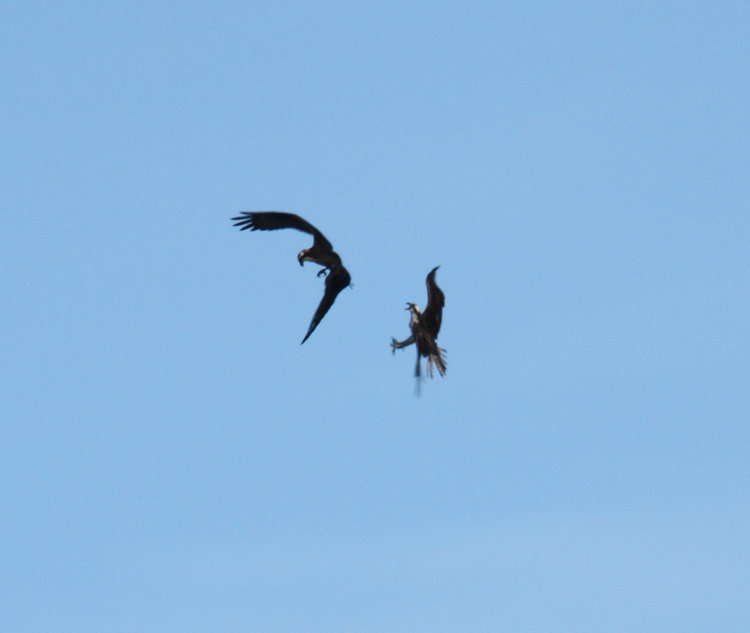
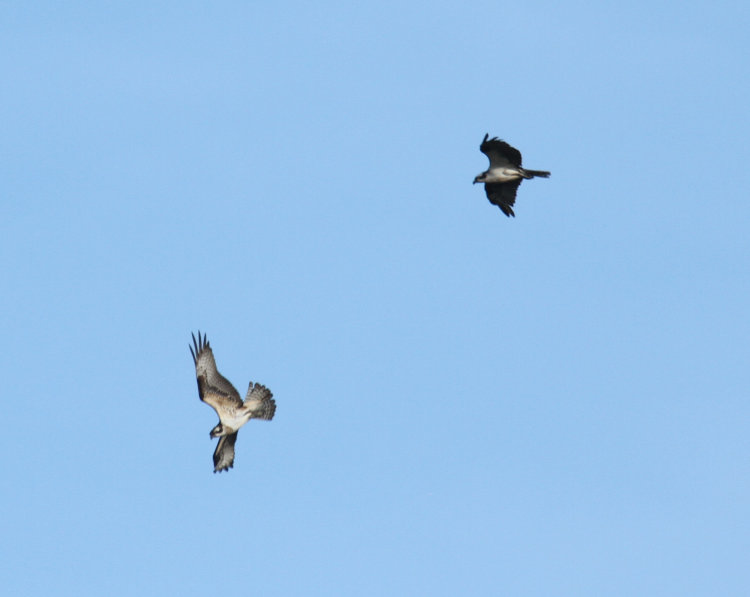
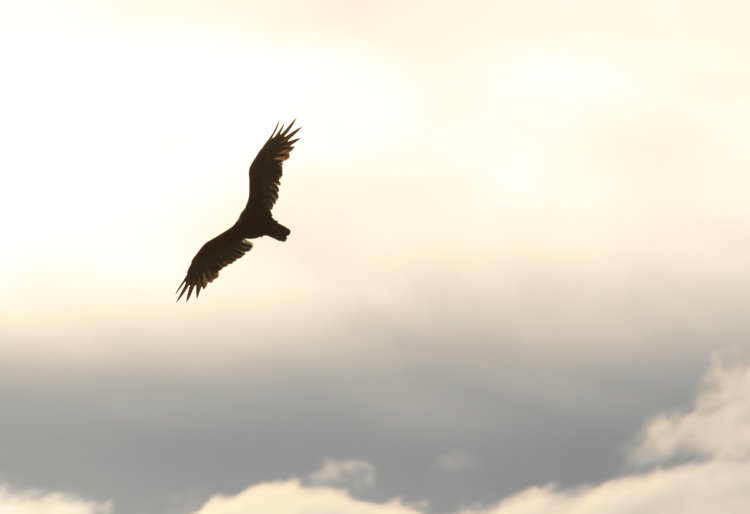
… that it was Earth Day, but I’d gone out to the neighborhood pond for the first time in weeks, just to see what was going on, and so I have some pics for it anyway.

The turtles were out of course, but it was more necessary this time, because yesterday and last night it had gotten pretty cold. So we have yellow-bellied sliders (Trachemys scripta scripta):

pair of yellow-bellied sliders Trachemys scripta scripta basking on snag
I have a more head-on frame as well, but it didn’t show off those nails as well, and if you’ve got nails like that, you want them noticed. Everybody notice them.

And then, we have an unidentified mud or musk turtle:

unidentified mud or musk turtle basking on a snag as well
Is it a common musk turtle (Sternotherus odoratus)? Is it a striped mud turtle (Kinosternon baurii)? Is it an eastern mud turtle (Kinosternon subrubrum)? I don’t know – it’s Earth Day, not Scientifically Accurate day, so let’s not get ahead of ourselves.

But this one is, naturally, a red-eared slider (Trachemys scripta elegans,) and a complacent one at that:

red-eared slider Trachemys scripta elegans basking on shoreline
I saw this from a distance away and made sure I got frames of it before I approached, but the caution wasn’t necessary – it simply watched me but never even twitched from its position as I passed not five meters away. The blue-green patina on its carapace is likely from copper sulfate, which was used by the people living around the pond to control the weeds, for reasons unknown (I’ve heard that it’s to keep the pond from being “choked” with weeds, but the only species growing there is a shallow water type that couldn’t possibly choke a pond that size or depth.) While I’ve been assured that they’re no longer using copper sulfate, this might be evidence otherwise – or it might simply be from the turtle burrowing in the mud at the pond bottom over the winter, because copper sulfate remains there for a long time, another reason not to ever use it. That’s your Earth Day tip.

Also basking was a female double crested cormorant (Nannopterum auritum):

female double-crested cormorant Nannopterum auritum perched on old piling, again
This is way too similar to many other images posted here, mostly because the cormorants love these pilings, of which I can only achieve two vantages of. Well, three, but the third is over a hundred meters off across the pond and not worth the effort. But we have a peek at the green eyes, and the light shows off the varied feather types, so there.

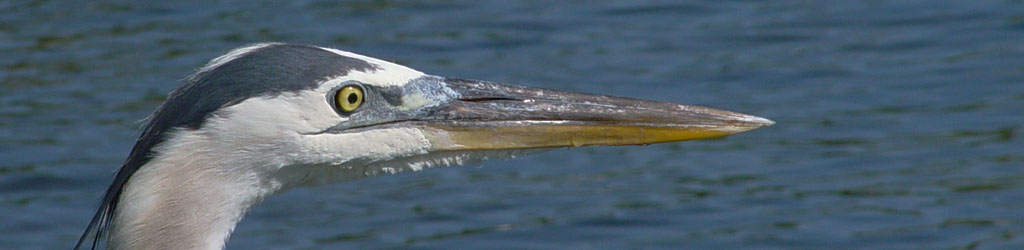
I have plenty of photos of great blue herons (Ardea herodias herodias) too, but it’s Earth Day – did I mention?

great blue heron Ardea herodias herodias passing overhead
This one passed overhead before disappearing, never perching anywhere that I saw, nor hunting along the pond edges. But it came out pretty sharp against the background trees, which is rare – there must be something right with my lens.

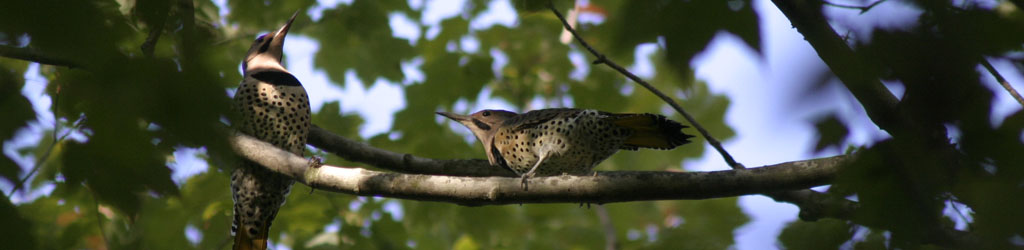
A male red-bellied woodpecker (Melanerpes carolinus) was industriously excavating a very old dead, standing trunk:

male red-bellied woodpecker Melanerpes carolinus fiercely foraging in dead trunk
This one attracted my attention with its calls as I drew close, so I was able to find it easily, since its destructive efforts were in really rotten wood and thus making little noise. I took way too many frames, because occasionally it would send a larger hunk of wood flying and I was hoping (in vain, as it turns out) to capture one in the pic. But this particular frame shows a catchlight in the eye and a nice sheen off of the beak, which none of the others had – it’s the little things.

Back home, one of The Girlfirend’s orchids (that’s one of the orchids, not one of The Girlfriends) are in bloom, and I felt obligated to get some frames of it because I don’t think I ever have before.

unknown species of potted orchid in full bloom
On a hunch just now, I took the UV flashlight out there to see if any part of these fluoresced, but nada. Fluorescence, however, is the trait of absorbing UV and re-emitting photos in visible wavelengths, and has nothing to do with how much UV the flowers might reflect – which we can’t see without UV capable sensors. One of these days I’ll tackle that, but it’s expensive.

We need a closer look, though.

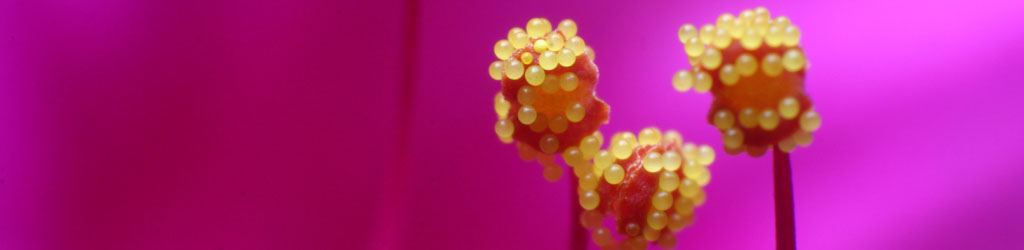
close up of center of unidentified orchid blossom
That… really does look like a trap, doesn’t it? Just the thing to knock off a member of an away team. Does the spike above come down, or do the three lower petals slam closed on your hand, or is the orange thing both sticky and caustic? Maybe there are simply some tendrils closing in behind you as you stare at it…

But finally,

foxglove 'Pink Panther' Digitalis x ‘Pink Panther’ in bloom
The ‘Pink Panther’ variety of foxglove (Digitalis x ‘Pink Panther’) that we’d obtained last year spent the winter in the adjunct greenhouse, and wasted no time in springing into bloom once it came out – it may regret this as there’s a goddamn frost warning for tonight, sheesh. But for now, the first blooms look healthy and happy and I needed a pic of them, so here we are. Oh yeah, and it’s Earth Day, so they serve double duty.

More images will be along shortly – even two more from today that fit in better elsewhere. You’ll know what I mean on Wednesday.

Trying to be sneaky

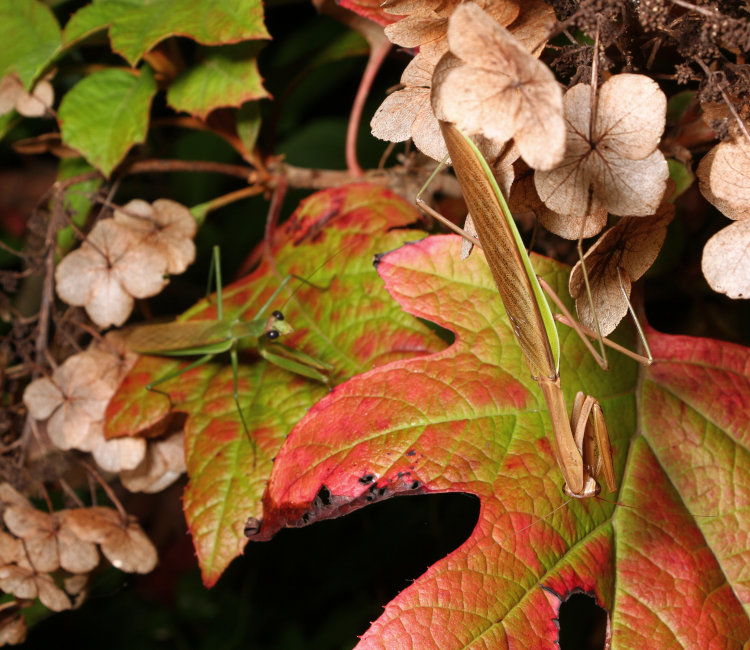
Was checking over the potted plants out front of Walkabout Estates this morning, and spotted this tiny guy.

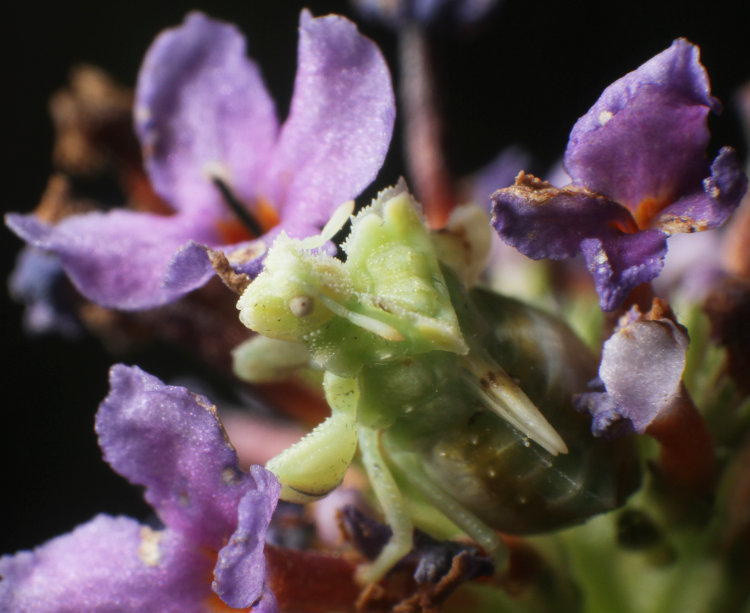
unidentified newborn mantis on gardenia leaf
Now, I have several mantis egg cases/oothecas scattered in various locations and have been keeping an eye on them, and saw no evidence of hatching, but obviously this one came from somewhere – I might have missed the hatching while away, and subsequent winds eradicated the little telltale ‘beard’ that would have indicated this. Or I’m not paying as close attention as I think I am. Notably, this one was not very close to any of the oothecas, increasing the curious quotient.

Moreover, I cannot identify this one just yet. Normally, the first to hatch in the area, and the only ones that I usually have oothecas for, are the Chinese mantises – but these egg cases came from my brother in New York, and from some of the evidence that I’ve seen, these would instead be European mantises. When they’re larger I’ll be able to tell, because the European mantids have dark spots on the underside of their forelegs, ‘armpit stains,’ because of course antiperspirant isn’t as prevalent in Europe. Okay, that was a cheap shot and I know it, but some you just can’t let slide.

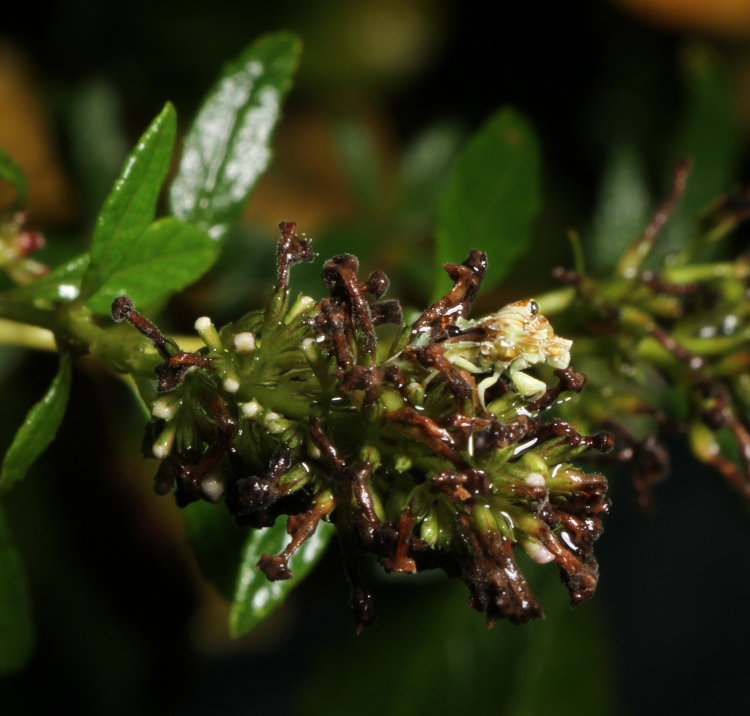
unidentified newborn mantis on gardenia leaf
it would be nice to have known that this one did come from one of the oothecas I placed – but not too informative, because I don’t know for sure that the cases are either Chinese or European mantis anyway, and they look too much alike. But I’m reasonably sure that this is not a Carolina mantis, because they hatch later and typically display an upturned abdomen at this stage, or indeed, most of their instars before final/adulthood. So I’m going to say this is either a Chinese mantis (Tenodera sinensis,) common in this area and appearing thousands of time before herein, or a European mantis (Mantis religiosa,) never before seen here, I believe. So you should either be bored or awed.

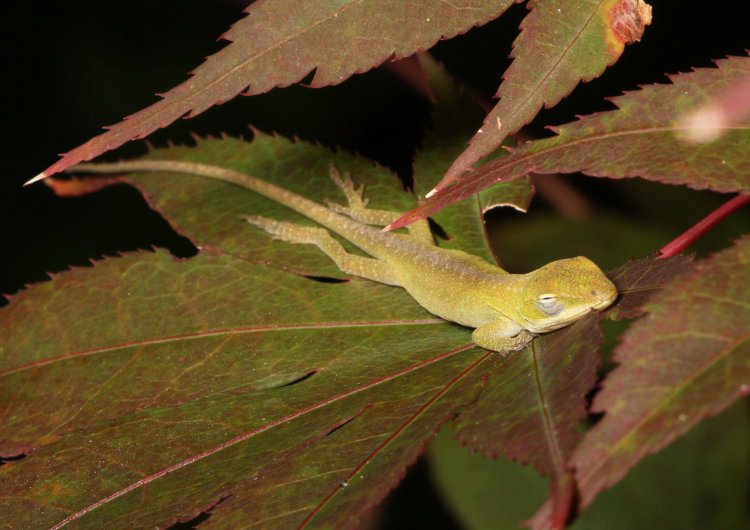
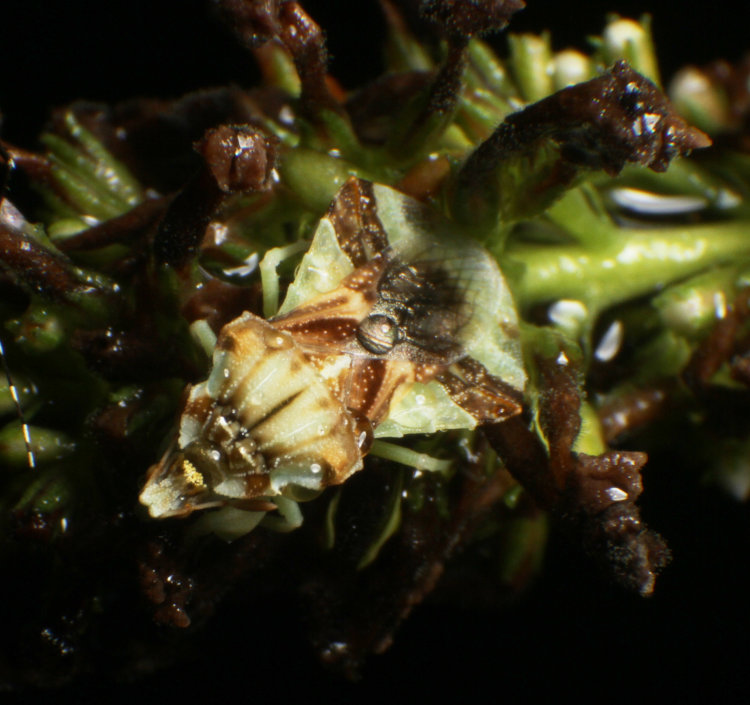
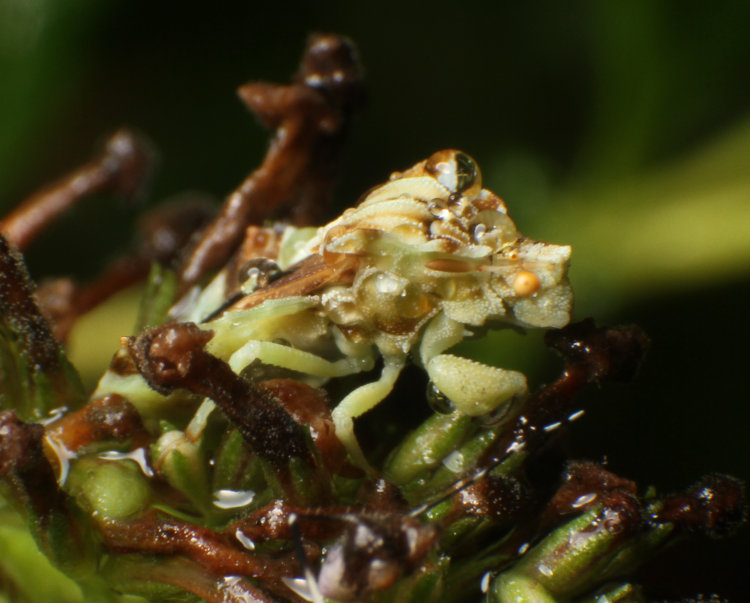
unidentified newborn mantis on Japanese maple leaf
Eventually, I located two more, both on the Japanese maple tree near the front door, which is near one of the placed oothecas, so better evidence that this one had hatched – though I cannot rule out these being from a naturally-placed ootheca that I never located over the winter, which has happened before. Basically, I’m waiting until I can get a look at their pits, and feel free to run with that quote. At least now I can say that the macro season has truly begun.

But while I’m here…

ANNOUNCEMENTS: I’ve been having reminders popping up in my calendar for a few days now, so I’ll use this space to address them.

The Lyrids Meteor Shower is presently ongoing, but is expected to peak around the 21st and 22nd, so go out and chase that if you’re so inclined. Last night was certainly no condition to try around here, but tonight might be better.

Earth Day is April 22nd, and we’ll see what I scare up for that, but, you know, give something back to the planet or be more green or something along those lines.

And April 24th is the anniversary of the launch of the Hubble Space Telescope, 34 years ago and still going strong. I just tried to determine if it would make a visible pass over this area that night, and found that it is no longer able to be found in Stellarium – no idea why, but likely something to do with the various upgrades I’ve done recently. I’ll be tackling this shortly.

Now if you’ll excuse me, I’m going to go determine just how difficult it is to see the undersides of the forelegs of a shy insect that doesn’t measure 10mm in length. I mean, anyone can herd cats…

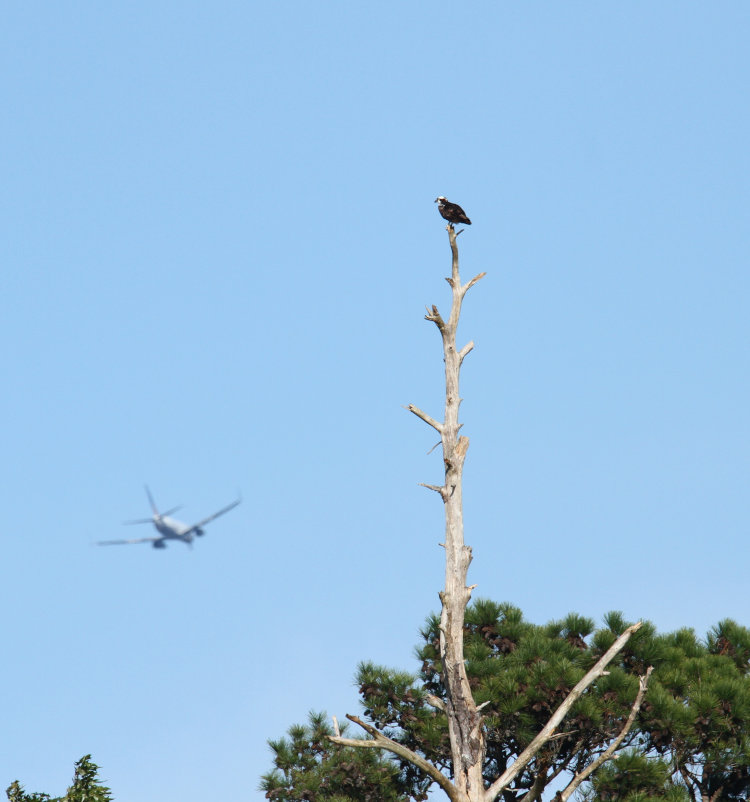
And now, the ospreys

Plurals among the animal kingdom are always fun, and occasionally up for grabs. ‘Prey’ is a collective term, but bears no relation to ‘osprey,’ and so the plural of that is ‘ospreys,’ even though I’m probably none too consistent on that aspect myself. The plural of ‘ibis,’ as I recently checked, can be either ‘ibis’ or ‘ibises,’ and avoiding awkwardness makes me prefer the former. ‘Titmouse’ is also a proper name, for a bird and not a rodent, but the plural really is ‘titmice.’ While we’re there, the plural of the computer pointing device known as a ‘mouse’ is apparently ‘mouses,’ but I have to wonder how many people are even aware of that, much less use it.

All that aside, we’re going to talk about ospreys for this post, because back at the beginning of the month, I drove down and checked on a nest that I’d observed for a few years now; I’d watched the young being fed, three years ago, but then the following two years didn’t seem to produce viable young. And I’d driven past sometime in late March this year and stopped just to see if anything was happening, not only finding a pair hanging around, but getting a glimpse of what looked like mating (it was through the tree branches and I couldn’t maneuver for a clear view in time.) Naturally I did not have the camera then. So, on the 2nd of this month, I had the camera in hand when I went down to check on things.

lone osprey Pandion haliaetus perched near nest site
Not too far from the nest sat this lone osprey, Pandion haliaetus, and I have to make a quick observation here: I recently discovered that, properly, this is a Pandion haliaetus carolinensis, since it the subspecies on the American continents. There are also Eurasian (P. haliaetus haliaetus,) Caribbean (P. haliaetus ridgwayi,) and Australian (P. haliaetus cristatus) subspecies – how did I not know this before? But overall, when we’re talking about North America, nearly all sources simply use P. haliaetus and don’t distinguish the subspecies, so, fine. And this one was disinclined to do anything while I was there, not to mention the light was less than ideal, so I didn’t stay long, But I was specifically there to check on the nest, which looked like this:
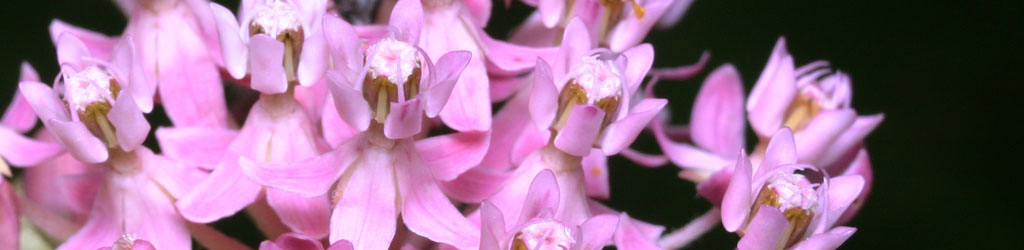
apparently unoccupied osprey Pandion haliaetus nest
I observed this for a short while and shot occasional frames, just in case some spare feathers peeked up from a low-crouching female, but nothing at all was evident. Still, the one sitting nearby seemed to indicate that the nest wasn’t being ignored, and off in the distance, another nest was clearly being used.

osprey Pandion haliaetus standing atop more distant nest
This one is too far away to make the trip down there worthwhile, but can serve as an incidental subject only if the first nest is occupied. Still, it helped confirm that my timing was correct, and nesting season had begun.

Now we jump ahead to a couple of days ago.

osprey Pandion haliaetus sitting on nest
No mistake this time, and she appeared quite well settled in, either already on eggs or just about to lay them, which seems in line with the mating behavior seen earlier. Gestation period is 5-6 weeks, so I’m marking my calendar to be paying more visits in that time frame, though the best pics will come when the young are big enough to stand upright and peer over the edge of the nest.

I have to throw in the very first pic I got of her:
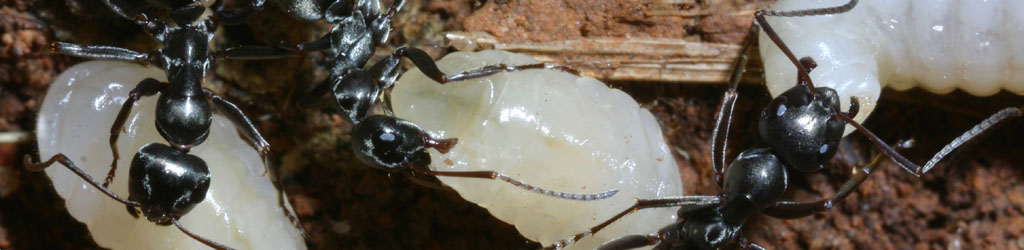
osprey Pandion haliaetus on nest with nictitating membrane closed
Look at that: eyes closed. It’s like school portrait day

Meanwhile, we had another sentry standing by, though in a different location this time.

likely male osprey Pandion haliaetus standing sentry between two occupied nests
I’m going to assume this one is a male, though since he was roughly in between the two occupied nests, I’m not absolutely sure whose mate he was. And no, it’s quite unlikely that he’s mated to both, even though some species do this; come hatching, he’d be hard-pressed to keep two nests stocked with food simultaneously. And the more distant nest remained occupied:

osprey Pandion haliaetus sitting on more distant nest
She was exhibiting the same behavior, right down to something that we’ll come to in a moment. Before that, however, I thought I saw something in the greater distance and trained the lens on that:

potential third osprey Pandion haliaetus on nest in greater distance
I didn’t realize just how far away this tree was until I’d unloaded the card back home, thinking it was the nest of a much smaller bird, but that color pattern certainly looks like an osprey again, making this perhaps twice as far as suspected, far enough that atmospheric humidity was softening the image. You think I’m making excuses for soft focus, but this is a tight crop from a full frame that actually looks like this:

very distant osprey Pandion haliaetus nest, full frame
Once again, this is at 600mm, but I can do a little better job of illustrating the distance. Here is the moon (shot much earlier) also full frame at 600mm:

waning gibbous moon at 600mm, included for scale
Once you realize that you can blot out the moon in the sky with your thumb, you’ll know that the distant nest was barely discernible at all – I would estimate the distance but I would be wrong.

But while we’re here, we’ll have a brief video clip taken at the time, when the closest nest occupant stood up to do some housekeeping.


No sooner had she completed her tasks and settled back down, than the second occupant stood up to do the same thing – just that time of day I guess. Again, totally unsure if eggs were actually present or not, but the day was more than warm enough for eggs to be able to stand a little exposure. I’ll endeavor to keep an eye on things and maintain progress posts as we go, but the real changes will be in roughly a month – I’ll try to have some content in the interim.

Too cool, part 53: Two comets

For reasons unknown, I never went looking for these after returning from the trip, but I also never had any such images pop up anywhere in my usual haunts, so I suspected that no one got anything worth keeping. Until now, that is.

Astronomy Picture of the Day features someone who actually got comet 12P/Pons-Brooks during the total solar eclipse, something that I’d intended to try for but was defeated by the failure of the barn-door tracker and the cirrus clouds across the sky. Lin Zixuan, however, was not.

Image of total solar eclipse with comets 12P/Pons-Brooks and SOHO-5008 visible, by Lin Zixuan, from Astronomy Picture of the Day

In fact, Lin Zixuan caught two comets in a long exposure – one of which was unknown to everyone until just a few hours before the eclipse, when it was captured in a coronograph (photographs aimed to image only the sun’s corona) by Worachate Boonplod. As always. clicking on the image will take you to the Astronomy Picture of the Day page, and clicking on it there will open up the full resolution image with much better detail. And it shows that Lin Zixuan actually got more than a hint of earthshine on the moon, the rat bastard (said entirely out of envy and frustration.) Both Lin Zixuan and Worachate Boonplod are amateur astronomers, which demonstrates that it’s not only the professionals with the expensive and elaborate equipment that can make discoveries or capture the cool stuff.

Moreover, SOHO-5008 was what’s called a sungrazer, a comet that approaches extremely close to the sun, and yes, I said, “was,” because it vanished only hours afterward, likely torn apart by the sun’s gravity. This means that there was only a narrow window to even know that it existed, and it was captured by at least two amateur astronomers in that time.

Now, we depart the “Too cool” classification for a shameless springboard, but I’d uploaded this last night before the APOD even posted and intended to do a follow-up post anyway, so I’m cramming them together, like someone putting broccoli in with your mandarin chicken. I think I’d mentioned that I had a video clip, and here it is, for what it’s worth (and that’s not much.) Almost forgetting about it during the eclipse, I suddenly realized that the sunset colors were indeed visible all around the horizon, and quickly grabbed the camcorder out of the car and slammed the battery into it, then had to blast through the setup menu because the internal battery had died and the camera wanted me to set the correct date and time (which I did not do – I just approved January 1, 2009 at 12:01 AM I think.) C’mon, the entire eclipse lasted not quite four minutes and we were already well into it.

But watch for Venus to pop up briefly to the lower right of the eclipse as the camera tracks up to it, to disappear entirely as the autofocus went spastic in confusion. Jupiter was also plainly visible in the sky, both immediately visible the moment totality closed in, but again, because of the clouds (which are somewhat visible in the video,) I did not pursue any deep sky shots.


What you’re seeing here is the sunlight outside of the zone of totality, the shadow cast by the moon, which is a little less than 200 kilometers wide, so that light on the horizon was a bit less than 100 kilometers away where the sun was still shining. Just after totality ended but the sun was still largely blocked to us, I looked all around at the sky overhead and, while no “shadow” was distinctly visible on the cloud cover, moving away, there was a definite difference in brightness from the sky in the shape of a huge parabolic arc, perhaps only visible because of those cirrus clouds. A time-lapse series taken of the sky as totality came and went might have been cool, but it never occurred to me to try it. Someone else might’ve, though.

As noted earlier, the birds got quieter when totality closed in, but did not go completely silent – we were definitely hearing some of them singing. My recollection was that they went silent just as the eclipse ended and the sun broke out again, but the video seems to indicate otherwise.

As an amusing aside, The Manatee was standing right alongside the car and would have appeared in the video, but he saw me panning around and ducked below the camera as it passed – that’s him commenting that it was getting brighter. Not long after that, my watch alarm went off telling us that totality was soon to end, and I got ready for the diamond ring frames.

Just once, part 16

glossy ibis Plegadis falcinellus in flight over Merritt Island National Wildlife Refuge, Florida
Initially, I find it no surprise that this species has only been featured here once, since I don’t recall seeing them often at all – perhaps only at this very location, which is Merritt Island National Wildlife Refuge in (wait for it) Merritt Island, Florida. This is a glossy ibis (Plegadis falcinellus,) and while I have seen and photographed plenty of its relative the white ibis, including out on the Carolina coast, the glossy ibis seemed scarce and very selective of their locale. But as I check further details, I find that they can be found throughout the state of Florida and indeed well up the East Coast, including and past North Carolina. So why haven’t I seen them again?

In a way, this might be a reflection of how territorial maps are used, since they never show the relative density of the birds in any location – just the fact that they’ve been spotted there, more routinely than a mere fluke. And then again, it may be a reflection of my own habits, never around during their migrations or perhaps not venturing often enough into the areas like stillwater wetlands, which describes practically the entirety of Merritt Island NWR.

I ponder things like this sometimes – more so as I’m writing about them. For instance, it occurs to me that if I specialized more, sticking entirely to avians or even further, like to birds of prey, I might have spent more time getting educated in their specifics, but having a wider range of interests and subject matter means I pick things up haphazardly; today, some habits of the glossy ibis, while last week it was what the purpose of those funky eyes is.

Or maybe I’m just too lazy to follow through. Could be that.

Trekking through the deep wilds

Well, okay, that might be giving a slightly overblown idea of the efforts, since all but one of these images were taken within seven meters of the front door here at Walkabout Estates. The one exception? Within seven meters of the back door. But I have a few spring photos handy and I’m gonna use them (in between more raptor images, so there’s a dual purpose.)

We’ll start with one of the potted gardenia bushes.

potted diamond spire gardenia Gardenia hybrid ‘Leefive’ PPIP with addition
This dates back about two weeks now, but The Girlfriend’s diamond spire gardenias (Gardenia hybrid ‘Leefive’ PPIP, no, really,) were among the first to be moved out of the greenhouses – they’re probably quite cold hardy, but being potted, they’re susceptible to root freeze if the temperature remains cold enough, so they were in the ‘adjunct’ greenhouse for safety. Yet, there’s an additional reason that I took this photo – can you spot it?

Fine – we’ll go a little closer.

potted diamond spire gardenia Gardenia hybrid ‘Leefive’ PPIP with addition
I mean, I wasn’t making it hard on you, so I was skilllessly (that’s a word, right? It should be anyway,) placing the subject dead-center, and it’s only the contrast of natural bright sunlight that makes it harder.

How about now?

potted diamond spire gardenia Gardenia hybrid ‘Leefive’ PPIP with juvenile green treefrog Dryophytes cinereus tucked within
The coloration is working pretty well, I admit, even if it is a bit too bright for true blending, but this little spud didn’t waste any time, and indeed, used this plant as a routine daytime perch until recently.

juvenile green treefrog Dryophytes cinereus tucked tight to stem of potted diamond spire gardenia Gardenia hybrid ‘Leefive’ PPIP
Featured here only about a billion times, I still feel obligated to inform new readers that this is a juvenile green treefrog (Dryophytes cinereus,) less than half adult size. It had to endure a couple of pretty chilly nights since its first appearance on the plant, but I think we’re past that point now.

And then, I didn’t spot it for two days, but that’s likely because I moved more plants from the greenhouses in the interim, and the frog decided it liked another choice better.

juvenile green treefrog Dryophytes cinereus now napping on hydrangea bush
We have two potted, unidentified hydrangea bushes, one of which is immediately adjacent to the previous gardenia, and the frog elected to move to that, blending in even better, plus the leaves are much larger and offer better shelter.

I know you’re saying these aren’t a match and this is another green treefrog, because of those spots on the back, but they’re concentrated on the left side, which we really weren’t seeing in the other pics, while there remains some evidence of them in the full-resolution versions too, so I’m comfortable telling you you’re wrong.

[This is a curious trait: yellow spots are fairly common on green treefrogs but by no means a routine marking, and they appear to be entirely random – no pattern or bi-lateral symmetry (matching left and right) to them. Something I’ll have to look up sometime.]

The sequence of photos of the gardenia came from two weeks ago, while the one above on the hydrangea comes from this morning – as does this one:

unidentified crab spider Thomisidae with unidentified prey, likely a flying ant
Next to both of those plants sits one of the three butterfly bushes (Buddleia davidii,) and an occupant thereof wasted no time in snagging a meal, especially since the bush is not even close to flowering yet. I can’t identify this crab spider, except for Family (Thomisidae,) nor can I identify the capture, though from the eyes and a peek at the mandibles, I’m inclined to say it’s the flying stage of some ant species (Formicidae) rather than a wasp or other Hymenoptera. Regardless, they’re both quite small, and this was taken with the reversed 28-105. Knowing spiders the way I do, I suspect that this guy (and another nearby) did not actually happen upon the butterfly bush when I put it out, but remained on it from last year, just waiting for warmer weather and the reappearance of prey insects.

A quick sideline, back to two weeks ago.

developing almond on almond tree
This is one of many almonds developing on my almond tree, which is doing very well this year. Last year, we also had some almonds coming in but then something, likely squirrels, stripped them all off, despite being heavily coated with deer repellent, which I would have thought would work on squirrels too because it’s pretty nasty stuff. We’ll see what happens this year, but so far, so good.

And finally,

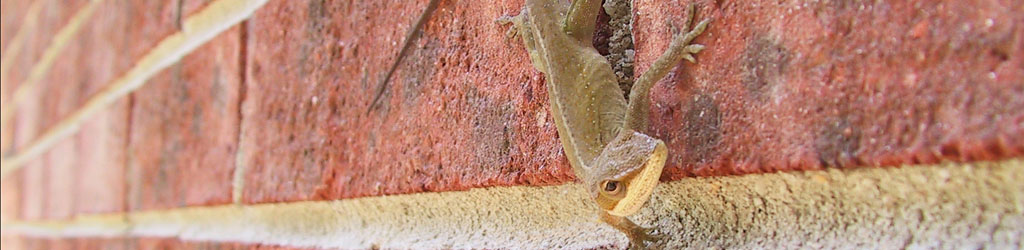
likely pregnant female Carolina anole Anolis carolinensis sunning itself on fence post
By this time last year, I’d witnessed a serious territorial battle among the Carolina anoles (Anolis carolinensis,) but it seems slower this year – or I just haven’t witnessed them, which is entirely likely. But this one was sunning itself on a fence post a few days back, and judging from that girth with the narrow tail, I’m considering this a pregnant female. I mean, not to her face – I was prudent and kept my mouth shut, because this is The South in the US and this may be par for the course. The worst bit is, there’s no way I’ll know for sure, because if she is preggers, she’ll find some leaf litter to deposit her eggs within and I won’t see the young for weeks, perhaps months. Plus I have no way of differentiating anoles anyway, so watching for this one specifically to see if the belly suddenly vanishes is a pointless exercise. Regardless, we’ll probably see bebbies soon enough, from this one or others because there are plenty on Walkabout Estates. Right not I’m still watching for some of last year’s juveniles, and the forked tail one. Not lofty goals, but goals nonetheless.

[Actually, it certanly is ‘theless,’ isn’t it? Whatevs.)

Not gold

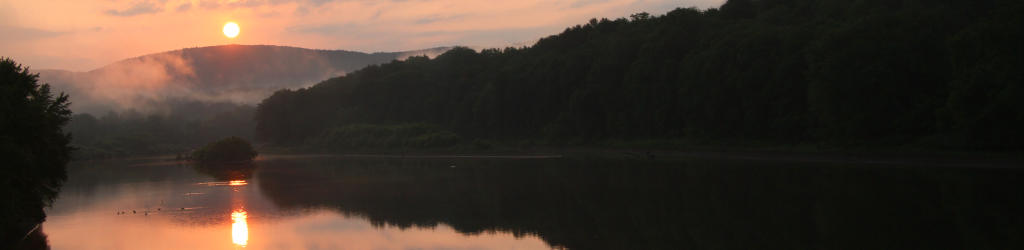
pre-sunrise twilight on Jordan lake
The Insuperable Mr Bugg (who has abandoned his blog and now relies on [urk!] social media, so you can only see his photos if he’s your ‘friend’ or whatever, while I welcome everyone) and I went down to Jordan Lake for sunrise yesterday, and it performed as typical for this area, which is to say, not very well. Colors peaked a little higher than this, in that the clouds got a pinkish tinge for a few minutes, but that was it. And this revealed one of the negative aspects of the “golden hour,” those times right around sunrise and sunset where photography is greatly improved by the color change in the light. Because yes, there was still a bit of a golden hue to the sunlight for a while – but only if you had the sun at your back. Facing anywhere towards the sun meant dealing with blinding glare and primarily silhouettes. Of everything.

flock of great blue herons Ardea herodias herodias crusing past just before sunrise
This is not an area where the great blue herons (Ardea herodias herodias) tend to flock, so seeing a flock cruising past was notable, if not the most photogenic. Sure, if the sun were actually up then it might have been better, more light on them and faster shutter speeds to make things much sharper, but they chose the time, not me.

The distant (now) osprey nest was visible only in silhouette for the entire time we worked that portion of the lake, but at least we could make out some activity therein.

pair of osprey Pandion haliaetus on silhouetted on and near the nest
This is cropped significantly, but an osprey (Pandion haliaetus) was easy to make out on an adjoining branch, not to mention that I’d seen it arrive. What I wasn’t terribly sure about was if the nest itself was occupied, or if that was simply evidence of the supporting branches – there seems to be something in there, but it also seems a bit wide in comparison to the other. Not that this is bad of course, just, you know, in comparison.

But a subsequent image answered that question.

lone osprey Pandion haliaetus silhouetted as it approaches empty nest
It was definitely not a branch making that hump in the nest, and I even checked the angles of these two images carefully to make sure that I hadn’t moved significantly along the lakeshore between them and changed details through parallax. Neither of the osprey were choosing to do any fishing early in the morning, but another image that I have might explain why, since one of the them is arriving with a long stick, so they’re still working on the nest and likely haven’t mated yet. Eggs will still be a little while, much less the frenetic fishing activity that comes when the young are born. We’ll keep an eye on it – but in the afternoon, when the sun has switched sides and is shining on the nest rather than behind it.

Still, the light provided a little to work with, for the few subjects that showed up in the right direction.

spotted sandpiper Actitis macularius foraging halfheartedly on a rock in the lake
Normally this distance and detail wouldn’t be enough for me to confirm identity, but this spotted sandpiper (Actitis macularius) displayed the bobbing motion that is typical of the species when meandering around his Piece of the Rock (stay with me here.) Plus I’d seen one nearby earlier, maybe a hundred meters from this spot. I chose this particular angle because it was the only one that showed the catchlight in the eye.

A turkey vulture (Cathartes aura) passed nearby and caught the sun, differentiated from the black vultures that were flocking and doodling around the entire area.

turkey vulture Cathartes aura overhead catching the morning sunlight
The sunlight and the angle really brought out the silvery undersides of the primary flight feathers on the wings, turned more bronze by the early sun, plus we’re now close enough to see the red head of the species, which is actually difficult to make out even at a moderate distance. Both vulture species soar with their wings held at a slight dihedral, a shallow V-shape, which helps distinguish them even at a great distance from ospreys and eagles, which hold their wings flat in a glide. And of course the coloration under the wings (silvery here, white ‘palm’ patches for the black vultures,) is the next characteristic.

Mr Bugg wants credit for spotting the following one, so if you’re one of his ‘friends,’ you can do so.

Carolina wren Thryothorus ludovicianus singing with something in its beak
I have a sequence of frames that I know were taken when this Carolina wren (Thryothorus ludovicianus) was singing, and in only one is the beak even slightly open, while you can see the standing throat feathers here that usually signify vocalization. In other words, it was talking with its mouth full, perhaps trying to entice a female with this magnificent capture, which is probably about as effective as wearing the hood up on your ‘hoodie’ in class. C’mon, that’s smaller than a ladybug! Put some effort into it!

Now, we’d seen a couple of bald eagles (Haliaeetus leucocephalus) while there, but only quite a ways off and silhouetted by the sky, barely distinguishable as eagles. Then we switched to another nearby location, putting the sun more behind us as we looked out over the lake, and there the eagles were playing hide-and-seek for a bit. Our first encounter netted too few images of worth, as the eagles were close, but obscured by the trees rather than out over the lake in open sky. Eventually, however, a pair began wheeling together, first several hundred meters off, but finally drawing close enough for something worth keeping.

pair of bald eagles Haliaeetus leucocephalus wheeling together in non-aggressive manner
We watched what I can only assume is the same pair wheeling together in wide circles for quite some time; there were no aggressive or even playful moves, and in fact no attempts at any contact were visible, but no fishing behavior either. I suspected courtship, but cannot confirm this in any way.

Watching without aid, they were difficult to tell apart at first, but the photos helped illustrate how to distinguish the two.

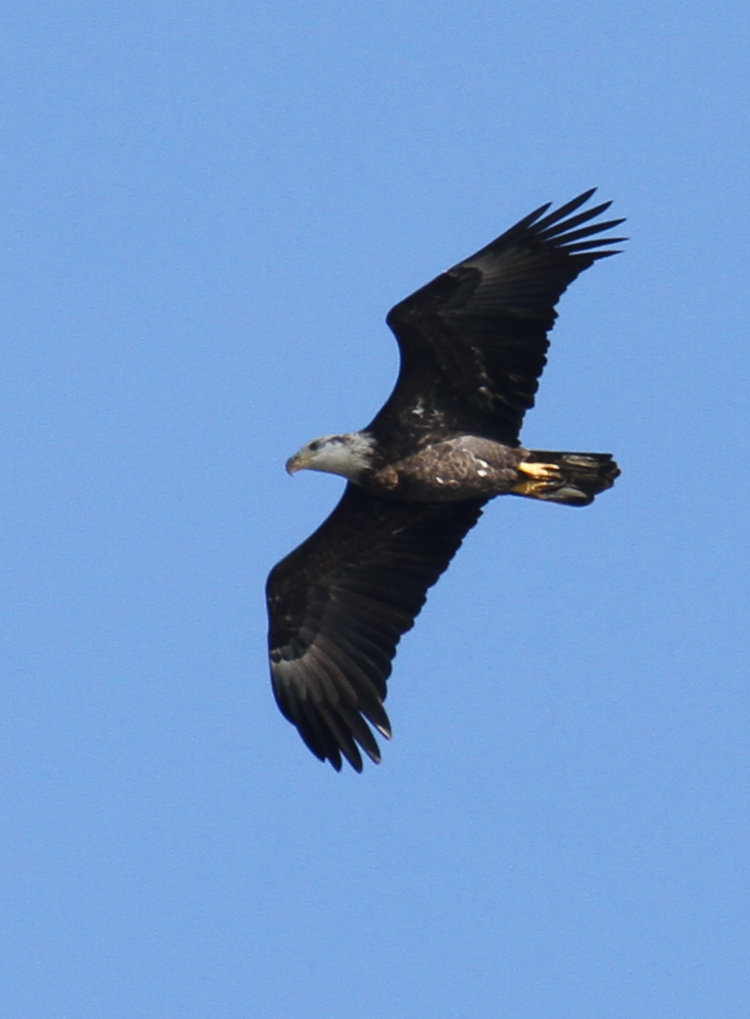
bald eagle Haliaeetus leucocephalus showing coloration that may indicate transitioning into fourth year
While ostensibly showing ‘adult’ coloration (meaning four years or more old,) we can see dark edges to the tail feathers as well as that dark patch behind the eye; to me, this likely indicates that this one is just transitioning into its fourth year, molting out the different plumage that they have at earlier ages. From the long sequences of frames that I gathered, this one was mostly holding the lower position in circling, and I’m thinking this might mean it was the female, being courted by the male from above. But that’s all I have to go on, and like I’ve said before, I’m a photographer, not a birdyologist.

bald eagle Haliaeetus leucocephalus showing fully adult coloration
While this one shows very clean white head and tail feathers, as well as that damaged feather out near one wingtip, obviously not from molting, so easy to tell apart from others. Potentially older than the previous eagle from that coloration, but beyond year four it’s impossible to tell, and since it maintained upper postion all throughout the circling, I’m inclined to call it a male, but again, I’m inclined to do a lot of silly things.

pair of bald eagles Haliaeetus leucocephalus in midair encounter, not distinctly aggressive
Throughout nearly all of my frames, there is no evidence of the talons dropping as they got close together, which would be an indication of territoriality; eagles are such heavy and slow flyers that they cannot simply rush one another as smaller birds might, but use their slow gains in altitude and repeated wheeling to bring themselves into a position above their opponent to pick up speed in a dive and attack, so even when being nasty to one another, often times they simply look like they’re just sharing airspace without concern. Here, however, the upper one has its talons extended, though the lower one wasn’t rolling to meet these (as they often do, even turning upside-down,) so I still don’t think this is aggression, but perhaps overtures to mating. You know, like how we rush at a potential date with our hands outstretched like claws to show interest. That’s not just me, right?

Here’s the full-frame version, and this is at 600mm, so you know they were pretty distant – I certainly couldn’t make out those talons from this.

full frame of previous image of bald eagle Haliaeetus leucocephalus encounter, demonstrating distance
Nothing ever came of this that we saw, even when they circled overhead and shifted laterally by hundreds of meters, so if it was courtship, the male was having my luck. They drifted off and we were at the end of our session anyway, not to mention cold from the low temperature and wind of the early morning, so we packed it up. But I have a couple more images to share, from just a little earlier.

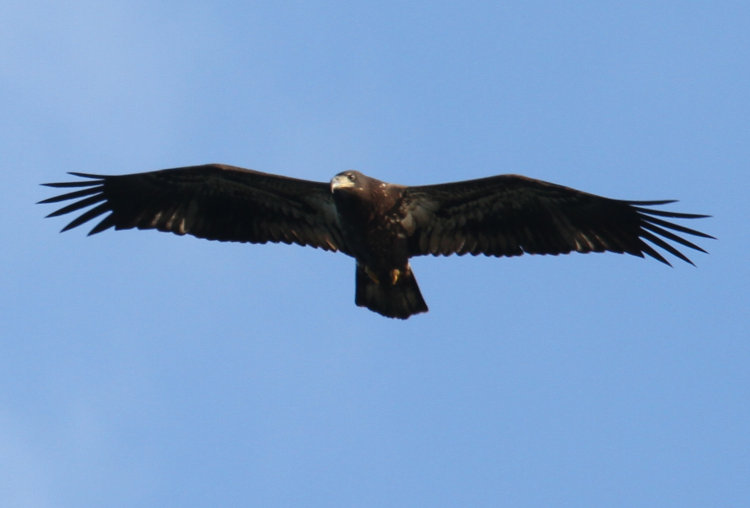
possible male bald eagle Haliaeetus leucocephalus overhead looking down at photographer
During the circling behavior, they would occasionally separate for brief periods and apparently cruise off in different directions, but never for very long, During one such period, Notchy here passed fairly low overhead, and for once, autofocus remained cooperative even as I started craning over backwards to track him. Meanwhile, he appears to be paying attention to me in return, though from the sequence of frames I didn’t hold his interest for more than a few moments. Still, we need to go in closer for those eyes.

tight crop of previous image of bald eagle Haliaeetus leucocephalus overhead
Same frame, but now at full resolution, and if I could only see the left eye, I’d say he was staring right at me, but the right eye seems to say otherwise. Is this strabismus, or can eagle eyes do that (like chameleons,) or is this simply a trick of the light? I don’t know, but it’s faintly disconcerting.

One more, because.

bald eagle Haliaeetus leucocephalus in shallow glide
I just liked this one for the position, especially the wing over the head, and for once I captured some good light on the eyes. From examining the other frames, I can tell this was actually a different one from the pair above, much earlier. But overall, these all made the last hour far more productive than the previous two, and I fired off a lot of frames – I’ll only keep the best of course, but when they’re interacting, often times singular frames display something crucial that isn’t immediately apparent, so I always go through them carefully. We’ll see if anything else of interest pops up during the sort.

Meanwhile, more images of other subjects will be along shortly – I’ve been more productive the past two weeks that I was for the first two months of this year. No surprise, really, because winter and spring and all that, but it’s good to get back into the groove again.

Just once, part 15

pair of mating  Orthonevra nitida on small flower buds
These two are small, so it’s no surprise that I only have one example of images of them, though I think I might have seen another last year when I didn’t have the camera in hand. This is a type of Syrphidae, or the hover fly family, known only as Orthonevra nitida, and the eye pattern is apparently specific to the eastern half of the continent.

Why do the eyes look like this? I have found no explanation, and even idle uneducated speculation (well, my own, anyway,) hasn’t provided a clue. Given the other markings and even the wing veins, I’d be inclined to say it was camouflage, but likely not from blending in, since hover flies routinely alight on flowers that look nothing at all like this. However, it’s possible that they resemble something like caterpillar feces and thus avoid predation through germophobia. Then again, if you refer to this image, it’s easy to believe they do it on purpose just to freak out the stoned predators.

And while the short depth-of-field makes it far less obvious, this is actually a mating pair, though which one is facing us, I can’t say. But notice that one simple eye, right in the middle, staring right into our souls…

Exactly/mostly as feared/intended

I don’t know who comes up with these holidays, I really don’t – it’s makes little sense to celebrate something so banal. Why don’t we have National Spaghetti Day or Stay Away From Seattle Day while we’re at it?

[Oh. We do.]

But anyway, today/yesterday is/was Encounter Extraordinary/Rotten Luck Day, and since there are few, if any, holidays that I’ll let slip past me (because I’m a True Patriot™, and not one of these self-absorbed poseurs,) I am celebrating/celebrated it by chasing the total solar eclipse – which I realize that you might not have heard about here in the US, but there is/was a total solar eclipse today/yesterday across much of the country. I’d already driven north to be in the path, and so The Manatee and I are driving/drove off a bit further to get almost centered in the path for maximum exposure – or, you know, lack thereof. Whatever.

We’d been examining the cloud cover predictions something like twice a day to see what meteorologists said about it, but this is far from an exact science, only slightly better than economics, really, and so it is/was mostly down to luck. I am/was kinda psyched, because my luck with the barn-door tracker had been rather poor, and thus I was due for better luck with the eclipse itself, because that’s how luck and random events work – I have this on good authority from my gambler friends, who oughta know.

As you might recall, should you actually exist and should you have read anything else here, I have/had plans to try for two things on top of the eclipse itself: earthshine on the moon during the eclipse, and comet 12P/Pons-Brooks, which is/is presently in the sky rather close to the sun and predicted to become visible when the sun goes dark – both of these were what the barn-door tracker was intended to help with, since they would require longer exposures. Without that help, however, I am/was forced to resort to higher ISOs to keep the exposures brief.

So how did it all go?

Pretty terrible, really. Cloud cover was near-complete at the time of totality and I got nothing at all worth posting about, and would have nothing here if it weren’t for recognizing this stupid holiday. Not too shabby at all, I must say. The day started out raining, but quickly cleared to a cloudless sky that remained that way for the hour-long drive to be in peak path. Our first choice of a location turned out to be packed, even well over an hour ahead of the start of partial, but without much poking around we found a church [urk!] parking lot that was both empty and not blocked off, and set up shop. Meanwhile thin, high cirrus clouds had started rolling in, and we despaired about seeing the comet or even the planets when totality struck. However, it was an exceedingly pleasant and warm day for Ohio in April, and thus easy enough to hang around outside the car while we waited.

Now, the solar filter material that I had gotten well in advance turned out to be pretty wretched material, or it might have been the pieces of glass that I sandwiched it between to keep it in good shape and easy to handle, but the results during the partial phases were not the slightest bit impressive.

partial phase of total solar eclipse of 2024, roughly 45 minutes before totality
This was about 45 minutes before totality, but the resolution is pathetic. I maintained a few frames as things progressed, but really, there isn’t much to see here except the reduction of the visible sun disk – the sunspots that I’d hoped for had never developed.

As before, the reduction of light from the sun was weakly noticeable, but not half as much as one would expect – about like deep haze, except the contrast and sharp shadows were still plainly evident. The sun itself remained impossible to look at without filtration (eclipse glasses et al) right up until a second or three before totality. But like before, I did a couple of comparison shots.

a pair of images showing relative exposure between 'proper' and 'sunny 16' settings
The image on the right was taken on automatic, allowing the camera to set exposure, while the one on the left was taken using the “Sunny 16” rule for a proper exposure in bright sunlight. Obviously, it was much darker than “bright sunlight” out there, roughly two stops less or 1/4 as bright (which actually seems high to me, since this was about 15 minutes before totality.) The real darkness rolled in only moments before total, and once that struck, I was working without any filter.

solar eclipse of 2024 just as it enters totality showing 'Baily's Beads' of the sun peeking past the lunar terrain
I screwed up a little here, in that I was aiming for the ‘diamond ring’ effect of the last vestige of direct sunlight peeking past the lunar limb with the intact corona, but the exposure was too low for the corona. This effect is known as ‘Baily’s Beads,’ though, and shows the lunar terrain edge on, so you’re seeing light through the valleys and plains of the moon right along the edge. I’m not going to do it right now, but I’ll see if I can determine the actual terrain that the sun is peeking through later on. Meanwhile, if you look very closely towards the left of the effect, you’ll see the faintest vestige of a solar prominence, which you’ll see better, well, right now.

total solar eclipse of 2024 showing multiple solar prominences around edges of moon
Because of the faintly obscuring clouds, I hadn’t bothered to set a ‘proper’ exposure for the corona, so this is less than I’d aimed, but the pinkish solar prominences are easily visible, and if you look closely below the one on the left, you’ll see another faint, wispy one extending off into space. Of course, this is all relative, since that’s probably several times longer than the Earth is wide.

But moments later I exposed more for the corona.

total solar eclipse of 2024 exposed more for the corona
Once again, this was plainly visible without aid, and even the tiniest pink spots of the prominences could be seen by naked eye, but the sun is actually quite small in the sky so of course the long lens helped a lot. The clouds obscured less than expected and Venus and Jupiter were immediately visible at totality, even with the clouds visible in the sky, but I didn’t even bother with looking for the comet. My attempts at capturing the eclipse, Jupiter, and Venus lined up in the sky with a second camera came to naught; I literally just fired off a few frames on autoexposure between the various other images that I was trying to capture, but you know, handheld images of ‘stars’ never turn out well.

I did, however, make several different exposures in the attempt to bring up earthshine, but on initial examinations, no details were showing up before the glare from the corona overloaded the frame. At some point later on, I’ll bring them into GIMP and play with the light levels, see if anything at all was captured, but I suspect the difference between the brightness of the corona and the dimness of the earthshine is just too great.

Annnnddd I did successfully capture a ‘diamond ring’ at the end of totality – not quite what I was hoping to get, but it suffices.

direct sunlight beginning to emerge at end of totality during solar eclipse of 2024
I had alarms set and was ready for re-emergence, but they weren’t down to the second, so I just fired off a sequence of frames as it began – they very soon descended into pure glare. Exposure was still set for the corona, so this was 1/60 second at f6.3, ISO 200; I probably should have had a much smaller aperture to try and produce a starburst, which would have either slowed the shutter speed awfully far, or pushed the ISO much higher to compensate – tricky to get correct, and the conditions existed for a mere second, so no opportunity for experiments. Maybe next time around.

[Unless I get a whole lot of money to travel, the next one for North America will be in 2044, and it’s unlikely this old fart will be attempting to capture that one. So, you know, donations are welcome…]

Later on I’ll bring up the brief video that I captured, scanning the entire surrounding horizon because the ‘sunset’ glow in 360° was indeed visible, the benefit of being out in open farm country. But this post has taken a long time to put together, especially since I’m still visiting with friends and cannot devote a lot of time to it, so I’ll close with a pair of images taken by my companion out there, The Manatee – I was unaware that he was doing so, otherwise I would have looked even more dashing, if you can imagine that.

image of the author during the partial phase of the solar eclipse of 2024, showing long lens and solar filter, taken by The Manatee
This was during the partial phase probably not too long before totality, taken with a [bleagh] smutphone, and I don’t have a timestamp and so cannot tell you how far along the eclipse was – maybe it’ll be edited in later.

image of the author during totality of the solar eclipse of 2024, taken by The Manatee
And this was during totality, when the surroundings were all ‘twilight’ and dim, but bright enough to see what you were doing. If you look closely at the side of the car by the taillight, you can see the reflection of the surrounding orange glow from the horizon, and if you look at the bottom edge of the widow on the back door, you’ll see the reflection of the eclipse itself – not detailed, but that’s the bright spot.

But at least I tried to get I got a few decent images out of it, and got some gaming and entertainment out of it as well. I’m cool.

Note to self: Delete inappropriate options before posting. Don’t forget this time, you putz.]

Ze Frank is back… again

Yes indeed, we have more True Facts from Ze Frank, and this time, they’re about shrimp. Not one of which has anything to do with eating them, either.


Naturally, I can’t let it go at that, because ego. Plus the fact (true) that I’ve had two of the varieties that he featured close at hand, when I maintained a basic saltwater aquarium during my tenure in Florida. The first would be the pistol, or snapping, shrimp:

bigclaw snapping shrimp Alpheus heterochaelis in home aquarium
I actually had this one for a while before I stumbled upon the correct species, which is bigclaw snapping shrimp (Alpheus heterochaelis.) Which helped explain a peculiar occurrence some weeks previous to that, because I’d been almost asleep when I heard a sharp ‘clink!‘ from the aquarium, far too loud for it to be from rocks moved by any of the small crustaceans that I had in there. I actually got up and examined the tank thoroughly, because it sounded like the glass had cracked, but of course I found nothing. Later on when I’d discovered the species and its habits, I realized what I’d heard.

bigclaw snapping shrimp Alpheus heterochaelis peeking out of weeds in home aquarium
I only have a handful of photos, because my specimen here was quite shy and tended not to venture out in the light often (unlike the little crab alongside her, which was quite brazen.) I don’t recall how I’d captured this one, though I certainly wasn’t treated to its namesake attack, but I do recall being down on the docks at night, examining things in the water by flashlight, and hearing the occasional sharp report from nearby, trying to determine what caused them; I now know that I had no hope of actually seeing it in action.

But it was on one of the nighttime foraging trips that I snagged the other example, which is seen in the video but not named:

grass shrimp Palaemon paludosus perched against glass in home aquarium
This is a grass shrimp (Palaemon paludosus,) and the lighting is faintly deceptive; I was using an off-camera flash angled to bring up the detail, because this species is really transparent, and a lot of my previous photos had the shrimp hard to make out against the background. Curiously, while I was shining my flashlight down into the water alongside the dock one night, I saw two tiny ruby reflections but nothing else, and finally slipped a small bowl into the water underneath it. I captured it, lost it to my great chagrin, and then recaptured it (or another just like it) in the exact same spot on the piling; the ruby reflections were from those eyes, though I never reproduced the effect in photos. Only about 20-25mm in length, they (I eventually obtained several) were very fond of drifting through the water propelled by their pleopods – I’m not sure where Ze Frank got his info, but that’s the name of those little legs under the abdomen, that you unfortunately cannot make out in this image. Yet if danger threatened, or if they simply touched something they didn’t like with their antennae, the tail would snap down and propel them backwards several centimeters in an eyeblink. They were also easy to care for, since they foraged for algae and debris on clumps of weeds, which I’d replenish a couple of times a week while getting fresh water – none of that stuff that you see in the background is growing.

I haven’t the faintest education in marine biology, but I was picking up a significant amount just by having the aquarium – and easy access to the sound of course. Never did spot an octopus, though, one of my great regrets.

1 51 52 53 54 55 334